
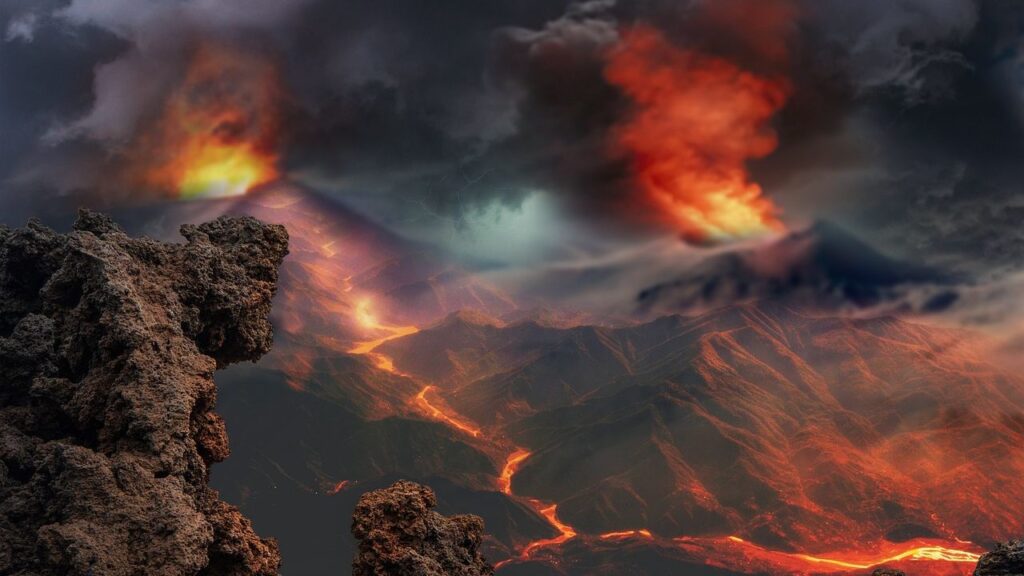
Have you ever stopped to wonder what kind of catastrophic force it takes to wipe out nearly all life on the planet? Imagine oceans devoid of their creatures, forests crumbling to dust, and entire families of animals vanishing into geological history. Throughout our planet’s dramatic journey across billions of years, life has faced its darkest moments during what scientists call mass extinctions.
These weren’t just bad years or difficult decades. We’re talking about events where the majority of species on Earth simply ceased to exist, leaving behind only fossilized clues of their former glory. Yet here’s the fascinating part: each of these catastrophic die-offs also cleared the way for incredible evolutionary innovations. Without them, you and I wouldn’t be here today reading about ancient trilobites or discussing the fall of mighty dinosaurs. Let’s dive into the five most devastating mass extinctions that fundamentally reshaped life as we know it.
The Ordovician-Silurian Extinction: When Ice Conquered the Seas
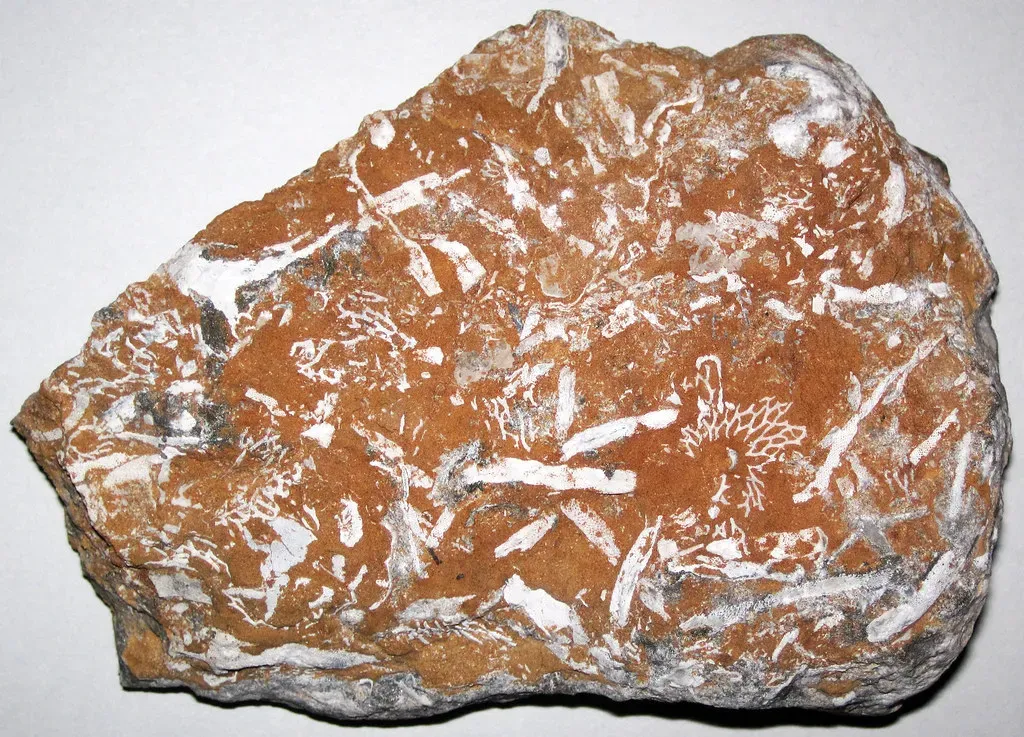
Picture a world roughly 445 million years ago when the first of the “big five” major mass extinction events struck Earth. At this point in history, nearly all life still thrived exclusively in the oceans. The extinction eliminated nearly 85% of marine species, making it one of the most severe biodiversity losses ever recorded. Brachiopods, trilobites, and bizarre creatures called graptolites found themselves suddenly facing an environmental nightmare they couldn’t escape.
What makes this extinction particularly intriguing is its double punch. It was driven by climate and habitat disruptions caused by the onset of glaciation in Gondwana, the associated fall in sea level, and a subsequent warming period which melted ice and brought about rising sea levels. Think about that for a moment: life got hammered first by brutal cold, then by rapid warming. The tectonic-driven paleotemperature drop enabled the polar faunas to migrate towards the tropics, but many warm-water faunas in the tropical belt could not adapt and died out. Creatures that managed to survive the initial freeze then had to endure toxic ocean conditions as water chemistry went haywire. Honestly, it’s remarkable anything survived at all.
The Late Devonian Extinction: A Slow Suffocation Over Millions of Years
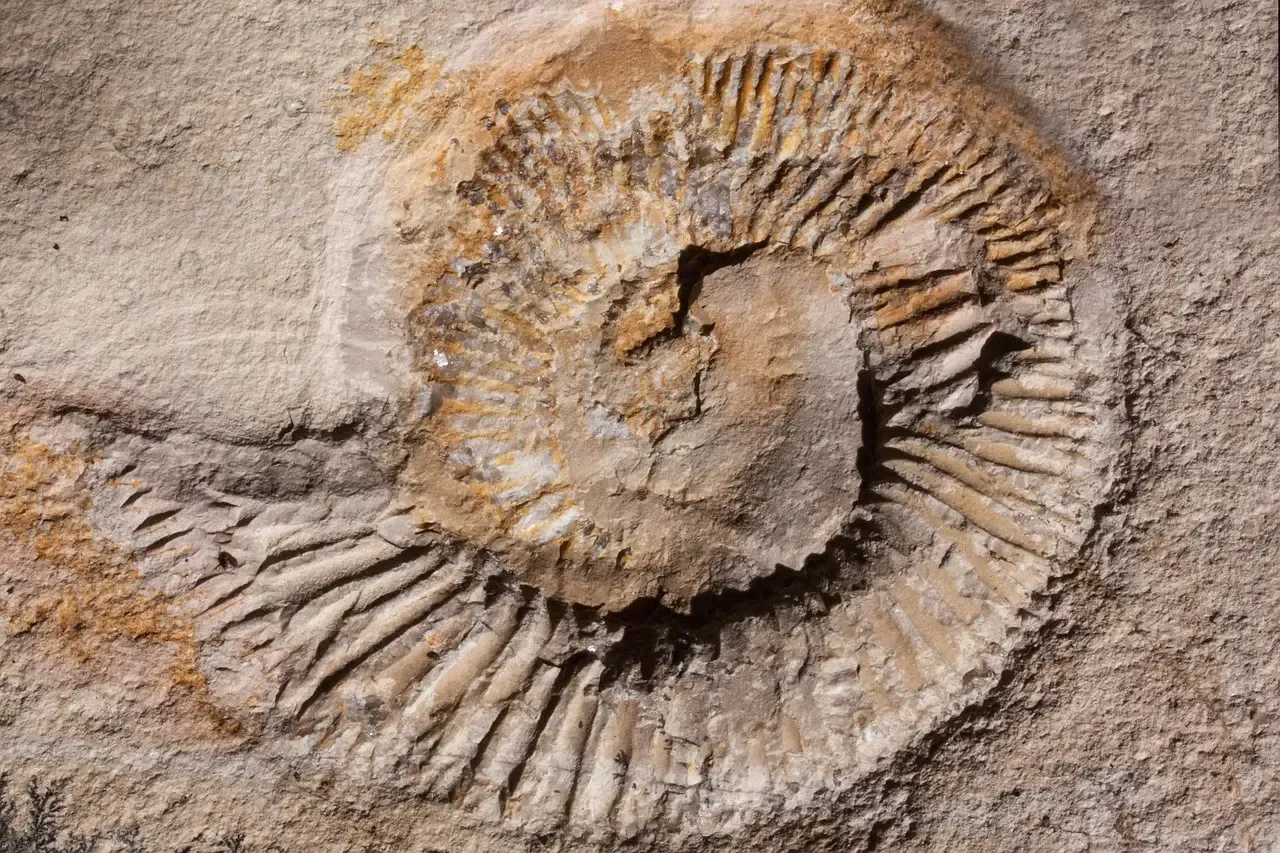
The Late Devonian mass extinction occurred around 372 million years ago, at the boundary between the Frasnian and Famennian ages. Here’s the thing about this extinction: unlike the sudden catastrophes of other events, this one was more like a prolonged agony. Roughly 75% of all species disappeared over its course, happening in two “pulses” spaced about 800,000 years apart, with most of the extinctions happening in the second pulse. The oceans witnessed the near-total collapse of their magnificent reef systems, built by corals and bizarre sponges called stromatoporoids.
The extinction seems to have only affected marine life, with hard-hit groups including brachiopods, trilobites, and reef-building organisms. Meanwhile, life on land continued its evolutionary march relatively undisturbed. Climate change may have been involved, with geological evidence for cooling of the global climate, possibly caused by a drop in the amount of carbon dioxide in the atmosphere. The culprit? Forests. The Late Devonian saw the rise of Earth’s first true forests, and these massive trees sucked enormous amounts of carbon dioxide from the atmosphere. The resulting cooling, combined with ocean oxygen depletion, created a deadly combination that marine creatures simply couldn’t handle.
The Permian-Triassic Extinction: The Great Dying That Nearly Ended Everything
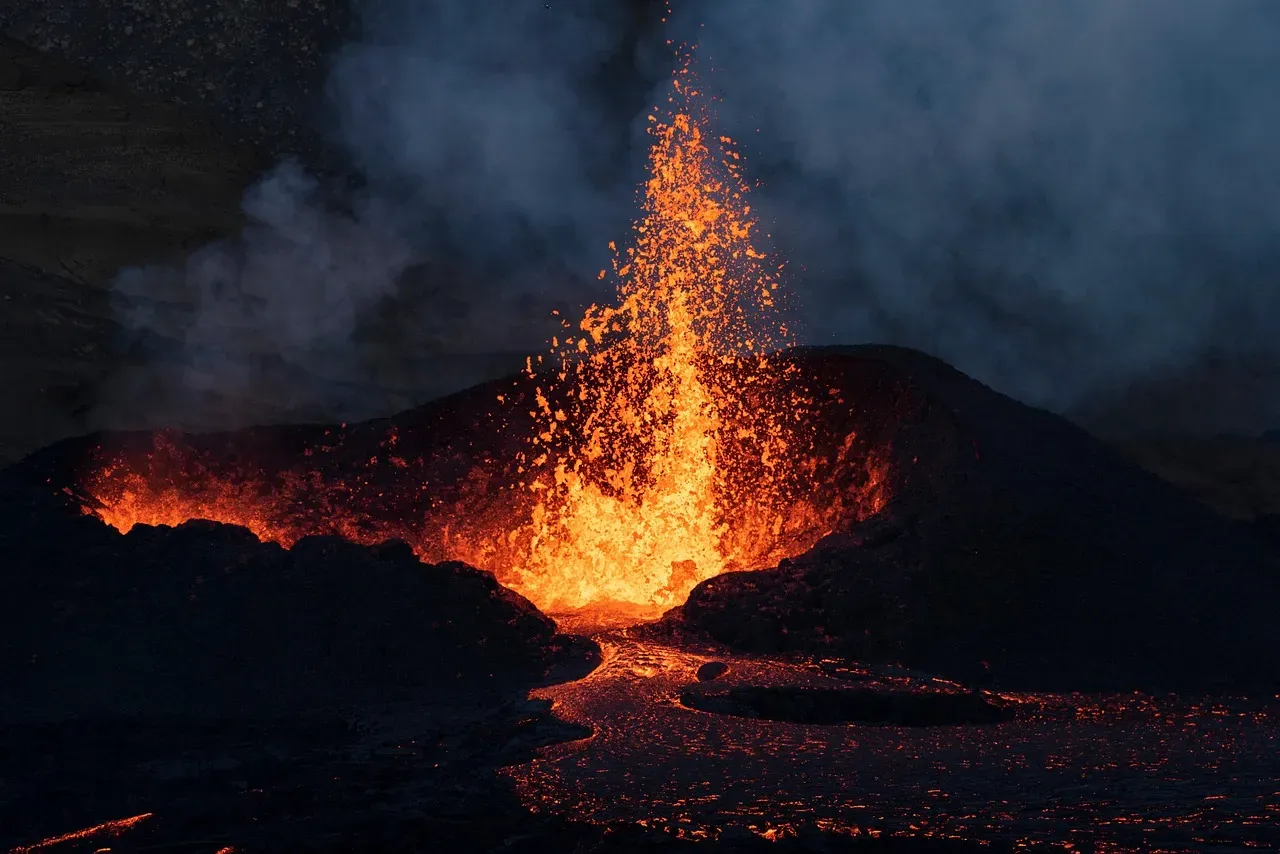
Let’s be real: this one makes all the others look mild by comparison. Over about 60,000 years, 96 percent of all marine species and about three of every four species on land died out. Scientists didn’t nickname it “The Great Dying” for dramatic effect. Perhaps only 17% of species on Earth survived it, making it the closest our biosphere has ever come to complete annihilation.
The chief catalyst was a series of massive volcanic eruptions known as the Siberian Traps, which over the course of 1,000,000 years covered over 7 million square kilometers with as much as 4 million cubic kilometers of lava. Imagine an area the size of the United States buried under volcanic rock. The environmental consequences were apocalyptic. The Permian mass extinction in the oceans was caused by global warming that left animals unable to breathe, as temperatures rose and the metabolism of marine animals sped up, the warmer waters could not hold enough oxygen for them to survive. Even insects, which typically survive almost anything, suffered catastrophic losses. The extinction didn’t just kill species; it fundamentally broke Earth’s ecosystems. Recovery took roughly 10 million years, and the world that emerged looked nothing like what came before.
The Triassic-Jurassic Extinction: Volcanic Fury Clears the Stage for Dinosaurs
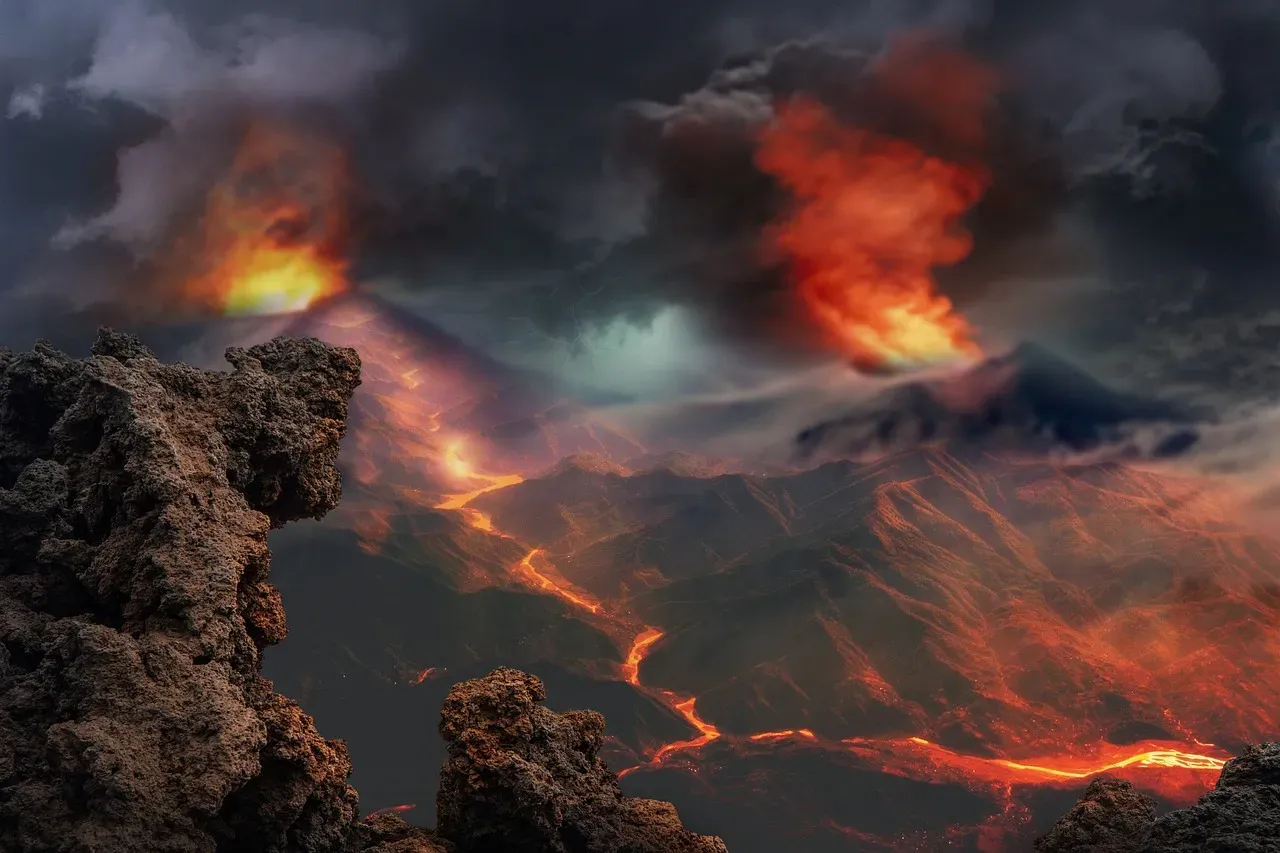
More than 200 million years ago, a massive extinction decimated 76 percent of marine and terrestrial species, marking the end of the Triassic period and the onset of the Jurassic. This event is particularly mysterious to researchers because its causes remain somewhat debated, though the evidence increasingly points in one direction. The leading explanation is massive volcanic eruptions from the Central Atlantic Magmatic Province (CAMP), the largest known large igneous province by area, which stretched across what would become four separate continents.
The ancient volcanoes oozed and belched greenhouse gases in pulses over 600,000 years, covering roughly three million square miles in volcanic rock and causing sharp climate swings between hot and cold. What’s really fascinating is what survived. The dinosaurs and early pterosaurs that thrived during the Triassic likely retained warm-running metabolisms and fuzzy coats, and paired together, warm body temperatures and insulating coats allowed dinosaurs to better survive the swings between warm and cold climates. Large crocodile relatives, giant amphibians, and many other Triassic creatures weren’t so lucky. The dinosaurs’ survival strategy of staying warm paid off spectacularly, allowing them to dominate the planet for the next 135 million years.
The Cretaceous-Paleogene Extinction: The Asteroid That Changed Everything
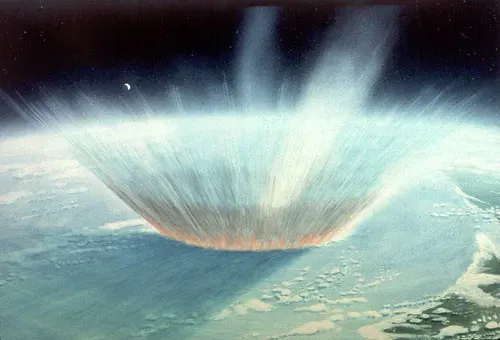
Everyone knows this one, the extinction that killed the dinosaurs. The Cretaceous–Paleogene extinction event occurred approximately 66 Ma (million years ago), and was a large-scale mass extinction of animal and plant species in a geologically short period of time. The overwhelming scientific consensus holds that the impact of a giant extraterrestrial object was the primary cause, with an asteroid fragment with an estimated diameter of 10 kilometers striking Earth, sending huge waves of heat, dust, and soot around the planet.
The impact site, discovered near the Yucatán Peninsula, tells a story of instantaneous devastation. The airborne soot blocked sunlight, forcing ecosystems to collapse. What makes this extinction unique among the Big Five is its cause: while the others were driven primarily by volcanic activity and climate change, this was cosmic bad luck. It marked the end of about 67 percent of all species living immediately beforehand, including the non-avian dinosaurs, which cleared the way for mammals and birds to gain dominance on land. The small, furry mammals that had lived in the shadows of dinosaurs for over 100 million years suddenly found themselves in a world of opportunity. That evolutionary opening led directly to primates, and eventually, to us.
Conclusion: Lessons Written in Stone
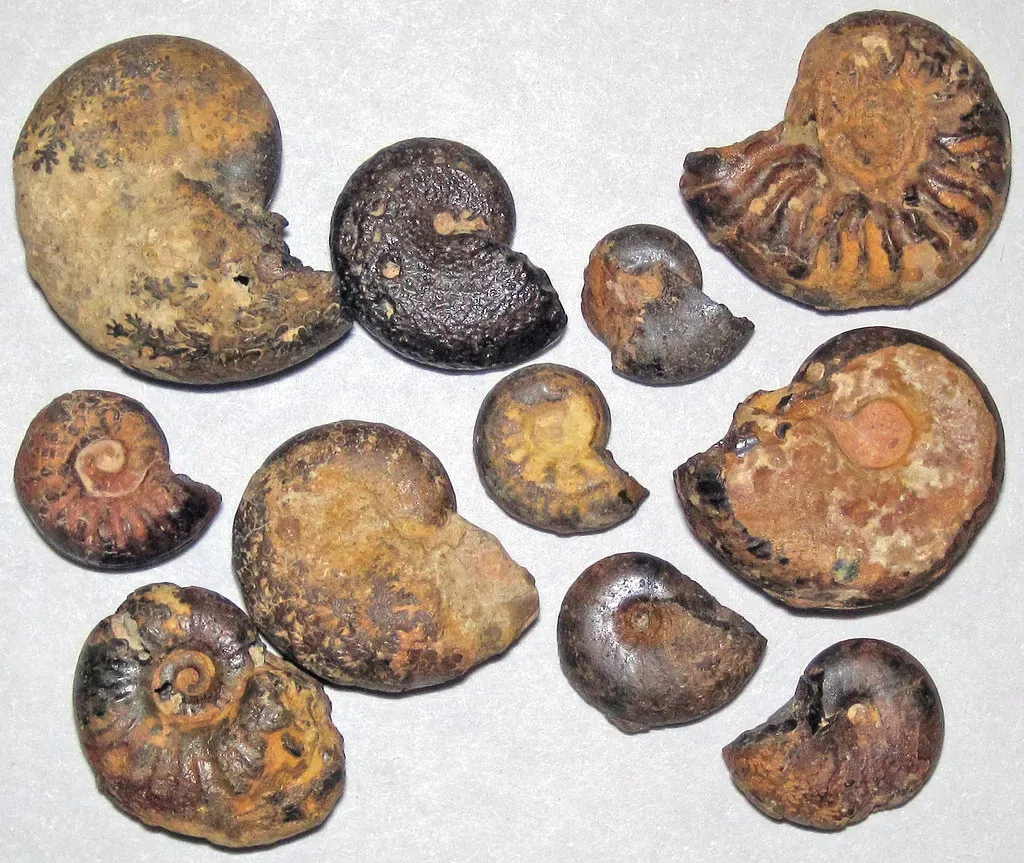
These five catastrophic events remind us that mass extinctions aren’t just ancient history locked in dusty textbooks. They’re fundamental chapters in life’s story on Earth, moments when the evolutionary rulebook got torn up and rewritten. Each extinction cleared away dominant groups and gave opportunities to survivors who might otherwise have remained bit players. Without the Permian extinction, mammal-like reptiles might still rule the land. Without the asteroid that ended the Cretaceous, mammals might never have evolved beyond small, shrew-like creatures.
The sobering reality? Perhaps we are headed for a sixth mass extinction, this time driven not by volcanoes or asteroids, but by human activity. Understanding how past extinctions unfolded, what triggered them, and how life eventually recovered offers us more than just fascinating scientific knowledge. It provides crucial context for the environmental challenges we face today.
What do you think about these ancient catastrophes and their role in shaping modern life? Did any of these extinctions surprise you with their causes or consequences? The story of life on Earth continues to unfold, and we’re all part of writing its next chapter.