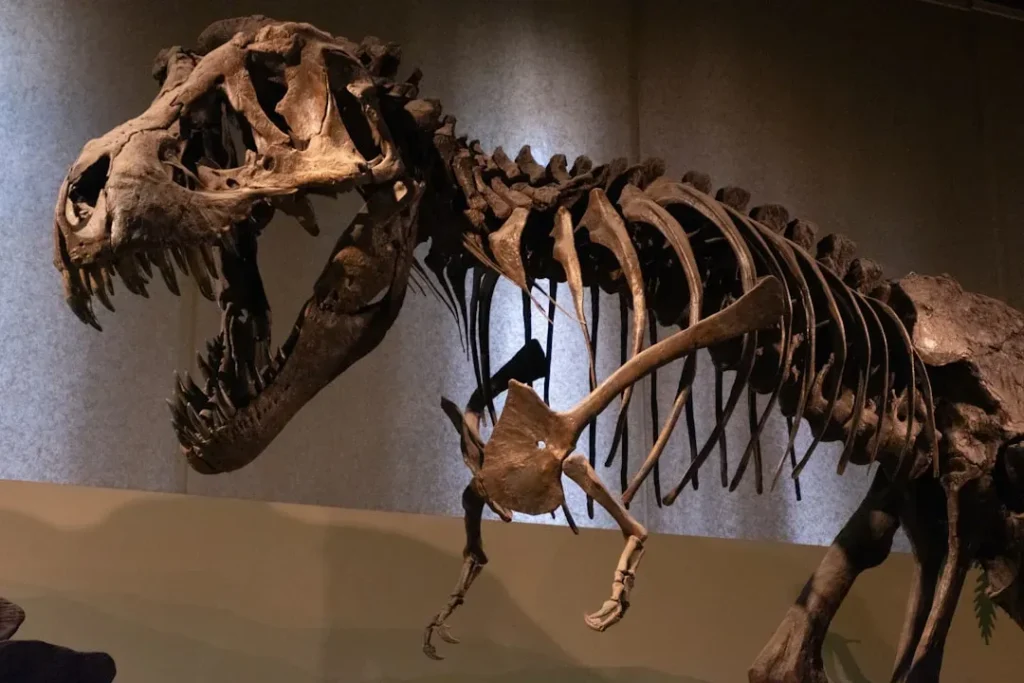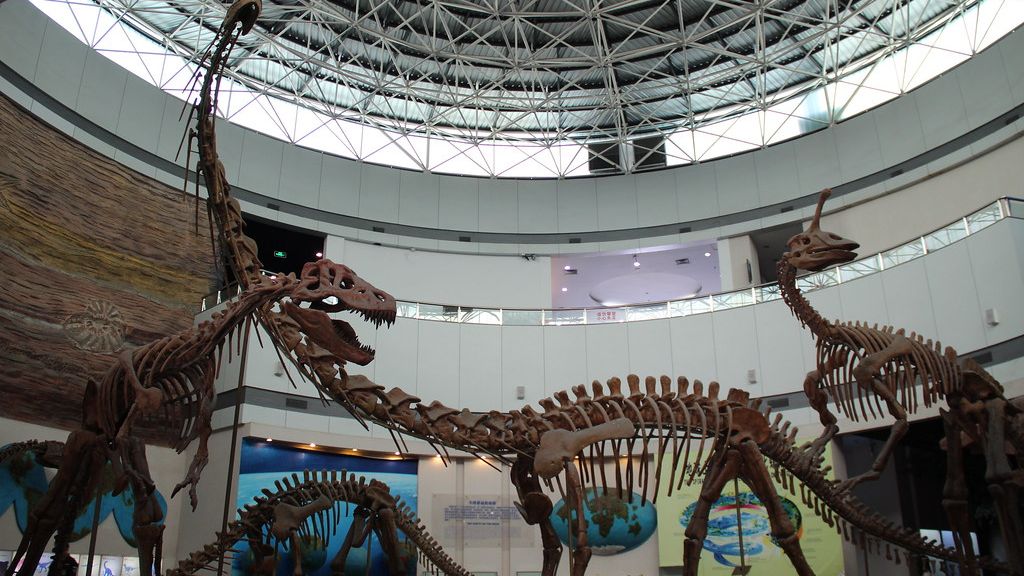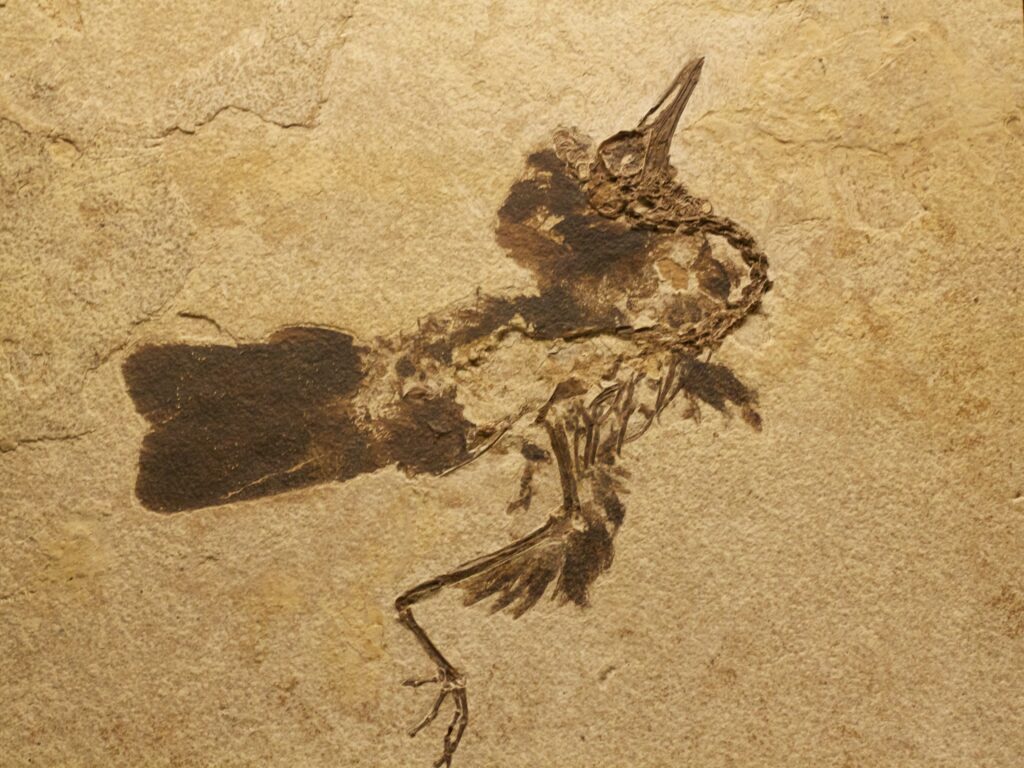
When you think of the American Southwest, you probably picture red rock canyons, endless desert skies, and maybe a lonesome cowboy or two. Most people don’t immediately imagine a landscape once ruled by massive prehistoric beasts. Yet beneath the sun-scorched earth of Utah, New Mexico, Arizona, and Colorado lies one of the most spectacular dinosaur fossil records anywhere on the planet.
The Southwest wasn’t always a desert. Millions of years ago, this region was a very different place, with lush vegetation, winding rivers, and shallow inland seas. Dinosaurs thrived here across three major geological periods, leaving behind clues that scientists are still piecing together. What makes the Southwest particularly special isn’t just the number of fossils found here but the incredible variety and the stories they tell about life during the age of dinosaurs.
When Giants Walked Where Deserts Now Stand
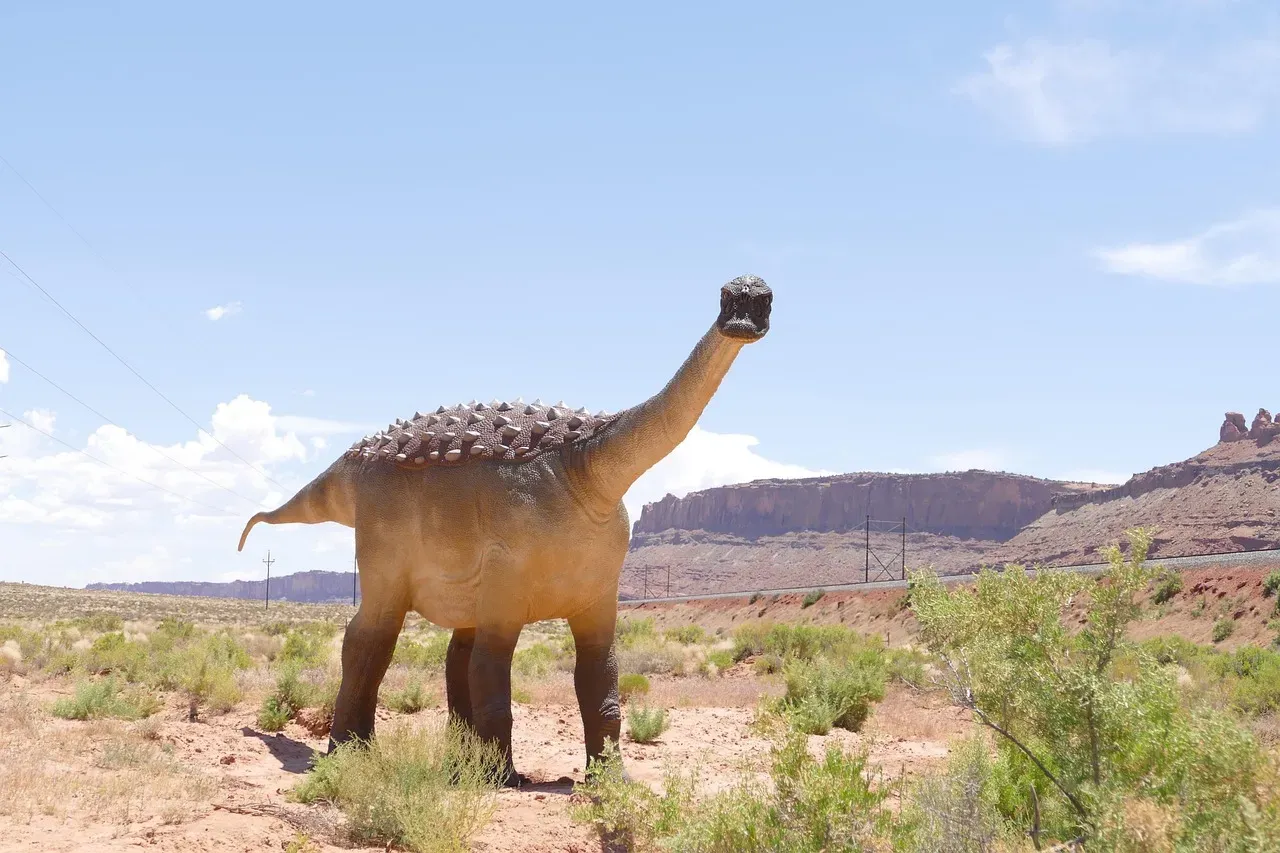
Let’s be real, it’s hard to picture anything thriving in some of these bone-dry landscapes today. The American Southwest’s story begins around 245 million years ago when all of the world’s land masses formed one large continent called Pangea, and the portion that eventually became the North American deserts was a moist, tropical lowland located on the equator.
The environment transformed dramatically over the following million years. During the Triassic, the first dinosaurs walked on the land, the first pterosaurs sailed through the skies, and the first ichthyosaurs and plesiosaurs swam in the oceans. Think about that for a moment: the Southwest witnessed the very dawn of dinosaur evolution.
By the Jurassic Period, things had changed again. Jurassic Arizona had a drier climate and was covered by sand dunes where dinosaurs left behind footprints. The climate shifted from lush to arid multiple times, creating different ecosystems that supported vastly different creatures.
The Morrison Formation: Nature’s Time Capsule
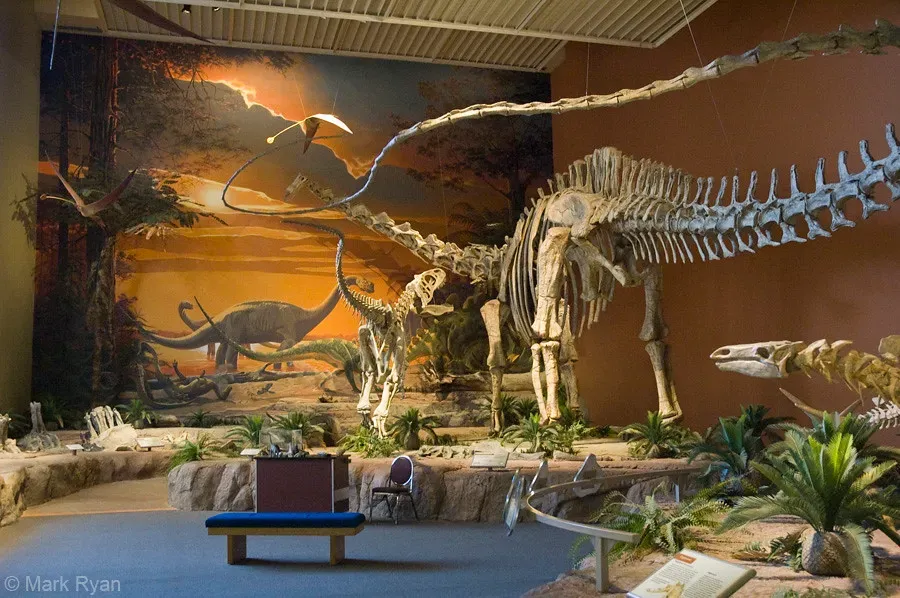
The Late Jurassic Morrison Formation is found in several U.S. states, including Colorado, Utah, Wyoming, Montana, New Mexico, Oklahoma, South Dakota, and Texas, and is notable as being the most fertile single source of dinosaur fossils in the world. Honestly, that’s saying something when you consider how many dinosaur sites exist globally.
This particular layer of sedimentation extends across a large region of the North American deserts in Utah, Colorado, South Dakota, New Mexico and Arizona. What created this incredible fossil repository? Rivers carried tons of eroded sand from ancient Rocky Mountains, accumulating on top of dinosaur remains. Then came layers of volcanic ash and marine mud sediment, eventually covering the fossils to depths exceeding a mile.
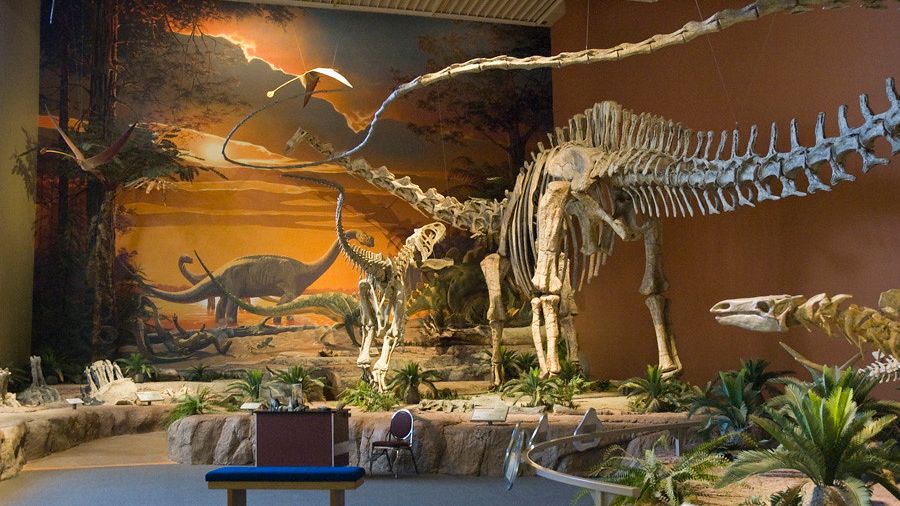
An abundance of sauropods has been found there, including Apatosaurus, Diplodocus, Barosaurus, Brachiosaurus, Camarasaurus, Brontosaurus and Amphicoelias. We’re talking about the long-necked giants you probably drew in elementary school. But there were also fierce predators like Allosaurus prowling these ancient landscapes, and armored creatures like Stegosaurus munching on prehistoric vegetation.
Dinosaur National Monument: Where Bones Tell Stories
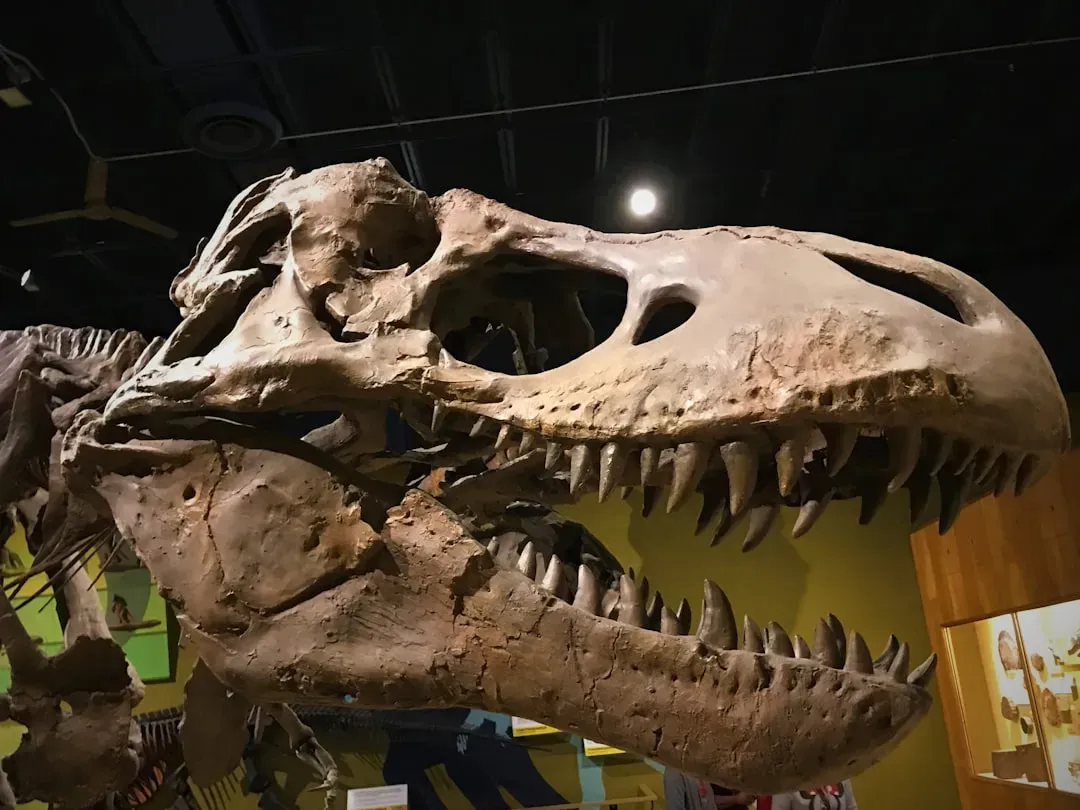
In 1909, the Pittsburgh-based paleontologist Earl Douglass found eight giant tail bones of an apatosaurus sticking out of a sandstone slope in what is now the southwestern corner of the monument, and the discovery kicked off a 13-year excavation. I know it sounds crazy, but imagine just hiking along and spotting ancient bones jutting from the rock.
The site became so significant that President Woodrow Wilson declared it a national monument in 1915. Today, visitors can see over 1,500 dinosaur fossils exposed on the cliff face inside the Quarry Exhibit Hall. It’s not like a museum where bones are carefully arranged behind glass; these fossils remain embedded exactly where they died roughly 150 million years ago.
Here’s the thing: even after more than a century of excavations, new discoveries keep emerging. Recent parking lot construction work in Dinosaur National Monument revealed previously uncovered dinosaur fossils near the Quarry Exhibit Hall, marking the first fossil excavations at this location since 1924. Makes you wonder what else lies just beneath the surface.
Ghost Ranch: The Coelophysis Graveyard
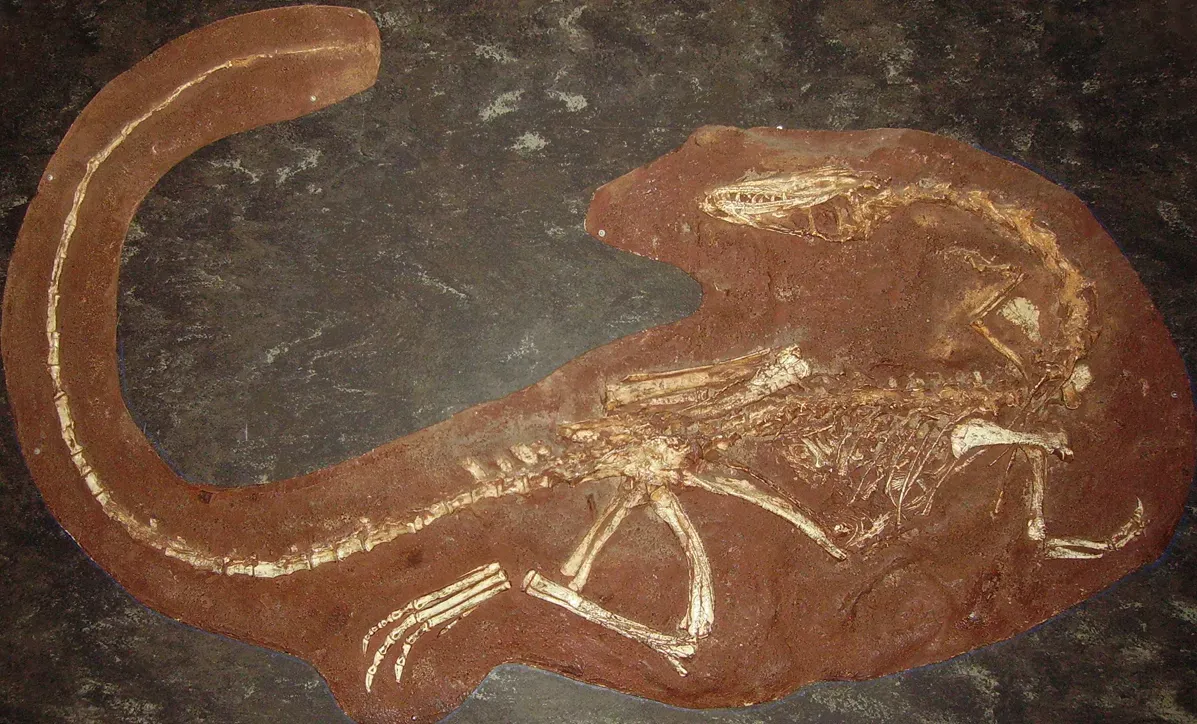
New Mexico’s Ghost Ranch might be famous for artist Georgia O’Keeffe’s paintings, but paleontologists know it for something else entirely. Ghost Ranch is known for a remarkable concentration of fossils, most notably that of the theropod dinosaur Coelophysis, of which it has been estimated that nearly a thousand individuals have been preserved in a quarry at Ghost Ranch.
In 1947 the palaeontologist Edwin H. Colbert documented the discovery of over a thousand well-preserved fossilized skeletons of a small Triassic dinosaur called Coelophysis in a quarry here. Picture hundreds of dinosaur skeletons piled atop one another, preserved in exquisite detail. Some were juveniles, others fully grown adults.
What killed them all at once? A large “graveyard” of Coelophysis was found at the Ghost Ranch in Rio Arriba County, and it is thought that the mass burial was caused by a flash flood which trapped other species in addition to this one. A catastrophic event froze a moment in time, giving scientists an unprecedented window into early dinosaur life.
The Triassic Southwest: Where It All Began
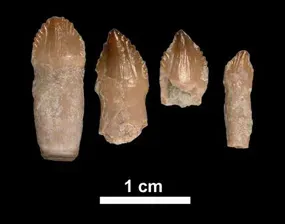
The Triassic Period holds special significance because that’s when dinosaurs first appeared on Earth. The Triassic rocks of northern Arizona are famous for their fossils of terrestrial vertebrates, and the middle Triassic Moenkopi Formation contains one of the best vertebrate fossil assemblages of this age anywhere in the world.
New Mexico particularly stands out. New Mexico’s record of Triassic dinosaurs includes skeletons of Coelophysis, teeth of Revueltosaurus, bones of Eucoelophysis, fragmentary skeletons of other dinosaurs and tracks of many dinosaurs, and the fossil record is particularly significant because some of these dinosaurs are among the oldest known in the world. Additionally, Coelophysis, the official state fossil, is one of the best-preserved dinosaurs in terms of both completeness and abundance.
These weren’t the massive creatures that would later dominate. Early dinosaurs were relatively small, quick, and still competing with other reptiles for dominance. They were the blueprint for everything that came after.
Utah’s Hidden Dinosaur Diversity
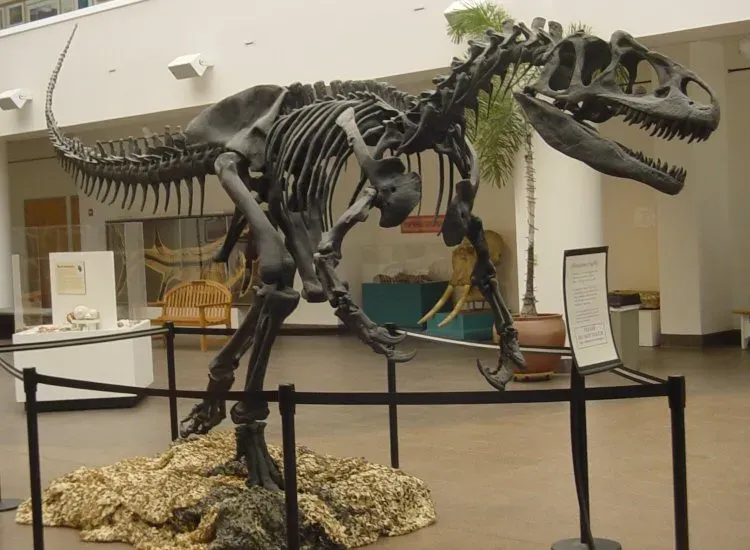
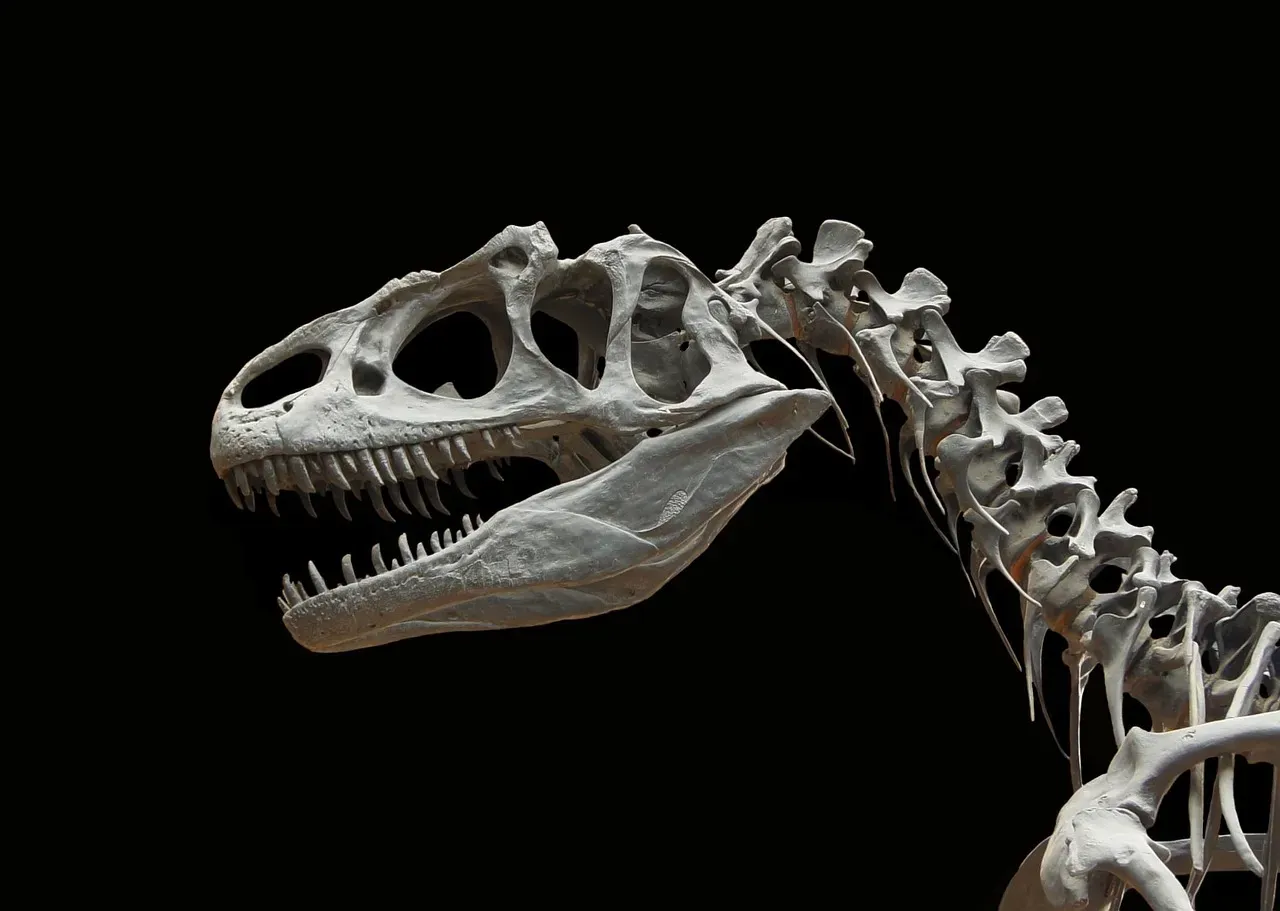
Utah deserves its own spotlight because the state is basically a dinosaur gold mine. Museums throughout the United States and around the world display mounted skeletons of the meat-eating dinosaur Allosaurus cast from specimens collected at the Cleveland-Lloyd Dinosaur Quarry in east-central Utah, and excavations at the Cleveland-Lloyd Quarry have yielded the remains of over 70 individual dinosaurs. Two-thirds of those were carnivores, mostly Allosaurus.
But Utah’s paleontological treasures extend beyond the Jurassic. George Dinosaur Discovery Site is a world-renowned museum and fossil site with one of the largest collections of dinosaur trackways and swim tracks. Yes, swim tracks! The site is best known for settling the debate among paleontologists on whether dinosaurs swam, because of a number of fossils with swim tracks that show claw marks left by dinosaurs whose feet could not touch the ground.
Recent excavations continue to reveal surprises. Dinosaur Discovery Site paleontologists and volunteers began excavating bone beds across the street from the existing museum in March 2025, and in just two months, they were able to salvage over a thousand fossils. The layers they’re exploring date back roughly 200 million years to the early Jurassic period.
Arizona’s Petrified Past and Dinosaur Diversity
Arizona might be most famous for its petrified wood, but dinosaurs roamed here too. The most common fossil type in the Southwest is petrified wood, and the most fruitful location is Petrified Forest National Park in northeast Arizona, and the fossils in the national park occur in the purplish-grey Chinle Formation, a Triassic period sandstone layer that is quite common across the Colorado Plateau.
The dinosaurs found in Arizona span multiple periods. Dinosaur fossils found in Arizona include Ammosaurus, Anchisaurus, Anomoepus, Chindesaurus, Coelophysis, Massospondylus, Navahopus, Revueltosaurus, Rioarribasaurus, Scutellosaurus, Segisaurus, Sonorasaurus, and Syntarsus. That’s quite a roster of prehistoric residents.
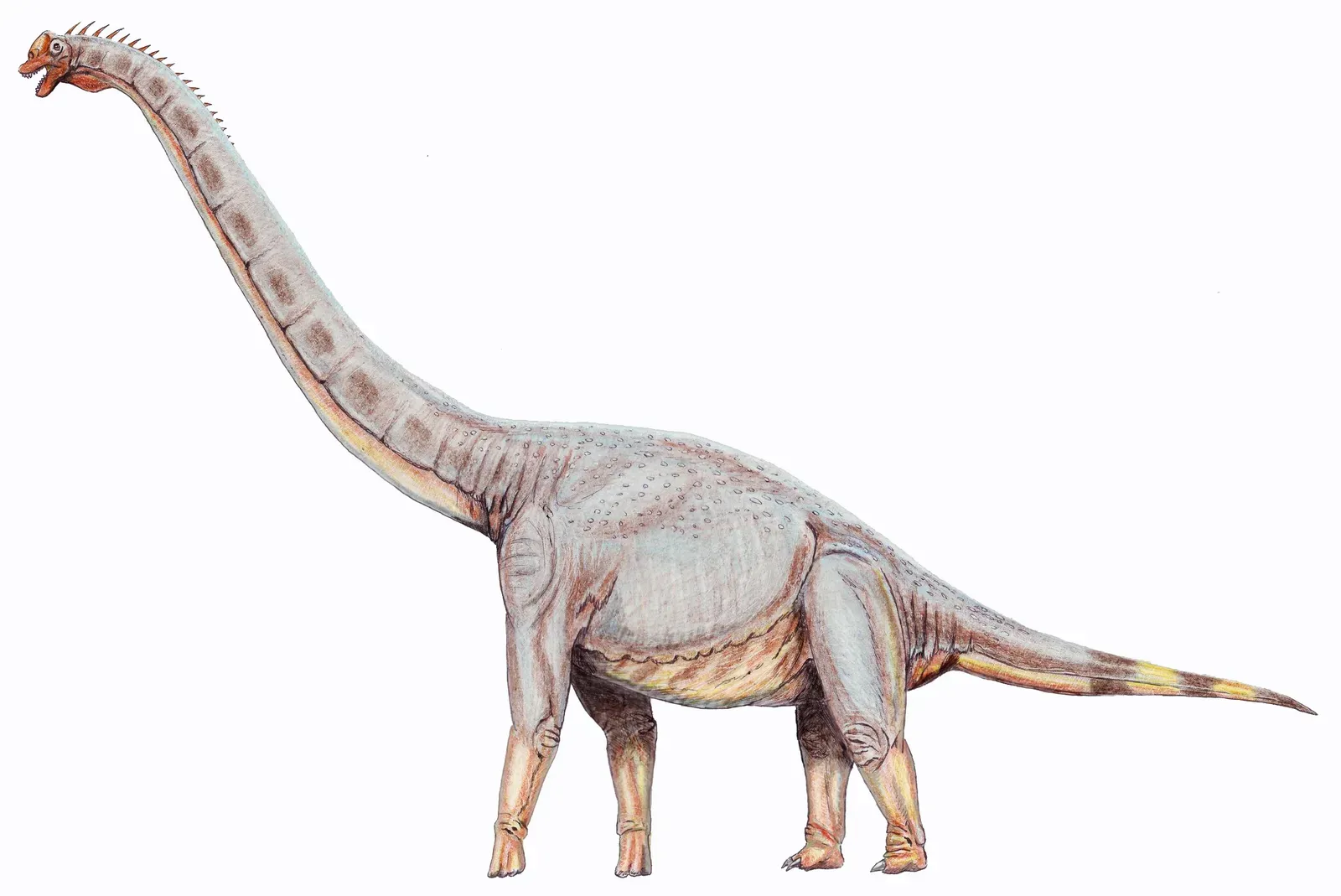
Sonorasaurus holds particular pride of place. Dating of the specimen found it to be the earliest known brachiosaurid to have lived in the ‘middle’ Cretaceous Period of North America, and on April 10, 2018, Sonorasaurus was declared the state dinosaur of Arizona. The creature measured about 49 feet long and weighed approximately 10 metric tons.
Recent Discoveries Reshaping Our Understanding
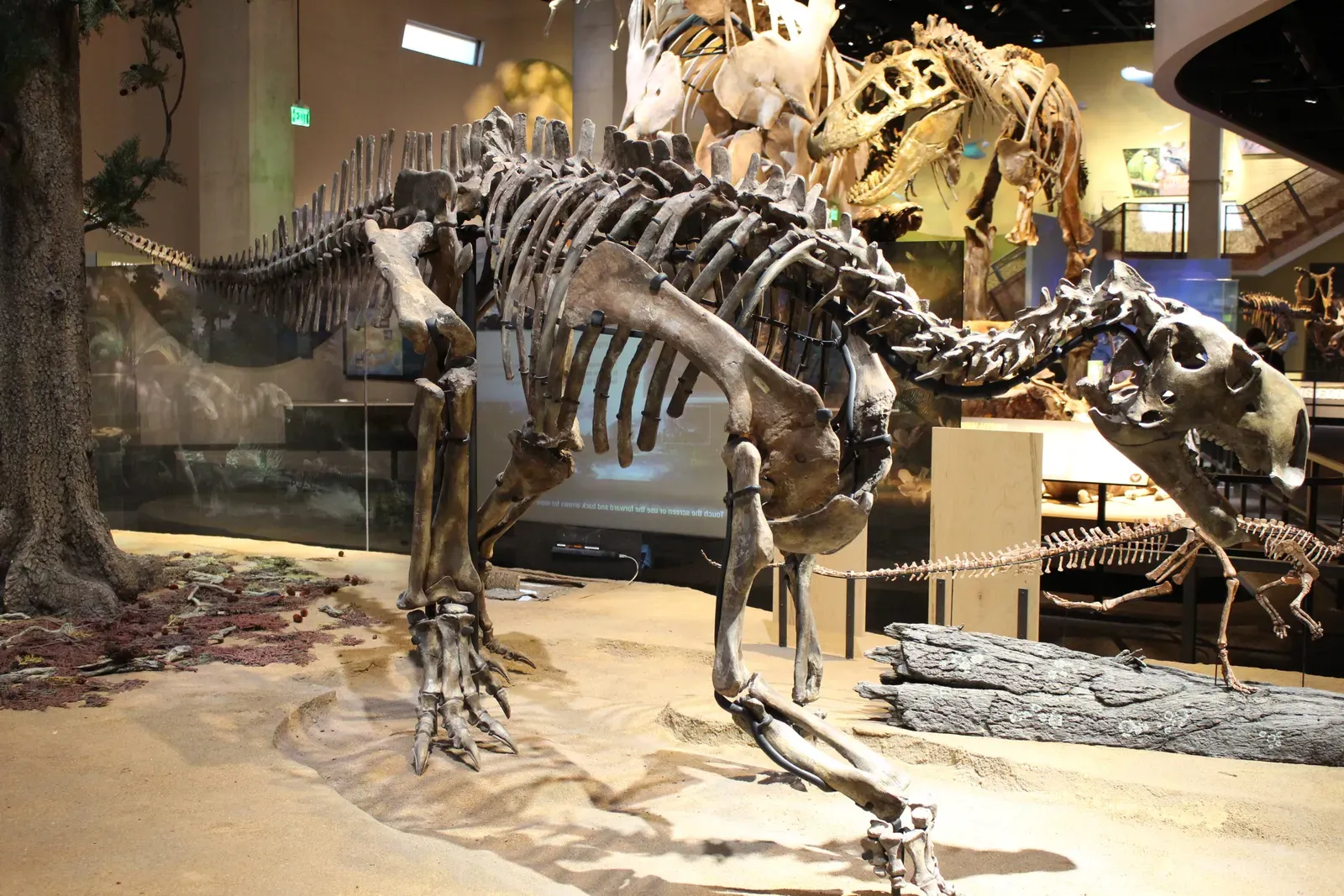
The exciting thing about Southwest paleontology is that new discoveries constantly challenge what we thought we knew. The fragments turned out to belong to Tenontosaurus, a plant-eating dinosaur that roamed the region about 115 million years ago, and the new fossils mark the southernmost record of Tenontosaurus yet found, pushing the animal’s known range into West Texas. For paleontologists, the site reframes the early Cretaceous Southwest, filling a rare gap in the dinosaur fossil record.
West Texas discoveries prove particularly important. Researchers studying the Western Interior have shown that Late Cretaceous dinosaur faunas are sampled more completely than older parts of the record, and that imbalance means new early Cretaceous finds like the West Texas bones carry more weight than their fragmentary appearance might suggest.
What do these continuous discoveries tell us? The Southwest’s fossil record is far from complete. Every new excavation, every construction project that uncovers ancient sandstone, has the potential to reveal creatures we never knew existed.
Conclusion: An Ancient World Beneath Our Feet
The American Southwest preserves an unparalleled record of dinosaur evolution spanning more than 150 million years. From the earliest small predators of the Triassic to the massive sauropods of the Jurassic and the diverse fauna of the Cretaceous, this region witnessed the rise, reign, and ultimate extinction of the dinosaurs.
What makes the Southwest truly special isn’t just the abundance of fossils but their exceptional preservation and the completeness of the record. These aren’t just scattered bones; they’re entire ecosystems frozen in stone, waiting to reveal their secrets. Every fossil tells a story about ancient climates, prehistoric behaviors, and the evolutionary forces that shaped life on Earth.
The next time you’re driving through the red rock country of Utah or hiking Arizona’s painted deserts, remember that you’re walking through one of the planet’s greatest natural museums. Beneath those sun-baked rocks lie countless stories of a world where dinosaurs ruled supreme, stories that scientists continue uncovering to this day. Who knows what incredible discovery might be waiting just beneath the next layer of sandstone? What do you think about these ancient landscapes? Tell us in the comments.