
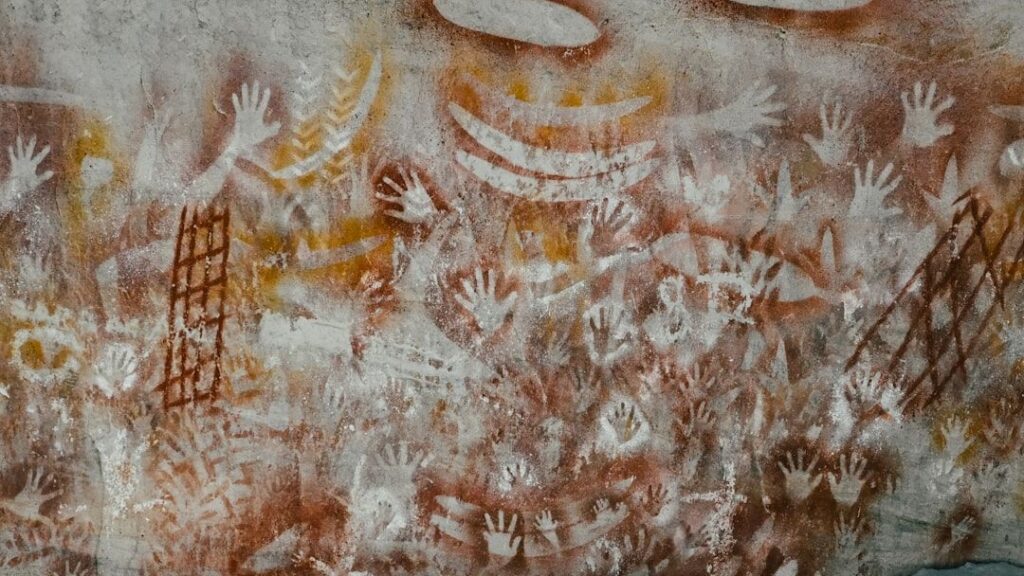
You’ve probably passed through museums filled with ancient artifacts without giving much thought to the stories behind them. Maybe you wandered through dimly lit galleries, glancing at stone carvings and faded paintings that felt impossibly distant from your modern life. Here’s the thing though. These weathered creations speak to something fundamental about who we were, and honestly, who we still are today. Prehistoric art opens a window into the minds of our earliest ancestors, revealing their deepest fears, their greatest hopes, and the spiritual beliefs that shaped their existence thousands of years before written language existed. What did these people think about? What kept them awake at night? What drove them to create images deep inside dark caves where no natural light could ever reach? Let’s dive in.
Cave Paintings Reveal Complex Spiritual Worlds
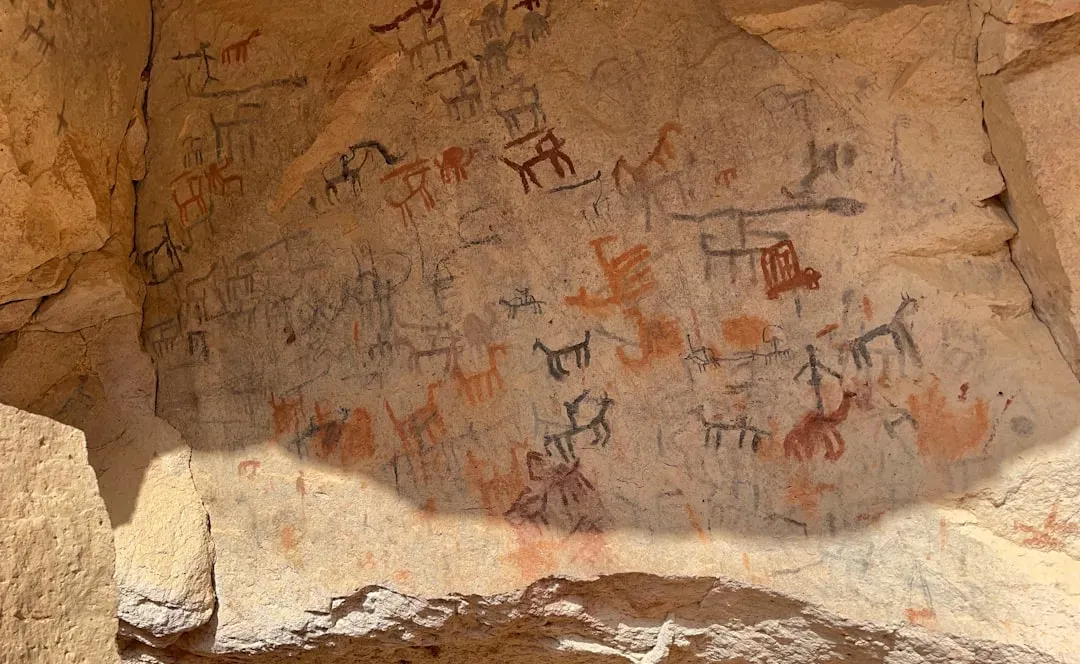
Cave paintings contain nearly 2,000 figures in places like Lascaux, and these aren’t random doodles. Lascaux cave paintings date back over 17,000 years and depict a range of animals including horses, bulls, and deer, while the cave paintings of Altamira in Spain provide glimpses into the lives and beliefs of prehistoric ancestors. What strikes me most is that Chauvet Cave is considered one of the most significant prehistoric art sites, with paintings possibly dating back over thirty thousand years.
Prehistoric art reveals communal practice and spiritual beliefs, suggesting these weren’t merely decorative efforts. Think about it. Would you crawl hundreds of meters into pitch darkness just to paint something pretty? Cave paintings, rock art, and portable art objects were likely used in religious or spiritual practices to communicate with supernatural forces or ensure successful hunts and harvests. The locations themselves matter tremendously. These works are often located very deep within narrow, twisting underground passageways as well as larger caverns, suggesting people used various techniques including painting with brushes made of hair or moss.
The Enigmatic Venus Figurines and Fertility Symbolism
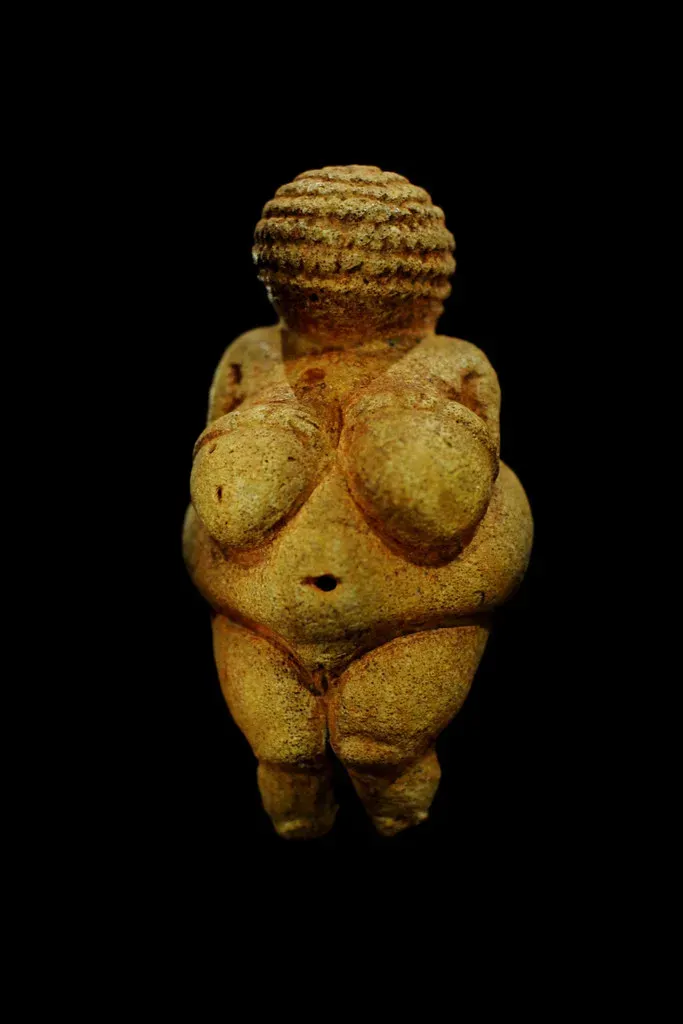
You’ve seen them before, even if you didn’t know their name. Those small, rounded female figures with exaggerated features. Venus figurines are Upper Palaeolithic statues portraying women, usually carved in the round, and most have been unearthed in Europe with others found as far away as Siberia, with most dating from the Gravettian period roughly 26,000 to 21,000 years ago. These aren’t exactly what you’d call realistic portraits.
Many Venus figurines contain similar physical attributes of exaggerated female bodies, prominent breasts, large round stomachs, wide hips and thighs, and many have missing or conspicuously small heads that have little or no detail. The theories? Well, they’re all over the place, honestly. Different theories include fertility symbols, self-portraits, Stone Age dolls, realistic depictions of actual women, ideal representations of female beauty, religious icons, representations of a mother goddess, or even the equivalent of pornographic imagery. I think the uncertainty itself tells us something important about how little we truly understand about prehistoric minds.
Recent research offers a fascinating angle. Figurines are less obese as distance from the glaciers increases, leading to the hypothesis that the over-nourished woman became an ideal symbol of survival and beauty during episodes of starvation and climate change in Paleolithic Europe. Makes you wonder if beauty standards have always been tied to survival, doesn’t it?
Animals as Spirit Guides and Sacred Beings
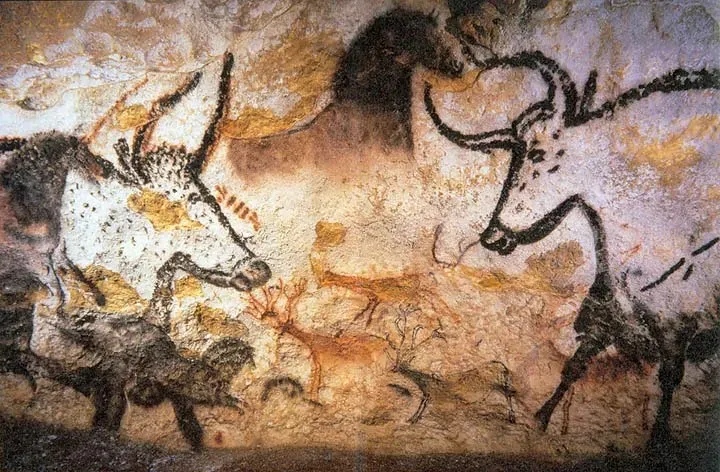
Animal figures always constitute the majority of images in caves from all periods, and during the earliest millennia, the species most often represented were the most formidable ones including cave lions, mammoths, woolly rhinoceroses, and cave bears. Later on, the focus shifted. Horses, bison, aurochs, cervids, and ibex became prevalent, as in the Lascaux and Niaux caves.
But why these specific animals? The Aurignacians favored dangerous species that they did not hunt, while nearly 15,000 years later at the time of the Lascaux Cave, people depicted more cattle, deer, and horses which they hunted and consumed, and this evolution could be associated with a change in the representation of myths and beliefs. That’s a huge shift in perspective over time. Animistic depictions combined with spiritual aspects show a world where ancestors held a deep connection to nature around them.
Shamanic Practices and Trance States
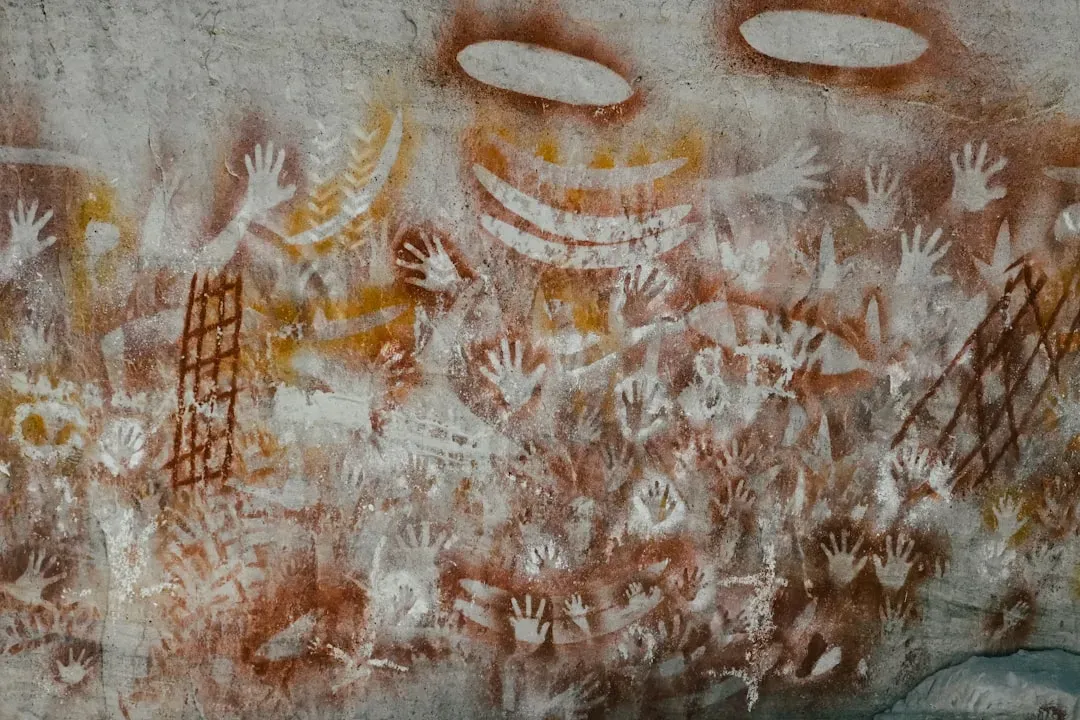
Here’s where things get really interesting. Therianthropic figures that are part human and part animal in cave art could represent shamans in a transformed state or spirit guides from other realms. These hybrid creatures appear throughout prehistoric art worldwide. The Sorcerer figure in the Cave of the Trois-Frères, France is interpreted as a mythological being or a shaman in a ritual costume, and the Lion Man figurine from Germany may represent a mythological being or a shamanic transformation.
Much of the rock art of Upper Paleolithic Europe can be interpreted as the result of shamanistic visions and related spiritual practices based on analogy with modern hunter-gatherer groups and neuroscience studies on the universality of human physiological response when in a trance state. The cave itself might have facilitated these experiences. Caves were deeply spiritual places, dark entries into the earth, and dimly lit by torchlight, the animals emerged ghostlike from the cave walls like thin membranes between Cro-Magnons and the spirit world behind. Pretty intense stuff.
Geometric Symbols and Abstract Thought
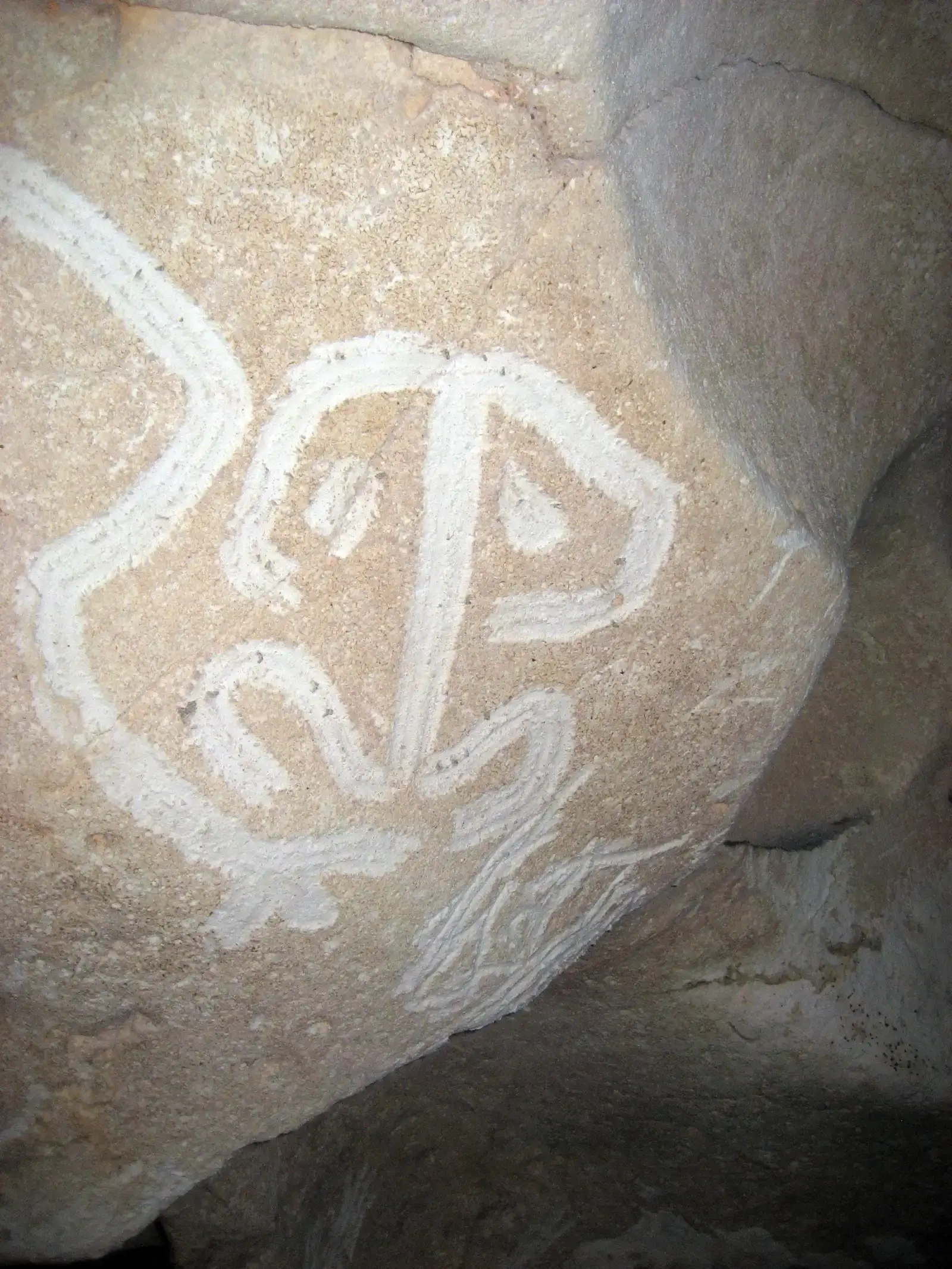
Not everything was animals and figures. Geometric signs are always numerous though the specific types vary based on the time period in which the cave was painted and the cave’s location. These abstract patterns fascinate researchers because they might represent something fundamental about human consciousness itself. Some scholars believe these patterns emerge from altered states of mind.
Common motifs strongly suggest altered perception including entoptic patterns such as spirals, zigzags, and grids which are universal visual phenomena experienced during trance or psychoactive states. Whether these prehistoric artists were experiencing similar neurological phenomena remains debated, but the consistency of these patterns across different cultures and time periods suggests something deeper than random decoration.
Burial Art and Beliefs About the Afterlife
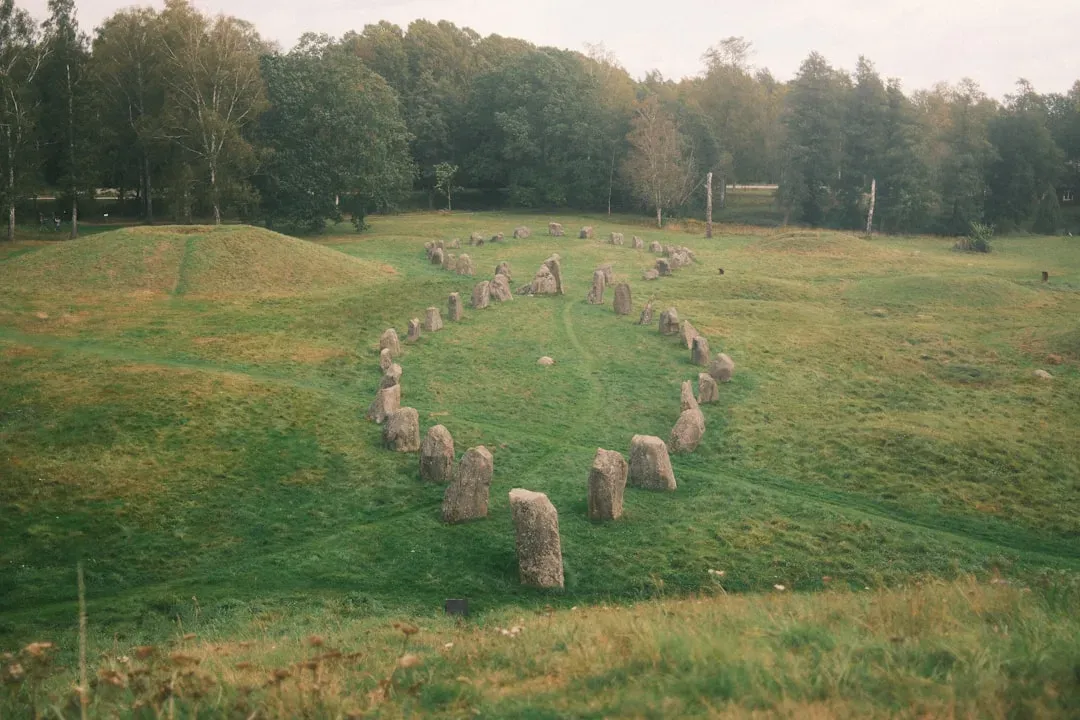
The oldest known burials can be attributed to the Middle Paleolithic Period where corpses accompanied by stone tools and parts of animals were laid in holes in the ground, and sometimes the corpses were especially protected, implying a belief in life after death in some form. That’s roughly 130,000 years ago, giving us one of the earliest glimpses into human spirituality.
Grave goods can be regarded as a sacrifice intended for the benefit of the deceased in the afterlife, and burial goods may indicate a level of concern and consciousness in regard to an afterlife and related sense of spirituality. What people chose to bury with their loved ones speaks volumes. The increase in discoveries of grave goods occasionally including other human remains is evidence not for a change of religious concepts but for increased needs of the dead in the beyond dependent on economic and social status in life. Status followed you even into death.
In prehistoric Europe, megalithic tombs and burial mounds dominated the landscape, and structures such as Newgrange in Ireland not only served as burial chambers but also as astronomical calendars and ceremonial centers.
Ritual Spaces and Sacred Architecture
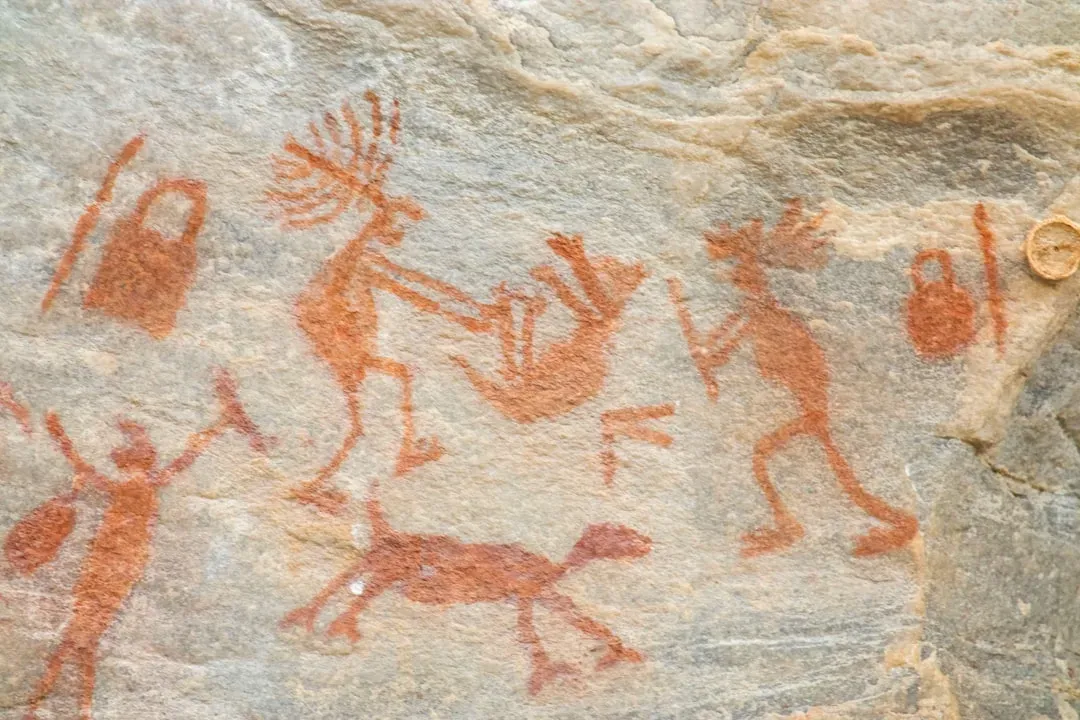
Many cave paintings are located deep within cave systems leading researchers to believe they held special significance beyond mere decoration, possibly in rituals or as part of mythical storytelling. The placement wasn’t accidental. Within caves, images of all periods make use of natural features of the rock where cracks, hollows, bulges and ledges are incorporated into the images, and the caves themselves were important as they may have been believed to represent the lower tier of the shamanic cosmos.
Enigmatic displays found inside Chauvet including a bear cranium placed on an altarlike pedestal and a phallic column upon which a woman’s painted legs and vulva blend into a bison’s head lend weight to the theory that these places held transformative power and religious significance. These aren’t your average living spaces. No evidence exists that people ever lived in the Lascaux cave, and Lascaux and other prehistoric caves may have served as ritually important performative spaces where various groups of hunter-gatherers could periodically come together.
Legacy and Modern Understanding
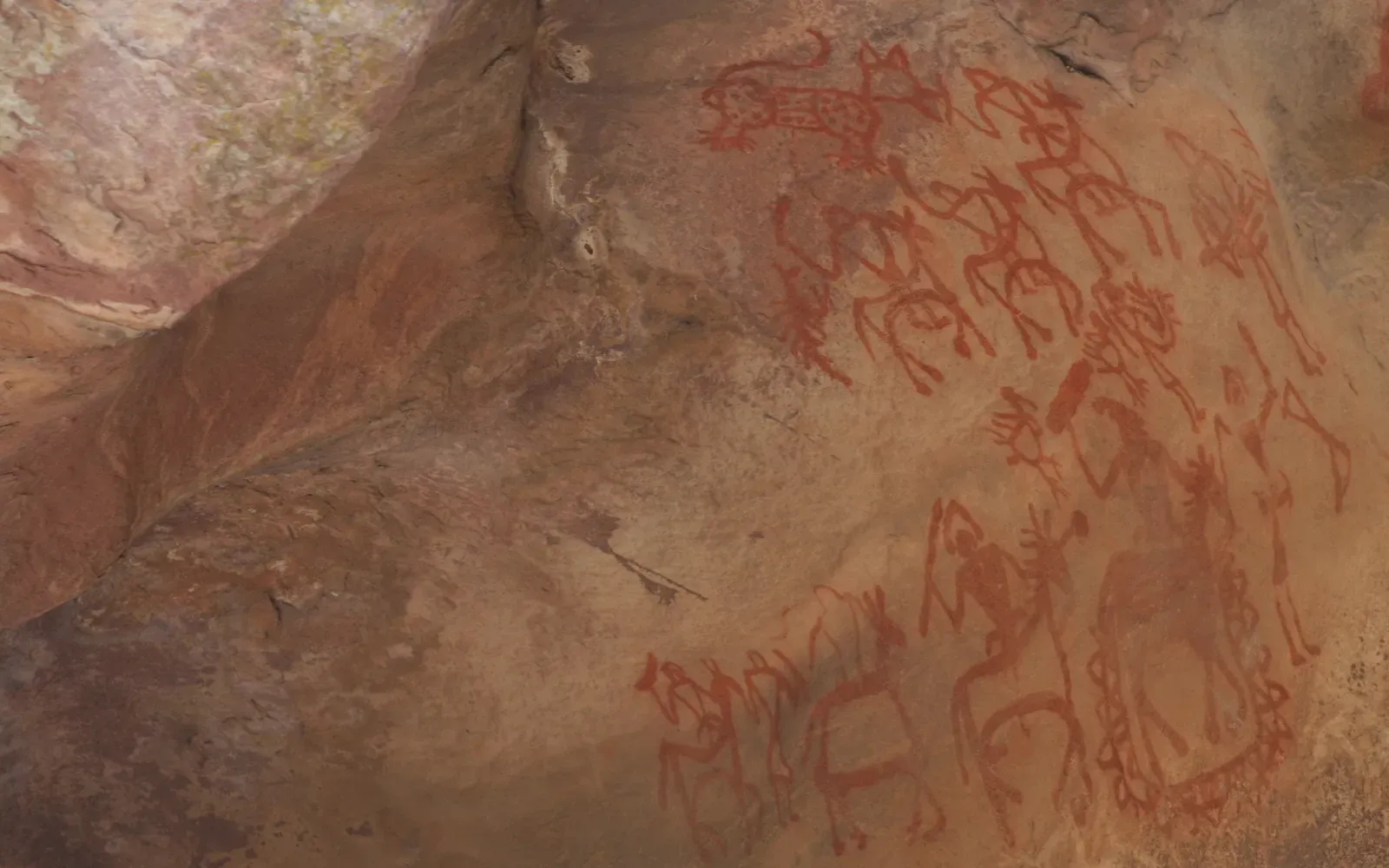
Archeologists interpret Ice Age rock art as evidence of the emergence of a new, distinctly human consciousness. That’s profound when you think about it. These paintings and carvings mark the moment when humans became truly self-aware, when they started asking the big questions about existence, death, and what comes after.
Ancient art serves as a reflection of ancestors’ beliefs, values, and culture, and the intricate details and symbolism found within these forms of art provide a unique insight into the cultural practices of forefathers allowing better understanding of the historical context surrounding their lives. We can trace the evolution of spiritual thought through these artifacts. Works like those at Chauvet Cave blast apart the developmental model of art history in which art is described as beginning with crude works and becoming more refined, as these spectacular cave paintings among the earliest that survive from throughout the world are already visually compelling and dense with possible meanings.
What strikes me most is how these ancient peoples weren’t so different from us. They feared death. They sought meaning. They created beauty in the darkness. Lascaux indicated that Ice Age hunter-gatherers cared about more than just their next meal, and the artwork reveals their sophisticated side as well as their sense of humor. These weren’t primitive brutes scratching crude images on walls. They were fully human, wrestling with the same existential questions we still face today. What do you think about it? Can you imagine yourself in those dark caves, painting by flickering torchlight, trying to make sense of the mysterious world around you?