You might think you know what strange looks like, but wait until you peer into the ancient oceans. Long before humans walked the Earth, when continents were still figuring out their positions and the atmosphere was vastly different, our planet’s waters hosted some of the most bizarre, magnificent, and downright terrifying life forms imaginable. These weren’t just oversized versions of today’s sea creatures. They were genuinely alien in appearance and behavior.
The story these ancient animals tell is one of experimentation, adaptation, and sheer biological creativity. From creatures with spiral teeth to predators larger than buses, prehistoric oceans were laboratories where evolution tried out designs that would make modern science fiction writers jealous. Let’s dive deep into these forgotten waters and meet the spectacular beasts that once ruled them.
The Cambrian Explosion Created a Biological Revolution
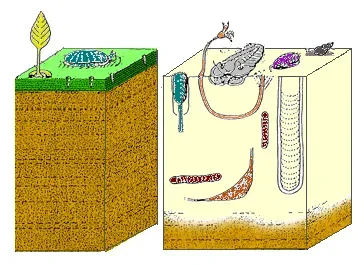
The Cambrian period occurred approximately 542-488 million years ago and included the biggest evolutionary explosion in Earth’s history. This wasn’t just a minor uptick in diversity. It was an absolute eruption of life forms, most of which look absolutely nothing like anything swimming around today.
Later, bizarre and alien-like creatures reigned supreme. Even creatures more familiar to us, like sharks, whales, and octopuses have long and storied pasts with ancestors very different than the creatures now roaming the seas. The Cambrian seas were filled with experimental body plans, many of which would eventually fail the test of time. Yet during their heyday, these creatures dominated the seafloor and open waters with remarkable success.
Opabinia Had Five Eyes and a Bizarre Grabbing Trunk
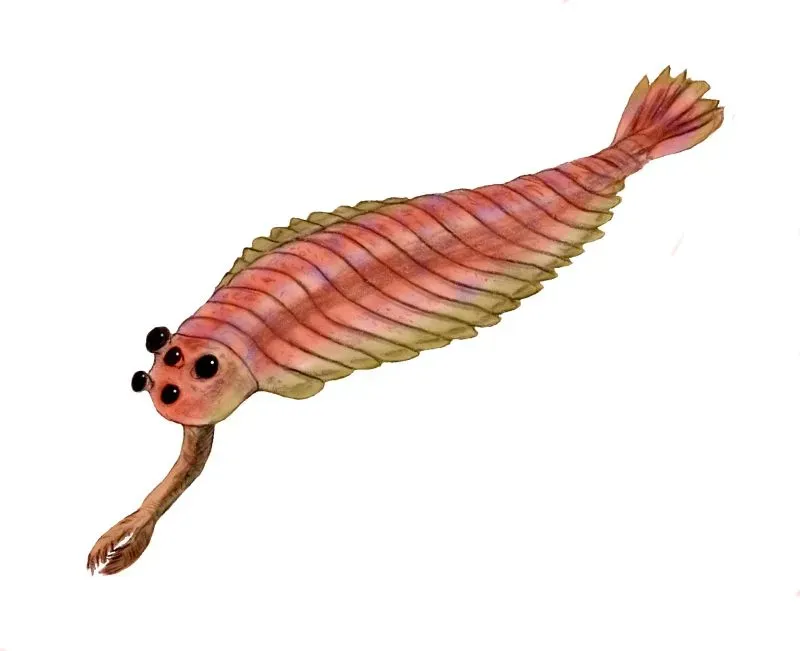
Opabinia was a marine arthropod that lived over 500 million years ago. This small, soft-bodied marine animal is notable for its unusual appearance, with five eyes on stalks and a long, flexible proboscis with a claw-like structure at the end. Picture something that looks like it was designed by a committee that couldn’t agree on anything.
This proboscis was likely used to grasp and manipulate food. The body of Opabinia had lobes along its sides and a fan-shaped tail, suggesting it was a swimmer that moved through the water by undulating its body and lobes. Despite its small size, Opabinia represents the kind of wild biological experimentation happening in those early seas. Five eyes might seem excessive, but in the competitive Cambrian waters, every advantage mattered.
Helicoprion Possessed the Ocean’s Most Confusing Teeth
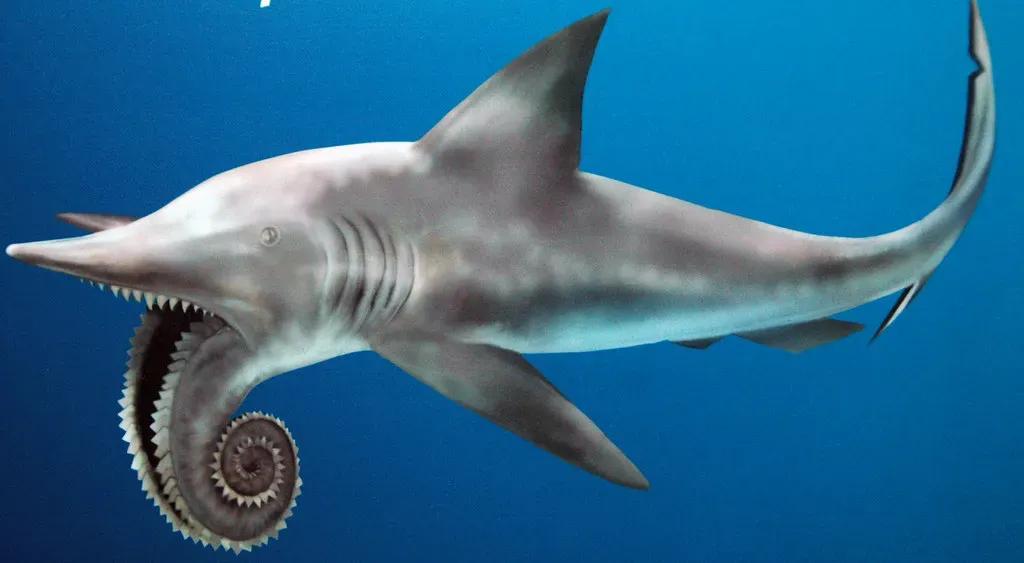
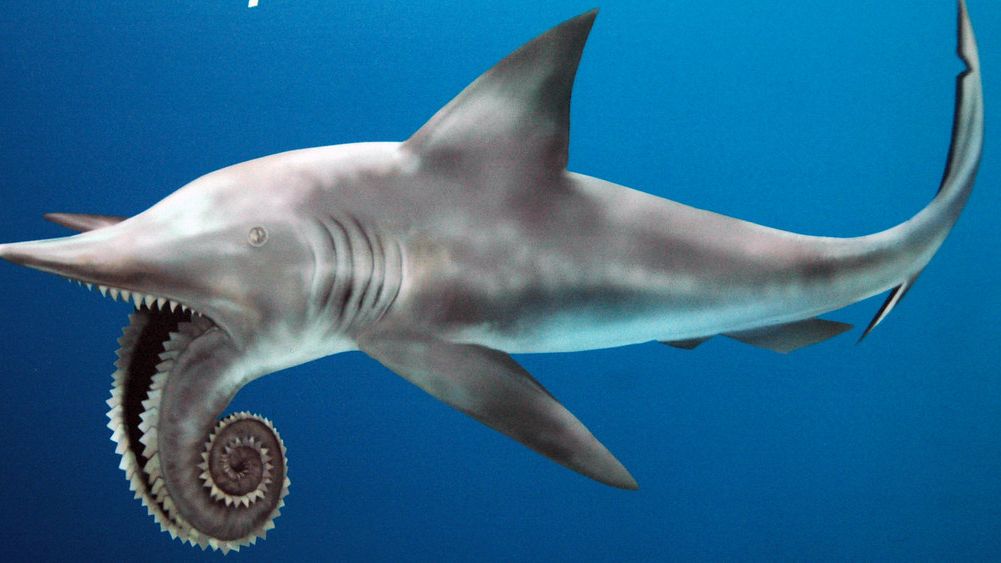
Here’s a creature that baffled scientists for over a century. In the late 1800s, a strange fossil was found that resembled an octopus tentacle lined with many sharp, serrated teeth. Scientists were quick to note it came from some kind of extinct shark, but where it came from on the shark’s body was a lot less clear. The mystery deepened with every discovery.
Helicoprion lived during the Permian (from 290 to 270 million years ago) and were truly cosmopolitan, inhabiting oceans across the world. This is evidenced by the fact that we’ve found their tooth whorls everywhere from Western Australia to Norway. Eventually, researchers figured out this spiral saw of teeth sat in the lower jaw, continuously growing throughout the animal’s life like some nightmarish dental conveyor belt. Its exact feeding strategy remains debated, but those teeth weren’t just for show.
Dunkleosteus Was an Armored Fish Built for Destruction
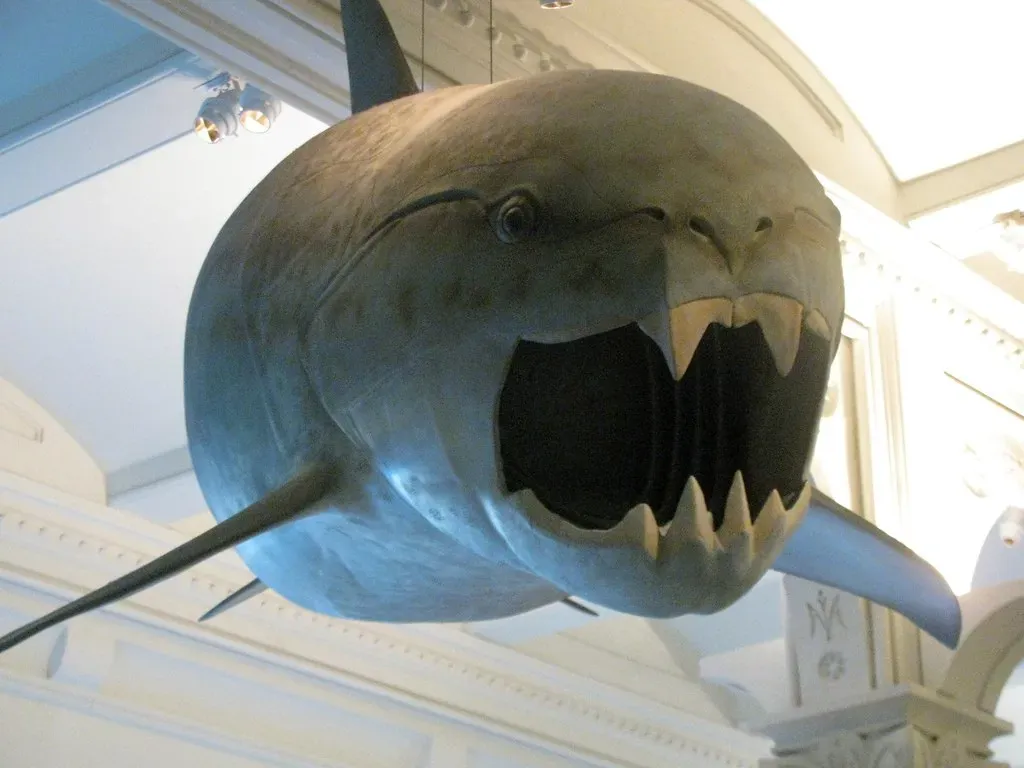
Dunkleosteus was one of the largest and most fearsome prehistoric fish, with a heavily armored head and thorax. Its jaws were equipped with sharp, bony plates that acted like shears, capable of cutting through the toughest prey. Forget teeth as you know them. This predator had evolved something arguably more terrifying.
This fearsome prehistoric fish is thought to have had one of the strongest bite forces of any known animal. There’s evidence of Dunkleosteus-shaped bite marks on other Dunkleosteus, suggesting they weren’t above cannibalism when their more commonly eaten prey, ammonites, were hard to come by. Living roughly 380 million years ago, this armored nightmare ruled the Devonian seas before sharks reached their full potential.
Mosasaurus Dominated the Cretaceous With Reptilian Power
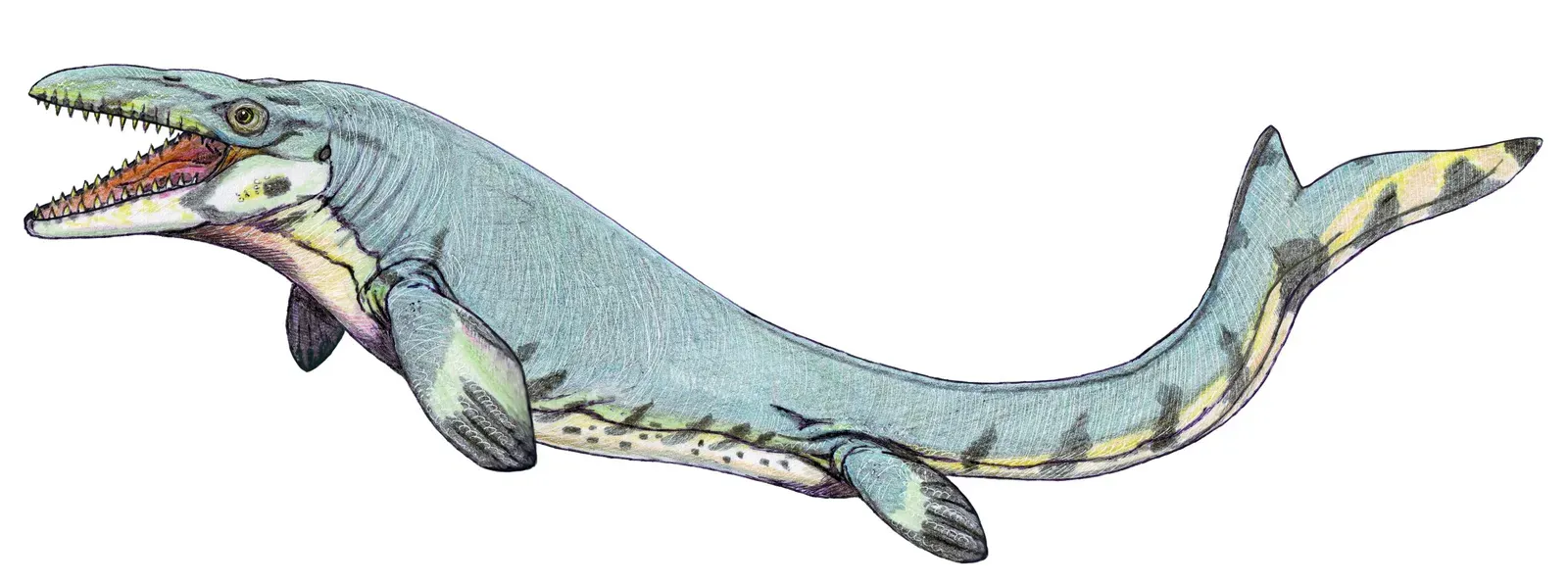
The Mosasaurus ruled the ocean during the Cretaceous period and are closely related to snakes or monitor lizards we see today. They were fast in the water with powerful tails that propelled them and small flippers that allowed them to easily maneuver to find their prey. Think of them as seagoing lizards on a massive scale.
Mosasaurus was at the top of the food chain and would eat pretty much anything they found in the ocean: sharks, cephalopods, giant turtles, and even other mosasaurs. The Mosasaurus measured up to 59 feet long, bigger than a Tyrannosaurus rex and about the size of a humpback whale today. These apex predators weren’t picky eaters, and their powerful jaws could handle nearly any prey unfortunate enough to cross their path.
Pliosaurs Were the Ocean’s Crocodile-Whale Hybrids
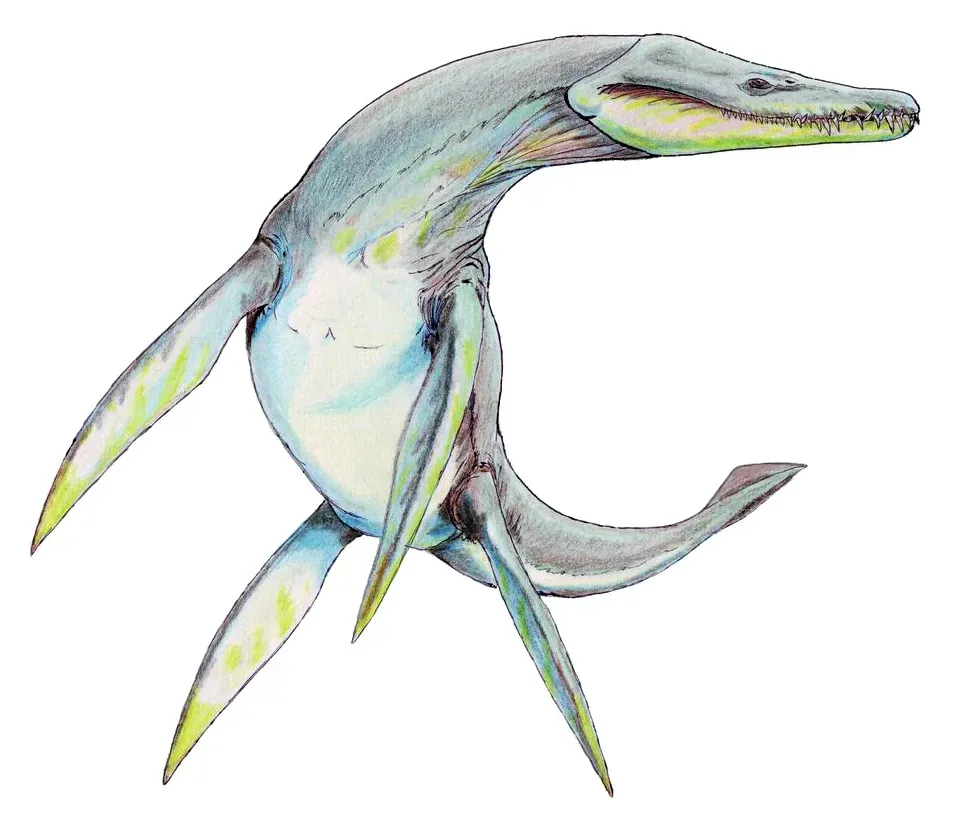
The Pliosaurus was another massive prehistoric ocean animal growing up to 40 feet long, around the size of some whales we see today. These creatures were fierce hunters, strong and fast, known for taking down large prey, even dinosaurs. Their bodies were built for power rather than endurance swimming.
They had powerful jaws with bites some paleontologists believe were as strong as a Tyrannosaurus rex, known for having the most powerful bite on land. For more than 80 million years, the pliosaurs were the apex predators of the world’s oceans, feasting on all manner of prey from large fish to other marine reptiles, including their close cousins the plesiosaurs. There’s also fossilised gut contents that show that some pliosaurs scavenged dinosaur carcasses that had washed out to sea.
Megalodon Was the Ultimate Prehistoric Shark
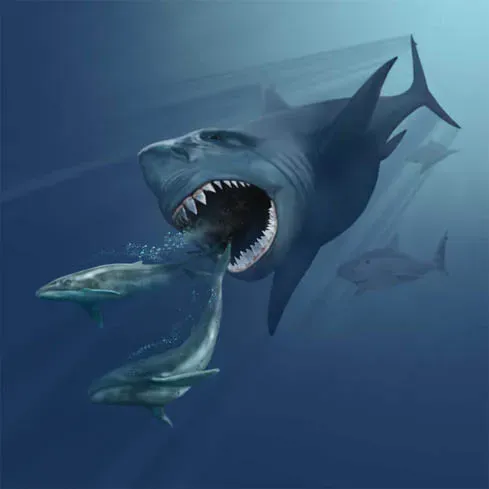
The megalodon needs little introduction. Not only was Megalodon the biggest prehistoric shark that ever lived; it was the largest predatory marine creature in the history of the planet, outweighing both modern Great White Sharks and ancient reptiles like Liopleurodon and Kronosaurus. This wasn’t just a big fish story.
Whereas a modern Great White Shark chomps with about 1.8 tons of force (and a lion with a wimpy 600 pounds), Megalodon chowed down on its prey with a force of between 10.8 and 18.2 tons–enough to crush the skull of a prehistoric whale as easily as a grape. In reality, Megalodon became extinct roughly 3.6 million years ago, during a time when our planet was plunged into a series of long ice ages. Despite persistent internet myths, this monster is definitely extinct.
Ichthyosaurs Were the Dolphins of the Dinosaur Age
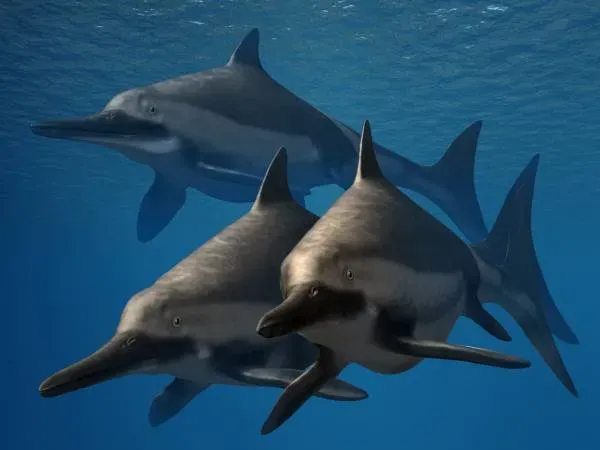
The largest prehistoric sea creature was the ichthyosaur. Ichthyosaurs were an order of marine reptiles that existed in the Mesozoic era. While some ichthyosaur species were about 1 meter (or 3 feet) in length on the smaller end, other species were massive. They represent one of evolution’s most successful marine adaptations.
Fossilized bones of an ichthyosaur were recently found in the Swiss Alps. These creatures weighed as much as 80 tonnes, and measured more than 20 meters long. Despite being reptiles, their bodies were similar to modern-day dolphins. Also, these marine reptiles evolved to have a streamlined body, elongated skull, and fins in order to adapt to the marine environment. This is convergent evolution at its finest, proving that certain body plans just work brilliantly in water.
Lessons from an Alien Ocean
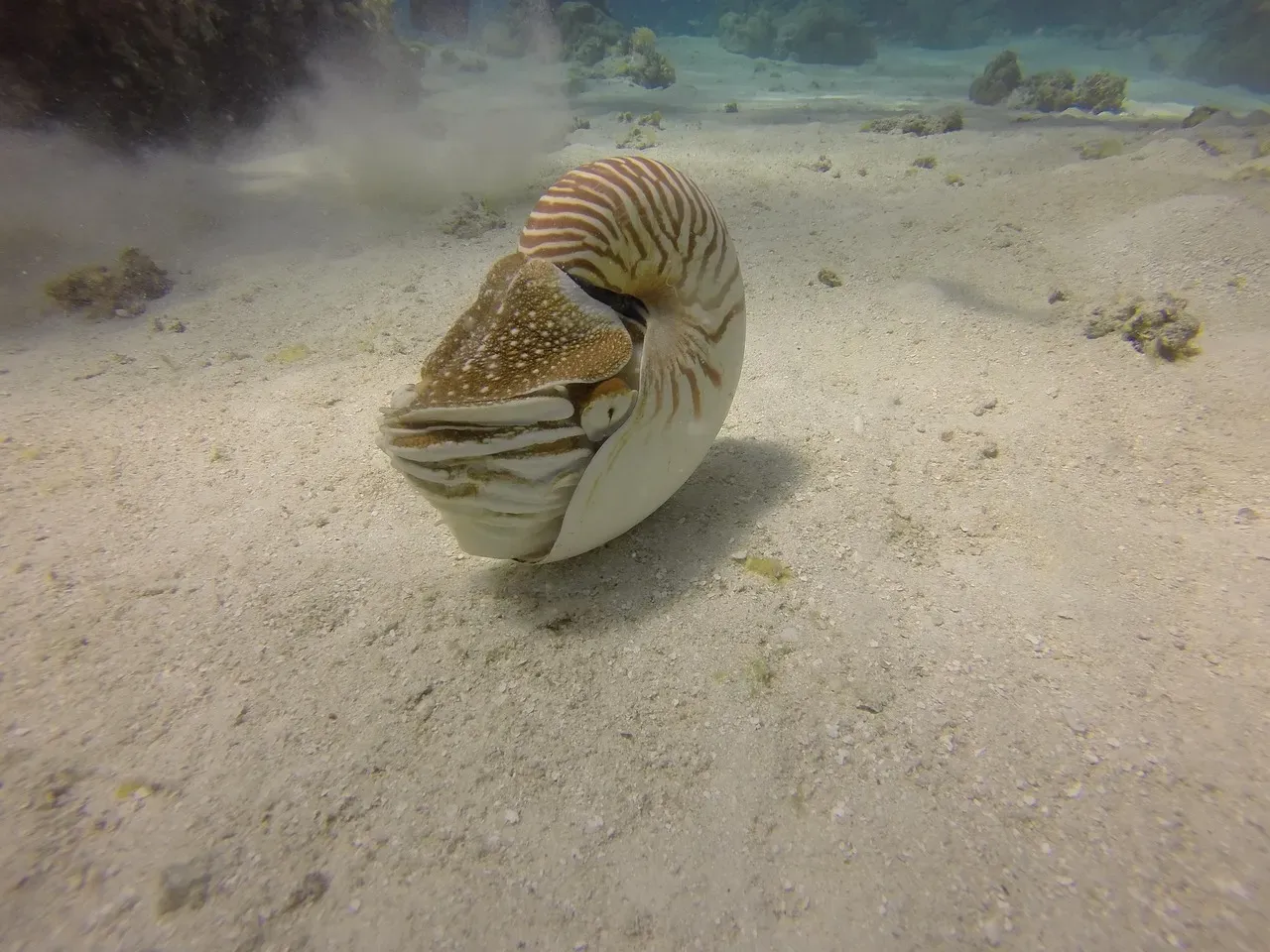
The prehistoric oceans weren’t just home to larger versions of modern animals. They hosted genuinely different forms of life, creatures that solved the problems of survival in ways we no longer see today. Prehistoric sea creatures capture our imaginations because they push the boundaries of what we consider possible in the animal kingdom. Their existence raises intriguing questions about how they thrived in ancient environments, how they interacted with each other, and ultimately, what led to their extinction. By examining their fossils, we can piece together clues about prehistoric ecosystems, climate change, and the evolutionary history of marine life.
These remind us that Earth’s oceans have always been theaters of innovation. From five-eyed oddities to armored predators with bone-shearing jaws, prehistoric seas tested biological designs that either succeeded brilliantly or failed spectacularly. The fact that we can reconstruct these animals from fragments of fossilized bone speaks to both the dedication of paleontologists and the incredible preservation power of sedimentary rock. What mysteries still lurk in unexplored fossil beds, waiting to rewrite our understanding of ancient marine life? Only time and continued exploration will tell.