
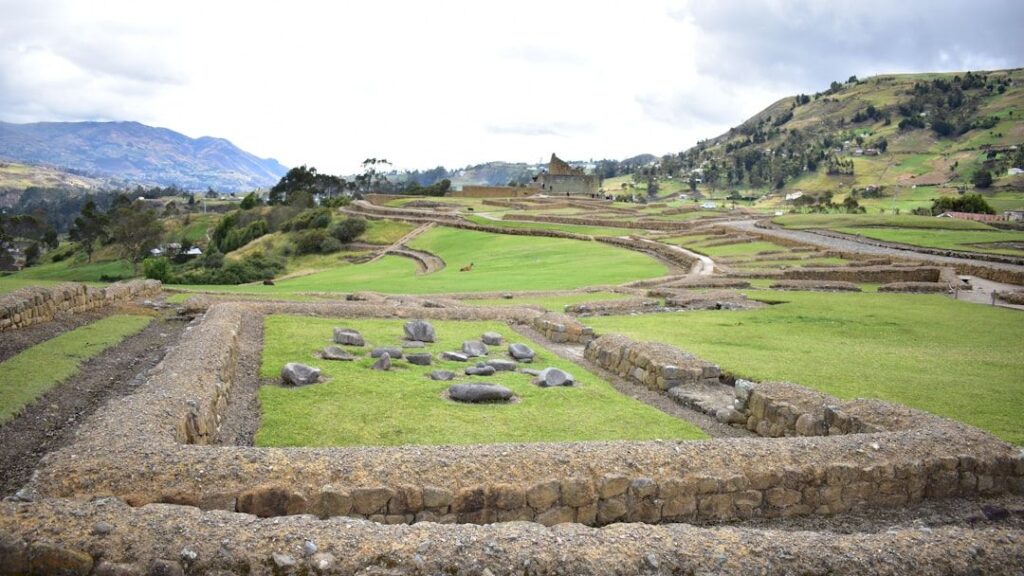
Think you know the story of early America? You might need to reconsider everything you’ve learned. Across the vast landscapes of North and South America, archaeologists are pulling back the layers of time to reveal civilizations that challenge long-held assumptions about who lived here, when they arrived, and what they achieved. These discoveries are painting a picture so vivid and unexpected that even experts find themselves revising theories that stood unchallenged for decades.
You might assume ancient Americans were simple hunter-gatherers, living quietly before the arrival of Europeans. Recent excavations tell a radically different story. From massive earthworks built by communities thought incapable of such feats, to sophisticated astronomical observatories hidden in remote hillsides, the archaeological record is forcing us to rethink the narrative of the Americas. Let’s dive in.
Caral Reveals the Americas’ Oldest Urban Civilization
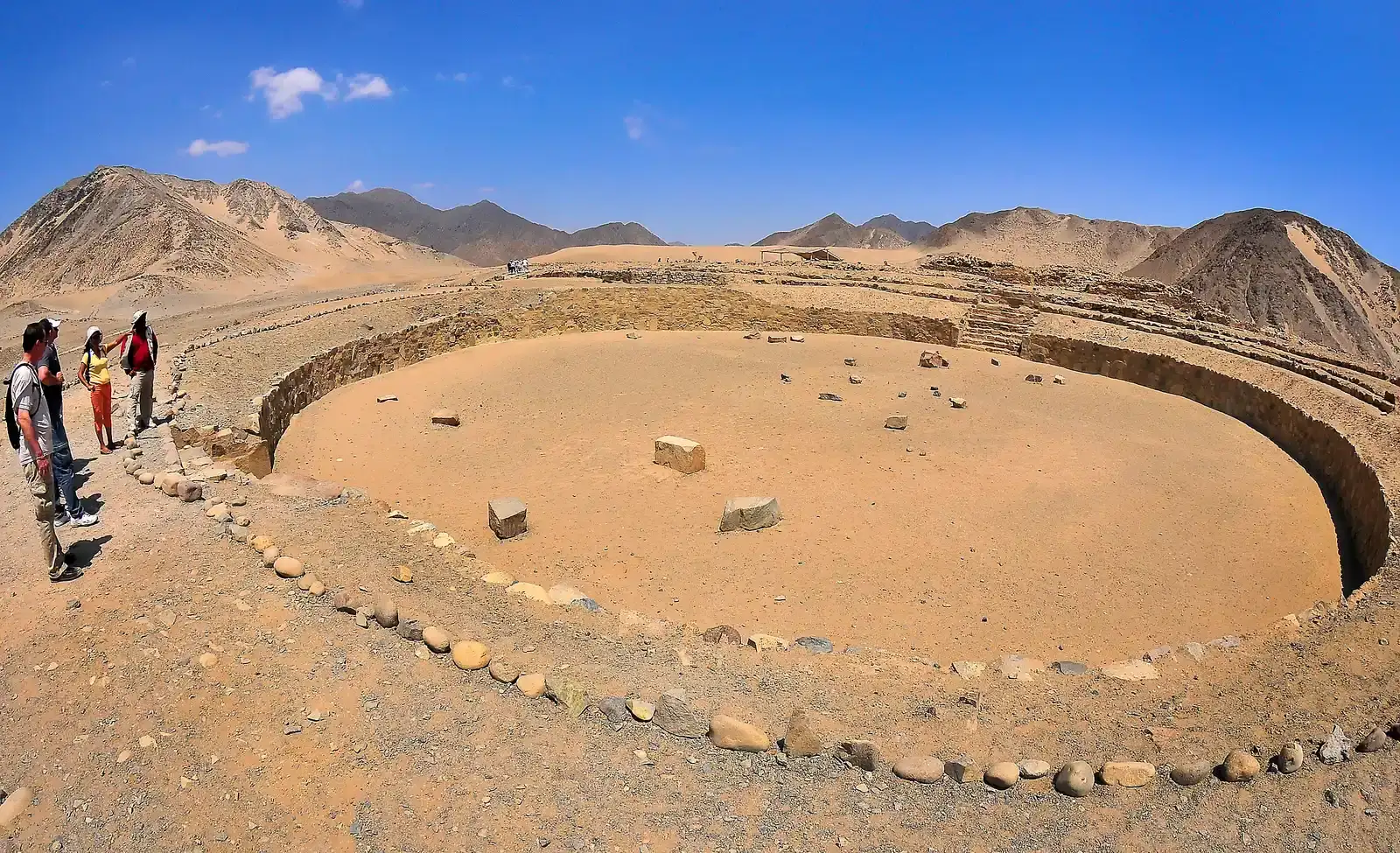
When you walk through the ancient ruins of Caral in Peru, you’re standing in what was once the oldest known civilization in the Americas, established in the Norte Chico region between 3000 and 1800 BCE. This civilization flourished between the 30th and 18th centuries BC and is one of only six sites where civilization originated independently in the ancient world. Let’s be real, that puts it in the same league as ancient Egypt and Mesopotamia.
Recent work led by archaeologists has uncovered fresh evidence of how people at sites like Vichama and Peñico confronted a severe climate crisis more than four millennia ago without descending into conflict. About 4,200 years ago, a prolonged drought forced the people of Caral to abandon their monumental city, but instead of collapsing, they resettled along the coast and inland while carrying their architectural traditions and ceremonial practices with them. The response of the Caral culture seems unique compared to other civilizations facing similar climate events, as its people adapted, migrated, and rebuilt while preserving social cohesion.
Temple Friezes Chronicle Survival Through Famine
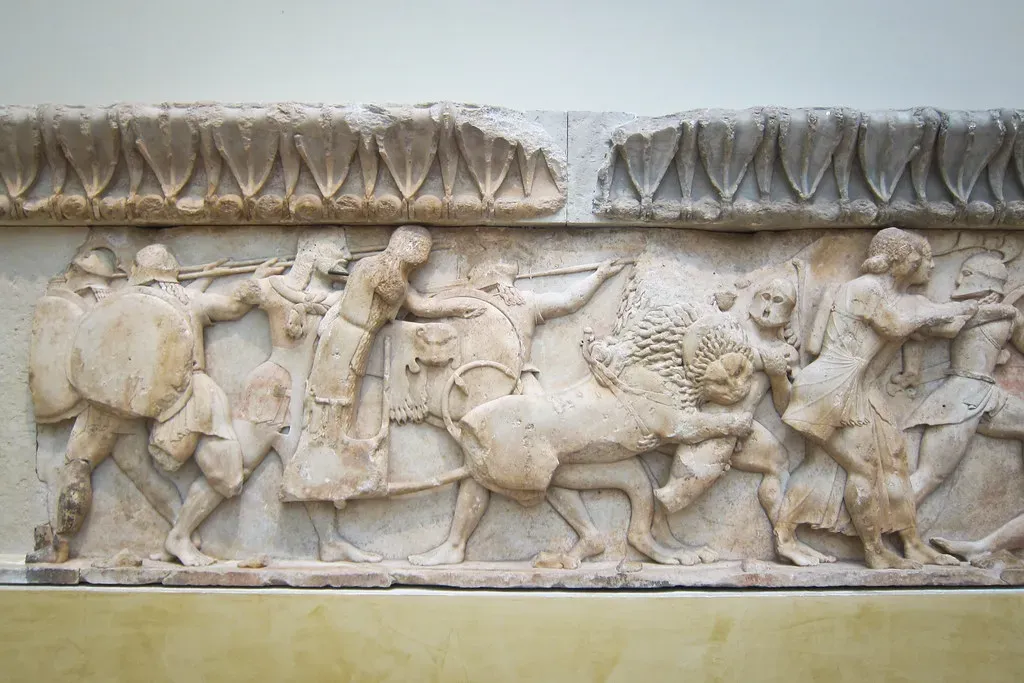
At Vichama on the Pacific coast, archaeologists discovered three-dimensional friezes carved into temple walls that illustrate famine and death in striking detail, including skeletal bodies with sunken stomachs and visible ribs, followed by images of pregnant women, dancers, and big fish symbolizing hope. These aren’t just decorative art pieces. They’re historical documents carved in stone.
Higher on the walls, a toad struck by lightning emerges as a potent symbol of the arrival of long-awaited rain, while snakes associated with water frame friezes showing the dead combined with symbols of renewal. Among the unusual designs is a smiling figure featuring both human and animal features, seen as a seed offering a promise of crop rebirth after hardship. You can almost feel the desperation and hope of an entire civilization encoded in these carvings.
Poverty Point Shatters Hunter-Gatherer Stereotypes
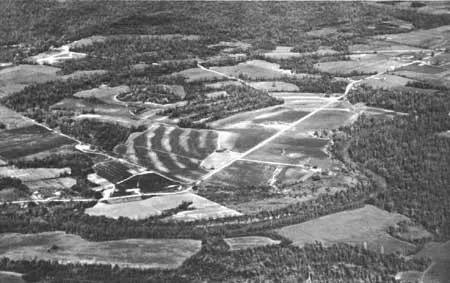
Native Americans who occupied Poverty Point in northern Louisiana more than 3,000 years ago were long believed to be simple hunters and gatherers, but new archaeological findings paint a drastically different picture of what might be considered one of America’s first civilizations. These early Indigenous people were highly skilled engineers capable of building massive earthen structures in a matter of months, possibly even weeks, that withstood the test of time.
The Poverty Point World Heritage site consists of a massive 72-foot-tall earthen mound and concentric half circle ridges constructed by hunter-gatherers approximately 3,400 years ago from nearly 2 million cubic yards of soil. New research from Washington University proposes that this vast complex was not the work of a rigid hierarchy or powerful ruling class, but rather a collaborative gathering place for egalitarian hunter-gatherer groups united by shared ritual obligations. Here’s the thing: we’ve underestimated these communities for far too long.
Aguada Fénix Pushes Back Maya Origins
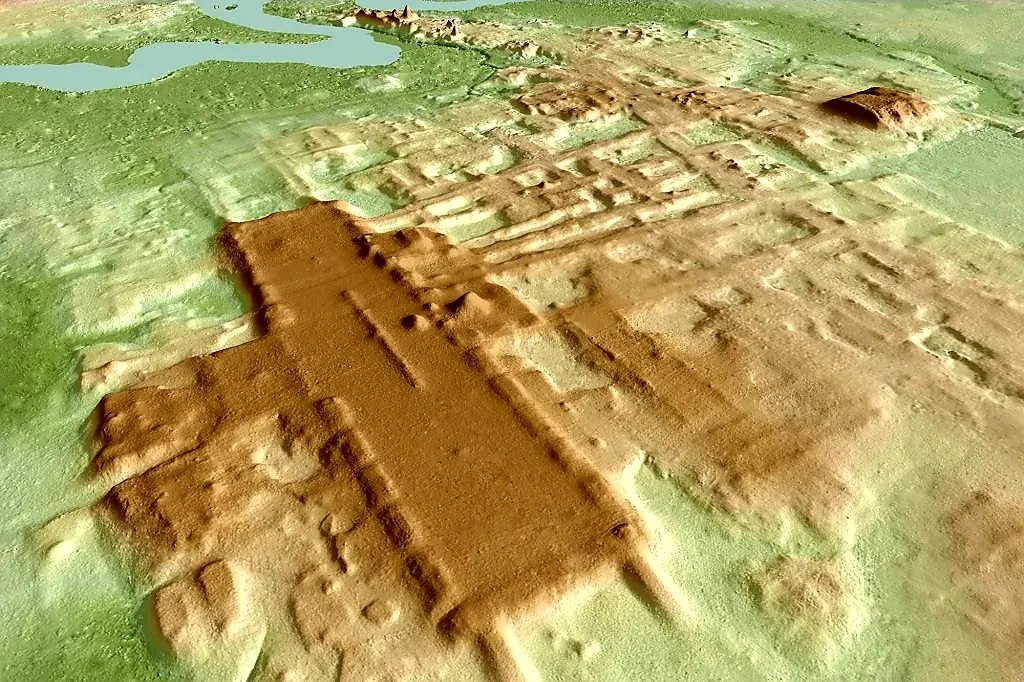
A significant discovery at the ancient site of Aguada Fénix in Mexico’s Tabasco region deepened understanding of early Maya society, as researchers uncovered a complex arrangement of ceremonial platforms and a possible early ballcourt from around 1000 BCE. The discovery confirms that large, permanent communities with organized labor and social structure were forming earlier than experts once thought, long before the rise of famous pyramids, reinforcing the idea that significant architectural and social complexity developed gradually from shared community projects rather than powerful kings.
This makes Aguada Fénix a key piece of evidence for the origins of civilization in the Americas. The year 2025 has proven to be a remarkable period for Mesoamerican archaeology, driven by new technologies, persistent fieldwork, and a bit of serendipity, significantly deepening our understanding of the region’s complex cultures.
Olmec Ritual Offerings Reveal Sophisticated Material Knowledge
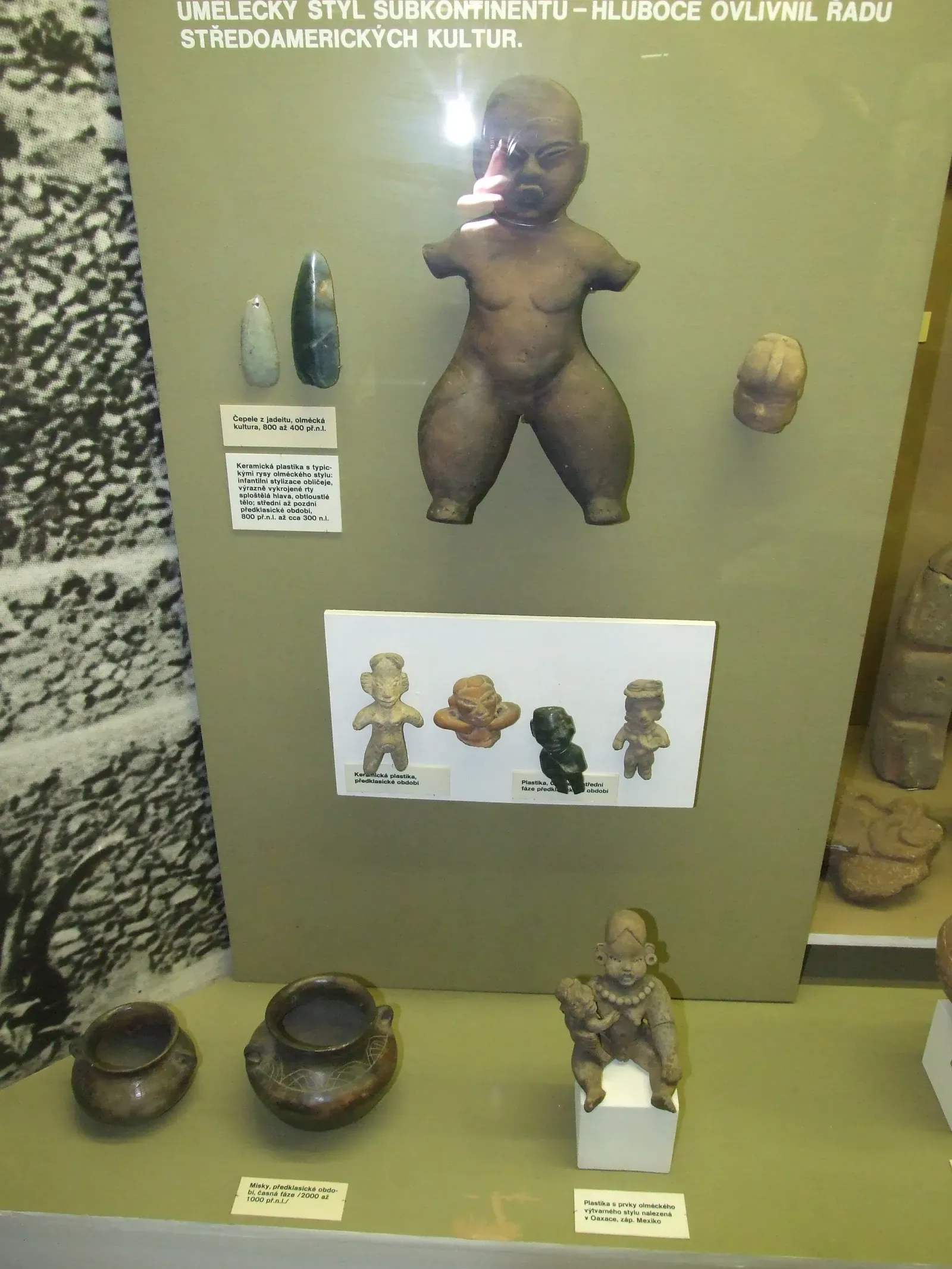
At the Olmec site of San Lorenzo, researchers announced a discovery that pushes back the timeline for complex ritual in the region, uncovering a meticulously arranged offering of jade celts and figures accompanied by distinctively carved magnetite mirrors placed in a patterned floor dating to approximately 1200 BC. This find provides the earliest firm evidence for the use of magnetite, a naturally magnetic iron ore, in ritual contexts in the Americas, highlighting the Olmecs’ sophisticated knowledge of rare materials and their symbolic properties.
I know it sounds crazy, but these ancient peoples understood the magnetic properties of certain stones and incorporated them into sacred ceremonies. Further south in the Zapotec region of Oaxaca, archaeologists mapping the outskirts of Monte Albán used drone photography to identify subtle stone alignments on a remote hillside, with excavation revealing a complex astronomical observatory consisting of aligned sighting stones and a small temple platform. The precision is genuinely astonishing.
Hybrid Burials Document Cultural Transformation in Peru
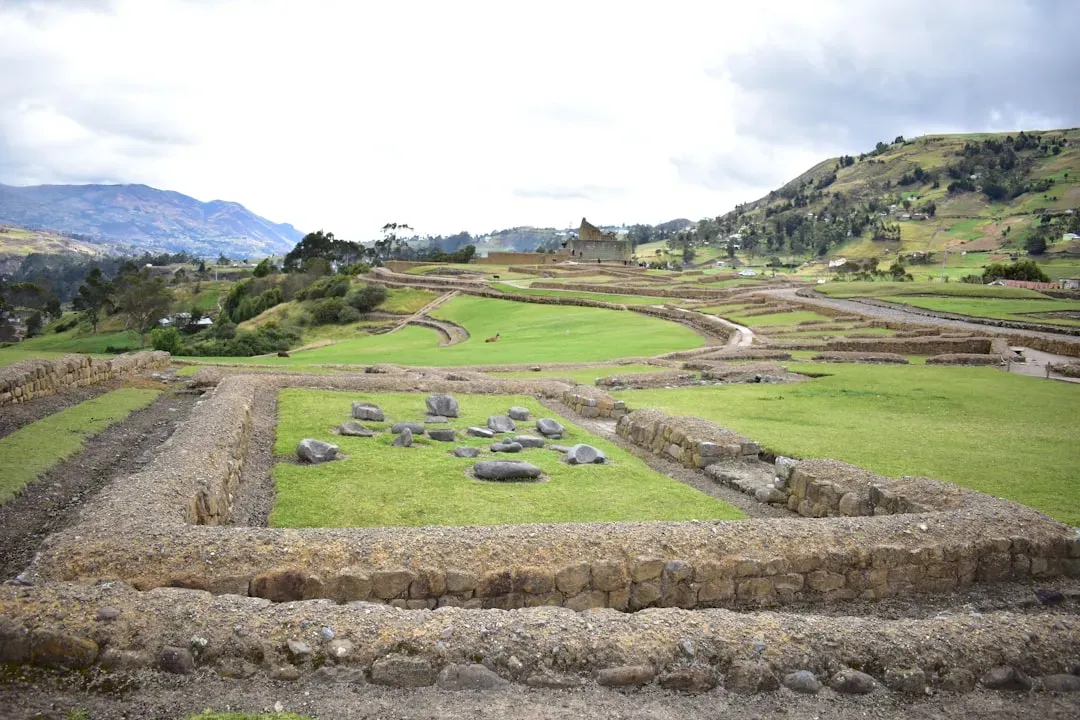
A luxurious burial at the site of Pampa la Cruz dating to between 850 and 1000 CE provides a window into an era when older cultures’ control of the northern Peruvian coast was waning, exhibiting a distinctive hybrid art style that reflects a marked influence of the highland Wari society on well-established local cultural traditions like those of the Moche. The grave contained two older men, one seated in a typical Wari lotus position, buried with a wooden mirror shaped like an anthropomorphic crab crafted using Wari techniques but rendered in the local Moche style.
These aren’t isolated finds. In July 2025, a prehistoric urban center named Peñico, dating back approximately 3,500 years, was identified in northern Peru, consisting of 18 structures including a circular ceremonial plaza, temples, and residential buildings constructed between 1800 and 1500 BC, demonstrating that early Andean societies engaged in complex societal organization.
Pre-Clovis Sites Challenge First Americans Timeline
Discoveries stemming from one controversial archaeological site in the American Southeast, if confirmed, could extend present timelines for human arrival in the New World by several tens of thousands of years. For many decades, the long-established chronological marker for America’s first arrivals centered on discoveries near Clovis, New Mexico, with the resulting “Clovis First” theory arguing that America’s first inhabitants made their way across an ice-free Beringian land corridor somewhere around 13,000 years ago.
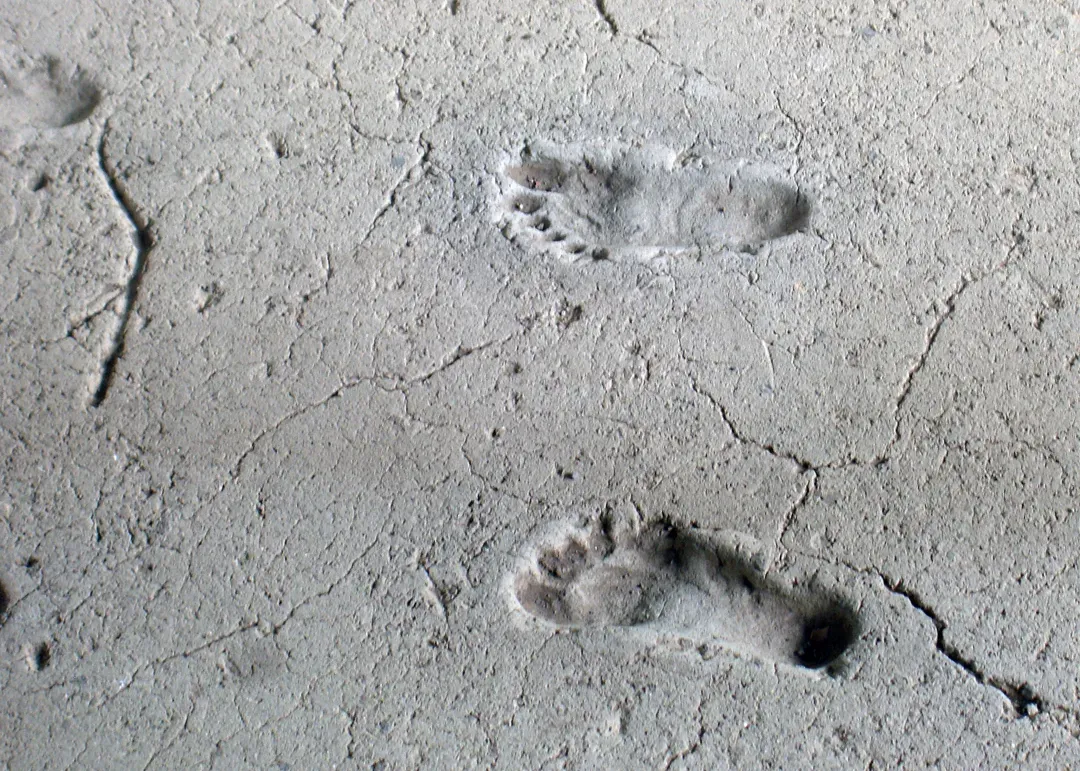
Ancient human fossil footprints at sites like White Sands in New Mexico have extended the now well-accepted earlier-than-Clovis timeline even further back, with confirmed dates revealing a human presence there by as early as 21,000 to 23,000 years ago. This, along with growing genetic evidence, new models of possible coastal migration routes, and other data, continues to help archaeologists assemble a broader picture of America’s first inhabitants and a far deeper timeline for their arrival. It’s hard to say for sure, but we’re probably only scratching the surface.
What These Discoveries Mean for Our Understanding
America’s pre-Columbian people have long suffered from storytelling that suggested their world collapsed solely due to Old World diseases and superior European civilization, but recent research demonstrates that pre-Columbian demography fluctuated dramatically in response to shifting circumstances, with resilient survivors opening new windows of opportunity to downsize, restructure, and move forward when climate change and social discontent affected population centers.
When abrupt climate change and social discontent knocked out the largest population centers, resilient survivors opened new windows of opportunity, and decolonizing the legacies of these diverse histories requires transcending conventional divisions with fresh approaches that appreciate deep Indigenous oral histories and draw upon archaeology’s advanced dating methods. The speed of excavation and construction, along with the quantity of earth being moved, shows native people coming to sites and working in concert, which is remarkable because hunter-gatherers weren’t supposed to be able to do these activities. These findings completely overturn what we thought we knew about early American societies, their capabilities, and their resilience. What would you have guessed about the sophistication of cultures existing thousands of years before European contact? The archaeological record speaks volumes, and it’s telling us we got a lot wrong.