
Researchers at Nanyang Technological University unveiled a sunscreen derived from tea plant pollen that blocks ultraviolet rays without endangering marine ecosystems.
The Hidden Danger in Everyday Sun Protection
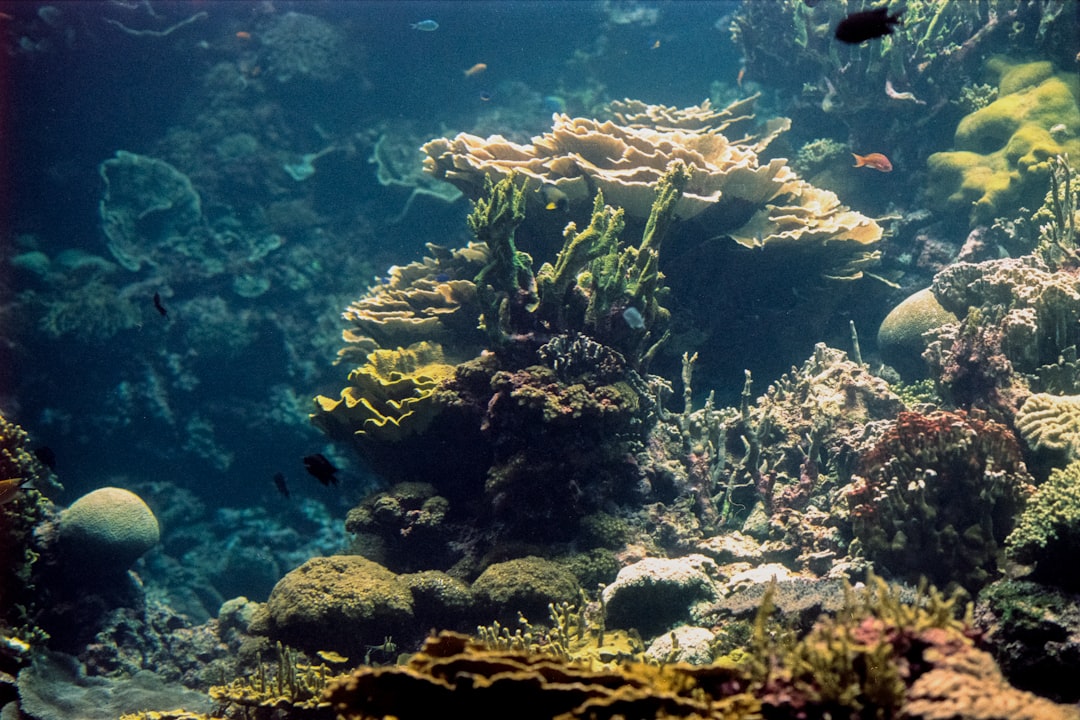
The Hidden Danger in Everyday Sun Protection (Image Credits: Unsplash)
Conventional sunscreens contribute significantly to ocean pollution. Each year, an estimated 14,000 tons of chemical UV filters wash into waters near tourist hotspots.
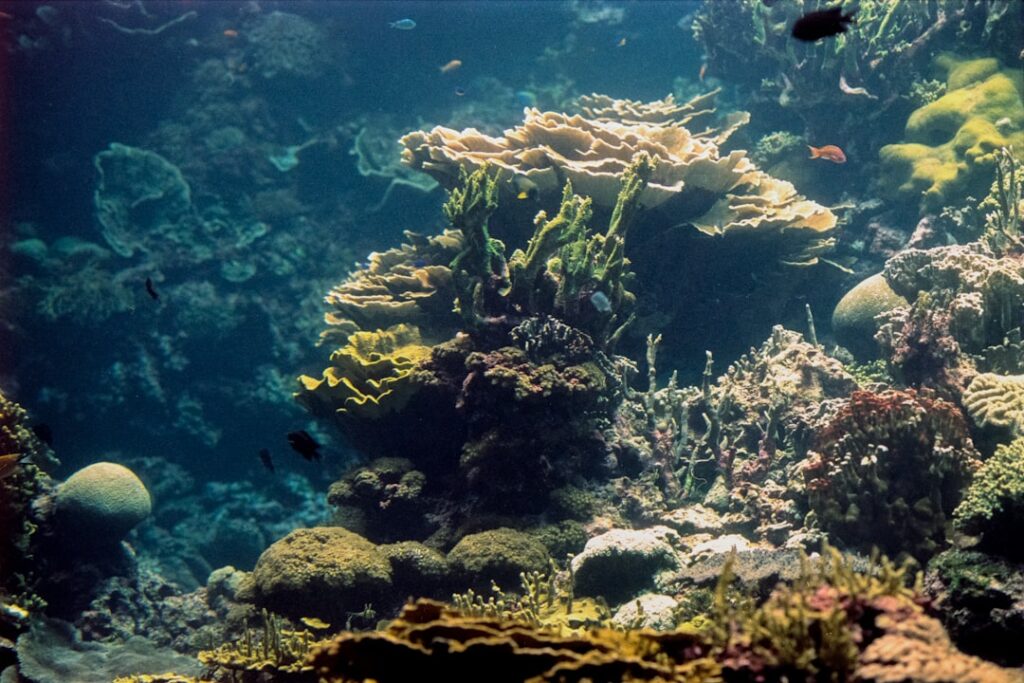
Ingredients like oxybenzone and octinoxate provoke coral bleaching in as little as two days. Full mortality follows within two weeks. Even mineral-based options, relying on nanoparticles of titanium dioxide or zinc oxide, damage marine organisms. Coral reefs, which span just 1 percent of the ocean floor, sustain 25 percent of all marine species. Their decline threatens biodiversity and coastal protections worldwide.
Harnessing Nature’s Ancient Shield
Scientists turned to the pollen of the Camellia sinensis plant, source of tea leaves. The pollen’s outer shell contains sporopollenin, a biopolymer renowned for its UV resistance and preserved in fossils millions of years old. A water-based extraction method preserved this structure intact.
The result formed a transparent microgel delivering SPF 30 protection. This golden gel mimics the texture of commercial products. It proves non-toxic and non-allergenic, offering a cleaner alternative for skin care.
Strong Results from Rigorous Testing
Laboratory evaluations highlighted the gel’s efficacy. It blocked harmful UVB rays effectively. The formula also absorbed less energy in the visible and near-infrared spectrums, cooling skin by up to 9 degrees Fahrenheit for around 20 minutes after application. Tests on mice showed a micron-thick layer performed on par with established sunscreens.
| Sunscreen Type | Effect on Coral |
|---|---|
| Chemical (e.g., oxybenzone) | Bleaching in 2 days; death by week 2 |
| Mineral (nanoparticles) | Harms marine life |
| Tea pollen gel | Healthy after 60 days in saltwater |
Marine simulations proved decisive. Coral exposed to the pollen gel thrived in saltwater tanks for 60 days. In contrast, chemically treated samples bleached rapidly and perished within two weeks.
Steps Toward Widespread Availability
The innovation builds on the lab’s experience repurposing pollen for environmental cleanup and sustainable packaging. Researchers now prioritize human clinical trials and regulatory approvals. They constructed a production prototype facility to scale manufacturing.
Discussions with cosmetic firms aim to bring the product to market. This development addresses a critical gap in sun protection that avoids ecological backlash. Success could redefine industry standards for ocean-friendly formulations.
Key Takeaways
- 14,000 tons of sunscreen chemicals pollute oceans annually, accelerating coral decline.
- Tea pollen’s sporopollenin provides natural SPF 30 without marine toxicity.
- Lab tests confirm superior safety for reefs compared to chemical and mineral rivals.
This tea pollen sunscreen represents a timely advance in balancing human health with planetary stewardship. As oceans face mounting pressures, such innovations offer real promise. What steps will you take to protect reefs? Share your thoughts in the comments.