
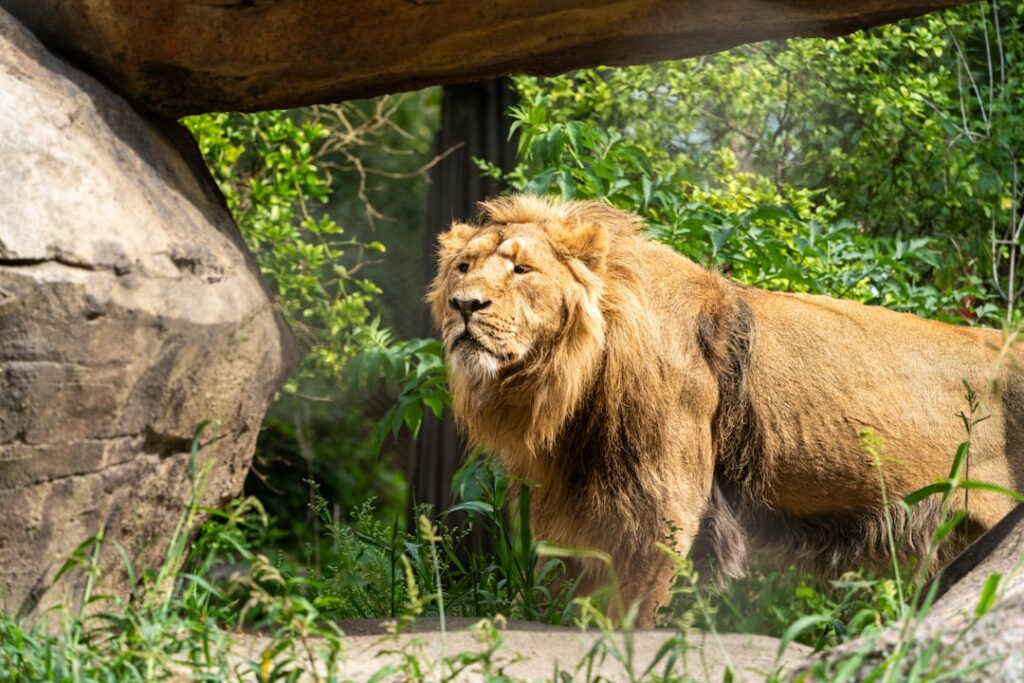
Gujarat – A comprehensive census highlights how Asiatic lions have increasingly dispersed into new territories outside the Gir sanctuary’s core zones.
Population Surges Past 800 Mark
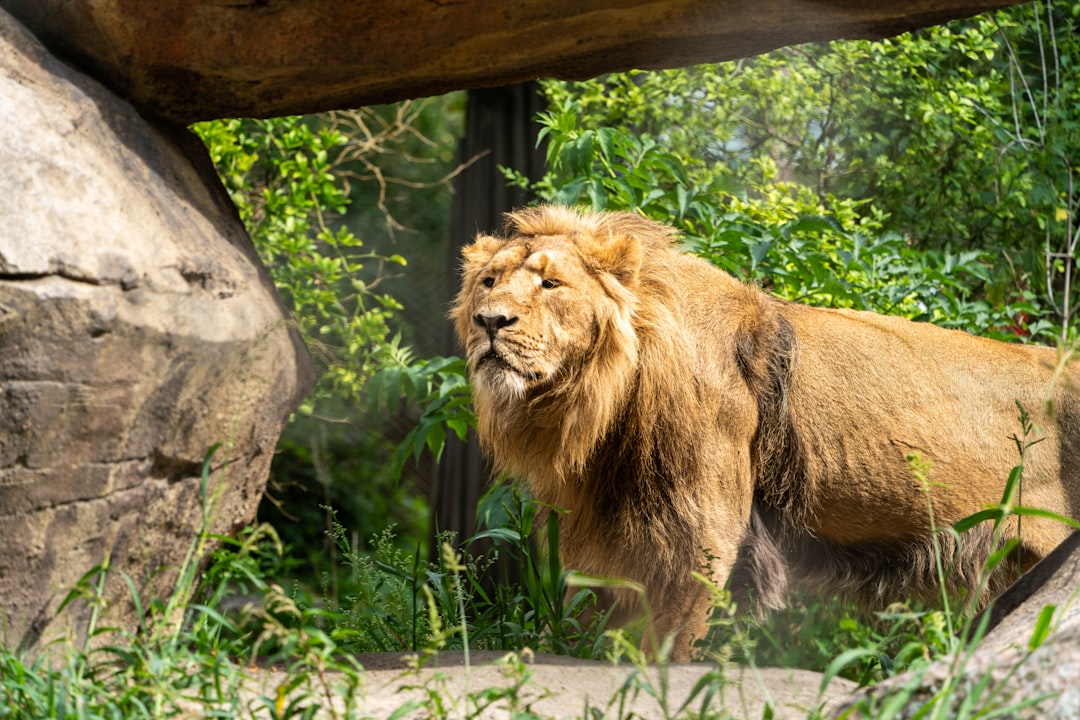
Population Surges Past 800 Mark (Image Credits: Unsplash)
The lion count in Gujarat’s Saurashtra region jumped from 674 individuals in 2020 to 891 by 2025, according to a Gujarat Forest Department study.
Researchers recorded just 394 lions within the core areas, which encompass Gir National Park, Gir Wildlife Sanctuary, and surrounding regions. The rest formed satellite populations farther afield. This growth accompanied a 16.67% expansion in spatial range, from 30,000 square kilometers to 35,000 square kilometers. The census involved over 3,000 personnel across 735 sampling units in 13 divisions, employing a minimal total count method with AI verification to minimize duplicates.
During the period, 669 lions perished from causes such as old age, illnesses, territorial fights, cub mortality, well falls, electrocutions, and road accidents.
Nine New Strongholds Emerge
Satellite groups have taken root in human-influenced landscapes across Saurashtra’s diverse ecosystems, including grasslands, dry forests, and coasts. Lions favor forested patches but also occupy wastelands rich in prey like nilgai and wild pigs, agricultural lands, and even built-up edges.
The largest clusters appeared in the Savarkundla-Liliya area of Amreli district with 125 lions and in Bhavnagar. Other key sites include coastal stretches southwest of Saurashtra from Sutrapada to Veraval, and southeast zones covering Rajula, Jafrabad, and Nageshree. Smaller groups settled in Jetpur with six lions and Babra-Jasdan with four. Notably, 17 lions recolonized Barda Wildlife Sanctuary, a site last occupied in 1879.
- Savarkundla-Liliya (Amreli): 125 lions
- Bhavnagar: Significant population
- Barda Wildlife Sanctuary: 17 lions (recolonized)
- Jetpur: 6 lions
- Babra-Jasdan: 4 lions
Factors Fueling the Revival
Strong law enforcement, dedicated habitat safeguards, abundant prey, political backing, and scientific guidance drove the uptick. Dense covers of Prosopis juliflora thickets and Casuarina plantations in satellite zones provided cover and supported prey.
Mohan Ram, senior forest officer and lead study author, observed, “What we’re seeing is lions reclaiming their original habitats.” This progress prompted the International Union for Conservation of Nature to upgrade Asiatic lions from critically endangered to endangered status in 2008.
Challenges in Shared Spaces
As lions push into mixed-use areas, human-wildlife conflicts have intensified. A 2024 Wildlife Institute of India analysis documented a 105% yearly rise in villages facing livestock depredation from 2012 to 2017. Barriers like highways, railways, wells, and electrified fences complicate movements, often impacting rural communities hardest.
Ravi Chellam, lion expert and CEO of the Metastring Foundation, noted, “The expanding distribution of lions is pushing them into sub-optimal human-dominated habitats.” He added that lions’ high mobility means presences at sites do not imply permanent residency. The study cautions that crowded habitats could shrink territories, heighten pride rivalries, and strain resources.
Key Takeaways
- Lion numbers rose 32% to 891, with over 55% outside Gir core areas.
- Nine satellite populations formed, including historic recolonization of Barda.
- Success stems from protection efforts, but conflicts demand urgent coexistence strategies.
Experts urge holistic plans featuring community involvement, conflict-mitigating crops, awareness drives, and translocation to other regions for sustainability. The lions’ bold expansion underscores conservation triumphs yet spotlights the need for balanced human-animal coexistence in Gujarat’s evolving landscapes. What steps should follow to support this growth? Share your views in the comments.