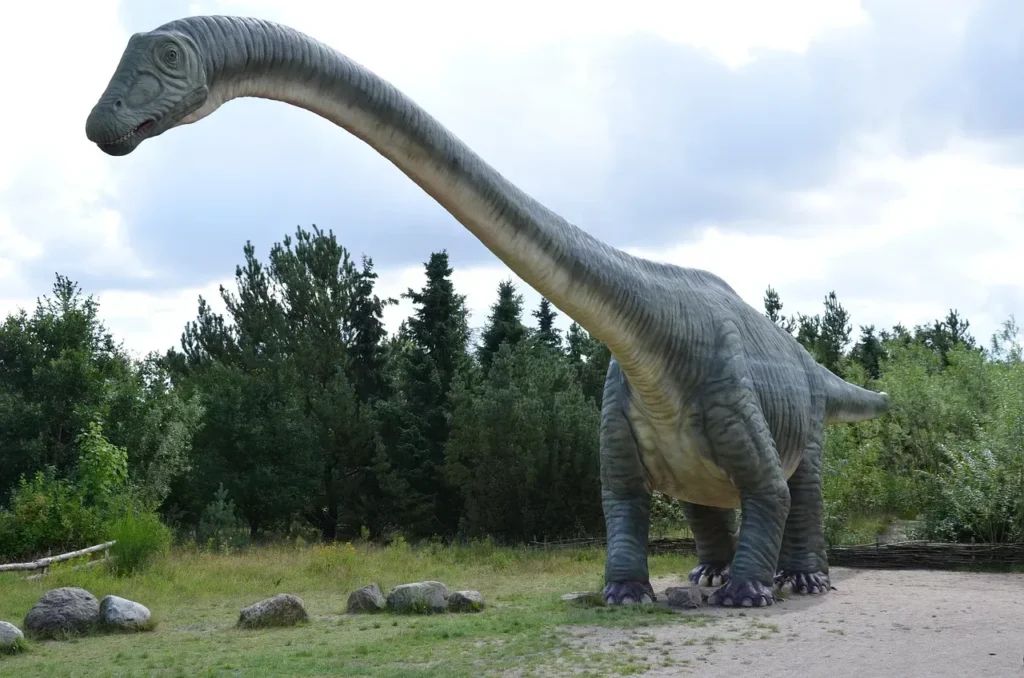
Have you ever tried to imagine something so massive that it defies comprehension? Something so colossal that your mind struggles to wrap itself around the sheer scale? We’re talking about creatures that made modern elephants look like house pets. The largest dinosaurs that ever lived were biological impossibilities made flesh and bone, wandering across ancient landscapes like mobile mountains.
These titans roamed our planet for millions of years, shaping ecosystems and redefining what it meant to be big. The science behind their existence challenges everything we thought we knew about biology, physics, and survival. So let’s dive into the most astounding facts about these prehistoric giants that will completely change how you see the ancient world.
They Were Heavier Than a Dozen African Elephants Combined
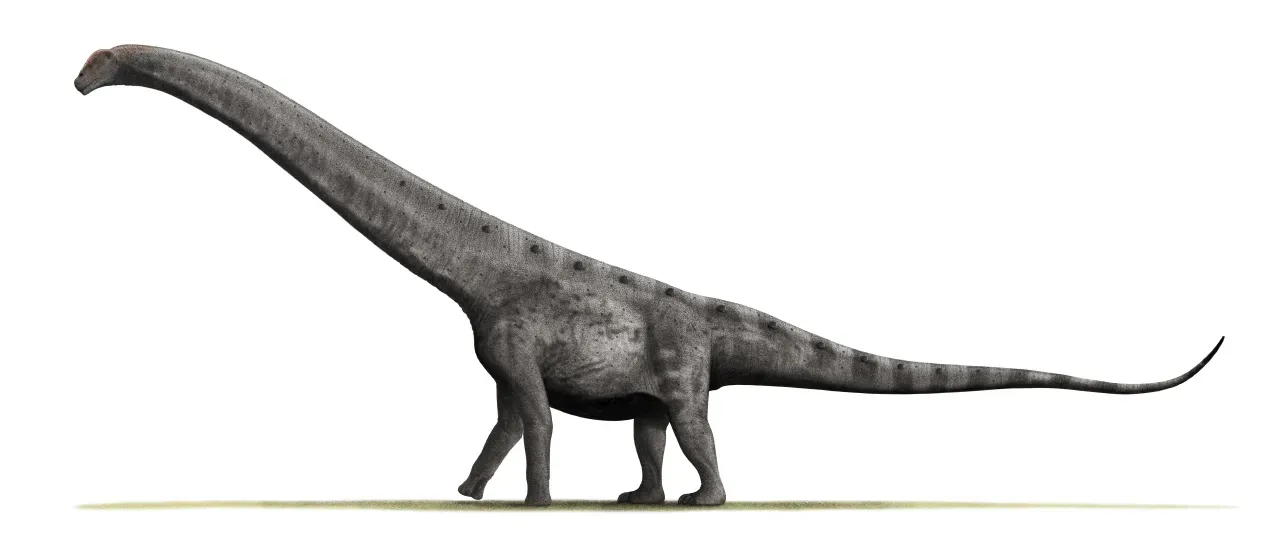
Argentinosaurus, often considered the largest dinosaur ever discovered, weighed somewhere between 90 and 100 metric tons. Think about that for a moment. That’s roughly the weight of 12 to 14 adult African elephants, or about 15 full-grown Tyrannosaurus rex dinosaurs stacked together. The sheer mass of these creatures is almost incomprehensible when you consider they walked on land rather than floating in oceans like today’s blue whales.
This massive titanosaur stretched approximately 36 meters in length. Their weight wasn’t just impressive, it fundamentally changed how they lived. These animals needed to consume enormous quantities of vegetation daily just to fuel their bodies. Large animals are more efficient at digestion than small animals because food spends more time in their digestive systems, allowing them to subsist on food with lower nutritive value.
Their Hearts Were Under Incredible Pressure
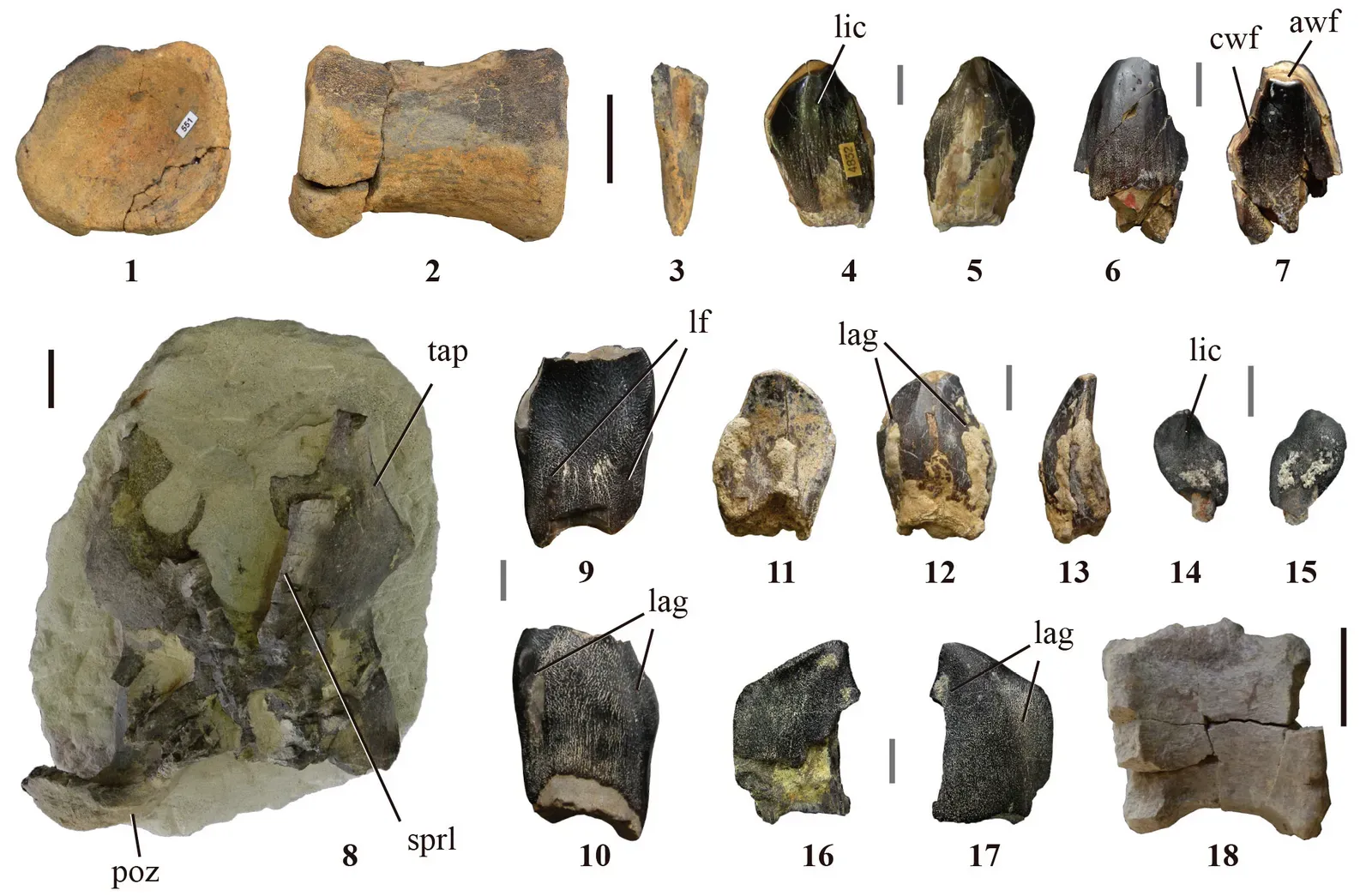
Let’s be real, the cardiovascular challenges these dinosaurs faced were nothing short of extraordinary. Hypothesized upright neck postures in sauropod dinosaurs would have required systemic arterial blood pressures reaching 700 mmHg at the heart. To put that in perspective, your blood pressure is probably around 120 over 80. These giants needed blood pressure nearly six times higher than humans just to pump blood up their incredibly long necks.
Blood pumping would get a boost any time the dinosaurs moved their necks, and if even one to three percent of the neck’s muscle power helped blood flow, the effect would have reduced the required mass of the heart by over 25 percent. Scientists believe that the neck muscles themselves acted like auxiliary pumps, helping push blood upward with each movement. It’s an elegant biological solution to an extreme engineering problem.
They Grew Incredibly Fast But Died Relatively Young
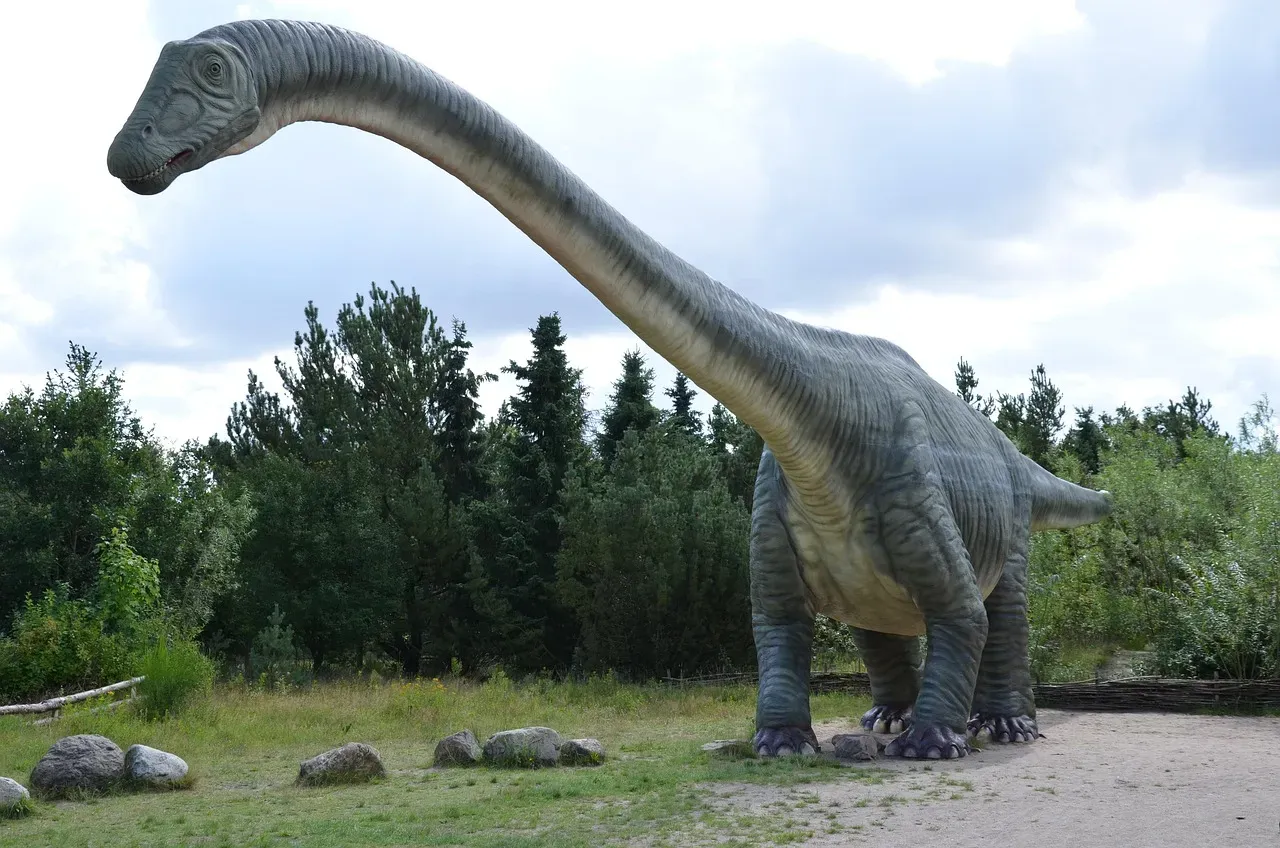
Here’s something that surprises most people: despite their enormous size, these giants didn’t live for centuries. Probably even the really biggest dinosaurs rarely broke 50 years of age. That seems shockingly short when you consider modern elephants can live 70 years or more, and these dinosaurs were often ten times larger.
Dinosaurs grew really fast, like really, really fast, and as a result of that, they wouldn’t have been around for 100 years. Their rapid growth came at a cost. Growth rings in their fossilized bones, laid down in a similar way to tree rings, revealed that most nonavian dinosaurs didn’t live that long, despite sometimes growing to huge sizes. The trade-off between growing massive quickly and living a long time meant these creatures lived fast and died relatively young, like the rockstars of the dinosaur world.
The First Fossils Were Mistaken for Petrified Wood
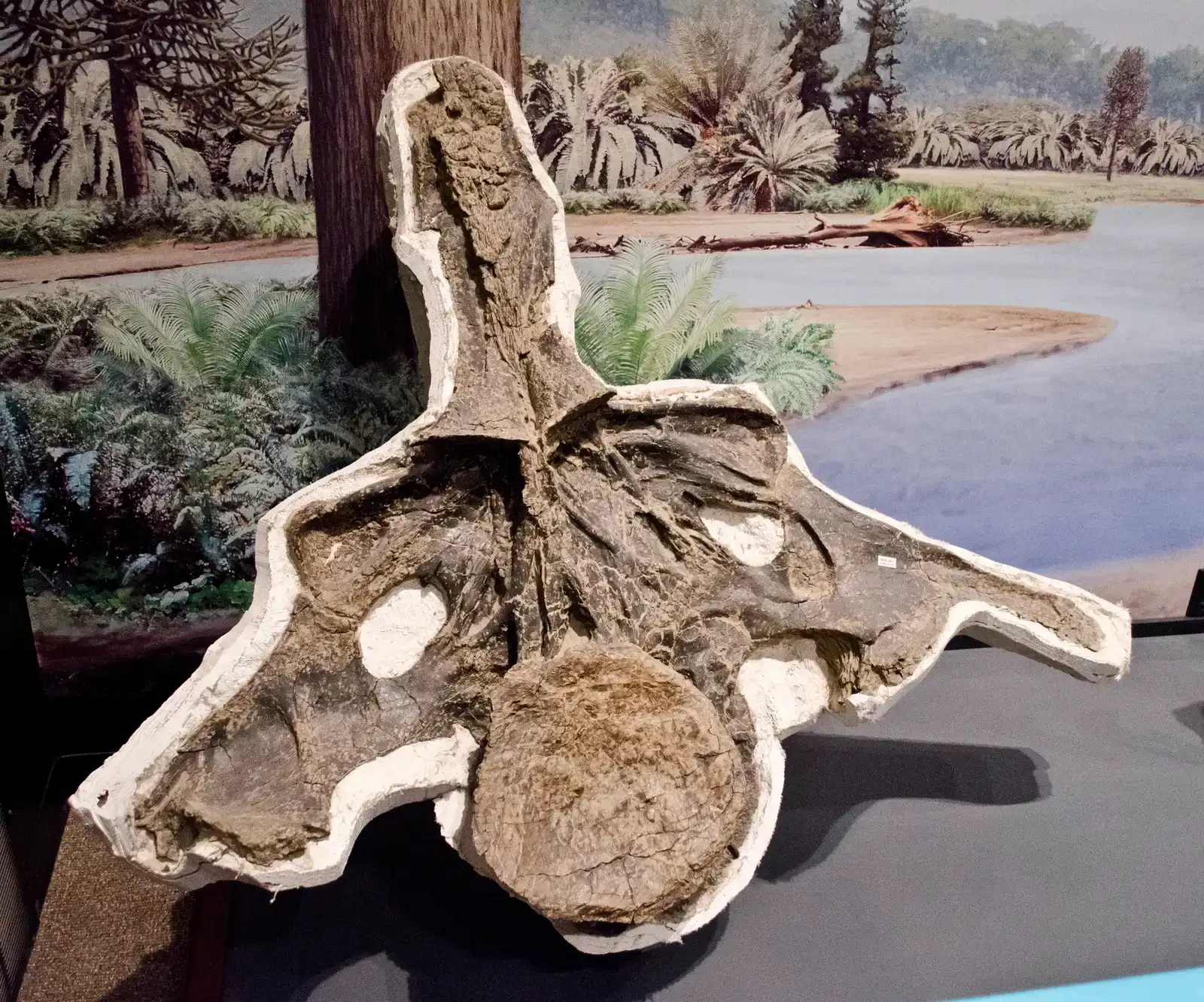
The story of how we discovered these giants is almost as remarkable as the creatures themselves. When a fossil the size of a fully grown human being was unearthed on a ranch in Argentina in 1987, the rancher thought the fossil specimen was a large chunk of petrified wood, and it wasn’t until 1993 that it was reclassified as a single vertebra belonging to a new species of sauropod. Imagine stumbling across what you think is a log, only to later discover it’s actually a single bone from the largest creature ever to walk the Earth.
This highlights just how massive these dinosaurs were. A single vertebra was as large as an entire person. The scale defies logic. Although it is only known from fragmentary remains, Argentinosaurus is one of the largest known land animals of all time, measuring 30 to 35 meters long and weighing 65 to 80 tons. Scientists had to completely reimagine what was biologically possible when these bones started turning up.
They Could Have Been Vulnerable When Drinking Water
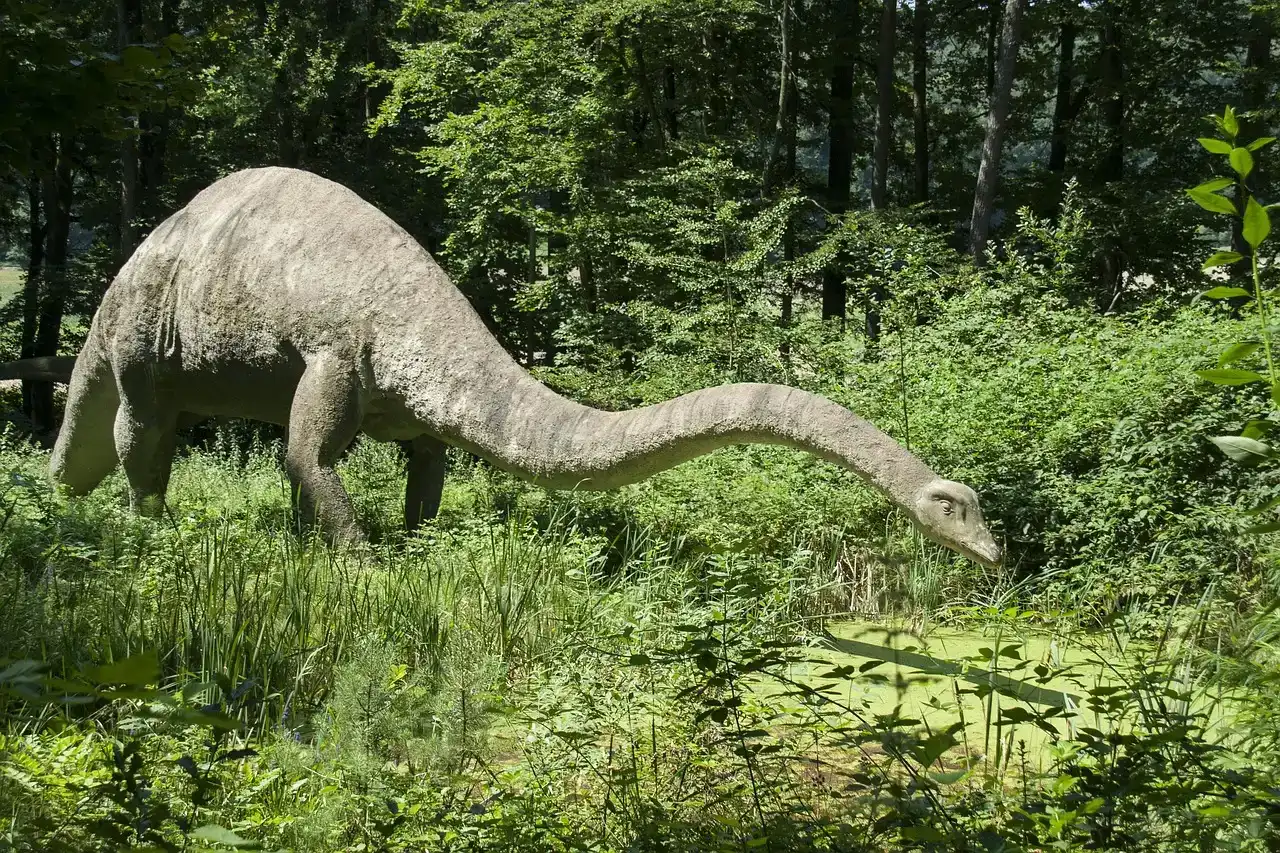
Picture this: a creature as tall as a four-story building bending down to take a sip from a river. When a Supersaurus lowered its neck to feed at ground level, the dinosaur would have risked a terrible rush of blood to the head. The same cardiovascular system that allowed them to lift their heads high into the trees became a potential hazard when reversed.
Modern giraffes have special valves and pressure regulation systems to prevent them from passing out when they lower their heads. These dinosaurs likely needed similar, or even more sophisticated, biological mechanisms to avoid catastrophic blood flow problems. Every simple action, like drinking or feeding from low vegetation, required extraordinary physiological adaptations that we’re still trying to fully understand today.
Some Species Rivalry Still Sparks Scientific Debate
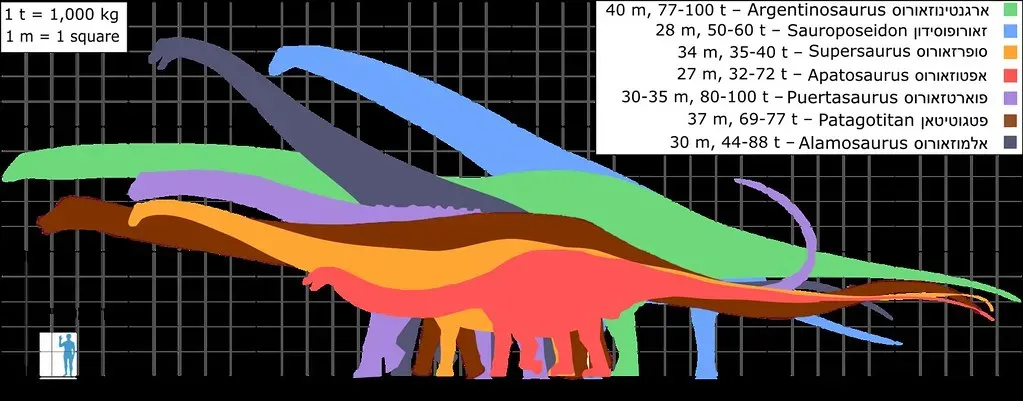
Scientists still argue passionately about which dinosaur deserves the title of “largest ever.” It’s basically a three-way tie between Argentinosaurus, Puertasaurus, and Patagotitan, and given how little we have of the first two and how large the error bars are, there is no real way to tell which of them was the longest or the most massive. This uncertainty isn’t due to lack of effort but rather the incomplete nature of the fossil record.
While Patagotitan was previously thought to be the largest sauropod to have ever existed, measurements resulted in an estimate of around 50 to 55 tons, while Argentinosaurus could have been an astonishing 65 to 75 tons. Each new discovery or refined measurement technique can shift the rankings. There are partial remains of other sauropods that may suggest animals larger than Argentinosaurus, and the possibility that we have already found the largest land animals of all time is essentially zero.
They Hatched From Surprisingly Small Eggs
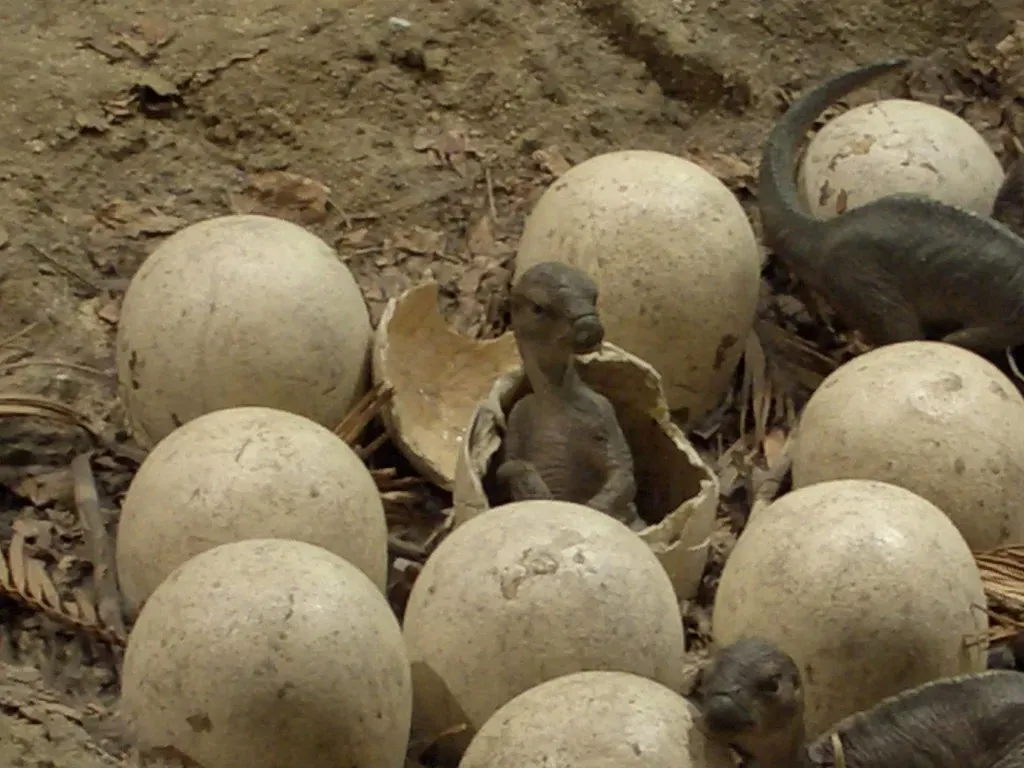
One of the most mind-blowing contrasts in nature comes from the size difference between baby and adult sauropods. The eggs of Argentinosaurus were probably only 1 liter in volume, and a hatched Argentinosaurus was no longer than 1 meter and not heavier than 5 kilograms. A creature that would eventually weigh 80,000 kilograms started life weighing just 5 kilograms. That’s a 16,000-fold increase in mass.
The largest sauropods increased their size by five orders of magnitude after hatching, more than in any other amniote animals. This staggering growth rate meant that juvenile dinosaurs inhabited completely different ecological niches than their parents. A baby sauropod faced threats from predators that wouldn’t dare approach an adult. The transformation from vulnerable hatchling to invincible titan happened remarkably fast, representing one of the most dramatic life cycle changes in the history of life on Earth.
Conclusion
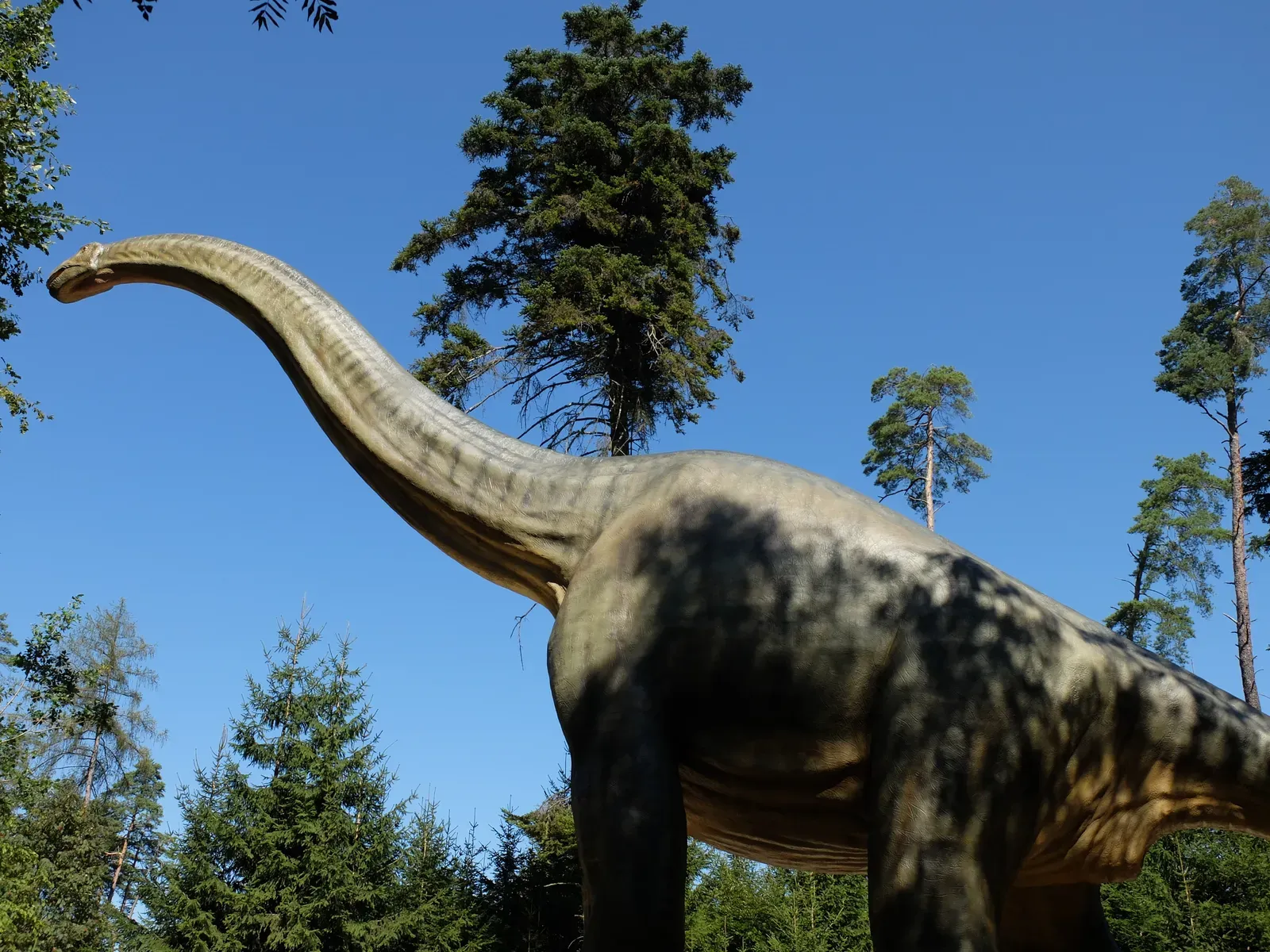
The largest dinosaurs challenge our understanding of what life can achieve on land. From their impossible size and extraordinary cardiovascular systems to their surprisingly short lifespans and dramatic growth rates, these creatures represent biological extremes that we’ll likely never see again. Each fossil discovery adds another piece to the puzzle, revealing more about how these titans thrived in their ancient world.
The debate about which species truly deserves the crown of “largest ever” continues, and honestly, that’s part of what makes paleontology so exciting. We’re still uncovering new species and refining our understanding with better technology. What do you think, though? Does it surprise you that something so massive could live for less time than a modern human? The world of giant dinosaurs is full of these fascinating contradictions that keep us endlessly curious about our planet’s prehistoric past.