Picture a scene from prehistoric times. You might imagine towering beasts roaming alone, battling for survival in a brutal landscape. Yet recent fossil discoveries are rewriting our assumptions about life during the age of dinosaurs. Some of these ancient creatures weren’t solitary monsters at all – they lived together in remarkably organized communities, shared responsibilities, and even took care of each other’s young. It’s hard to say for sure what drove these behaviors, but the evidence suggests that certain dinosaur species had social lives far more sophisticated than we ever imagined.
What researchers found hidden in the rocks of southern Argentina has become a game changer for paleontology. So let’s dive in and explore how one particular dinosaur turned our understanding of prehistoric life completely upside down.
The Patagonian Treasure Trove That Changed Everything
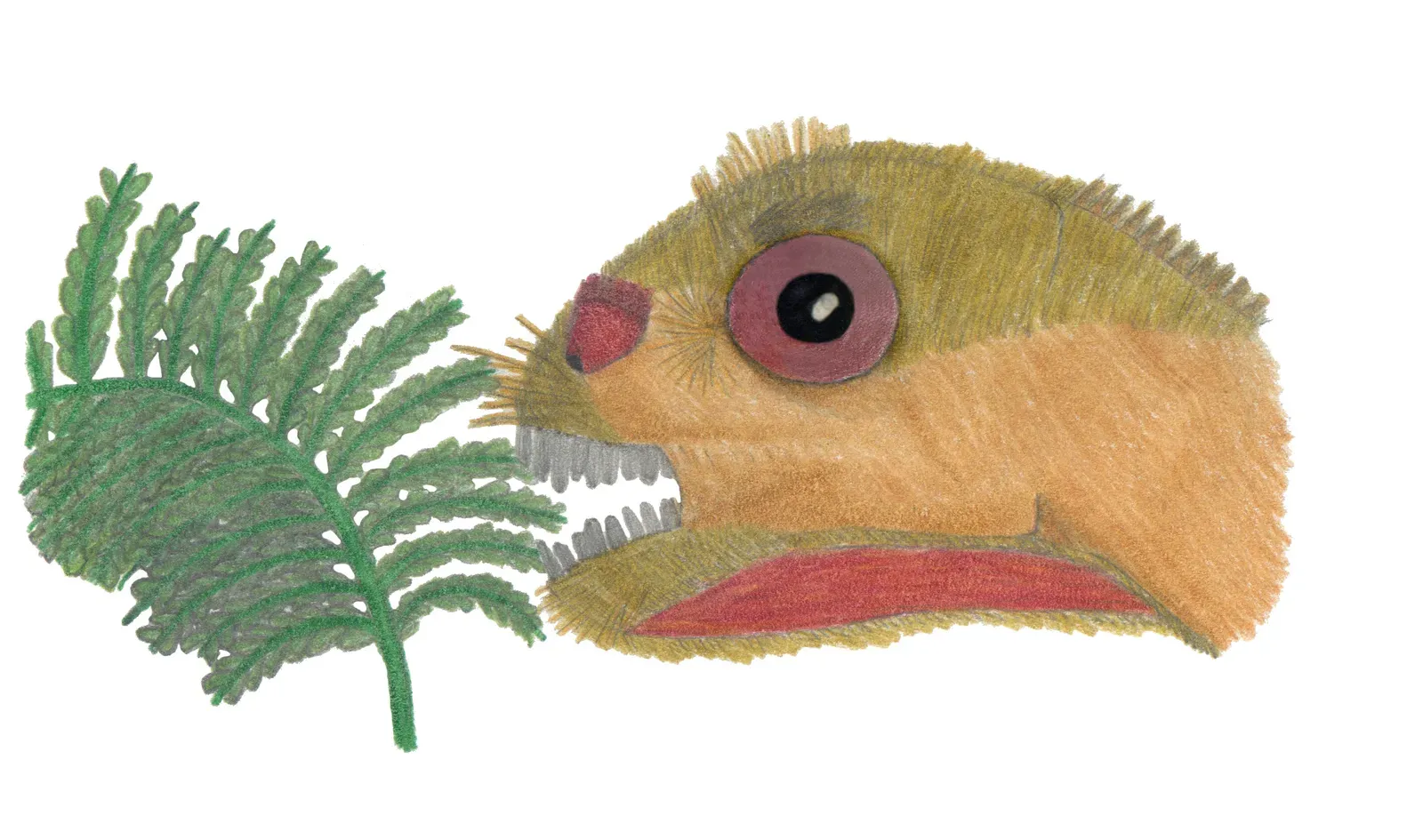
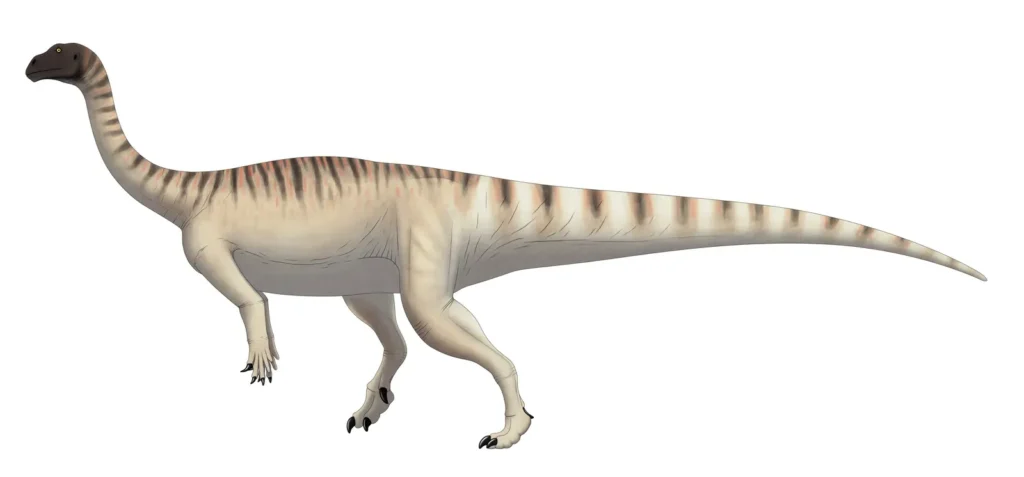
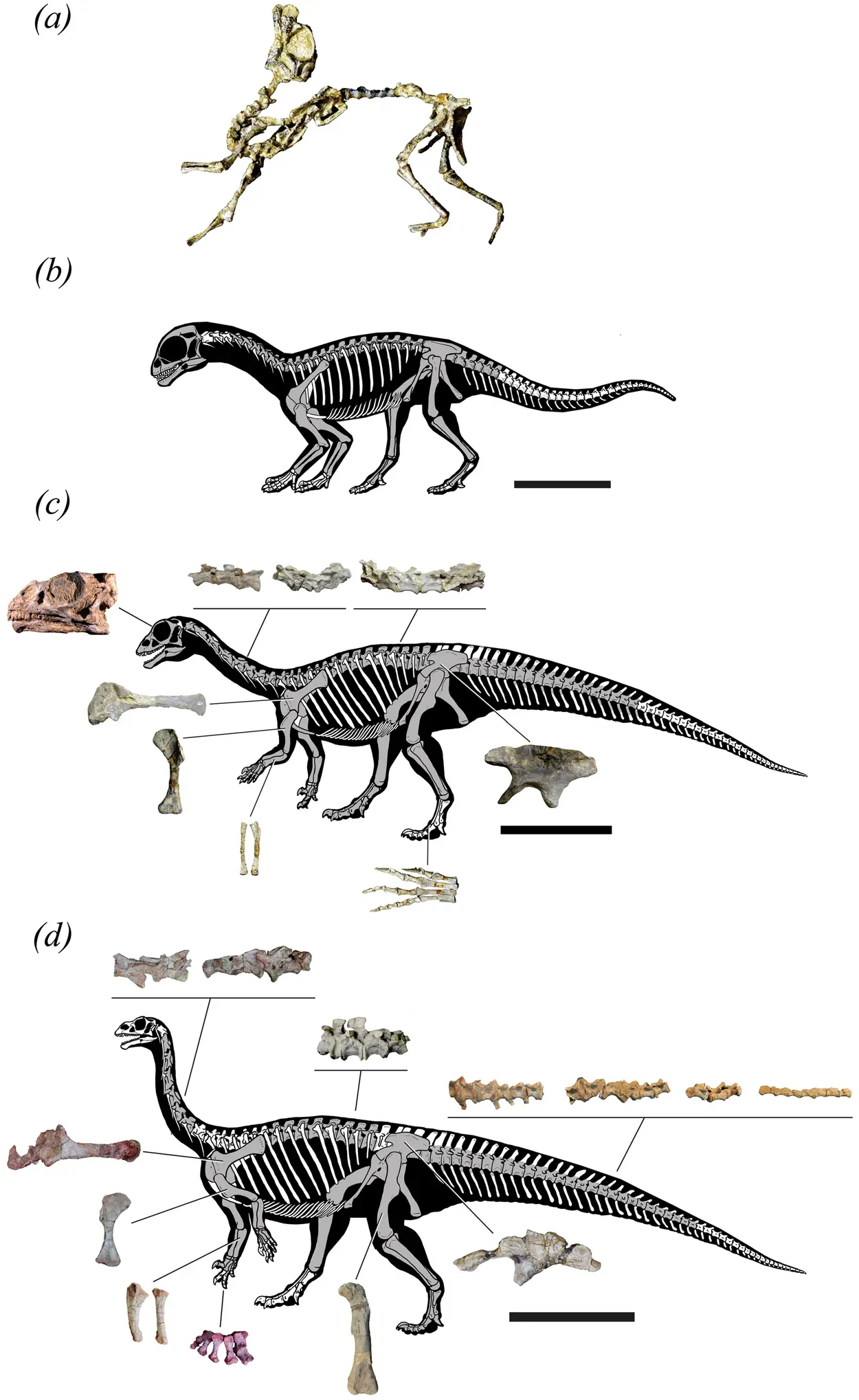
In Patagonia, scientists uncovered an exceptional fossil site containing over 100 eggs and skeletal specimens of 80 individuals of the early sauropodomorph Mussaurus patagonicus, ranging from embryos to fully-grown adults. This wasn’t just a random collection of bones scattered across the landscape. The sheer number of specimens preserved together told a story about how these creatures actually lived.
The team discovered a group of 11 articulated juvenile skeletons, intertwined and overlapping each other, as if they had been suddenly thrown together, and the remarkably preserved nature of the entire collection suggests this particular herd of Mussaurus died synchronously, perhaps quickly buried by sediments. Think about the implications here – these weren’t animals that just happened to die in the same place across centuries. They were together when catastrophe struck, frozen in time as a community.
Dating the Discovery with Volcanic Precision
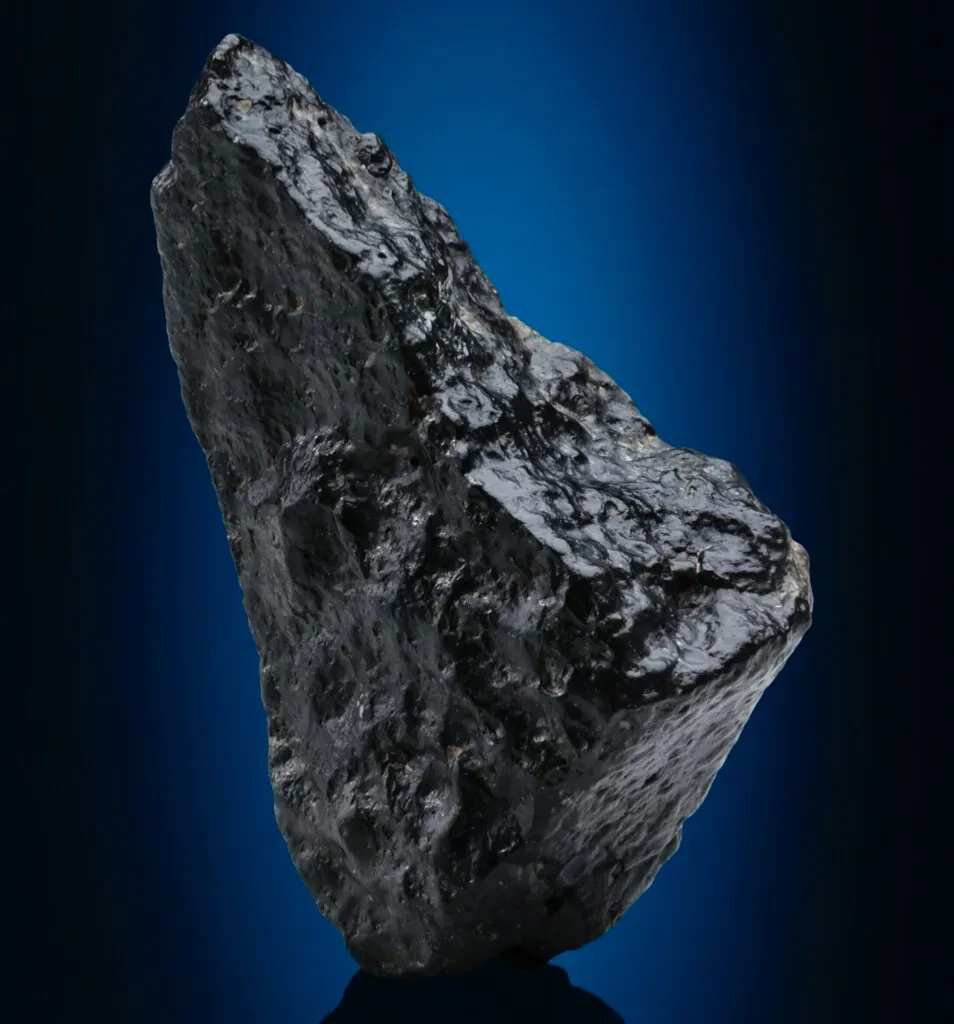
Jahandar Ramezani’s lab at MIT analyzed zircons in volcanic ash deposited in the sedimentary layers where the fossils were found, and from uranium’s half-life, he calculated that the ash and thus the fossils was around 193 million years old. What makes this discovery truly groundbreaking isn’t just the age itself.
These findings provide the earliest evidence of complex social behaviour in Dinosauria, predating previous records by at least 40 million years. That’s not a minor adjustment to the timeline, it’s a massive leap backward into dinosaur history. Before this, scientists thought herding behavior emerged much later in the Jurassic and Cretaceous periods. This discovery pushed that timeline back to the very dawn of the Jurassic, roughly 193 million years ago.
Age Segregation Revealed Hidden Social Complexity
Here’s where things get really interesting. The fossils were grouped by age: dinosaur eggs and hatchlings were found in one area, while skeletons of juveniles were grouped in a nearby location, and remains of adult dinosaurs were found alone or in pairs throughout the field site. This wasn’t random distribution – it was organized.
This age segregation is a strong sign of a complex, herd-like social structure. Modern large herbivores like elephants and wildebeest show similar patterns, where young animals stick together while adults roam more freely. The parallel is striking. These dinosaurs weren’t just bunching up for warmth or accidentally ending up in the same place – they were actively organizing themselves by life stage.
A Community Raising Its Young Together
The dinosaurs likely worked as a community, laying their eggs in a common nesting ground, while juveniles congregated in schools and adults roamed and foraged for the herd. Let’s be real – this is remarkable. It suggests that adult Mussaurus weren’t just focused on their own offspring.
There’s a larger community structure, where adults shared and took part in raising the whole community. Think about what that means for survival. Young dinosaurs got collective protection and guidance, not just from their parents but from multiple adults in the herd. This kind of cooperative parenting is seen in some modern animals, yet we rarely imagine dinosaurs behaving this way.
Why Herding May Have Been an Evolutionary Advantage
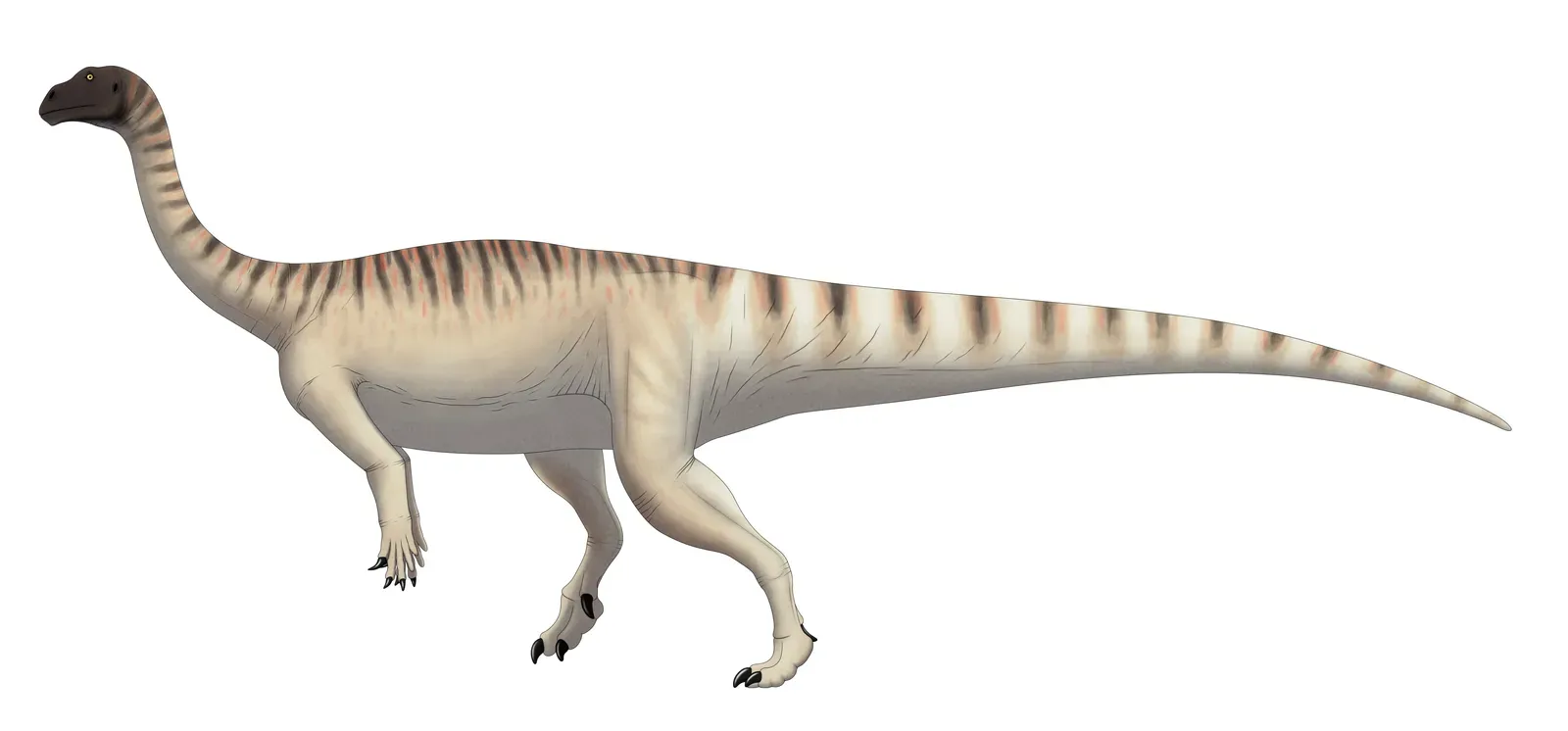
Living in herds may have given Mussaurus and other social sauropodomorphs an evolutionary advantage, as these early dinosaurs originated in the late Triassic, shortly before an extinction event wiped out many other animals, and sauropodomorphs held on and eventually dominated the terrestrial ecosystem in the early Jurassic. When disaster struck at the boundary between the Triassic and Jurassic periods, most large herbivores didn’t make it.
Yet sauropodomorphs survived and thrived. Could their social structure have been the secret weapon? Meeting the increased energy requirements associated with larger body sizes may have required M. patagonicus to coordinate their behaviors and form herds in order to forage over large distances. Working together meant better access to food, greater protection from predators, and improved chances for the young to survive their vulnerable early years.
Returning to the Same Nesting Sites Year After Year

The fossils were found in three sedimentary layers spaced close together, indicating that the region may have been a common breeding ground where the dinosaurs returned regularly, perhaps to take advantage of favorable seasonal conditions. This is called site fidelity, and it’s another behavior we associate with intelligent, social animals today.
Honestly, it’s hard to picture these massive creatures making annual migrations back to the same lakeshores to nest, generation after generation. The eggs and nests of Mussaurus were found in a sequence of loessic silt, interpreted as windblown dust deposits on the margins of a playa-type arid zone lake. The environment was harsh, yet they kept coming back – suggesting tradition, memory, and perhaps even cultural transmission of behavior.
How the Herd Likely Met Its End
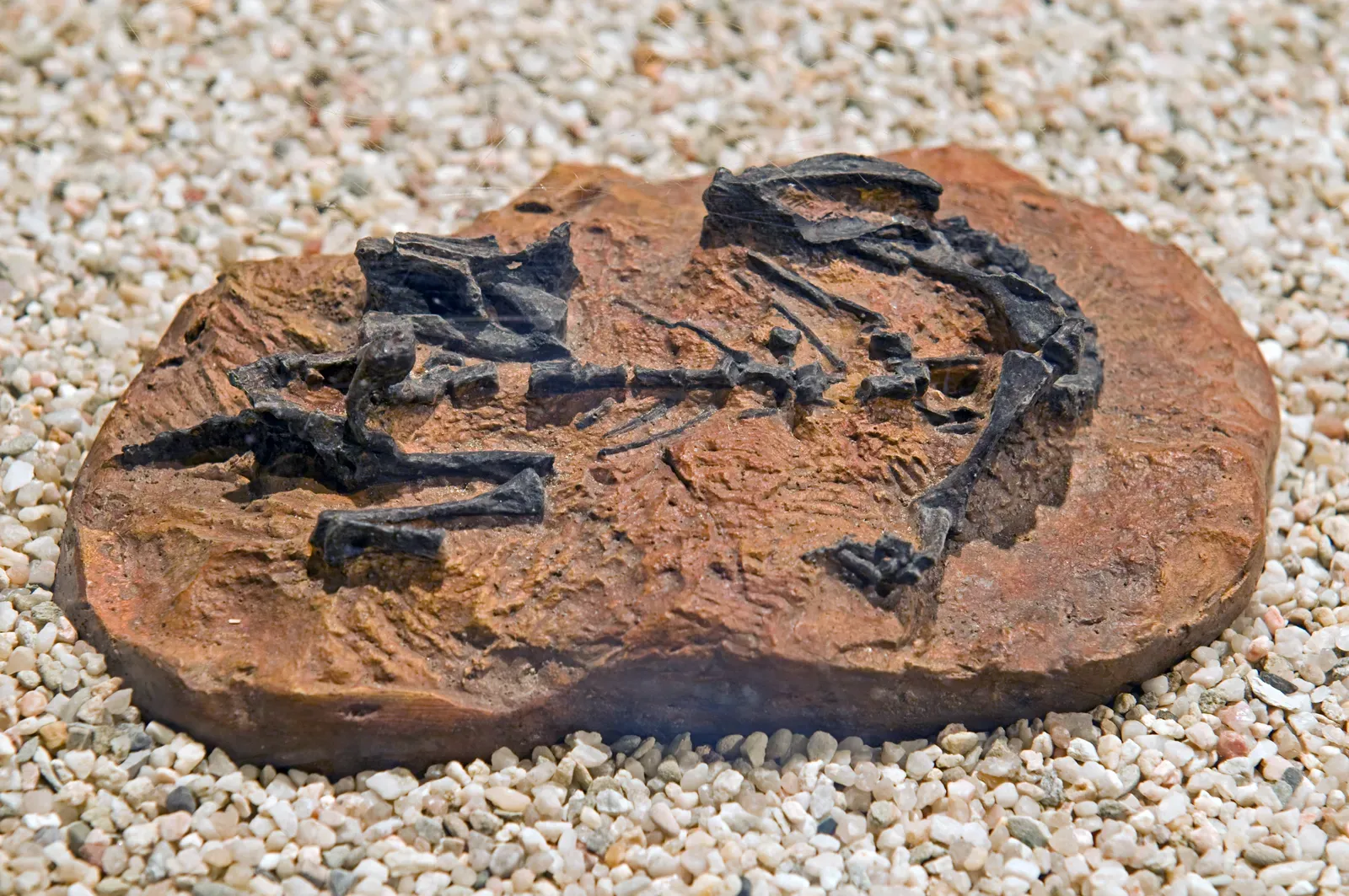
The volcanic ash was found in the same sediment layers as the fossils, and a likely scenario may have involved drought and wind-blown dust that starved and rapidly buried the herd, while ash from a distant eruption happened to drift over and deposit zircons in the sediments. What a tragic end for such an organized group.
All the fossils in the 11-individual cluster are roughly the same size, likely weighing between 18 and 24 pounds when they died, and bone samples suggest that if young Mussaurus grew in seasonal spurts, the cluster’s juveniles were all probably less than a year old when they died. These were babies, basically – not even a year old yet – and they were together when disaster struck. The image is both heartbreaking and scientifically illuminating.
Implications for Understanding Dinosaur Success
This raises the question of whether living in a herd may have had a major role in dinosaurs’ early evolutionary success and gives us some clues to how dinosaurs evolved. The connection between social behavior and survival isn’t just speculation anymore – it’s supported by hard evidence from the rocks of Patagonia.
The exceptional case of Mussaurus, in which the data show herd behaviour and age-segregation structure, indicates sociality may have influenced the early success of the first global radiation of large-bodied herbivorous dinosaurs. When you think about it, cooperation makes sense. Larger bodies require more food, more protection, and longer developmental periods. Doing that alone? Nearly impossible. Doing it together? That’s a winning strategy.