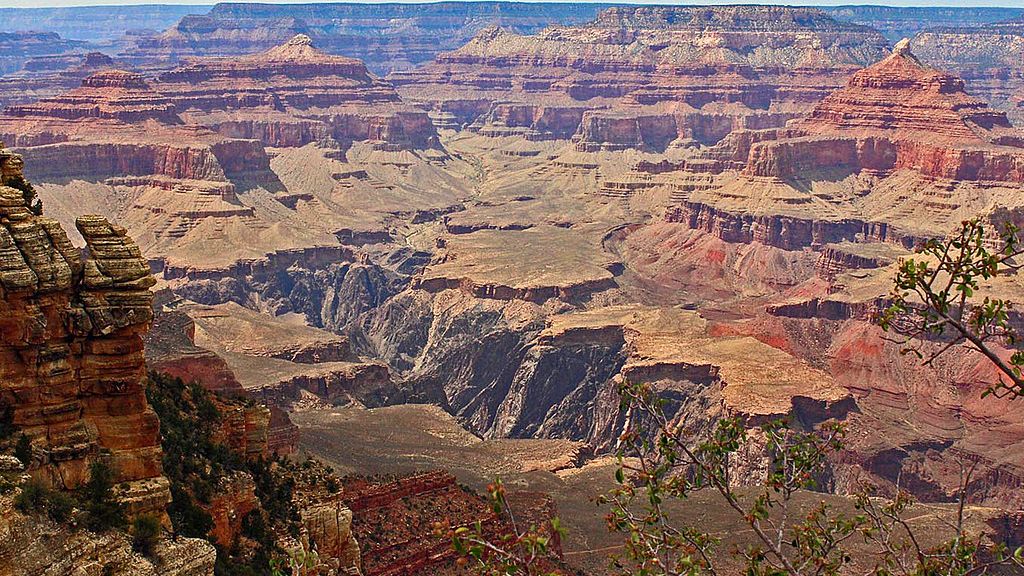
You probably think you know the Grand Canyon. Maybe you’ve seen photos or stood at the rim, gazing down into the abyss. Here’s the thing though: what you’re looking at isn’t just a pretty gorge. It’s a scar on the planet’s surface that tells a story of violence, chaos, and transformation that’s been unfolding for nearly two billion years. The canyon didn’t just appear one day. It was carved by forces so relentless and so powerful that they reshaped an entire continent.
This isn’t some gentle tale of natural beauty. It’s a chronicle of Earth’s fury, written in stone, water, and time. Every layer you see from the rim represents a chapter in a geological epic filled with colliding continents, rising mountains, ancient seas, and a river that simply wouldn’t quit. So let’s dive in and uncover what really happened here, because the truth is far more dramatic than any postcard could ever capture.
When Volcanic Islands Crashed Into a Continent
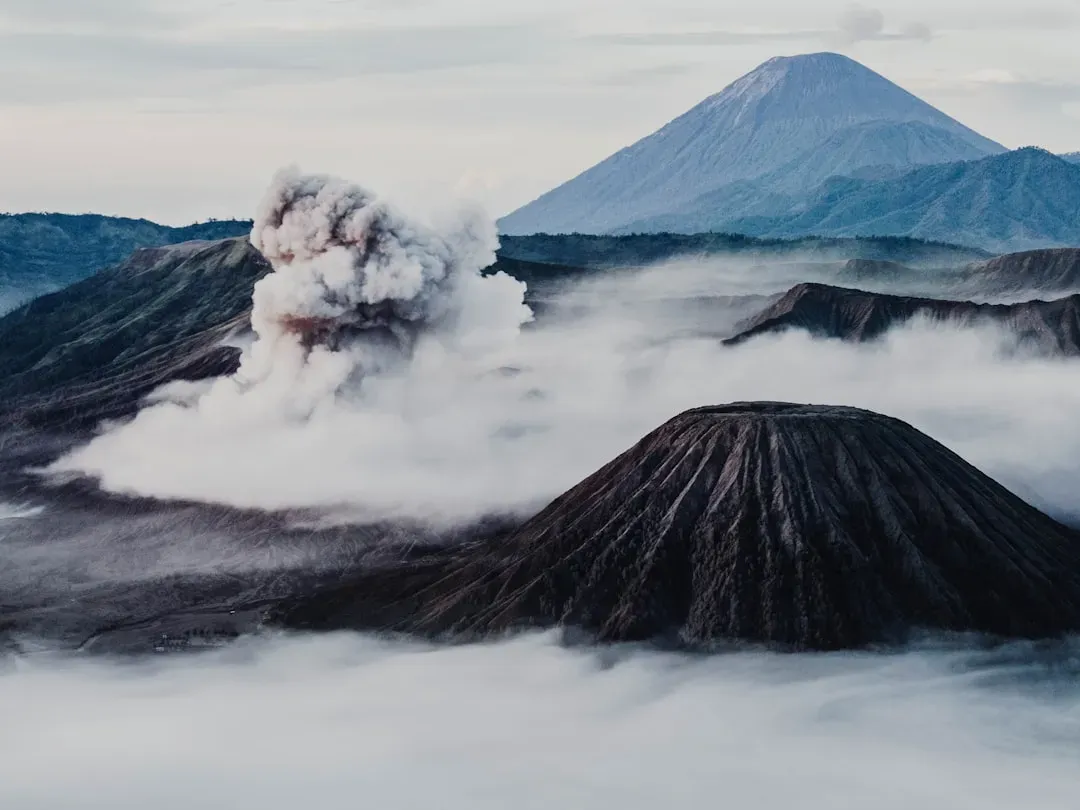
Nearly two billion years ago, volcanic island arcs slammed into what would become North America, compressing and grafting marine sediments onto the mainland. Imagine the raw power of entire landmasses colliding with enough force to create mountains that may have rivaled the Rockies. These rocks were later buried nearly twelve miles beneath the surface and transformed into metamorphic rock through intense heat and pressure, while the collision almost doubled the crust’s thickness in the Grand Canyon region.
This violent process formed the Vishnu Basement Rocks through the collision of volcanic islands with the continental landmass, creating metamorphic rocks from the intense heat and pressure. The dark, twisted schist you see at the very bottom of the canyon today is what remains of that ancient apocalypse. The collision created ancestral mountains that may have reached five to six miles high, though subsequent erosion lasting three hundred million years stripped much of these mountains away.
The Great Unconformity: When Time Itself Vanished
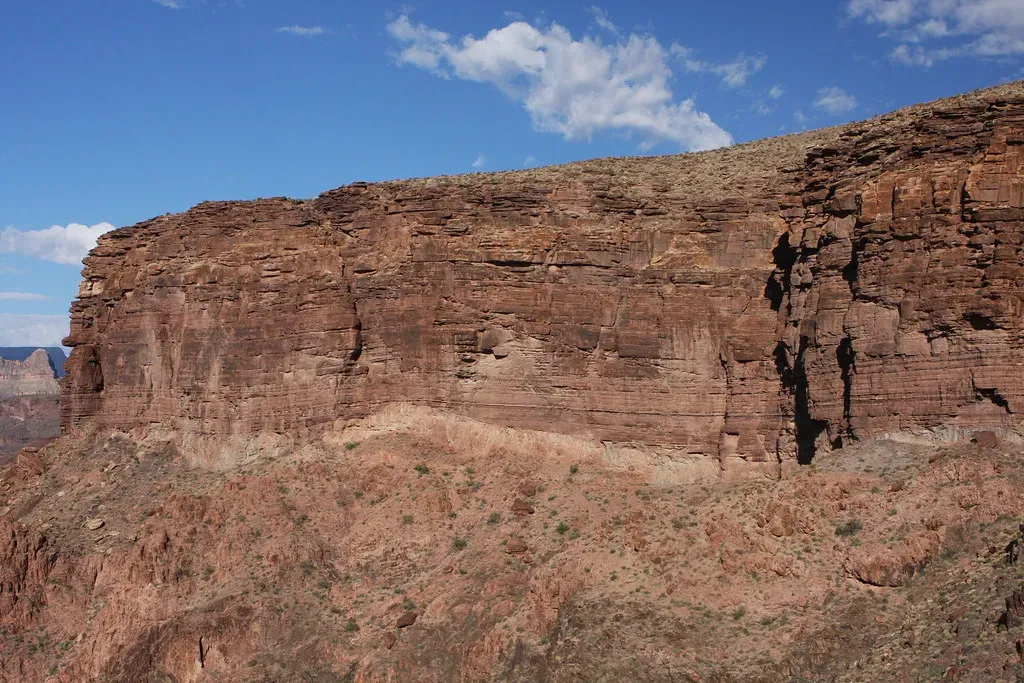
Picture this: hundreds of millions of years of Earth’s history simply gone, erased as if someone ripped entire chapters from a book. Geologist John Wesley Powell called this major gap in the geologic record the Great Unconformity, which is also seen in other parts of the world. There’s a gap between roughly 1.75 billion and 1.25 billion years ago for which no deposits are present.
What happened during that lost time? Nobody knows for certain. This created a major unconformity representing around 460 million years of lost geologic history in the area. The landscape was worn down by erosion so completely that whatever existed during that enormous span simply ceased to exist in the rock record. It’s a humbling reminder that even stone, seemingly eternal, can be destroyed without a trace.
Ancient Seas That Drowned Arizona
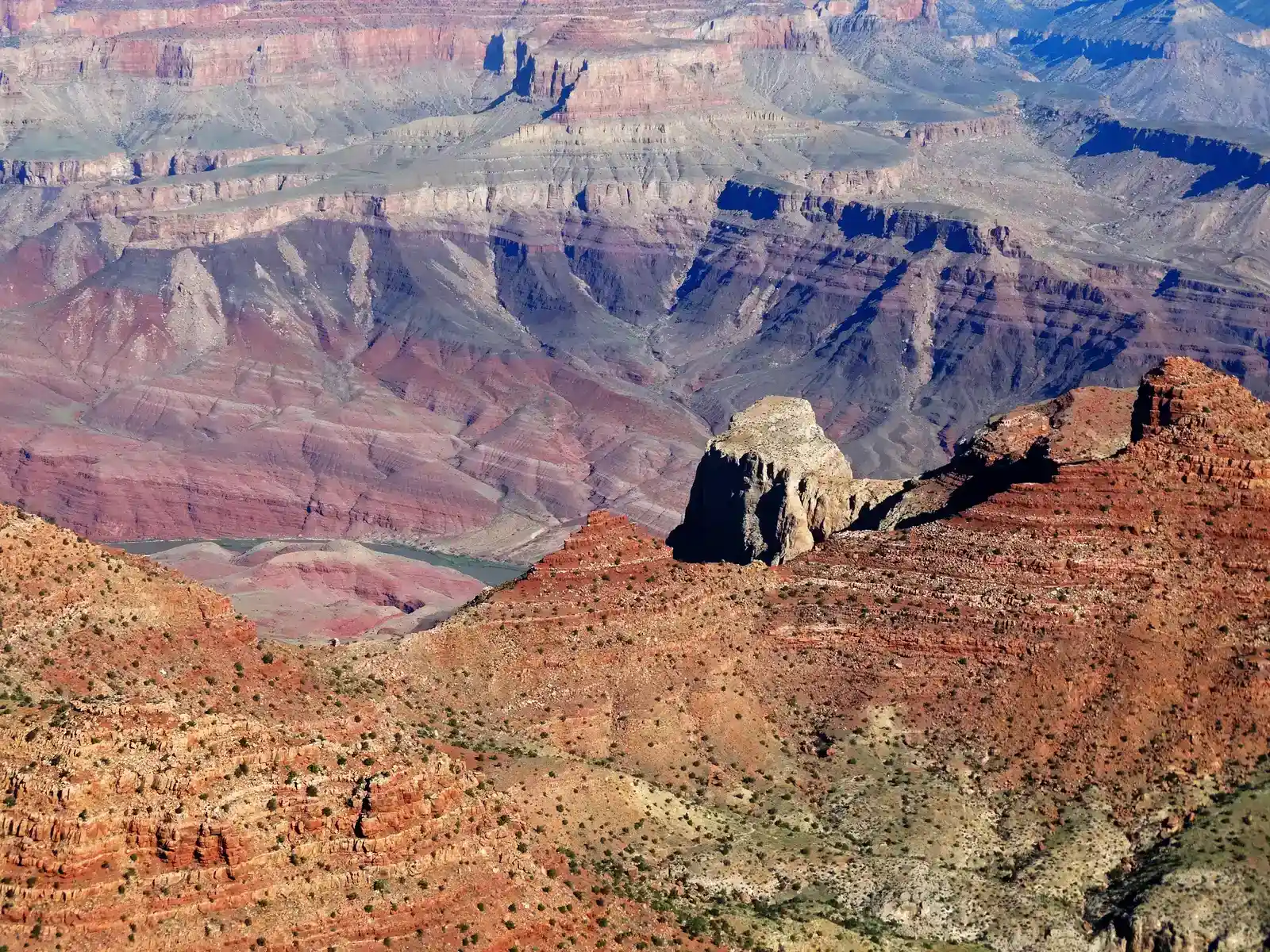
Hard to believe when you’re standing in the desert, but Arizona was once underwater. Multiple times, actually. An ocean started to return to the Grand Canyon area from the west about 550 million years ago, and as its shoreline moved east, river profiles rose and sediments accumulated in tectonic basins and coastal plains.
Many formations were deposited in warm, shallow seas, near-shore environments like beaches, and swamps as the seashore repeatedly advanced and retreated over the edge of what would become North America. The fossils found in the Paleozoic Strata are mostly ocean-dwelling creatures, telling us that the area now in the middle of Arizona was once a sea. These weren’t brief floods. We’re talking about oceans that persisted for millions of years, laying down limestone after limestone, burying the ancient basement rocks under thousands of feet of sediment.
The Rise and Fall of Entire Mountain Ranges
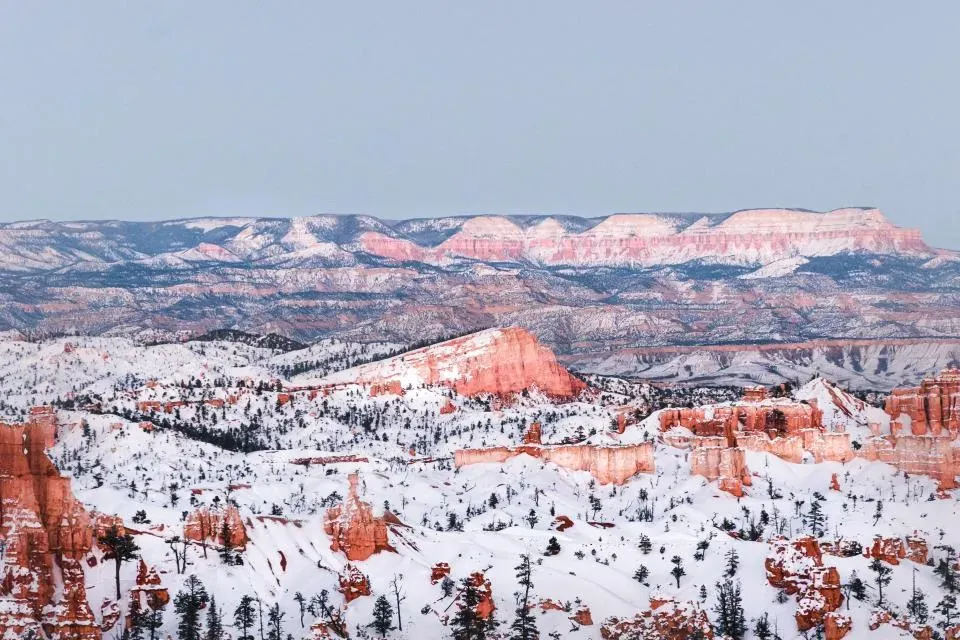
About 800 million years ago the supergroup was tilted fifteen degrees and block faulted in the Grand Canyon Orogeny. Mountains rose, then fell. The mountain ranges were eventually reduced to hills, and in some places the entire 12,000 feet of the supergroup were removed entirely, exposing the basement rocks below.
This wasn’t a single event but a cycle of creation and destruction that repeated itself over geological epochs. Uplift of the region started about 75 million years ago during the Laramide orogeny, a mountain-building event that is largely responsible for creating the Rocky Mountains, and in total the Colorado Plateau was uplifted an estimated two miles. The forces that built these mountains were tectonic, driven by colliding plates deep beneath the surface. Honestly, it’s hard to comprehend the sheer scale of energy required to lift an entire plateau thousands of feet into the air.
When Lava Dammed the Colorado River
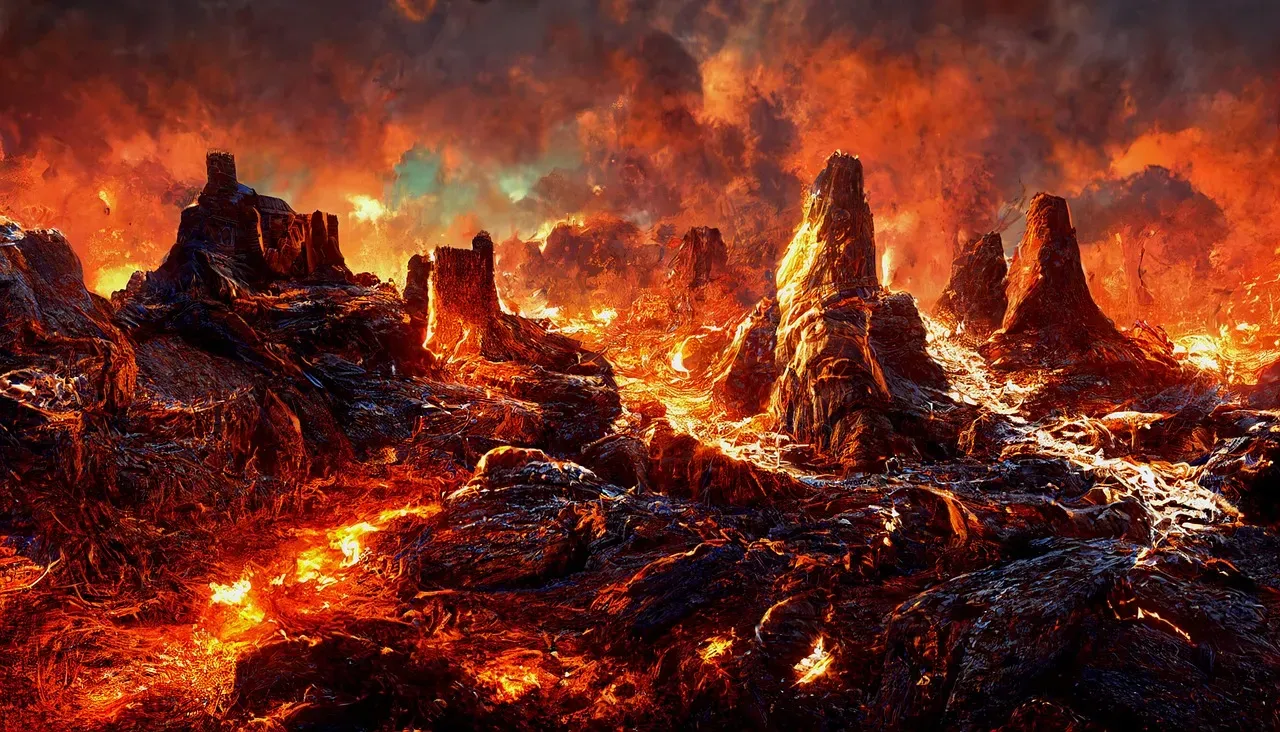
Just when you think the canyon’s story couldn’t get wilder, volcanic fury entered the scene. The Colorado River was dammed by lava flows multiple times from 725,000 to 100,000 years ago. Geologists estimate that between 1.8 million and 400,000 years ago, lava flows actually dammed the Colorado River more than a dozen times, with some of the lava dams as high as 600 meters, forming immense reservoirs.
Imagine a wall of molten rock cascading into the canyon, stopping the river cold and creating massive lakes behind natural dams. Lava flows sometimes spilled into the canyon, even damming the Colorado River temporarily and creating lava dams hundreds of feet high, which eventually broke and unleashed catastrophic floods. The floods that followed when these dams failed must have been absolutely cataclysmic, reshaping the canyon floor in hours or days.
The River That Refused to Stop Cutting
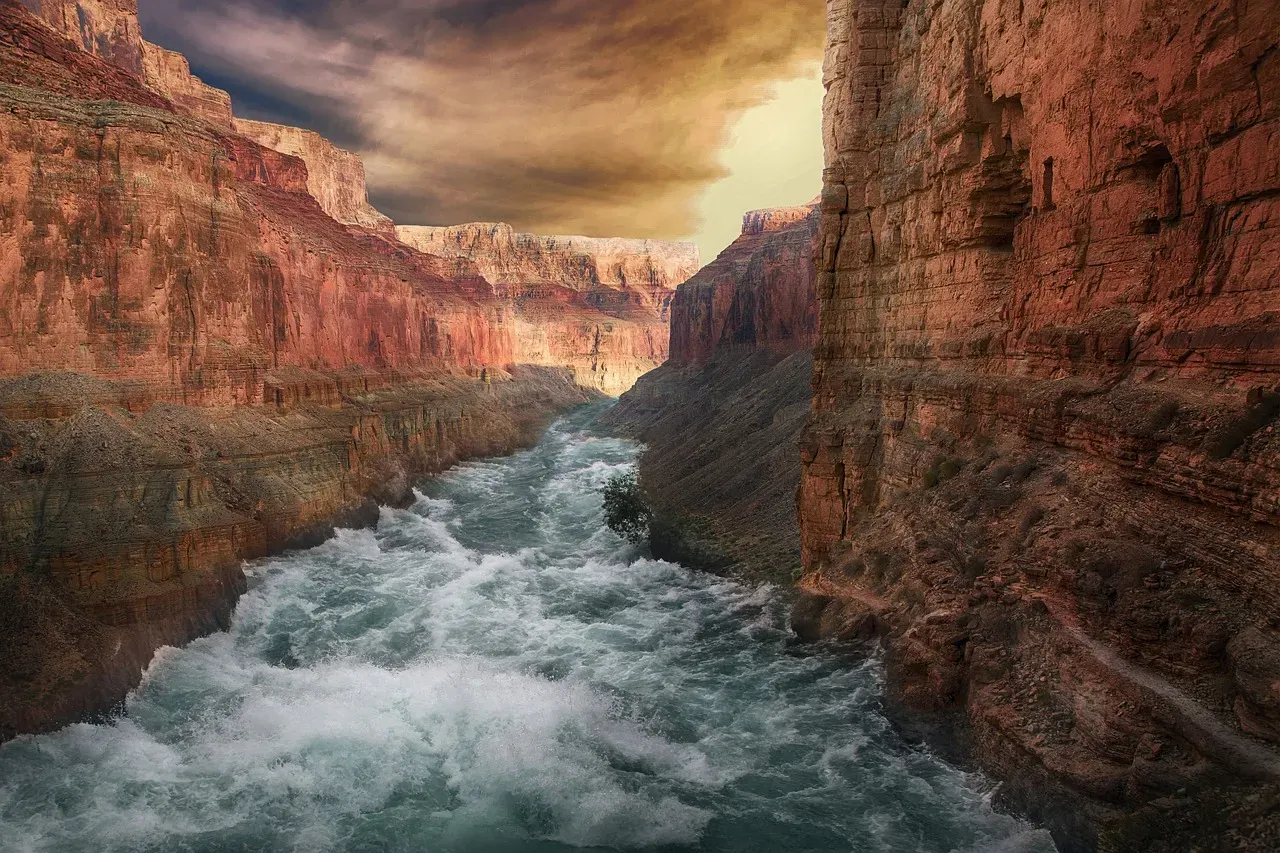
The canyon itself has formed much more recently than the deposition of rock layers, only about five million years ago, as opposed to the rocks which are up to nearly 300 million years old. Let’s be real: five million years sounds like forever to us, but in geological terms, that’s practically yesterday. About six million years ago the river began carving its way through rock layers of the Colorado Plateau, and the river’s rapid flow combined with its load of mud, sand, and gravel cut deep into the earth, with the river once carrying an average of 500,000 tons of sediment per day before the Glen Canyon Dam was completed.
The Colorado River was like liquid sandpaper, grinding away at stone with sediment particles acting as abrasive tools. The canyon has since been forming at varying rates, with periods of intense erosion carving the canyon, and the river must have had periods of quick movement, carving deep, not only wide. The uplift gave the river gradient, and the gradient gave it power.
Ice Ages That Accelerated the Carving
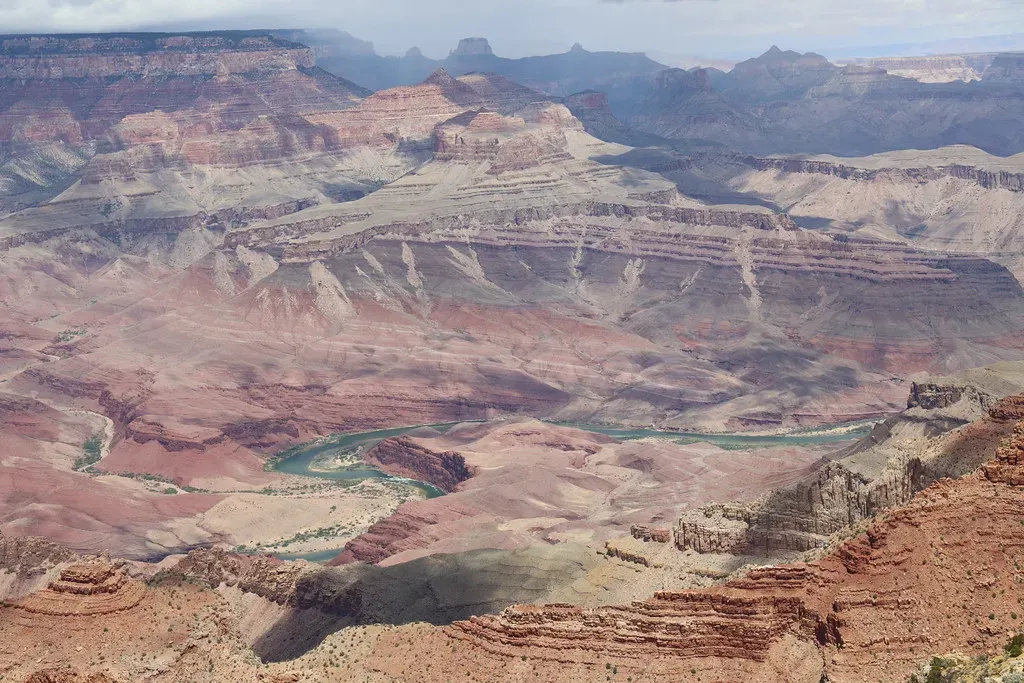
Wetter climates brought upon by ice ages starting two million years ago greatly increased excavation of the Grand Canyon, which was nearly as deep as it is now around 1.2 million years ago. The climate shift was a game changer. More precipitation meant more water, and more water meant more erosive power.
During the Pleistocene, the colder, wetter climate sped up erosional processes and allowed the rivers and streams to shape the Grand Canyon’s iconic formations. Freeze-thaw cycles became brutal allies in the carving process. Water seeped into cracks, froze, expanded, and literally pried the rock apart from the inside. It’s hard to say for sure, but the ice ages probably did more work in a few hundred thousand years than the river might have accomplished in millions.
Forces From Deep Below That Shaped the Surface
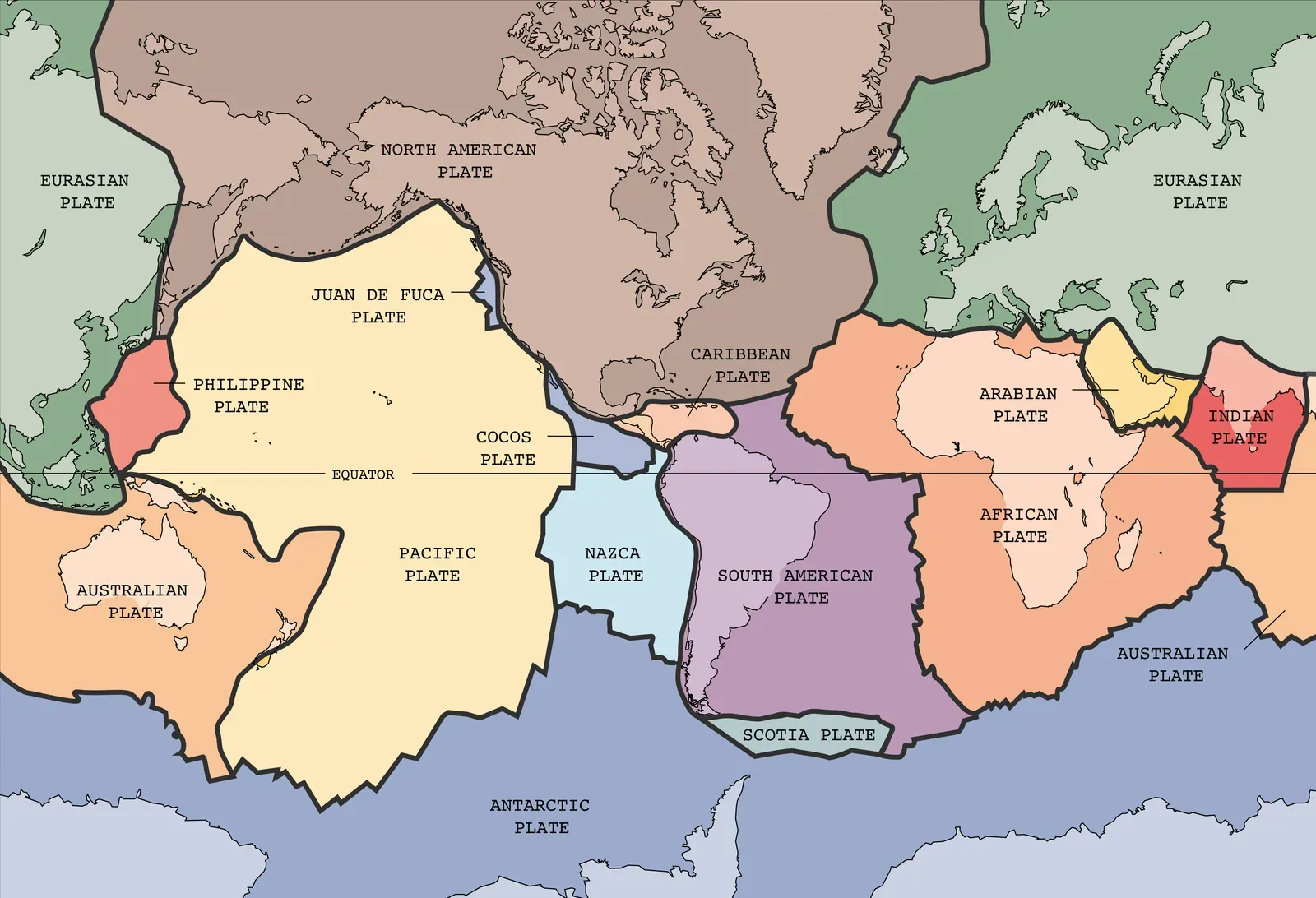
Uplift was caused by subduction off the western coast of North America. The Grand Canyon’s story isn’t just about what happened on the surface. Deep beneath the crust, tectonic plates were grinding against each other, one sliding beneath another in a process called subduction. During the Late Paleozoic to Early Mesozoic period, the oceanic plate began to subduct beneath the North American Plate while Africa collided with the other side, and the stress resulted in reactivated faulting and uplift in the Grand Canyon region.
These deep Earth processes determined where and how the landscape would be sculpted. Major faults that trend north-south and cross the canyon area were reactivated by this uplift, and many of these faults are Precambrian in age and are still active today. The planet is still moving, still shifting. The canyon you see today is just a snapshot in an ongoing transformation.
A Monument to Erosion That Never Sleeps
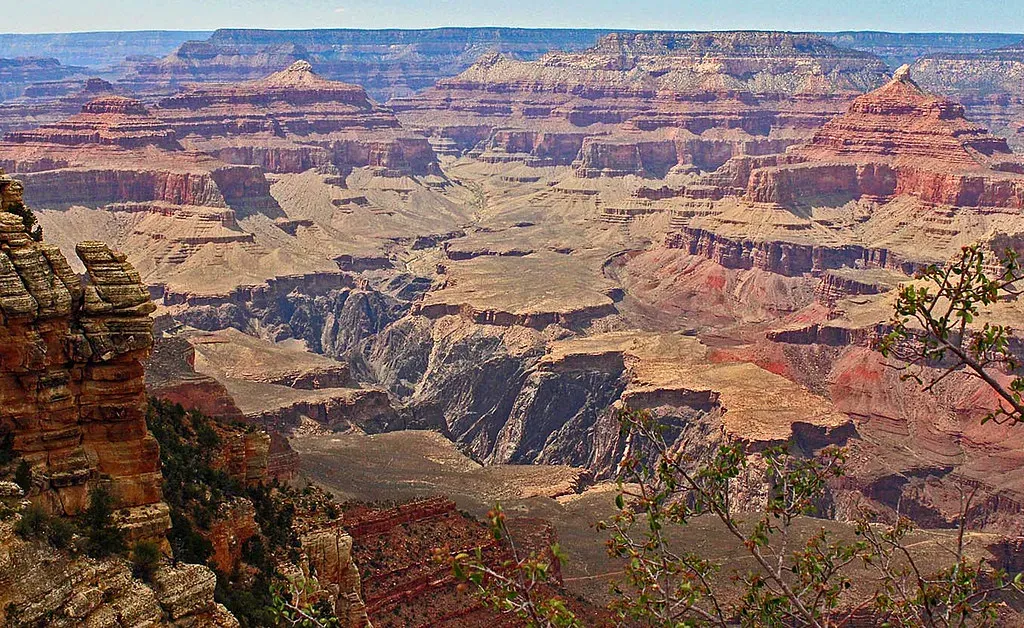
The river continues to be an agent of change, reshaping the canyon over time, and the canyon isn’t fully formed as long as there is water flowing. The Grand Canyon isn’t finished. It’s still being carved, still being widened, still being transformed. Rain, wind, frost, and gravity all conspire to pull the canyon walls down, bit by bit.
An average of two debris flows per year reach the Colorado River from tributary canyons to form or expand rapids, and this type of mass wasting is the main way the smaller and steeper side canyons transport sediment but it also plays a major role in excavating the larger canyons. Every flash flood, every rockfall, every freeze is another stroke in the ongoing sculpture. The canyon is alive in its own geological way, constantly moving toward some future form we’ll never see.
Conclusion: Reading Earth’s Rage in Stone
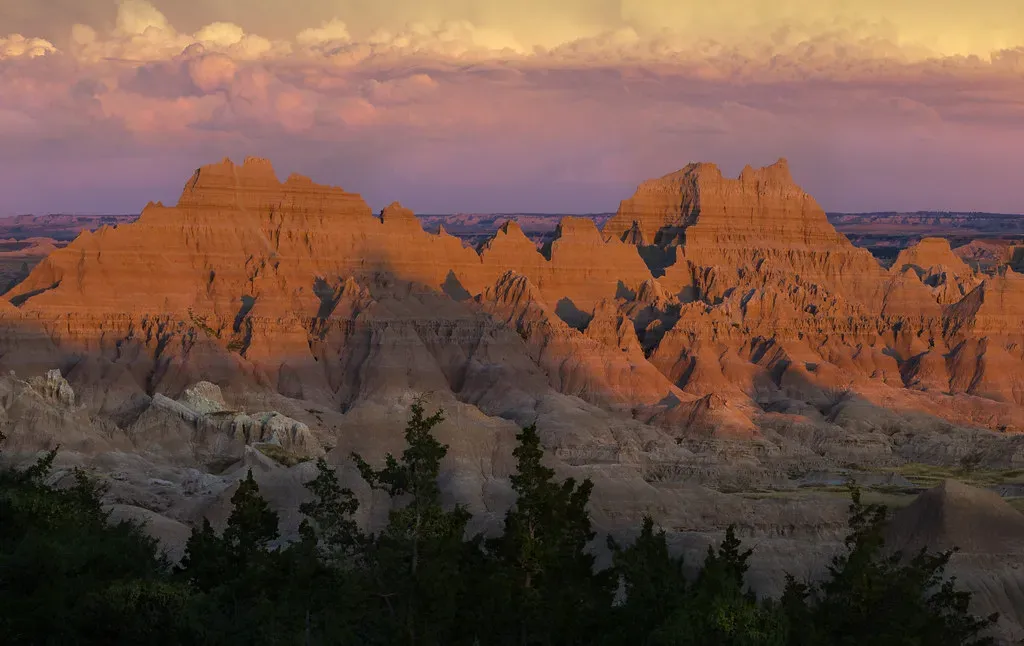
The Grand Canyon exposes an exceptionally complete rock record of 1.84 billion years, representing about 40 percent of Earth’s history. Standing at the rim, you’re not just looking at a pretty view. You’re witnessing the accumulated evidence of catastrophic collisions, rising and falling seas, volcanic eruptions, ice ages, and the relentless power of moving water. Nearly two billion years of Earth’s geological history have been exposed as the Colorado River and its tributaries cut their channels through layer after layer of rock while the Colorado Plateau was uplifted.
The Grand Canyon is proof that our planet is violent, dynamic, and utterly indifferent to human timescales. It’s a monument to Earth’s fury, carved by forces that dwarf anything we can imagine. Every layer tells a story of destruction and rebirth, of landscapes that rose only to be torn down again. What do you think about when you look into that immense chasm? Does it make you feel small, or does it inspire awe at the raw power that shaped our world?