You might think agriculture started in distant lands, but North America harbored its own revolution. Long before Europeans set foot on this continent, Indigenous peoples were already mastering the art of farming. These early farmers didn’t just survive by hunting or gathering. They transformed wild plants into productive crops and developed ingenious methods that still influence agriculture today. It’s honestly surprising how advanced these systems were. The innovations crafted thousands of years ago laid the foundation for some of the most important foods you eat now.
When Seeds First Took Root in American Soil
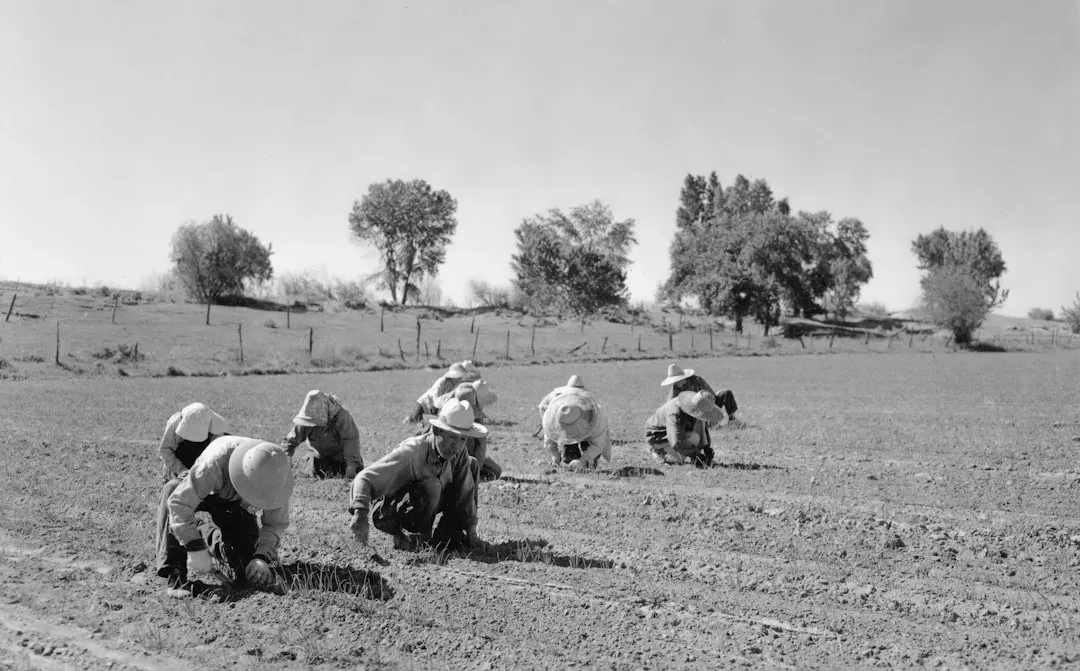
Eastern North America emerged as one of roughly ten independent centers of plant domestication in the prehistoric world, with incipient agriculture dating back to approximately 5300 BCE, and by around 1800 BCE, Native Americans of the woodlands were cultivating several species of food plants. Think about that timeline for a second. While other civilizations were figuring out their own agricultural systems, people here were doing the same thing independently.
Archaeological records reveal that humans were collecting plants from the wild by 6000 BCE, and in the 1970s, archaeologists noticed that seeds found in pre-Columbus era hearths and houses were much larger than those growing in the wild, with easier extraction from shells or husks, proving that Indigenous gardeners were selectively breeding plants to make them more productive and accessible. The sophistication involved is remarkable. These farmers understood genetic selection long before anyone gave it a fancy scientific name.
The Birth of the Eastern Agricultural Complex
The region of early agriculture stretched through the middle Mississippi valley, from Memphis north to St. Louis and extending about 300 miles east and west of the river, mostly in Missouri, Illinois, Kentucky, and Tennessee, with Phillips Spring in Missouri being the oldest known archaeological site in the United States where Native Americans were growing, rather than gathering, food. This wasn’t just casual gardening. It represented a fundamental shift in how people interacted with their environment.
The earliest cultivated plant in North America is the bottle gourd, with remains excavated at Little Salt Spring, Florida dating to 8000 BCE. By 3800 BP, at least five domesticated seed-bearing plants formed a coherent complex in the river valley corridors. Prehistoric societies began manipulating indigenous plants such as sunflower, gourd, chenopodium, and amaranth, while tropical plants introduced from Mexico, such as corn, beans, and squash, were being cultivated in the southwestern United States. Each plant served specific purposes, creating a balanced agricultural system.
Revolutionary Farming Techniques Nobody Expected
Archaeological sites on the Cumberland Plateau of Kentucky provide clear evidence that fire was being used to clear garden plots around 3000 BP, a technique widely used in aboriginal North America for clearing the forest understory and maintaining stands of fire-tolerant species such as oak, which encouraged more nut production by creating forest openings and edges. Controlled burning enriched not just the soil but entire ecosystems. It was ecological management on a grand scale.
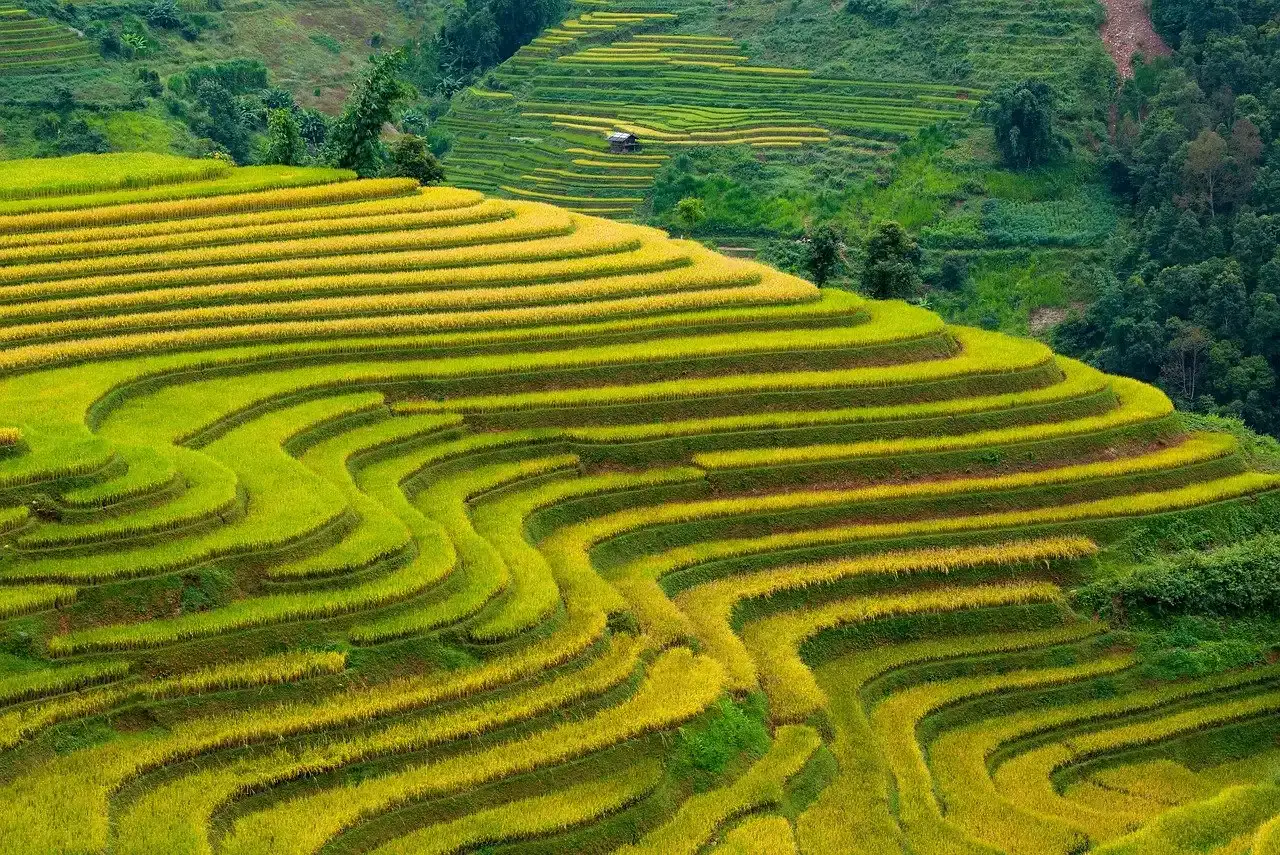
Groups employed various agricultural techniques including crops grown on alluvium caught behind check dams (low walls built in arroyos to catch runoff), hillside contour terraces to conserve soil and water, and bordered gardens with irrigation systems, such as the Hohokam site at Snaketown in Arizona where a complex canal system with canals at least 2 meters deep and 3 meters wide supported a large urban population. Honestly, the engineering skill here rivals anything you’d find in the ancient world. Let’s be real, constructing such massive irrigation networks without modern tools required incredible knowledge and coordination.
The Three Sisters: Nature’s Perfect Partnership
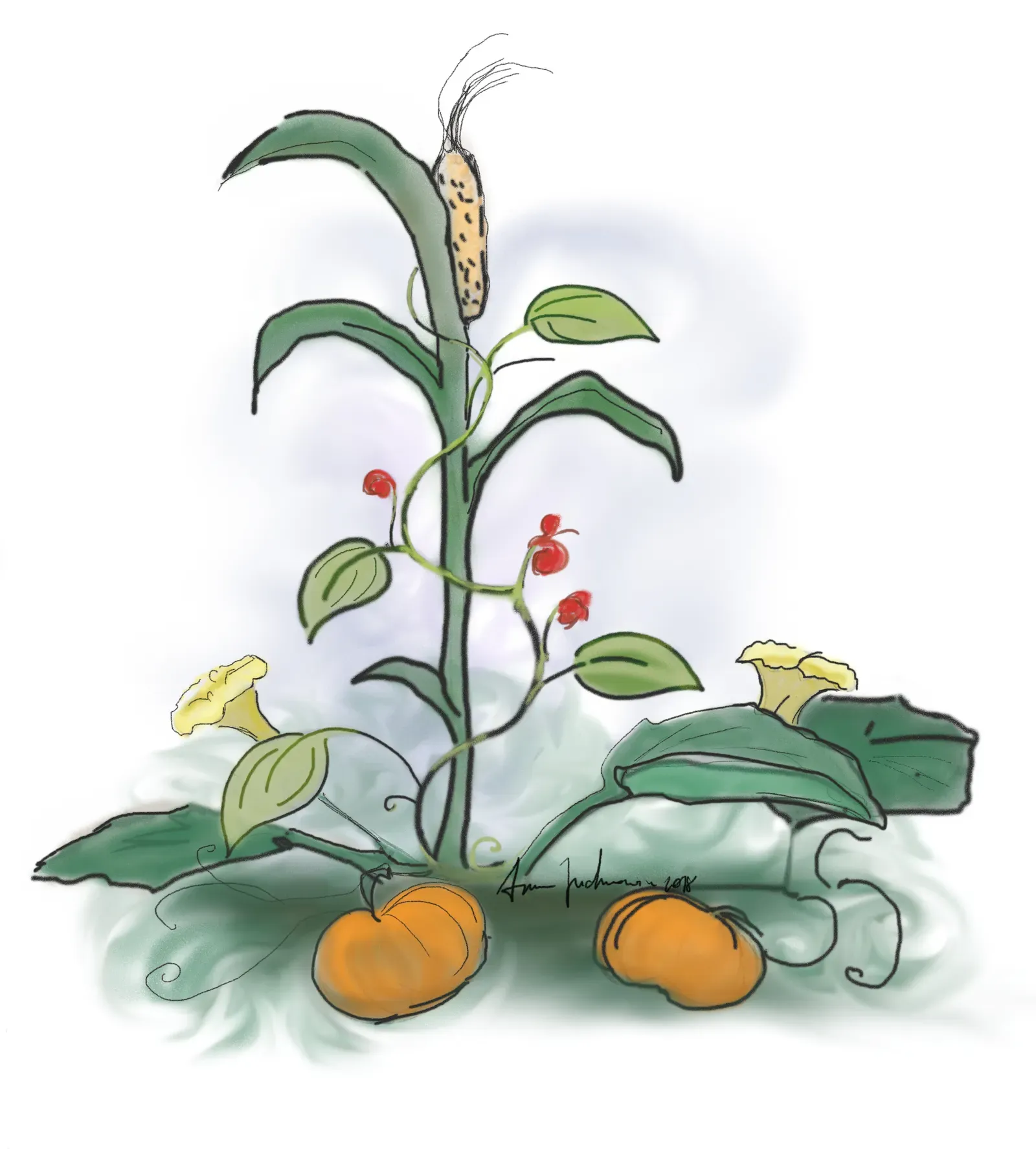
The cornstalk serves as a trellis for climbing beans, the beans fix nitrogen in their root nodules and stabilize the maize in high winds, and the wide leaves of the squash plant shade the ground, keeping the soil moist and helping prevent the establishment of weeds. This companion planting method represents agricultural genius. Each plant supports the others in a symbiotic relationship that modern farmers still study.
The interplanting of corn, squash, and beans by the Maya dates back as many as 3,500 years, and evidence suggests the practice may have been established in Mexico even earlier, between 7,000 and 4,400 years ago, with the establishment of the Three Sisters in North America occurring later, about 1070 CE. Nutritionally, maize, beans, and squash contain all nine essential amino acids, with the protein from maize enhanced by contributions from beans and pumpkin seeds, while pumpkin flesh provides large amounts of vitamin A. It’s hard to imagine a more complete dietary system created without modern nutritional science.
Maize: The Crop That Changed Everything
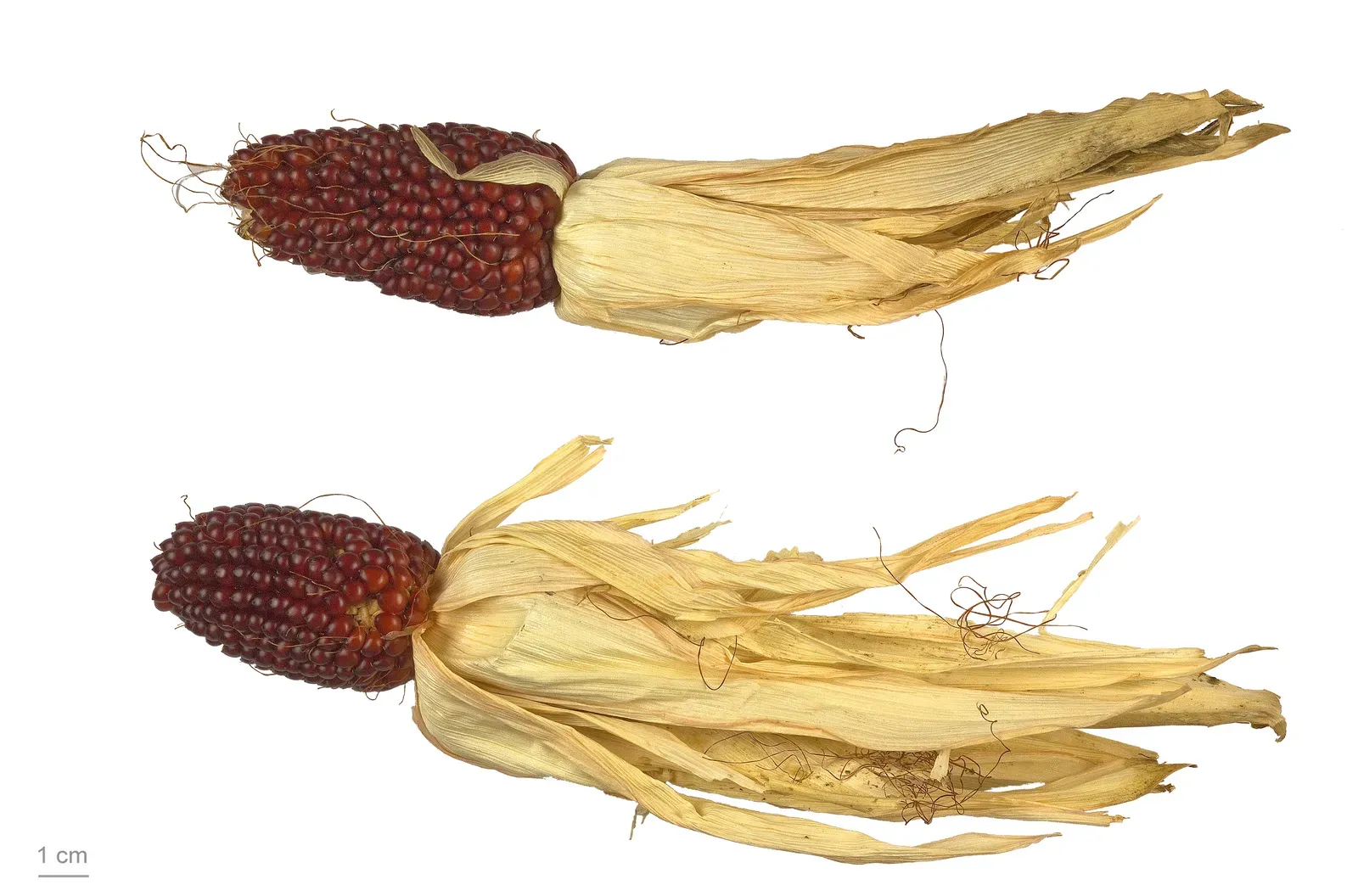
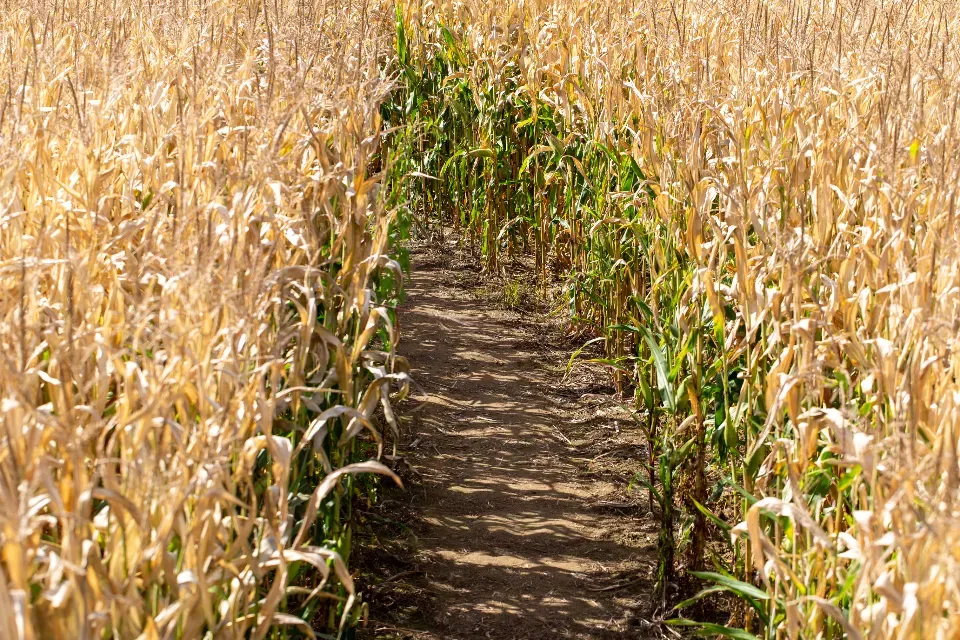
Maize was domesticated by indigenous peoples in southern Mexico about 9,000 years ago from wild teosinte. Around 4,500 years ago, maize began spreading north, first cultivated at several sites in New Mexico and Arizona about 4,100 years ago, with large-scale adoption of maize agriculture and consumption in eastern North America taking place around 900 CE. The transformation of a scraggly wild grass into the productive crop we know took millennia of careful selection.
Native Americans of northern New England gradually encouraged the formation of ears at the lower joints of the stalk by planting kernels from these ears, eventually adapting the crop to the shorter growing season of the north so that it matured within three months of planting. This selective breeding demonstrates deep understanding of plant genetics. They weren’t just planting seeds and hoping for the best.
Water Management That Defied the Desert
Early American Southwest peoples began growing corn and squash by approximately 1200 BCE, but couldn’t produce reliable harvests until they resolved problems arising from the region’s relative aridity, with Mogollon innovations in using small dams to pool rainfall and divert streams for watering crops making agriculture possible. Desert farming seems impossible, right? Yet these farmers made it work through ingenuity and persistence.
Ancestral Menominee farmers grew corn, beans and squash in earthen mounds they built on Michigan’s Upper Peninsula, likely representing the largest preserved archaeological field system in the eastern United States, with radiocarbon dating suggesting the ridges were initially constructed roughly 1,000 years ago and maintained and used for 600 years after that. The durability of these systems proves they weren’t temporary experiments. They sustained communities for centuries.
The Legacy That Feeds the World
As much as three-fifths of the world’s agricultural crops originated in the Americas, and without the Columbian Exchange, there would be no tomatoes for Italian food, no hot chile peppers for Indian cuisine, and no dietary staples like potatoes, squash, beans or corn. The contributions of North America’s first farmers echo across every continent. Modern agriculture owes an immense debt to their innovations.
This polyculture cropping system yielded more food and supported more people per hectare compared to monocultures of the individual crops or mixtures of monocultures. European records from the sixteenth century describe highly productive Indigenous agriculture based on cultivation of the Three Sisters throughout what are now the Eastern United States and Canada, where the crops were used for both food and trade. When European settlers arrived, they found not wilderness but carefully managed agricultural landscapes. These first farmers created sustainable systems that enriched rather than depleted the land, a lesson modern agriculture is only beginning to relearn.
What do you think about these ancient innovations? Did you realize how much of our food system traces back to North America’s first farmers?