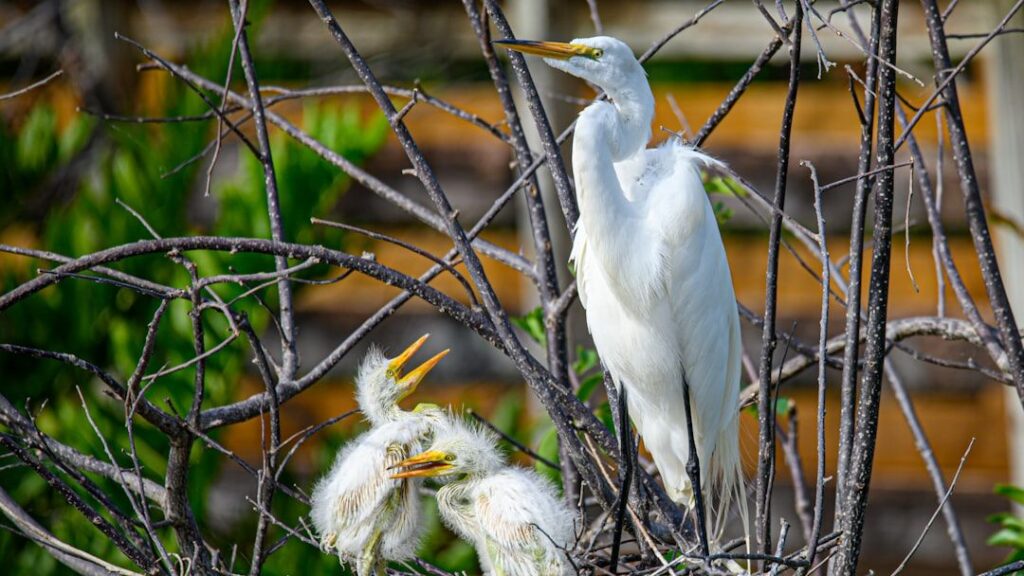
North America – Researchers unveiled stark evidence that bird populations have dwindled continent-wide over the past three decades, with many species now vanishing at an even quicker pace. A comprehensive study published in Science examined data from more than 1,000 survey routes and 261 species, spanning 1987 to 2021. The analysis pinpointed accelerating losses in areas dominated by intensive agriculture, raising alarms for biodiversity and ecosystem health.
Scale of a Silent Crisis

Scale of a Silent Crisis (Image Credits: Flickr)
Scientists detected significant population drops in 122 of the 261 species studied, representing nearly half of those monitored. Overall bird abundance along survey routes fell by about 15 percent during the study period. Among the declining species, 63 showed rates of loss that sped up over time, while 67 struggled with shrinking per-capita growth rates.
Common species felt the impact. The yellow-rumped warbler, once plentiful, registered sharp decreases. House finches, red-winged blackbirds, American crows, common grackles, and even invasive European starlings joined the list of troubled birds. These patterns emerged from the North American Breeding Bird Survey, a long-running effort that tracks avian trends through standardized roadside counts.
- Yellow-rumped warbler: Significant overall decline.
- Red-winged blackbird: Accelerating losses in hotspots.
- House finch: Notable drops in abundance.
- American crow: Steeper declines over time.
- Common grackle: Among the hardest hit.
Hotspots Where Losses Intensify
Declines proved most acute in southern and warmer regions, but acceleration hotspots concentrated in three areas: the Mid-Atlantic, Midwest, and California. These zones aligned closely with high agricultural activity. Lead author François Leroy of Ohio State University noted that the trends grew faster alongside human land use changes.
Survey routes in these regions captured birds disappearing not just steadily, but at compounding speeds. For instance, Midwestern farmlands saw multiple species hit harder in recent years. California routes echoed similar patterns, while Mid-Atlantic data underscored the breadth of the problem. Such geographic clustering offered clues to underlying drivers.
Agriculture Emerges as Prime Suspect
The study linked accelerating declines to patterns of farming intensity, including heavy fertilizer and pesticide use. Landscapes transformed by large-scale crop production appeared to exacerbate losses. Warmer climates in southern areas compounded the issue, hinting at climate change’s role.
Researchers observed that bird numbers dropped most where agriculture dominated, even in regions where populations might otherwise thrive. This correlation held across diverse species, from grassland dwellers to forest inhabitants. Earlier work, like a 2019 analysis, had already documented a staggering loss of nearly 3 billion birds since 1970, setting the stage for these updates.
| Region | Key Trend | Associated Factor |
|---|---|---|
| Mid-Atlantic | Accelerating declines | Agricultural intensity |
| Midwest | Rapid population drops | Fertilizer/pesticide use |
| California | Intensifying losses | Intensive farming |
Broader Echoes and Urgency
The findings built on decades of monitoring, reinforcing that no bird group escaped unscathed. Grassland species suffered heavily in prior assessments, with 53 percent drops in some biomes. Forests lost 1 billion individuals alone. This latest report shifted focus to the pace of change, signaling escalating risks.
Conservationists viewed the results as a call to scrutinize land management. The Wildlife Society highlighted the study’s implications in a recent summary, urging attention to widespread trends.The Wildlife Society Leroy emphasized that acceleration marked a critical threshold, beyond mere steady erosion.
Key Takeaways:
- Nearly half of 261 studied species (122) showed significant declines from 1987-2021.
- 63 species experienced accelerating loss rates, concentrated in farming regions.
- Agricultural practices correlated strongly with hotspots of rapid decline.
These vanishing flocks warn of deeper ecological strain, as birds control pests, spread seeds, and indicate environmental health. Immediate steps in sustainable farming and habitat restoration could stem the tide. What actions do you support to reverse this trend? Share your thoughts in the comments.