Have you ever wondered what happened to the great societies that built magnificent cities, developed advanced technologies, and ruled vast territories, only to disappear without leaving clear answers behind? Throughout human history, countless civilizations rose to remarkable heights before vanishing in ways that continue to puzzle archaeologists and historians today. The ruins they left behind whisper stories of grandeur, innovation, and sudden decline.
Some disappeared gradually over centuries, while others seem to have abandoned their cities almost overnight. These mysteries invite us to explore the fragility of even the mightiest empires and the forces that can bring them to their knees. Let’s dive into seven of the most intriguing lost civilizations that once thrived on Earth.
The Maya: A Civilization That Didn’t Quite Disappear
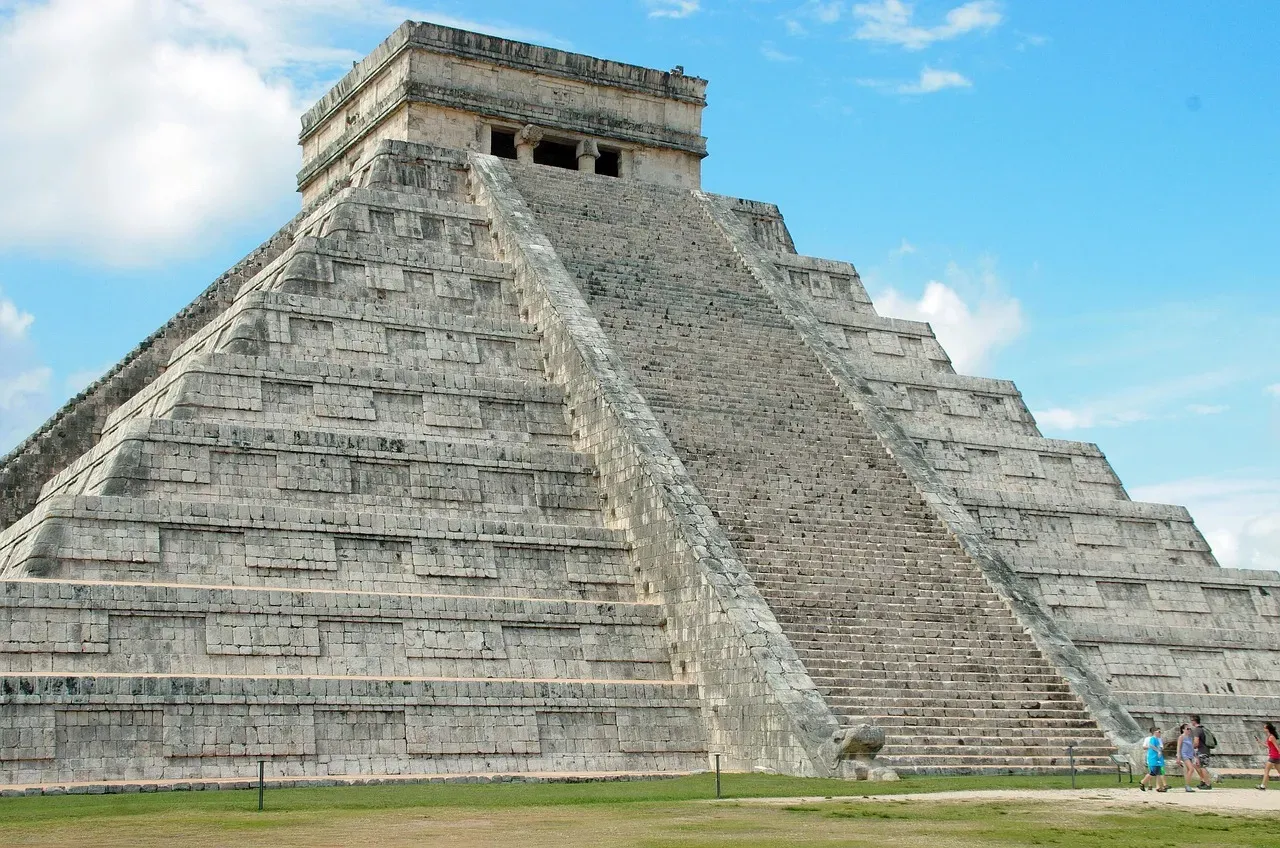
You might be surprised to learn that the Maya carved large stone cities into the jungles of southern Mexico and Central America, complete with elaborate plazas, palaces, pyramid temples, and ball courts, and were known for their hieroglyphic writing, calendar making, mathematics, astronomy, and architecture skills. During what’s called the Classic Period, roughly from 250 to 900 CE, the Maya reached the peak of their influence before something dramatic happened – the populace suddenly deposed its kings, abandoned the cities, and ceased with technological innovation.
Here’s the thing: while those southern cities crumbled, the Maya civilization didn’t actually vanish. Millions of Maya people still inhabit the Yucatán peninsula today, and northern cities survived up to the Spanish Conquest. Scholars have suggested a number of potential reasons for the downfall of Maya civilization in the southern lowlands, including overpopulation, environmental degradation, warfare, shifting trade routes, and extended drought. It seems the collapse was less about disappearance and more about transformation, though the mystery of why they abandoned those magnificent stone cities remains hauntingly unresolved.
The Indus Valley: An Urban Marvel Lost to Time
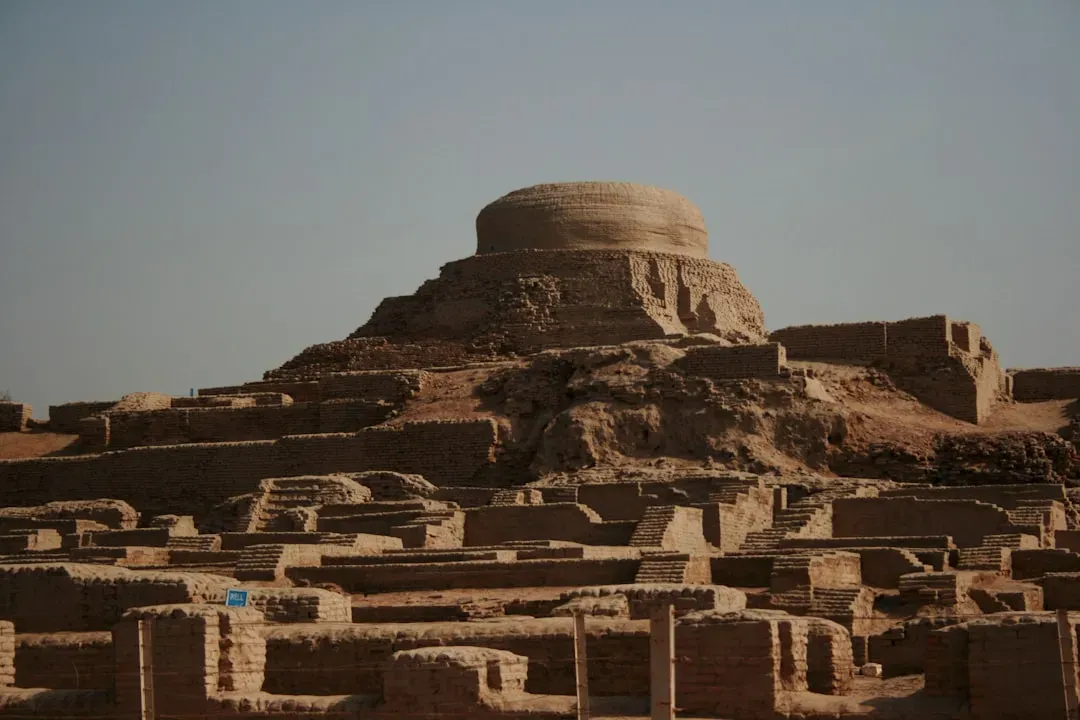
The Indus began building settlements in present day India and Pakistan as early as 8,000 years ago, making them one of the earliest civilizations, and by the third millennium B.C., they occupied over 386,000 square miles of territory – much more than their better known contemporaries in Egypt and Mesopotamia – and accounted for an estimated 10 percent of the world’s population. Their cities featured sophisticated drainage systems and standardized weights, achievements that remained unmatched until Roman times.
New climate reconstructions show that the Indus Valley Civilization endured repeated long dry periods that gradually pushed its people toward the Indus River as rainfall diminished, with these environmental stresses coinciding with shrinking cities, shifting settlements, and eventually widespread deurbanization, suggesting the civilization appears to have faded slowly under relentless climate pressure. Writing began to disappear and the standardized weights and measures used for trade and taxation fell out of use. Honestly, it’s hard to imagine such an advanced society simply fading away, yet that’s exactly what happened around 1900 BCE.
The Ancestral Puebloans: Cliff Dwellers of the American Southwest
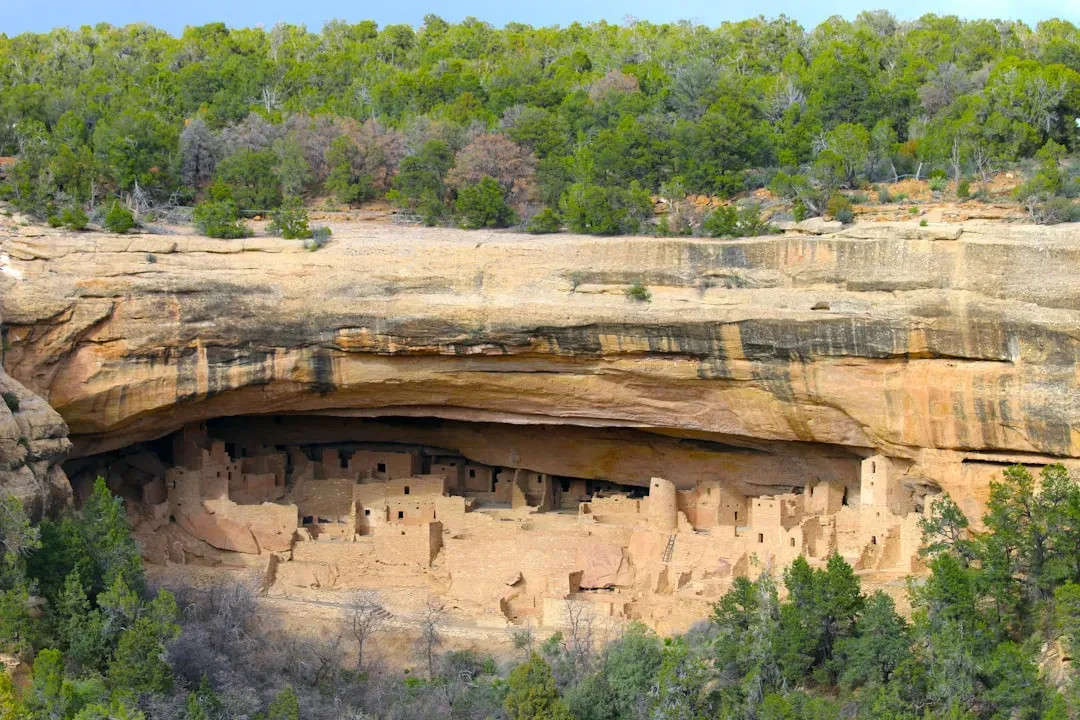
In the arid landscapes of the American Southwest, the ruins of cliff dwellings and stone cities tell the story of the Ancestral Puebloans, who from 100 CE to 1300 CE built massive complexes such as Chaco Canyon and Mesa Verde, aligned with solar and lunar cycles, with architecture that reflected deep knowledge of astronomy and environment. They built astoundingly complex and impressive housing blocks into the sides of cliffs and mountains, with some of these structures housing hundreds, if not thousands, of people at one time.
Historians agree that the Ancestral Puebloans emigrated from their homes in the 12th and 13th centuries, with these years seeing successive waves of natural disasters, as the North American climate began to change in the mid 1100s, and from 1276 to 1299, the infamous Great Drought devastated the region, lasting an agonizing 300 years. The most likely explanation is that the Ancestral Puebloans left Mesa Verde around 1280 and brought their turkeys with them, with their descendants forming the Tewa Pueblo population that still lives there today. They didn’t vanish – they adapted and migrated, leaving behind architectural wonders that still take your breath away.
The Minoan Civilization: Europe’s First Great Culture
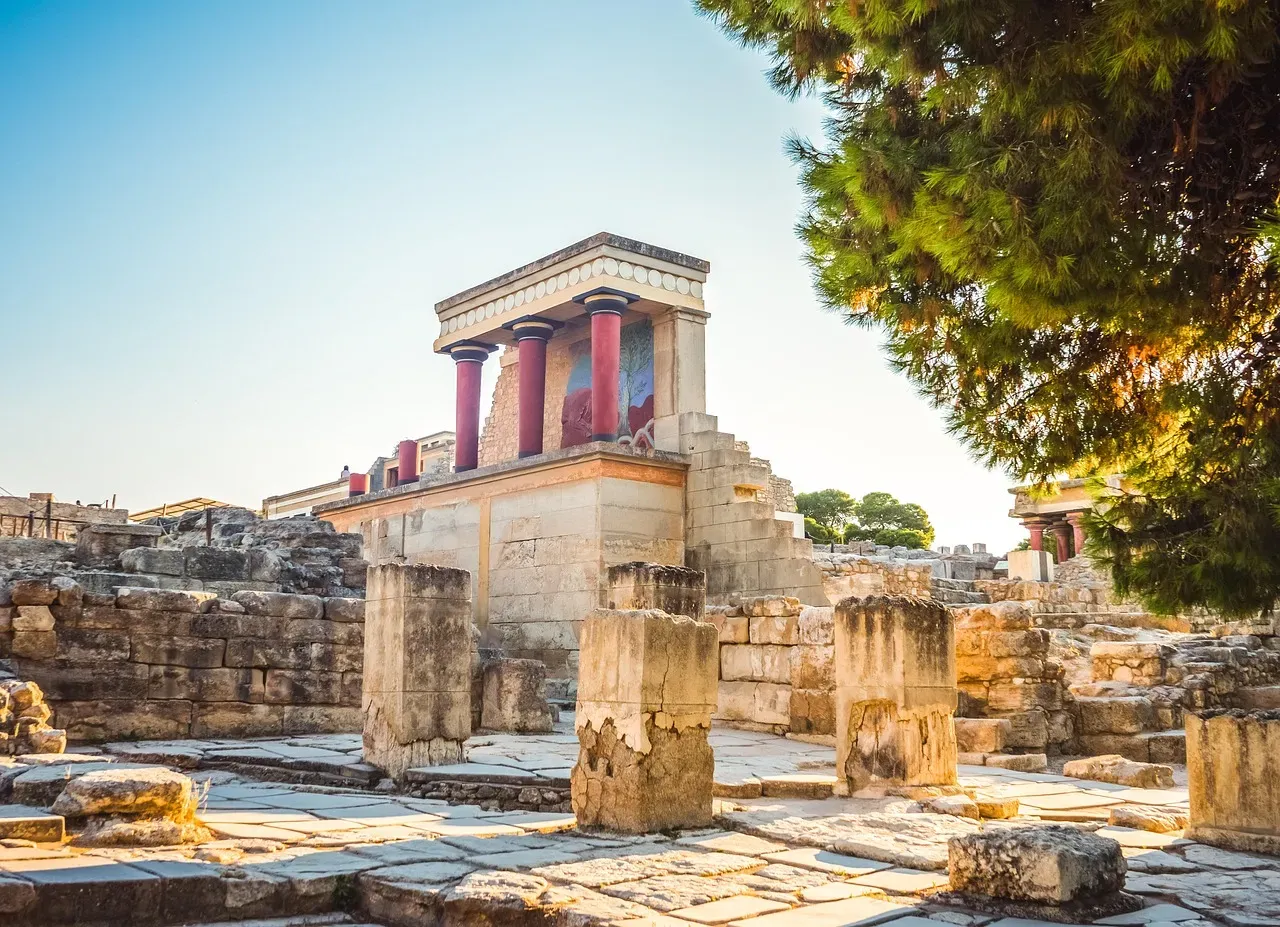
Long dismissed as mere legend, the Minoan civilization was rediscovered in the early 20th century by archaeologist Sir Arthur Evans, who excavated the palace of Knossos on Crete, uncovering an astonishing sophisticated culture that flourished between 3000 and 1200 BCE, complete with multi storied architecture, advanced plumbing, vibrant frescoes, and complex trade networks. They were skilled seafarers who established trade routes across the Mediterranean, creating a prosperous society that influenced later Greek culture.
A catastrophic volcanic eruption on the nearby island of Thera, modern day Santorini, around 1600 BC is often cited as a pivotal event that may have led to their decline, as the eruption likely triggered tsunamis and climatic changes, severely impacting agriculture and trade. Later, invasions by Mycenaean Greeks may have delivered the final blow. What makes the Minoans particularly fascinating is how they seemed to vanish from a thriving, peaceful civilization to absorbed remnants within a few generations – a reminder that even Europe’s cultural roots run deeper and more mysteriously than we often acknowledge.
The Khmer Empire: The Jungle That Reclaimed Angkor
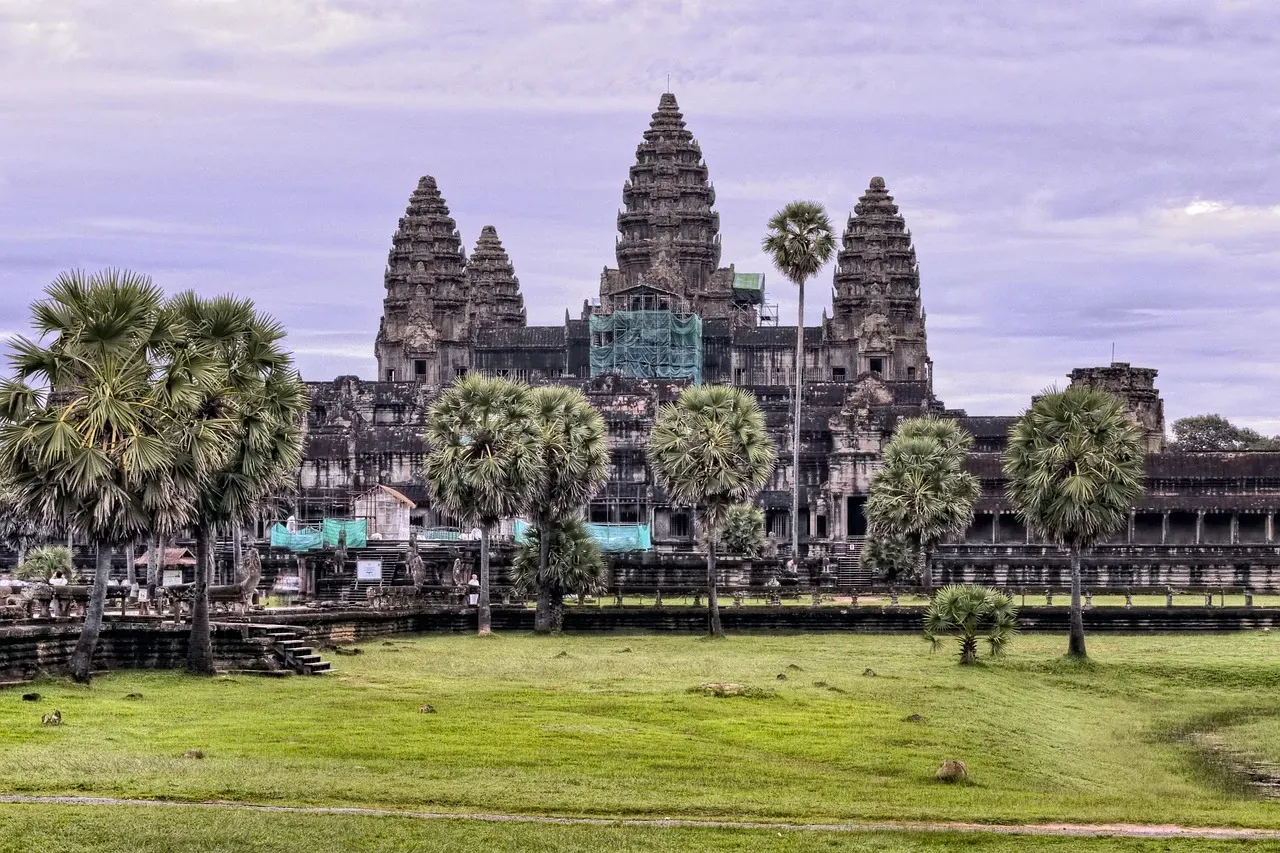
The Khmer Empire ruled much of Southeast Asia from the 9th to the 15th century CE, with its heart at Angkor, the largest pre industrial city in the world, with a population that may have exceeded one million, and Angkor Wat, a sprawling temple complex, stands as the most famous legacy of the Khmers, who built massive reservoirs, canals, and roads – an engineering marvel amid the Cambodian jungle. You can still wander through the ruins today and feel the weight of its former glory.
By the 15th century, Angkor was abandoned, with the end of the Angkorian period generally set as 1431, the year Angkor was sacked and looted by invaders, though the civilization already had been in decline in the 13th and 14th centuries, and during the course of the 15th century, nearly all of Angkor was abandoned, except for Angkor Wat, which remained a Buddhist shrine. Some of the factors behind the fall include land overexploitation, prolonged droughts, or war. Let’s be real: when you combine environmental stress with military defeats and shifting religious landscapes, even the mightiest empire can crumble.
The Nabataeans: Masters of the Desert Who Left Petra Behind

The Nabataeans were an ancient Arab people renowned for their skill in trade and hydraulic engineering, who carved the magnificent city of Petra into rose red cliffs, a testament to their advanced architectural prowess, with Petra being a thriving hub of commerce nestled in present day Jordan, connecting the East and West through intricate trade routes. The Nabateans’ wealth was gained by being a major stop on a complex trading network, through which they traded ivory, silk, spices, precious metals, gems, incense, sugar, perfume, and medicine.
By the 4th century AD, the Nabataeans had mysteriously vanished, with scholars speculating that their disappearance may have been due to a variety of factors, including changing trade routes, Roman annexation, or environmental challenges. Archaeological evidence proves that their exodus was an organized one that was unrushed, which leads us to believe that they were not driven out of Petra by another culture, with the most likely explanation being that when the trade routes they relied on moved north they could no longer sustain their civilization and left Petra behind. I think what’s striking here is how pragmatic they were – they recognized when the game had changed and moved on.
The Olmec: Mesoamerica’s Mother Culture
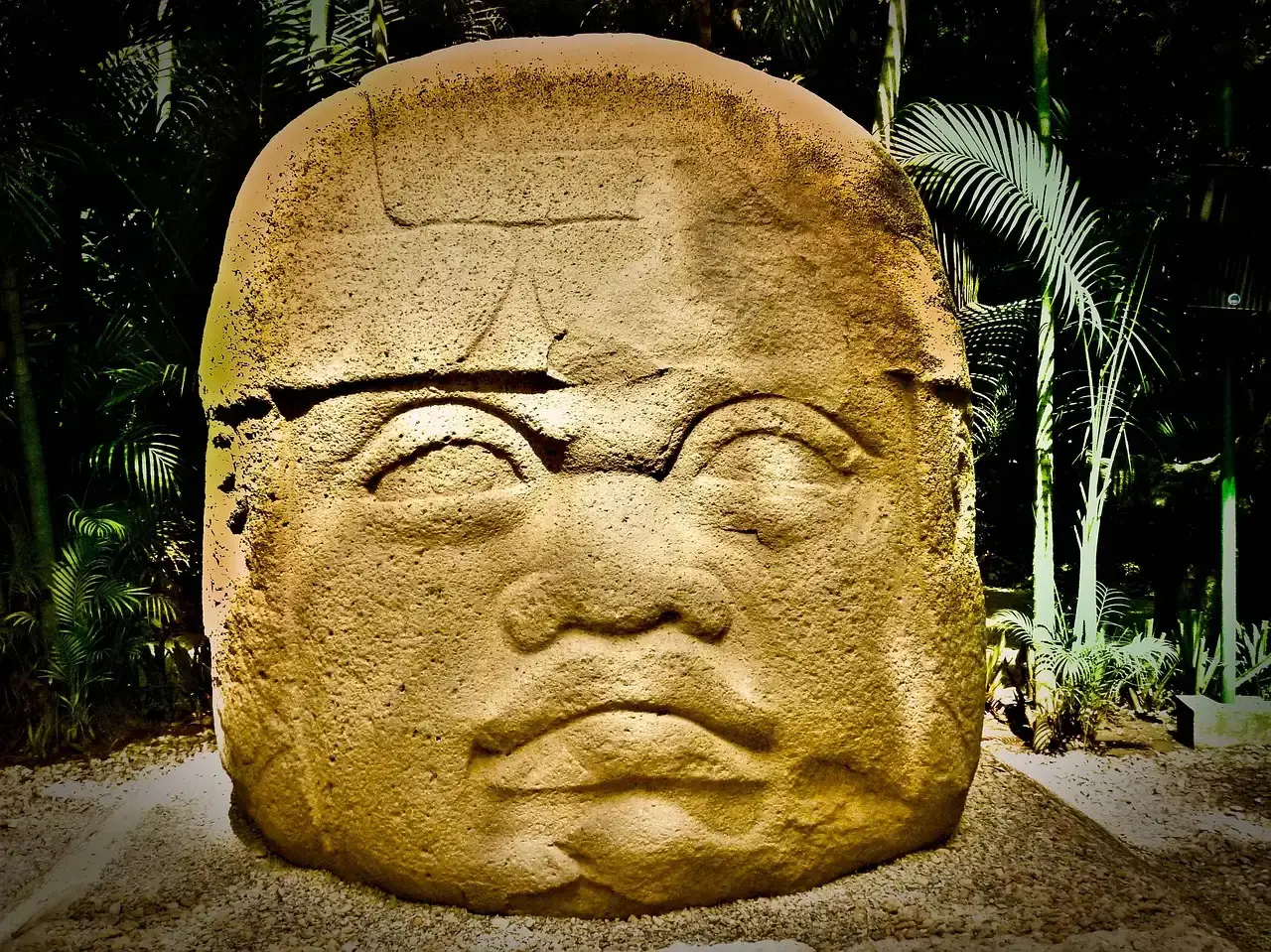
Long before the Maya and Aztecs, the Olmecs flourished along the Gulf Coast of Mexico from around 1500 to 400 BCE and are often considered the mother culture of Mesoamerica, known through colossal stone heads – some weighing up to 40 tons – and the remains of ceremonial centers like San Lorenzo and La Venta, with complex religious iconography, engagement in long distance trade, and possibly developing the first writing system in the Americas.
Despite their achievements, the Olmec civilization mysteriously declined around 400 BC, with the reasons behind their disappearance remaining speculative, and theories ranging from environmental changes, such as river silting and volcanic activity, to internal strife and warfare. Then, they disappeared, but the Olmec legacy endures through their monumental art and the cultural innovations they passed on to successor civilizations like the Maya and Aztecs. It’s hard to say for sure what happened, but environmental factors combined with social upheaval seem to have unraveled this pioneering civilization.
Conclusion: Lessons From Lost Worlds
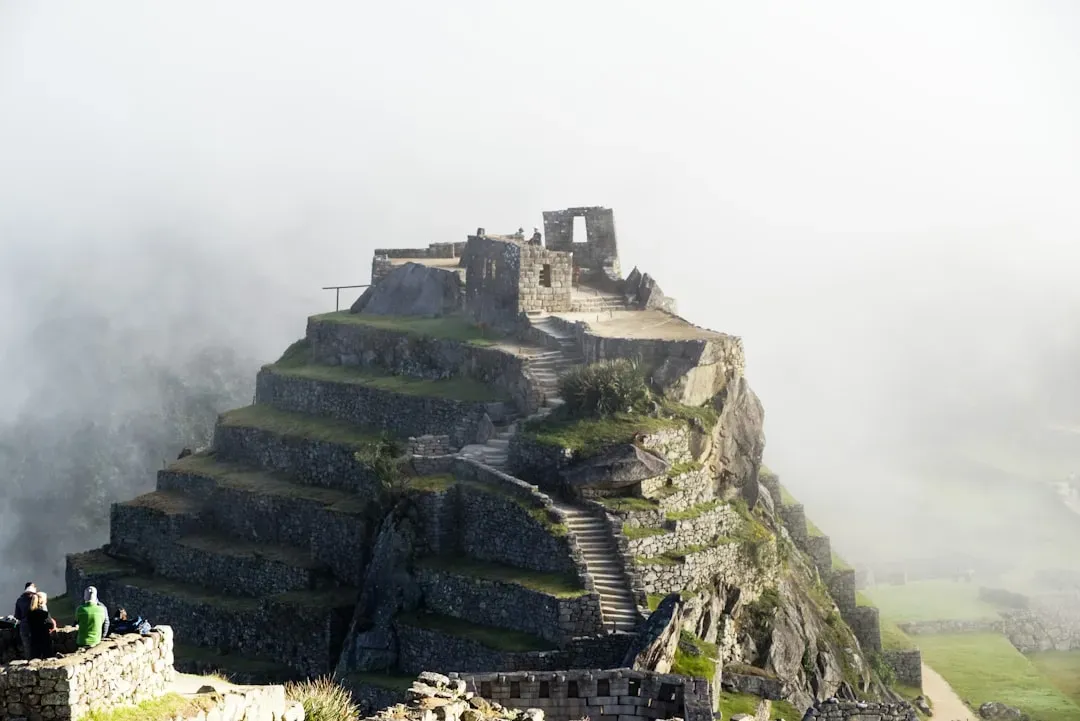
These seven civilizations remind us that greatness doesn’t guarantee permanence. Whether brought down by climate change, warfare, environmental degradation, or shifting trade routes, each of these societies faced challenges that ultimately proved insurmountable. Yet their legacies persist in the ruins they left behind, the descendants who carry their bloodlines, and the cultural innovations that influenced later societies.
What’s truly fascinating is that disappearance is rarely absolute. People migrate, cultures evolve, and knowledge transforms. What vanishes is often the political structure, the grand architecture, and the unified identity that once defined these civilizations. The people themselves usually survive, adapting to new realities even as their old worlds crumble around them. As we face our own environmental and social challenges in 2026, perhaps these ancient mysteries offer more than just intrigue – they provide warnings about sustainability, adaptability, and the impermanence of even the mightiest empires. What do you think led to their downfall? Could any of these forces threaten our modern world?