You’ve probably stood beneath the towering skeleton of a dinosaur in a museum and wondered how on earth these creatures reached such mind-boggling proportions. We’re talking about animals that dwarfed today’s elephants like a skyscraper towers over a garden shed. The answer turns out to be far more fascinating than a simple matter of eating a lot or living a long time.
The story behind dinosaur gigantism involves an intricate web of biological innovations, evolutionary accidents, and environmental circumstances that came together in just the right way. Let’s be real, nothing alive today even comes close. What gave these ancient giants such an edge?
The Air Sac System That Changed Everything
Here’s where things get genuinely remarkable. Dinosaurs had a system of air sacs that invaded their vertebrae, creating hollow cavities and reducing the overall weight of their massive bodies while making it possible to get enough oxygen. Think of it as nature’s version of aerospace engineering thousands of millions of years before humans figured out similar principles.
This complex network of air sacs gave dinosaurs two crucial advantages: they allowed the animals to breathe more efficiently, similar to birds rather than mammals, and the soft tissues invaded bone to make skeletons lighter without sacrificing strength. Honestly, it’s hard to say for sure, but this respiratory innovation might have been the single most important factor separating dinosaurs from everything else. Without it, you’re looking at creatures that would collapse under their own weight.
Hollow Bones That Defied Physics
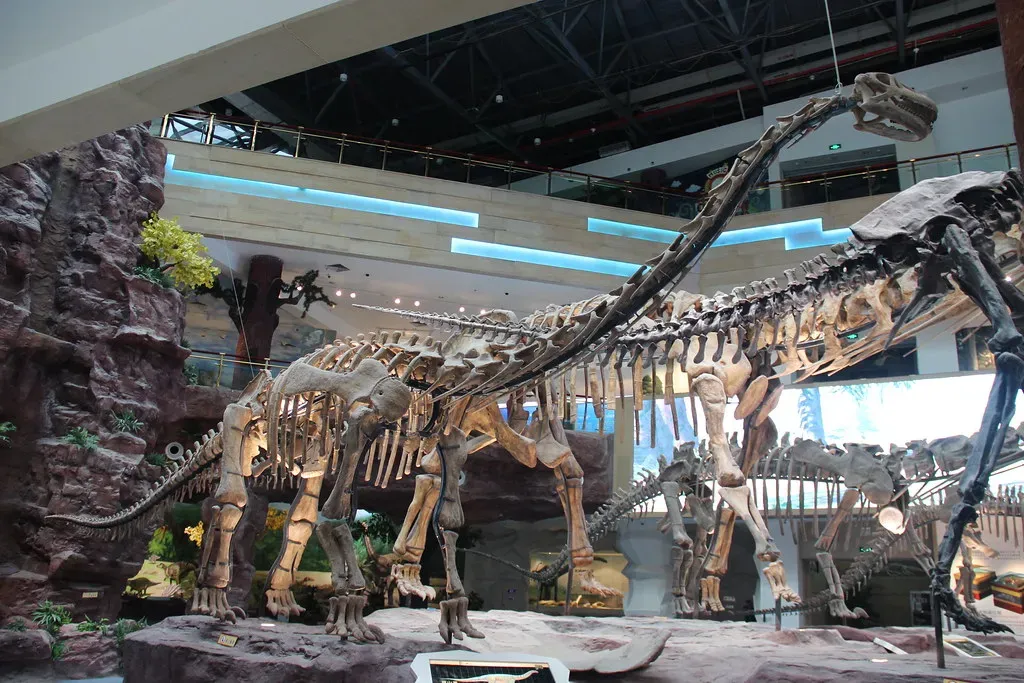
Sauropods had hollow bones, didn’t chew their food, possessed incredibly long necks, and likely had huge stomachs, and these traits are theorized to be key in how they attained their enormous size. The pneumatized bones weren’t just empty tubes, though. They maintained structural integrity while drastically cutting weight.
Picture this: a dinosaur roughly four times as long as a massive extinct rhino weighing far less than you’d expect. Even at approximately one hundred feet long, Supersaurus has been estimated to weigh between thirty-five and forty tons, making it relatively light compared to what you’d predict from a mammal of similar dimensions. This lightweight construction was absolutely revolutionary for terrestrial animals.
The Long Neck Advantage Nobody Expected
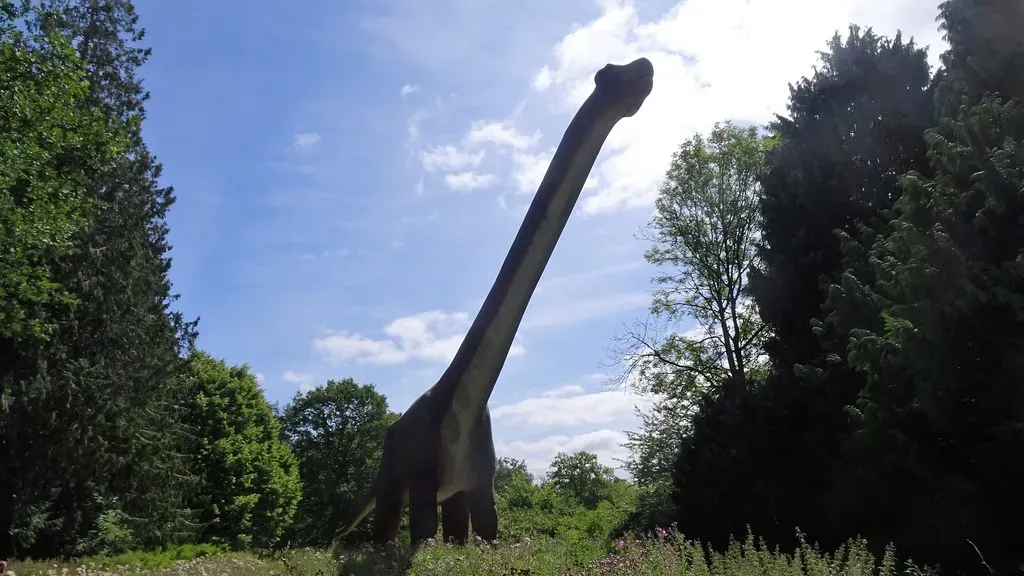
Those impossibly long necks weren’t just for show. Their long necks allowed them to reach food other animals couldn’t, relying on two key traits: hollow bones of the spine and a small head, which allowed the neck to be light. Here’s the thing: a smaller head meant less chewing hardware was needed.
The only way they could get away with having such a small head was because they didn’t need to chew their food, as a chewing head needs to be big to accommodate big jaw muscles and strong, heavy bones to crush food. Instead of spending hours grinding vegetation like modern herbivores, sauropods simply gulped down massive quantities. Their enormous stomachs did the heavy lifting, storing food for extended periods and breaking it down through fermentation.
Rapid Growth Rates That Shattered Expectations
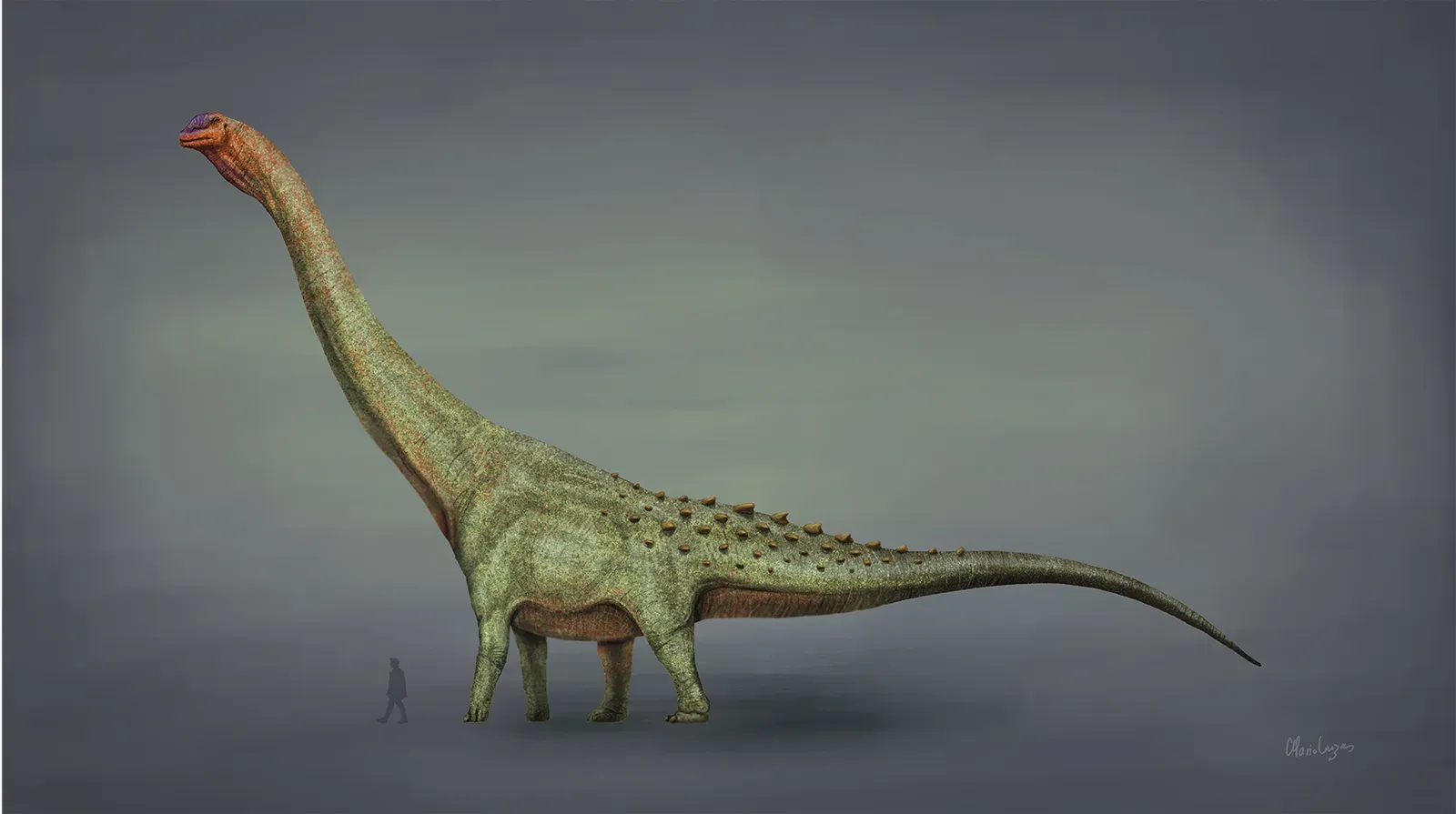
Forget the old idea that dinosaurs grew slowly like reptiles. Using body mass estimates, researchers found that all dinosaurs grew faster than all living reptiles, many dinosaurs grew at rates comparable to those of living marsupials, and the largest dinosaurs grew at rates comparable to those of rapidly growing mammals. We’re talking about reaching adult size in a fraction of the time you’d expect.
Estimates based on bone growth rings indicate small dinosaurs were full grown at only a couple of years, hadrosaurids at only seven years, and only fifteen to twenty years for big sauropods and theropods to reach adult size. Let’s be real: growing that fast requires a metabolic furnace, not the sluggish cold-blooded systems we associate with modern reptiles. This rapid maturation meant more individuals could reach breeding age before predators caught up with them.
The Reproduction Strategy That Multiplied Success
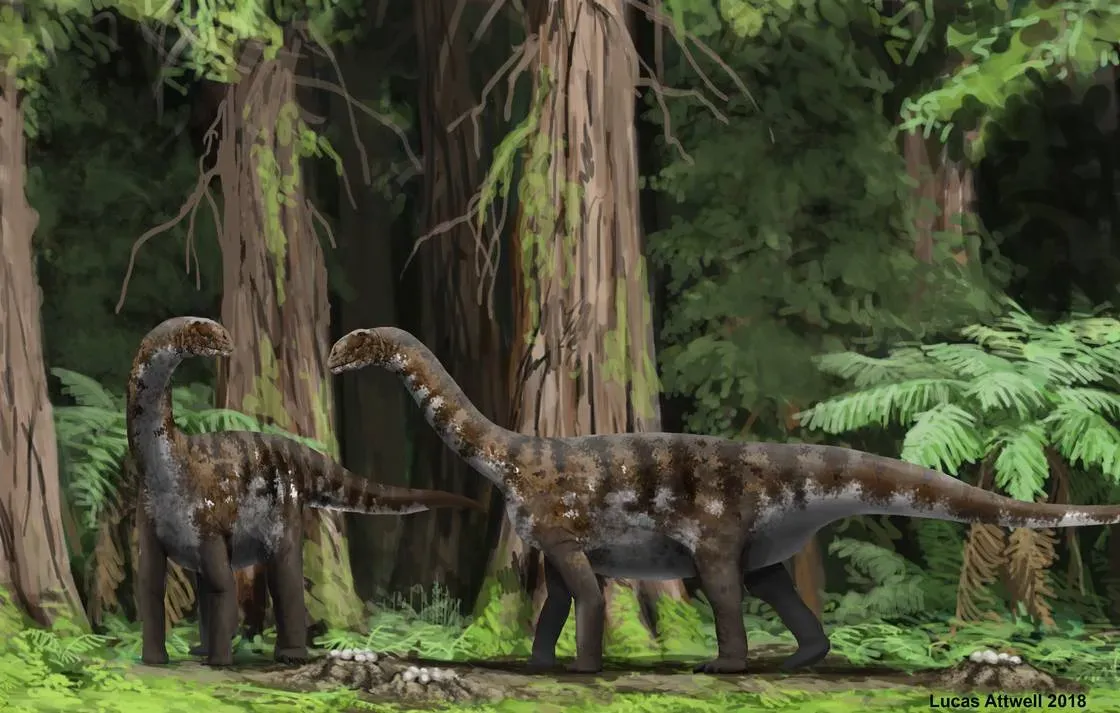
Mammals face a biological constraint when it comes to size. The largest mammals were placentals that gestated offspring internally, and to reach larger adult sizes, females would need to carry babies in the womb for longer, with African elephants already gestating for roughly two years, but sauropods laid multiple eggs at a time, bypassing reproductive constraints. Think about the implications of this for a moment.
Sauropod mothers laid clutches of about ten eggs at a time in small nests, and rather than investing a great deal of energy into one or two offspring requiring extensive care, sauropods regularly flooded the environment with clutches of offspring that were probably on their own from the start. Sure, most hatchlings became snacks for predators. Those that survived, however, could grow at breathtaking speeds and reach colossal proportions.
Environmental Conditions That Weren’t What You’d Think
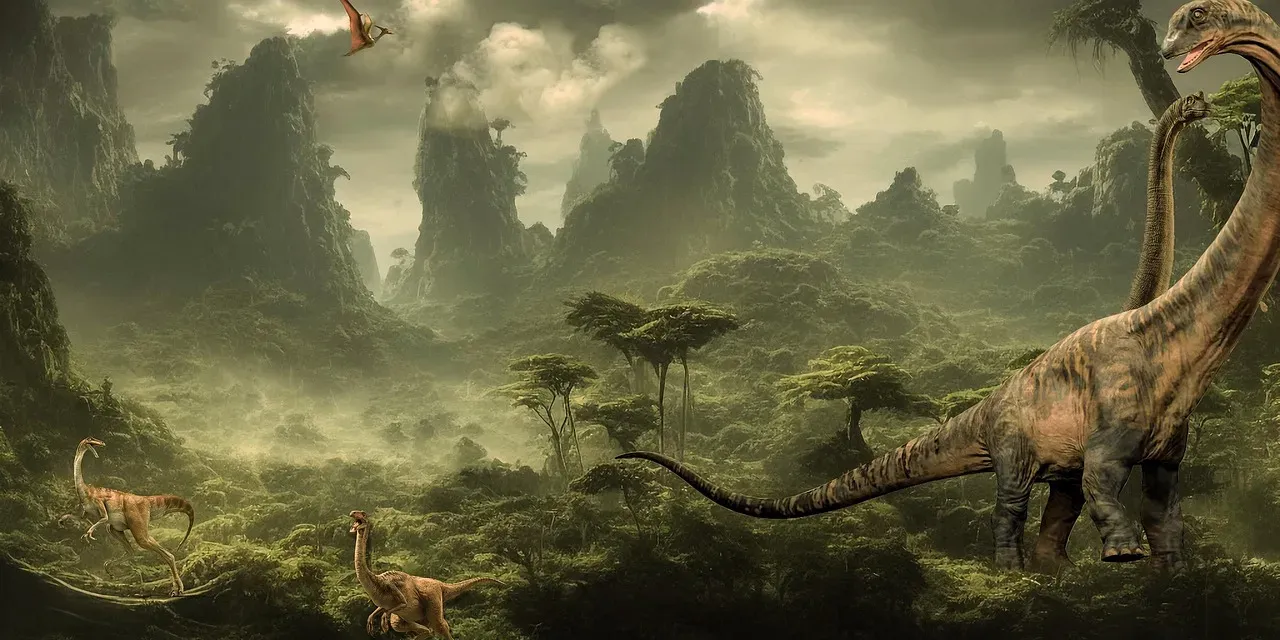
You might expect that higher oxygen levels or lower gravity made dinosaurs possible. Surprisingly, that’s not the case. For a long time, researchers theorized that high oxygen contents in the atmosphere could have allowed dinosaurs to grow to larger sizes, but recent analyses of amber spanning the age of dinosaurs suggested that oxygen concentrations in the atmosphere were likely lower than that of the present day.
The atmosphere in the heyday of the dinosaurs was about the same as today’s, and what’s more, the Earth’s gravitational force was just as strong in the Mesozoic era as in the modern era. So the impressive size wasn’t due to external physical factors. The explanation lies in the dinosaurs themselves and their unique biological toolkit.
Protection From Predators Through Sheer Size
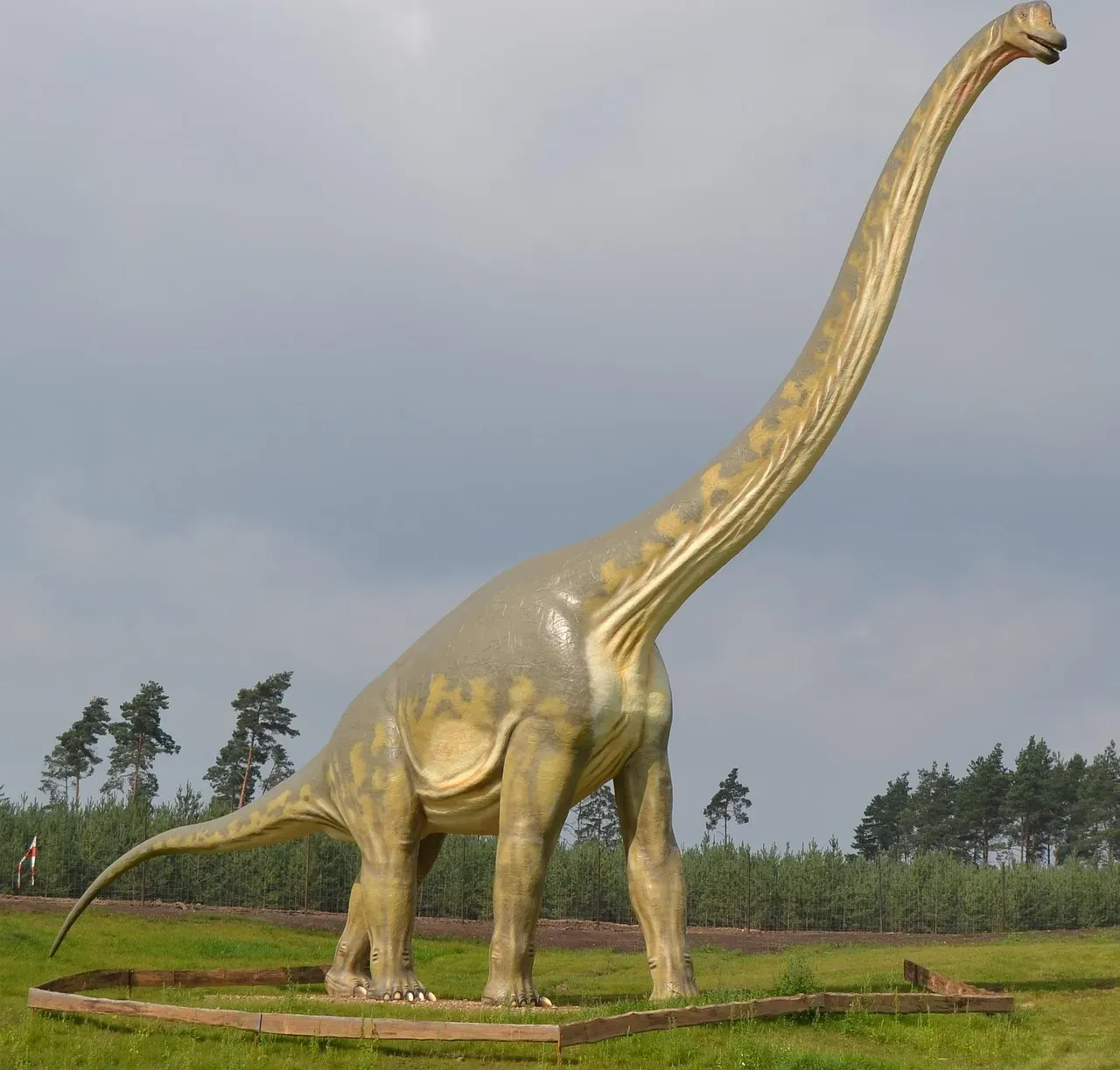
A large body size protected them from most predators, helped to regulate internal body temperature, or let them reach new sources of food, with some probably browsing treetops similar to how giraffes do today. Being enormous had serious survival benefits in an evolutionary arms race. Predators grew larger to take down bigger prey, which in turn drove herbivores to outpace them in the size department.
Herbivores gain mass to avoid being preyed upon, and carnivores gain mass to make it easier to prey on large herbivores, and over time, both are pushed to upper extremes in size through an evolutionary arms race. This back-and-forth escalation created a world where being small was genuinely dangerous if you were an herbivore. Size became the ultimate defense mechanism.
Independent Evolution Across Multiple Lineages
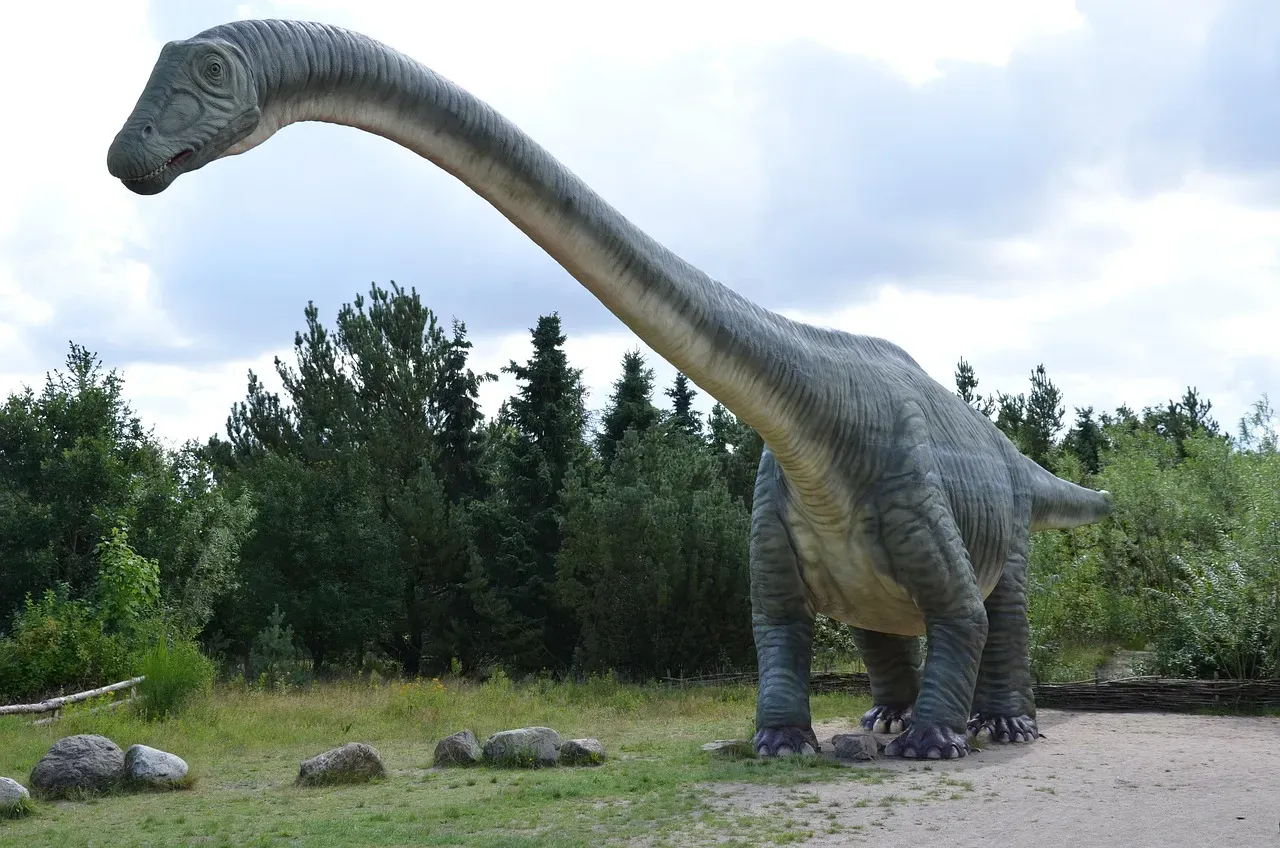
What’s genuinely mind-blowing is that gigantism wasn’t a one-time evolutionary fluke. Sauropods grew to their exceptional sizes to fill available niches, and individual sauropod species evolved as many as thirty-six times over one hundred million years. Different dinosaur families repeatedly stumbled upon the same solution: get huge.
The fossil record shows that sauropods scaled up in different times and places, likely for an array of reasons ranging from local food availability to what mating sauropods found attractive in each other, and the repeated evolution of gigantic dinosaurs hints that there were many pathways to impressive stature. It wasn’t destiny or a single master plan. Multiple groups independently figured out the winning formula through trial, error, and natural selection.
Why Modern Animals Can’t Match Them
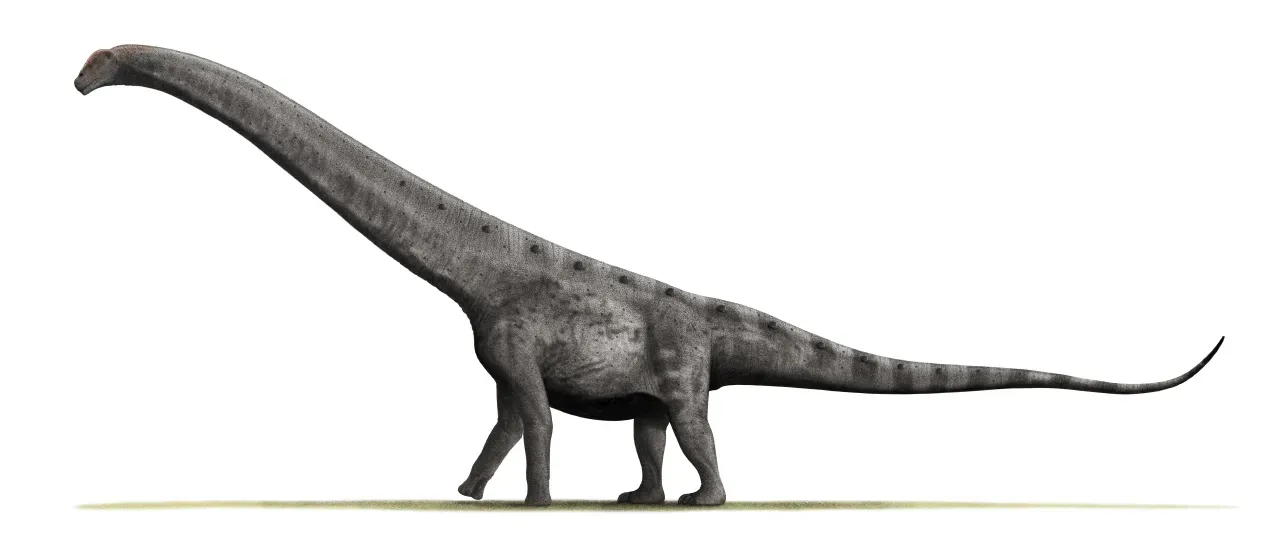
So why don’t we have dinosaur-sized land animals roaming the planet today? Mammals are warm-blooded and generate a lot of heat internally, which becomes a problem at large body sizes due to the danger of overheating, and it’s possible that many extinct dinosaurs were intermediate between cold-blooded and warm-blooded physiologies, meaning temperature physiology would not have imposed limits on their body size. Mammals hit a metabolic ceiling that dinosaurs somehow avoided.
The retention of the egg-laying mode of reproduction appears to have been critical, allowing much faster population recovery than in large mammal species, as sauropods produced numerous but small offspring each season while land mammals show a negative correlation of reproductive output to body size, permitting lower population densities but larger individuals. Birds inherited these advantages but lost size when flight became their primary adaptation. Mammals never had the right combination of traits to begin with.
Conclusion: A Perfect Storm of Adaptations
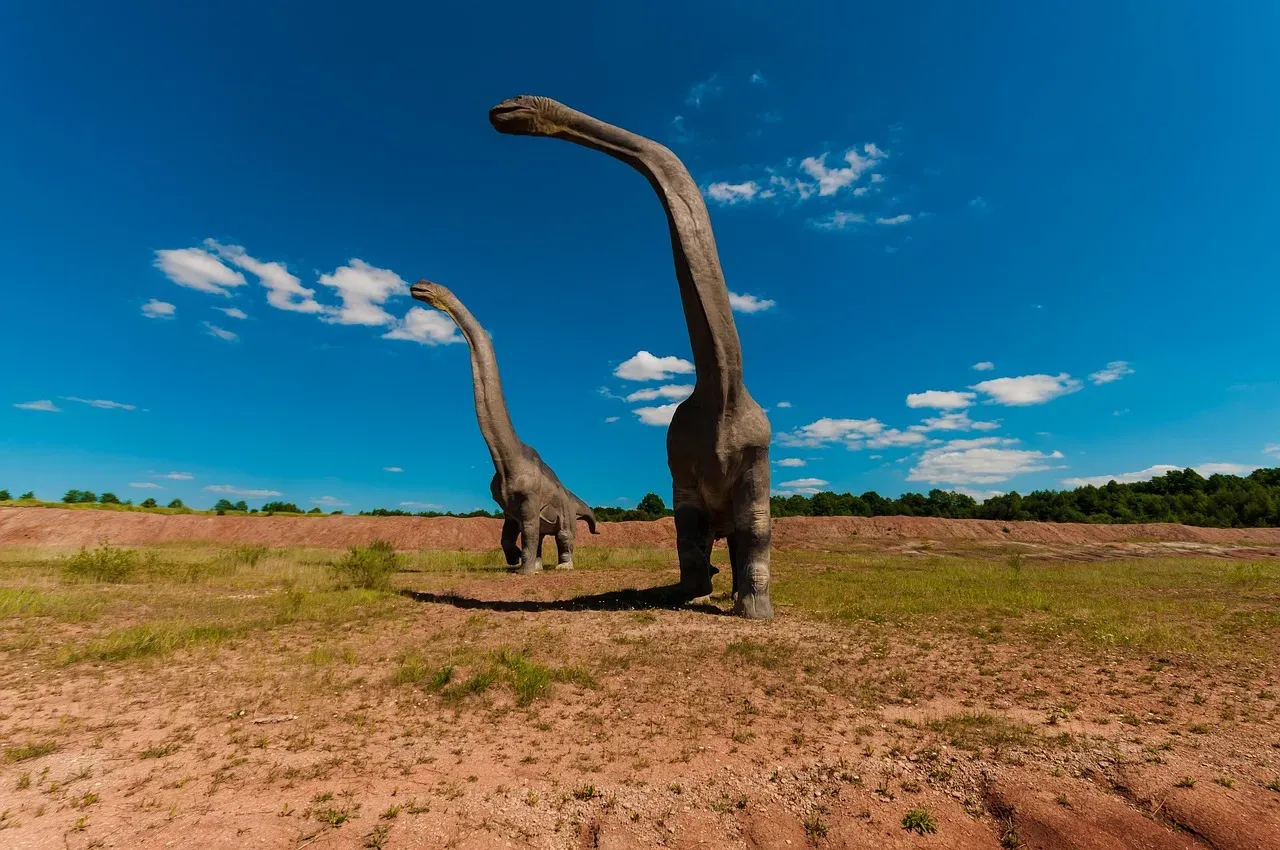
The truth about dinosaur gigantism isn’t a single silver bullet explanation. A combination of features allowed sauropods to grow large, including that the sauropod lineage evolved long necks early, allowing them to exploit a range of food sources to fuel their bodies, and their light bones allowed them to overcome structure constraints felt by mammals due to heavier bones. Everything had to click into place at once.
From bird-like respiratory systems to rapid growth rates, from egg-laying reproduction to specialized feeding strategies, these creatures assembled a biological toolkit that remains unmatched. The world will likely never see their equal again, not because evolution has stopped innovating, but because that particular combination of circumstances and adaptations was lightning in a bottle. Pretty incredible when you think about it, right?