Think back to when Earth was nothing but a churning, molten rock surrounded by toxic gas. Life shouldn’t have been possible here. Yet somehow, against staggering odds, microscopic organisms emerged from this hellscape and transformed our planet forever. I know it sounds like science fiction. These ancient ancestors are so small you’d never see them with your naked eye, but their story is written in stone – literally – waiting to be decoded by scientists brave enough to peer into the deepest reaches of time. You’re about to discover how these first life forms not only survived but actually manufactured the air we breathe today, paved the way for complex organisms, and left behind traces that fundamentally changed how we understand existence itself.
Ancient Microfossils: Earth’s Tiniest Time Capsules
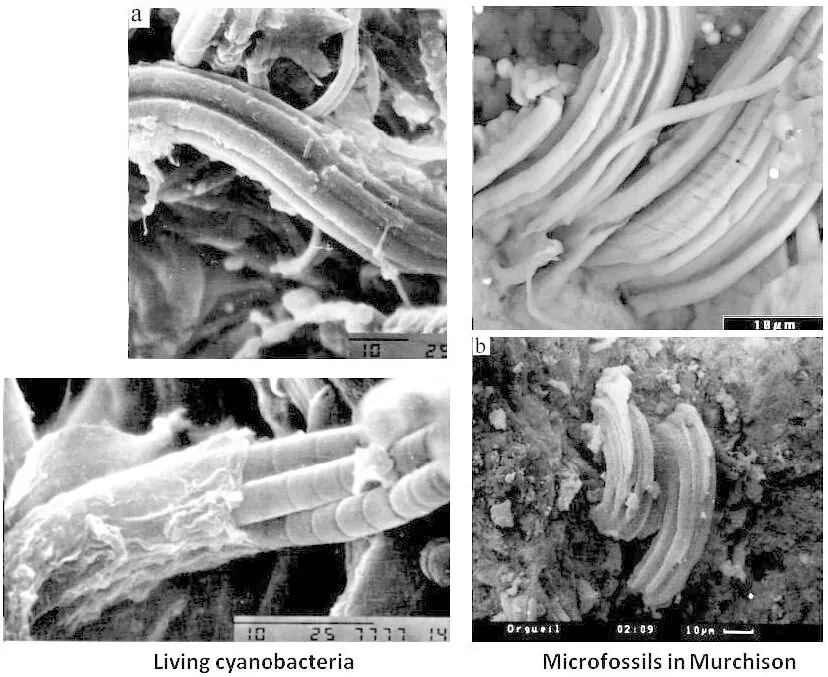
Researchers have discovered fossils of bacteria dating back roughly 3.4 billion years in Western Australia, and honestly, it’s mind-blowing to consider that something so infinitesimally small could survive that long. The fossils show convincing evidence for cells and bacteria living in an oxygen-free world, which tells you just how different our planet was back then. The ancient fossils appear in some of Earth’s most primitive sedimentary rocks, preserved between quartz sand grains of the oldest beach known on Earth.
What makes these discoveries especially fascinating is their clarity. Scientists now have good solid evidence for life over 3.4 billion years ago, confirming bacteria existed at this time while living without oxygen. The fossils show precise cell-like structures, all similar in size and remarkably well-preserved considering their extreme age. These weren’t just random mineral formations playing tricks on scientists’ eyes – they represent actual living organisms that managed to thrive when our planet was barely recognizable as the world we know today.
Stromatolites: The Rock Formations That Built Our Atmosphere
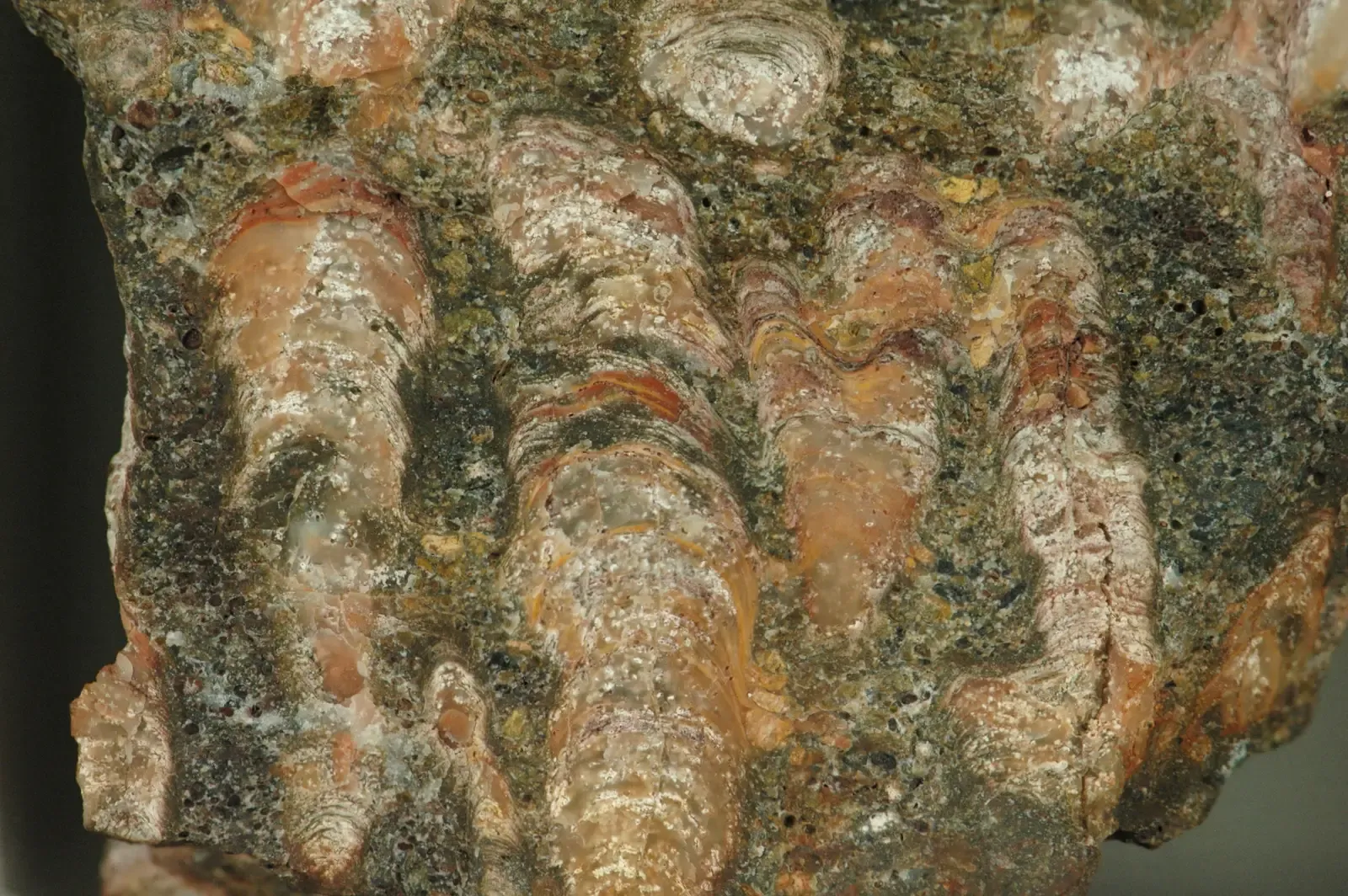
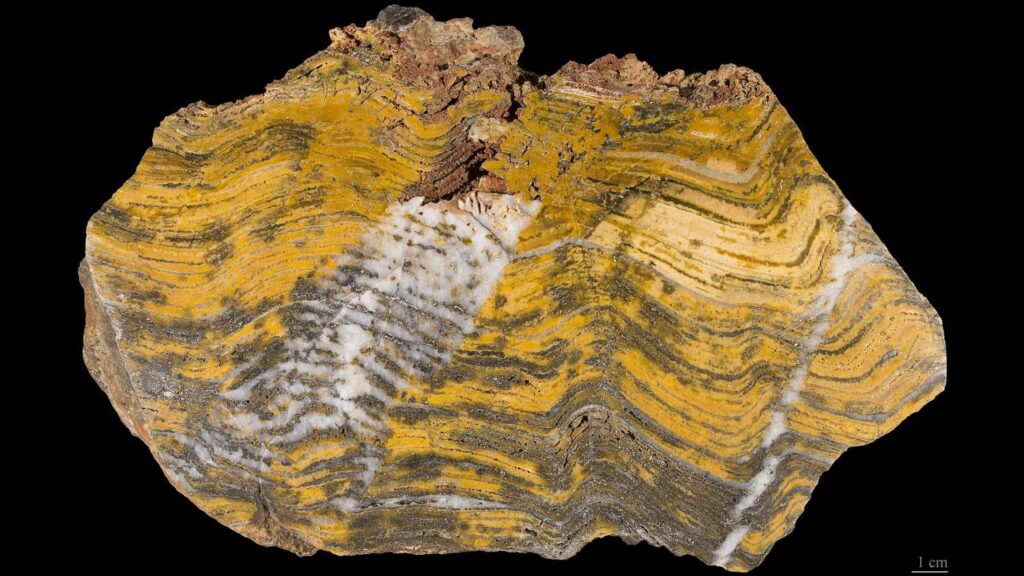
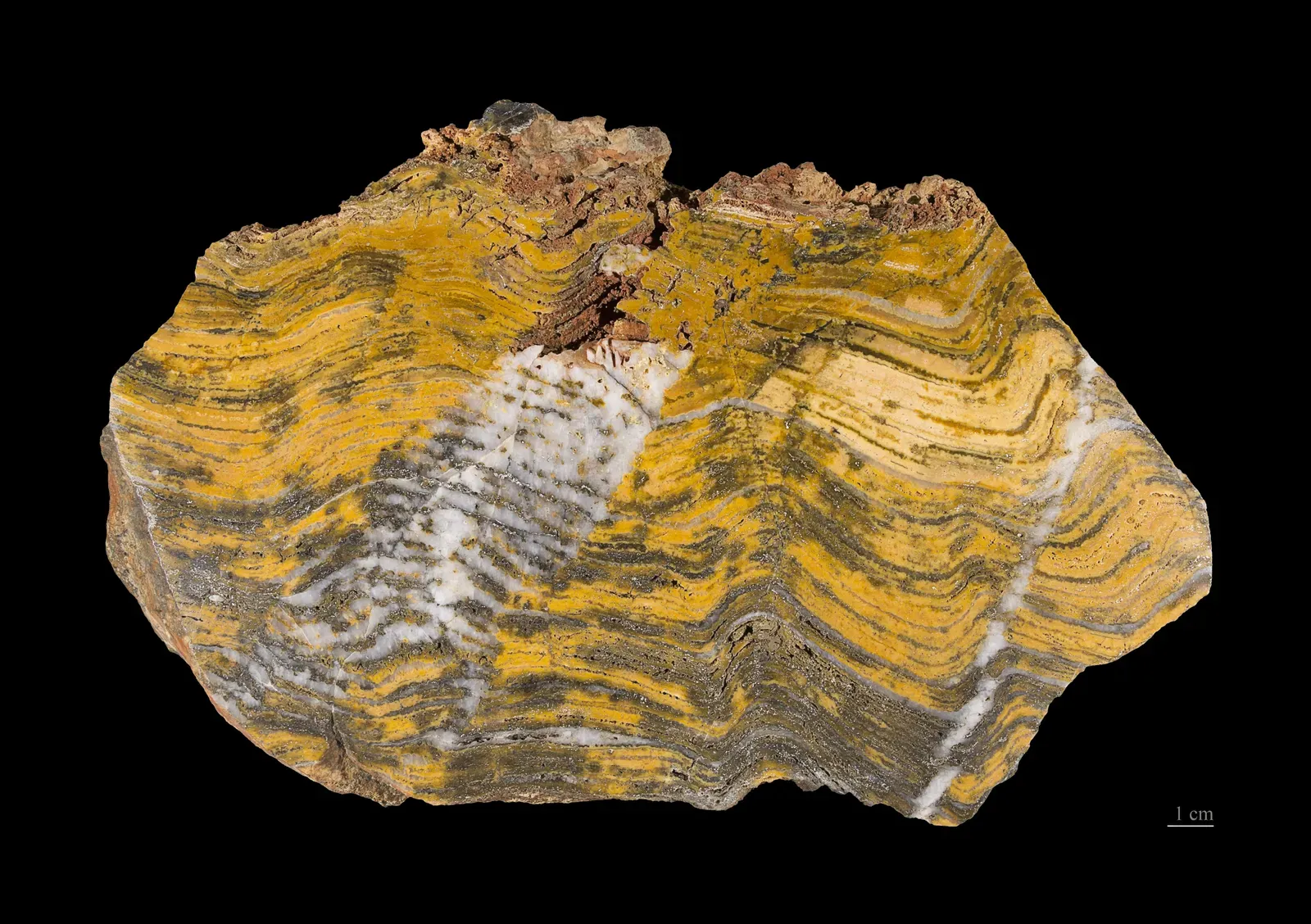
Imagine walking along an ancient shoreline where the sand is covered in slimy, layered mounds that look more like weird geological formations than anything alive. Massive formations of stromatolites appeared along shorelines worldwide roughly 3.5 billion years ago, becoming the earliest visible manifestation of life on Earth and dominating the scene for more than two billion years. These aren’t just fossils – they’re monuments to the photosynthetic bacteria that fundamentally changed our planet’s chemistry.
Stromatolites provided the conditions that allowed more complex life to generate, as cyanobacteria raised oxygen levels in the atmosphere from about one percent to twenty percent. Think about that for a moment: these humble bacterial mats literally terraformed Earth. Stromatolites are the reason we’re alive today, as photosynthesizing colonies pumped oxygen into the oceans for two billion years until waters were saturated and oxygen was released into the air, allowing life to flourish and evolve. Without them, complex life – including you – would never have existed.
Hydrothermal Vents: Life’s Primordial Cauldron
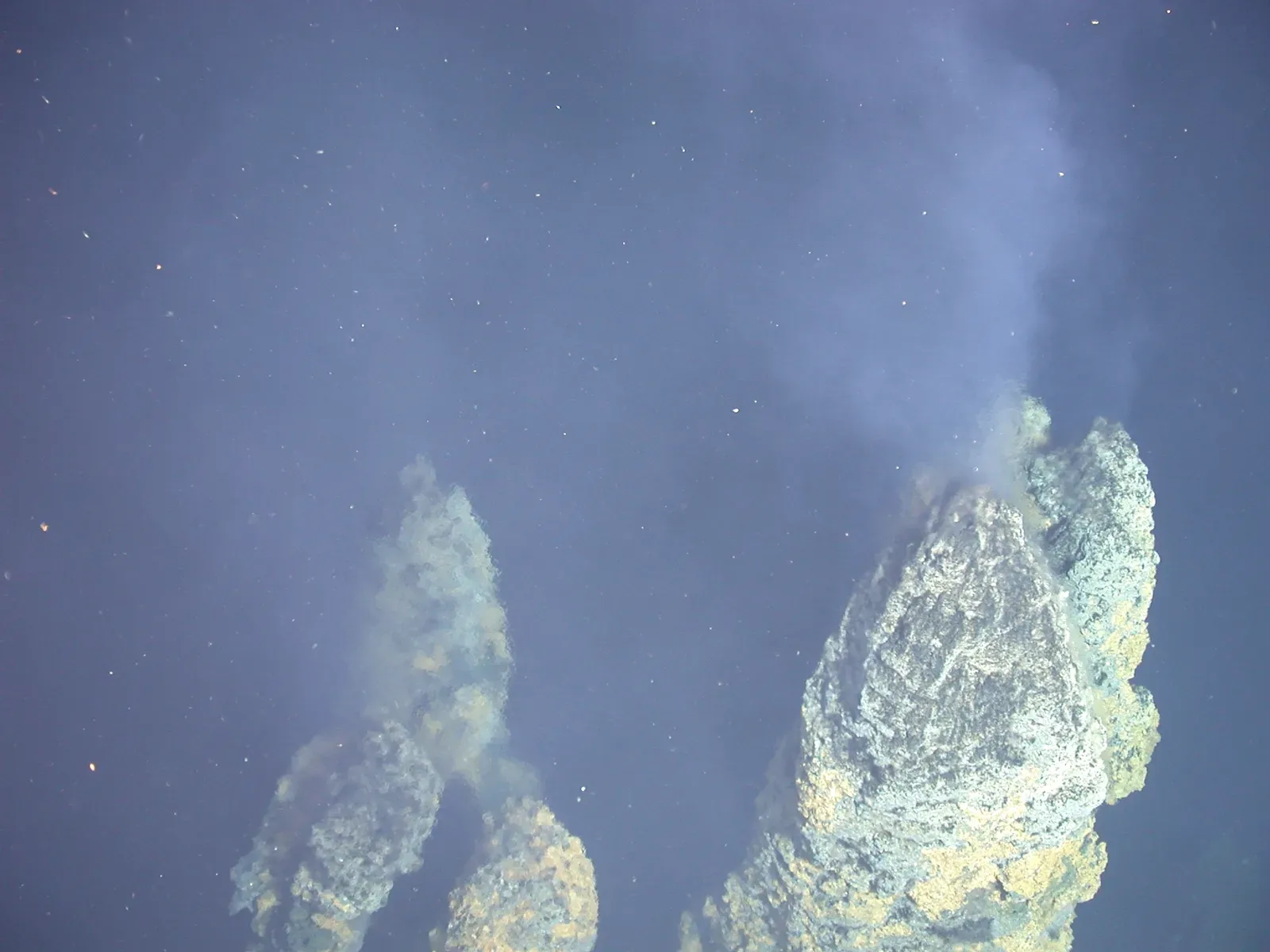
Deep beneath the ocean’s surface, where sunlight never reaches and temperatures soar, something extraordinary likely happened. Hydrothermal vents were among the first environments on Earth and have been bubbling away for over four billion years. These undersea chimneys spewing superheated, mineral-rich water might sound like the last place you’d expect to find life’s origins, but they’re actually prime candidates.
Remains of microorganisms at least 3,770 million years old have been discovered in hydrothermal vent deposits, providing direct evidence of one of the oldest life forms on Earth. The chemistry here is fascinating. Submarine hydrothermal vents harbor rich microbial communities, and striking parallels exist between the chemistry of the hydrogen and carbon dioxide combination present in these systems and the core energy metabolic reactions of modern prokaryotic autotrophs. It’s as if modern cells still carry the chemical signature of these ancient environments in their most fundamental processes.
The Archean Eon: When Simple Ruled Supreme
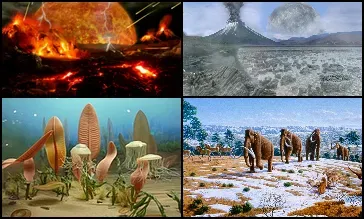
The Archean represents the time period from 4,031 to 2,500 million years ago, an almost incomprehensibly long stretch when bacteria absolutely dominated the planet. Life in the Archean was limited to simple single-celled organisms lacking nuclei, called prokaryotes. These weren’t your sophisticated modern cells with all their fancy internal machinery – they were stripped-down survival specialists.
The environment was brutal by modern standards. The Archean atmosphere almost completely lacked free oxygen, with levels less than one-thousandth of one percent of present atmospheric levels. Yet life found a way. All life during the more than one billion years of the Archean was bacterial, with the Archean coast home to mounded colonies of photosynthetic bacteria called stromatolites found as fossils in early Archean rocks of South Africa and western Australia. The sheer persistence of these microorganisms through such harsh conditions is testament to life’s tenacity.
Chemical Signatures: When Rocks Whisper Secrets
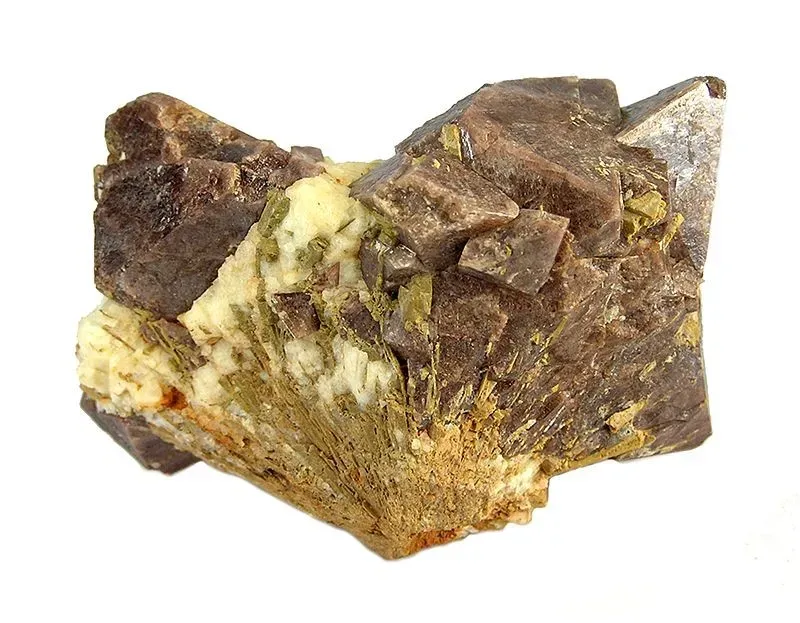
Sometimes the evidence for ancient life isn’t visible even under a microscope. The earliest evidence of life includes chemical signatures and microscopic filaments, with carbon found in 4.1 billion-year-old zircon grains showing a chemical signature suggesting an organic origin. Think of it as life’s fingerprint left behind in stone, detectable only through sophisticated geochemical analysis.
The earliest known life forms on Earth may be as old as 4.1 billion years according to biologically fractionated graphite inside a single zircon grain, while the earliest evidence found in a stratigraphic unit is from 3.7 billion-year-old metasedimentary rocks containing graphite from Greenland. These chemical breadcrumbs extend the timeline of life further back than direct fossil evidence alone could prove. It’s detective work at the molecular level, piecing together clues that survived billions of years of geological violence and transformation.
From Single Cells to Complex Life: The Great Leap Forward
For billions of years, Earth belonged exclusively to simple prokaryotic cells. Then something revolutionary happened. Scientists proposed that 1.6-billion-year-old fossils found in India represented red algae, and recent descriptions of walled microfossils interpreted as diverse eukaryotes in Canadian deposits dating back 1.57 billion years, along with eukaryotic fossils from 1.642-billion-year-old Australian rocks, revealed astounding diversity.
This wasn’t just evolution tinkering at the edges – it was a fundamental reorganization of cellular architecture. The sheer diversity of body plans found in these early forms of multicellular life is astounding, with some being cylindrical with chambers, others spherical, and one even having a lid that appeared to open to expel contents, indicating eukaryotes were much more diverse and complex by this time than previously appreciated. The creativity of evolution, even at this microscopic scale, is breathtaking.
Preserving the Unpreseverable: Against All Odds
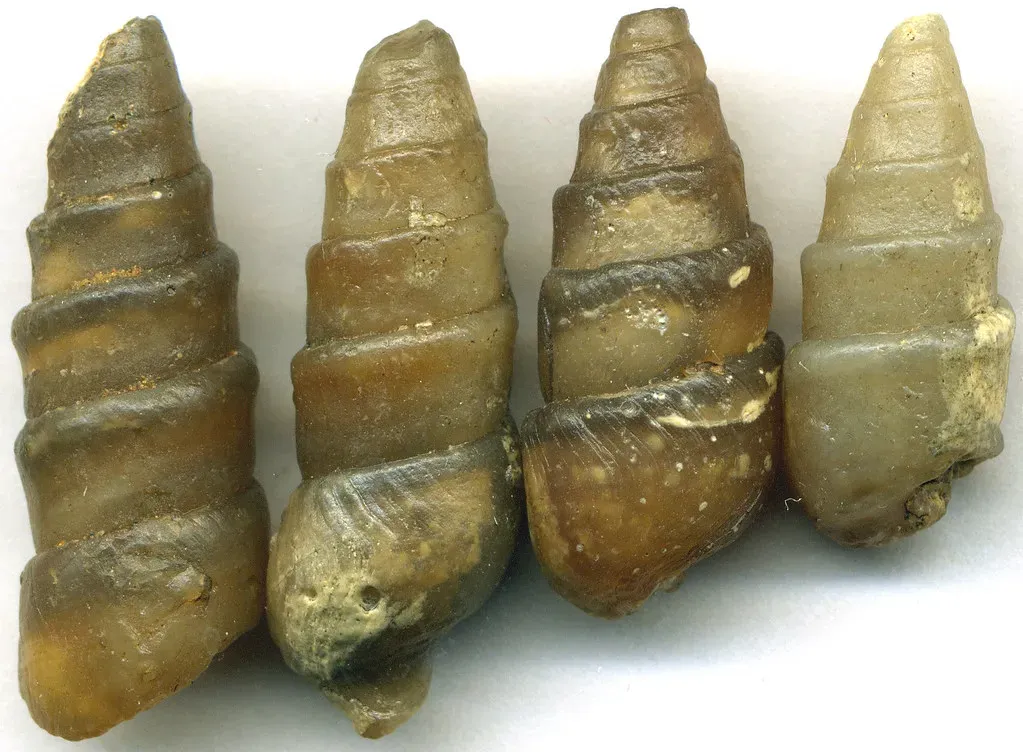
Here’s the thing about finding ancient fossils: it’s a miracle any survive at all. Billions of years have passed since Earth’s first life originated, with rocks containing signs of early life deformed and metamorphosed by heat, stress, and hydrothermal alteration, then subjected to billions of years of weathering processes like erosion, and there aren’t many suitable rocks left exposed to search in. Every ancient fossil represents a cosmic lottery win.
Finding any one biosignature marker is a good hint, but finding more than one together would strengthen the argument for genuine ancient life rather than geological mimicry. Sometimes folds in rock or other non-living features can look like stromatolites, and what might look like tiny cells could be sedimentary structures. This is why scientists approach these discoveries with healthy skepticism, demanding multiple lines of evidence before declaring victory. The hunt for life’s earliest traces requires equal parts persistence, expertise, and luck.
The Oxygen Revolution: Life’s Most Dangerous Gift
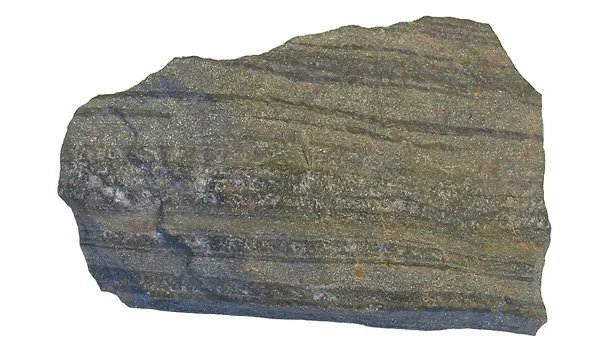
Oxygen – we depend on it for every breath, but it was once a deadly poison that nearly wiped out early life. Ferrous iron combined with oxygen and was precipitated as ferric iron in hematite, producing banded-iron formations, and this transfer of biologically produced oxygen from the atmosphere to sediments was beneficial to photosynthetic organisms because free oxygen was toxic to them, allowing early anaerobes to develop when oxygen-mediating enzymes had not yet evolved.
The irony is delicious: the very organisms producing oxygen as a waste product were poisoning themselves and their neighbors. The earliest photosynthetic processes, especially by early cyanobacteria, appeared in the mid-to-late Archean and led to a permanent chemical change in the ocean and atmosphere after the Archean. This “Great Oxygenation Event” was essentially Earth’s first pollution crisis, forcing life to adapt or die. Those that survived evolved sophisticated mechanisms to not just tolerate oxygen but harness its reactive power, setting the stage for the explosion of complex life forms that would follow. It’s one of history’s greatest plot twists: the deadliest crisis became life’s greatest opportunity.
Conclusion
The oldest fossils tell a story that feels almost impossible – microscopic organisms emerging from hellish conditions, surviving for billions of years, and fundamentally reshaping an entire planet’s chemistry. From bacteria preserved in ancient rocks to the chemical fingerprints left in mineral grains, from towering stromatolite colonies to deep-sea vents that may have birthed life itself, these ancient traces connect us to our most distant ancestors. They remind us that life, once started, is remarkably persistent, adaptable, and transformative.
What strikes me most is how these tiny organisms achieved something no complex life form has matched: they fundamentally altered Earth’s atmosphere, created the oxygen we depend on, and did it all without brains, tools, or consciousness. The next time you take a breath, remember you’re inhaling the legacy of bacteria that lived billions of years ago. Pretty humbling, isn’t it? What do you think – does it change how you see these microscopic pioneers knowing they made your existence possible?