Throughout human history, some of the world’s most impressive cultures built sprawling cities, developed sophisticated technologies, and created breathtaking works of art. Then, almost overnight, they disappeared into the shadows of time. You might think we’d have solid answers about where they went or what happened to them.
Yet the truth is often frustratingly vague. These lost civilizations left behind crumbling temples, abandoned cities, and haunting monuments, but very few clear explanations. Let’s be real, there’s something deeply unsettling about a thriving society just vanishing from the historical record.
The Indus Valley Civilization: A Sophisticated Society Lost to Time
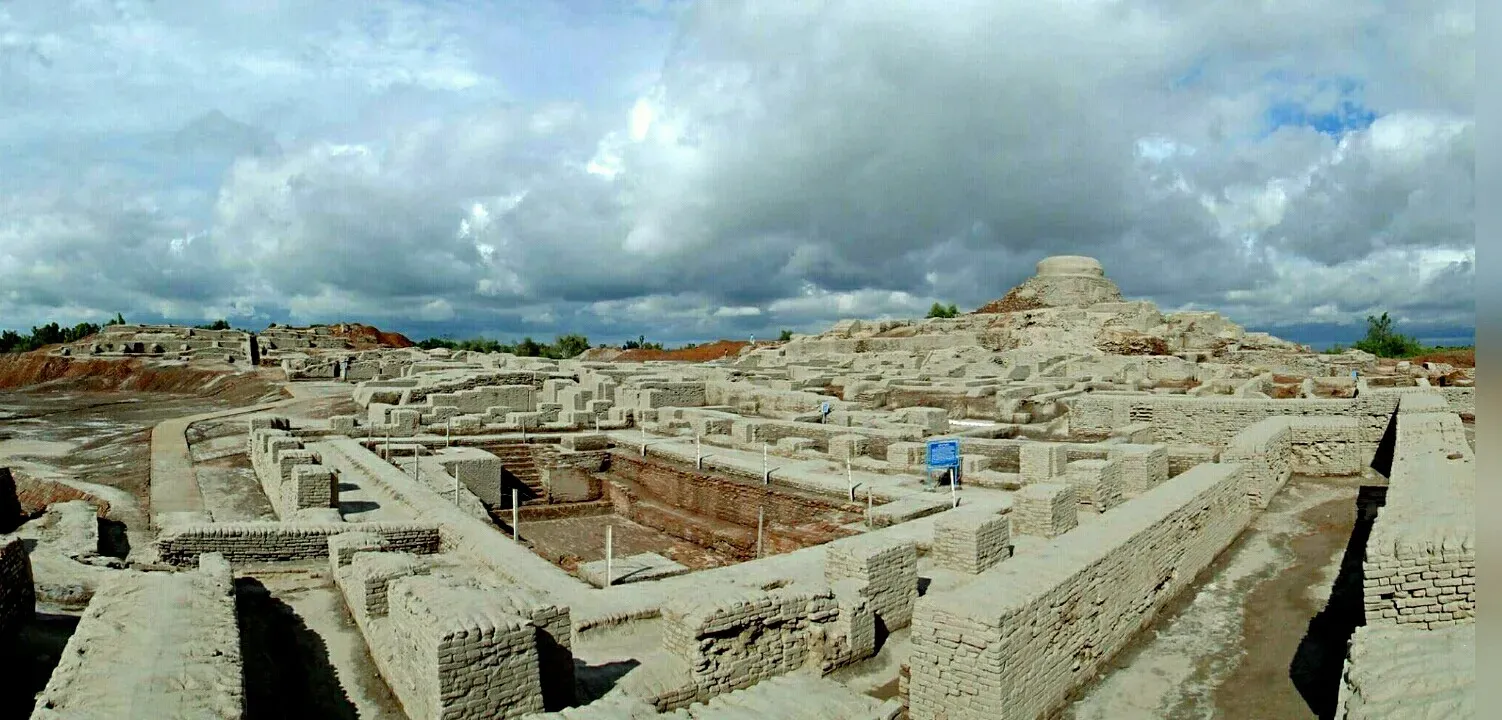
The Indus Valley Civilization flourished between 2600 and 1900 BCE in what is now Pakistan and northwest India. Picture a place where nearly five million people lived in cities more advanced than anything else at the time. With sophisticated city planning, advanced drainage systems, and a thriving trade network, it stood as a remarkable testament to early human ingenuity. These folks had sanitation systems that wouldn’t be matched until Roman times.
The great Indus Valley Civilization began to decline around 1800 BCE and eventually disappeared along with its two great cities, Mohenjo daro and Harappa. What’s mind blowing is that their writing system still hasn’t been cracked. Between roughly 2425 and 1400 B.C.E., the region suffered a series of droughts that each lasted more than 85 years, with one drought lasting about 164 years. When you can’t grow crops for over a century, people have to move or starve. The eastward shift of monsoons may have reduced the water supply, forcing the Harappans to migrate and establish smaller villages and isolated farms, and these small communities could not produce the agricultural surpluses needed to support cities.
The Minoans: Europe’s First Great Civilization Swallowed by Catastrophe
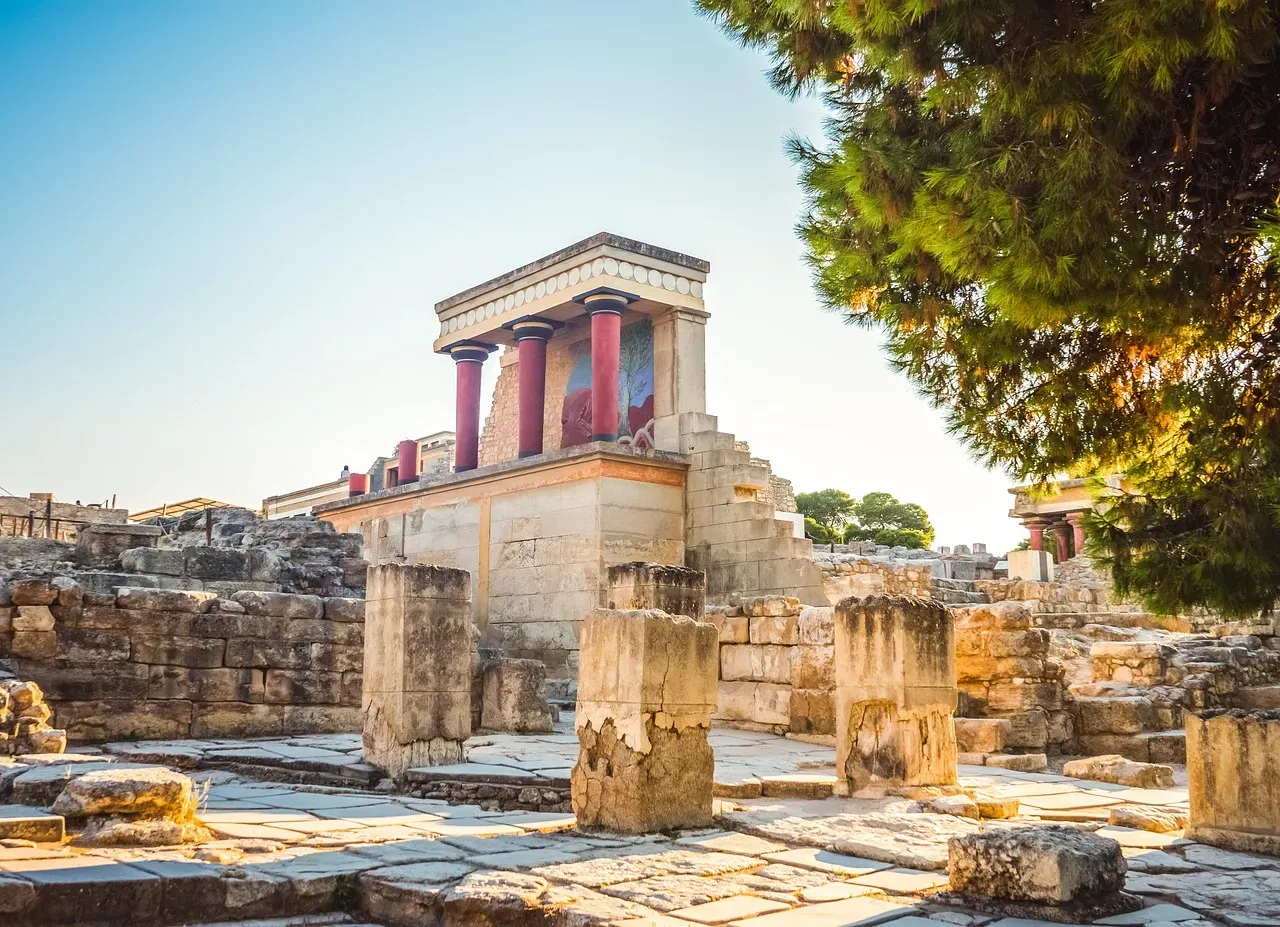
The Minoan civilization emerged in Crete and thrived from around 3000 BCE to 1450 BCE. These were the original trendsetters of the ancient Mediterranean world. The sophisticated inhabitants were the first Europeans to use a written language, known as Linear A, and the first to construct paved roads, and they were an advanced society of highly cultivated artisans and extremely skilled civic engineers. Their palaces were absolutely stunning, covered in vibrant frescoes showing dolphins, priestesses, and bull leapers.
Then something catastrophic happened. Around 1600 B.C., an eruption occurred on the volcano Thera and the Theran eruption was one of largest in human history – blasting more than 10 million tons of ash, gas, and rock 25 miles into the atmosphere. Here’s the thing though, Crete wasn’t immediately destroyed by the eruption itself. Archaeology shows that the destruction events on Crete in c. 1450 BCE did not happen suddenly, rather, they appear to be the climax of a long sequence of events going right back to the beginning of the Late Bronze Age. Their weapons were not Minoan – they resembled those used by the ancient Peloponnese Greeks. So the volcano weakened them, and then invaders finished the job.
The Ancestral Puebloans: Cliff Dwellers Who Abandoned Paradise
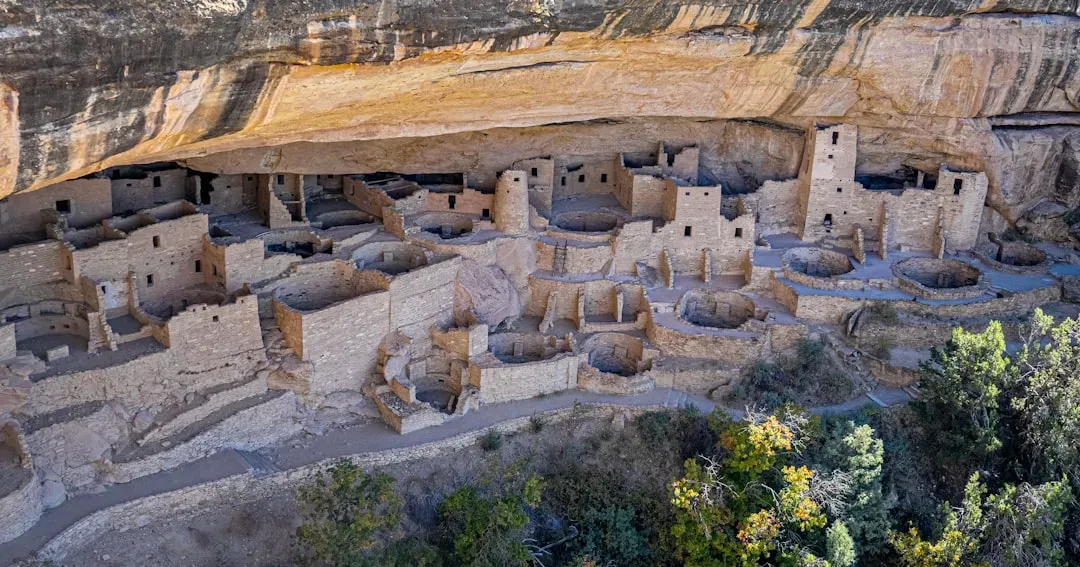
In the late 1200s, the Ancestral Puebloan people of what is today the Four Corners Region of the U.S. Southwest suddenly vanished, and for centuries, the culture had grown maize and built elaborate villages and sandstone castles. Visit Mesa Verde today and you’ll see the most extraordinary cliff dwellings imaginable, carved right into the rock face. Their architectural prowess extended to impressive cliff settlements built into caves, and both their pueblos and cliff dwellings could hold thousands of people.
Scientists think they know why the Ancestral Puebloans disappeared, as the primary culprit was a megadrought that would have made it impossible to grow enough food to feed the tens of thousands of people living in the region. Honestly, when you look at those cliff dwellings perched hundreds of feet up sheer rock walls, you realize these people were getting desperate. Environmental catastrophes may have given birth to violence and internecine warfare after 1250. Modern Puebloans say that the people migrated to areas in the southwest with more favorable rainfall and dependable streams and merged into the various Pueblo peoples whose descendants still live in Arizona and New Mexico. They didn’t vanish entirely, but their golden age certainly did.
The Olmecs: Mesoamerica’s Mother Culture Fades Into Mystery
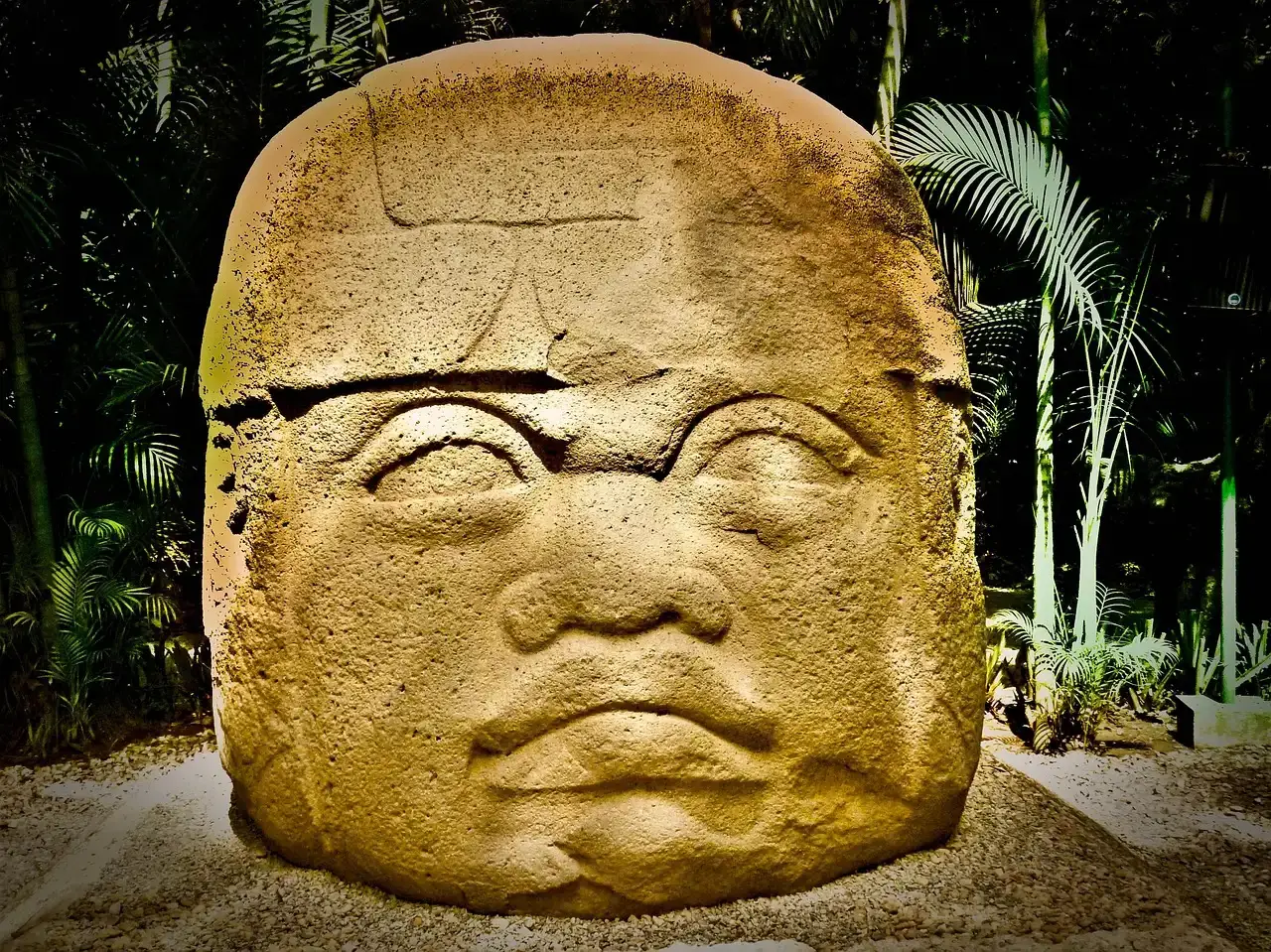
The Olmecs were absolutely the trendsetters of ancient Mexico. They are best known for their colossal head sculptures, some weighing up to 50 tons, which reflect their remarkable artistry and organizational skills, and these sculptures, along with their contributions to the development of writing, urban planning, and religious concepts, underscore the Olmecs’ significant influence on subsequent Mesoamerican cultures. Imagine hauling fifty ton rocks through jungle and swamp without the wheel.
Despite their achievements, the Olmec civilization mysteriously declined around 400 BC, and the reasons behind their disappearance remain speculative, with theories ranging from environmental changes, such as river silting and volcanic activity, to internal strife and warfare. Let’s be real, they were living in a geologically active area prone to earthquakes and volcanic eruptions. Archaeologists speculate that the depopulation was caused by environmental changes, specifically riverine environment changes that may have been triggered by the silting up of rivers due to agricultural practices, and volcanic eruptions during the Early, Late, and Terminal Formative periods would have blanketed the lands and forced the Olmec to move their settlements. By about 400 BC the major centres of the Olmec civilization had been abandoned, and the population of the eastern half of the Olmec heartland dropped precipitously, although the Olmec cultural style waned, elements of their tradition lived on in successor societies.
The Minoans Revisited: When Natural Disaster Meets Human Conflict

Wait, didn’t we already talk about the Minoans? Actually, their story deserves another look because recent research paints a more nuanced picture. Research has shown that a tsunami did indeed strike the northern coast of Crete, and this, according to the theory, must have significantly weakened, even crippled, the home of the Minoans, and the Mycenaeans then evidently took advantage of that, using it as an opportunity to invade and conquer the island of Crete.
Here’s where it gets interesting. Even if we were to put the eruption right at the end of the 16th century BCE, that would still leave about 50 years between that event and the apparent Mycenaean invasion of Crete, and critics point out that this would be akin to saying that a natural disaster in 1950 could have led to the downfall of a nation in 2000. So maybe the volcano didn’t directly cause the collapse. Maybe it just started a chain reaction of economic problems, crop failures, and social unrest that lasted decades. The collapse of the Minoan civilization was likely due to a combination of factors, including climate change, natural disasters, and social dynamics. Sometimes civilizations die not with a bang but with a prolonged, agonizing whimper.
Final Thoughts
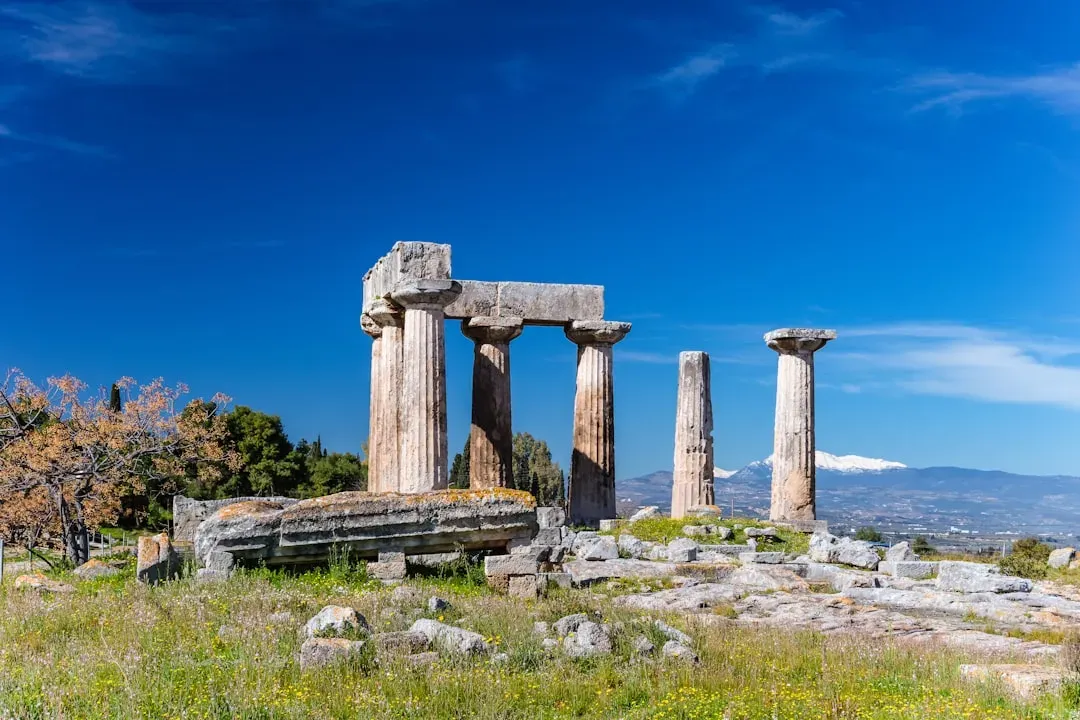
The mystery of these vanished civilizations reminds us how fragile even the mightiest societies can be. Climate shifts, natural disasters, wars, resource depletion, all it takes is the wrong combination of stresses hitting at the wrong time. What’s humbling is that these people were every bit as smart and capable as we are today, yet they couldn’t save their worlds from collapse.
Perhaps the real lesson here isn’t just about what destroyed these ancient cultures, but what we can learn from their mistakes. Did you expect that so many great civilizations could simply fade away? What do you think it would take for a modern society to vanish just as completely?