Have you ever wondered what it really took for those colossal creatures to roam the earth? It goes far beyond teeth and claws. Dinosaurs were marvels of biological engineering, with internal systems so specialized they make our own bodies look almost simplistic.
From hearts that pumped blood to staggering heights to respiratory systems more efficient than anything alive today, these prehistoric giants were built differently. Each physiological innovation wasn’t just a quirk of evolution. It was a necessity for survival in a world we can barely imagine. So let’s get started and uncover what made dinosaurs the most successful land animals for over 150 million years.
Their Respiratory Systems Outperformed Modern Mammals
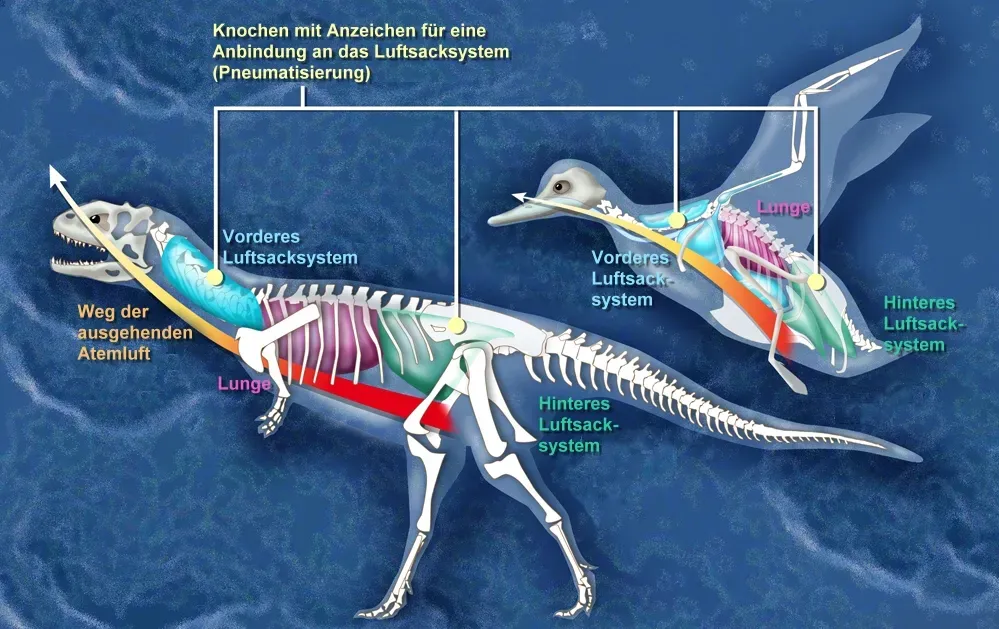
Think about how you breathe in and out, filling and emptying your lungs. Dinosaurs such as Tyrannosaurus and Apatosaurus had something radically different: a network of air sacs growing from their lungs directly into their bones, making them lighter while maintaining strength and allowing for more efficient breathing. Unlike humans and other mammals whose lungs expand and deflate, these dinosaurs likely had rigid lungs while special air sacs alongside them pumped air through, enabling oxygen to diffuse continuously into the bloodstream.
Dinosaurs breathed using partitioned lungs, and in some species these were fully split into a gas-exchanging lung and ventilatory air sacs, with evidence coming from pneumatic features preserved in bones. These superlungs likely helped explain why dinosaurs dominated despite the atmosphere containing only roughly half to three quarters the oxygen levels we have today. Let’s be real, this adaptation was revolutionary. It gave them an edge that few other land animals could match.
Blood Pressure Reached Astonishing Heights in Sauropods
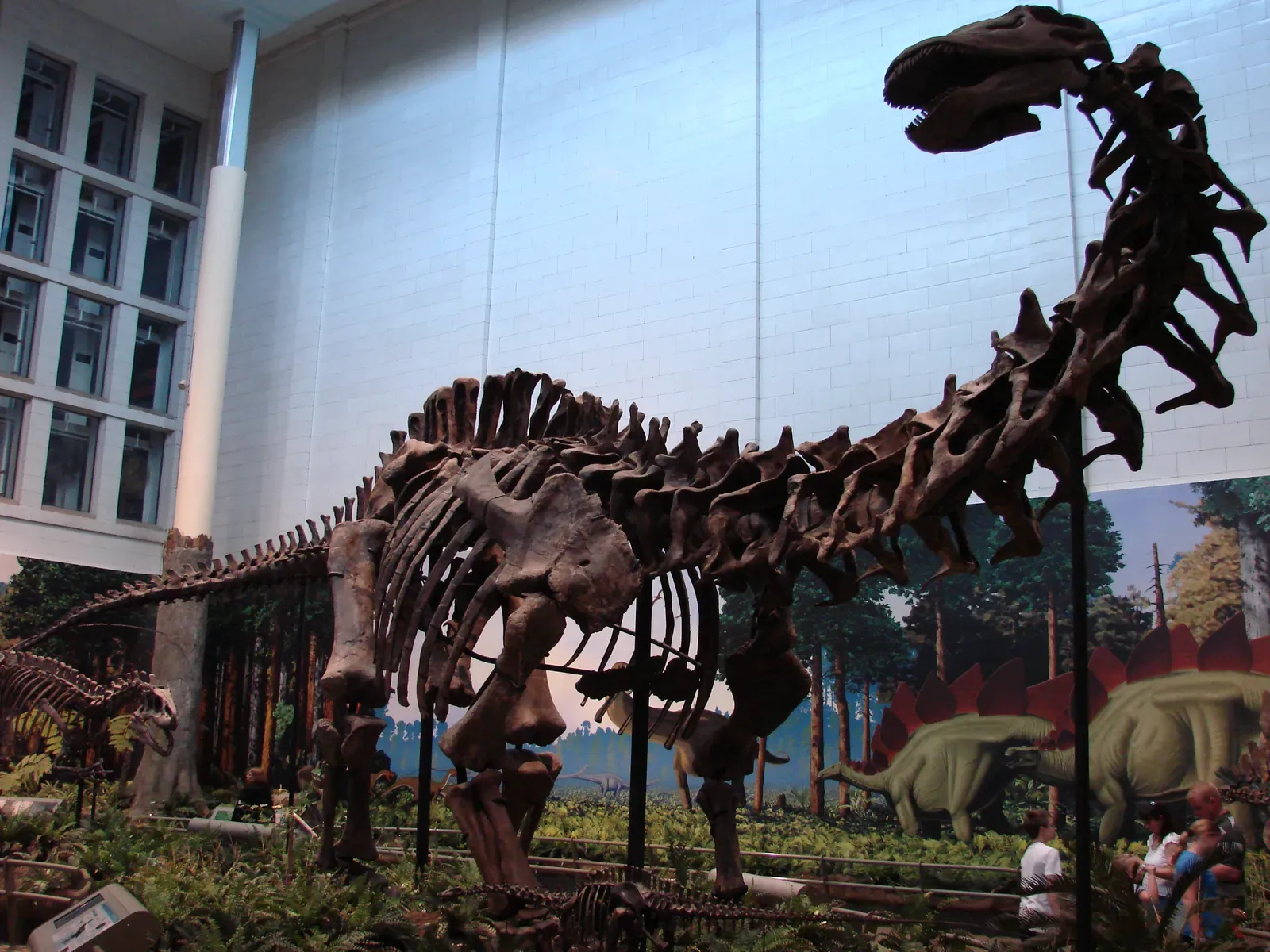
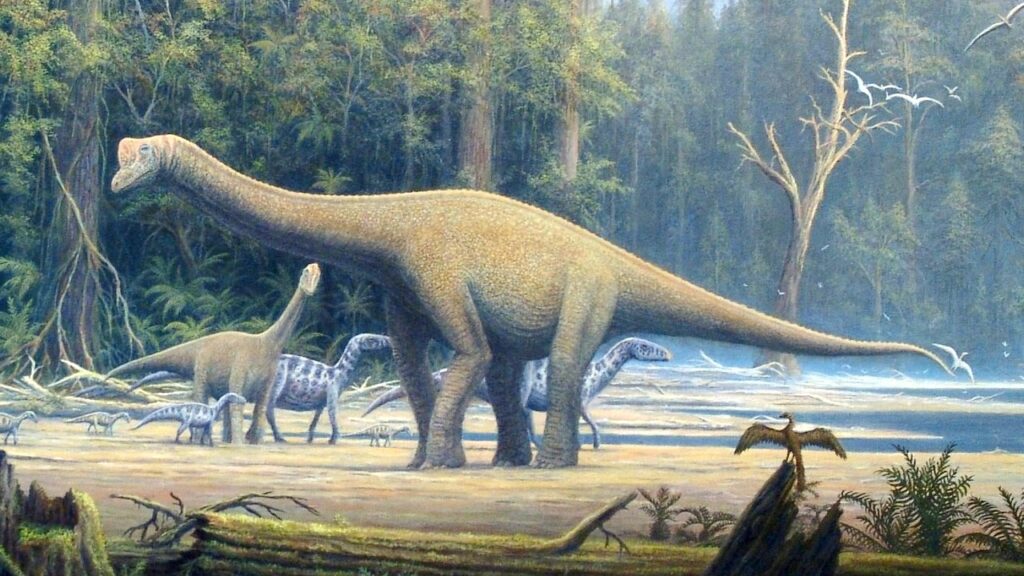
Upright neck postures in sauropod dinosaurs required systemic arterial blood pressures reaching roughly 700 millimeters of mercury at the heart, and recent data suggest their left ventricles would have weighed considerably more than those of similarly sized whales. To put that in perspective, your blood pressure is probably somewhere around 100 to 150. Large sauropods needed pumping blood pressure well over 600 millimeters of mercury, while most mammals have systolic pressure between roughly 100 to 150.
How did they manage that without their hearts exploding? Skeletal stature and nutrient foramen size in fossil femora provide direct evidence of a high arterial blood pressure, a large four-chambered heart, a high aerobic metabolic rate, and intense locomotion. These creatures needed massive, powerful hearts just to function. Pumping a vertical column of blood roughly 8 meters above the heart would likely require an arterial blood pressure exceeding 600 millimeters of mercury, though evidence suggests giant sauropods were probably warm-blooded and metabolically active when young but slowed their metabolism as they approached adult size, diminishing the load on the circulatory system.
Warm-Blooded and Cold-Blooded Species Coexisted
Here’s where things get fascinating. By analyzing species from various dinosaur groups, researchers traced the evolution of warm-blooded and cold-blooded metabolisms through time and found that dinosaurs descended from an ancestor likely warm-blooded, but didn’t all stay that way. In the Triassic period, dinosaurs split into two major groups: the saurischians and ornithischians, with evidence suggesting saurischians including meat-eating theropods like Tyrannosaurus and Allosaurus were warm-blooded creatures like their ancestors, while birds descended from this lineage retained a warm-blooded metabolism, whereas ornithischians including Triceratops and duck-billed Hadrosaurus lost their fast metabolism over time and became cold-blooded species.
The lizard-hipped dinosaurs including theropods and sauropods were warm or even hot-blooded, with some having metabolic rates comparable to modern birds, much higher than mammals. This variability tells us dinosaurs weren’t a one-size-fits-all category. Each group adapted metabolically to its specific ecological niche and lifestyle demands.
Growth Rates Were Extraordinarily Rapid
Dinosaurs deposited fibro-lamellar tissue all through growth to adult size, whereas other reptiles switched very soon to lamellar-zonal bone, suggesting dinosaurs sustained more rapid growth until the adult stage because there would be no other explanation for the persistence and predominance of this tissue type. Scientists plotted animals’ mass against time to derive growth curves and found that all dinosaurs grew faster than all living reptiles, many grew at rates comparable to those of living marsupials, and the largest dinosaurs grew at rates comparable to rapid-growing mammals.
Detailed bone studies show these dinosaurs matured quickly with bird or mammal-like metabolism. The oldest sauropods were already very large and showed the same long-bone histology, laminar fibro-lamellar bone lacking growth marks, as well-known Jurassic sauropods, which is unequivocal evidence for very fast growth. It’s honestly mind-blowing that creatures reaching many tons could achieve such size in just decades, not centuries. This rapid growth was another key to their dominance.
Four-Chambered Hearts Were Essential
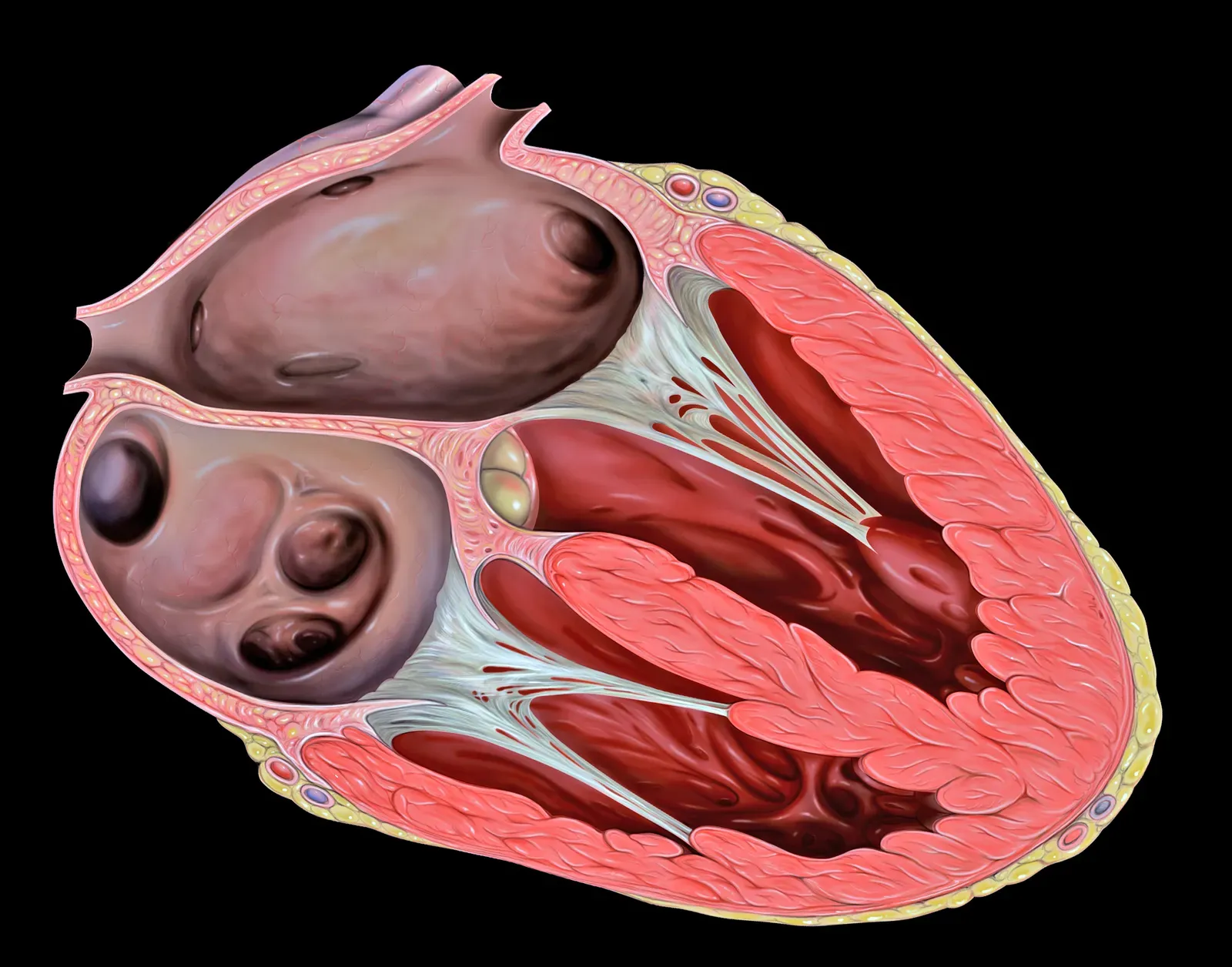
It was pointed out that because of their height, many dinosaurs had minimum blood pressures within the endothermic range, and they must have had four-chambered hearts to separate the high pressure circuit to the body from the low pressure circuit to the lungs. Circulatory considerations leave little doubt that the dinosaurs had four-chambered hearts. Think about it: vertebrate lungs can only tolerate fairly low blood pressure, yet these animals needed incredibly high pressure to pump blood up those towering necks.
Unlike crocodilians where the left aorta originates from the right ventricle to facilitate shunting, dinosaurs likely exhibited a shift toward mammalian or avian-like routing with a dominant left systemic arch arising from the left ventricle to withstand high pressures required for large body sizes and active lifestyles, minimizing mixing of blood streams and enhancing oxygen delivery efficiency. This separation was non-negotiable. Without it, dinosaurs simply couldn’t have existed at the scale they did.
Bone Structure Revealed Metabolic Secrets
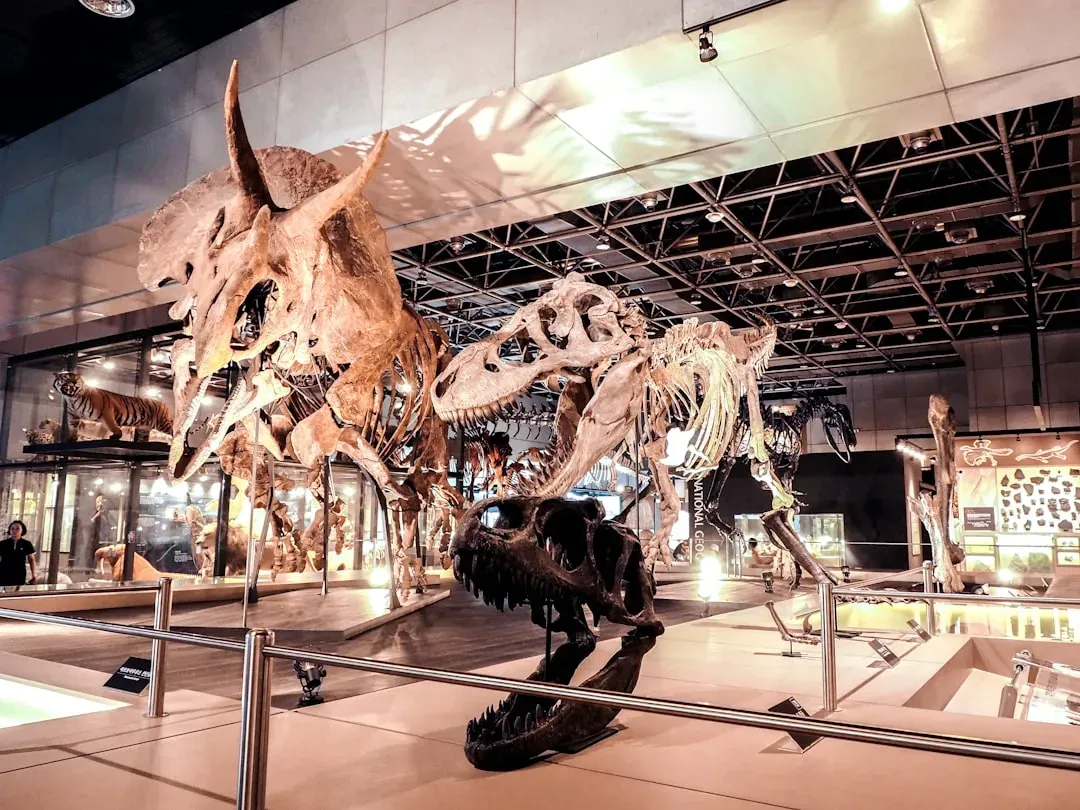
The most direct evidence of dinosaurian physiology comes from bones themselves, particularly regarding how they grew, as the long bones of most dinosaurs are composed almost exclusively of a well-vascularized type of bone matrix called fibro-lamellar also found in most mammals and large birds, which always indicates rapid growth and is very different from the more compact, poorly vascularized, parallel-fibred bone found in crocodiles and other reptiles, suggesting well-vascularized, rapidly growing bone can be sustained only by high metabolic rates that bring a continual source of nutrients and minerals to the growing tissues.
Analysis of tiny holes called nutrient foramina in fossil leg bones provides a gauge for blood flow rate and hence metabolic rate, as the nutrient artery is the major blood vessel passing through to the interior of the bone where it branches into tiny vessels of the Haversian canal system responsible for replacing old bone with new bone, with mammalian blood flow index measuring roughly ten times greater than in ectothermic reptiles, while ten species of fossil dinosaurs from five taxonomic groups reveal indices even higher than in mammals when body size is accounted for. The bones don’t lie.
Air Sac Systems Evolved Independently Multiple Times
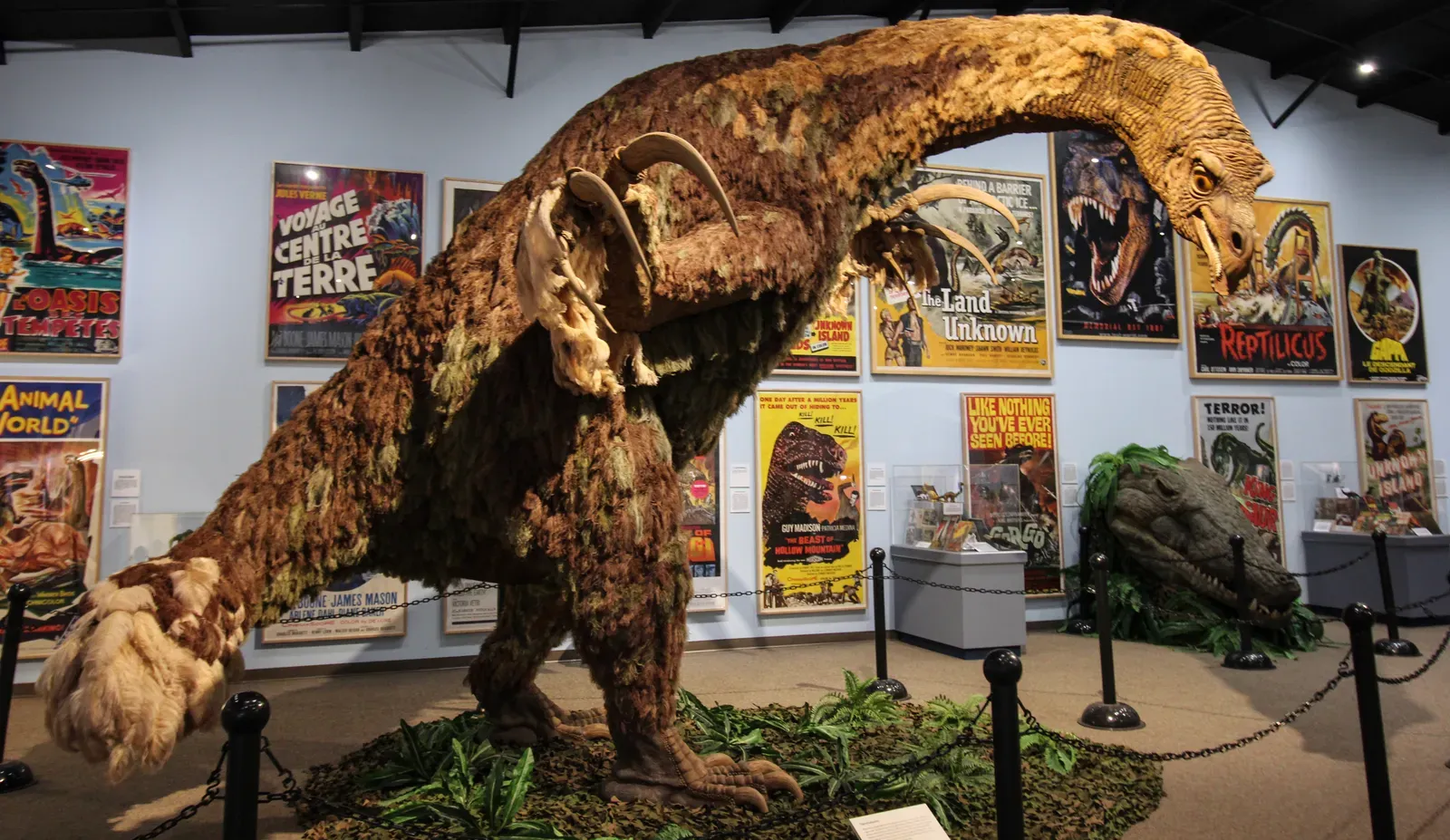
Evidence of the absence of postcranial skeletal pneumaticity in the oldest dinosaurs contradicts the homology hypothesis for an invasive diverticula system and suggests that this trait evolved independently at least three times in pterosaurs, theropods, and sauropodomorphs. Rather than evolving air sac systems more than 235 million years ago in the last common ancestor of dinosaurs and pterosaurs, different lineages each developed these systems independently, indicating air sacs invaded the bone multiple times as the reptiles became larger and more diverse, with new fossils showing more cases of convergent evolution.
This repeated evolution tells us something crucial. Animals with air sacs have a tremendous advantage compared to mammals, and many of dinosaurs’ unique features were made possible by these systems. Nature found this solution again and again because it worked spectacularly well for large, active animals.
Body Temperature Could Be Estimated Within a Few Degrees

Dinosaur palaeontology now has the capacity to estimate body temperature within a few degrees, but these estimates remain limited to single points in time such as bone, enamel or eggshell deposition, and these approaches do not capture the complexity of the thermophysiological processes at work. Core body temperature measurements of 31 degrees Celsius have been recorded for both extant ectotherms and endotherms and require knowledge of the ambient environmental temperature for metabolic interpretation.
So while scientists can get snapshots, the full picture remains elusive. It’s hard to say for sure, but what we do know suggests an incredible diversity of thermoregulatory strategies. Dinosaurs with lower metabolic rates would have been to some extent dependent on external temperatures, and ornithischian or bird-hipped dinosaurs with exceptionally low metabolic rates may have needed similar behavioral thermoregulation to how lizards and turtles sit in the sun and bask. Not all dinosaurs handled heat the same way, which makes sense given their extraordinary diversity.
Body Mass Ranged From Tiny to Absolutely Gigantic
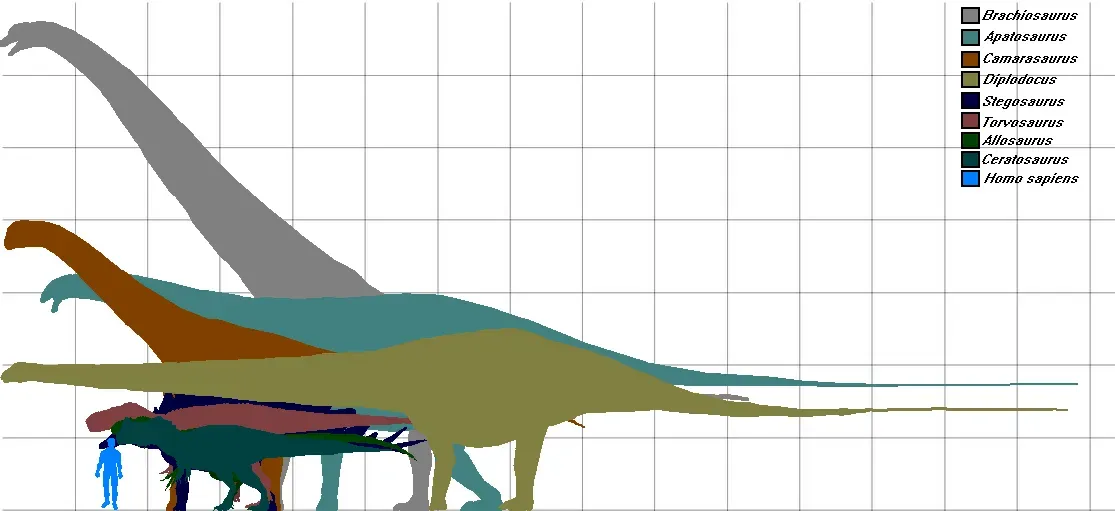
Body masses estimated range from less than 200 grams in the tiny avialan Yixianornis to over 60 tonnes in the giant sauropod Patagotitan, which is currently the largest dinosaur known from mostly complete skeletal remains. That’s a range that defies imagination. Diversity in the body shapes and sizes of dinosaurs was foundational to their widespread success during the Mesozoic era, and the ability to quantify body size and form reliably is critical to the study of dinosaur biology and evolution.
The mechanics of being that large required every physiological system we’ve discussed. The air sacs, the massive hearts, the rapid growth, the specialized bone structure. It all came together to allow creatures weighing as much as jetliners to walk the earth. No other land animals before or since have managed that feat.
Metabolic Rates Shaped Entire Ecosystems
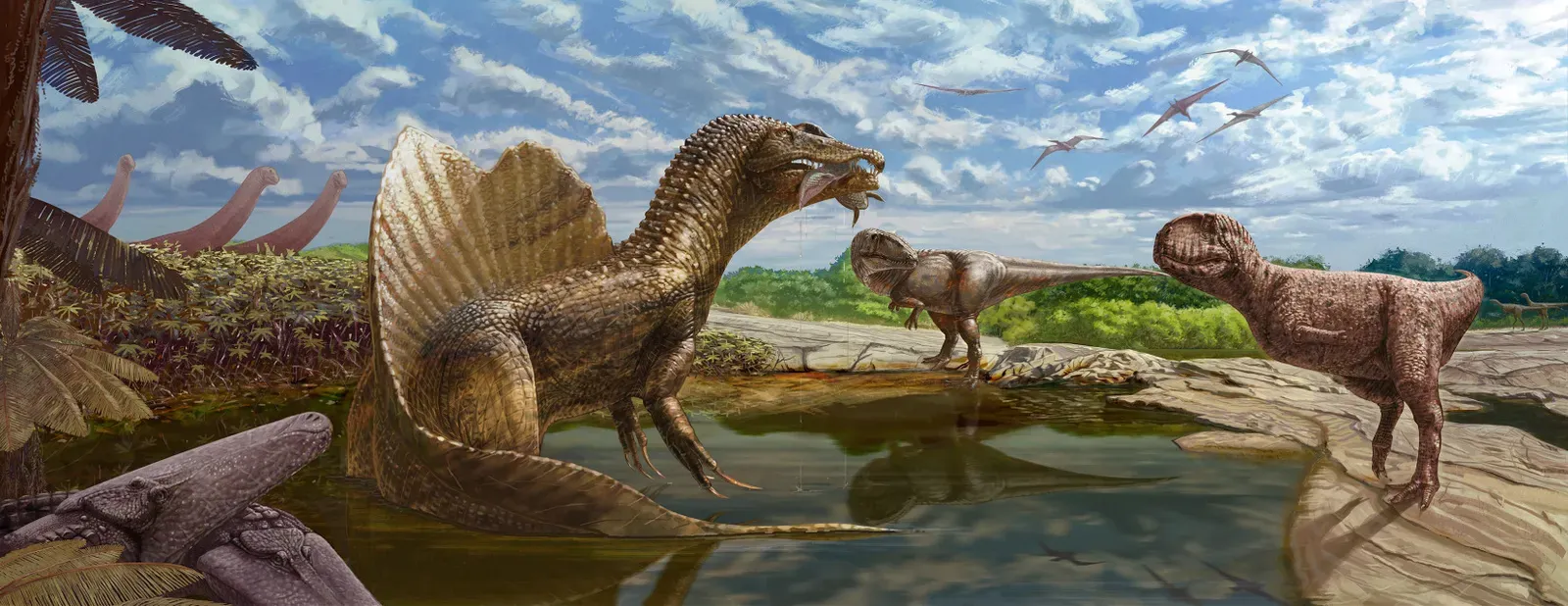
In the Late Jurassic Morrison Formation, reconstructed ratios reach up to roughly one tenth predator biomass relative to prey, exceeding typical modern endotherm ecosystems but falling short of ectothermic communities, suggesting this elevated carnivore biomass meant higher energetic demands than expected for pure ectotherms, implying dinosaurs sustained metabolically active lifestyles that required substantial prey resources. The metabolism of these animals didn’t just affect them individually. It shaped the entire structure of prehistoric life.
Resting and maximum metabolic rates of neonates of Maiasaura are interpreted as consistent with a physiology more similar to those of extant fast-growing endotherms than those of extant reptiles. Dinosaurs are among the fastest growing taxa alongside crocodylomorphs, archosauriformes, and large-bodied pseudosuchians, and these dinosaurs grew at least as quickly but more continuously than sauropodomorph and theropod dinosaurs of the later Mesozoic, suggesting that while elevated growth rates were ancestral for Dinosauria and likely played a significant role in their ascent within Mesozoic ecosystems, they did not set them apart from their contemporaries initially. Over time, however, dinosaurs refined these systems into something truly extraordinary.
Conclusion
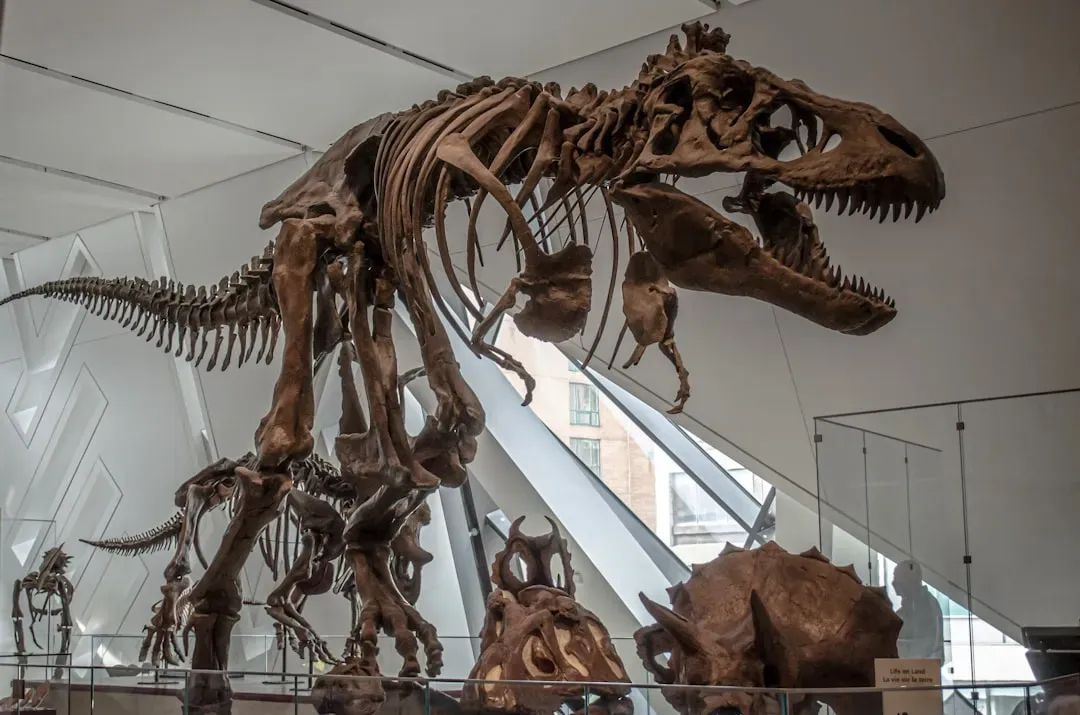
Dinosaur physiology wasn’t just about surviving. It was about thriving in ways that pushed the boundaries of what vertebrate bodies could do. From respiratory efficiency that modern mammals can’t match to cardiovascular systems capable of pumping blood up necks taller than giraffes, every adaptation served a purpose.
These weren’t sluggish, dim-witted lizards. They were metabolic powerhouses, some burning energy like modern birds, others conserving it strategically. Their bones grew at astonishing speeds, their hearts worked overtime, and their lungs processed air with remarkable efficiency. Understanding these physiological marvels helps us appreciate why dinosaurs dominated terrestrial ecosystems for such an incredibly long time. What do you think about the sheer complexity of these ancient animals? It’s almost humbling to realize what evolution can accomplish given enough time.