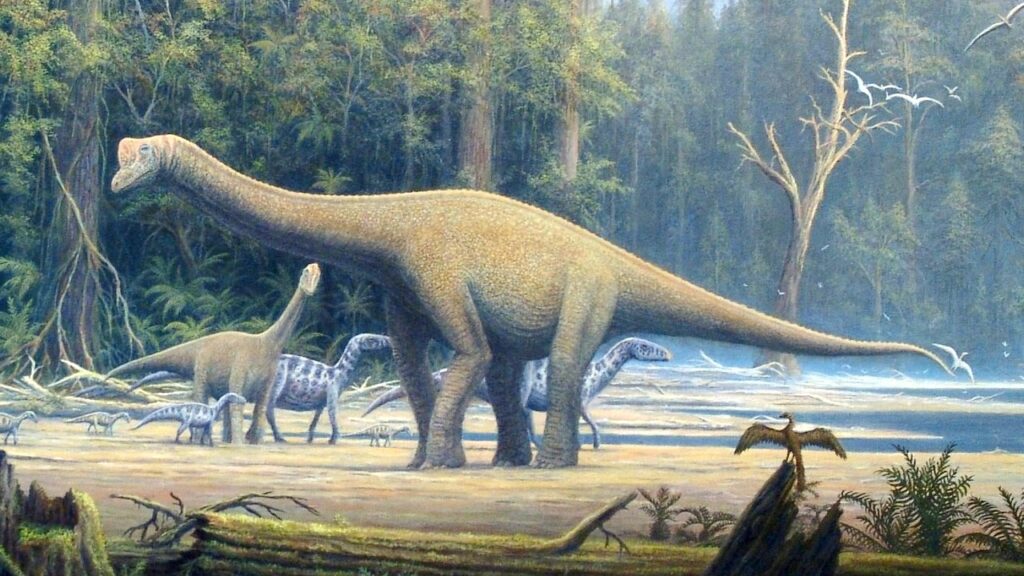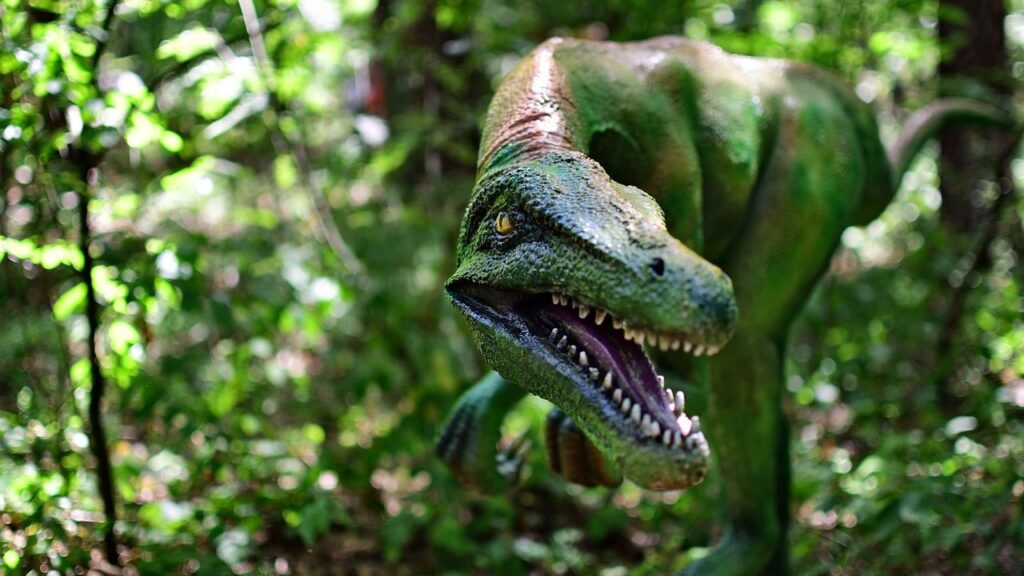
When you imagine prehistoric life, your mind probably jumps to towering dinosaurs, ferocious predators, and creatures that seem almost alien. These ancient beings weren’t just lucky to survive in a world of constant change. They were armed with remarkable innovations that helped them thrive for millions upon millions of years. Let’s be real, the story of life on Earth is one of brilliant adaptation, not just brute force.
The planet they inhabited was nothing like the world you know today. Climates shifted from scorching heat to icy cold. Seas rose and fell. Continents drifted apart. Yet through it all, life found a way. The adaptations that emerged during these prehistoric eras weren’t just interesting quirks. They were survival tools, finely honed by the relentless pressure of natural selection.
Protective Shells and Exoskeletons: Nature’s First Armor
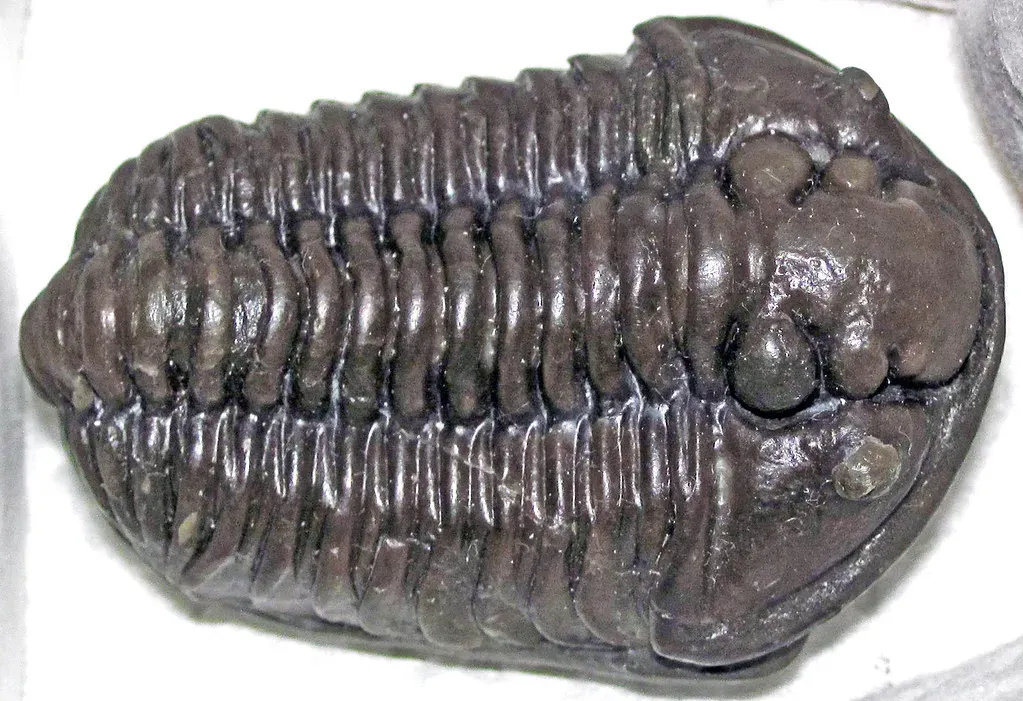
Think about stepping into the ancient Cambrian seas roughly half a billion years ago. You’d witness an explosion of life unlike anything that came before. Protective shells and exoskeletons evolved during this period, fundamentally changing the game for countless organisms. Before this innovation, most creatures were soft and vulnerable, easy pickings for any predator that happened by.
What made trilobites so apparently abundant was their heavy armor reinforced by calcium carbonate, which fossilized far more easily than the fragile chitinous exoskeletons of other arthropods. These hard outer coverings didn’t just offer protection from hungry mouths. They provided structural support, allowing creatures to grow larger and more complex. Honestly, it’s hard to overstate how revolutionary this adaptation was for the trajectory of animal life.
Jaws: The Ultimate Predatory Innovation
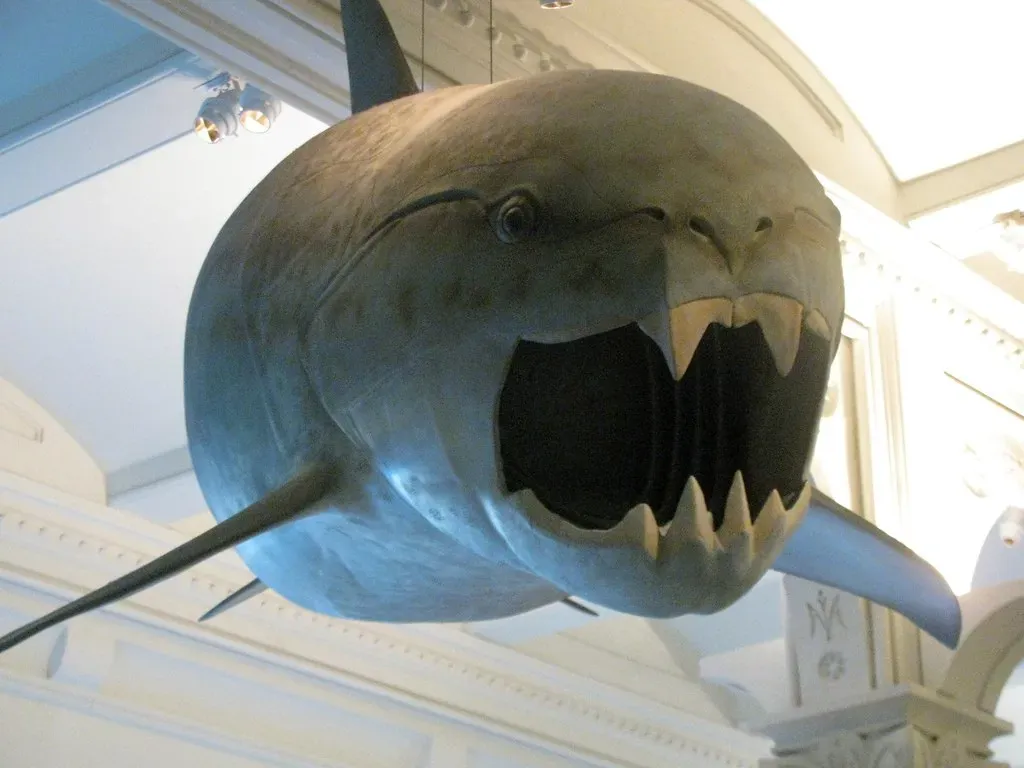
Fishes, especially jawed fish, reached substantial diversity during the Devonian, while jawless armored fish declined in diversity as the jawed fish simultaneously increased. Jaws weren’t just another body part. They were a transformative tool that opened up entirely new ways of living. With jaws, creatures could bite, tear, chew, and process food in ways their jawless ancestors never imagined.
Paleontologists have measured fossils of Dunkleosteus at 26 feet in length with a skull of 4 feet across, and this animal did not have teeth but sharp bone on the top surface of the jaws made it a fearsome predator. The evolution of jaws fundamentally altered marine ecosystems. Suddenly, predators became more efficient, and prey needed better defenses. This arms race drove further adaptations across the board.
Vascular Systems in Plants: Reaching for the Sky

While animals were adapting in the seas, plants faced their own monumental challenge: conquering the land. The evolution of a system to transport water and food through stems, the so-called vascular system, became necessary for survival. Without this internal plumbing, plants were stuck being tiny, ground-hugging organisms that could barely lift themselves off the soil.
By the middle of the Devonian, several groups of vascular plants had evolved leaves and true roots, and by the end of the period the first seed-bearing plants appeared. This wasn’t just about getting taller. Roots allowed plants to anchor themselves and tap into deeper water sources. Seeds provided a way to spread offspring far and wide. The development of roots, seeds, leaves, and woody tissues provided the means for species diversification, growth into large trees, and finally the development of the first forests. Imagine being one of the first insects to witness forests rising where only low vegetation had existed before.
Amniotic Eggs: Freedom from Water
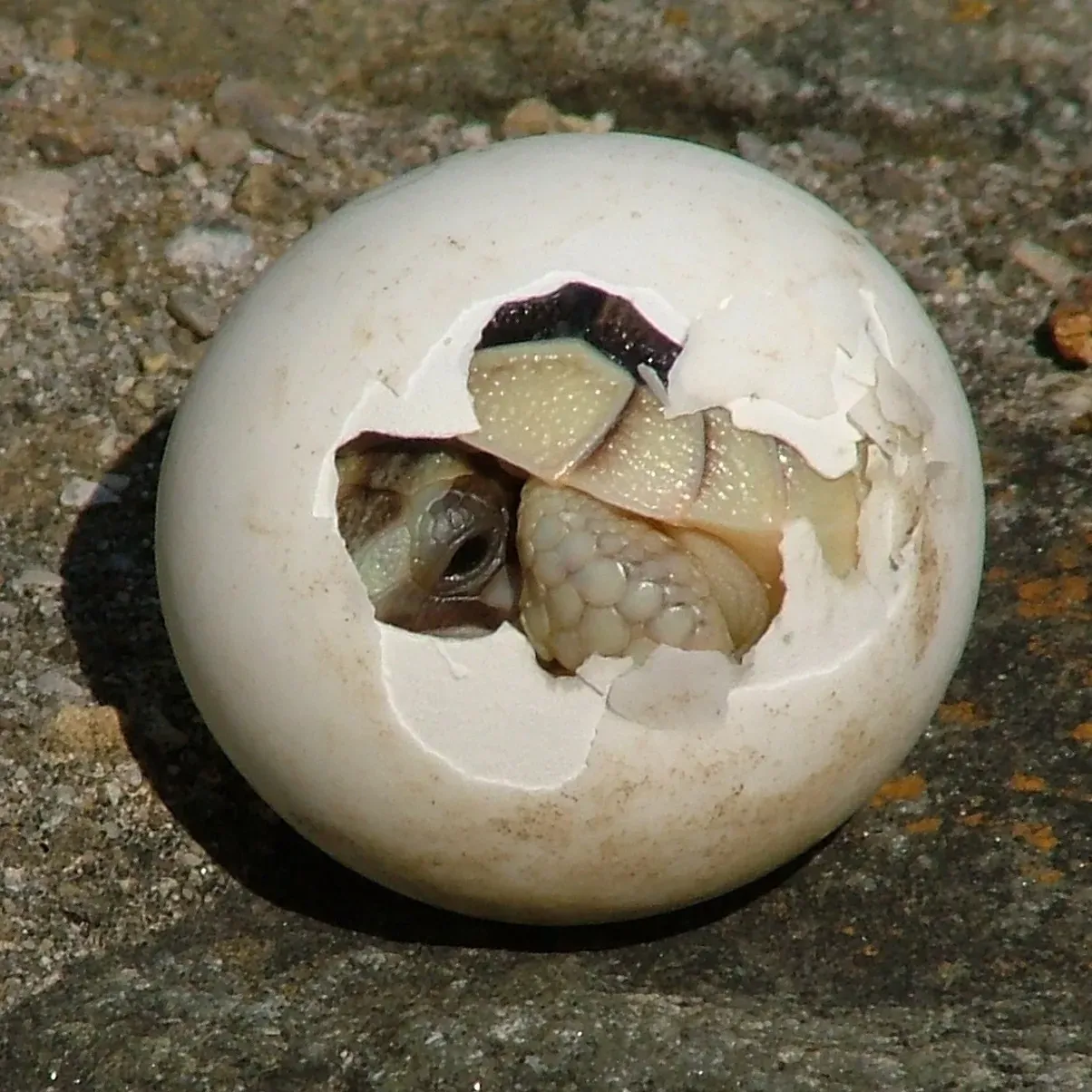
For the longest time, even land animals were chained to water. Amphibians had to return to ponds and streams to lay their eggs, limiting where they could live and thrive. Then came one of the most liberating adaptations in vertebrate history. Early relatives of the amniotes possessed waterproof skin and egg membranes that enable them to live and breed far from water.
The amniotic egg was like a portable pond, complete with its own water supply and protective membranes. This innovation freed reptiles to explore vast inland territories that amphibians couldn’t reach. They could lay eggs in deserts, on mountaintops, anywhere really. It’s hard to say for sure, but this single adaptation probably did more to enable the age of reptiles than any other factor.
Feathers: From Warmth to Flight
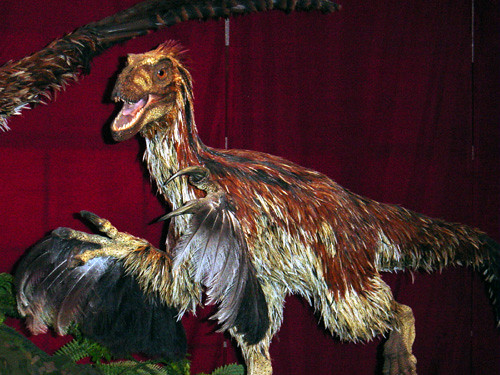
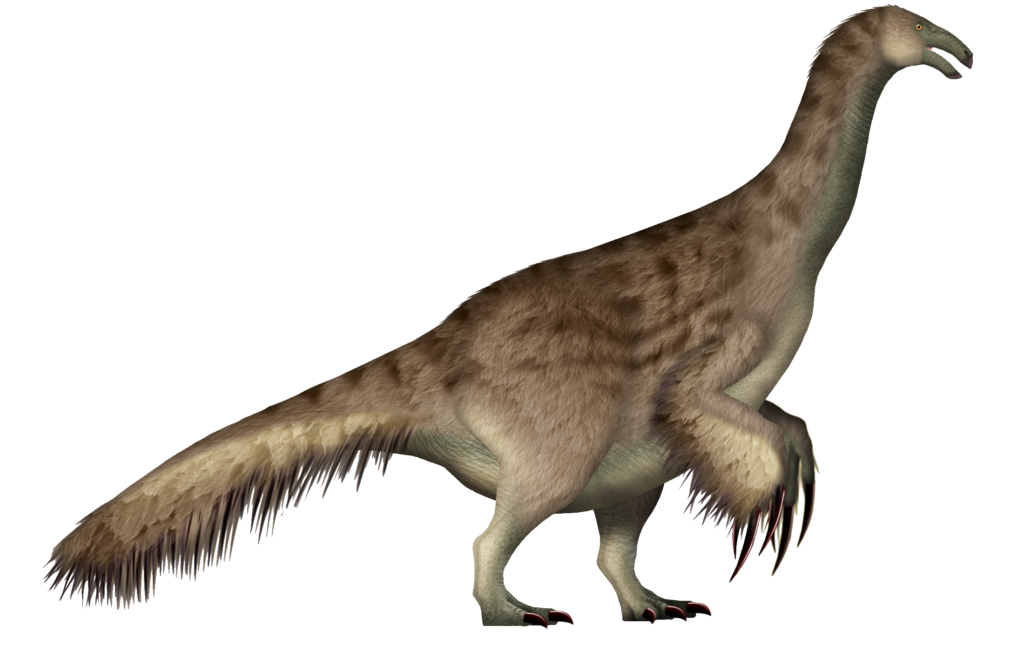
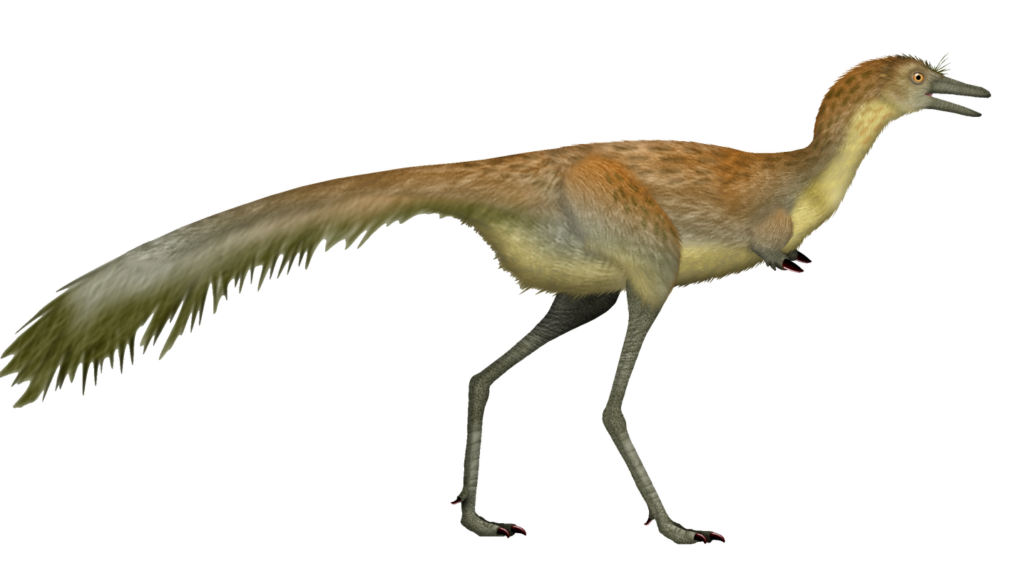
Feathers are one of those adaptations that seem almost too perfect. They likely started as simple insulation, helping dinosaurs regulate their body temperature in changing climates. Over time, these structures became more elaborate, branching into complex forms. Eventually, some lineages discovered that feathers could do something remarkable: they could enable flight.
Many species of avians can build burrows or nest in tree holes or termite nests, all of which provided shelter from environmental effects at the K-Pg boundary. The versatility of feathers cannot be understated. They offered warmth, display for attracting mates, and ultimately the gift of powered flight. Birds are living dinosaurs that survived the mass extinction event 65 million years ago, and their feathers played a crucial role in that survival story.
Efficient Respiratory Systems: Breathing for Success
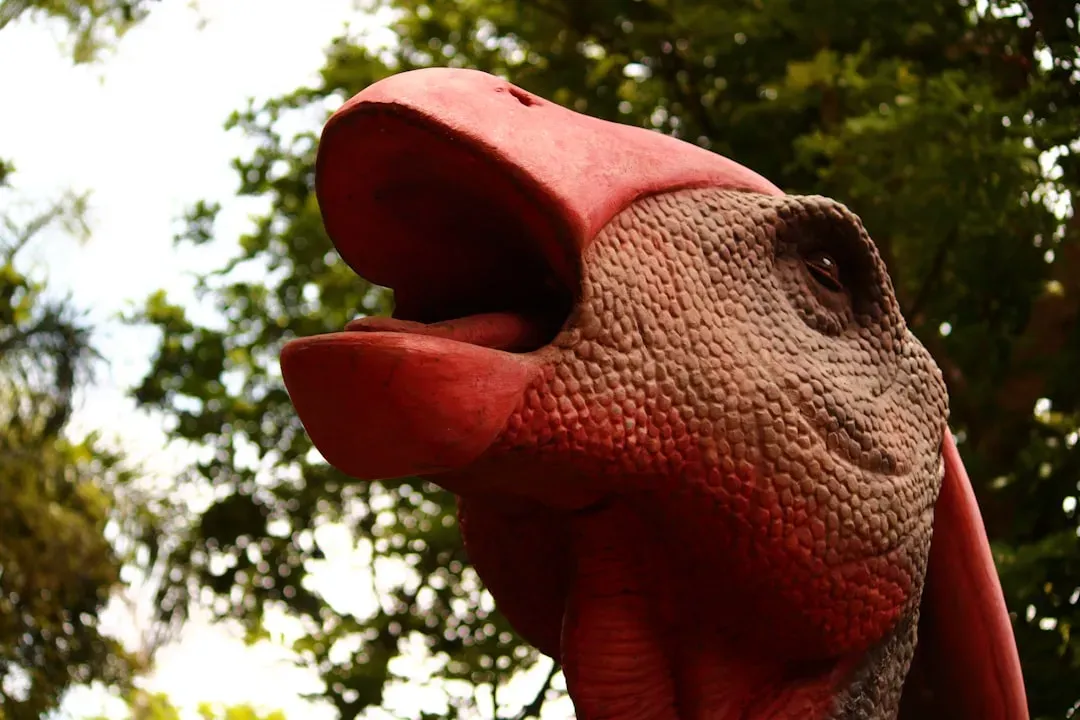
The way Triassic reptiles breathed may have given them an advantage, as the ancestors of mammals had lungs that moved during inhalation and exhalation. Archosaurs, the group that includes dinosaurs and crocodiles, developed a more efficient respiratory system than their mammalian competitors. This wasn’t just about getting more oxygen. It was about thriving in environments where oxygen levels fluctuated.
The reptiles were better suited to withstand the atmospheric changes that played out for millions of years after the extinction event, as drops in oxygen levels would have put protomammals at a disadvantage. Think about it this way: when the air itself becomes hostile, the creatures who can extract every last bit of oxygen from each breath have a distinct edge. This adaptation helped reptiles dominate terrestrial ecosystems for over a hundred million years.
Beaks: Versatile Tools for a Changing World
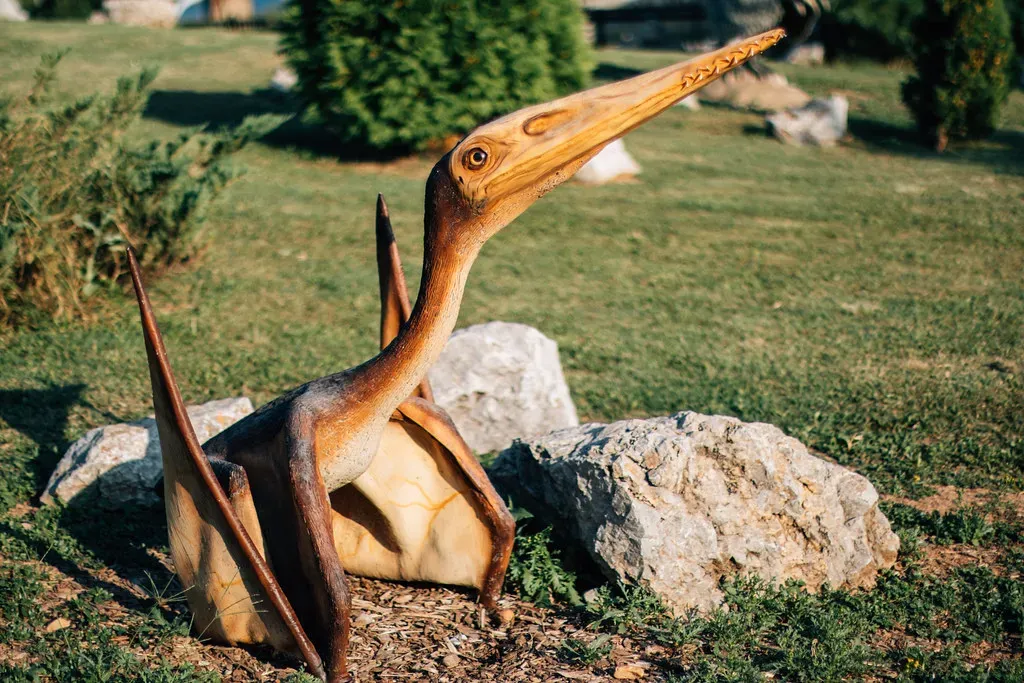
Teeth are great, right? They’re sharp, they can tear flesh, they seem indispensable. Yet some bird lineages lost their teeth entirely, replacing them with beaks. Paleontologists have noticed that some dinosaur groups evolved beaks and lost teeth as they became more herbivorous, and while the earliest birds had teeth, some bird lineages started to specialize on fruit, seeds, and other plant foods, evolving beaks to pluck and pick.
By the end of the Cretaceous, beaked birds were already eating a much more varied diet than their toothed relatives, as these birds weren’t specialized on insects or other animal food and were able to pluck up hard food items like seeds and nuts. When the asteroid struck and forests burned, the birds with beaks could subsist on seeds that survived underground. Their toothed cousins, specialized on insects and meat, weren’t so fortunate. Sometimes, versatility beats specialization.
Small Body Size and Burrowing: Surviving the Apocalypse
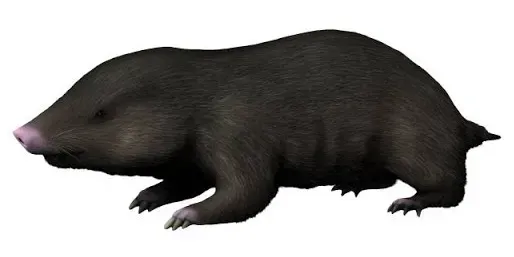
Size isn’t everything. In fact, when catastrophe strikes, being small might save your life. All creatures weighing less than 100 grams would have starved to death if postimpact darkness lasted between 3 and 6 months, unless the organisms were adapted to scavenge for a living or typically became dormant in cold harsh conditions, and many ancestors of today’s mammals are presumed to have survived the mass extinction because they lived in burrows.
Small mammals could hide underground, escaping the worst of the heat and cold. They needed less food to survive the lean times when plants withered and prey vanished. The survival of other endothermic animals could be due to their smaller needs for food, related to their small size at the extinction epoch. Meanwhile, the giants perished, unable to find enough sustenance in the ravaged landscape. It’s a sobering reminder that evolution doesn’t favor the strongest or the biggest, but rather those best suited to their circumstances.
Conclusion
The adaptations that carried prehistoric life through millions of years weren’t accidents. They were responses to challenges, opportunities seized in the face of adversity. From the first protective shells in ancient seas to the beaks that helped birds survive an apocalypse, each innovation tells a story of resilience. These creatures faced climates you can barely imagine, predators more fearsome than anything alive today, and extinction events that wiped out most life on Earth.
Yet here we are, surrounded by their descendants. Every bird outside your window carries the legacy of feathered dinosaurs. Every mammal, including you, owes its existence to those small, burrowing ancestors who weathered the storm when giants fell. The next time you see a tree swaying in the wind, remember that its vascular system is an ancient innovation that transformed barren landscapes into lush forests. What do you think was the most remarkable adaptation? Which one would have given you the best shot at survival in that dangerous, beautiful, ever-changing prehistoric world?