
You’ve just landed your dream promotion. Instead of celebrating, you’re lying awake at three in the morning, convinced they made a mistake. Your heart races. Your mind spins through worst-case scenarios. Somewhere deep inside, you’re certain everyone will soon discover you’re a fraud.
Let’s be honest here. If that rings true for you, you’re in surprisingly good company. It’s not about being unqualified or lacking talent. Something else is at play, and it affects some of the most accomplished people on the planet.
What Imposter Syndrome Really Is

Imposter syndrome describes a pattern where capable people believe their success is undeserved, temporary, or the result of luck rather than skill. Think about that for a moment. You could have multiple degrees, awards filling your office, years of proven results, yet you still feel like you somehow fooled everyone into thinking you’re competent.
It’s a behavioral health phenomenon characterized by self-doubt of intellect, skills, or accomplishments among high-achieving individuals who cannot internalize their success and subsequently experience pervasive feelings of anxiety, depression, or apprehension of being exposed as a fraud. The really wild part? Studies show nearly 70% of adults experience imposter syndrome at least once, with roughly 30% facing it persistently.
Here’s the thing. This isn’t just occasional self-doubt. These feelings often appear after major wins like promotions, publications, or recognition, exactly when confidence should peak but instead collapses into self-doubt.
The Paradox of Success

Why does imposter syndrome hit hardest when you’re winning? High achievers are especially vulnerable because perfectionism and high standards leave little room to internalize success. You spend so much energy chasing the next goal that you never pause to appreciate what you’ve already accomplished.
High achievers often inherently have a drive for excellence, perfectionism, and an insatiable hunger to conquer their goals, traits that are partly why they’ve succeeded in life but can also inadvertently set the stage for imposter syndrome to sneak in. The very qualities that propel you forward become the same ones that fuel your doubt. It’s like your brain is playing tricks on you, and honestly, it kind of is.
People’s confidence in you will naturally grow with every achievement you attain, so the sense that you’re an imposter may grow larger and larger, with the nagging thought that you’re just one mistake away from being exposed as a fraud. The stakes feel higher each time. More to lose. More people watching. More ways to fail spectacularly.
The Attribution Trap

Imposter syndrome is strongly associated with attribution bias, where individuals credit success to luck while internalizing failure as proof of incompetence. You aced that presentation? Must’ve been luck. The client loved your work? They’re just being nice. That promotion? They probably had no better options.
Meanwhile, any tiny mistake confirms what you’ve secretly believed all along: you’re not good enough. This flipped script is exhausting. Capable professionals dismiss praise, rewrite positive feedback, and feel relief rather than pride after accomplishments.
I think this is one of the cruelest aspects of imposter syndrome. You literally cannot win. Success doesn’t count, but failures definitely do. Your brain keeps score like a rigged game.
The Physical Reality of Doubt
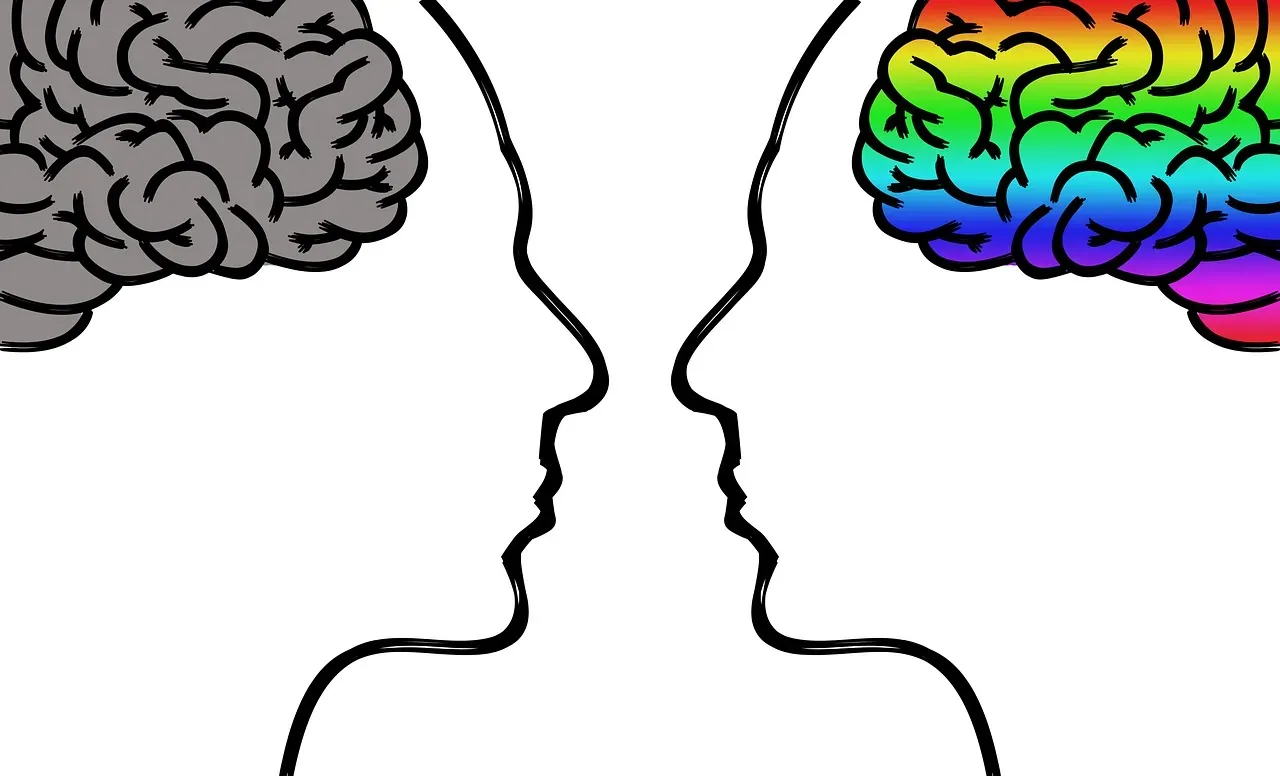
Here’s something many people don’t realize. Confidence psychology shows imposter syndrome is not purely emotional but rooted in neurological threat processing, with brain imaging revealing heightened self-monitoring that magnifies uncertainty in high achievers. Your brain actually processes your achievements as threats.
According to the National Institute of Mental Health, persistent self-doubt aligns closely with anxiety-related neural patterns and stress responses. So when people tell you it’s all in your head, they’re technically right, but not in the dismissive way they mean. There’s genuine neurological activity happening here. Your amygdala is firing. Your stress response is activated. This is real.
The cycle becomes predictable and punishing. Achievement triggers brief relief, followed by anxiety about being exposed as incompetent.
The Overcompensation Trap

Imposter syndrome signs frequently surface as extreme perfectionism and chronic overpreparation, with high achievers believing anything less than flawless performance confirms inadequacy, even when outcomes exceed expectations, leading to excessive rehearsal, long work hours, and constant self-editing. Sound familiar?
Imposter syndrome often acts as a self-fulfilling prophecy as an individual’s self-doubt leads them to procrastinate tasks or over-prepare in an attempt at seeking perfection, so when they do perform well, they believe it was because of how much work they put in. You think: if I hadn’t spent those extra ten hours preparing, I would’ve failed. Never mind that your colleagues succeeded with half that effort.
These behaviors are not about improvement but about reducing perceived exposure risk, with success becoming something to defend rather than own. You’re running in place, working harder and harder just to maintain the illusion that you belong where you already are.
Who’s Most Vulnerable

The phenomenon is particularly prevalent in medicine and healthcare, with one study finding that as much as 60% of medical students experience imposter syndrome. Competitive environments intensify these feelings exponentially. In competitive environments like medicine, academia, and leadership, imposter syndrome signs intensify, turning ambition into a constant effort to outrun imagined failure rather than enjoy earned progress.
Poor mentorship, low feelings of belonging, and experiences of racial or gender discrimination, including microaggressions, contribute to feelings of impostorism among minority students. When you’re underrepresented in your field, the doubt multiplies. Every mistake feels like it reflects not just on you, but on everyone who shares your identity.
Women and ethnic minority group members are underrepresented in leadership positions and often lack role models while being paid less, with research suggesting such lack of representation and lower compensation eliciting doubts about one’s suitability for these occupations and positions. The environment itself creates the conditions for imposter syndrome to flourish.
Breaking the Cycle

So what can you actually do about this? First off, recognizing the pattern is huge. Shame keeps a lot of people from acknowledging their fraudulent feelings, but knowing there’s a name for these feelings and that you are not alone can be tremendously freeing.
Separate feelings from fact because there are times you’ll feel stupid, but realize that just because you may feel stupid doesn’t mean you are. Your feelings are valid but they’re not accurate representations of reality. Think of them as glitchy software, not gospel truth.
Take note of your accomplishments by keeping a tangible reminder of your successes, displaying awards, keeping affectionate mementos, and reviewing text messages or emails that praise your success, as that evidence can help ground you in times of doubt. Build yourself a reality check folder. You’ll need it on the hard days.
Moving Forward With Self-Compassion

The journey to overcome imposter syndrome is both personal and transformative, embracing strategies for bolstering self-validation and recognizing self-worth, as the imposter syndrome narrative doesn’t have to be the only one and you have the power to rewrite it. That power exists even when you can’t feel it.
Action really helps overcome imposter syndrome, making sure that you take action and move forward rather than getting stuck in the thought of ‘I can’t do this.’ Movement breaks the paralysis. One small step creates momentum. Then another. Then another.
The truth is, imposter syndrome might never completely disappear. That voice may always whisper its doubts. The difference is learning not to let it drive the car. You acknowledge it’s there in the backseat, but you keep your hands on the wheel. You keep moving forward. You keep showing up. Because here’s what I’ve learned: the people who feel like imposters are usually the ones most qualified to be exactly where they are. They care deeply. They work hard. They hold themselves to high standards. Those aren’t fraud qualities. Those are exactly the traits that earned them their place.
Did you notice how many successful people struggle with this same thing? What would change for you if you truly believed you belonged where you are right now?