You probably grew up with a simple story: dinosaurs were giant, scaly monsters, and then, somehow, birds appeared. End of chapter. But over the past few years, that tidy story has been quietly falling apart in museum basements and fossil labs around the world. The more scientists dig, scan, and re-examine old bones, the more you see a wild, tangled family history where dinosaurs and birds blur into one another.
Right now, you’re living at a moment when that “missing link” between dinosaurs and modern birds is less of a single fossil and more of a puzzle that’s finally coming into focus. New finds from China and Europe, re-analysed classics like Archaeopteryx, and even strange Triassic reptiles are forcing you to rethink what a dinosaur looked like, how it moved, and when feathers and flight really began. When you zoom out, you are not just looking at monsters in a museum case anymore – you are looking at the deep-time relatives of the pigeons on your street and the rotisserie chicken in your kitchen.
The Dinosaur–Bird Connection You Were Never Taught
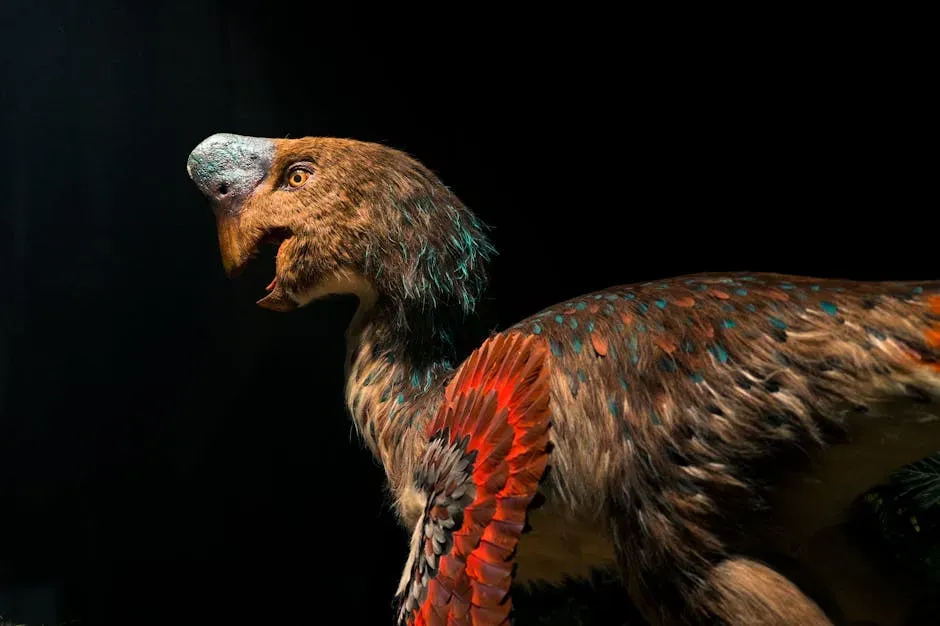
If you still picture dinosaurs as oversized lizards, you’re way behind what the fossils are telling you. Over the last few decades, and especially in the last few years, you’ve seen a flood of evidence that many theropod dinosaurs – relatives of Velociraptor and T. rex – were feathered, warm-blooded, and surprisingly bird-like. You are not looking at one oddball fossil; you are looking at a whole branch of the dinosaur family tree that shaded straight into birds.
When you stand in front of a museum case with a feathered dinosaur, you are basically looking at a bird that never quite got off the ground. Features you might think of as uniquely avian – wishbones, air-filled bones, complex feathers, brooding behavior – now show up scattered across non-avian dinosaurs. Instead of a sharp line between “dinosaur” and “bird,” you’re staring at a long, messy gradient where each new discovery fills a small but crucial gap. The missing link turns out not to be a single rung, but a whole section of the evolutionary ladder you’re only just seeing clearly.
Archaeopteryx: From Textbook Icon to High-Definition Missing Link
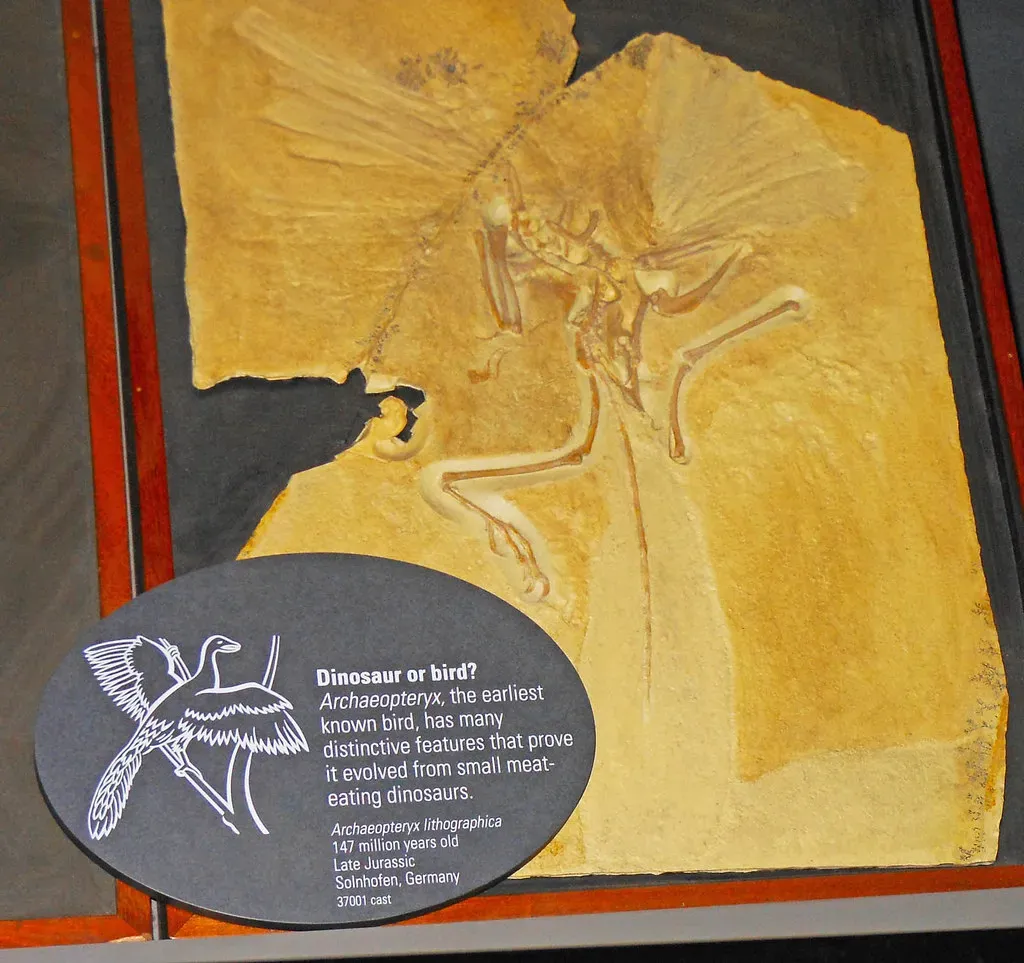
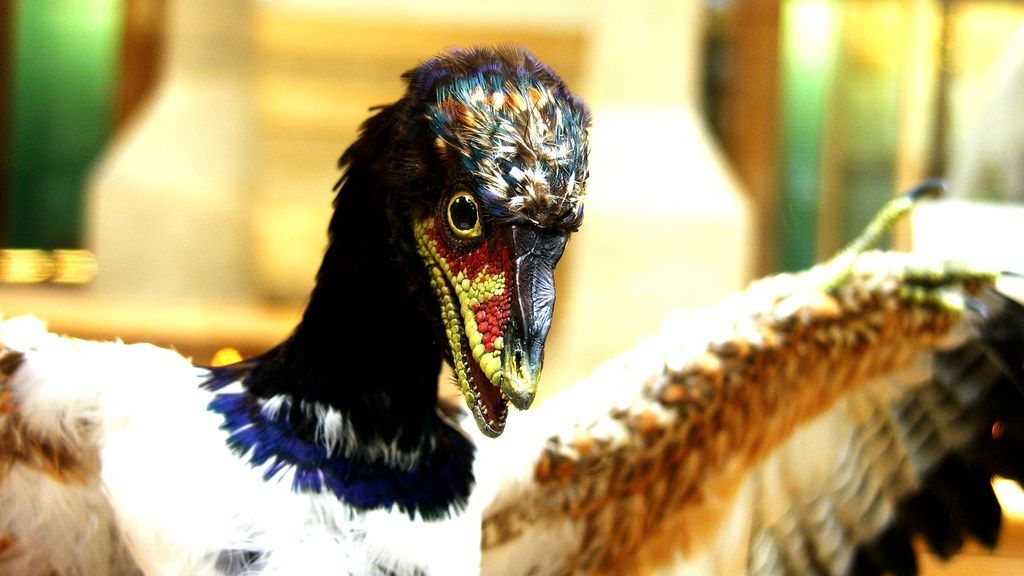
You have probably seen Archaeopteryx in a textbook: a small, crow-sized creature with teeth, claws on its wings, and a long reptilian tail, yet wrapped in feathers. For more than a century, it sat in your mental file as “the first bird,” a neat halfway marker between reptiles and sparrows. But in the last couple of years, new specimens and new scans have turned that familiar fossil from a flat illustration into a living, shifting character in the story of flight.
Recent work on a beautifully preserved Archaeopteryx at Chicago’s Field Museum has revealed structures in the wings that look a lot more like those of modern flying birds than you might expect. You now see specialized flight feathers along the inner wing and subtle adaptations in the skull linked to more efficient feeding – exactly the kind of upgrades you’d need if you suddenly had to power flapping flight. Instead of a primitive oddity, Archaeopteryx starts to look to you like a snapshot of a crucial moment when certain dinosaurs crossed the line into true, powered flight, carrying your bird lineage with them.
Early Birds That Weren’t Supposed to Exist Yet
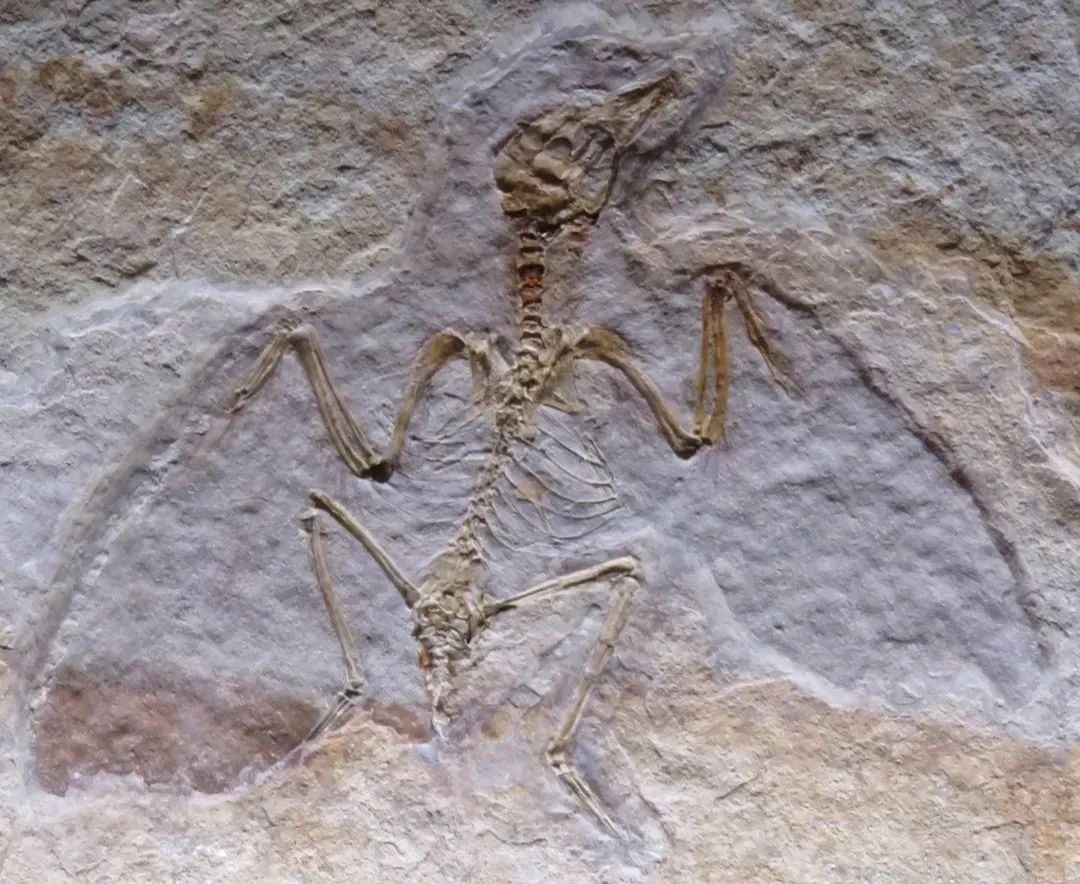
If you thought Archaeopteryx comfortably sat at the base of the bird family tree, recent finds from China have forced you to stretch that tree back even further. Fossils like Baminornis and other Late Jurassic “almost birds” tell you that by around one hundred fifty million years ago, there may already have been a surprising diversity of bird-like creatures gliding or flapping over dinosaur-dominated landscapes. You are no longer dealing with a single pioneering species, but an entire early avian ecosystem.
What really hits you is how mixed these animals’ bodies are. You see combinations of modern-looking wings, wishbones, and bird-style shoulders bolted onto long, dinosaurian tails and clawed hands. It is as if someone had taken parts from hawks and raptors (the birds) and Raptors (the dinosaurs) and fused them together. For you, each new fossil nudges the origin of birds a bit earlier and makes their rise feel less like a sudden jump and more like a long, experimental phase where evolution kept tinkering with different versions of “almost a bird.”
Feathers: From Simple Filaments to Flight-Ready Wings
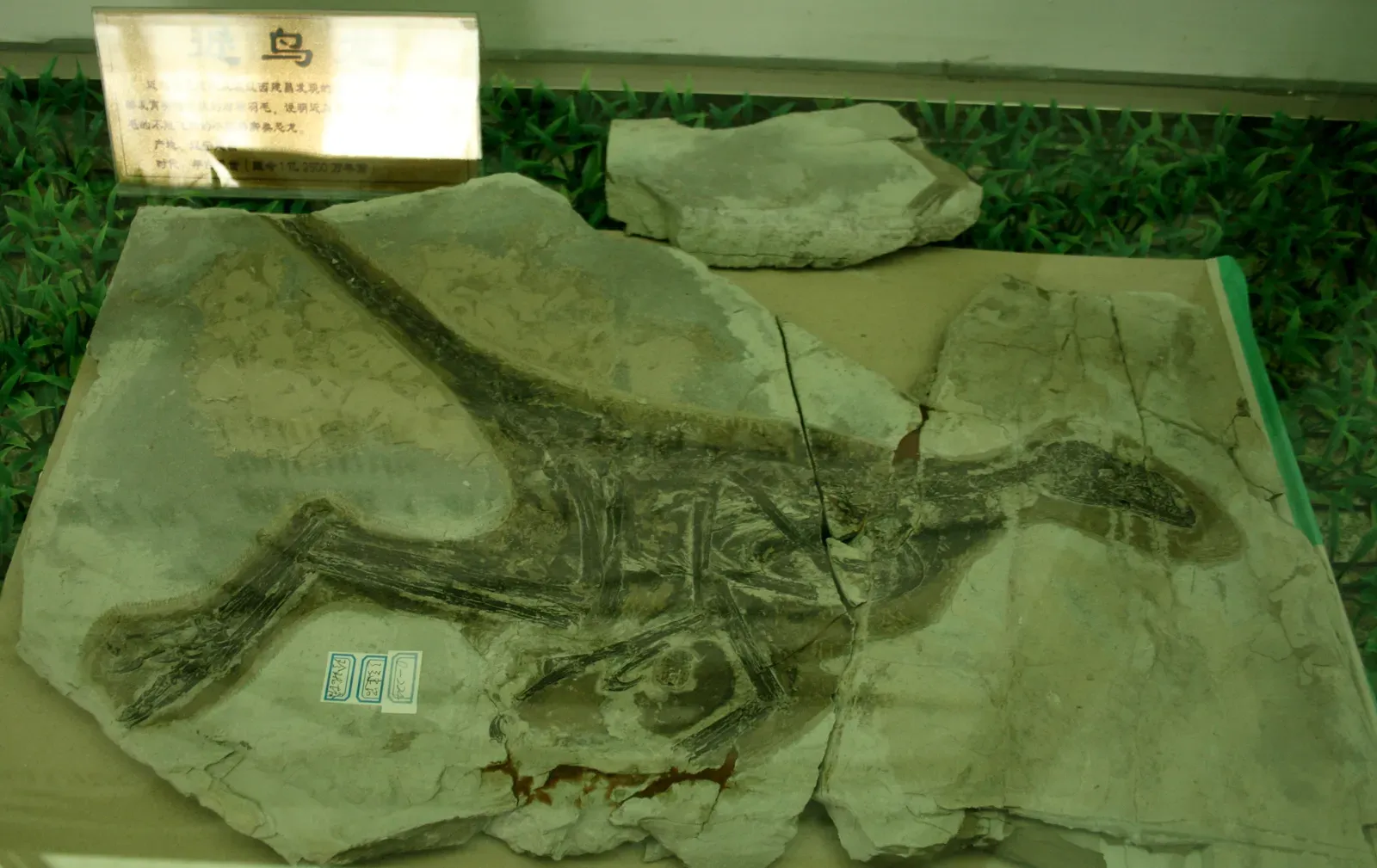
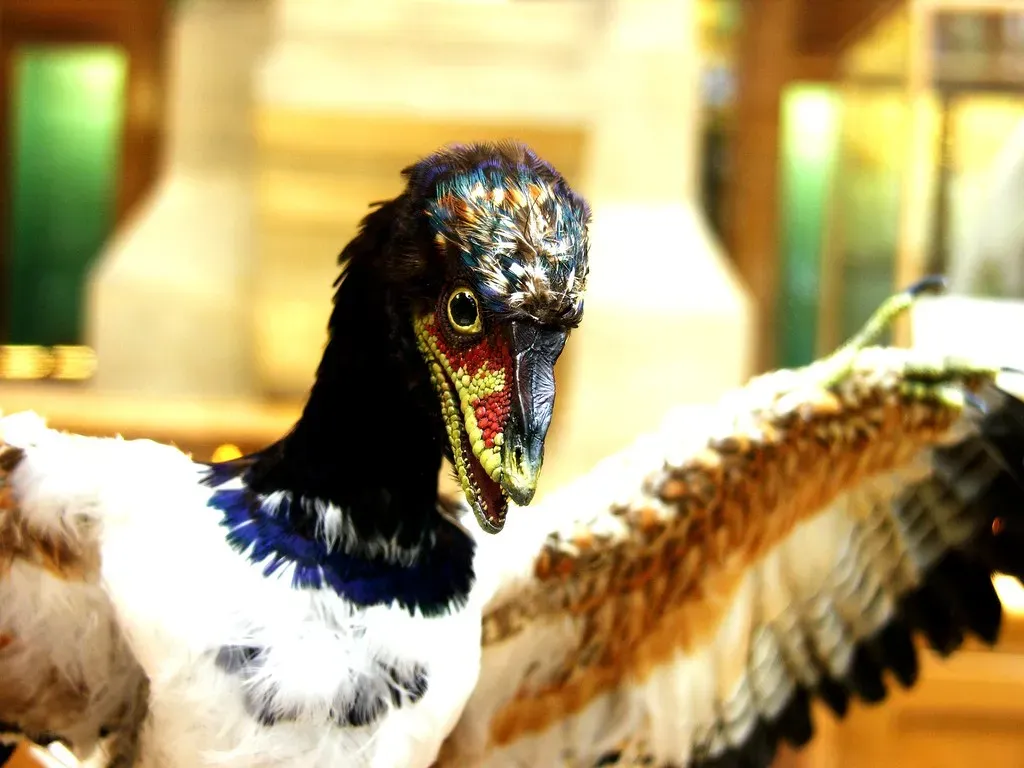
Uploaded by FunkMonk, CC BY-SA 2.0)
To really see the missing link, you have to zoom in on feathers themselves. Early feathered dinosaurs did not sprout perfect flight feathers overnight; they started with simple, hair-like filaments – more like fuzzy insulation or display structures than precision flying tools. Recent studies on fossils from China show you intermediate stages, where some parts of the body carried bird-like, soft skin and complex feathers while other regions stayed scaly and reptilian. You are watching the body experiment in zones rather than flipping from “reptile mode” to “bird mode” all at once.
As you move forward in time, you start to see more advanced feather types: branching filaments, symmetrical fluff for warmth, and eventually asymmetrical flight feathers built for aerodynamics. When you look at genera like Anchiornis, you can even follow patterns of molting frozen in stone, revealing how feathers were replaced and maintained. That kind of detail shows you that these animals were not just dressing the part; they were beginning to live the demanding lifestyle that modern birds still follow, where feathers are constantly renewed to keep you in the air and alive.
Weird Reptiles That Push Feathers Back Before Dinosaurs
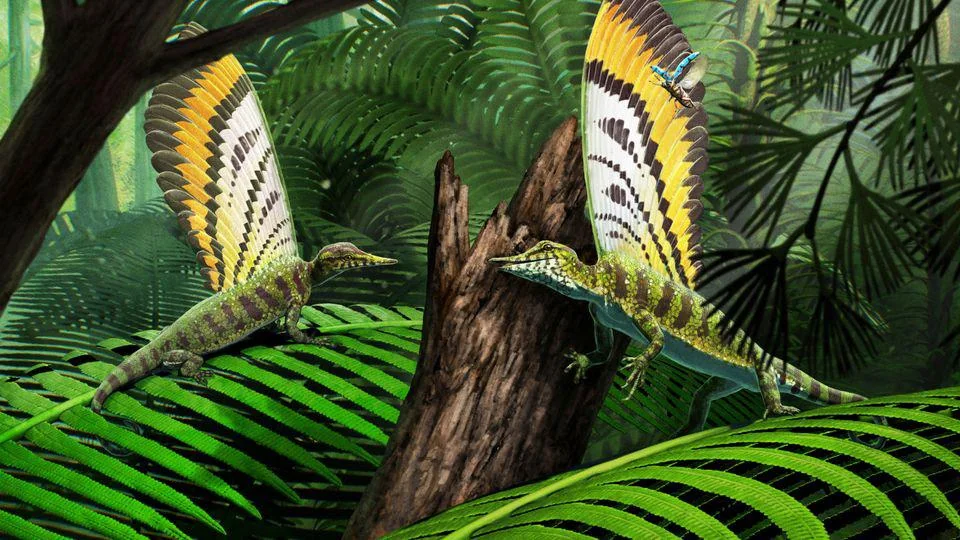
Just when you thought you were comfortable with the idea that feathers started in dinosaurs, strange fossils from the Triassic step in to mess with your timeline. Creatures like Mirasaura – a small, tree-dwelling reptile with feather-like crests and a birdish skull – suggest to you that complex skin structures may have gone back tens of millions of years before the first true dinosaurs appeared. Instead of a clean origin inside the dinosaur group, you are looking at deeper roots that blur the boundary between “classic reptiles” and the ancestors of birds and mammals.
For you, this has a big implication: features such as elongated filaments and showy crests might have first evolved for display, insulation, or sensory roles long before anything flew. Flight would then be a clever reuse of biological “hardware” that evolution had already built for other jobs. When you imagine an early Triassic forest now, you are not just seeing drab lizards in the underbrush; you are picturing agile climbers with flamboyant plumes, the distant cousins of both parrots and you, reshaping what a reptile can be in your mind.
Diet, Energy, and the High-Cost Leap Into the Air

Flight is not free, and you feel that every time you watch a hummingbird burn through sugar at a ridiculous rate. Recent studies on Archaeopteryx skulls and other early bird-like fossils suggest that key changes in jaws, tongues, and mouth tissues may have coincided with the origin of flight. When you see signs of a more mobile tongue and specialized inner mouth structures, you are seeing a creature that could grab and process food more efficiently, helping it meet the huge energy demands of powered flight.
This matches what you know from living birds: if you want to stay airborne, you need a steady, high-quality fuel supply and a digestive system that wrings every bit of energy out of what you eat. The fossil record now hints that as some dinosaurs began to flap rather than just glide or run, their entire way of feeding was upgraded. You are looking at evolution solving an energy budget problem in real time, turning small, clever theropods into the hyper-efficient, constantly eating birds you see around you today.
How New Tech Turns Old Fossils Into Fresh Evidence
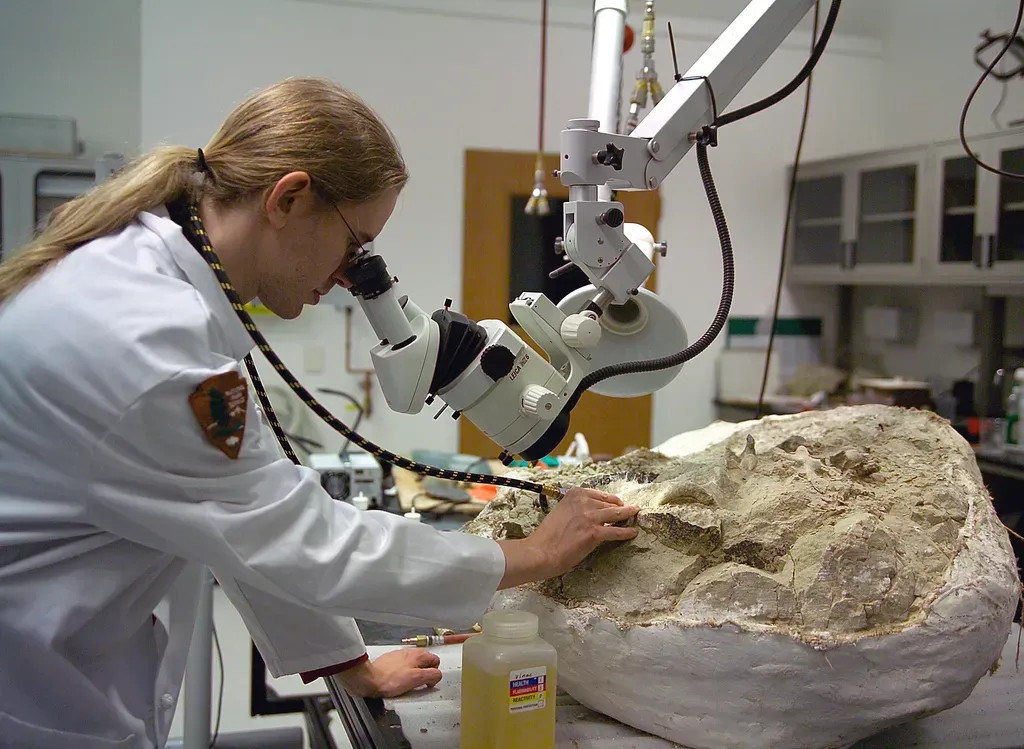
One of the most surprising twists for you is that many of these “new” discoveries are coming from fossils that have been sitting in drawers for years or even decades. With high-resolution CT scanning, ultraviolet light imaging, and ultra-fine preparation tools, scientists can now peel back rock and reveal details that earlier generations simply could not see. When researchers uncover hidden feather arrangements, internal bone structures, or microscopic pigment bodies, they are upgrading your understanding of animals you thought you already knew.
The same is happening with newly discovered specimens that are prepared with obsessive care from the beginning. When a team spends over a year chipping away rock grain by grain around an Archaeopteryx wing, you get an almost cinematic view of how the feathers attach, overlap, and curve. For you, that means the story of dinosaur evolution is not frozen; it is being revised every time someone points a new kind of sensor at an old slab. The missing links were often there the whole time – you just did not have the tools to notice them.
Why This Deep-Time Story Matters to You Today
It is tempting to treat all of this as cool trivia: feathers on dinosaurs, early birds in China, new twists on Archaeopteryx. But if you let it sink in, it changes how you see life around you right now. Every pigeon, hawk, or backyard chicken becomes a living dinosaur in your eyes, carrying the echoes of Jurassic forests and Cretaceous skies in its skeleton and feathers. When you watch a bird molt, brood its eggs, or launch into flight, you are seeing behaviors that were already being rehearsed by its distant dinosaur cousins.
There is also something grounding in realizing that your world is shaped by survivors of that ancient lineage. Birds made it through the asteroid impact that ended the age of non-avian dinosaurs, and they did it with the very traits you have just walked through: feathers, flight, flexible diets, and high-energy metabolisms. The more you understand how those traits evolved, the more you appreciate how fragile and hard-won they are. Next time you hear the beat of wings overhead, you might find yourself wondering what other “missing links” are still waiting in stone, ready to rewrite your mental picture of the deep past.
In the end, the missing link in dinosaur evolution turns out not to be a single fossil you can point to, but a whole web of discoveries that force you to connect the dots differently. You are watching a sharp divide soften into a gradient, seeing scales blend into feathers and ground-runners turn into masters of the air. That story is still unfolding, one fossil at a time – and you are lucky enough to be alive while the puzzle pieces finally lock together. So when you picture a dinosaur now, will you still see a lumbering lizard, or will you see the shadow of a bird taking flight?