
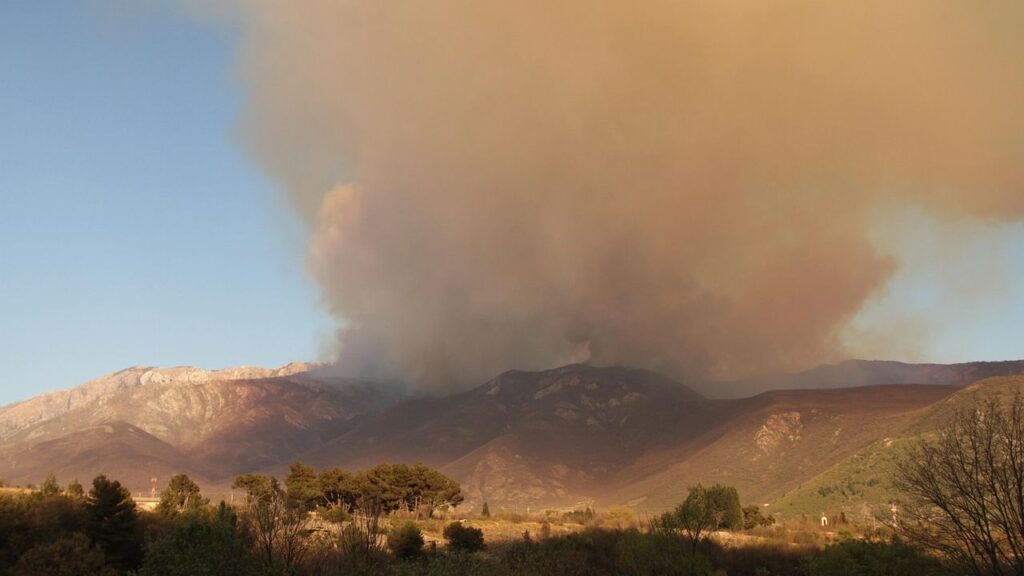
Ever wonder what happens when nature decides to rewrite history overnight? Throughout the ages, Earth has unleashed forces so powerful they’ve literally reshaped civilizations, erased entire cities, and sent ripples through time that we still feel today. From volcanic eruptions that darkened the skies for years to earthquakes that toppled empires, these catastrophes weren’t just footnotes in dusty textbooks. They fundamentally altered the course of human development.
These disasters offer more than just tales of destruction. They reveal something profound about resilience, adaptation, and the delicate dance between humanity and the natural world. Ready to explore five of history’s most transformative catastrophes?
The Eruption of Thera: When a Volcano Rewrote Mediterranean History
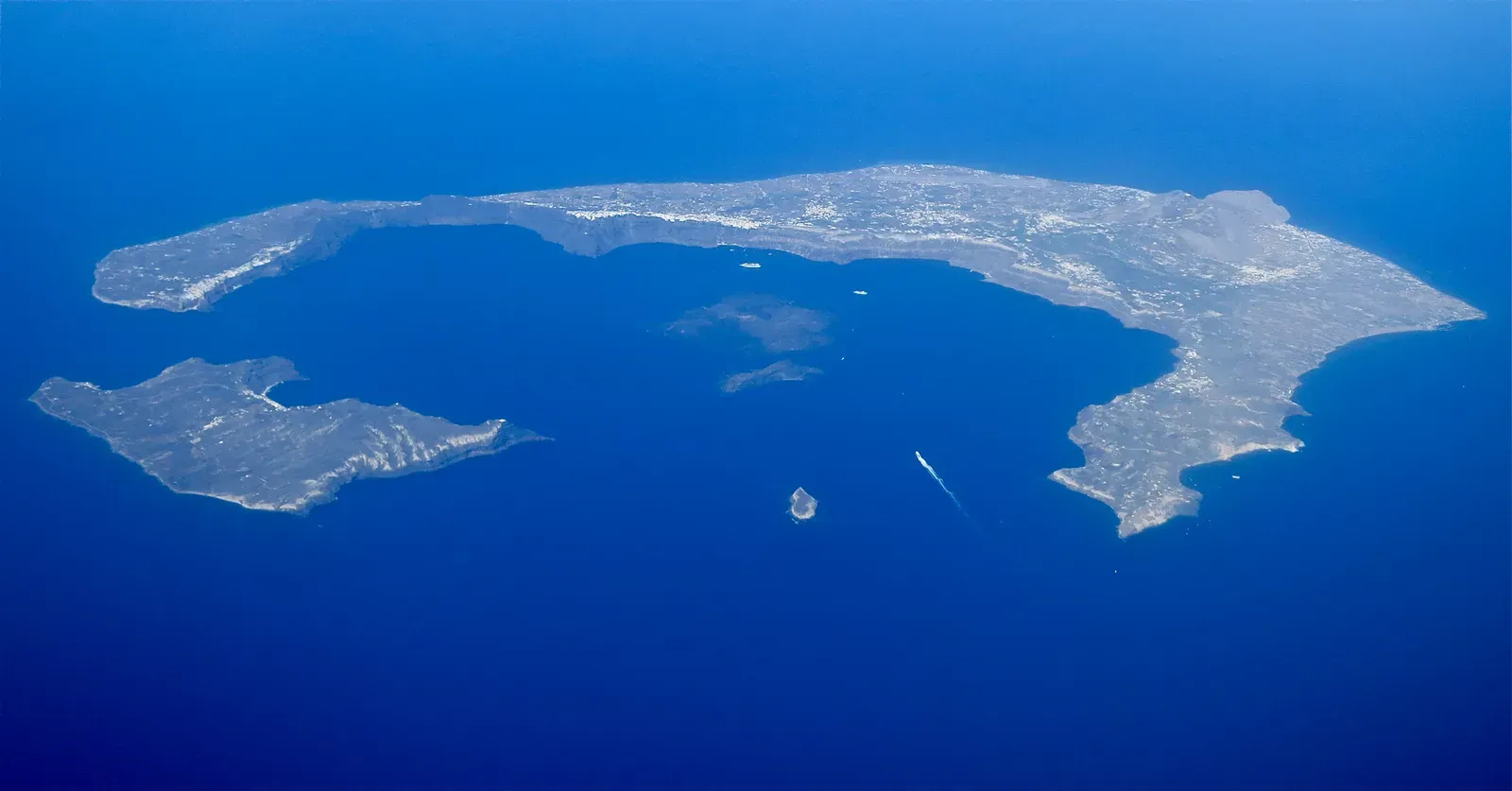
Around 1600 BC, the island of Thera, known today as Santorini, experienced one of the most explosive volcanic eruptions in human history, destroying Minoan settlements and unleashing devastating earthquakes and tsunamis across nearby islands and the coast of Crete. Think about that for a second. The eruption was four or five times more powerful than Krakatoa, with the energy of several hundred atomic bombs detonating in a fraction of a second.
The dramatic collapse formed the horseshoe-shaped ring of modern Santorini and generated a megatsunami. The powerful Minoan civilization on nearby Crete declined suddenly soon after Thera erupted, as tsunamis spawned by the eruption swamped its naval fleet and coastal villages first. A drop in temperatures caused by massive amounts of sulphur dioxide in the atmosphere led to several years of cold, wet summers in the region, ruining harvests and overrunning every mighty Minoan stronghold in less than 50 years. The political landscape changed forever. Their peaceful, efficient bureaucracy made way for the warring city-state system of ancient Greece to dominate the Mediterranean, and the Aegean would turn out to be a fundamental building block for the history of Europe.
Mount Vesuvius 79 AD: The Day Pompeii Stopped in Time
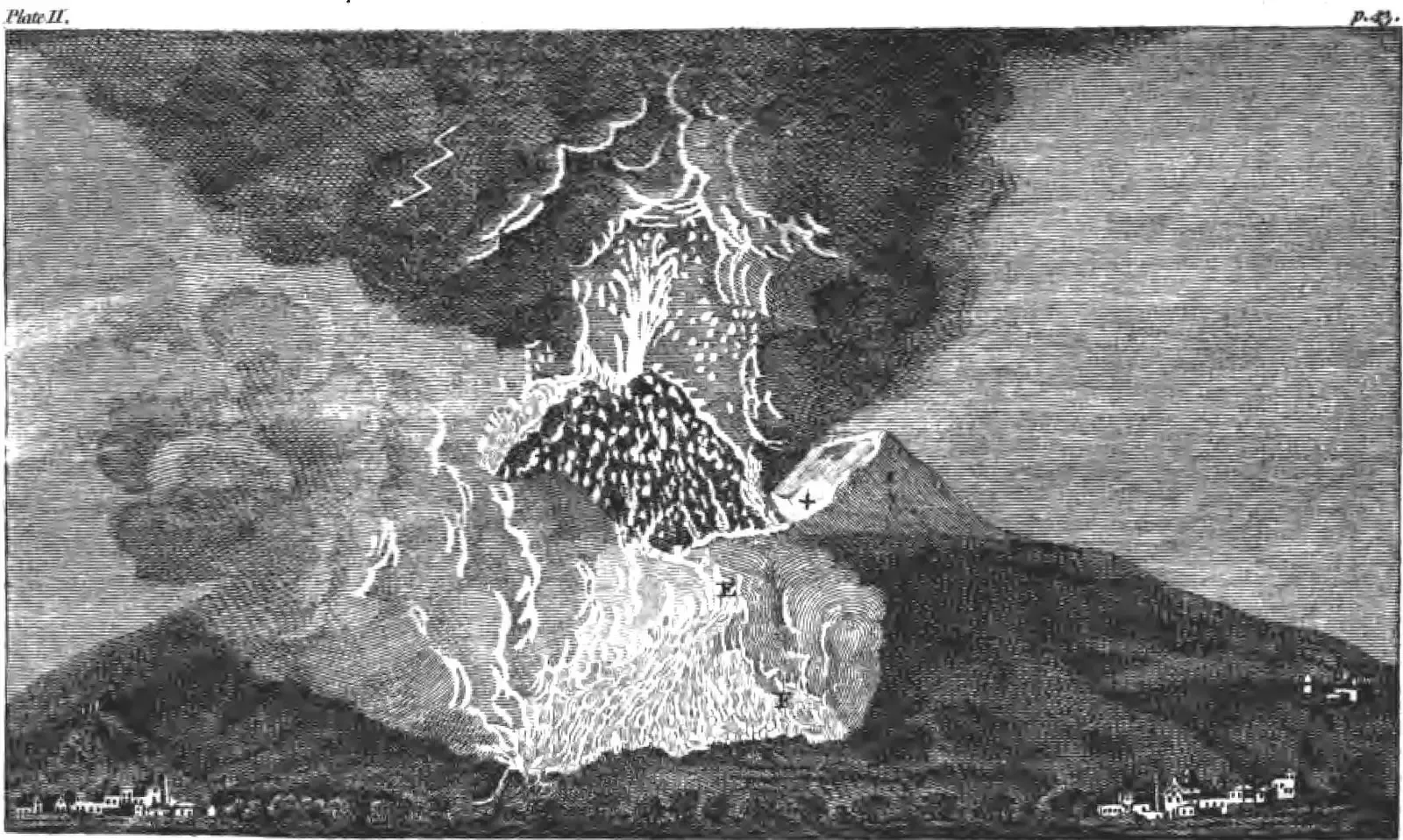
In 79 AD, Mount Vesuvius erupted and destroyed the Roman cities of Pompeii, Herculaneum, Oplontis, Stabiae and other settlements, ejecting a cloud of stones, ash and volcanic gases to a height of 33 kilometers and erupting molten rock and pulverized pumice at an incredible rate. Here’s the thing: this wasn’t just another natural disaster. More than 1,000 people are thought to have died in the eruption, though the exact toll is unknown.
What makes Vesuvius truly fascinating is what it preserved. Around noon on August 24, 79 CE, a huge eruption showered volcanic debris over Pompeii, followed the next day by clouds of blisteringly hot gases that crushed or asphyxiated the population, burying the city beneath a blanket of ash and pumice, and for many centuries Pompeii slept beneath its pall of ash, which perfectly preserved the remains. While the immediate human tragedy was devastating, this disaster gave future historians an unparalleled window into Roman daily life, with perfectly preserved streets, homes, and even loaves of bread continuing to reveal intimate details about ancient civilization that would have been lost forever. Think of it as history’s most tragic time capsule.
The 365 AD Crete Earthquake: Rome’s Mediterranean Catastrophe
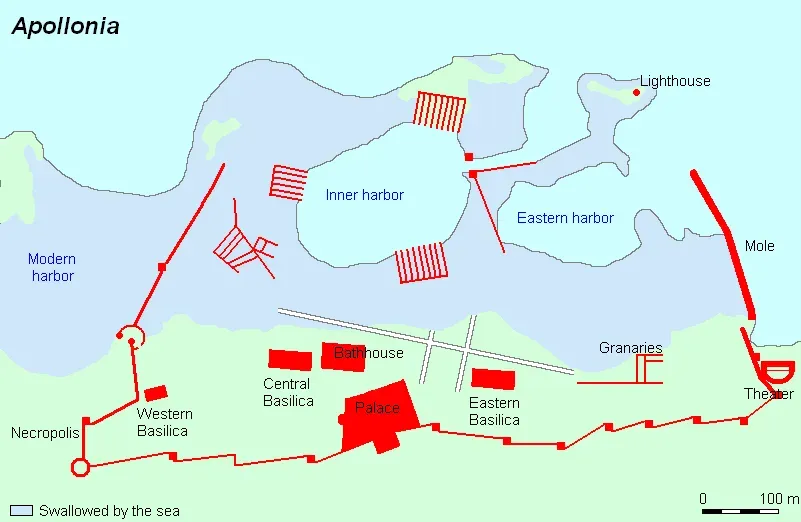
The 365 Crete earthquake occurred at about sunrise on July 21, 365 in the Eastern Mediterranean, with geologists estimating the undersea earthquake to have been a magnitude 8.5 or higher, causing widespread destruction across modern Greece, northern Libya, Egypt, Cyprus, Sicily, and Spain, with nearly all towns on Crete destroyed. This wasn’t your average tremor.
The earthquake was followed by a tsunami which devastated the southern and eastern coasts of the Mediterranean, particularly Libya, Alexandria, and the Nile Delta, killing thousands and hurling ships 3 kilometers inland. I know it sounds crazy, but imagine waking up to find massive vessels deposited miles from the coast. The combined catastrophic impacts of the earthquake and tsunami were significant catalysts in furthering the declination of the Roman Empire and contributing to its subsequent final division between the East Roman and West Byzantine empires in 395 AD. The tsunami was so devastating that the anniversary of the disaster was still commemorated annually at the end of the sixth century in Alexandria as a day of horror. Can you imagine an event so traumatic it shaped cultural memory for over two centuries?
Yellow River Floods: China’s Sorrow Across Millennia
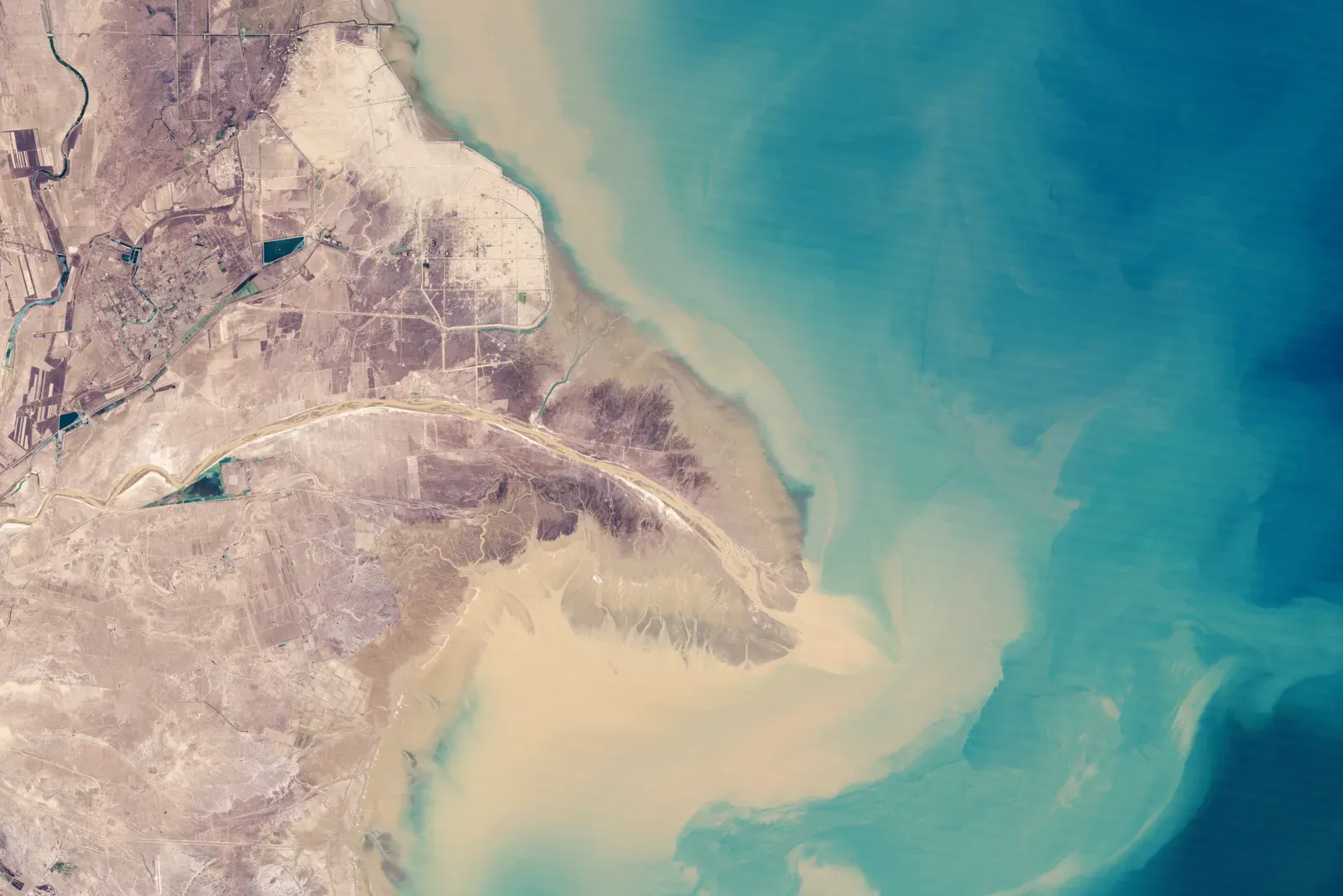
From 595 BC to 1946 AD, the Yellow River flooded 1,593 times, shifting its course 26 times noticeably and nine times severely, with these floods including some of the deadliest natural disasters ever recorded. Let’s be real: the Yellow River has both nurtured and devastated Chinese civilization for millennia. The Yellow River has been nicknamed both China’s Pride and China’s Sorrow.
The 1887 flood killed between 850,000 to 4,000,000 people, making it by most estimates the deadliest natural disaster in recorded history, while an earlier flood in September-October 1887 killed 900,000 to 2,000,000 residents. These numbers are staggering. Historical documents record over 1000 floods occurring in 4000 years, with the river shifting its lower course every roughly 25 years in the last millennium, breaching its levees once a year, and during the mid seventeenth century the breach frequency reached three times a year on average. The constant reshaping of the landscape forced entire populations to migrate, adapt their agricultural practices, and develop some of the most sophisticated water management systems in the ancient world. The legacy of these disasters shaped China’s political structure, as managing the Yellow River became one of the empire’s most critical challenges.
The Antonine Plague and Environmental Collapse: A Double Catastrophe
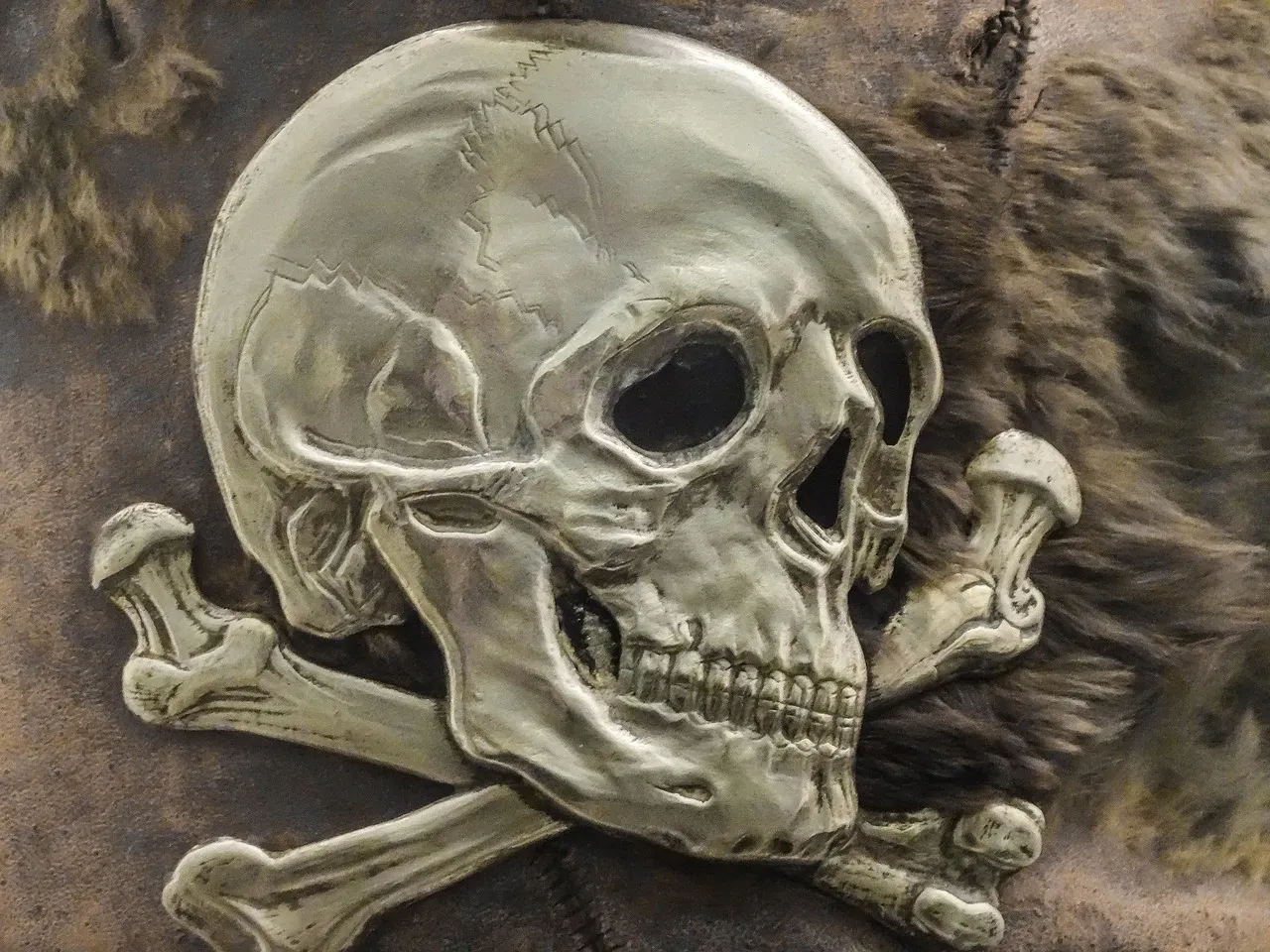
Between 165 and 180 AD, the Roman Empire was stricken by a terrible plague, called the Antonine plague after one of its potential victims, Marcus Aurelius Antonius. While not a traditional natural disaster like earthquakes or volcanoes, this pandemic combined with environmental stresses to create a perfect storm of catastrophe. The plague began in 430 BCE in Athens, and later instances including the plague of Marcus Aurelius in Rome in 165 CE and the plague of Justinian in Constantinople in 542 CE occasioned the loss of as much as 20 to 40 percent of the population in the areas they affected.
A centuries-long drought devastated the ancient world’s most powerful civilizations simultaneously, toppling the mighty Akkadian Empire, ending Egypt’s Old Kingdom, and disrupting the Indus Valley civilization, and this wasn’t just bad weather but a civilization-ending event that forced mass migrations and political fragmentation across multiple continents, demonstrating how climate change can trigger cascading failures across interconnected societies. The combination of disease and climate stress demonstrates something crucial: disasters rarely operate in isolation. When plague struck populations already weakened by crop failures and drought, the death toll multiplied exponentially. Natural disasters were both destructive and transformative forces in ancient societies, leading to immediate suffering and loss but also influencing migration, technological innovation, and cultural narratives, teaching us about the resilience of past civilizations and valuable lessons in disaster preparedness.
Conclusion: Lessons from the Ruins
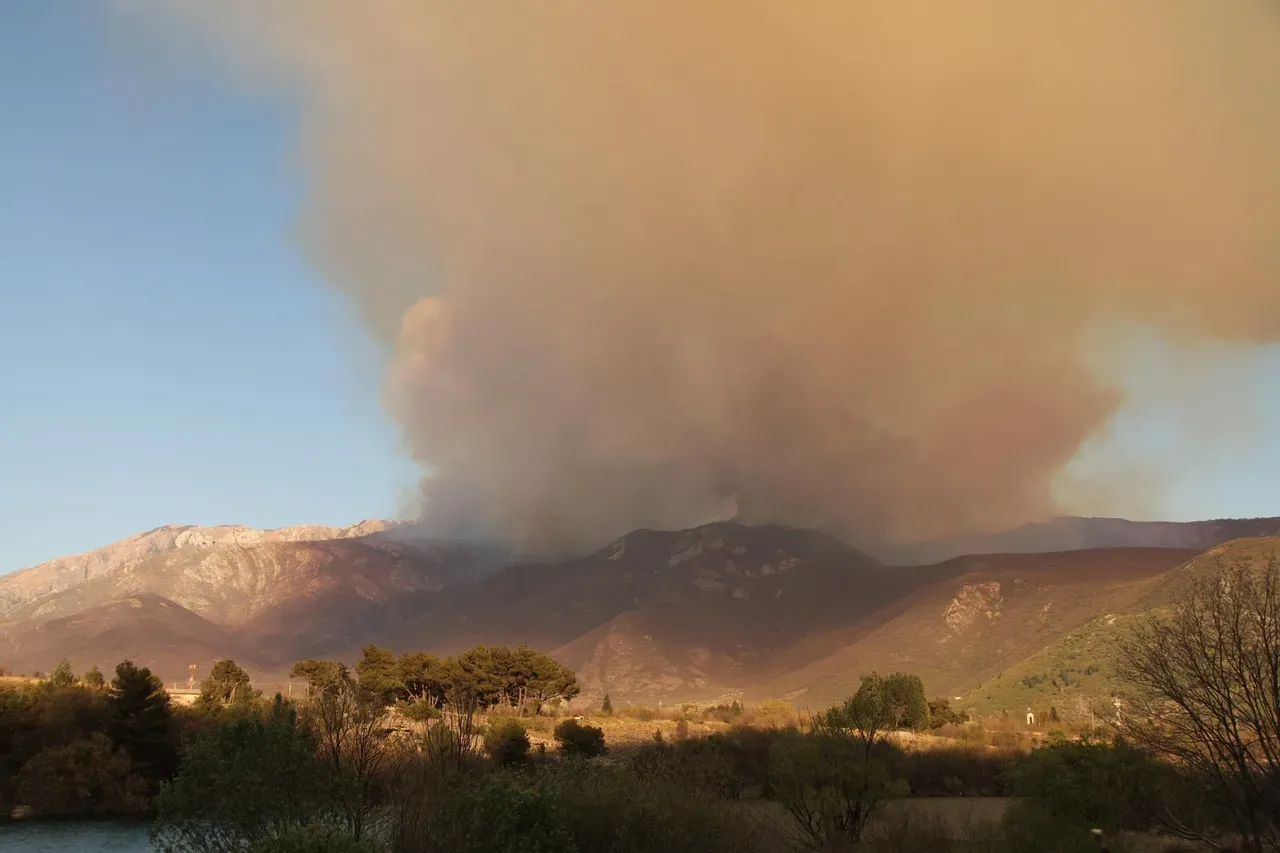
These five catastrophic events remind us that civilization’s relationship with nature has always been precarious. The Minoan collapse after Thera’s eruption, Pompeii frozen in volcanic ash, the Mediterranean-wide devastation of the 365 earthquake, China’s perpetual struggle with the Yellow River, and the compound disasters of plague and drought all tell the same fundamental story. Humanity survives not through dominance over nature, but through adaptation, resilience, and collective action.
What strikes me most is how these ancient disasters shaped everything that came after. Without the fall of the Minoans, would Greek city-states have risen to dominance? Without the preservation of Pompeii, would we understand Roman life as intimately as we do? The scars these events left on human civilization run deep, influencing political structures, settlement patterns, religious beliefs, and technological innovation for centuries.
As we face our own environmental challenges today, these ancient catastrophes offer more than historical curiosities. They’re warnings and guidebooks rolled into one, showing us both the terrifying power of natural forces and humanity’s remarkable capacity to rebuild, adapt, and persist against seemingly impossible odds. What do you think about the parallels between these ancient disasters and the environmental challenges we face today?