
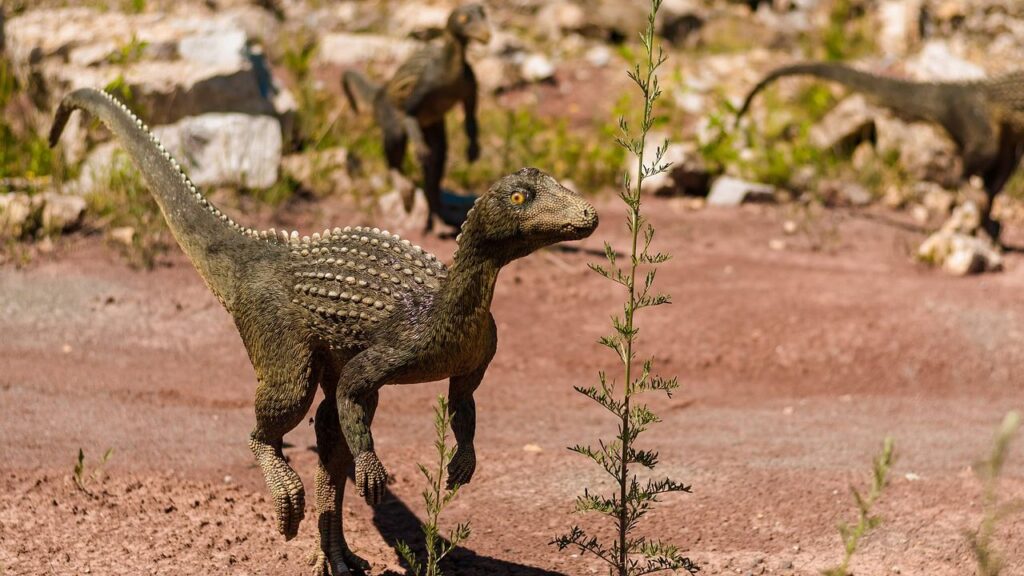
Think you know everything about prehistoric life? If your knowledge stops at dinosaurs stomping around and maybe the occasional saber-toothed cat, then you’re in for a real treat. The ancient world was far weirder than most textbooks dare to show you. These facts aren’t the usual stuff from museum gift shops or high school biology class.
From creatures that baffle scientists today to behaviors frozen in time, the fossil record holds secrets that challenge our understanding of evolution itself. These aren’t simple tales about who was the biggest or the scariest. They’re revelations that prove life found ways to exist that we barely imagined possible.
Prototaxites Were Neither Fungi Nor Plants
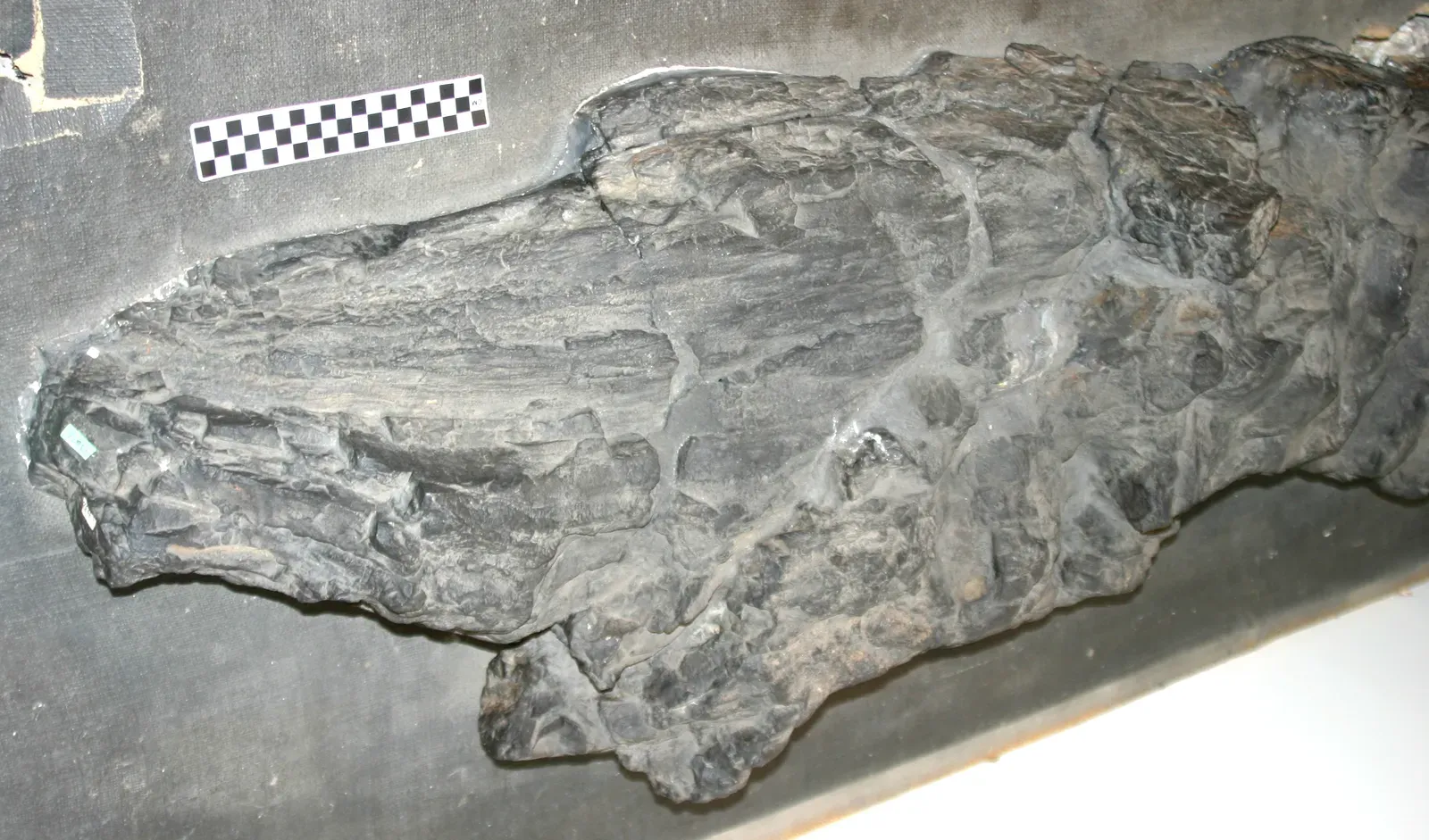
For over a century and a half, scientists have puzzled over massive fossilized structures called Prototaxites, which towered over ancient landscapes at heights reaching around eight meters with smooth trunk-like pillars and no branches, leaves or flowers. These mysterious giants dominated prehistoric forests before trees even existed.
Recent research comparing Prototaxites fossils with other organisms through microscopic anatomy and chemical analysis systematically eliminated each candidate group, placing them in a category entirely their own. It’s hard to say for sure, but this discovery suggests we might be dealing with an extinct form of life that doesn’t fit into any modern category. Imagine walking through an ancient forest and seeing these bizarre towers reaching toward the sky.
Dinosaurs Were Colorful, Not Gray
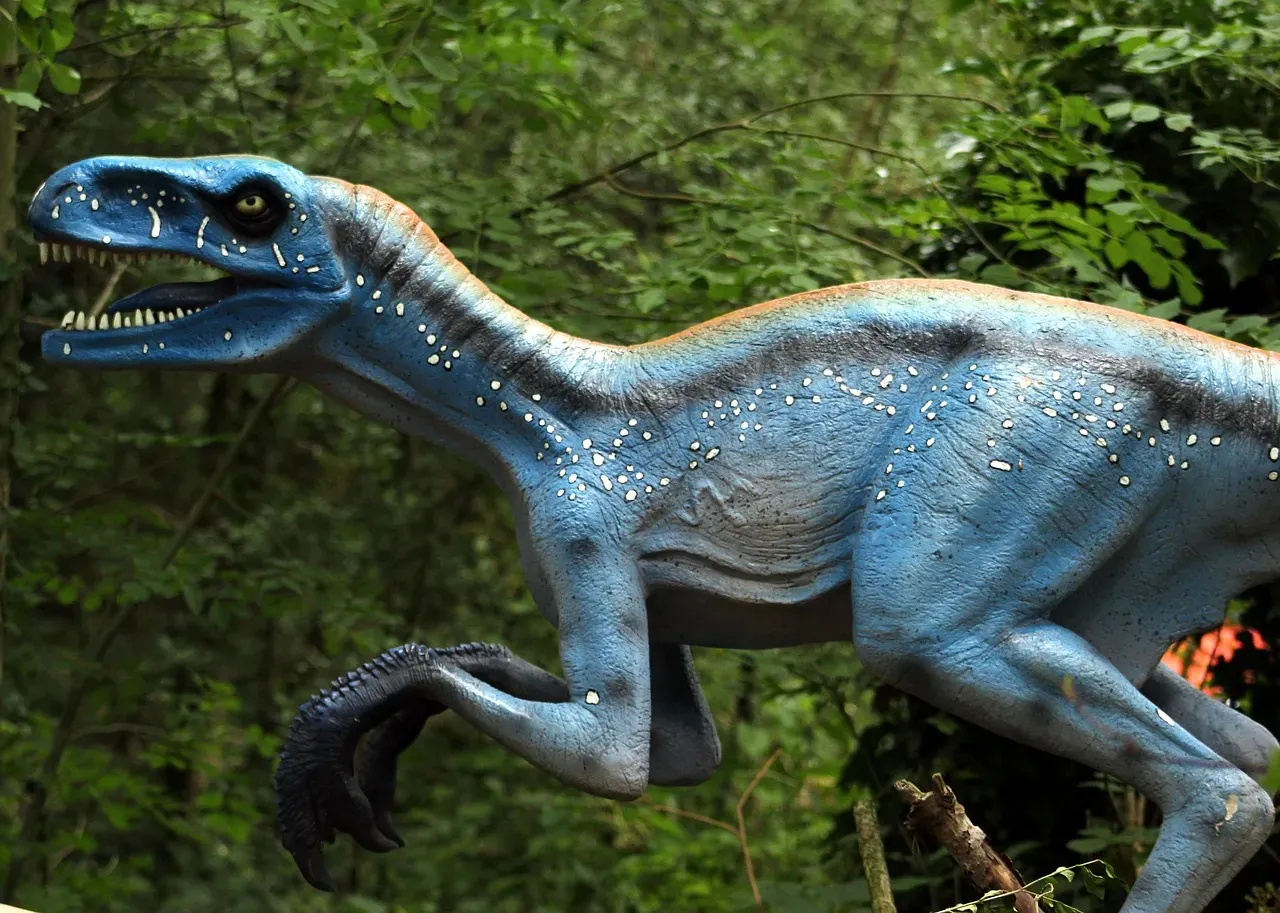
Let’s be real, the classic image of drab, gray dinosaurs is completely outdated. Microscopic evidence found in fossil Diplodocus skin indicates these dinosaurs were colorful, with sauropods immediately recognizable by their small heads and long necks, though their external appearance beyond familiar skeletons was not well-known because sauropod skin impressions and soft tissue fossils are exceptionally rare.
Although researchers were reluctant to fully reconstruct the colors, they detected conspicuous patterns across the scales, suggesting sauropod dinosaurs were not uniformly gray or brown but had complex color patterns like other dinosaurs, birds and reptiles. Think about how stunning it would have been to see these massive creatures sporting bright patterns across their bodies. That completely changes the mental picture, doesn’t it?
Ancient Metabolic Molecules Survived Inside Fossilized Bones
Here’s something that sounds impossible. Researchers uncovered thousands of preserved metabolic molecules inside fossilized bones millions of years old, offering a surprising new window into prehistoric life. Preserved soft tissue was already remarkable enough, but actual metabolic molecules? That’s next level.
These molecules tell us not just what ancient creatures looked like but how their bodies functioned on a chemical level. This opens up possibilities we never had before to understand prehistoric biology in ways textbooks couldn’t even dream about a few decades ago. The past isn’t as lost as we thought.
Mammoths and Their Relatives Interbred for Millennia
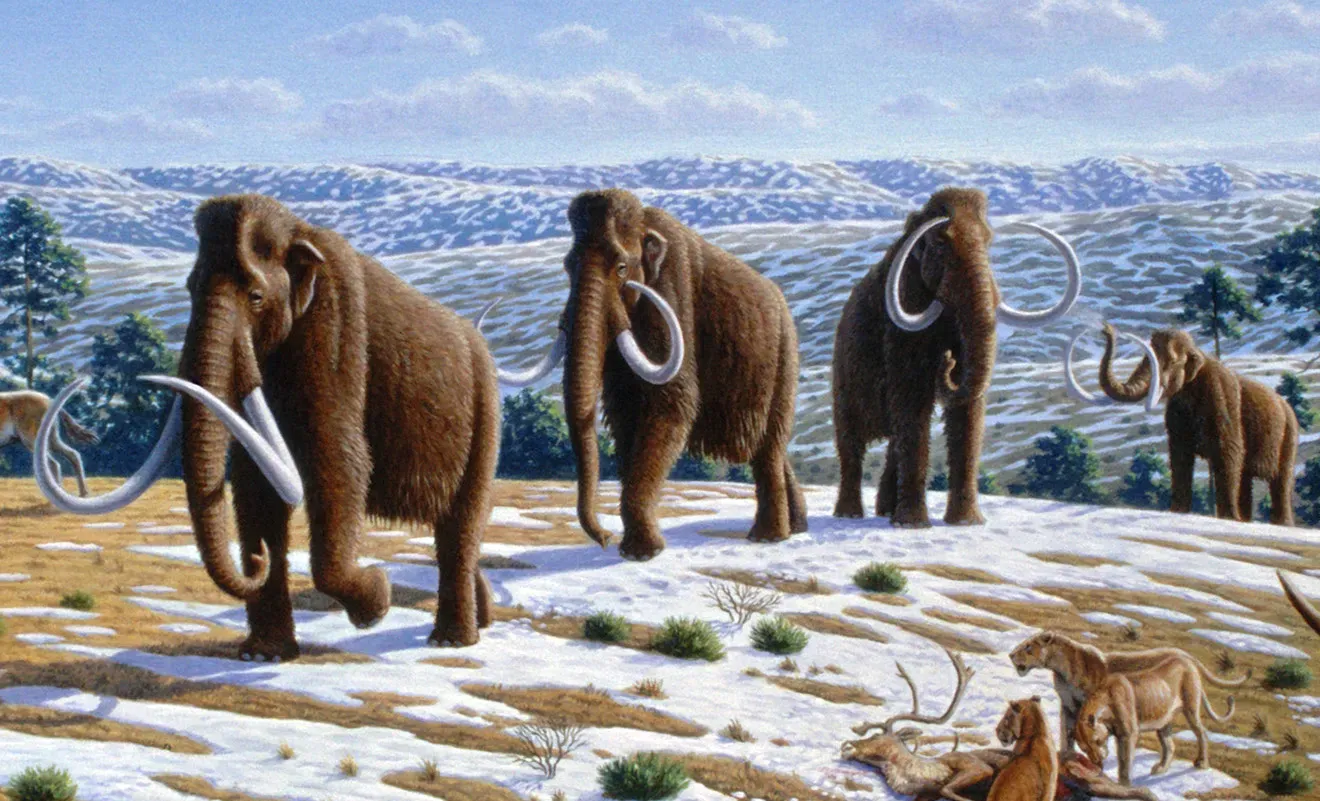
Columbian and woolly mammoths were breeding together for thousands of years, creating hybrid populations across ancient landscapes. This wasn’t some rare event either. The genetic evidence shows it happened repeatedly over extended periods.
What’s fascinating here is how fluid species boundaries were among these massive Ice Age creatures. They weren’t isolated populations stubbornly keeping to themselves. Instead, they mingled and mixed, creating genetic diversity that helped them survive in changing climates. The implications for understanding how species adapt and survive are huge.
Rock Hyraxes Have Been Dragging Their Butts for Over 100,000 Years
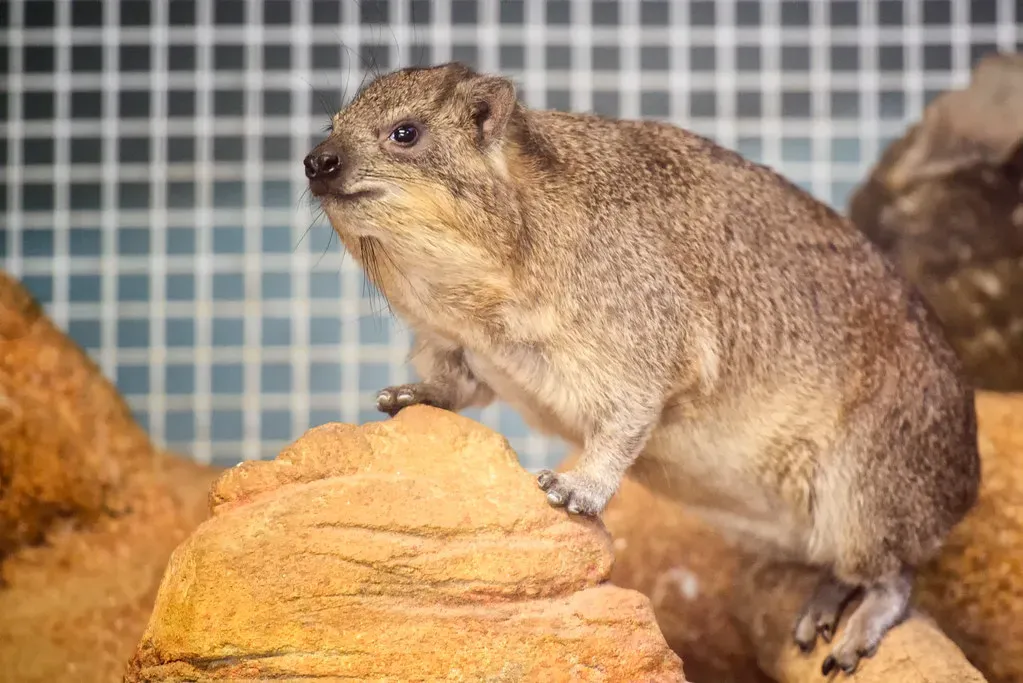
This one’s honestly hilarious. Africa’s rock hyraxes have apparently been dragging their butts along the ground for at least 126,000 years, with newly discovered fossil traces in South Africa’s Walker Bay including a trackway of footprints plus a distinct groove that bears strong resemblance to modern hyrax butt-drag tracks.
If this is indeed a butt-drag fossil, it’s definitely the first of its kind anywhere in the world. Scientists aren’t entirely sure why hyraxes do this behavior, though in dogs it signals parasitic infections. The fact that this quirky behavior has persisted for over a hundred thousand years makes you wonder what evolutionary advantage it might provide.
Nanotyrannus Was Its Own Species, Not a Baby T. Rex
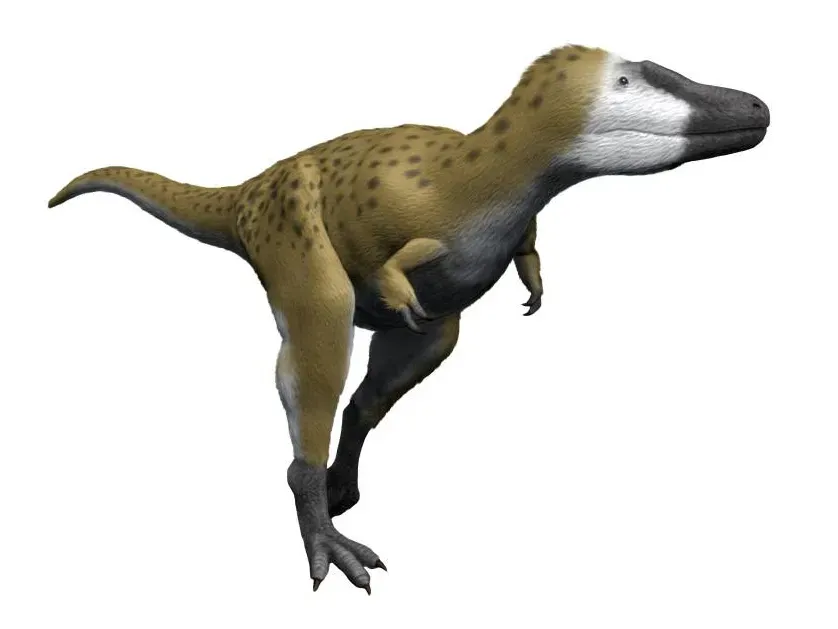
For decades, paleontologists argued whether Nanotyrannus was a real species or just a juvenile Tyrannosaurus rex. The debate over Nanotyrannus’ identity is finally over, as a remarkably preserved fossil proves it was a mature species, not a teenage T. rex. This discovery rewrites our understanding of tyrannosaur diversity.
Nanotyrannus lived alongside T. rex and likely competed with young T. rex for space and prey. Picture two different tyrannosaur species hunting in the same ecosystem. The competition must have been fierce, and it changes how we imagine the Late Cretaceous food chain.
Ancient Mammals Showed Complex Social Behavior 64 Million Years Ago
Researchers excavated dozens of small mammal skulls and skeletons from the Tiupampa site in Bolivia that provides compelling fossil evidence of social behavior, revealing the oldest example of group-living in mammals. These weren’t simple gatherings either.
The presence of such a large number of individuals together with their marked sexual dimorphism indicates that Pucadelphys lived in groups with competition between males for females and a polygynous mating system. Complex social structures existed way earlier than most people realize, proving sophisticated behavior isn’t exclusive to modern mammals.
Fossilized Behavior Captures Predators Mid-Attack
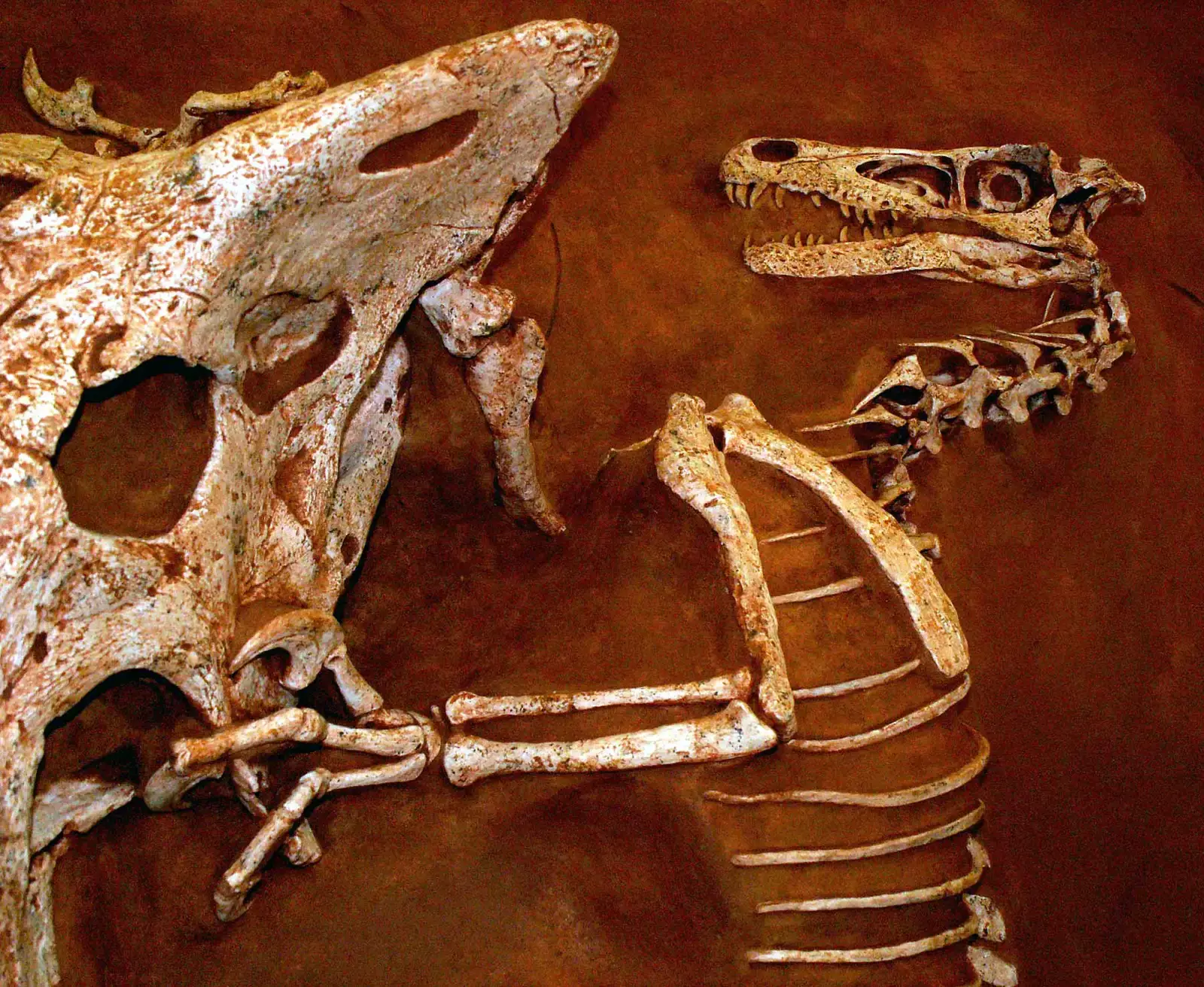
Dramatic evidence of ancient hunting behaviors occasionally survives in what paleontologists call frozen behavior, with the most famous example being the Fighting Dinosaurs specimen from Mongolia showing a Protoceratops and Velociraptor locked in combat and buried instantly by a collapsing sand dune, with the Velociraptor’s sickle claw positioned at its opponent’s neck while the Protoceratops has the predator’s arm clamped in its beak.
These fossils are like prehistoric snapshots, capturing moments of life and death frozen forever. They give us direct evidence of behavior that we’d otherwise only speculate about. You can’t fake a fossil showing animals in the middle of a fight.
Ancient Crocodiles Climbed Trees and Lived in Strange Ways
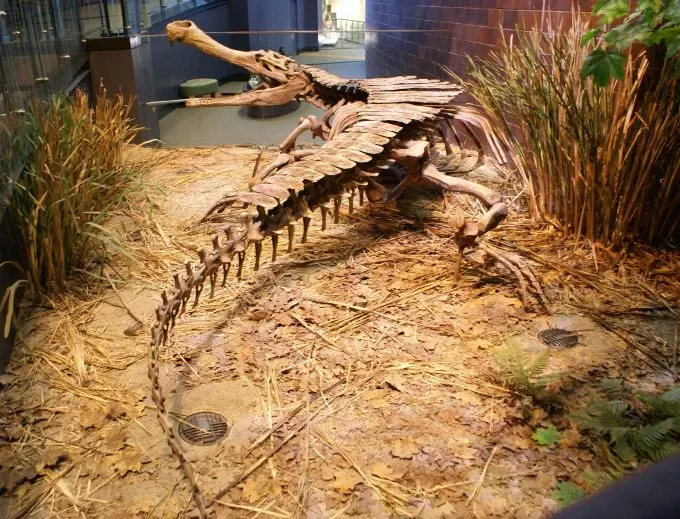
Scientists uncovered Australia’s oldest known crocodile eggshells, revealing the secret lives of ancient mekosuchine crocodiles that once dominated inland ecosystems and filled surprising ecological roles. These weren’t the lazy river predators we know today.
Some prehistoric crocs were adapted to completely different lifestyles than modern species. They occupied niches that seem bizarre to us now, showing just how diverse and adaptable crocodilian lineages were millions of years ago. Evolution experimented with body plans and behaviors in ways that modern survivors don’t reflect.
40,000-Year-Old Mammoth RNA Reveals Active Genes
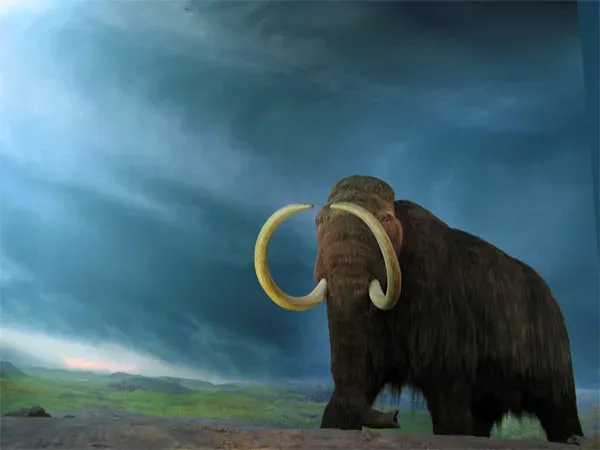
Researchers sequenced the oldest RNA ever recovered, taken from a woolly mammoth frozen for nearly 40,000 years, revealing which genes were active in its tissues and offering a rare glimpse into prehistoric biology. RNA degrades much faster than DNA, so finding it this well preserved is extraordinary.
This breakthrough means scientists can now study not just what genes ancient animals had but which ones were actually turned on when they died. That’s the difference between having a blueprint and knowing which parts of the blueprint were being used. The molecular world of extinct species is opening up before our eyes.
Conclusion
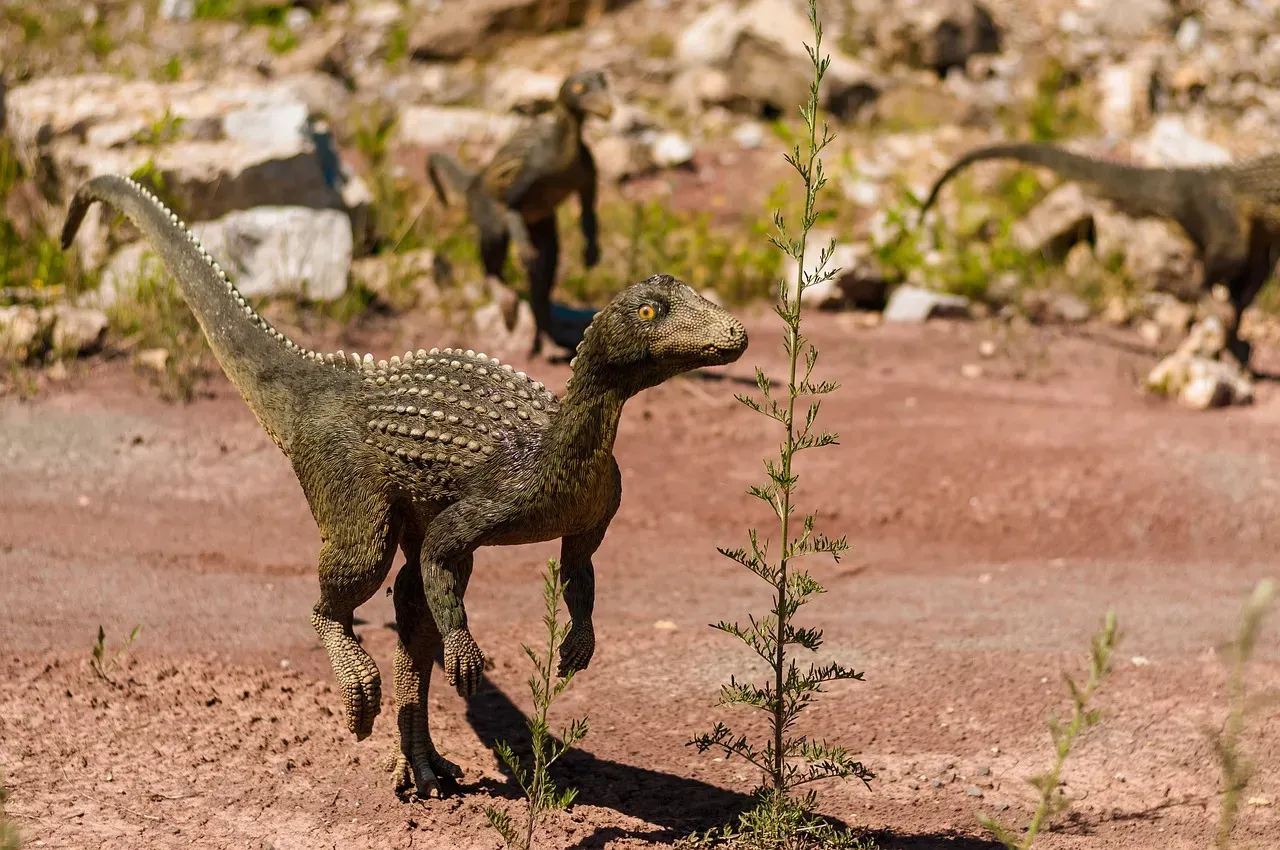
The prehistoric world was infinitely stranger and more complex than most textbooks capture. These discoveries reveal behavior, biology, and body plans that challenge what we thought we knew about evolution and extinction. From mysterious giants that don’t fit any modern category to mammoths whose genes we can now analyze in stunning detail, the past keeps surprising us.
What strikes me most is how much remains hidden. Every year brings new revelations that rewrite the narrative. The creatures that walked, swam, and flew across ancient Earth were doing things we’re only now beginning to understand. What do you think the next decade will uncover? Which of these facts shocked you the most?