Picture yourself standing at the edge of an ancient geological layer, peering down at rock formations that hold secrets millions of years old. You’re looking at evidence of moments when life on Earth nearly ended. These aren’t mere stories. These are written in stone, frozen in time, waiting to be understood.
Throughout our planet’s long history, Earth has endured several devastating catastrophes that reshaped life as it existed. We’re talking about asteroid impacts that darkened skies for years. Volcanic eruptions so massive they covered entire continents. Climate shifts that made the oceans uninhabitable. Let’s dive in and explore what really happened when nature unleashed its fury.
The Great Dying: When Nearly Everything Vanished
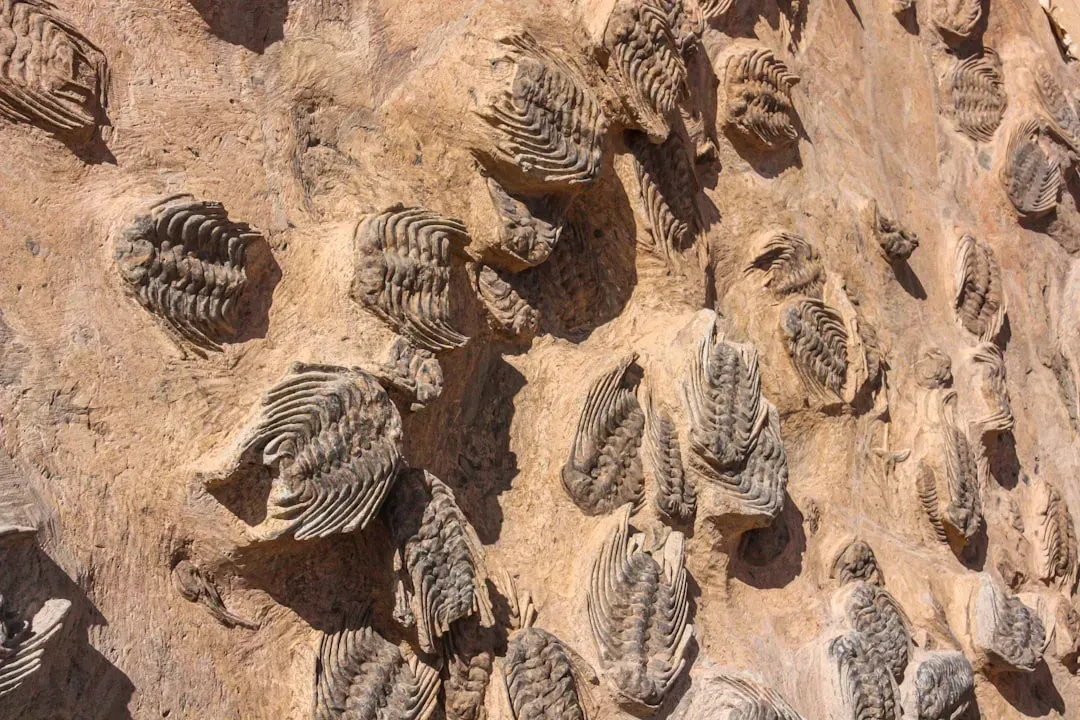
Around 252 million years ago, Earth witnessed its most severe extinction event, wiping out roughly 95% of marine species and 70% of terrestrial vertebrate species. Think about that for a moment. Nearly everything alive simply ceased to exist. This event, often called “The Great Dying,” represents the single largest extinction event in Earth’s history.
Honestly, it’s hard to wrap your head around how devastating this was. Something killed about 90% of the planet’s species, with less than 5% of animal species in the seas surviving and less than a third of large animal species on land making it through. Life on Earth took about 10 million years to recover fully from the devastation. Imagine Earth as a barren, nearly lifeless wasteland for millions of years.
Siberian Traps: The Volcanic Monster Behind the Permian Catastrophe
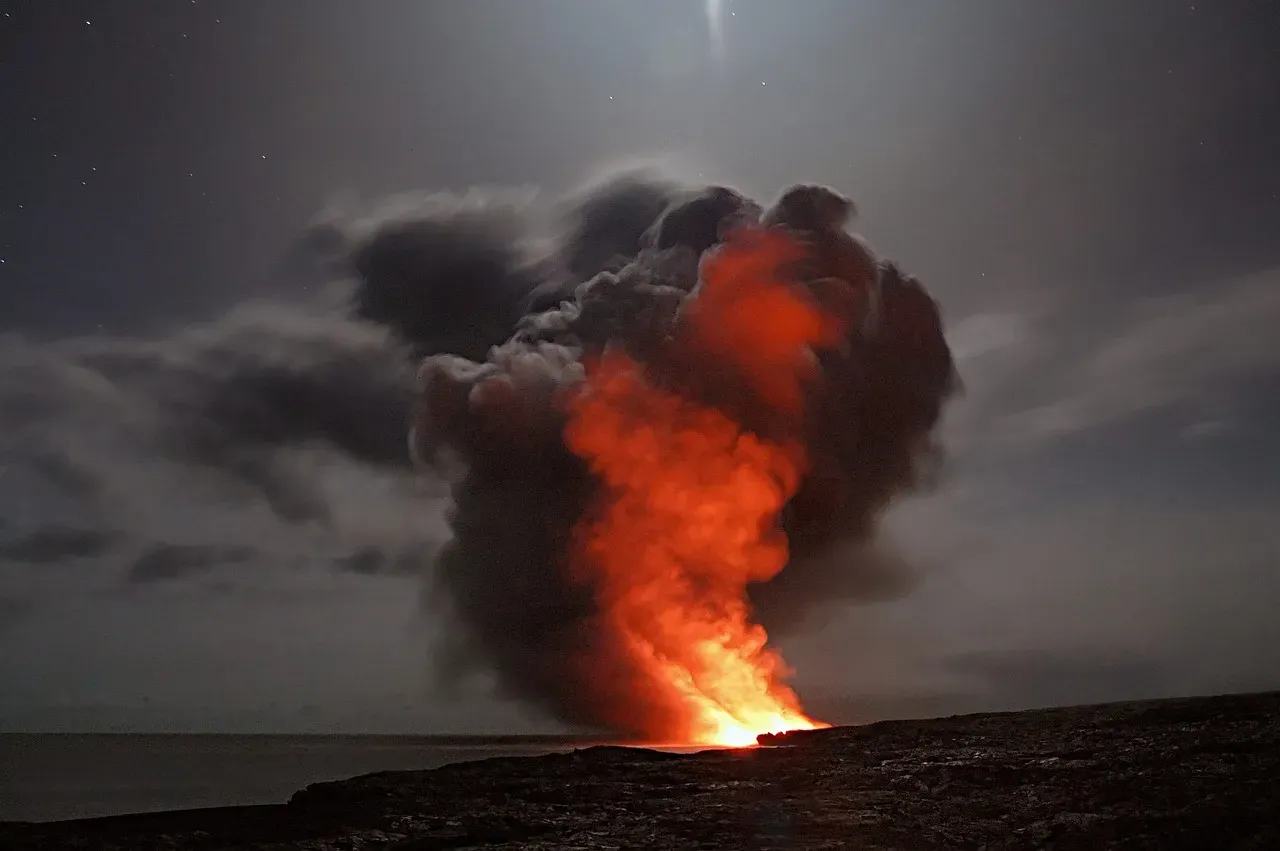
Scientific consensus points to flood basalt volcanic eruptions that created the Siberian Traps as the main cause, releasing sulfur dioxide and carbon dioxide that resulted in oxygen-starved oceans, elevated global temperatures, and acidified oceans. These weren’t your typical volcanic eruptions. We’re talking about something vastly more destructive.
The eruptions covered around 2 million square kilometers with lava, making it one of the largest volcanic events in Earth’s history. The eruptions may have caused large amounts of carbon dioxide to be released into the atmosphere, triggering a large-scale global warming effect of more than 10°C on land and around 8°C on the ocean surface in a short period of time. The atmosphere itself became poisonous to breathe. Volcanic gases would have generated acid rain, and sulfate molecules would have blocked sunlight and cooled the planet, creating a deadly cocktail of environmental disasters all at once.
When a Mountain-Sized Rock Hit Mexico
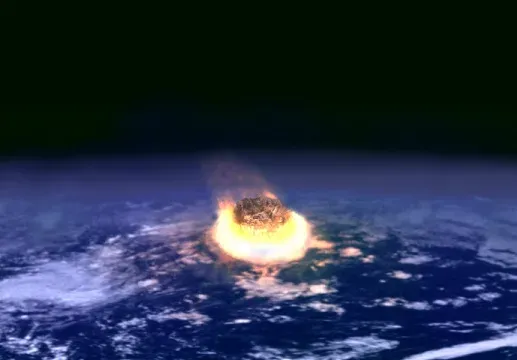
You’ve probably heard this one before, but the details are far more terrifying than most realize. Around 66 million years ago, an asteroid about ten kilometers in diameter struck Earth, creating a crater estimated to be 200 kilometers in diameter and 30 kilometers in depth. It is now widely accepted that the devastation and climate disruption resulting from the impact was the primary cause of the Cretaceous–Paleogene extinction event, a mass extinction of 75% of plant and animal species on Earth, including all non-avian dinosaurs.
The force is almost incomprehensible. The collision would have released the same energy as 100 teratonnes of TNT, more than a billion times the energy of the atomic bombings of Hiroshima and Nagasaki. Superheated winds moving over 1,000 kph would have radiated 900 to 1,800 km out from the impact point, and initially the impact blasted a cavity 100 km wide and 30 km deep. Everything within hundreds of miles was instantly vaporized.
The Chicxulub Discovery: Finding the Smoking Gun
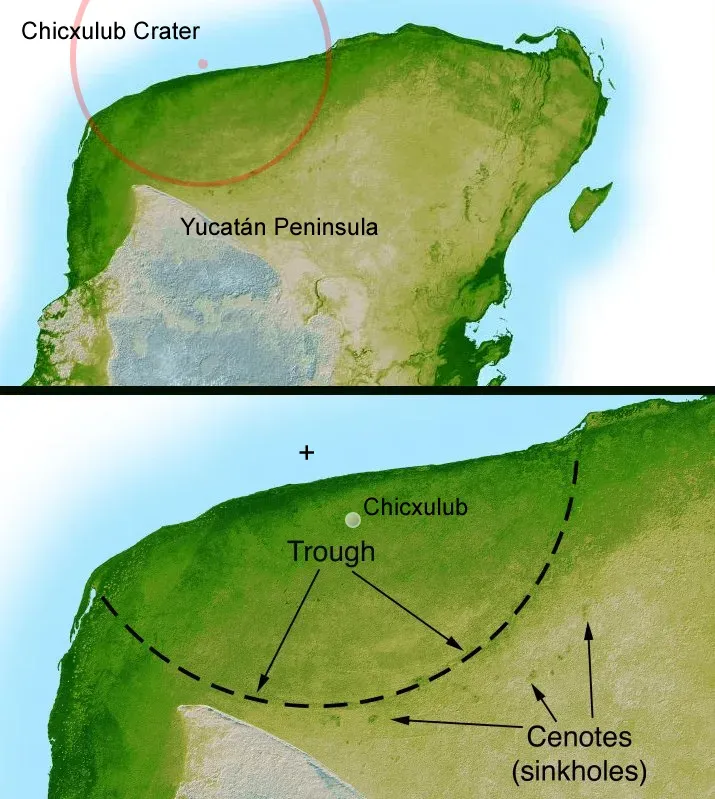
Here’s the thing. Scientists didn’t always agree an asteroid killed the dinosaurs. In the late 1970s, Walter Alvarez and Luis Alvarez proposed that the Cretaceous–Paleogene extinction was caused by an impact event, with evidence contained in a thin layer of clay that contained an abnormally high concentration of iridium, a chemical element rare on Earth but common in asteroids.
Still, skeptics demanded more proof. Geologists searched the globe for years for a crater that was both 66 million years old and big enough to cause a global mass extinction, and it wasn’t until 1990 that Hildebrand and colleagues rediscovered the Chicxulub crater in Mexico. In March 2010, an international panel of 41 scientists reviewed 20 years of scientific literature and endorsed the asteroid hypothesis, specifically the Chicxulub impact, as the cause of the extinction, ruling out other theories such as massive volcanism. The debate was essentially over.
Deccan Traps: India’s Volcanic Contribution to Extinction
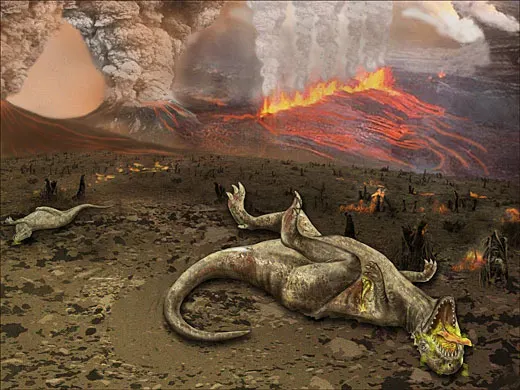
Let’s be real. The asteroid gets all the attention, but there’s another player in this extinction drama. The Deccan Traps began forming 66.25 million years ago at the end of the Cretaceous period, when lava began to extrude in fissure eruptions between 66 and 65 million years ago. The Deccan Traps date back to around 66 million years ago, when magma erupted to the surface, and in some parts the volcanic layers are more than two kilometers thick, making this the second-largest volcanic eruption ever on land.
Geologists uncovered compelling evidence that the asteroid impact 66 million years ago accelerated the eruptions of volcanoes in India for hundreds of thousands of years, and together these planet-wide catastrophes caused the extinction of many land and marine animals. New dates show that the Deccan Traps lava flows doubled in output within 50,000 years of the asteroid or comet impact. The two events may have worked together to make survival impossible for most species.
How Catastrophes Create Opportunities for New Life
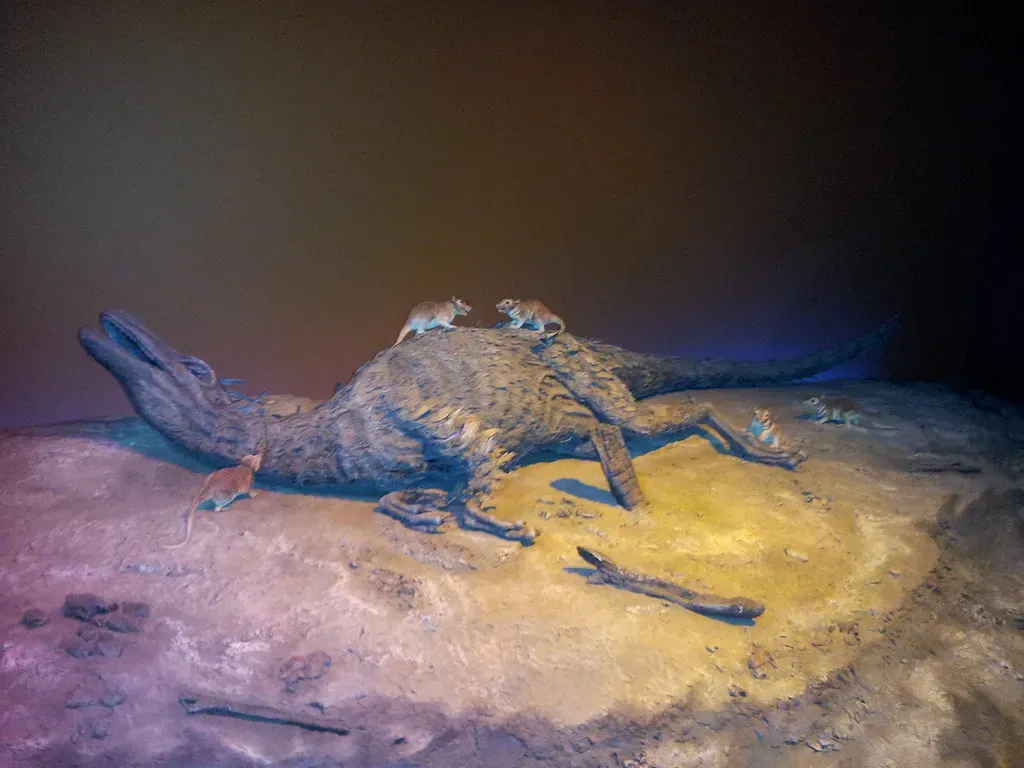
Interestingly enough, mass extinctions aren’t just endings. They’re also bizarre beginnings. The extinction provided evolutionary opportunities, as many groups underwent remarkable adaptive radiation – sudden and prolific divergence into new forms and species within the disrupted and emptied ecological niches.
While mass extinctions are best known for destroying life, they also promote the evolution of new species, leveling the playing field for groups who may have lived in the shadows of more dominant species – mammals prospered and rapidly diversified after non-avian dinosaurs were wiped out 66 million years ago. Without the dinosaurs hogging all the resources, mammals could finally thrive. You and everyone you know exist because of this extinction. It’s humbling, honestly. We owe our entire evolutionary lineage to a cosmic accident.
The Catastrophism Versus Gradualism Debate
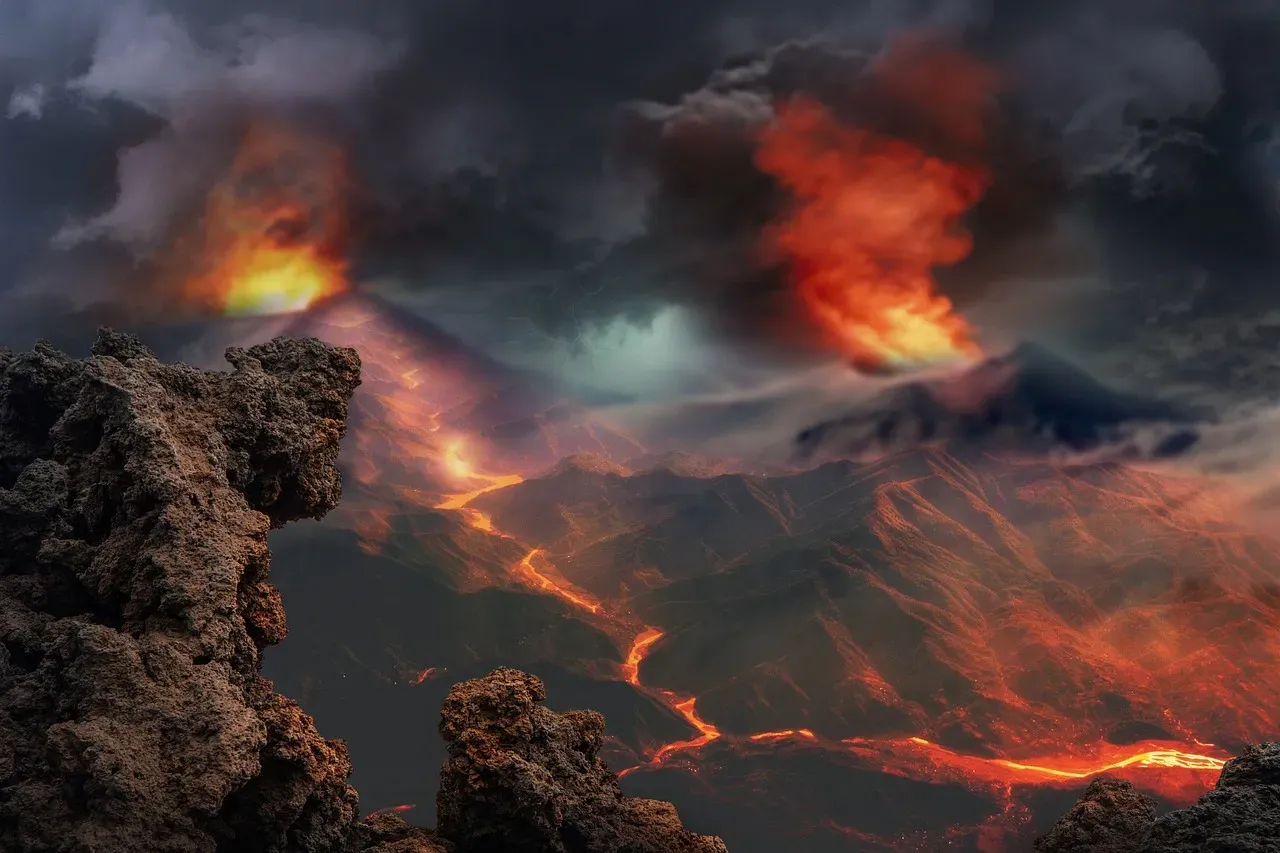
For a long time, scientists argued about how Earth’s features formed. Gradualism and catastrophism were schools of thought in the earth sciences that explained major features of Earth’s surface and life’s history by appealing to different causes – gradualists explained geological features as the result of slowly acting processes like erosion, while catastrophists argued that Earth had been shaped mainly by a series of violent events or catastrophes.
In the early nineteenth century, gradualism seemed to win out completely over catastrophism, but in the late twentieth century scientists discovered that catastrophic events have also played a major role in Earth’s history. Today most geologists combine catastrophist and uniformitarianist standpoints, taking the view that Earth’s history is a slow, gradual story punctuated by occasional natural catastrophic events. Turns out both sides were partially right. Earth changes slowly most of the time. Then something absolutely apocalyptic happens, and everything changes in an instant.
Understanding Earth’s Violent Past to Protect Our Future
Since Earth was formed roughly 4.5 billion years ago, it has gone through dozens of major cataclysmic events, including the eruption of supervolcanoes, impacts by comets and asteroids, major tectonic shifts, exposure to cosmic radiation, and more. Evidence has accumulated that many sudden and violent events in the past had widespread consequences, including torrential flooding, massive volcanic activity, and huge asteroid impacts causing global disasters.
Here’s where it gets sobering. Human activity is killing nature at an unprecedented rate, and we are now experiencing the consequences in the form of a possible sixth mass extinction. We’re currently living through what many scientists believe is another extinction event, but this time we’re the cause. Learning about Earth’s catastrophic past isn’t just academic curiosity. It’s a stark reminder of how fragile life really is and how quickly everything can change.
So what do you think? Does understanding these ancient catastrophes make you see our planet differently? The evidence carved into rock layers around the world tells a story of resilience and destruction, endings and beginnings. Earth has survived unimaginable disasters before. The question is whether we’ll help it survive what comes next.