
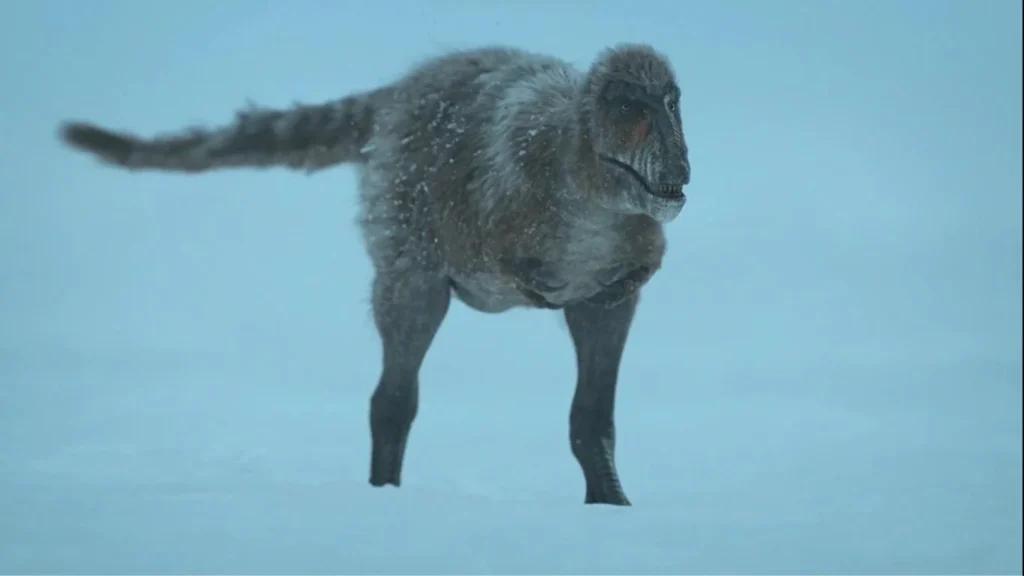
You might picture dinosaurs wandering through steamy jungles and tropical swamps. That was true for some species. Yet recent fossil discoveries have completely flipped our understanding of these ancient creatures. Dinosaurs weren’t just heat lovers lounging in prehistoric paradise. They weathered ice, volcanic winters, extreme droughts, and polar darkness lasting months on end. Their ability to conquer wildly different climates helped them dominate Earth for more than a hundred and thirty million years. Let’s explore how these remarkable animals conquered weather extremes that would have left other species extinct.
Developing Feathery Insulation for Freezing Temperatures
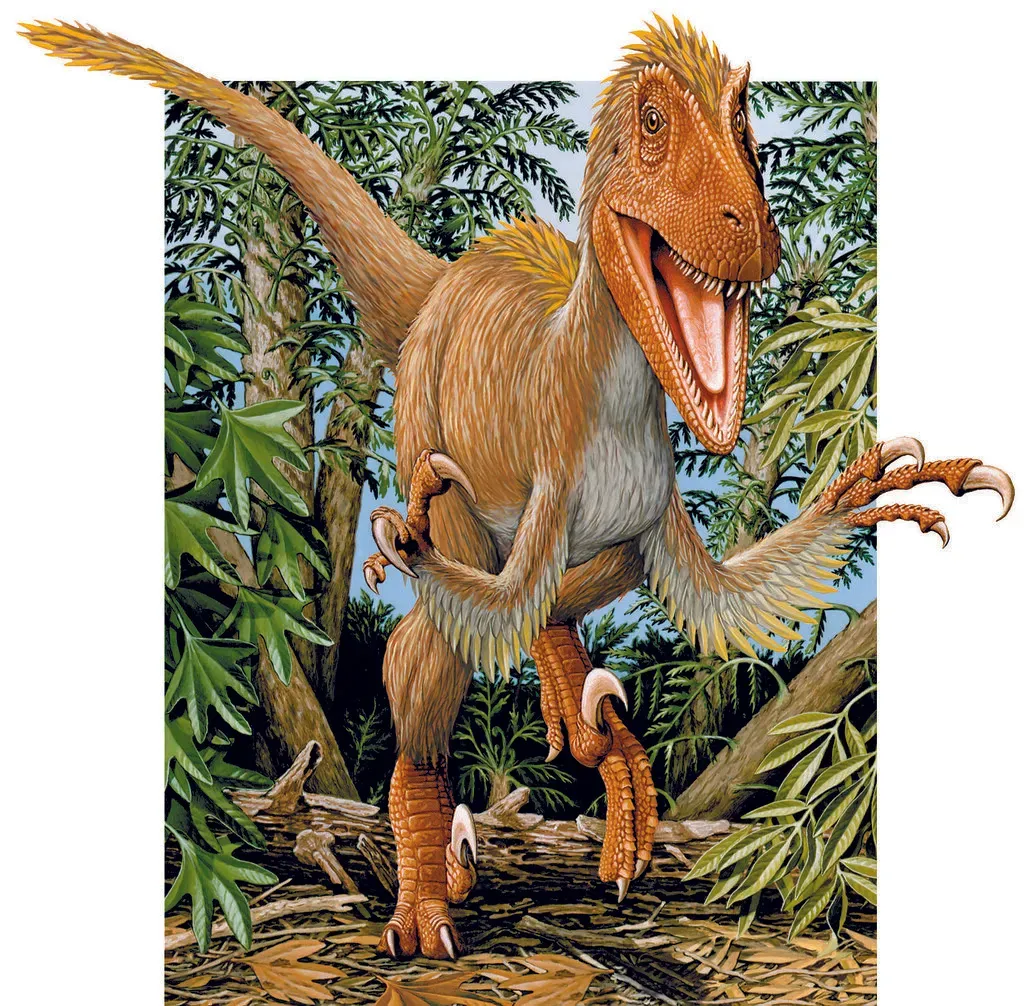
Protofeathers evolved in dinosaurs, and these structures likely provided thermal insulation to help them get through dark winters. Think of these early feathers like a fluffy down jacket wrapped around your body. They weren’t fancy flight feathers yet, just simple filamentous structures that trapped air close to the skin.
Phylogenetic bracket analysis shows that non-avian dinosaurs were primitively insulated, enabling them to access rich deciduous and evergreen Arctic vegetation, even under freezing winter conditions. This gave them a massive advantage when volcanic eruptions plunged the world into freezing conditions roughly two hundred million years ago. They were fundamentally cold-adapted animals, and when it got cold everywhere, they were ready, and other animals weren’t.
Inhabiting Polar Regions Year-Round Despite Months of Darkness
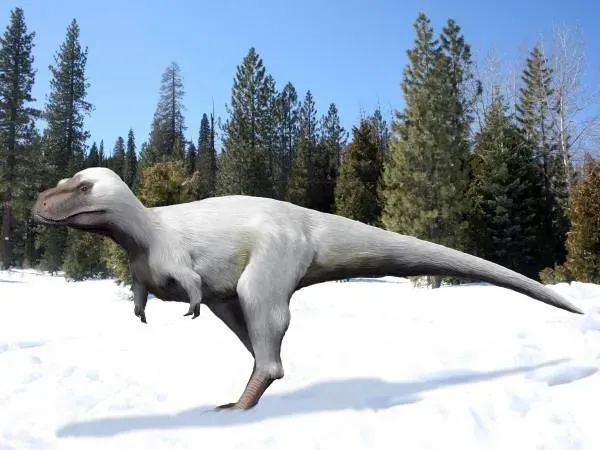
The seventy million-year-old rock of Alaska’s Prince Creek Formation contains the fossils of horned dinosaurs, tyrannosaurs, duckbilled dinosaurs, raptors and more that lived within the Arctic Circle. This wasn’t a vacation spot. Polar dinosaurs had to endure prolonged darkness, up to six months each winter, and the moon would be out more than the sun, making it tough to make a living.
Instead of migrating to warmer regions to raise their young, polar dinosaurs stayed in ancient Alaska year-round and raised their offspring there. The discovery of baby dinosaur bones in Arctic regions settled the debate once and for all. These creatures weren’t just passing through during nice weather.
Adjusting Growth Patterns Based on Seasonal Resources
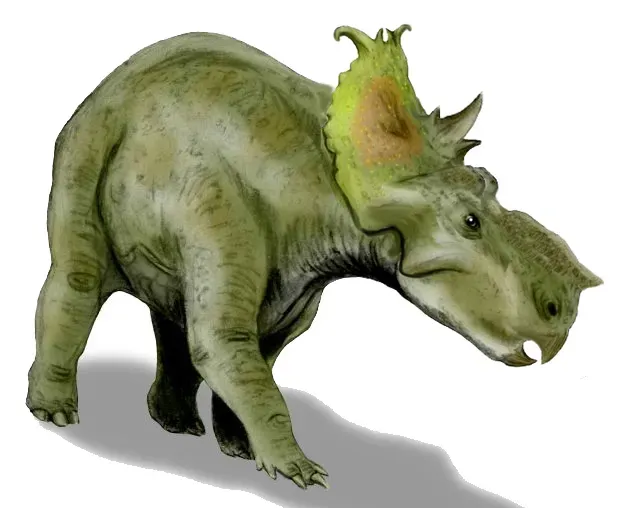
Polar dinosaurs were already biologically predisposed to surviving on less during the cold months, with the dinosaurs growing faster again during the lush summers, while the ground did not freeze in these places, providing enough vegetation to support an ecosystem of resident dinosaurs. Basically, they hit pause on growing when food became scarce.
Studies of how dinosaurs grew, such as the horned Pachyrhinosaurus, indicate that polar dinosaurs had to grow rapidly in the warm months and stopped growing during the cold ones, creating rings in their bones similar to tree rings. You could read their life story in those bone rings like chapters in a book. Hard times, good times, all recorded there.
Creating Underground Burrows to Escape Harsh Winters
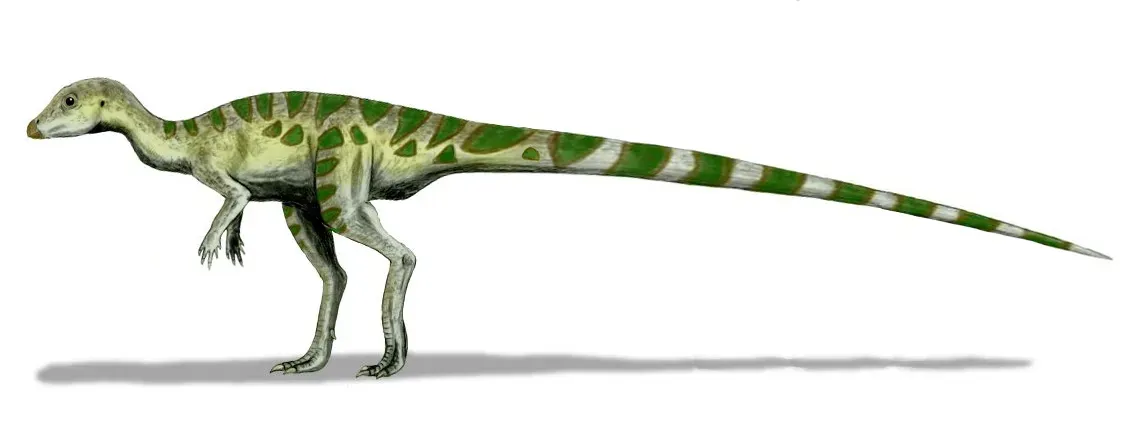
Some dinosaurs might have dug in to survive the harshest months, as paleontologists working in southern Australia’s strata have found burrow-like structures from the age of Leaellynasaura, and elsewhere these structures actually contain small, herbivorous dinosaurs, suggesting that dinosaurs might have burrowed as a way to escape the cold. Imagine a creature the size of a large dog tunneling underground when winter arrived.
This behavior mirrors what modern animals do today. It’s hard to say for sure how widespread burrowing was among dinosaur species, as these structures don’t preserve well. Still, finding actual dinosaur skeletons inside burrows leaves little doubt about this survival strategy.
Migrating Hundreds of Miles to Find Food and Water
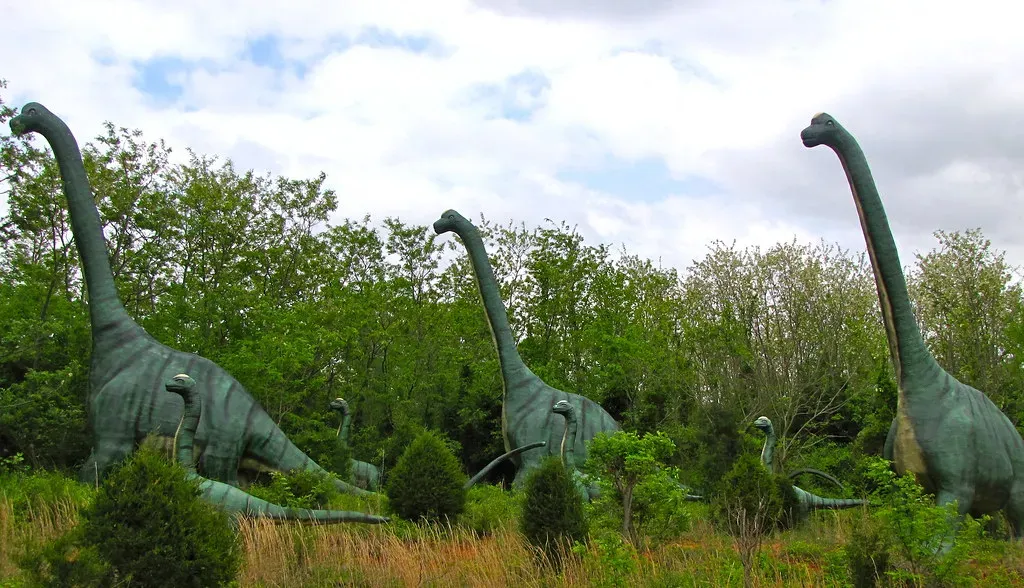
Gigantic plant-eating dinosaurs called sauropods took yearly jaunts to high ground to escape drought, and by analyzing fossilized dinosaur teeth, researchers determined that the dinosaurs migrated hundreds of miles from their home to find food and water during dry spells. The dinosaurs probably traveled more than three hundred fifty miles to find food and water in the highlands.
Sauropods in western North America were living in an environment that was seasonally dry, with a pronounced wet season and a pronounced dry season, and if you have an animal that needs to eat a lot and drink a lot, it’s going to have to move to access vegetation and to get water. These weren’t quick sprints either. We’re talking marathon journeys across ancient landscapes.
Evolving Smaller Body Sizes in Extreme Climates
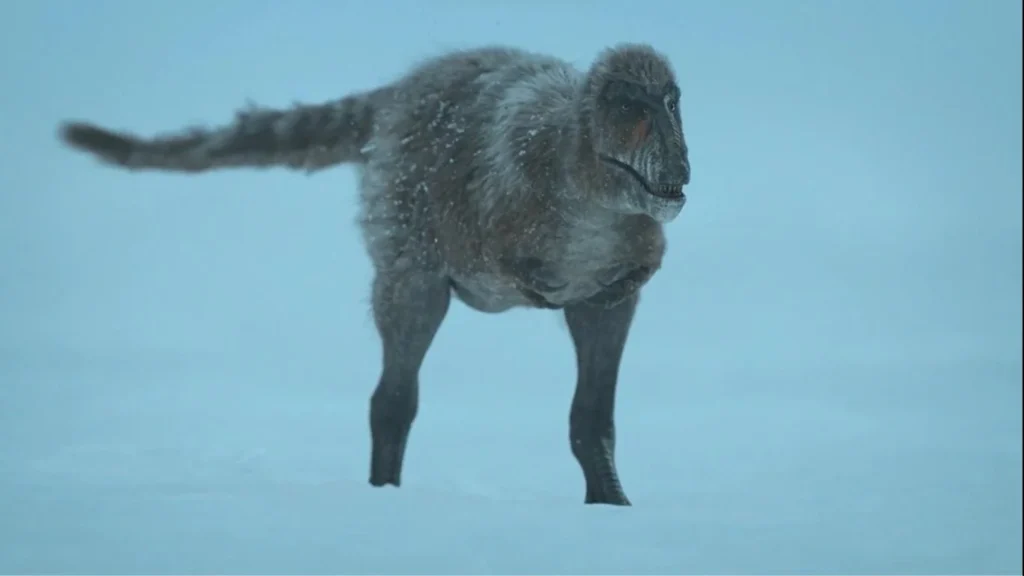
The local tyrannosaur in the Prince Creek Formation was not a familiar species seen elsewhere, but a unique and smaller predator, roughly the size of a polar bear, that was dubbed Nanuqsaurus, and the comparatively small stature of this dinosaur, as well as the downsized species of horned dinosaur called Pachyrhinosaurus in the area, hints that types of dinosaurs that grew big elsewhere adapted to become smaller and thereby get by on less food in the cool of ancient Alaska.
It’s a smart adaptation when you think about it. Smaller bodies need less fuel to keep running. When food becomes scarce during long winters, being compact rather than gigantic becomes an advantage rather than a disadvantage.
Regulating Body Temperature Through Unique Metabolic Systems
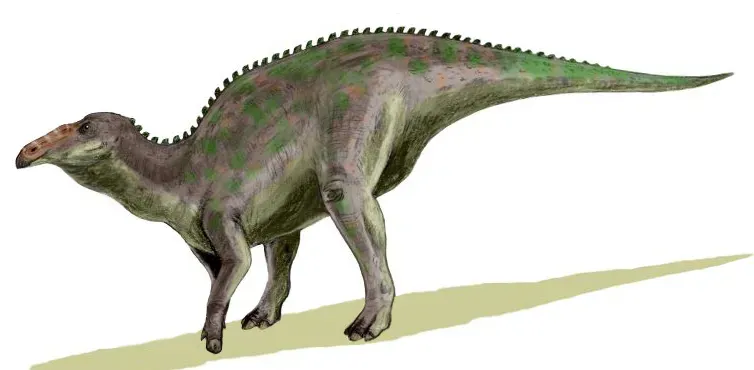
Studies have suggested that dinosaurs were likely warm-blooded, or capable of regulating their body temperature metabolically, which would have provided additional protection against the cold. They were neither cold-blooded nor warm-blooded in modern terms, but had metabolisms that were different from and in some ways intermediate between those of modern cold-blooded and warm-blooded animals. Scientists now call this condition mesothermy.
The estimated body temperatures varied between twenty-nine degrees Celsius and forty-six degrees Celsius, with an overall average of thirty-seven degrees Celsius, significantly higher than the environmental temperature of about twenty-five degrees Celsius of this region during the Late Cretaceous. Different species managed heat differently based on their size and lifestyle.
Avoiding Extreme Equatorial Heat Through Latitudinal Distribution
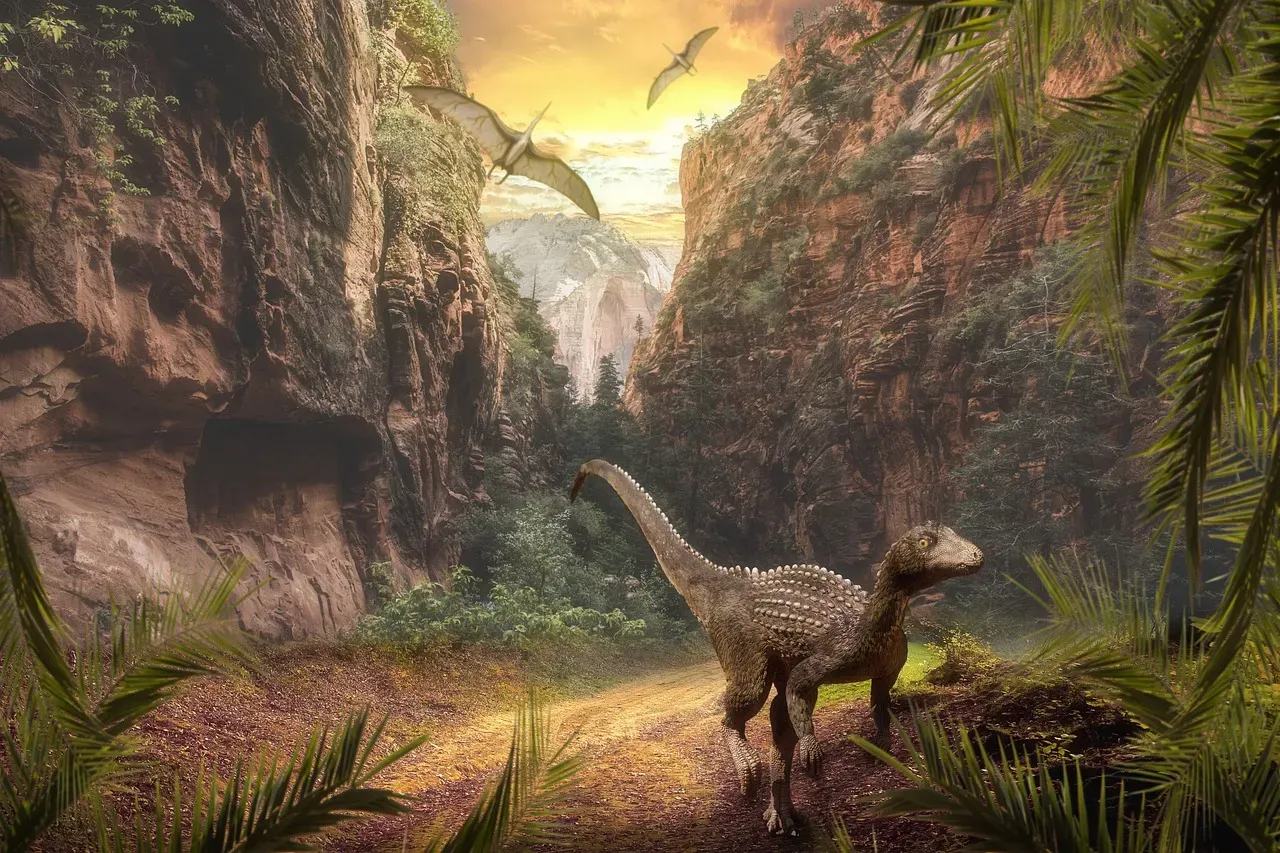
The new findings show that the tropical climate swung wildly with extremes of drought and intense heat, and wildfires swept the landscape during arid regimes and continually reshaped the vegetation available for plant-eating animals. For millions of years, large dinosaurs simply avoided low-latitude regions altogether.
Big, long-necked dinosaurs, or sauropodomorphs, already the dominant plant-eaters at higher latitudes, did not exist at the study site or any other low-latitude site in Triassic Pangaea, as far as the fossil record shows. When the carbon dioxide levels dipped two hundred fifteen to two hundred twelve million years ago, the tropical regions may have become more mild, and the arid regions could have become less dry. Only then could they finally move in.
Surviving Prolonged Droughts by Congregating Near Water Sources
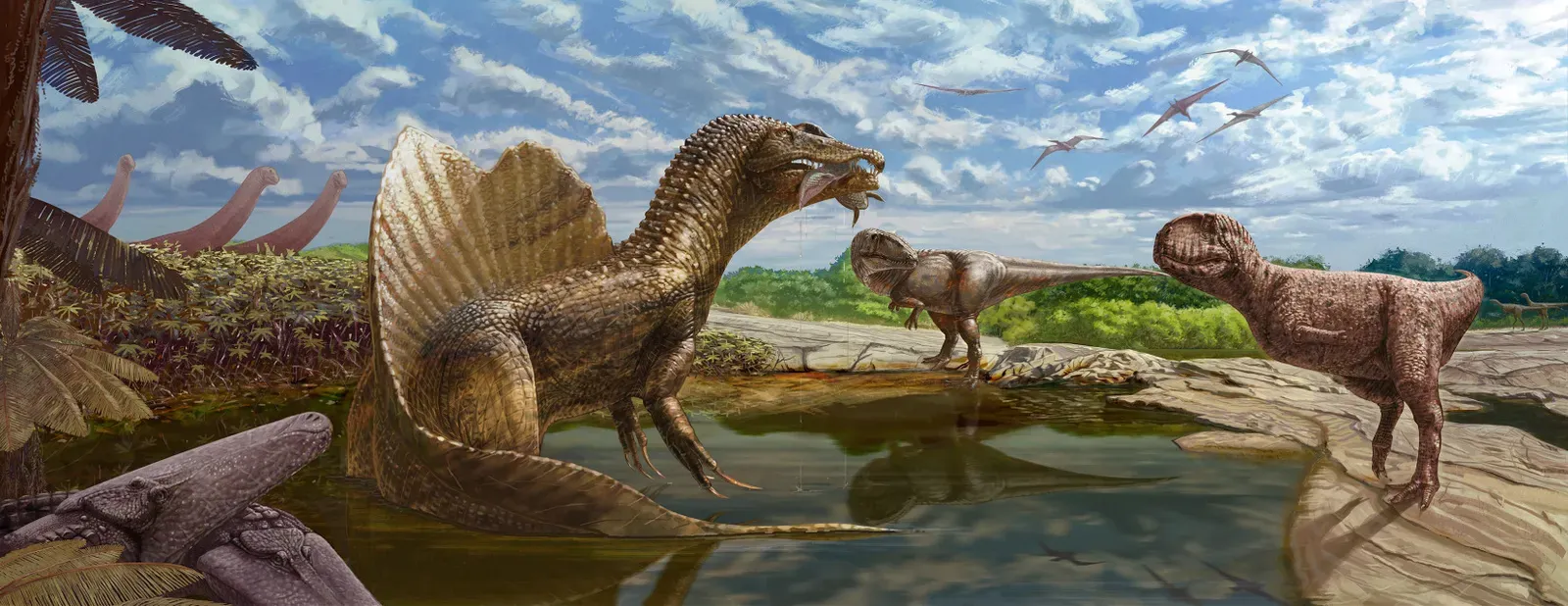
Animals congregated in the desiccating riverbeds, probably around remaining pools of water, where again and again they perished as good drinking water and nourishment disappeared. Fossil bone beds in Madagascar preserve the tragic evidence of these desperate gatherings.
Studies of modern drought-related mortality indicate that the unlucky animals preserved in the Maevarano bone beds could have ultimately died from any number of causes: dehydration, heat stress, malnutrition, perhaps even poisoning as their dwindling water supplies turned foul and noxious. Despite the risks, staying near whatever water remained was their only option for survival.
Enduring Volcanic Winters During Mass Extinction Events
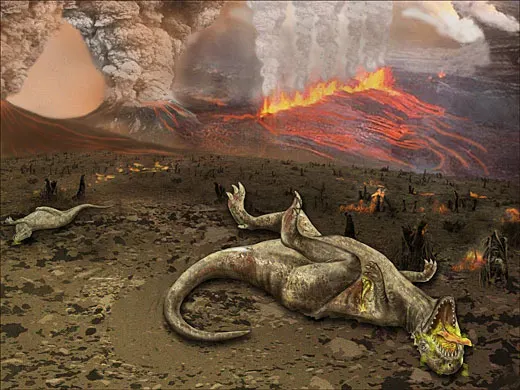
Transient but intense volcanic winters associated with massive eruptions and lowered light levels led to the end-Triassic mass extinction, decimating all medium- to large-sized nondinosaurian, noninsulated continental reptiles. The dinosaurs, accustomed to the cold, shrugged it off as a particularly long winter.
Volcanic winters might last for tens or even hundreds of years, depending on how long volcanoes continue to erupt, and in this case, the huge sheets of lava linked to the CAMP eruptions point to at least tens of thousands of years of eruption pulses, maybe even a million years, which could have kept the winters going for a good long time, long enough to drive many less-well-insulated reptiles off the face of the Earth. Honestly, it’s remarkable they made it through at all.
Adapting Vision and Physiology for Extended Darkness
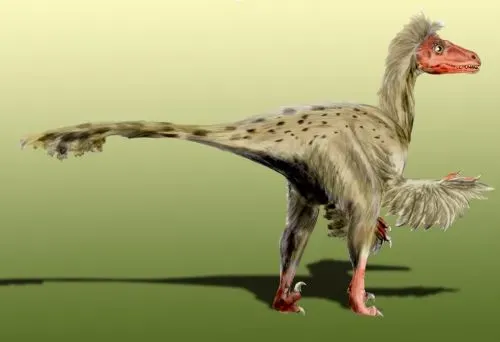
Fossil discoveries show that some dinosaur species were cold-adapted, could see in low light conditions, useful in those huge fog banks, and thrived year-round near the poles. Enhanced vision would have been crucial when the sun barely rose for months at a time.
The Arctic environment during the Cretaceous tested every aspect of dinosaur biology. Yet they found ways to hunt, forage, and raise families in near-total darkness. Their success in these brutal conditions demonstrates just how adaptable and resilient these creatures truly were, far beyond what earlier scientists ever imagined possible.
Conclusion
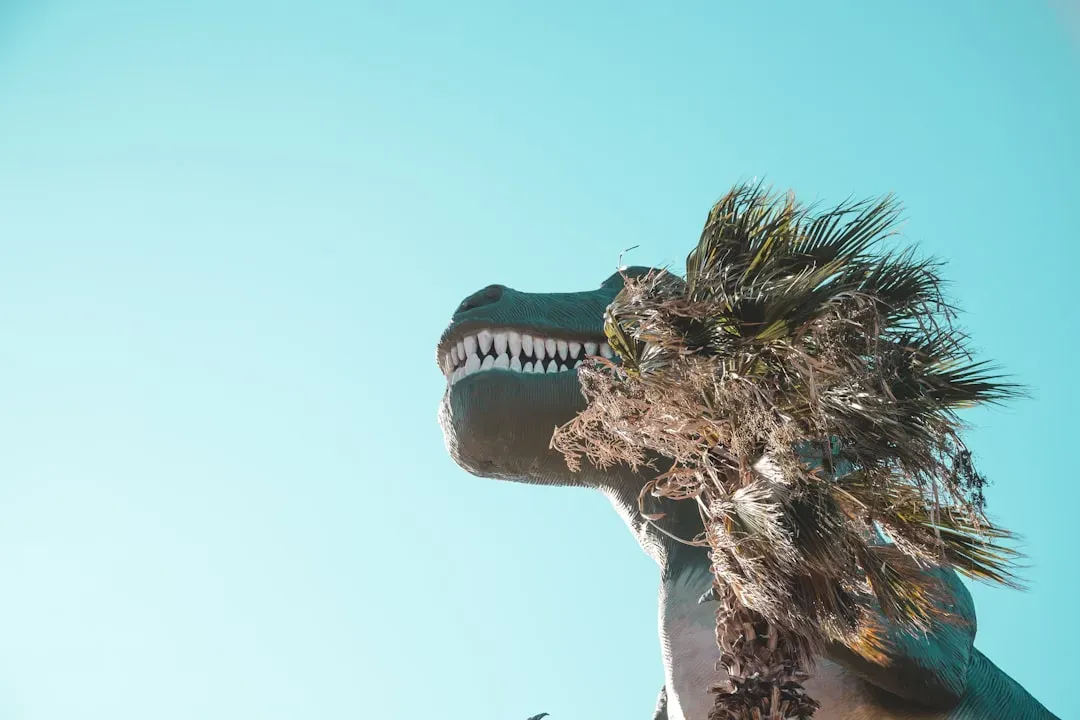
Dinosaurs weren’t the slow, dim-witted creatures of old movies. They were sophisticated survivors who conquered nearly every climate Earth threw at them. From Arctic snowfields to scorching deserts, from months of darkness to volcanic apocalypses, they adapted and thrived. Their feathery coats, flexible metabolisms, migration patterns, and behavioral strategies allowed them to rule the planet far longer than any mammal has managed.
These ancient adaptations tell us something profound about resilience and survival. What do you think was their most impressive weather survival trick? Did any of these adaptations surprise you?