
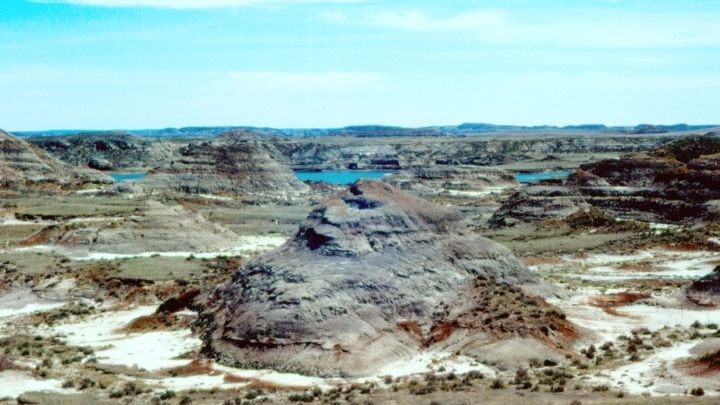
Think dinosaurs are just for museum display cases? Think again. Scattered across North America are ancient landscapes where you can stand exactly where these prehistoric giants once roamed, touch fossils that are millions of years old, and witness paleontologists actively uncovering the secrets of our planet’s distant past. From the badlands of Alberta to the dramatic canyons of Utah, these fossil sites offer something truly magical: a direct connection to a world that existed long before humans walked the Earth.
The thrill of discovering where Tyrannosaurus rex hunted or where herds of Triceratops gathered isn’t reserved for scientists anymore. You can experience it yourself. Let’s explore the most incredible dinosaur fossil sites where history comes alive beneath your feet.
Dinosaur National Monument, Utah and Colorado
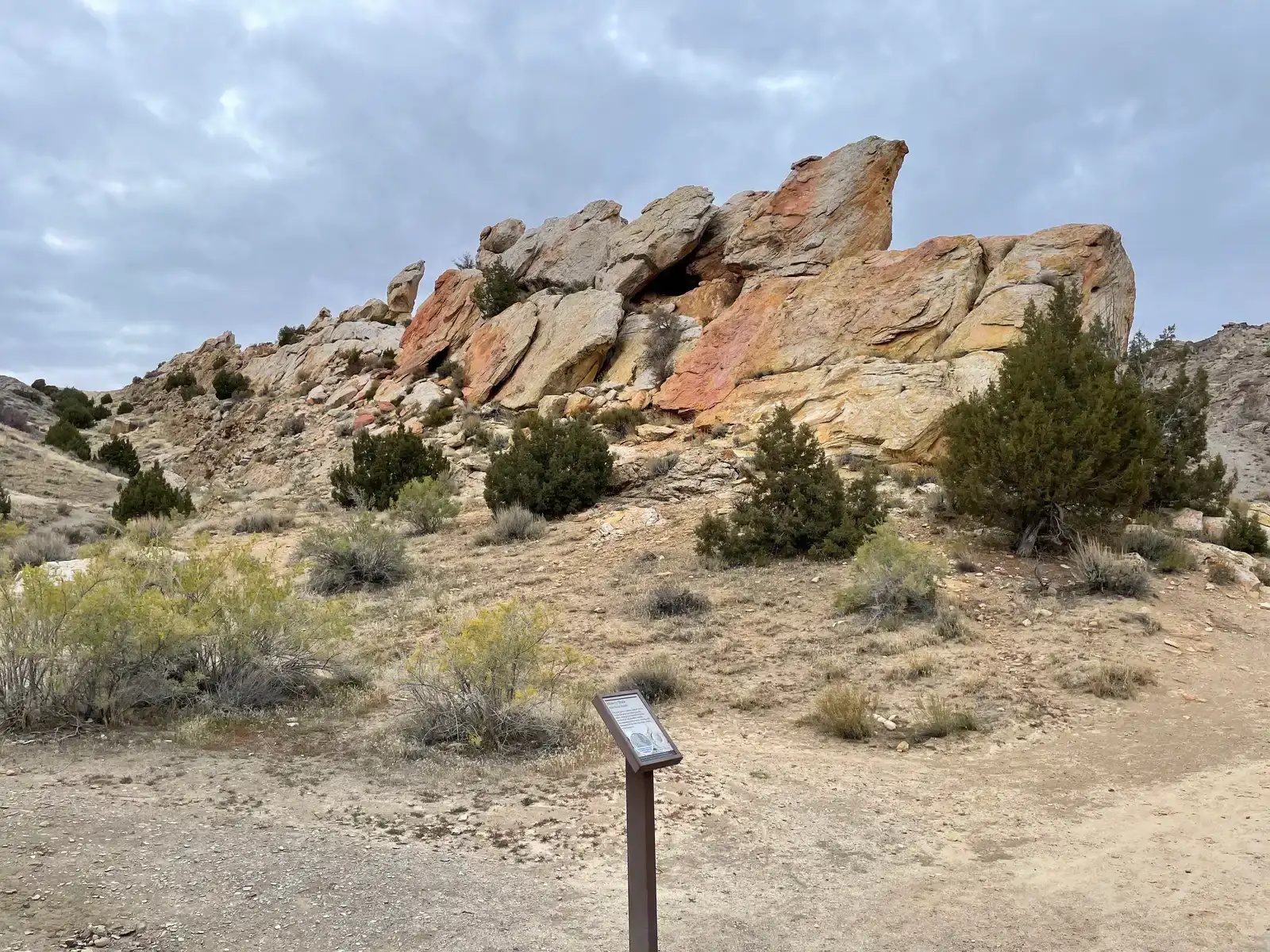
Straddling the border between Utah and Colorado, Dinosaur National Monument is home to approximately 1,500 dinosaur fossils still embedded in the rock, making it one of the most unique places where you can see and even touch these ancient remains in their final resting place. Honestly, it’s hard to put into words what it feels like to place your hand on a 149-million-year-old bone that’s been waiting in stone for your arrival.
The site was discovered in 1909 by paleontologist Earl Douglass, who found a formation layered with prehistoric plant and animal fossils along what was once a sandbar on the edge of a large river where animal carcasses became stuck and eventually turned to rock. The refurbished Quarry Exhibit Hall provides the perfect environment to learn about, see, and even touch these fossils. The exhibits reveal stories of animals that lived during the late Jurassic period, including the 80-foot long “Wall of Bones”.
Hell Creek Formation, Montana and the Dakotas
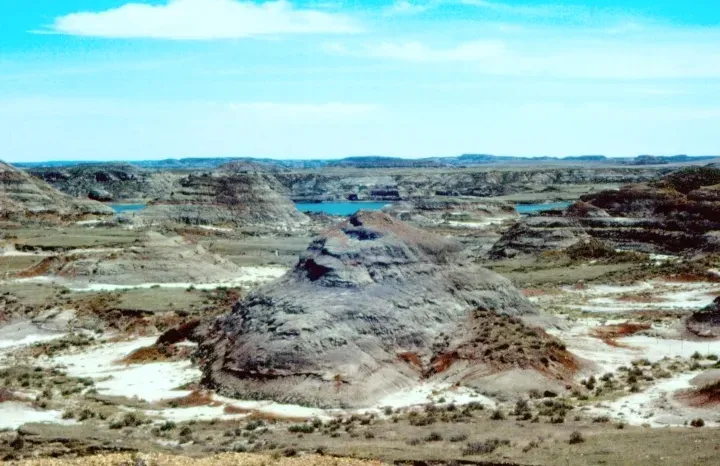
Let’s be real: if you want to walk where Tyrannosaurus rex actually lived, this is your destination. The Hell Creek Formation is a world-renowned site for dinosaur fossils, including the famous Tyrannosaurus Rex, Triceratops, and Edmontosaurus. This intensively studied formation stretches over portions of Montana, North Dakota, South Dakota, and Wyoming.
Eastern Montana’s Hell Creek Formation yields a high concentration of dinosaur fossils due to its unique erosion and ground disturbance, and visitors can help make big discoveries each year as snow, rain, and wind expose more finds. The Hell Creek Formation is one of the most famous dinosaur-bearing formations in the world and is the best sampled uppermost Cretaceous vertebrate assemblage. Several organizations offer public dig experiences where you can work alongside paleontologists. The landscape itself feels otherworldly, a stark reminder of how dramatically our planet has transformed.
Royal Tyrrell Museum and Field Station, Alberta
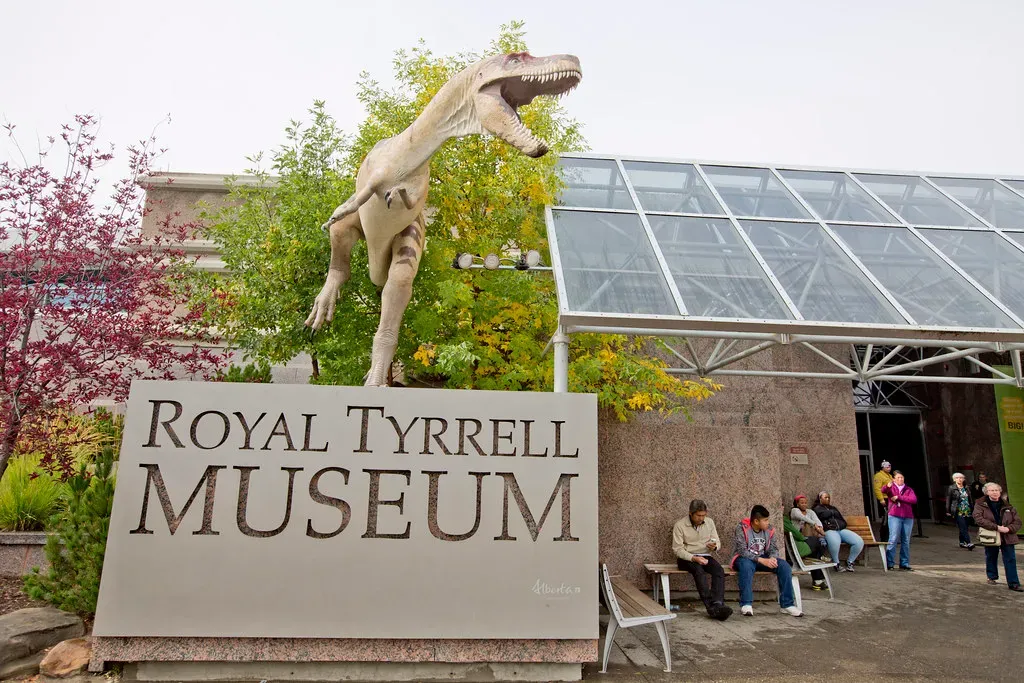
The Royal Tyrrell Museum of Palaeontology is situated within a 12,500-square-metre building in Drumheller, Alberta, and was named in honor of Joseph Burr Tyrrell. The museum’s personal collection includes over 160,000 cataloged fossils, consisting of over 350 holotypes, and displays approximately 800 fossils in its exhibits.
What makes this place special? The Royal Tyrrell Museum’s Dinosaur Hall houses one of the world’s largest displays of dinosaur remains. During summer months, visitors can watch as fossils found in Alberta are prepared for research and display, with many technicians working in the field with paleontologists to prospect for and collect fossils. You’ll see everything from the terrifying jaws of a T. rex to delicate fossilized insects preserved in astonishing detail. Look for the skeleton of ‘Hell-Boy,’ a dinosaur discovered in 2005, and ‘Black Beauty,’ a 67-million-year-old T. rex rearing its head into the sky.
Dinosaur Provincial Park, Alberta
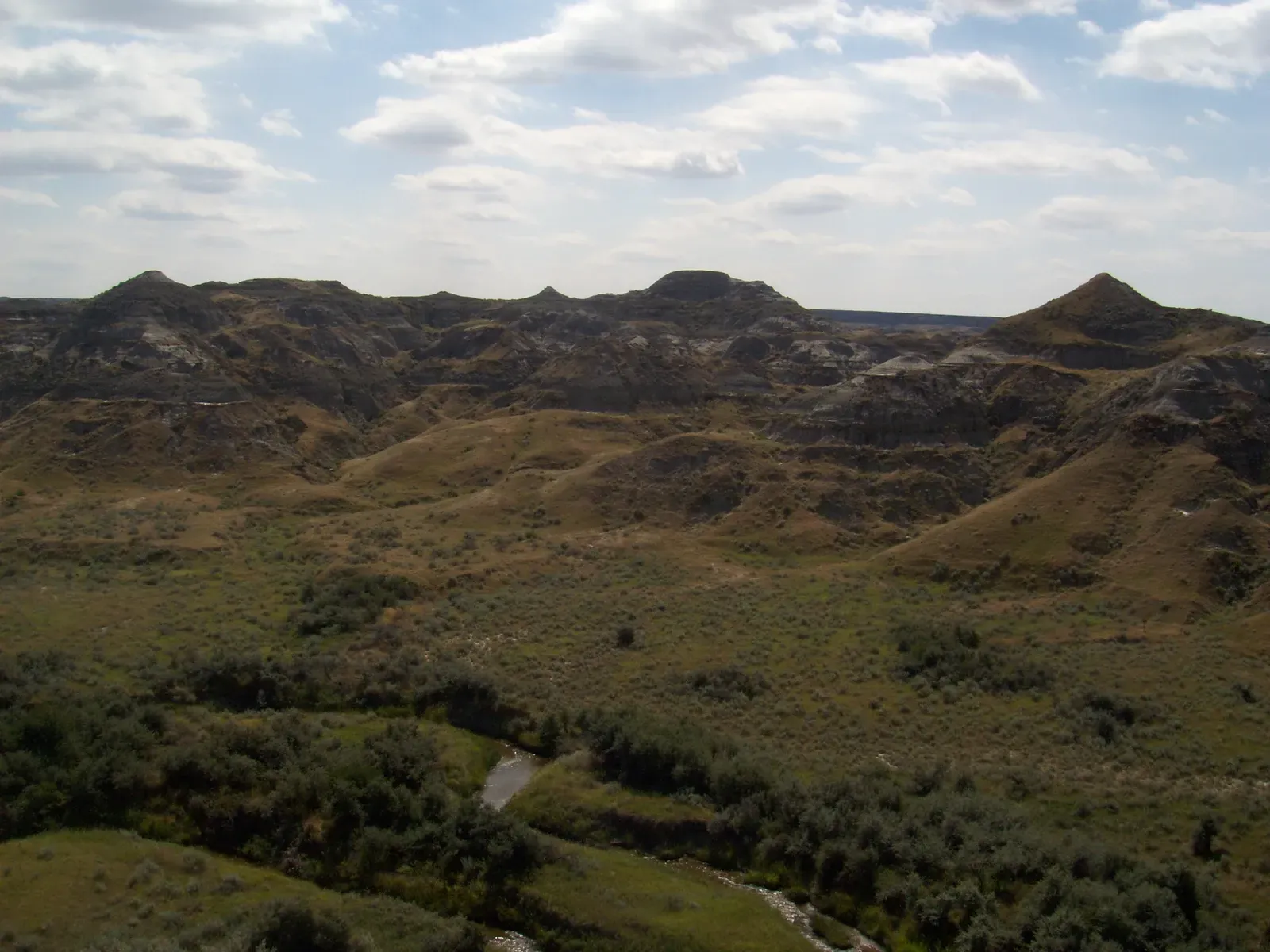
Dinosaur Provincial Park is a UNESCO World Heritage Site situated 220 kilometers east of Calgary, Alberta, in the Red Deer River valley, noted for its striking badland topography and abundance of dinosaur fossils. Here’s the thing: this isn’t just impressive, it’s overwhelming. The park is well-known for being one of the richest dinosaur fossil locales in the world, with fifty-eight dinosaur species discovered and more than 500 specimens removed and exhibited in museums around the globe.
After a century of excavations, over 150 complete dinosaur skeletons have been discovered, and over 50 dinosaur species have been found here, joining a list of another 450 fossil organisms. The Royal Tyrrell Museum’s Field Station is located in the Visitor Centre at Dinosaur Provincial Park, about two hours southeast of Drumheller, and the park was designated a UNESCO World Heritage Site in 1979 due to its international scientific significance. The badlands scenery alone is worth the trip, but knowing you’re surrounded by one of Earth’s greatest fossil treasure troves? That’s unforgettable.
Dinosaur Ridge, Colorado
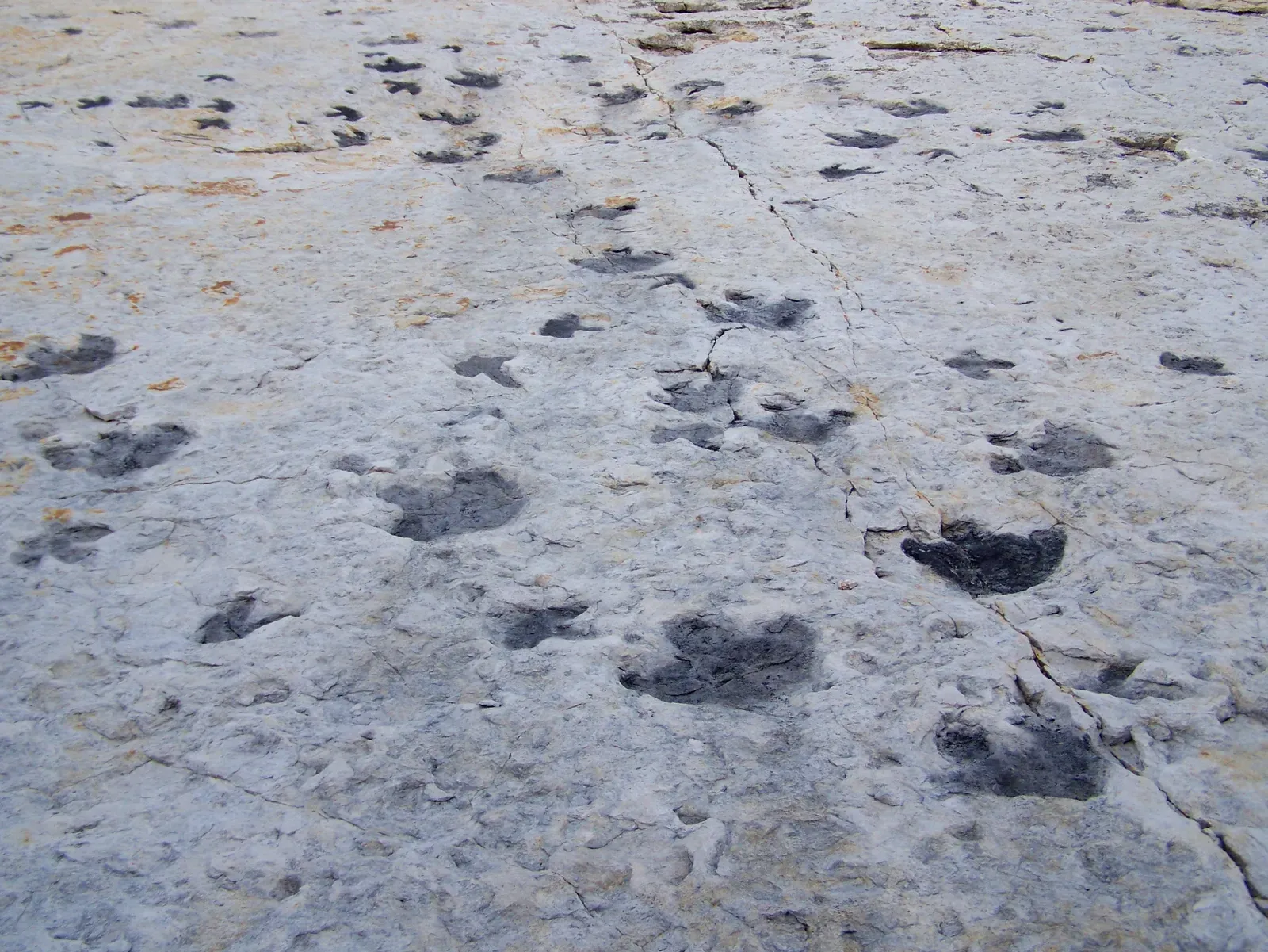
You can follow in the footsteps of prehistoric creatures at Dinosaur Ridge and see the fossils they left behind. At Dinosaur Ridge, visitors can trace the steps on the Dinosaur Trail or the Triceratops Trail and see a simulated dig site to touch and experience real dinosaur bones and fossils, with the Trek Through Time exhibit featuring more than 37 trackways and 300 prints.
It’s hard to say for sure, but there’s something uniquely moving about placing your foot next to a dinosaur’s footprint. The crisscrossing Cretaceous period tracks in the cliff belong to both dinosaurs and prehistoric crocodiles. Located just outside Denver, this site offers accessibility that makes it perfect for families. The hike is wheelchair accessible and free, although tour guides are available for a fee. You’re witnessing actual evidence of movement from creatures that vanished millions of years ago.
Badlands National Park, South Dakota
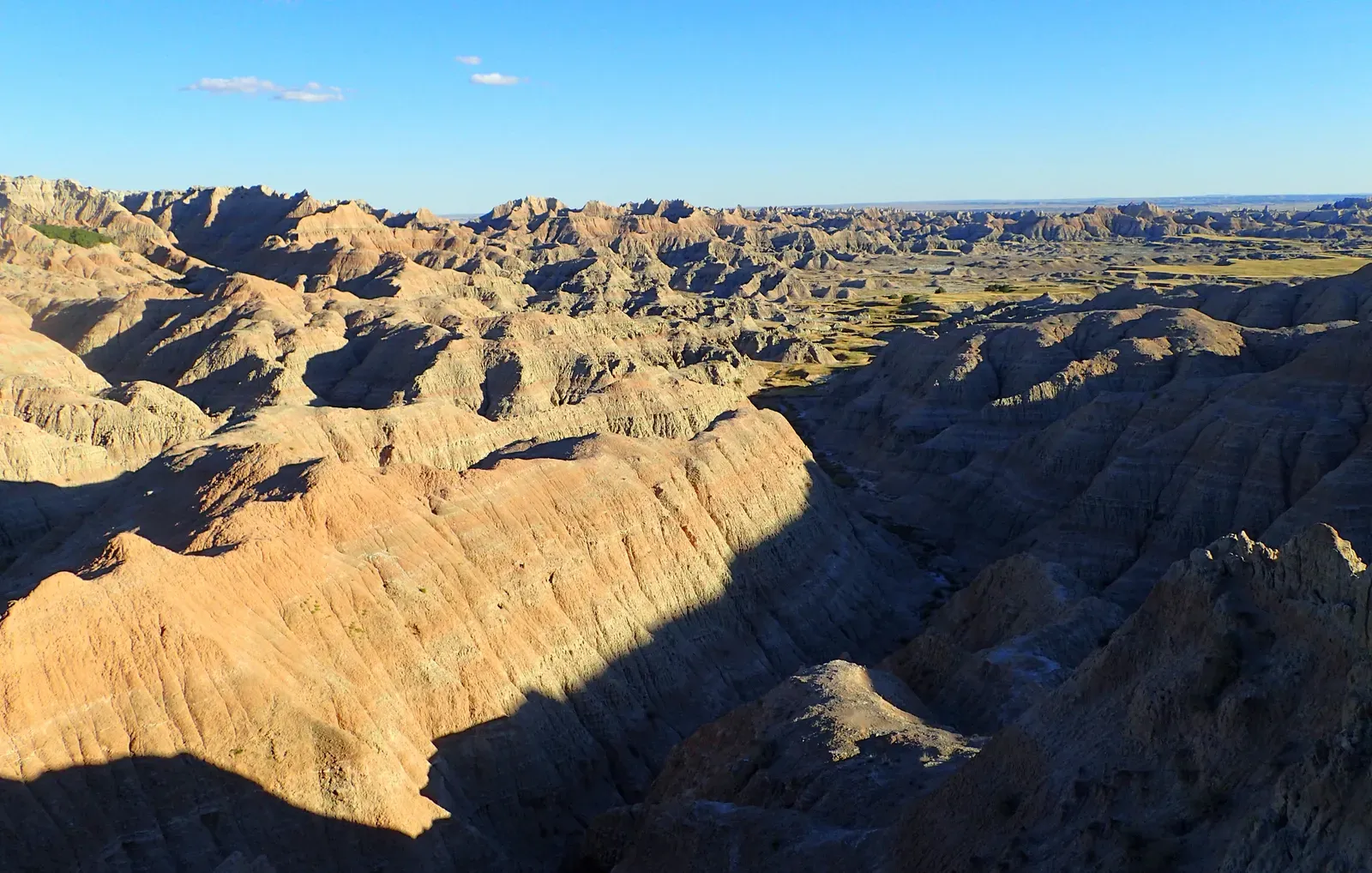
The dramatic rock formations of Badlands National Park hold ancient animals of all kinds and have worn away enough to reveal fossils, with species like the Oreodont, the Nimvarid false saber-toothed cats, and the Brontothere ancient rhinoceri having roamed these lands. The landscape here feels almost alien, with its multicolored layers and otherworldly formations.
Badlands National Park is made up of geological formations that have eroded over time to expose the rocks and fossils underneath. Here’s what makes this place exciting: you might actually find something yourself. You cannot dig in the park, but most fossil discoveries result from the continually eroding environment that reveals bones and teeth, with children being particularly adept at spotting them, though specimens must be marked on a map for a paleontologist to analyze rather than removed. The visitor center features a Fossil Preparation Lab that is open seven days a week from June through September.
Cleveland-Lloyd Dinosaur Quarry, Utah
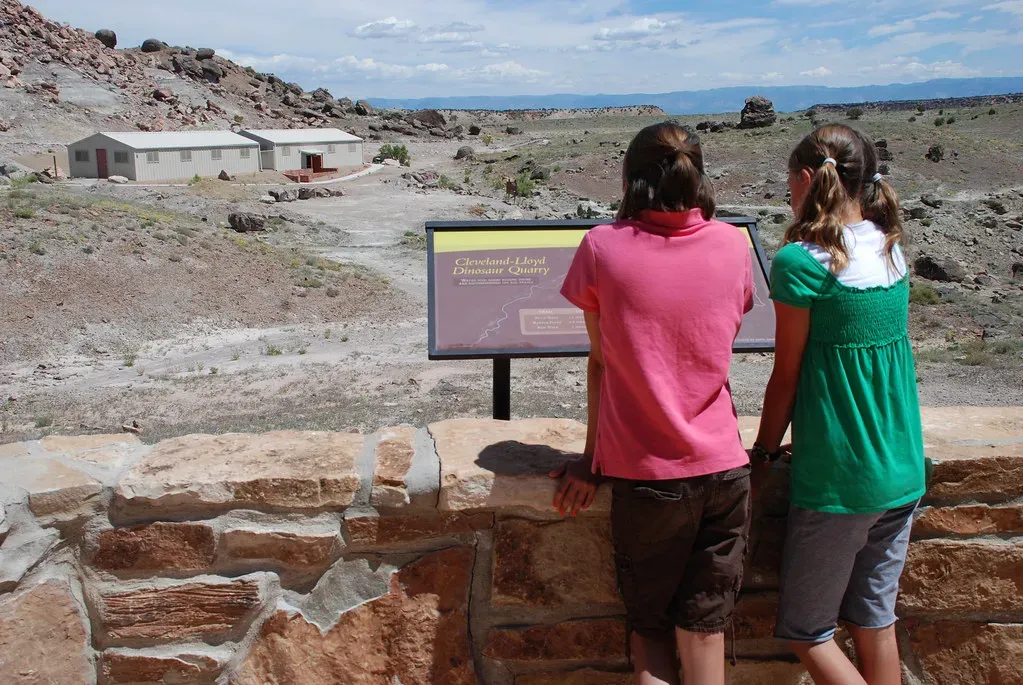
The Cleveland-Lloyd Dinosaur Quarry contains the densest concentration of Jurassic-aged dinosaur bones ever found. This place presents one of paleontology’s most intriguing mysteries. Scientists are still puzzled why more than 75 percent of the bones found in this area are from carnivores, and visitors can see the dinosaur bones, learn about the research being conducted, and offer their own hypothesis about the mystery that persists even today.
The site challenges everything we thought we knew about dinosaur behavior and ecosystems. Why would so many predators end up in one location? Was it a natural trap? A drought-stricken watering hole where desperate carnivores gathered? Nobody knows for certain, and that’s precisely what makes it fascinating. The quarry offers a rare opportunity to witness science in action, where questions still outnumber answers and your guess might be as good as any researcher’s.
Conclusion
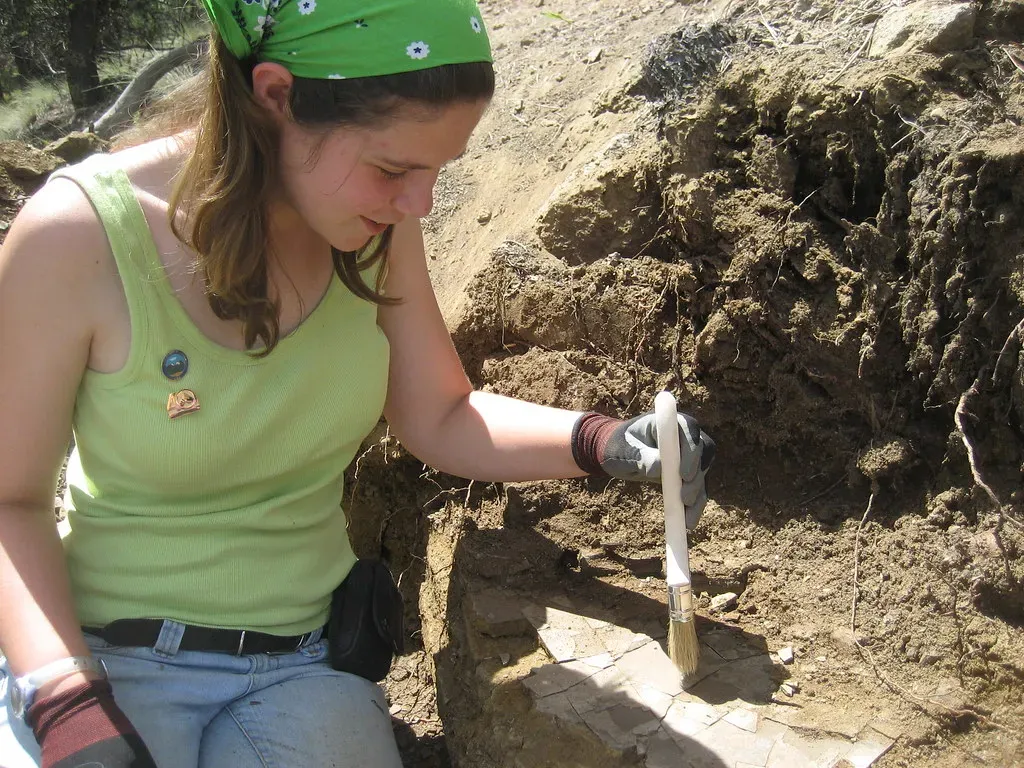
Standing at these fossil sites, you’re not just looking at old bones. You’re connecting with a chapter of Earth’s story that unfolded over millions of years, when continents were shaped differently and creatures beyond our wildest imagination ruled the planet. Each location offers its own unique window into the past, from the concentrated fossil beds of Dinosaur National Monument to the ongoing discoveries at Hell Creek Formation.
These sites remind us that discovery isn’t over. Every rainstorm, every season of erosion potentially reveals something new. Scientists are still piecing together the puzzle, and when you visit, you become part of that story too.
Have you ever imagined what it would feel like to touch a bone that’s older than mountains? Now you know where to go.