Have you ever stopped to think about what really made dinosaurs so successful? These creatures ruled the planet for roughly 160 million years. That’s not just a blink in time, that’s an empire built on extraordinary biological innovations.
We’re living in 2026, decades after modern science revolutionized our understanding of these ancient giants. What researchers have discovered isn’t just about sharp teeth or massive size. The real story lies in a suite of remarkable adaptations that gave dinosaurs an edge no other group of animals could match. So let’s dive in and explore what made these creatures the undisputed champions of their world.
1. Revolutionary Air Sac Systems for Efficient Breathing
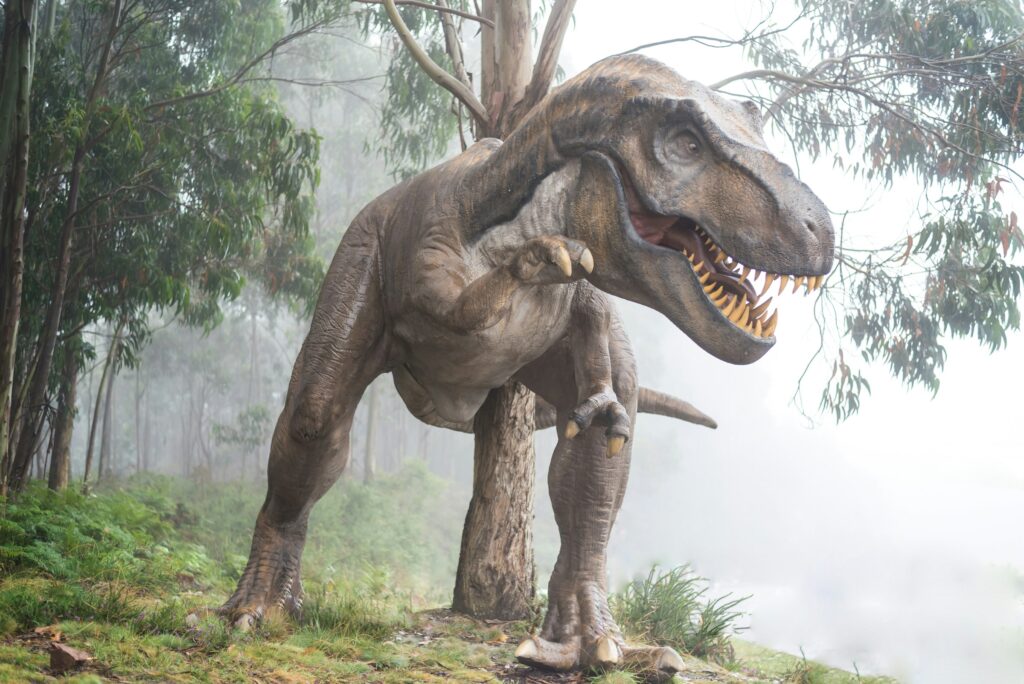
Tyrannosaurus, Apatosaurus and other giants possessed complex networks of air sacs that extended from their throats and lungs into their bones, creating porousness that made them lighter while maintaining bone strength. This wasn’t some minor tweak to their anatomy. Think about it like this: imagine if your skeleton was filled with a network of air pockets connected to your lungs, making you lighter without sacrificing structural integrity.
Rather than evolving once in a common ancestor over 235 million years ago, different dinosaur lineages each developed these air sac systems independently as the reptiles became larger and more diverse. The sacs also allowed dinosaurs to breathe more efficiently and may even have aided cooling. This adaptation was so successful that it appeared again and again throughout dinosaur evolution.
2. Bipedalism: Standing Tall on Two Legs
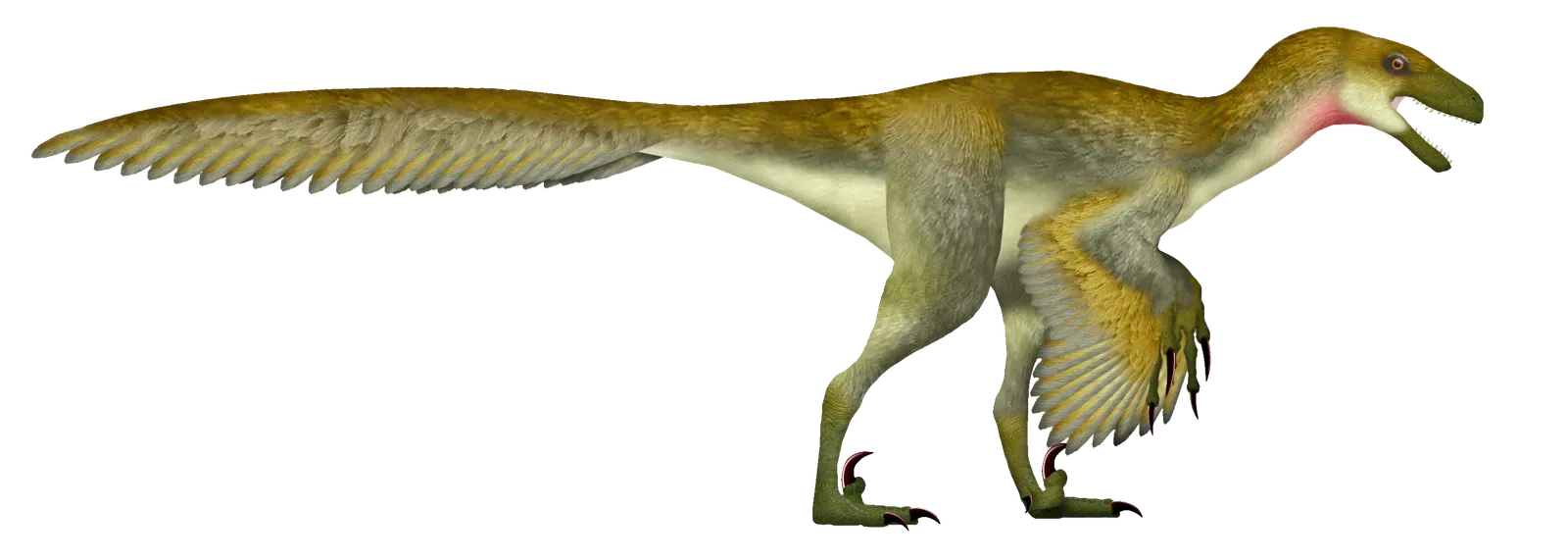
Dinosaurs may have dominated for over 160 million years thanks to how they walked, adapting to move on both two and four legs, which allowed them to diversify and outcompete other organisms to become the dominant terrestrial vertebrates. Here’s the thing: walking on two legs wasn’t just about looking impressive. It freed up their front limbs for other uses and changed the entire game.
Proto-dinosaurs evolved to run faster and for longer distances, with adaptations like hind limb elongation allowing them to run faster, while smaller forelimbs helped reduce body weight and improve balance. Bipedalism, when combined with caudofemoralis musculature, had cursorial advantages because those tail-based muscles provided greater propulsion to the hindlimbs than was available to the forelimbs. The powerful tail muscles weren’t just for show; they were the secret engine driving dinosaur mobility.
3. Specialized Dental Adaptations for Every Diet
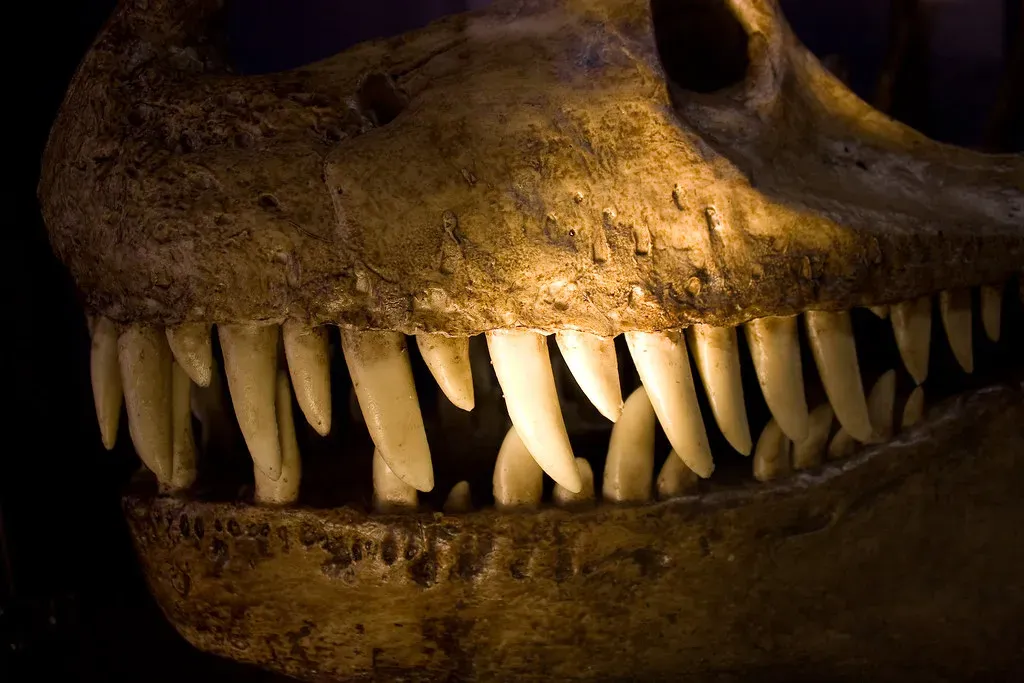
Herbivores and carnivores evolved specialized teeth that enabled them to process food efficiently, with herbivores having flat and broad teeth for grinding plants while carnivores sported sharp teeth for tearing flesh, allowing them to exploit various food sources and minimize competition. It’s honestly fascinating how much variety existed in dinosaur dental hardware.
The differentiation was remarkable. Some early ornithischians even developed what we might call the prehistoric version of a Swiss Army knife mouth. Heterodontosaurs had differentiated, specialized teeth with more rasping teeth toward the back of their mouths and more spiky teeth toward the front. This wasn’t just about eating; it was about carving out specific ecological niches where competition was minimal.
4. Feather Development for Insulation and Display
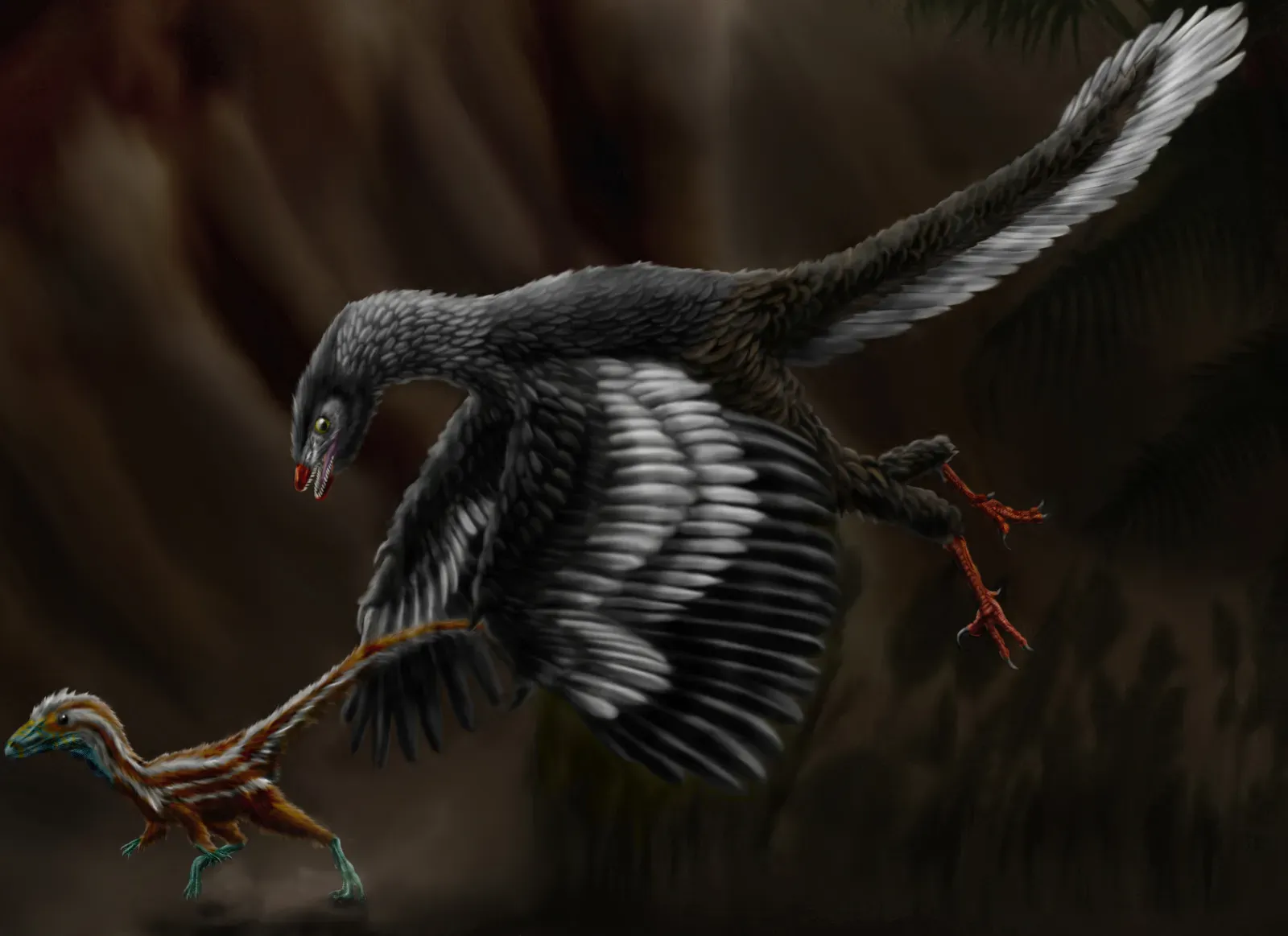
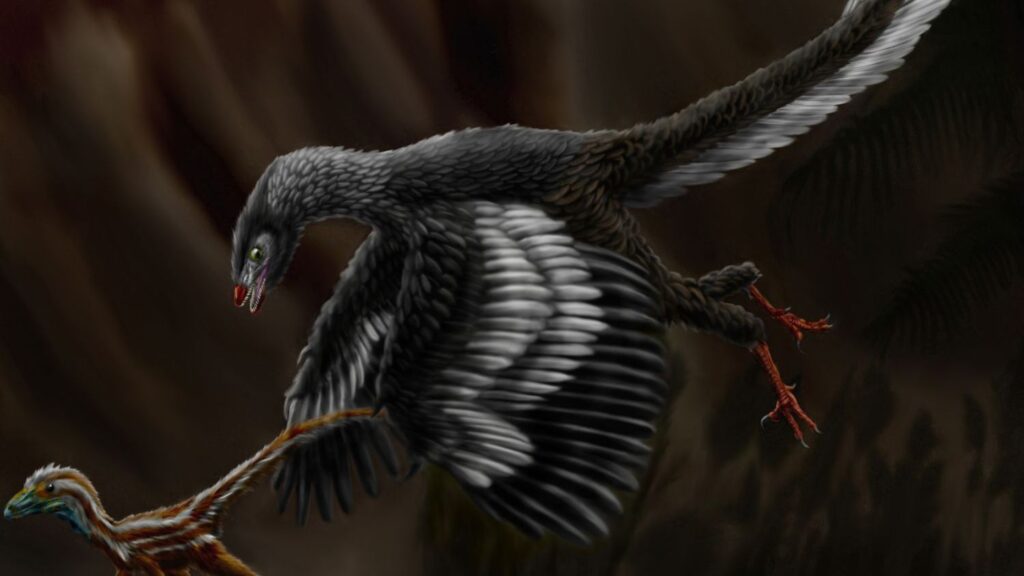
The discovery of fuzzy feathers on dinosaur specimens, similar to insulation found in modern birds, provided crucial insight into their ability to cope with cold and expand into new territories when other animals couldn’t. Feathers weren’t originally about flight. That came later. Initially, these structures served a completely different purpose.
Early dinosaurs and their relatives evolved filamentous feathers long before flight capability, with these structures initially serving to provide insulation and simple camouflage. Let’s be real: the fact that dinosaurs could colonize freezing environments while their competitors couldn’t gave them a massive territorial advantage. Volcanic eruptions at the end of the Triassic resulted in cold and dark conditions, and dinosaurs’ ability to withstand these harsh conditions contributed to their rise to dominance.
5. Adaptation to Extreme Climate Conditions
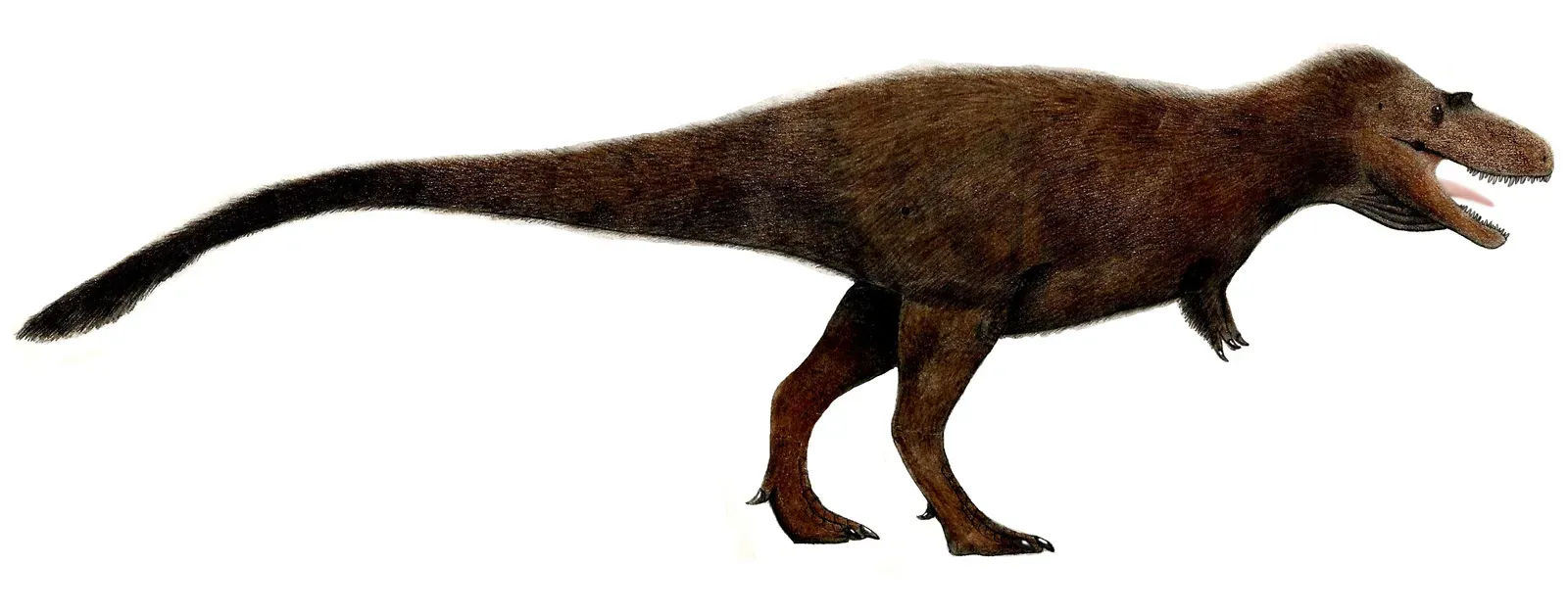
Research revealed the astonishing ability of dinosaurs to adapt to cold climates, with fossil evidence from northern regions suggesting that dinosaurs not only survived but thrived in freezing conditions. This was a game changer. While other animals shivered and struggled, dinosaurs pushed into territories nobody else could handle.
Dinosaurs did not remain only in warm tropical lands, with fossils suggesting they lived in polar zones beneath long winters and also thrived in arid desert regions. The versatility was staggering. From frozen tundra to scorching deserts, these creatures figured out how to make nearly every environment work for them. As climates shifted, dinosaurs had to be as adaptable as possible.
6. Enhanced Sensory Systems for Hunting and Survival
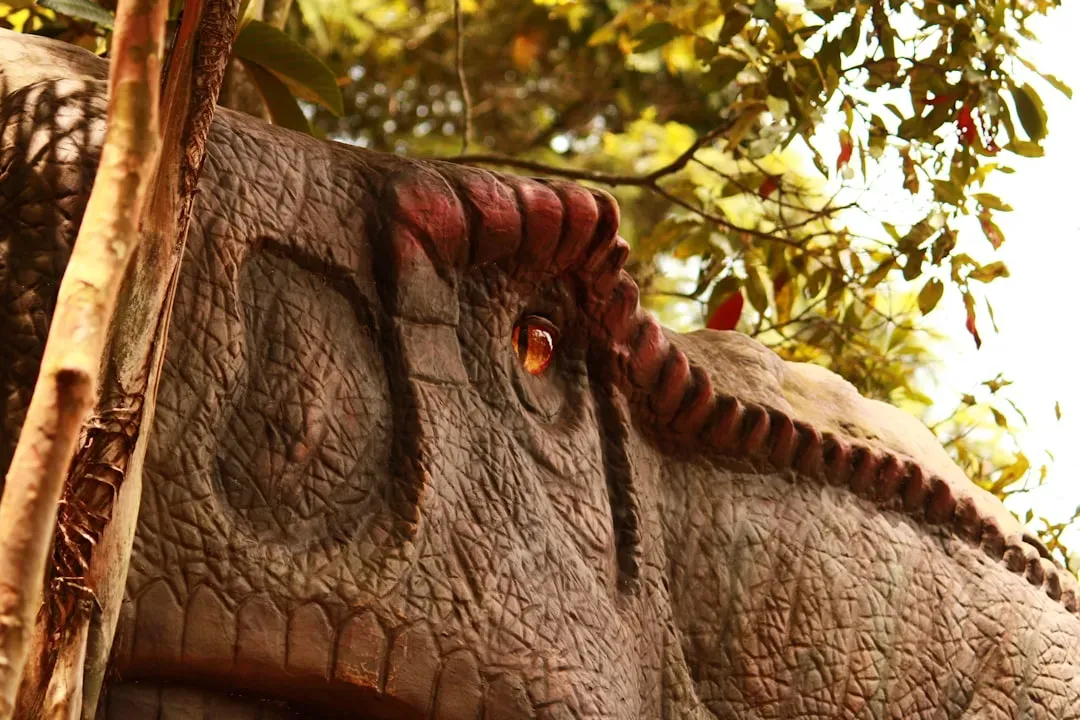
Some species had huge olfactory bulbs, as shown in CT scans of skulls and virtual endocasts, indicating a highly developed sense of smell for locating prey or carrion. Smell was just the beginning, though. Dinosaurs developed a whole suite of sensory enhancements that would make modern predators jealous.
Studies using skull and eye bone data revealed sharp daytime vision in many hunters, with some species also having night adaptations that allowed them to hunt or scavenge after dark. The inner ear structure and braincase shapes indicated good balance and hearing, which were essential for tracking prey or communicating effectively. Imagine hunting in complete darkness with nothing but your hearing and sense of smell. Some dinosaurs could pull that off.
7. Dietary Diversity and Flexibility
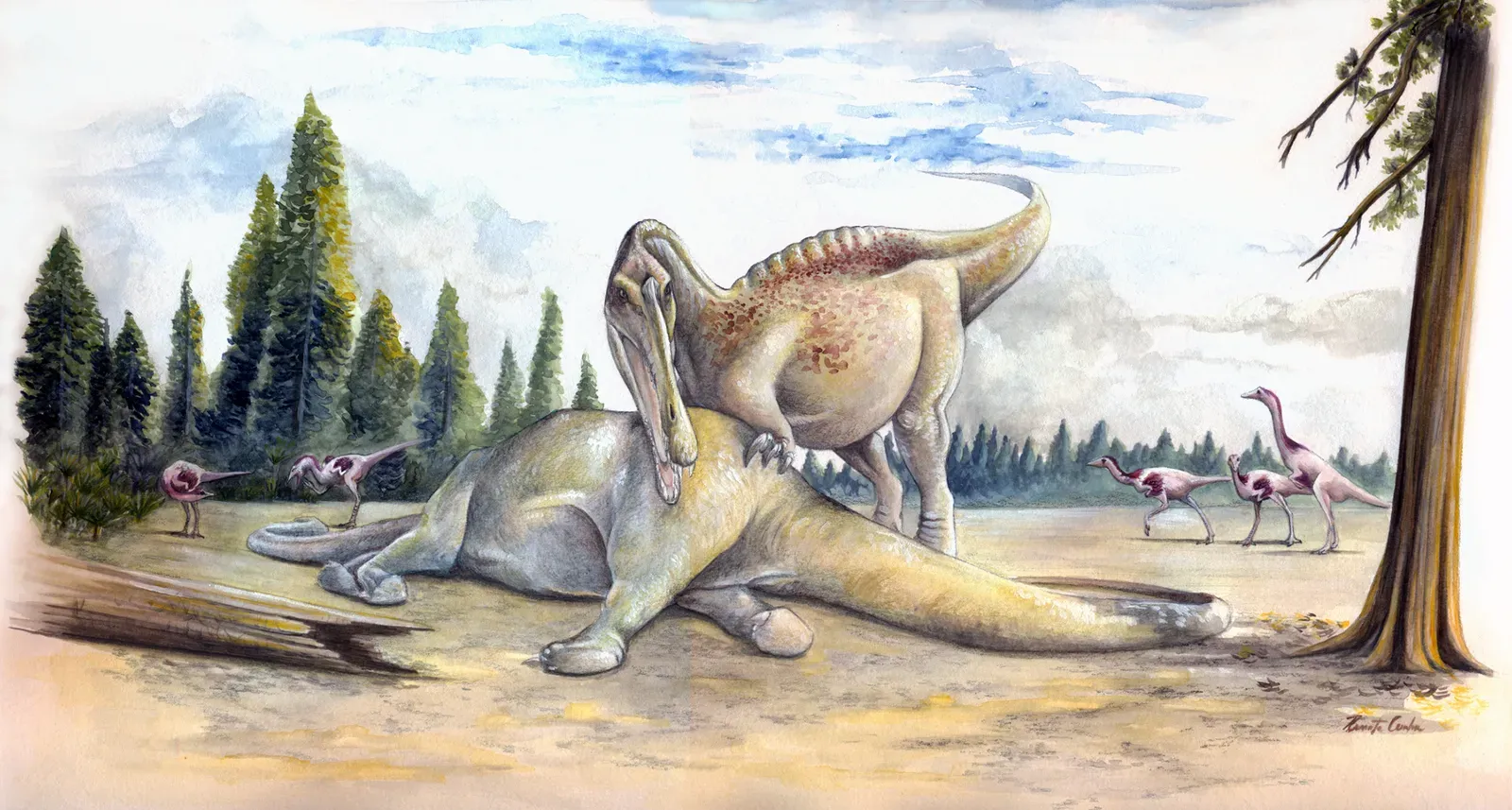
Adaptability was a cornerstone of dinosaur success, with early herbivorous dinosaurs diversifying their diets to survive in fluctuating environments, a trait that likely contributed to their evolutionary longevity. Food wasn’t always abundant, and environments changed constantly. The dinosaurs that survived were the ones that could pivot when necessary.
Dietary diversity was a crucial survival trait, with early dinosaurs’ ability to exploit a wide range of food resources allowing them to thrive amidst ecological upheavals. Sauropods like Brachiosaurus and Diplodocus developed a unique strategy for consuming large quantities of vegetation, with their elongated necks allowing them to reach high into the canopy and access plant matter that was inaccessible to smaller herbivores. When you can eat what others can’t reach, you’ve basically eliminated the competition.
8. Social Structures and Pack Behavior
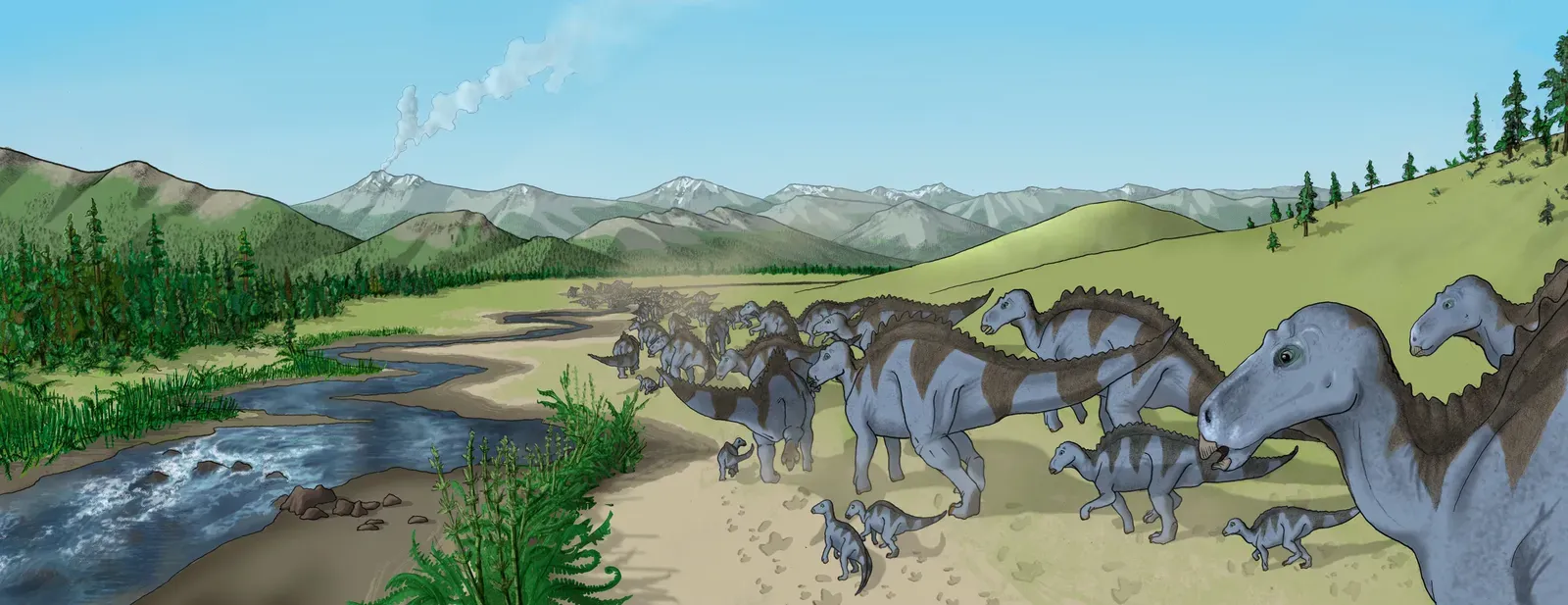
Among the most fascinating behavioral adaptations was the ability to engage in social structures, with fossil evidence indicating that some dinosaurs like theropods may have hunted in packs, displaying complex cooperative behavior that allowed them to take down larger prey and ensured their survival in challenging environments. Cooperation isn’t something we usually associate with reptiles, but dinosaurs weren’t typical reptiles.
Working together changed everything. A single Velociraptor might struggle with large prey, but a coordinated pack? That’s a different story entirely. These social bonds weren’t just about hunting, either. They likely extended to protecting young, defending territory, and sharing resources. Behavioral and physical adaptations were key factors in dinosaur dominance, allowing them to navigate a changing world, survive in different environments, and establish themselves as some of the most dominant creatures to have ever existed.
9. Versatile Locomotion Strategies
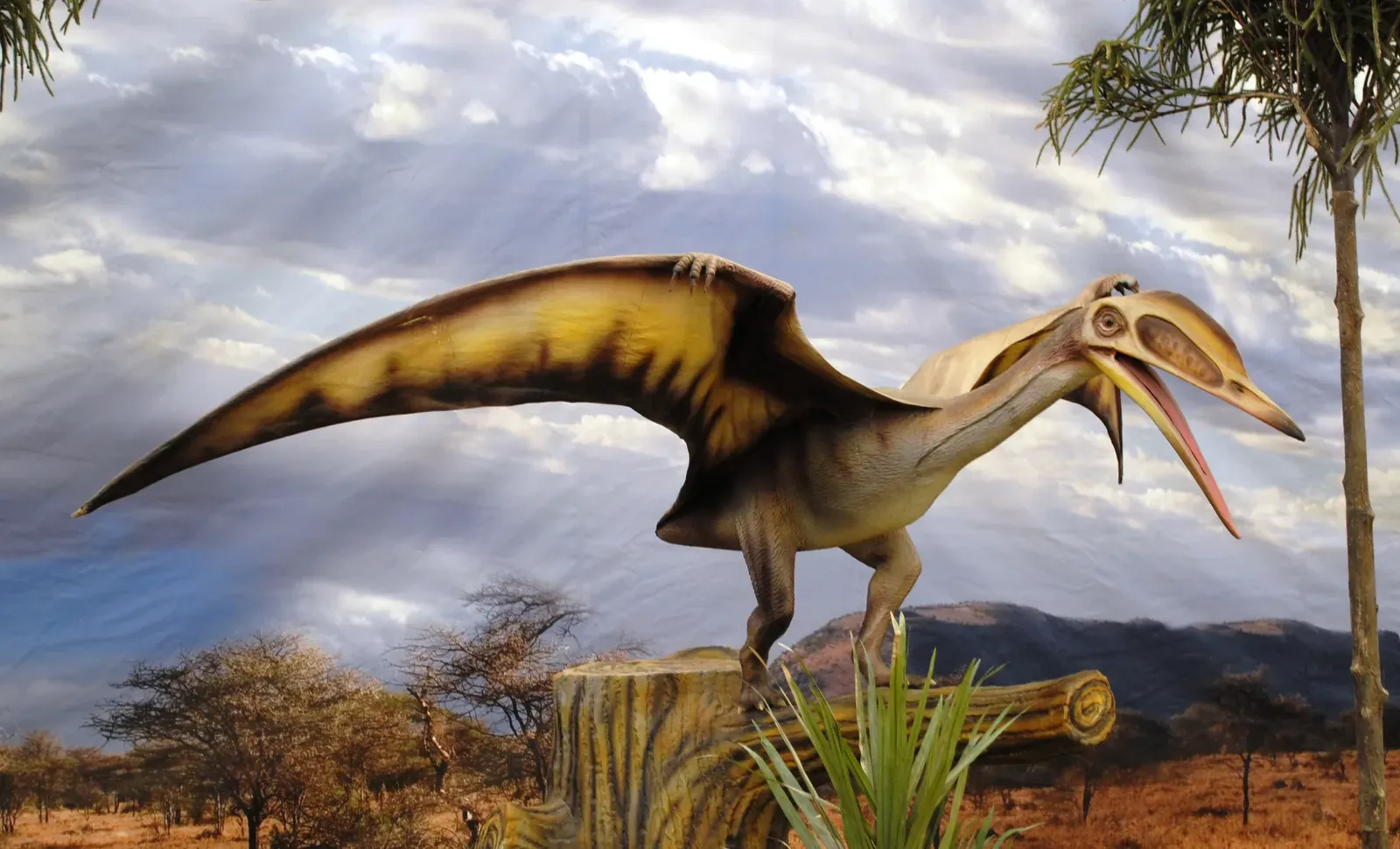
The diversity of dinosaur posture and gait meant they were immensely adaptable, and while they developed features like temperature regulation with feathers and efficient breathing mechanisms, their wide variety of locomotion strategies gave them a crucial edge. Some walked on two legs, others on four. Some could switch between the two depending on the situation.
Some dinosaurs retained their upright, bipedal posture while others dropped to all fours, enabling them to diversify and fill a wide range of ecological niches. This flexibility meant that as new opportunities arose or old ones disappeared, dinosaurs could adapt their movement strategies. They weren’t locked into a single way of getting around, and that versatility kept them competitive across millions of years and countless environmental shifts.
Conclusion
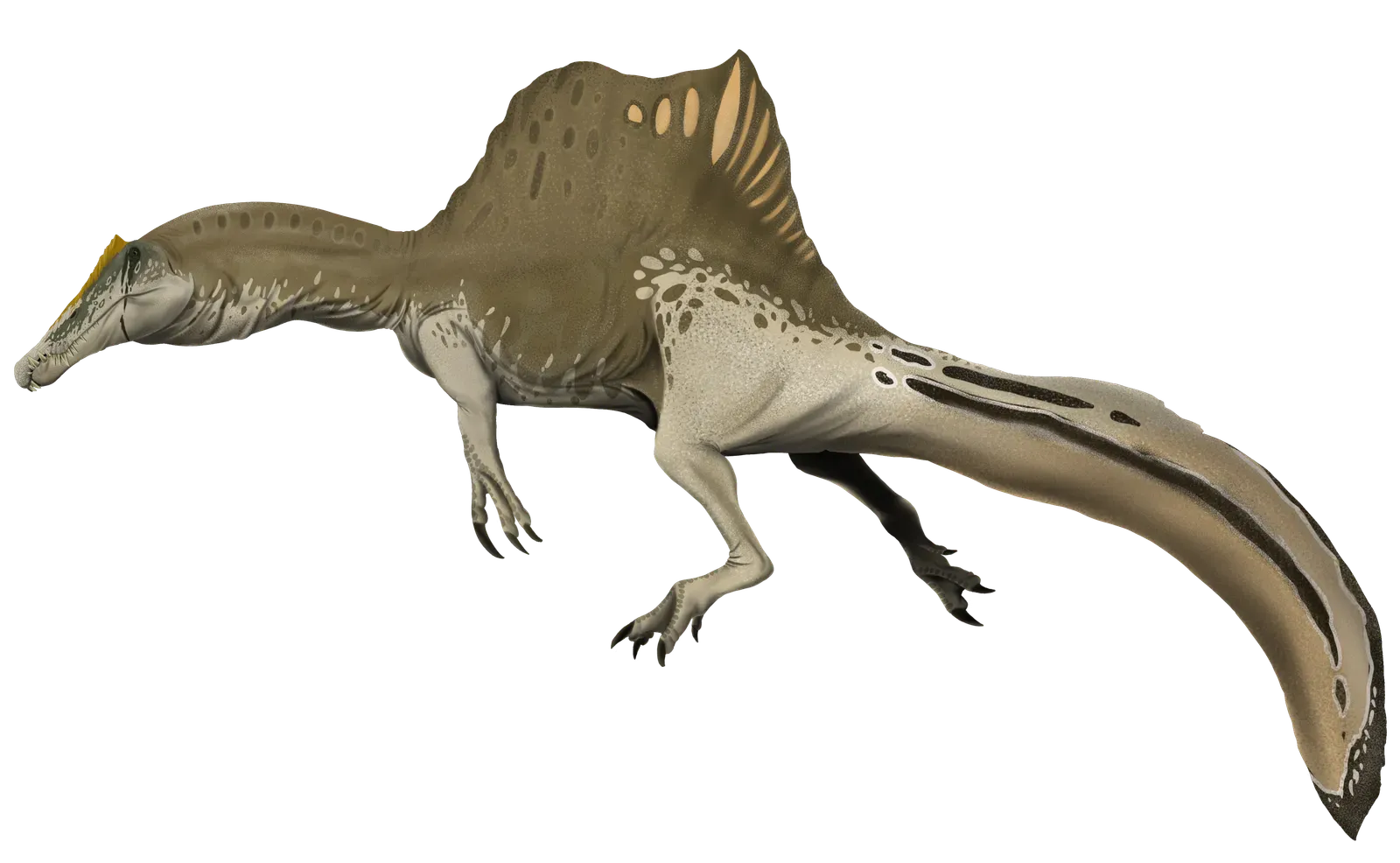
Looking back at these nine adaptations, you start to understand why dinosaurs weren’t just lucky. They were built to succeed. From revolutionary breathing systems to flexible locomotion, from specialized teeth to remarkable climate tolerance, these creatures stacked advantage upon advantage.
Their success wasn’t about one single trait. It was the combination, the synergy of multiple innovations working together. The diverse range of adaptations in dinosaurs’ anatomy and physiology played a crucial role in their survival and dominance over millions of years, allowing them to exploit a wide range of ecological niches. These weren’t static creatures stuck in evolutionary amber. They were dynamic, adaptable, and extraordinarily successful at what they did.
What do you think was the most crucial adaptation? Which one surprises you the most? The story of dinosaur dominance is far from over as scientists continue uncovering new fossils and developing new theories about these remarkable animals.