
Criticism has mounted against voluntary carbon markets for undermining livelihoods in the Global South through expansive land deals.
Nearly 9 Million Hectares Locked in Controversial Deals
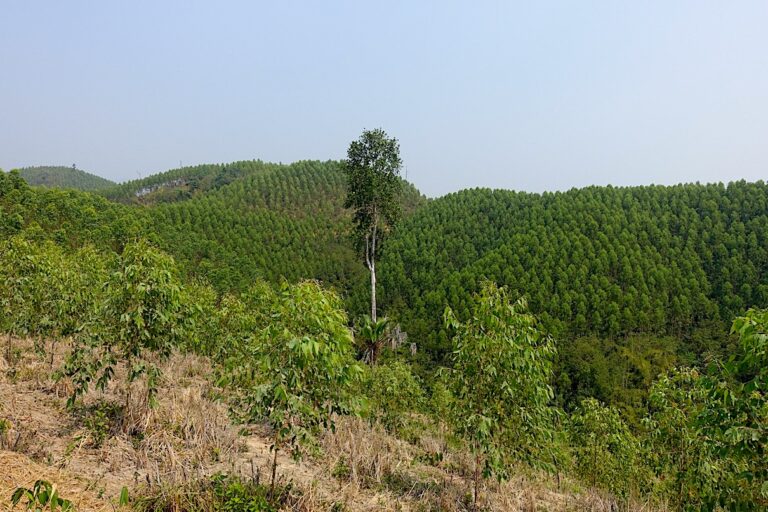
Nearly 9 Million Hectares Locked in Controversial Deals (Image Credits: Imgs.mongabay.com)
The Land Matrix Initiative documented approximately 9 million hectares worldwide affected by land acquisitions linked to carbon offsetting. These transactions often occurred in regions with fragile land governance, intensifying conflicts over access and control. Projects promised emission reductions but delivered overstated benefits and disrupted local farming and grazing practices. Communities faced restricted land use, fueling debates on climate justice. Researchers highlighted how such deals concentrated power and resources away from those who stewarded the land for generations.
Voluntary markets grew amid corporate demands for offsets, yet systematic flaws persisted. Emission calculations frequently inflated results, while social safeguards lagged. The Global South bore the brunt, as land-intensive initiatives clashed with traditional livelihoods. Initiatives like those tracked by the Land Matrix Initiative revealed a pattern of unintended harms.
Community Projects: A Step Forward, But Not Without Risks
Attention has shifted toward farmer- and community-led carbon efforts that avoid outright land transfers. These models aim to channel funds directly to locals managing forests and soils. Proponents argue they foster self-determination and address funding shortages in conservation areas. Still, challenges abound, including long-term land restrictions and uneven benefit distribution.
Elite capture emerged as a concern in some implementations, where benefits skewed toward influential figures. Contracts sometimes lacked true informed consent, and future carbon prices remained unpredictable. The Land Matrix Initiative noted that even these projects required rigorous scrutiny to prevent new inequities. Weak standards and top-down designs compounded vulnerabilities in tenure systems.
Spotlight on Viable Models Like iTERAKA
In Madagascar, the iTERAKA project offered a counterpoint. Farmers planted trees under terms allowing penalty-free exits, as verified through surveys of over 160 households. Participants reported no gag clauses barring discussions with researchers or media. This approach preserved flexibility while pursuing sequestration goals.
- Flexible contracts enabled voluntary participation.
- Fieldwork confirmed absence of undue restrictions.
- Focus remained on smallholder integration.
- Potential scaled to broader regions with similar safeguards.
Such examples demonstrated feasibility when ownership stayed local. They contrasted sharply with acquisition-heavy schemes, emphasizing consent and accountability.
Essential Safeguards for Sustainable Progress
Experts urged stronger transparency and governance to make community models viable. Free, prior, and informed consent stood as non-negotiable. Projects needed verifiable methodologies to avoid overcrediting. Policymakers called for accountability mechanisms holding developers responsible.
| Approach | Key Risks | Mitigations |
|---|---|---|
| Land Acquisition | Loss of access, power imbalances | Avoid where possible |
| Community-Led | Elite capture, weak contracts | FPIC, monitoring |
Harm reduction emerged as a pragmatic stance, rather than outright rejection of markets. Local decisions on engagement promised the fairest path.
Key Takeaways
- Prioritize projects granting genuine local control to minimize harms.
- Implement robust FPIC and transparency standards universally.
- Scrutinize all offsets for social and environmental integrity.
Carbon offsetting holds potential only if it uplifts communities rather than displacing them. This evolution toward local ownership could balance climate goals with equity. What steps should markets take next? Share your views in the comments.