
You walk past them every day. You use them without a second thought. That coffee cup, the ice cube melting in your drink, even the soap you lather on your hands. They’re just objects, right? Simple, boring, mundane things that fill our homes and lives.
Think again. What if I told you that hidden inside these ordinary items are some of the most fascinating scientific phenomena known to humanity? We’re talking about mysteries that have puzzled physicists for decades, secrets that challenge our understanding of the universe itself. These aren’t just things. They’re gateways to understanding the invisible forces and reactions that govern everything around us.
Your Morning Coffee Cup: A Temperature-Controlled Engineering Marvel

Every morning, you pour steaming coffee into a mug. Simple enough. Yet that ceramic vessel in your hand is actually a masterclass in thermal dynamics and material science. The way your cup handles heat involves the same fundamental principles that scientists use to understand energy transfer across the universe.
The ceramic material itself is engineered at the molecular level to resist rapid temperature changes. Its crystalline structure traps tiny pockets of air, which act as insulators to keep your beverage hot while preventing your hand from getting burned. Here’s the thing: the same thermal management principles that keep your coffee warm are used in spacecraft design to protect astronauts from the extreme temperature swings of space. Your humble coffee mug shares DNA with cutting-edge aerospace technology.
Ice Cubes: The Slippery Physics Mystery Still Unsolved
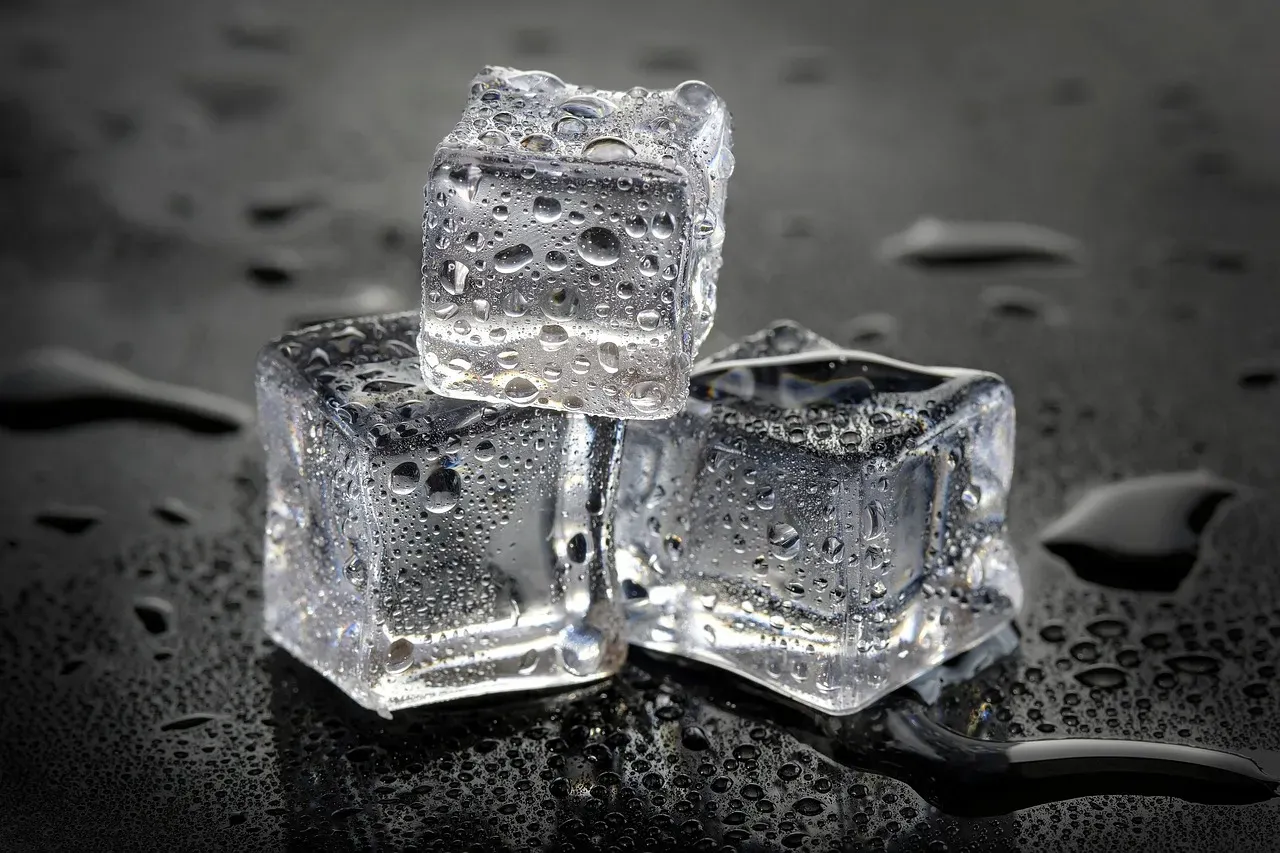
Scientists have spent more than a century trying to determine why ice can make you fall down, agreeing that a thin layer of liquid water on top of solid ice causes its slipperiness. Yet after all that research, they still can’t fully explain why ice behaves this way. Let that sink in for a moment.
There’s no consensus as to why ice, unlike most other solids, has such a layer, with some theorists speculating that the very act of slipping might melt the ice’s surface, while others think the fluid layer exists beforehand. Next time you drop an ice cube into your drink, remember you’re witnessing one of physics’ greatest unsolved mysteries. The atoms at the surface of that frozen water are doing something so peculiar that the brightest minds on Earth are still scratching their heads.
Kitchen Soap: Molecular Ninjas Battling Grease
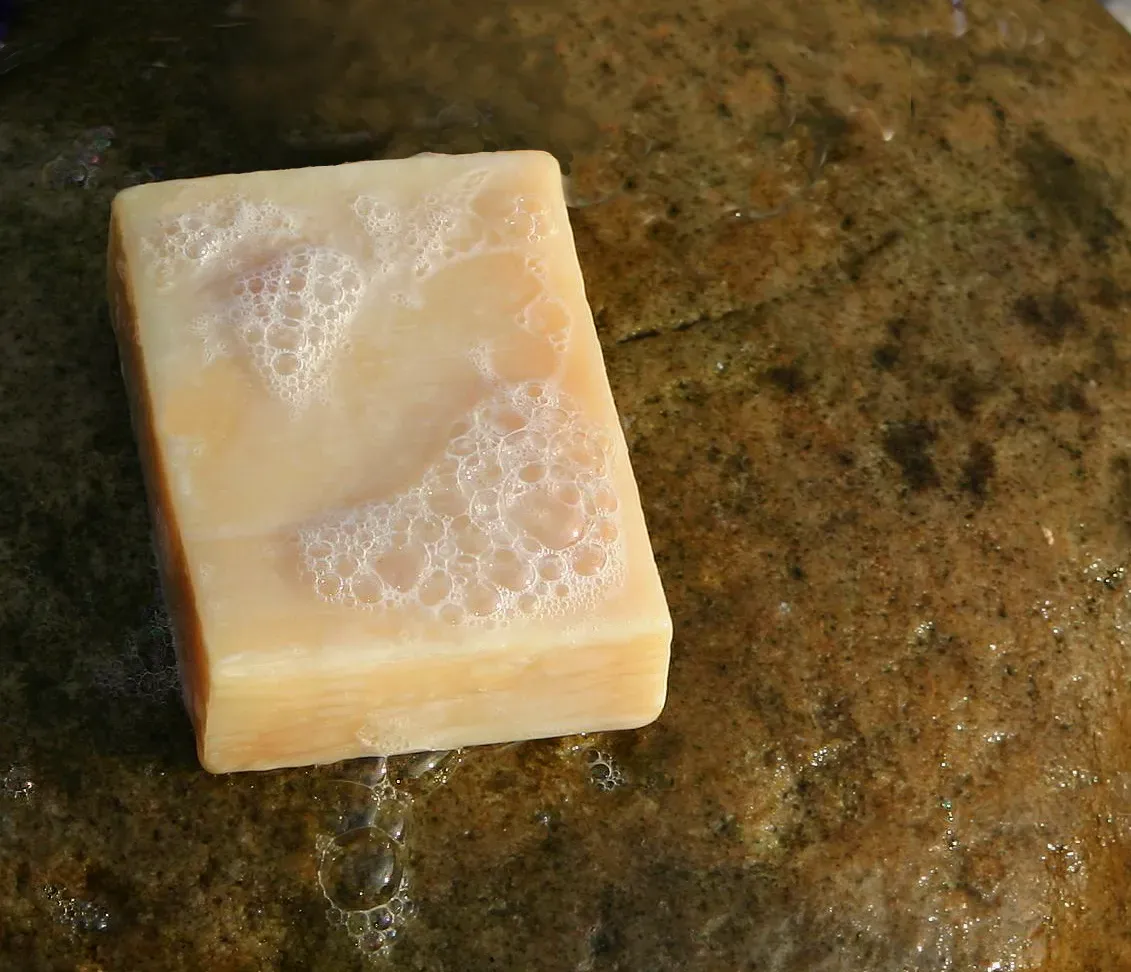
Washing your hands seems straightforward. You add soap, scrub, rinse. Done. What you can’t see is an elegant molecular battle happening right on your skin. Surfactants are molecules with a dual personality: one end is hydrophilic and the other is hydrophobic, forming micelles that trap oil and dirt inside while presenting their water-friendly exterior to rinse water.
Think of soap molecules as tiny molecular hooks with split personalities. One half desperately wants to bond with water, the other half runs away from it and grabs onto oil instead. This is why soap removes grease that plain water cannot. These microscopic structures work together like synchronized swimmers, completely surrounding dirt particles and yanking them off your skin. The same mechanism that cleans your hands is also at work in industrial processes, medical sterilization, and even in your body’s own cell membranes.
Mixed Nuts: The Brazil Nut Effect That Baffles Scientists
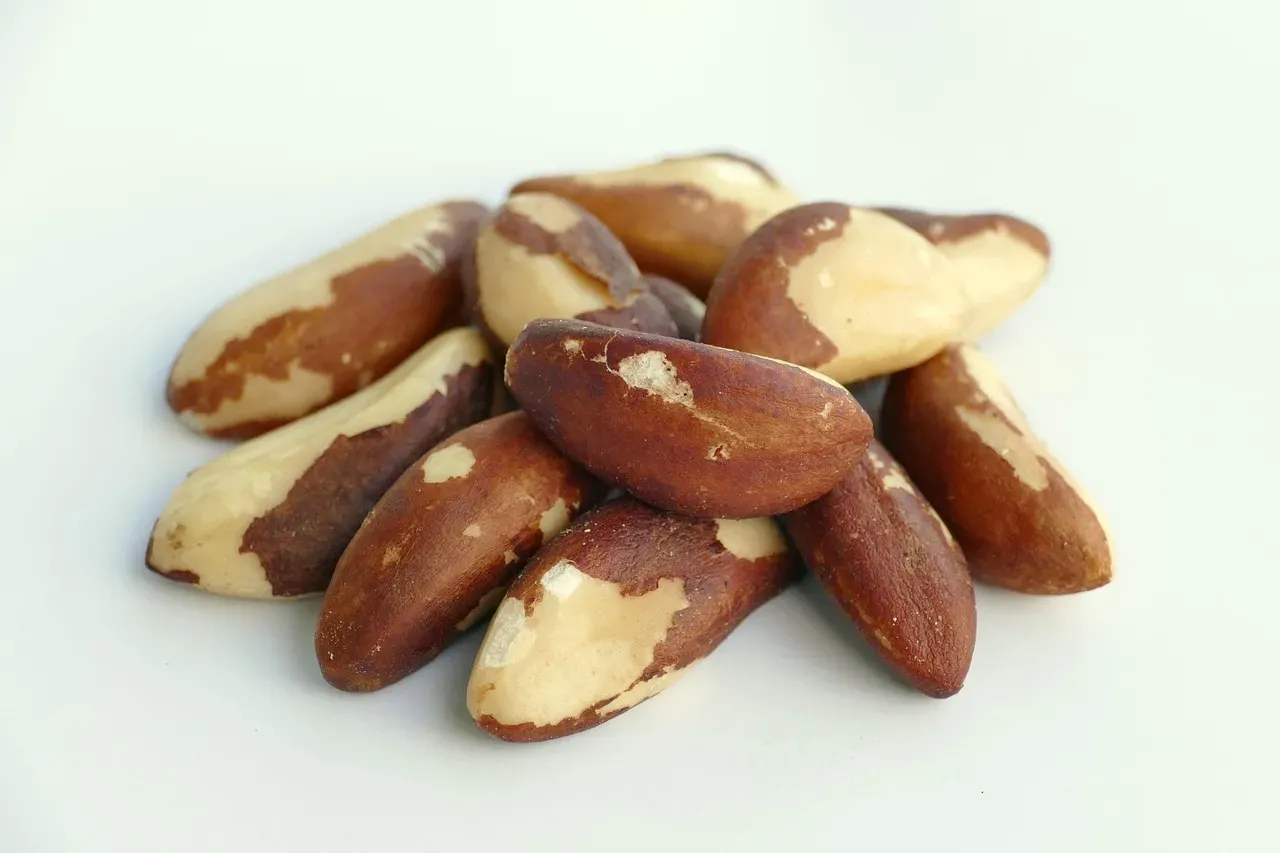
In bowls of mixed nuts, the Brazil nuts always seem to be sitting on top, a phenomenon known as the “Brazil nut effect,” which is actually one of the biggest unsolved mysteries in many-body physics. It sounds absurd that something as simple as shaking a can of nuts could stump physicists, doesn’t it?
Among an assortment of things, larger pieces rise to the top over time in spite of their greater weight, while smaller objects tend to sink lower, yet no successful computer simulations of the phenomenon have been made. Perhaps small particles trickle through cracks, or convection currents play a role, or condensation of smaller particles matters. Nobody knows for sure. Your trail mix contains a puzzle that represents one of the fundamental challenges in understanding how large quantities of objects interact. Scientists can model galaxies colliding, but they can’t perfectly predict why the big nuts end up on top.
Refrigerator Magnets: Quantum Behavior You Can Touch
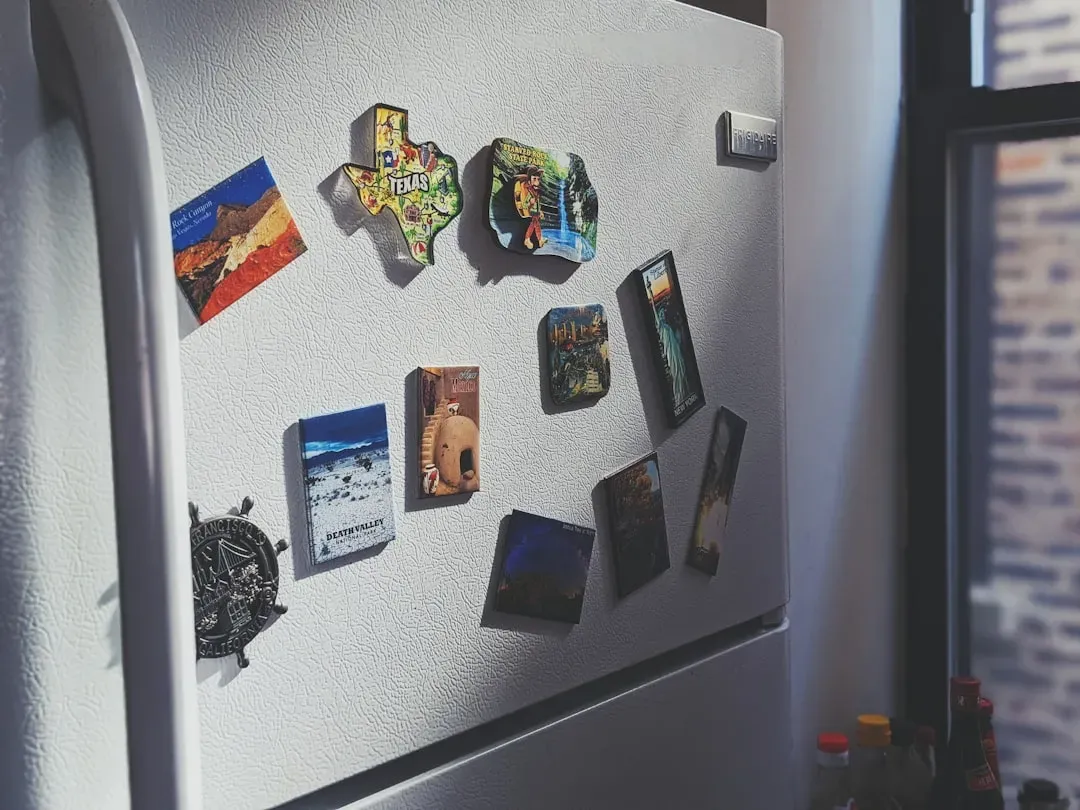
Delving into the physics behind seemingly ordinary objects, such as the humble refrigerator magnet, offers a captivating and accessible entry point to grasp the natural laws governing our world. That colorful magnet holding your grocery list is actually demonstrating quantum mechanical effects at room temperature.
Inside every magnet, billions of atomic dipoles are aligned in the same direction, creating a macroscopic magnetic field you can feel. This alignment happens because of electron spin, a purely quantum property that has no real classical analogue. The electrons inside the magnetic material are entangled in ways that create collective behavior visible to the naked eye. By connecting the familiar phenomenon of magnetism to cutting-edge medical technology like MRI machines, you can appreciate the far-reaching applications of scientific principles. Your fridge magnet and a multimillion-dollar MRI scanner both rely on the exact same quantum physics, just scaled differently.
Conclusion: The Extraordinary Hiding in Plain Sight

These five objects prove that you don’t need a laboratory or expensive equipment to encounter profound science. The next time you make coffee, add ice to a drink, wash your hands, grab a handful of nuts, or stick a magnet on your fridge, pause for just a second. You’re interacting with phenomena that represent the cutting edge of human understanding, touching mysteries that still challenge our smartest scientists.
The world around you is far stranger and more wonderful than it appears. Science isn’t locked away in textbooks or hidden behind university walls. It’s right there in your kitchen, your bathroom, your hands. What other everyday objects are hiding secrets in plain sight? Now that you know what to look for, maybe you’ll start seeing the magic everywhere.