Picture this. You’re walking through dense jungle or climbing rocky cliffs in the American Southwest, and suddenly you come across massive stone structures that shouldn’t exist. No one lives there anymore. The fires have gone cold. The plazas are empty.
These weren’t small villages that faded away over time. We’re talking about thriving cities, some with tens of thousands of people, complex trade networks, and architectural achievements that still boggle modern engineers. Then one day, they were just gone. The people left behind their homes, their temples, their entire way of life, and walked away. Why would entire civilizations abandon everything they built? Let’s dive in.
The Ancestral Puebloans: Cliff Dwellers Who Vanished Into Thin Air
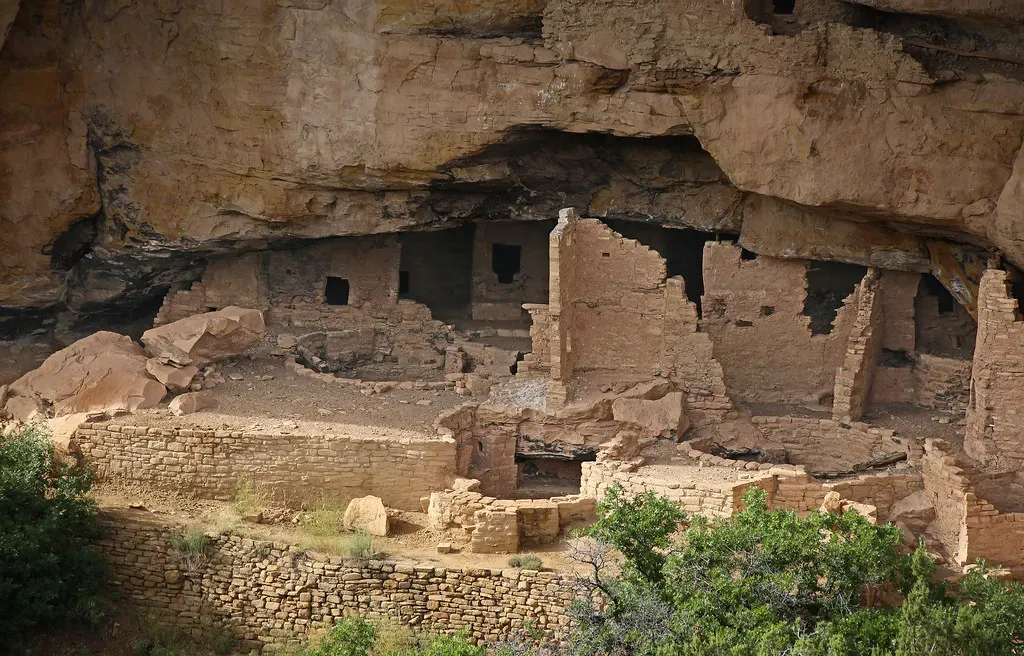
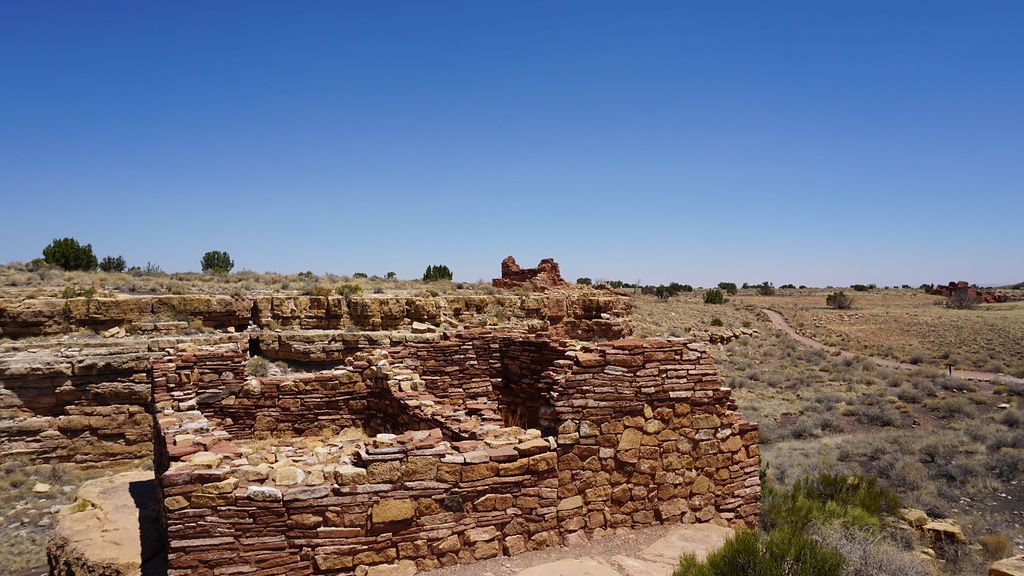
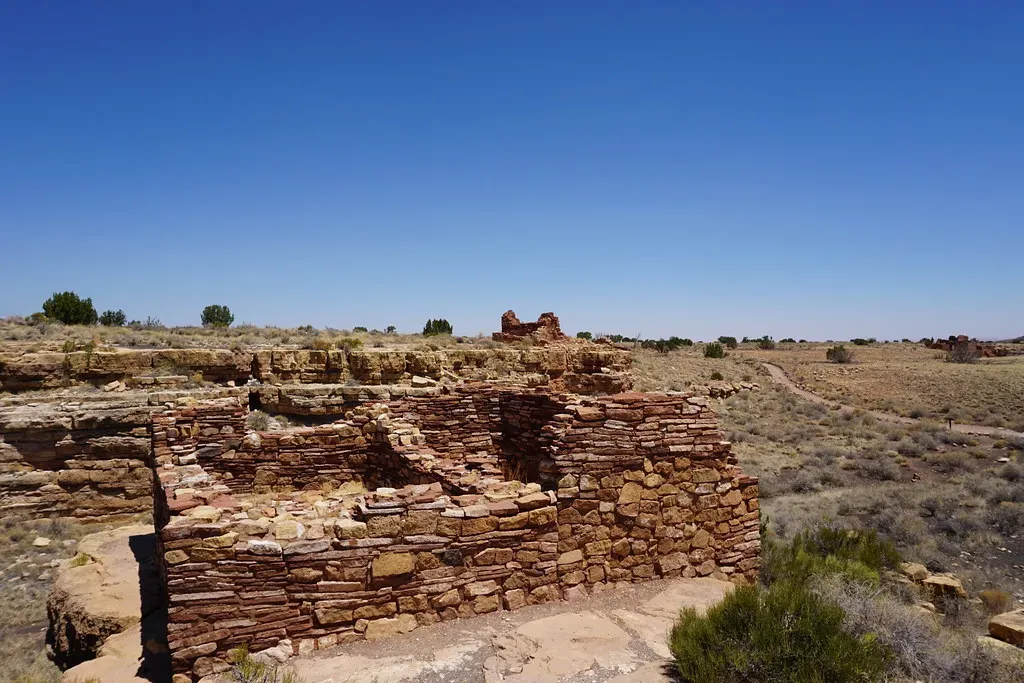
In the late 1200s, the Ancestral Puebloan people of the Four Corners Region suddenly vanished after centuries of growing maize and building elaborate villages and sandstone castles. The Ancestral Puebloans built great cities across Utah, Arizona, New Mexico, and Colorado, but by the end of the 13th century, the cities were largely abandoned. These weren’t primitive settlements. The people laid a 400-mile network of roads, some of them 30 feet wide, across deserts and canyons.
Tree-ring data shows that the region experienced a prolonged period of drought from 1276 to 1299, which would have had a significant impact on agricultural practices. Here’s the thing. Studies suggest a megadrought would have made it impossible to grow enough food to feed the tens of thousands of people living in the region. Around 1250, seeking refuge from some unknown threat, the Anasazi migrated from open villages to nearly inaccessible dwellings, then a generation later, they moved again. Where did they go? Recent research using turkey DNA suggests many migrated to the Rio Grande region, but honestly, it’s hard to say for sure.
Cahokia: America’s Forgotten Metropolis
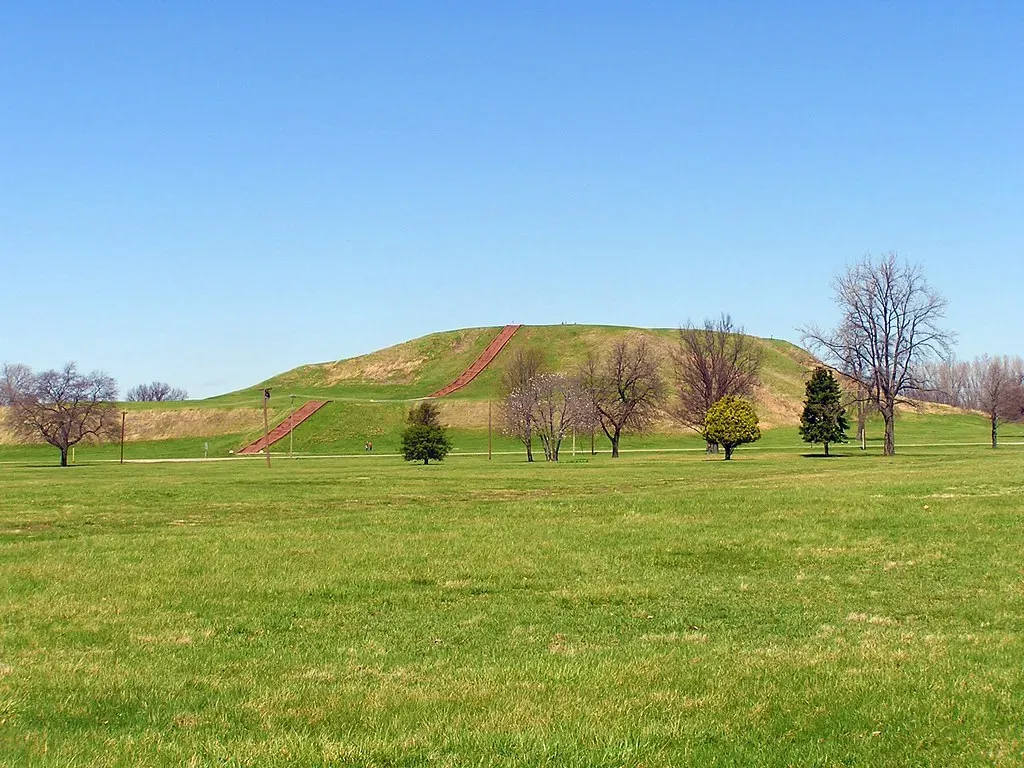
Cahokia, located a few miles from present-day St. Louis, Missouri, at its peak hosted a population of up to 20,000, similar to that of London’s at the time. Let me repeat that. This Native American city rivaled London in size around 1050 CE. Surrounded by a high wooden stockade, this inaugural U.S. city featured many plazas and at least 120 earthen mounds, the largest of which, known as Monks Mound, stood 100 feet tall.
Cahokia’s population boom between 1050 and 1200 occurred during an extensive dry period in the region, which may have made weather patterns more predictable. Then everything changed. Climate change in the form of back-to-back floods and droughts played a key role in the 13th century exodus of Cahokia’s Mississippian inhabitants. Cahokia’s decline began around 1250 or 1300, and culminated in the site’s mysterious abandonment by 1350. The place just emptied out. Recent research has debunked the idea that deforestation caused massive flooding, so the mystery deepens. Political factionalization? Disease? We just don’t know.
The Olmec: Mesoamerica’s Mother Culture
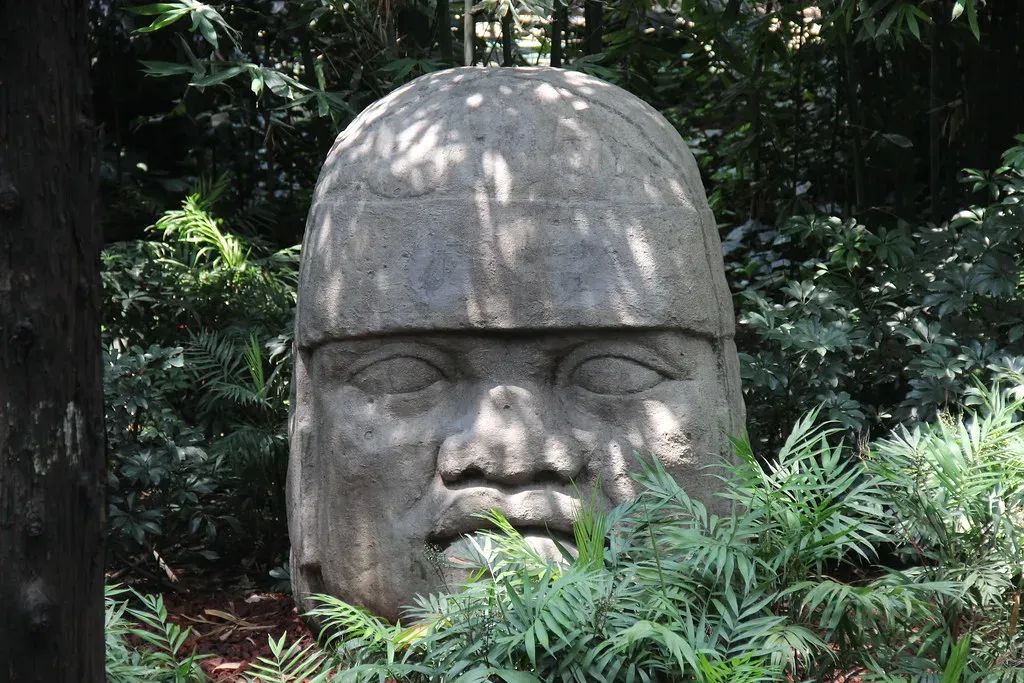
The Olmec inhabited the tropical lowlands of south-central Mexico, with the first signs appearing around 1400 BC in the city of San Lorenzo. They were named for their remarkable ability to produce rubber thousands of years before the process of vulcanization was developed. Their colossal stone heads are iconic, some weighing as much as 55 tonnes, carved with incredible precision from basalt.
By about 400 BC the major centres of the Olmec civilization had been abandoned, and the population of the eastern half of the Olmec heartland dropped precipitously. What is known is that it likely occurred in waves as sites were gradually abandoned, with climate change and internal strife possibly being factors. Increased volcanic activity may have covered the area with ash and made the area temporarily uninhabitable. Some of their monuments show signs of deliberate mutilation, hinting at possible warfare or internal conflict. The culture that influenced all later Mesoamerican civilizations just faded into the jungle.
Tiwanaku: The High-Altitude Empire
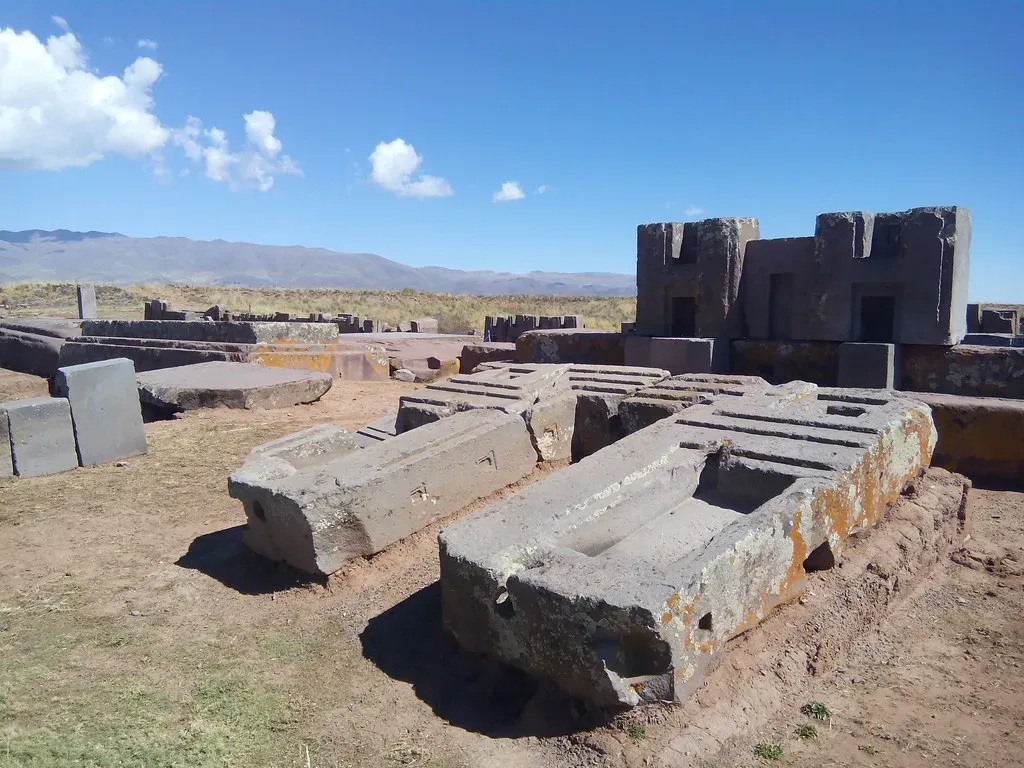
Located near Lake Titicaca in Bolivia, the millennia-old city of Tiwanaku was built almost 13,000 feet above sea level, reaching its peak between roughly 500 and 1000 CE. Think about that altitude for a second. Building a massive urban center where the air is so thin most people get altitude sickness just visiting is mind-blowing. During the height of its power, Tiwanaku dominated or influenced large portions of what are now eastern and southern Bolivia, northwestern Argentina, northern Chile, and southern Peru.
The people who built the splendid Tiwanaku complex, whose culture had vanished by 1200 CE, may have been the ancestors of the present-day Aymara Indians of highland Bolivia. Evidence suggests a drought-based collapse of the Tiwanaku civilization. The Tiwanaku empire remained strong until 1000, when its decline began, with the population starting to decrease, likely because of a drought that made it difficult to grow enough food. The city that once controlled vast trade networks across different ecosystems just emptied out, leaving behind monumental stone gateways and pyramids that still stand today.
The Maya: Classic Period Collapse
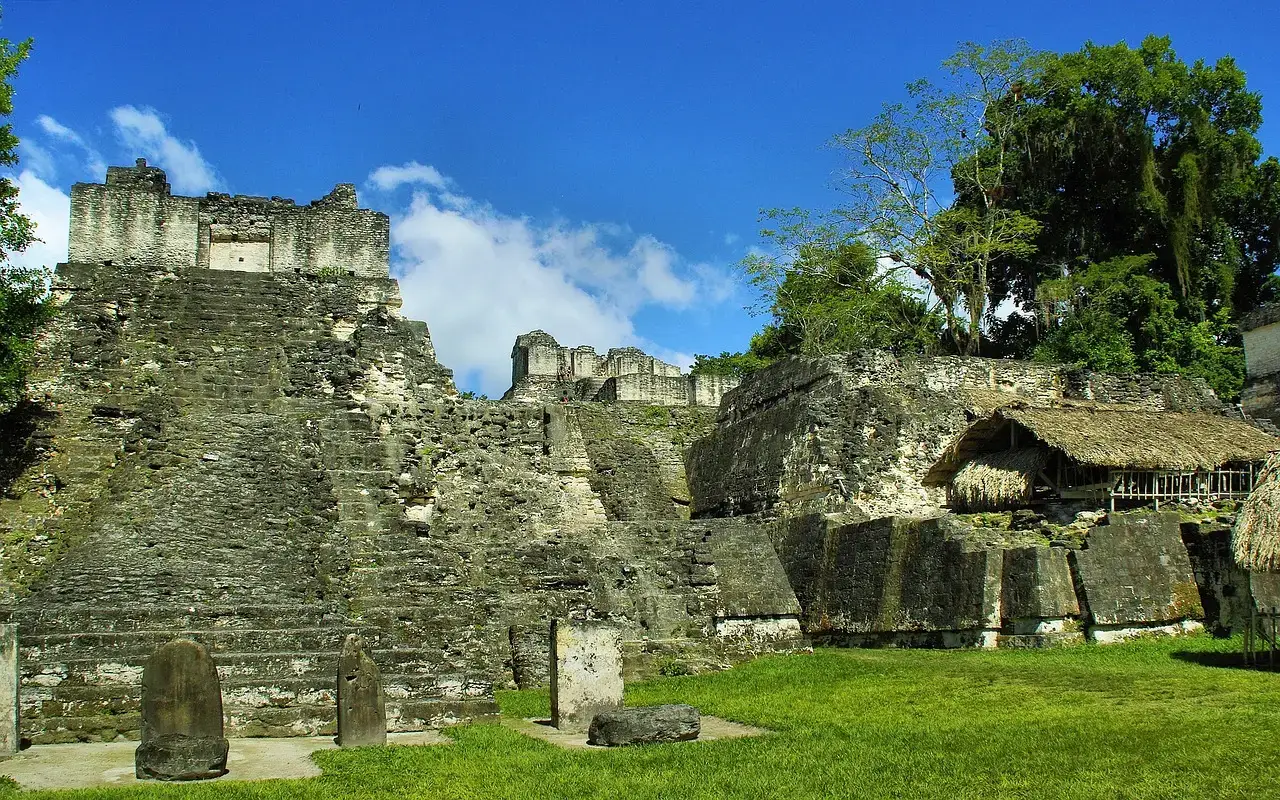
The Maya carved large stone cities into the jungles of southern Mexico and Central America, reaching the peak of their influence during the Classic Period, from around 250 to 900 CE. Their achievements in mathematics, astronomy, and architecture were extraordinary. They invented the concept of zero independently and created one of the most accurate calendars in the ancient world.
At the end of the Classic Period, in one of history’s great enigmas, the populace suddenly deposed its kings, abandoned the cities and ceased with technological innovation. Some historians point to a major drought, exacerbated by deforestation and soil erosion, as the impetus for the societal collapse, while others put the blame on disease, peasant revolt, constant warfare, breakdown of trade routes or some combination thereof. It’s worth noting the Maya people never disappeared. Millions of their Mayan-speaking descendants continue to inhabit the region to this day. Still, the collapse of their Classic Period cities remains one of archaeology’s biggest puzzles.
The Mississippian Mound Builders
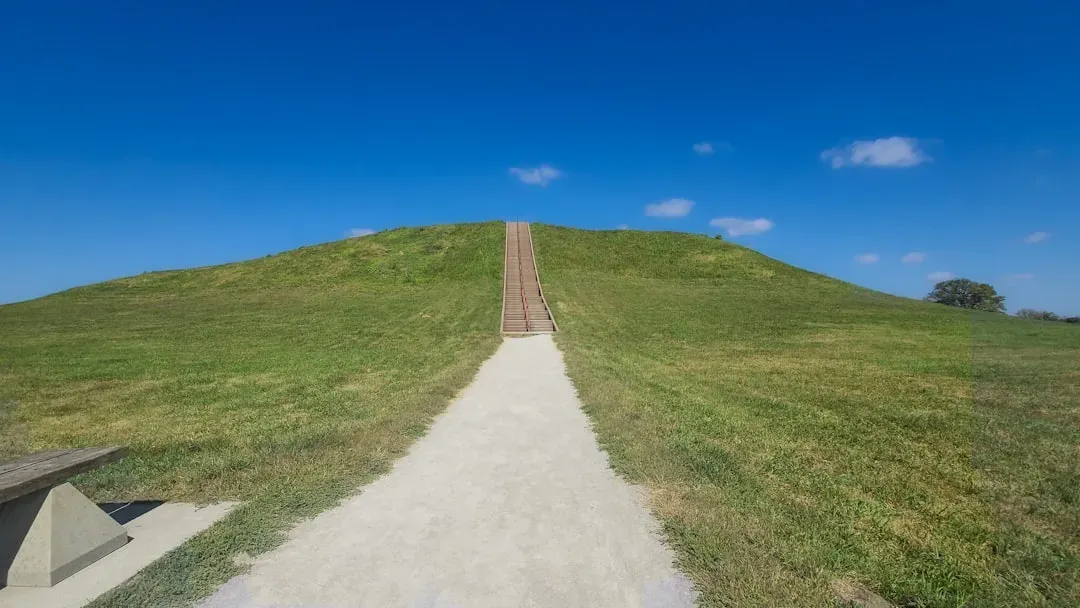
From about 700 CE until European contact and colonization, much of the American Southeast and mid-continent was home to an agrarian civilization known as the Mississippians. These people built hundreds of earthen mounds across a massive territory, creating sophisticated urban centers connected by extensive trade networks. Their influence stretched from the Great Lakes to the Gulf Coast.
The Mississippian culture wasn’t a single empire but rather a series of interconnected chiefdoms sharing similar cultural practices, religious beliefs, and architectural styles. Artifacts discovered from far-flung locales suggest extensive trade networks, with seashells from the Gulf Coast, copper from the Great Lakes, and mica from the Appalachian Mountains found among their remnants. By the time European explorers arrived, most of these grand mound centers had been abandoned. Theories range from climate shifts to political instability, but like so many of these civilizations, the full story remains frustratingly out of reach.
The Clovis People: America’s First Civilization
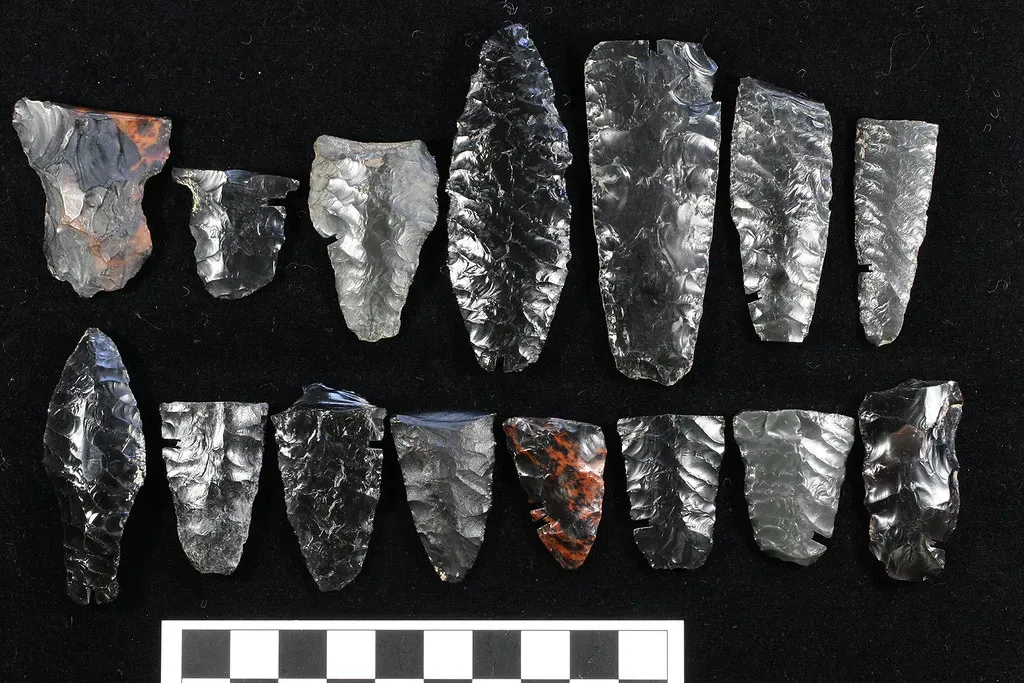
The Clovis people, named after the modern-day city of Clovis, New Mexico, were one of the earliest American civilizations, inhabiting an expansive land within the Americas. A rare archaeological discovery revealed many sharp objects and weapons, obsidian, bone tools, and hammers, highly sophisticated for their time of 9050 to 8800 BC, with these same tools and designs found across a good chunk of North America.
Nevertheless, they eventually just totally disappeared. It has been hypothesized that their massive size forced them, much like Rome, to branch out into smaller groups which eventually evolved into distinct peoples in different places, making them the forerunners to many other Native American cultures. Rather than vanishing completely, they may have fragmented and evolved into the diverse array of Native American cultures that came after them. It’s a reminder that “disappeared” doesn’t always mean gone without a trace. Sometimes it means transformed beyond recognition.
The Hohokam: Desert Engineers
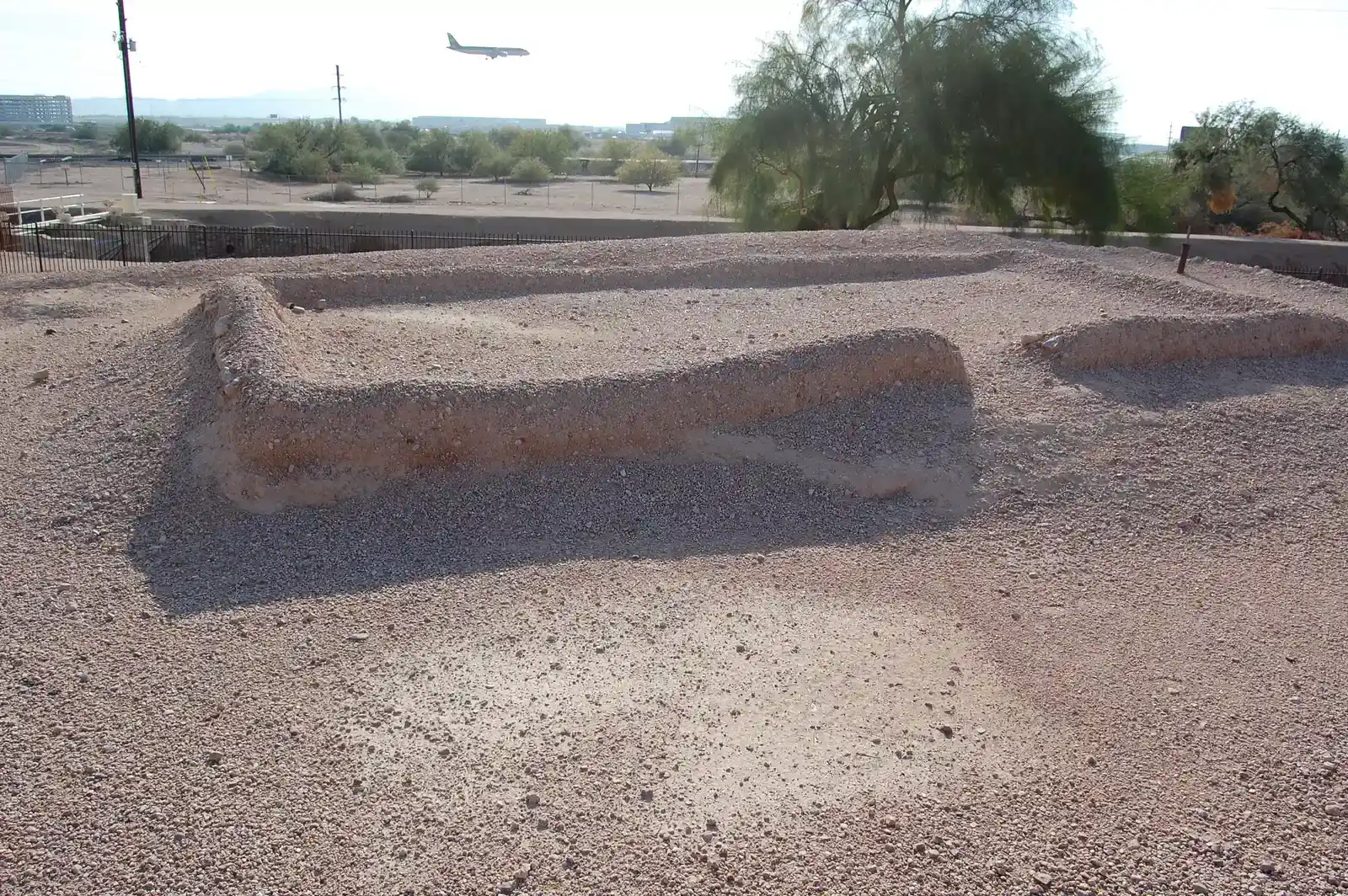
The Hohokam culture flourished in the deserts of what is now Arizona, roughly from 300 to 1450 CE. These desert dwellers were master engineers who built hundreds of miles of irrigation canals, some as wide as 30 feet and stretching for miles across the scorching Sonoran Desert. Their sophisticated water management systems allowed them to cultivate crops in one of North America’s harshest environments.
Their largest settlement, near modern-day Phoenix, covered several square miles and included massive platform mounds, ball courts similar to those found in Mesoamerica, and elaborate canal systems. Around 1450 CE, the Hohokam abandoned their canal cities and large settlements. The transition wasn’t sudden or catastrophic like some other disappearances. Instead, the population seems to have dispersed into smaller communities. Some researchers believe they’re the ancestors of the modern Tohono O’odham and Akimel O’odham peoples. Environmental stress, possibly including sustained drought and the salinization of their irrigation systems, likely played a role in the transformation of their society.
Conclusion: Echoes of the Past
What really gets me about these lost civilizations is how sophisticated they were. We’re not talking about primitive societies that couldn’t handle a bad harvest. These were cultures with advanced agriculture, complex social hierarchies, extensive trade networks, and architectural achievements that still leave us scratching our heads. Yet they all faced similar fates.
Climate change, whether in the form of devastating droughts or unpredictable floods, seems to be a common thread. Still, that’s not the whole story. Political upheaval, resource depletion, warfare, disease, and factors we may never fully understand all played their parts. Maybe that’s the real lesson here. Even the most advanced civilizations are vulnerable when multiple stressors hit at once.
These vanished cultures left behind more than just ruins and artifacts. They left behind questions that continue to challenge our understanding of what makes societies thrive or collapse. What do you think caused these great civilizations to disappear? Share your thoughts in the comments.