When you picture North America, you probably think of bison, grizzly bears, and white-tailed deer. But millions of years ago, this continent was something else entirely. Something wilder, stranger, and far more terrifying.
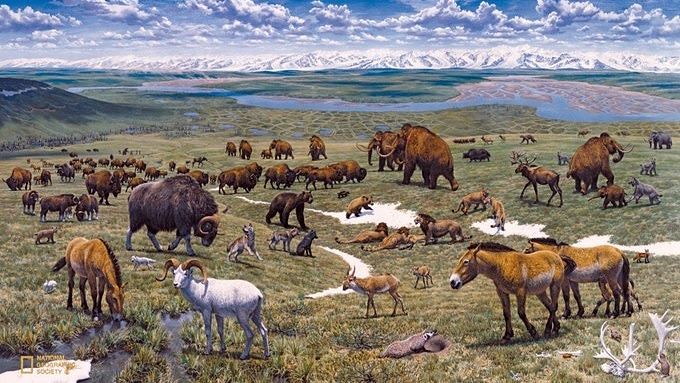
When the glaciers receded in the late Pleistocene, North America was home to dozens of thriving species of extra-large mammals known as megafauna. Most of these creatures vanished from the fossil record so completely that you’d never guess they once ruled the same plains, forests, and river valleys you might drive through on a weekend road trip. So buckle up, because the prehistoric version of North America was nothing short of jaw-dropping. Let’s dive in.
1. The Short-Faced Bear: North America’s Ultimate Apex Predator
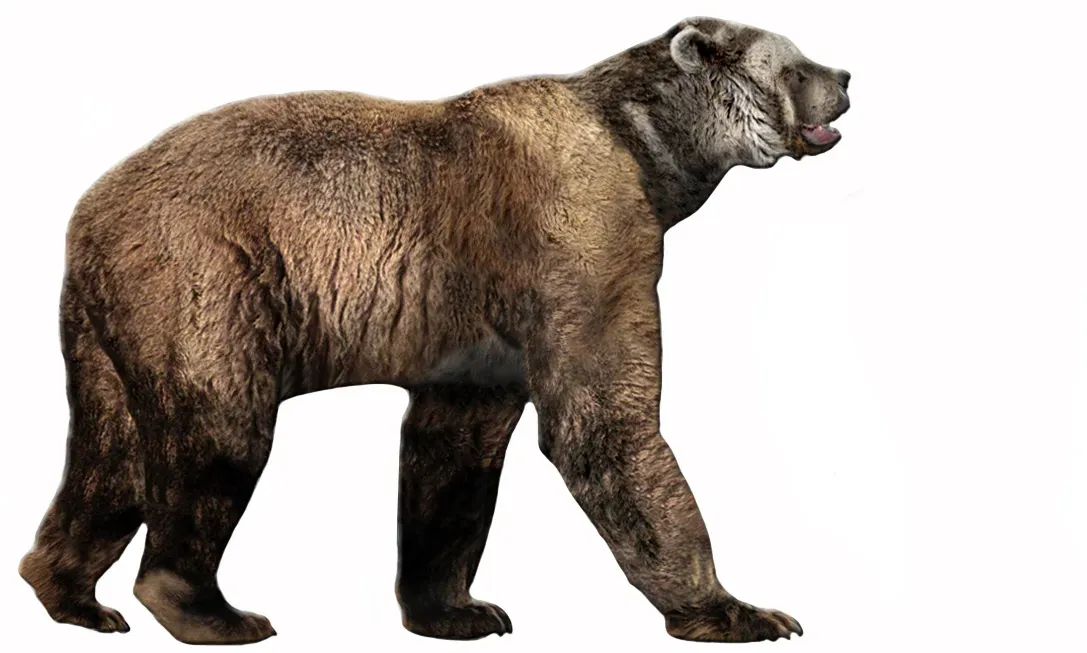
Here’s the thing about bears. You think of them as dangerous, sure. But the bears you know today would have cowered in front of this thing. In prehistoric North America, the short-faced bear (Arctodus simus) ruled the land as one of the biggest and most powerful predators the world has ever seen, weighing an immense 900 kilograms and standing 2 metres at the shoulder. That’s not a bear. That’s a living tank.
The giant short-faced bear was the largest carnivorous mammal to ever roam North America, and standing on its hind legs, an adult boasted a vertical reach of more than 14 feet. To put that in perspective, the ceilings in most homes are about 8 feet high. This creature would have had to duck just to walk through your front door, and it absolutely would not have been invited over. To survive, these bears would have had to consume approximately 35 pounds of meat each day, which tells you everything about the sheer scale of its hunger and dominance.
Giant short-faced bears are not related to any living species of bear in North America. Their closest living relative, though distant, is the diminutive spectacled bear, the only bear species native to South America. Think about that. The most ferocious land predator North America has ever produced is distantly related to one of the smallest, most docile bears on Earth. Nature truly has a dark sense of humor.
2. The Dire Wolf: Deadlier Than Any Fictional Version You’ve Seen
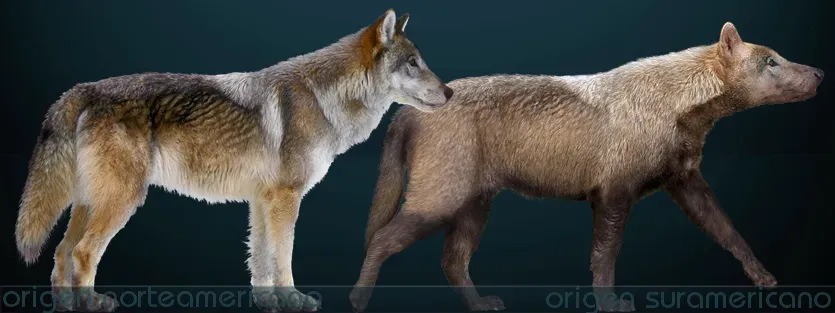
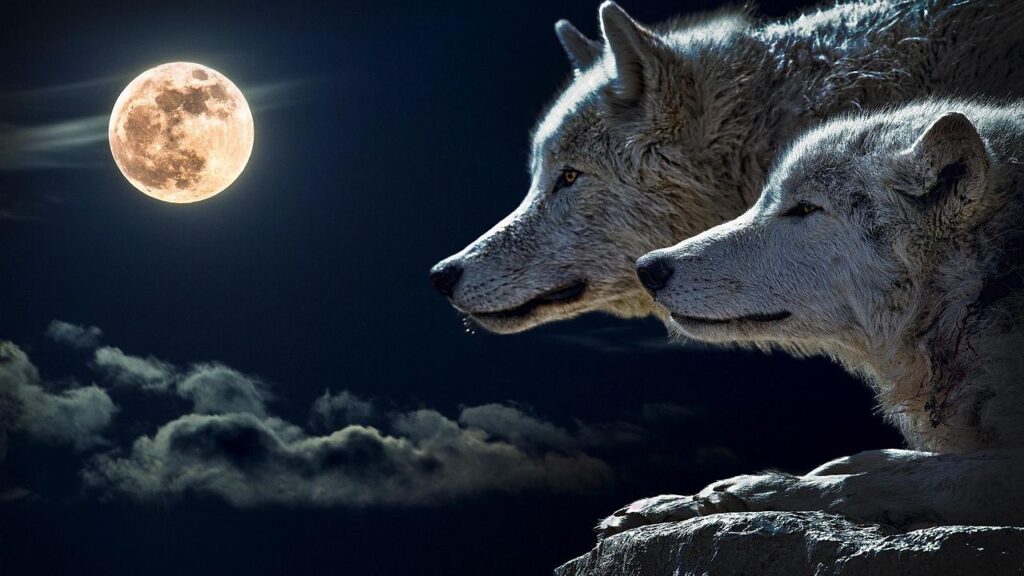
You’ve seen it in TV shows, you’ve read about it in fantasy novels, and honestly, pop culture still hasn’t done the real dire wolf justice. Dire wolves are the largest of the Genus Canis group, which includes wolves, coyotes, jackals, and domestic dogs. They weren’t just big wolves with dramatic names. They were a distinct and formidable force of nature.
Although often depicted as huge wolves in popular culture, the dire wolf was actually smaller than some living northern timber wolves, reaching five feet long and weighing around 110 pounds. Making up for their relatively small size, they had massive teeth and hunted in large packs. The dire wolves spread across North and Central America, coexisting with the smaller grey wolves, and were predominant hunters in California. Their strategy wasn’t brute size. It was coordinated, pack-based, teeth-heavy violence.
Although dire wolves went extinct about 13,000 years ago, their bones are abundant in California’s La Brea Tar Pits and Wyoming’s Natural Trap Cave. Honestly, the La Brea Tar Pits alone have yielded thousands of dire wolf remains, which suggests they were hunting or scavenging near those sticky death traps in enormous numbers. It’s thought that dire wolves evolved in South America and ventured north, while today’s grey wolves migrated from Asia, making the two species not closely related. The shifting climate at the end of the ice age, combined with competition with humans for food, led to their demise about 10,000 to 20,000 years ago.
3. The American Camel: Yes, Camels Were Native to North America
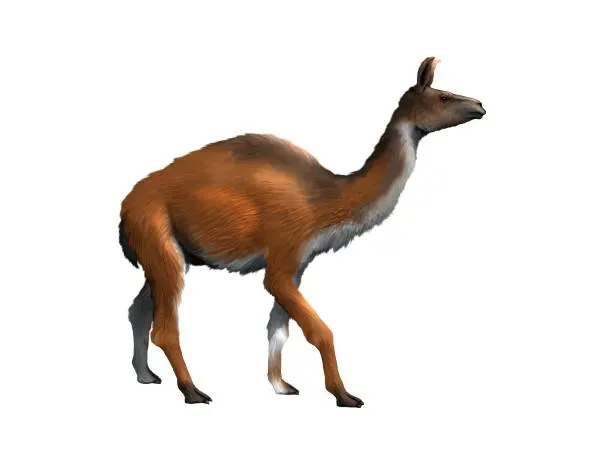
I know it sounds crazy, but the camel didn’t start out in the deserts of Africa or the steppes of Asia. It started right here, on this continent. The very first camels on the planet evolved in North America around 44 million years ago. Those ancient camels migrated westward over the Bering land bridge around 7 million years ago, later becoming the one-humped dromedary and two-humped Bactrian camels of North Africa and Asia. Other ancient species of North American camels migrated south and became the llamas and alpacas of South America. So every camel you’ve ever seen is technically a distant North American emigrant.
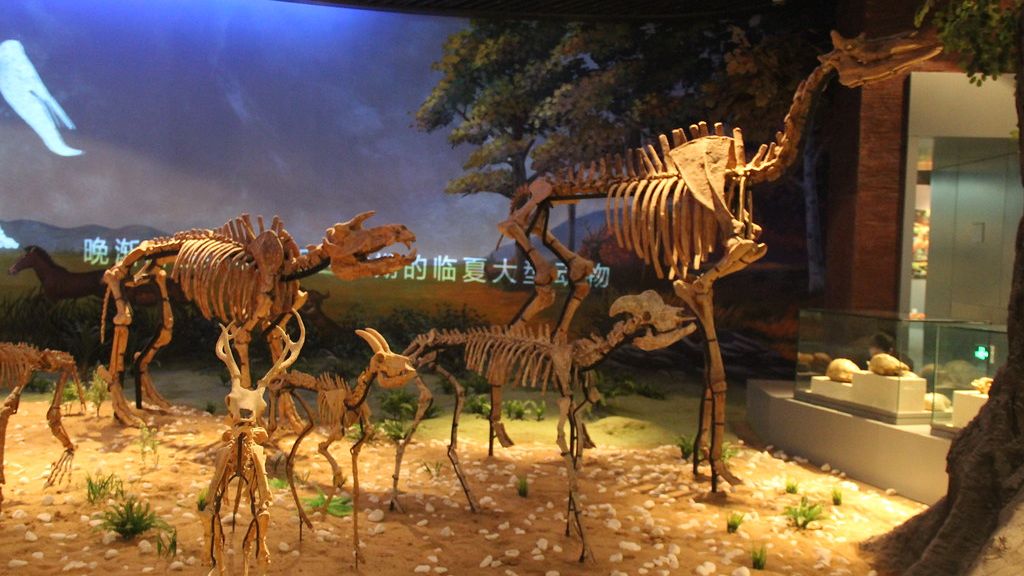
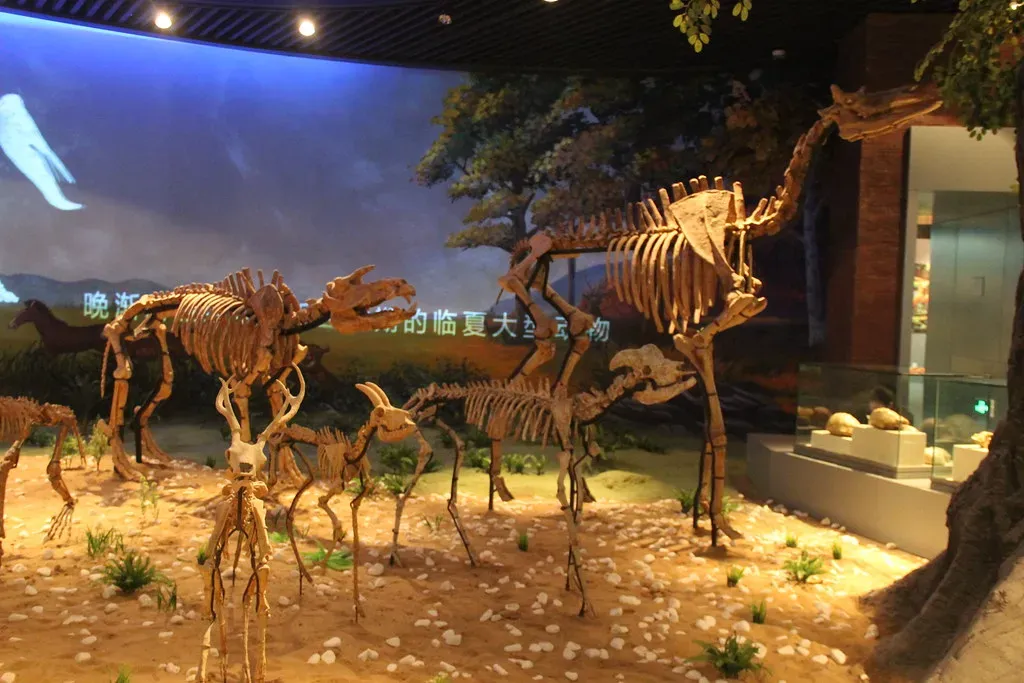
Camels that once roamed North America are called Camelops, Latin for “yesterday’s camel.” However, Camelops is more closely related to llamas than to today’s camels. They weren’t some tiny transitional species either. Large camels of the genus Camelops once called America home, and some were seven feet tall at the shoulder, slightly taller than modern camels, and weighed just over 2,000 pounds. They towered over the ancient landscape like living giraffes, grazing across the grasslands of what is now the American West. Picture that on your next drive through Nevada.
4. The American Cheetah: A Speed Demon No One Talks About
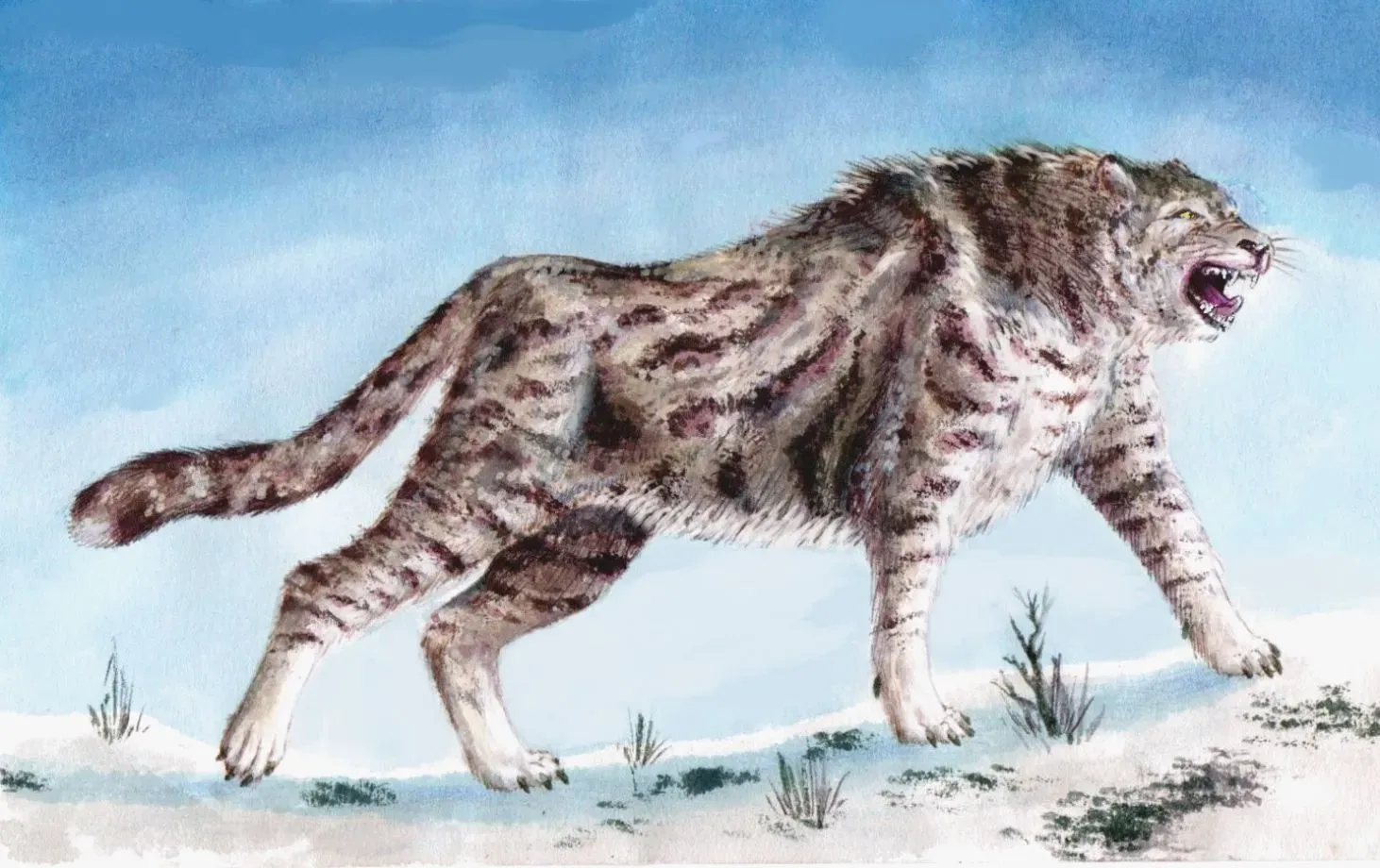
Most people can name the African cheetah without hesitation. Fewer have ever heard of the American cheetah, which is genuinely a shame because this animal was remarkable. The extinct North American cheetah, Miracinonyx, resembled the modern cheetah in appearance and speed but was more closely related to the cougar. This swift predator enhanced its landscape by keeping deer and pronghorn populations in check across the American plains. It wasn’t just a passenger in this ecosystem. It was a controlling force.
Its bones have been discovered from West Virginia to Arizona and even Wyoming. Thousands of years ago, snow leopard-like cheetahs hunted mountain goats across tricky terrain in America, according to fossilized remains. That detail alone is worth sitting with. A cheetah-like predator sprinting across the Rocky Mountain terrain, chasing mountain goats. Fossils found across the continent confirm the existence of this remarkable feline that thrived until approximately 30,000 years ago. Its disappearance left a hole in the predator landscape that no surviving North American cat has truly filled since.
5. The Giant Ground Sloth: A Gentle Monster the Size of an Ox
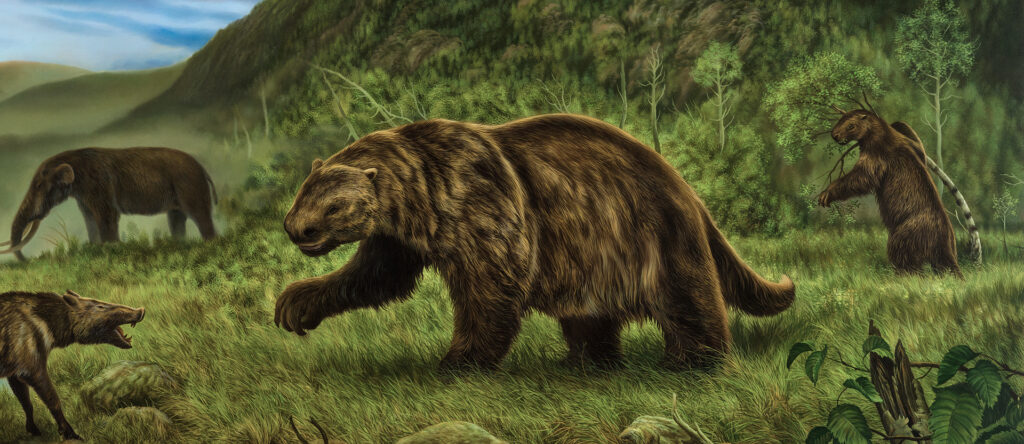
Today’s sloths hang from tropical trees and move so slowly that algae grows in their fur. Their ancient relatives were a completely different story. The fossilized claw discovered in West Virginia in the late 1700s didn’t belong to a fearsome meat eater, but to a massive, cumbersome sloth known as Megalonyx jeffersonii. Not cute and endearing like present-day sloths in South America, these sloths were one of the strangest animals of the ice age. They weighed as much or more than the short-faced bear at 1 tonne and stood 3 metres tall, growing to the size of an ox.
DNA analysis indicates that all extinct North American ground sloths, including the massive Harlan’s ground sloth, originated in South America and migrated north along with ancient opossums and armadillos. They were long-distance travelers who ultimately made North America their home. These giants were slow and awkward moving, and although they looked fearsome, they fed on leaves and twigs of the northern forests and posed no threat to possible human newcomers. So the most intimidating-looking creature you might have stumbled across in ancient North America was essentially a very large, very gentle leaf-eater. Somehow that makes it even more fascinating.
A Lost World Beneath Our Feet
It’s easy to look at today’s North American wildlife and think this is how it’s always been. The truth is far wilder. For most of Earth’s history through the Pleistocene, large mammals thrived all over North America, but around 10,000 years ago, nearly all of those giant creatures were wiped out. What’s left today is a quiet, almost empty version of what this continent once was.
Although it’s unclear what’s responsible for the mass extinctions, two main factors are suspected: dramatic climate change at the end of the ice age and the arrival of humans. The debate continues among scientists, and honestly, it may never be fully resolved. What we do know is that these five creatures weren’t myths or monsters. They were real, they were dominant, and they shaped this land long before we ever did.
The next time you’re out hiking through a forest or driving across the open plains, take a moment to imagine a short-faced bear cresting a ridge, a pack of dire wolves moving silently through the trees, or a giant ground sloth slowly pulling branches from a pine. This continent had a first life that most of us have completely forgotten. Perhaps the more pressing question is: what does it mean that we live in the aftermath of it all? What do you think about it? Tell us in the comments.