Chances are, your mental image of dinosaur evolution goes something like this: giant reptiles lumbering around a prehistoric swamp, clearly cold-blooded, clearly doomed. You picture a neat family tree on a classroom wall, with tidy labels and confident arrows pointing forward in time. It all looks so settled, so figured out. Honestly, it’s one of the most satisfying illusions in science education.
The reality, though, is far messier and far more fascinating. Paleontology in 2026 is in a golden age of upheaval, where nearly every foundational assumption about dinosaurs is either being revised, hotly debated, or quietly rewritten. So buckle up, because the story your textbook told you was only a rough draft. Let’s dive in.
The Dinosaur Family Tree Has Been Shaken to Its Roots
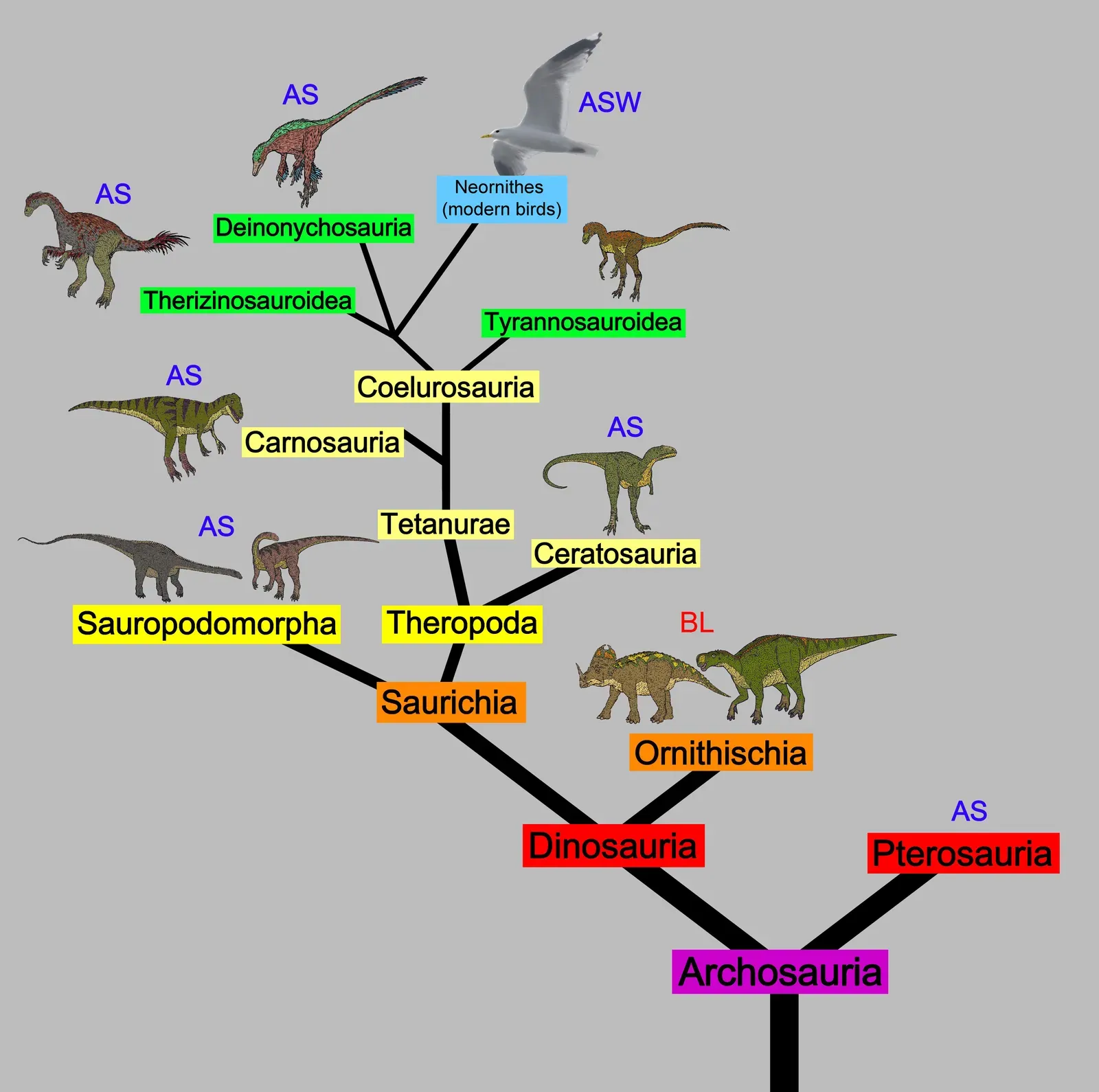
For over a century, scientists confidently divided all dinosaurs into two neat camps based on hip structure: the “lizard-hipped” Saurischia and the “bird-hipped” Ornithischia. It was elegant, logical, and almost universally accepted. For 130 years, paleontologists worked with a classification system in which dinosaur species were placed into these two distinct categories. That’s a long time to feel certain about something.
More than a century of theory about the evolutionary history of dinosaurs was turned on its head when scientists at the University of Cambridge and the Natural History Museum in London published new research suggesting that the family groupings need to be rearranged, redefined and renamed, and also that dinosaurs may have originated in the northern hemisphere rather than the southern. Think of it like discovering your family genealogy had been mislabeled for five generations. The shock was real.
There is no sign of an emerging consensus, with all possible combinations of the three major dinosaur clades, Ornithischia, Theropoda and Sauropodomorpha, having been recovered by recent phylogenetic analyses. In other words, the debate is still wide open. Science in action rarely looks as clean as the textbook diagrams suggest.
Where Dinosaurs Actually Came From Is Still Contested
For many years, it was thought that dinosaurs originated in the southern hemisphere on the ancient continent known as Gondwana, as the oldest dinosaur fossils have been recovered from South America, suggesting the earliest dinosaurs originated there. That felt like a settled answer for decades. It turns out, not quite.
Using historical biogeographic estimation methods, researchers consider low-latitude Gondwana to be the most likely area of origin of dinosaurs, though a separate study interprets the fossil record as consistent with a South American origin of dinosaurs followed by simultaneous dispersals into Laurasia and east Gondwana. So you have multiple competing models, each with genuine evidence behind them. It is hard to say for sure which one will eventually win out, but that uncertainty is exactly what makes paleontology so exciting right now.
You Were Taught That Dinosaurs Were Cold-Blooded. Science Has Moved On.
Here’s the thing about the classic “cold-blooded dinosaur” image: it never really sat right with the evidence. Scientists used to think that all dinosaurs were cold-blooded, meaning that, like modern lizards, their body temperatures were dependent on their surroundings. While scientists have since discovered that some dinosaurs were actually warm-blooded, they haven’t been able to pinpoint when this adaptation evolved. That last part is crucial. Knowing it happened and knowing when it happened are very different things.
A study suggests the ancestor of the dinosaurs may have been warm-blooded, but not all dinosaurs stayed that way. Some dinosaurs, such as stegosaurs, may have needed to bask in the sun to keep their body temperature constant, while others like sauropods were able to be active all day. Imagine a spectrum of metabolisms stretched across millions of years and hundreds of species. That is far richer than any single label can capture. Today, it is generally thought that many or perhaps all dinosaurs had higher metabolic rates than living reptiles, but also that the situation is more complex and varied than was originally proposed.
Feathers Were Not Just a Bird Thing
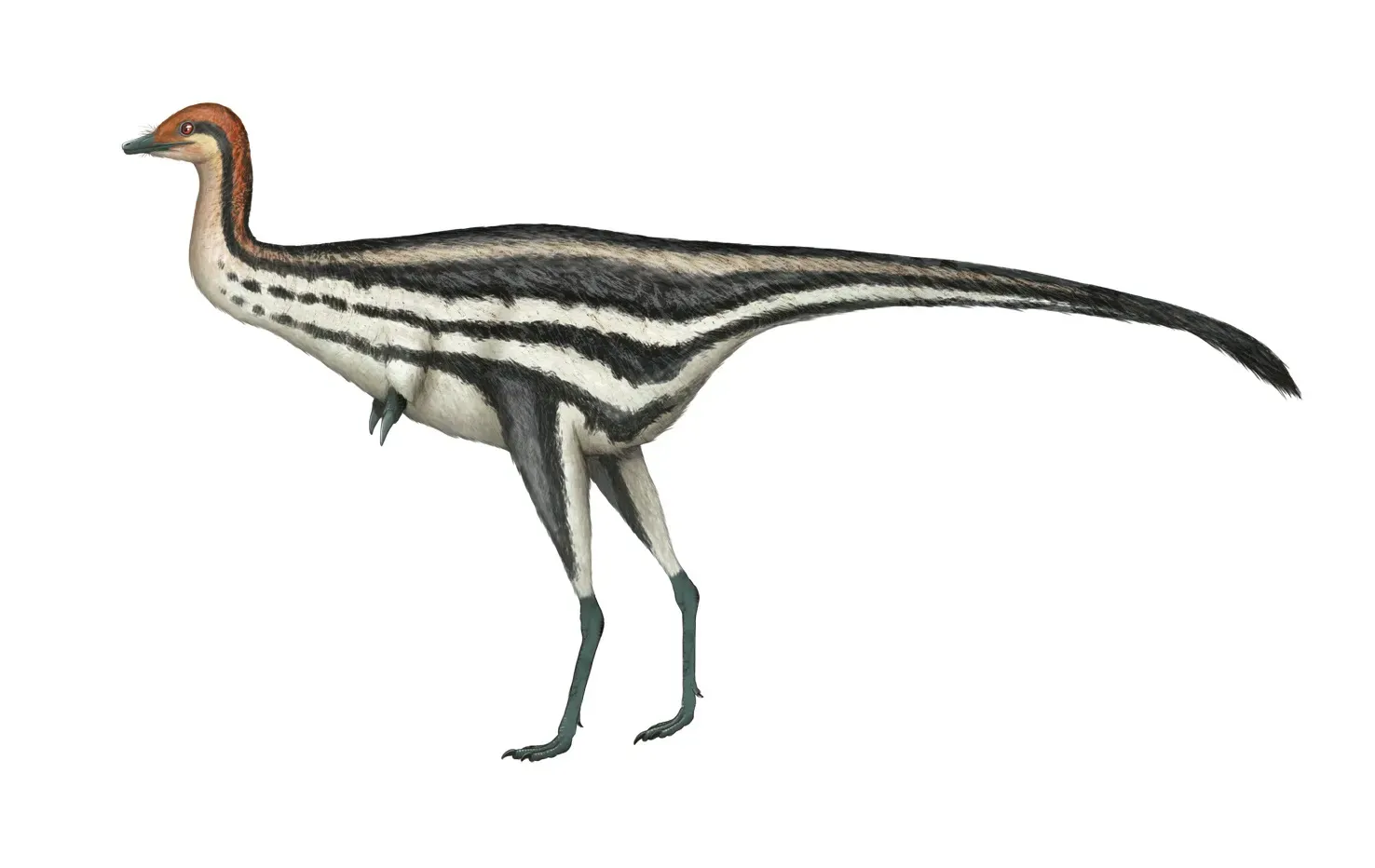
If someone told you twenty years ago that T. rex relatives walked around with feathers, you might have laughed. Now it is one of the most well-supported findings in the field. There is now no doubt that many theropod dinosaur species had feathers, including Shuvuuia, Sinosauropteryx and Dilong, an early tyrannosaur. The visual of a feathered Dilong is genuinely startling, and I think it permanently shifts how you perceive the whole group.
In the lineage leading to birds specifically, researchers determined that the order of key transitions was the evolution of insulative feathers, then a reduction in size with an increment in metabolism, and then the emergence of flight. This sequence is a stunning example of how evolution works step by step, not in dramatic leaps. Heat transfer modeling suggests that dinosaurs shrank in size as they evolved from cold-blooded reptiles to warm-blooded birds, which is one of those findings that reframes everything you thought you understood about the transition between dinosaurs and modern birds.
The Tyrannosaur Saga Is Far More Global Than You Think
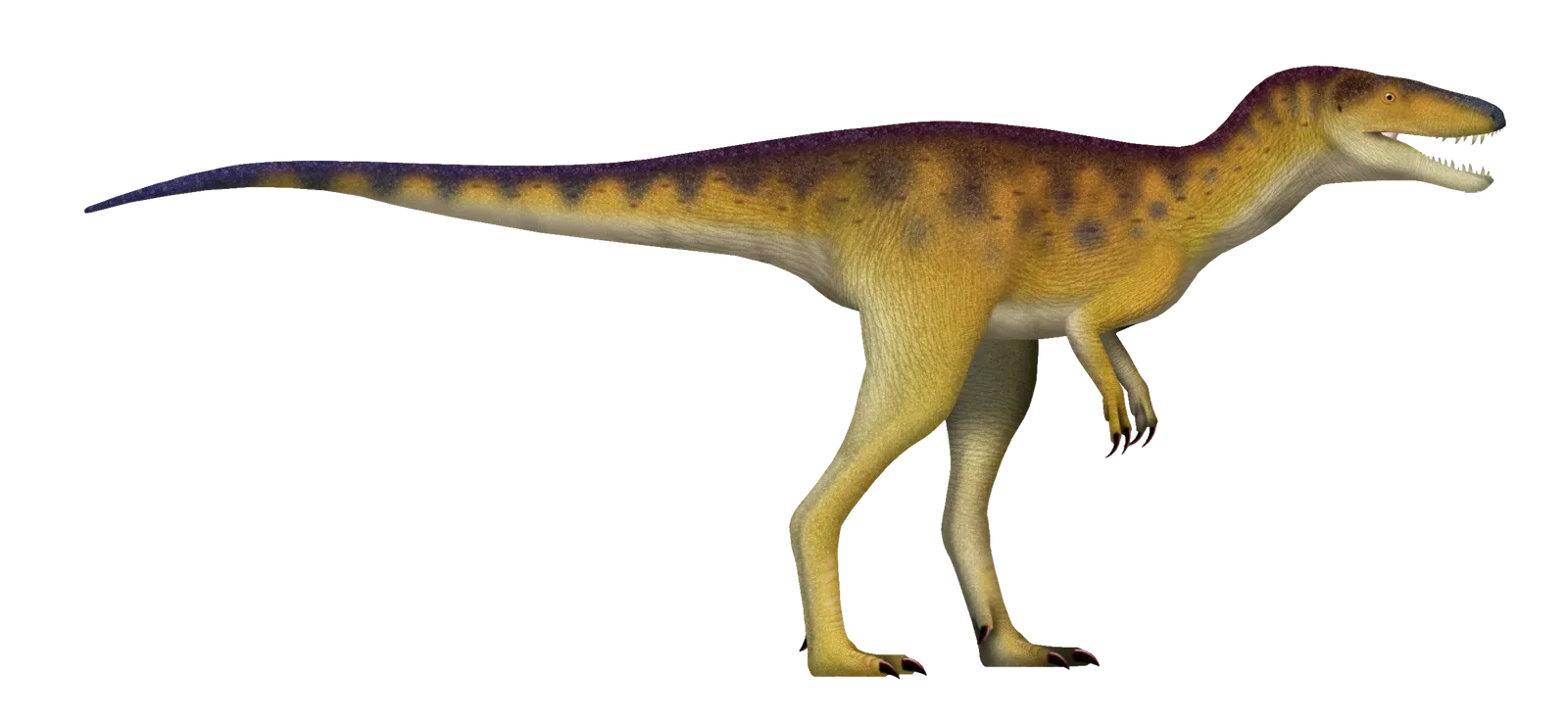
Most people imagine the tyrannosaur story as a purely North American tale, with T. rex as its obvious crowning achievement. The real picture is dramatically more international. A small carnivore named Khankhuuluu, which roughly translates to “dragon prince,” lived about 86 million years ago in what is now the Gobi Desert. Its study details multiple tyrannosaur migrations, millions of years apart. Khankhuuluu was part of a burst of tyrannosaur evolution that led to slender, agile creatures crossing into prehistoric North America around 85 million years ago. Some of those tyrannosaurs then crossed back into Asia, evolving into new forms and eventually leading one big, bone-crushing lineage to enter North America once more and give rise to the iconic T. rex.
Let’s be real, the idea of tyrannosaurs crossing back and forth between continents like evolutionary nomads is far more exciting than any textbook narrative. A study argues that megaraptorans had a cosmopolitan distribution before the splitting of Laurasia and Gondwana, that gigantism evolved multiple times in tyrannosauroids and its evolution might have been related to cooling climate, and that direct ancestors of Tyrannosaurus likely migrated into North America from Asia. Multiple independent evolutions of giant size, shaped by climate. The complexity here is breathtaking.
Tiny Dinosaurs Are Overturning Big Evolutionary Assumptions
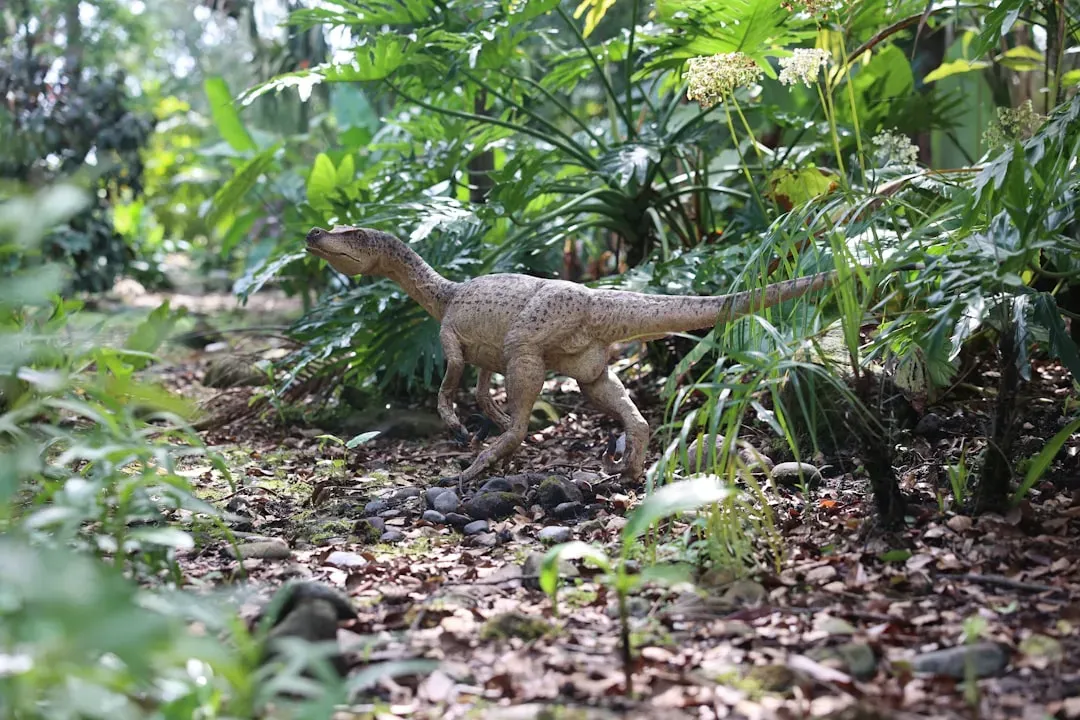
Evolution did not only experiment with the enormous. Some of the most revealing recent finds have been remarkably small. A newly identified tiny dinosaur, Foskeia pelendonum, is shaking up long-held ideas about how plant-eating dinosaurs evolved. Though fully grown adults were remarkably small and lightweight, their anatomy was anything but simple, featuring a bizarre, highly specialized skull and unexpected evolutionary traits. Think of it like finding a compact car with a Formula One engine under the hood.
Detailed bone studies show these dinosaurs matured quickly with bird- or mammal-like metabolism, while their teeth and posture hint at fast, agile lives in dense forests. Meanwhile, in the broader picture, around 1,400 dinosaur species are now known from more than 90 countries, with the rate of discovery accelerating in the last two decades, and 2025 saw the discovery of 44 new dinosaur species, nearly one a week. At that pace, whatever you learned about dinosaur diversity just a decade ago is already partial at best.
The Extinction Was Catastrophic, but Dinosaurs Never Truly Disappeared
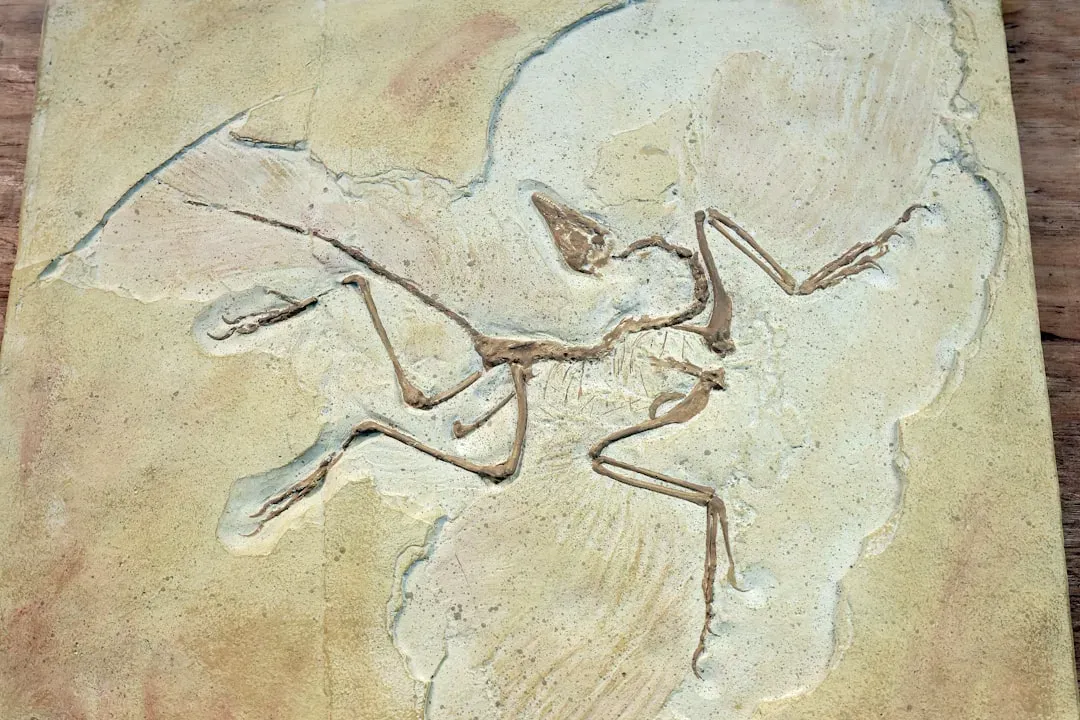
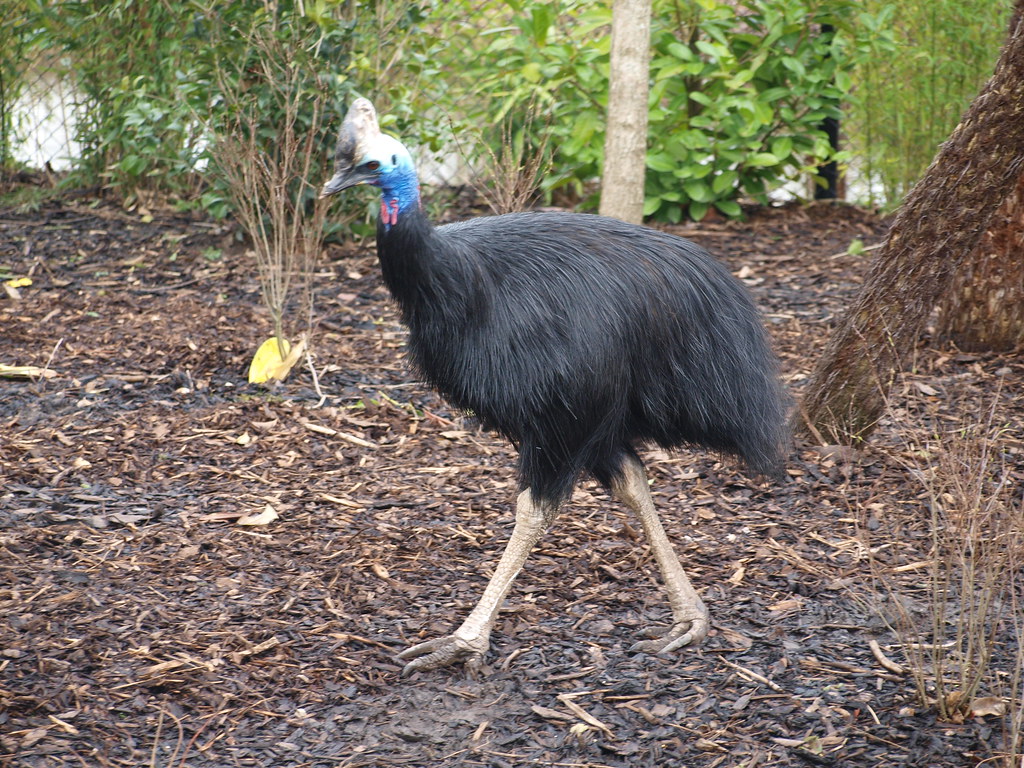
Here is a perspective shift that most people never fully absorb: dinosaurs are not extinct. Not entirely. All of the non-bird dinosaurs died out, but dinosaurs survived as birds. Some types of bird did go extinct, but the lineages that led to modern birds survived. Every time you hear a songbird outside your window, you are listening to a living dinosaur. That fact deserves far more attention than it gets in classrooms.
The asteroid impact itself was an almost incomprehensible event. Approximately 66 million years ago, an asteroid nearly 10 kilometers across hit the Earth near what is now the Yucatan Peninsula. The asteroid hit at an estimated speed of 20 kilometers per second, and the impact produced as much explosive energy as 100 teratons of TNT. Yet even from that devastation, a lineage persisted. A new study suggests that widespread forest fires made it impossible for tree-dependent birds to survive, meaning the vast avian diversity of today likely arose from just a few ground-dwelling survivors. Resilience, right there in the fossil record.
The Future of Dinosaur Science Is Still Being Written
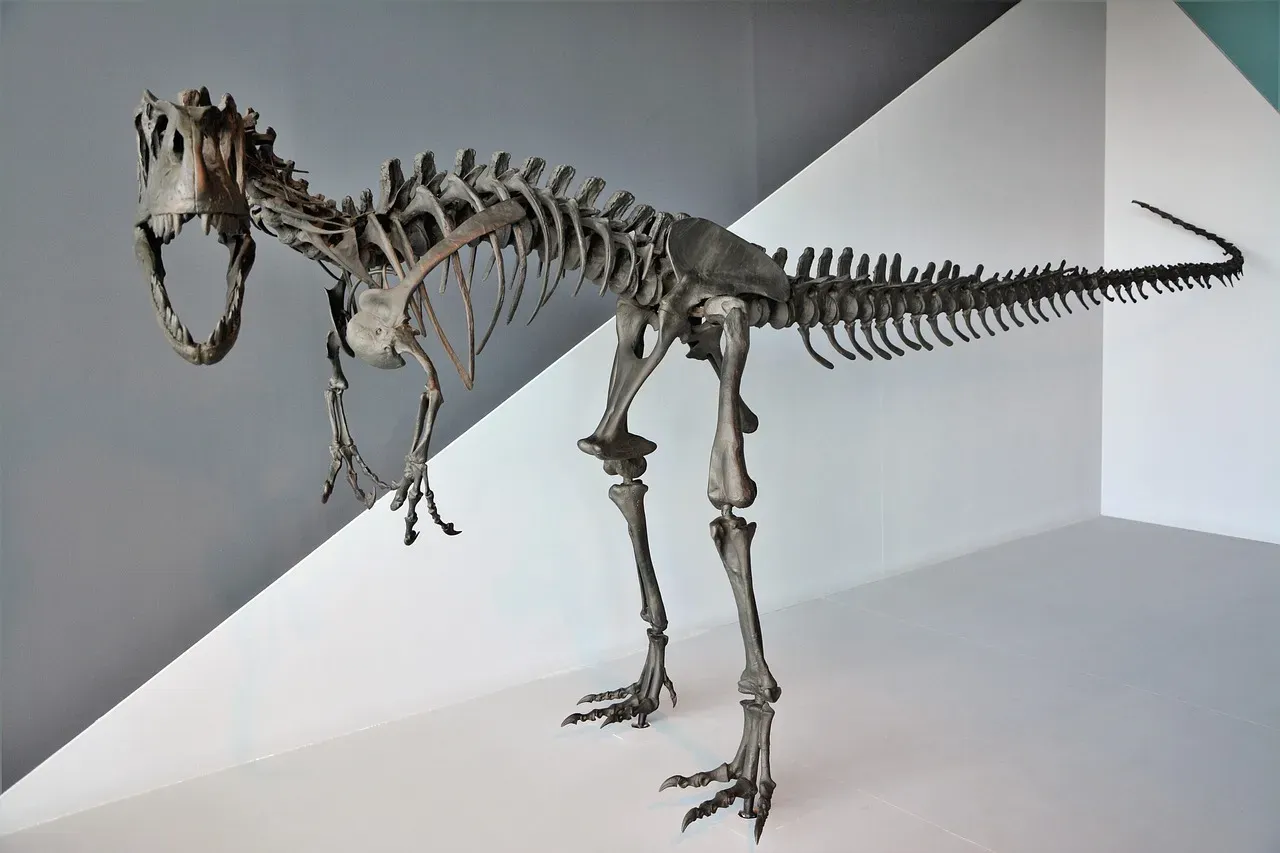
You might assume that after 200 years of dinosaur paleontology, the frontier has mostly closed. The opposite is true. Around 50 new dinosaurs are named each year and are discovered from across the globe, and the rate of new dinosaur discovery shows no signs of slowing. We are nowhere near the end of this story. If anything, the pace is accelerating.
The Carnian, Triassic-Jurassic boundary and Middle Jurassic time intervals, and new finds in Gondwana, especially Africa and India, offer the best opportunities to make major new discoveries that could fundamentally change our understanding of dinosaur evolution. There are also powerful new tools changing what is possible. The application of remote sensing and drone imaging to help narrow down the best areas to prospect, three-dimensional scanning to record fossils in the field and in the laboratory, and artificial intelligence and machine-learning applied to help identify problematic fossils could revolutionize the field in the future. The story of dinosaur evolution is still being unearthed, quite literally, right now.
Conclusion
Dinosaur evolution is not a closed chapter. It is an ongoing, messy, exhilarating investigation that keeps revising its own conclusions. The family tree has been reshuffled. The birthplace of dinosaurs is still argued over. The question of warm or cold blood turns out to have more than two possible answers. Feathers, migrations, tiny species with astonishing complexity, and survivors that turned into every bird you have ever seen.
The textbook gave you a starting point, not a destination. Science, at its best, is exactly this: a living process where new fossils, new tools and new thinking change what we thought we knew. Honestly, that is what makes it worth following. So next time you glance up at a bird landing on a branch, consider what 230 million years of evolution actually looks like. What other “settled” facts about the natural world do you think are waiting to be overturned?