
Close your eyes and picture a forest. You probably imagine towering oaks, rustling leaves, dappled sunlight filtering through a lush canopy. Maybe the scent of pine or moss. Now imagine walking into a place that called itself a forest, yet had hollow-trunked trees with no real leaves, no grass underfoot, and an eerie silence where birdsong would have been replaced by the clicking of ancient arthropods. That’s not a dystopian fantasy. That was Earth’s reality hundreds of millions of years ago.
The planet’s first forests were genuinely alien. Weird, prototype versions of the world we know, assembled from plants that no longer exist in any form. Honestly, I find it mind-bending that these prehistoric woodlands played such a staggering role in shaping our atmosphere, our soils, and our climate, all while looking nothing like the forests you’d hike through today. Let’s dive in.
The Devonian Period: When Trees First Dared to Stand Tall
The Devonian is a geologic period of the Paleozoic era, spanning roughly 60 million years. Think of it as Earth’s version of a grand experiment in land colonization. Before this, the continents were mostly barren, swept by winds over bare rock. Then things started changing, fast.
The first significant evolutionary radiation of life on land occurred during the Devonian, as free-sporing land plants began to spread across dry land, forming extensive coal forests which covered the continents. By the middle of the Devonian, several groups of vascular plants had evolved leaves and true roots, and by the end of the period the first seed-bearing plants appeared.
The plants of the early Devonian, roughly 420 to 390 million years ago, were relatively small, with most being only a few centimeters tall. To put that in perspective, the entire landscape was barely knee-high. Then, with what scientists sometimes call the “Devonian Explosion,” everything changed almost overnight, geologically speaking.
This rapid appearance of so many plant groups and growth forms has been called the “Devonian Explosion.” During the Devonian, plants evolved from small, simple structures standing just a few centimeters tall to trees towering up to 30 metres above the ground. It’s one of the most dramatic transformations in the history of life on this planet.
The World’s Oldest Known Forest: Found in England, of All Places
You might expect the world’s oldest forest to have been discovered somewhere dramatic, like a remote Amazonian quarry or a Siberian permafrost site. Instead, it was hiding in plain sight along the cliffs of southwestern England, near what is now a holiday camp.
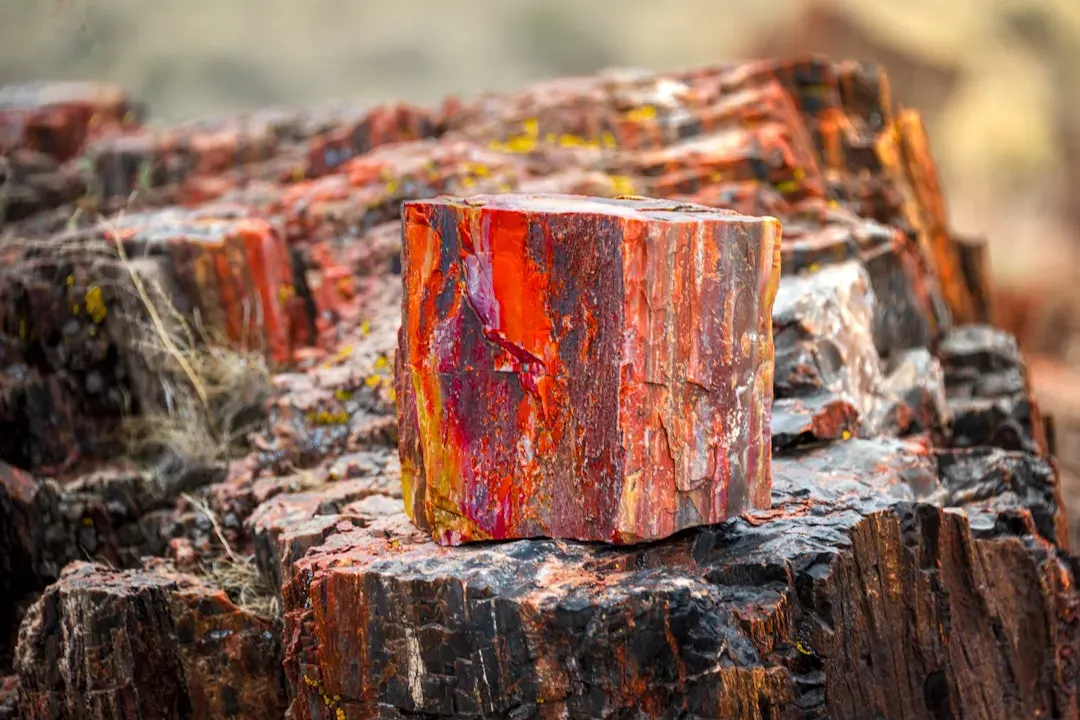
The oldest fossilised forest known on Earth, dating from 390 million years ago, was found in the high sandstone cliffs along the Devon and Somerset coast. The fossils were discovered and identified by researchers from the Universities of Cambridge and Cardiff, and are the oldest fossilised trees ever found in Britain. This fossil forest is roughly four million years older than the previous record holder, which was found in New York State.
During the Devonian, the site was a semi-arid plain, criss-crossed by small river channels spilling out from mountains to the northwest. Picture a dusty, warm floodplain with clusters of strange, palm-like trees and virtually nothing growing on the ground beneath them. During the Devonian period, this region was not attached to the rest of England, but instead lay further south, connected to parts of Germany and Belgium, where similar Devonian fossils have been found.
Meet Calamophyton: The Weirdest Tree You’ve Never Heard Of
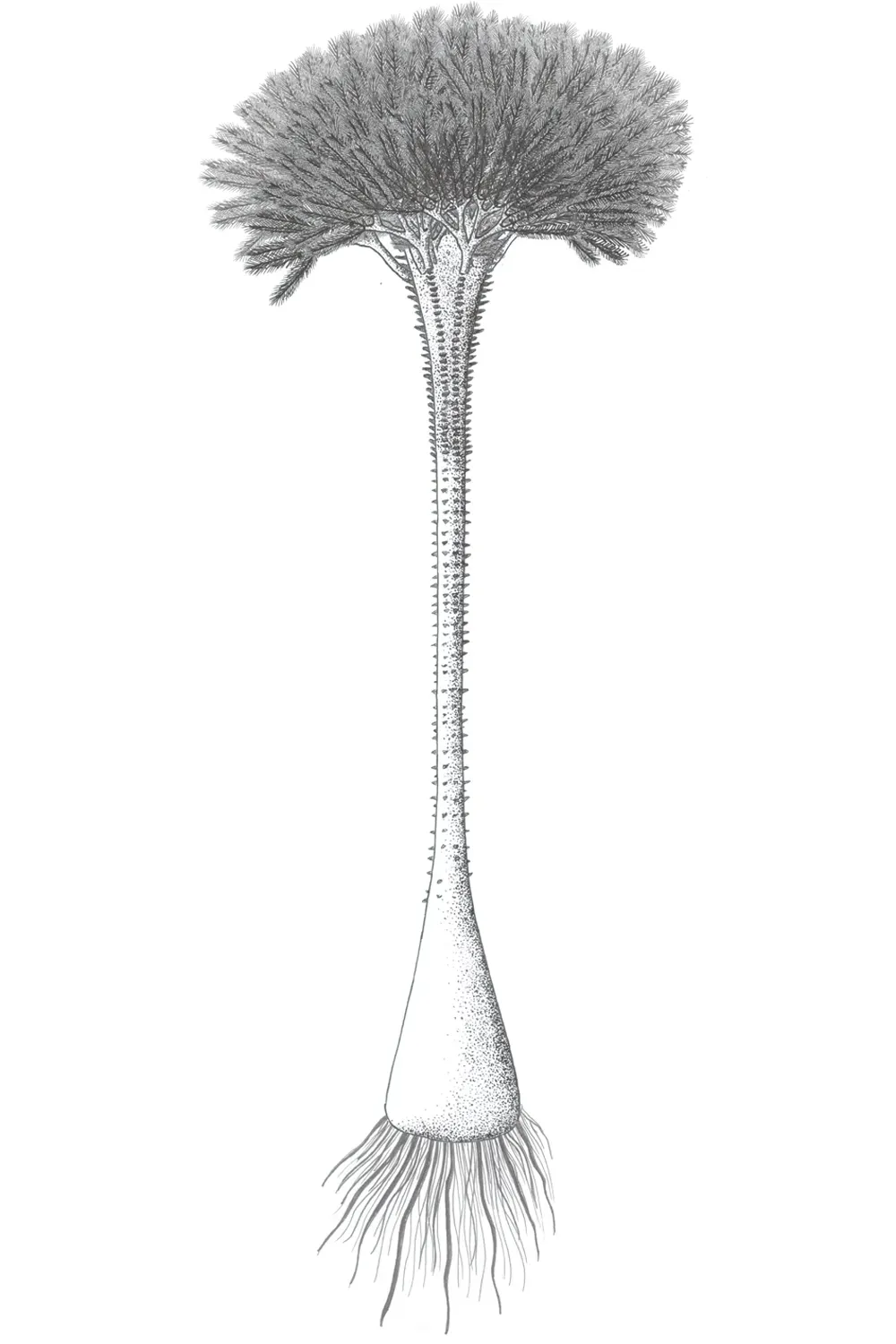
If you were teleported back to this Somerset forest, your first reaction might be confusion. These weren’t trees in any way you’d recognise. The fossilised trees, known as Calamophyton, at first glance resemble palm trees, but they were a “prototype” of the kinds of trees we are familiar with today. Rather than solid wood, their trunks were thin and hollow in the centre. They also lacked leaves, and their branches were covered in hundreds of twig-like structures.
These trees were also much shorter than their descendants, with the largest being between two and four metres tall. Think of them less like a majestic oak and more like an overgrown pipe cleaner with ambitions. The structure of the forest would have been much simpler than modern forests, with no grass, as it hadn’t evolved yet, and no undergrowth either.
Grasses had yet to develop and establish at this time, so undergrowth was almost non-existent, but there were twigs and debris dropped by the trees as suggested by the fossils preserved in the sediment layers. It appears the vast abundance of debris shed by Calamophyton trees accumulated and affected the way rivers flowed, marking a time when rivers began to behave in a fundamentally different way than before.
Cladoxylopsids: Trees That Grew by Splitting Themselves Apart
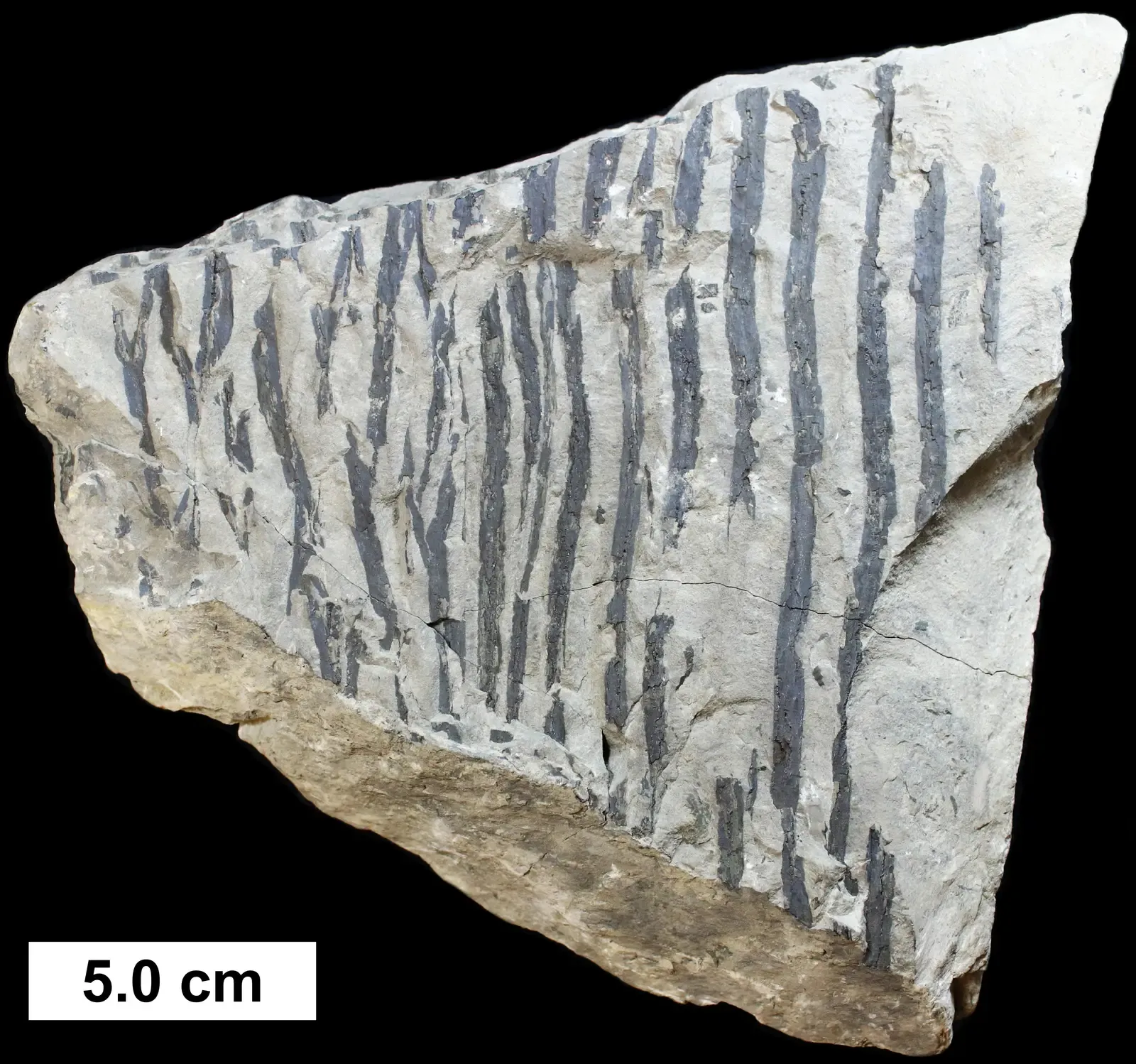
Here’s the thing about these ancient trees that truly bends the mind. The way they grew was unlike any tree that has ever existed before or since. Modern trees grow by adding rings of wood from the outside in. These pioneers had a completely different strategy, one so bizarre that scientists were stunned when they finally deciphered it.
Cladoxylopsids had multiple xylem columns spaced around the perimeter of a hollow trunk. A network of crisscrossing strands connected the vertical xylem, much like a chain-link fence spreads from pole to pole, and soft tissue filled the spaces between all these strands. New growth formed in rings around each of the xylem columns while an increasing volume of soft tissue forced the strands to spread out.
Scientists estimate cladoxylopsids could have been 8 to 12 meters tall. This growth strategy has not been seen in any other tree in Earth’s history. Essentially, the tree grew by literally splitting its own internal structure outward. Despite their early critical role in the evolution of life on Earth, the cladoxylopsids do not have any modern descendants. They disappeared at the end of the Devonian period, perhaps because they were left in the shade of taller, more robust trees, or because changing environmental conditions may have favored Archaeopteris.
Archaeopteris: The Tree That Pointed Toward the Future
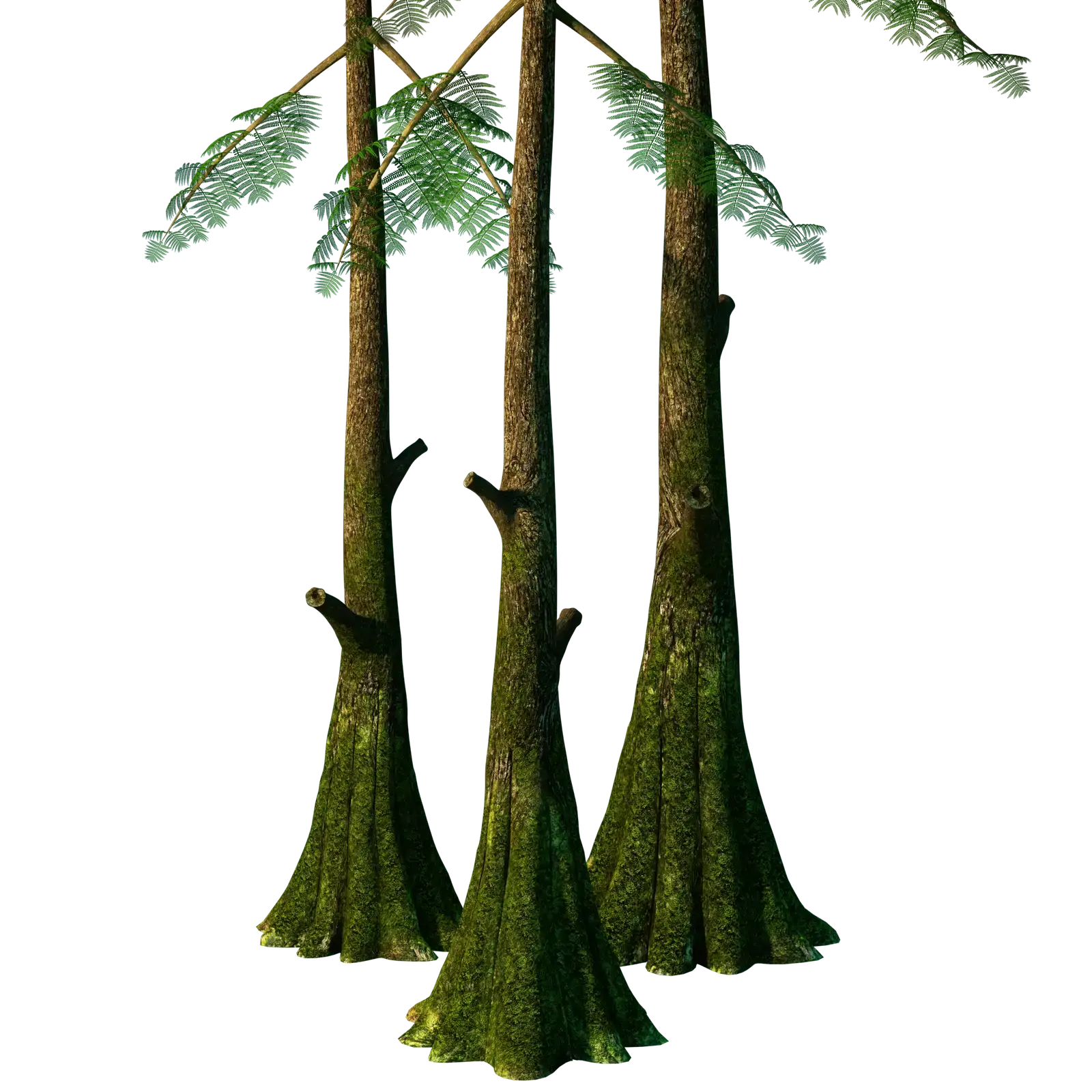
While the cladoxylopsids were the strange pioneers, another tree was quietly hinting at what forests would one day become. Archaeopteris is a name worth knowing. Looking roughly like a top-heavy Christmas tree, Archaeopteris may have played a part in the transformation of Earth’s climate during the Devonian before becoming extinct within a short period of time at the beginning of the Carboniferous period.
Bearing buds, reinforced branch joints, and branched trunks similar to today’s woody plants, it is more reminiscent of modern seed-bearing trees than other spore-bearing taxa. It combines characteristics of woody trees and herbaceous ferns, and belongs to the progymnosperms, a group of extinct plants more closely related to seed plants than to ferns, but unlike seed plants, reproducing using spores like ferns.
The trees of this genus typically grew to 24 metres in height with leafy foliage reminiscent of some conifers. The large fern-like fronds were thickly set with fan-shaped leaflets. Research has shown that Archaeopteris had a highly advanced root system essentially comparable to modern seed plants, suggesting a unique ecological role for the group involving greatly expanded energy and resource utilization, with consequent influence on global processes much greater than expected from tree size or rooting depth alone.
The Cairo and Gilboa Fossil Forests: Clues in New York’s Ancient Soils
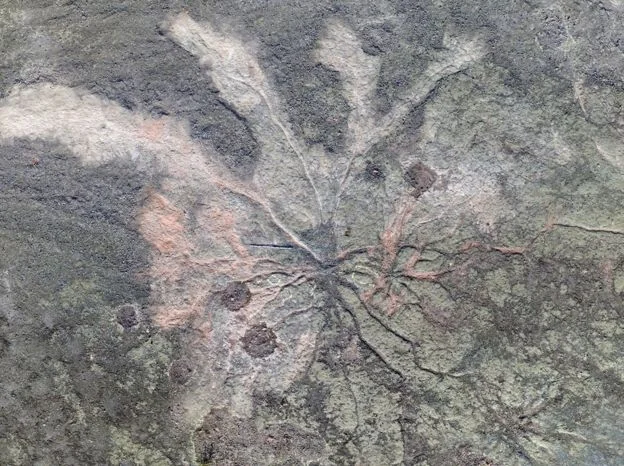
Across the Atlantic, the American Northeast has its own remarkable fossil forest story. Earth’s first forests evolved during the Devonian Period, and much of the earliest evidence for this comes from 387-million-year-old rocks from Gilboa, in Schoharie County, New York. For decades, Gilboa was considered the crown jewel of ancient forest discoveries. Then researchers drove 40 minutes down the road and found something even older.
While sifting through fossil soils in the Catskill region near Cairo, researchers uncovered the extensive root system of 385-million-year-old trees that existed during the Devonian Period. The Cairo site presents three unique root systems, leading researchers to hypothesize that, much like today, the forests of the Devonian Period were heterogeneous, with different trees occupying different places depending on local conditions.
A research team reported on the discovery of the first fully connected specimen, which showed that Eospermatopteris trees were over 25 feet tall and had crowns composed of short, stick-like photosynthetic branches rather than the broad, leaf-covered branches of many modern trees. That detail alone is striking. Imagine a forest canopy made not of flat, broad leaves but of spiky, twig-like projections reaching toward a sky with a very different chemical composition than the one we breathe today.
How These Ancient Forests Rewired the Entire Planet
Let’s be real: when we talk about the impact of these first forests, we’re not talking about a minor ecological footnote. The origin of trees and forests in the Middle Devonian was a turning point in Earth history, marking permanent changes to terrestrial ecology, geochemical cycles, atmospheric CO2 levels, and climate. That is an almost incomprehensibly large statement.
The newly evolved forests drew carbon out of the atmosphere, which was then buried into sediments. This may be reflected by a cooling of around 5 degrees Celsius during the Middle Devonian. As carbon dioxide was pulled out of the atmosphere, it caused climate cooling, and then glaciation forms in the Carboniferous Period that follows the Devonian. Forests had this massive effect of drawing carbon dioxide down and pushing oxygen levels up, which was an important driver in the evolution of animals.
These forests locked up huge amounts of carbon from the atmosphere, first in the living plants and then as the buried fossils that became deposits of coal and gas. The resulting fall in atmospheric carbon dioxide plunged the world into a glaciation that lasted some 50 million years, causing fluctuations in climate and sea level that had worldwide effects. And here’s the jaw-dropping part: we have dug up the compressed remains of those fossil forests, and in using them to power the industrial transformation of the last two centuries, have returned their carbon to the atmosphere in enormous amounts, precipitating the global warming climate crisis that exists today.
The Legacy Written in Stone: What Fossil Forests Still Teach Us
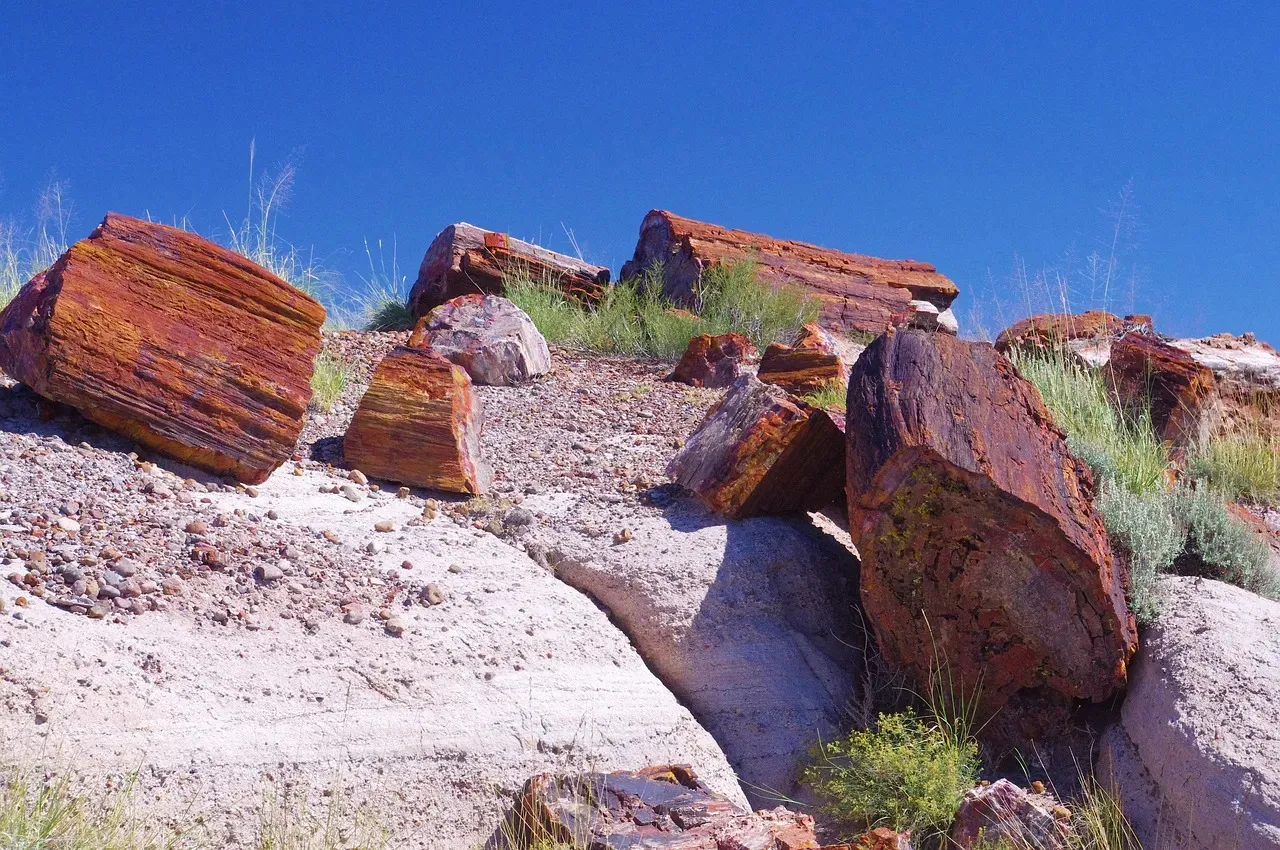
You might wonder what a bunch of fossilised stumps and hollow trunks buried in sandstone cliffs could still possibly teach us. It turns out, quite a lot. The evolution of trees and forests through the Devonian Period fundamentally changed the Earth’s land biosphere, as well as impacting physical environments and geomorphology by stabilizing sediments and interacting with flowing air and water.
Researchers describing the largest example of a Devonian forest found roughly 250,000 square meters of fossilized lycopsid trees, recently discovered near Xinhang in China’s Anhui province. That’s an area nearly the size of 35 football fields, preserved in ancient clay quarry walls. It colonized coastal clastic wetlands influenced by floods, and significantly increases the paleogeographical coverage of in situ Devonian forests, contributing to our understanding of atmospheric CO2 decline and coastal consolidation.
These pioneering land plants, and the food and shelter they provided, allowed animals ranging from millipedes to amphibians to invade the land as well. Even rivers changed their form as the vegetation took hold and stabilised their banks. This made single, meandering channels more common than the multiple shifting arteries that had characterised the landscape for billions of years prior to its greening. In other words, the rivers you see on a map today are shaped, in part, by the legacy of forests that vanished 350 million years ago.
Conclusion
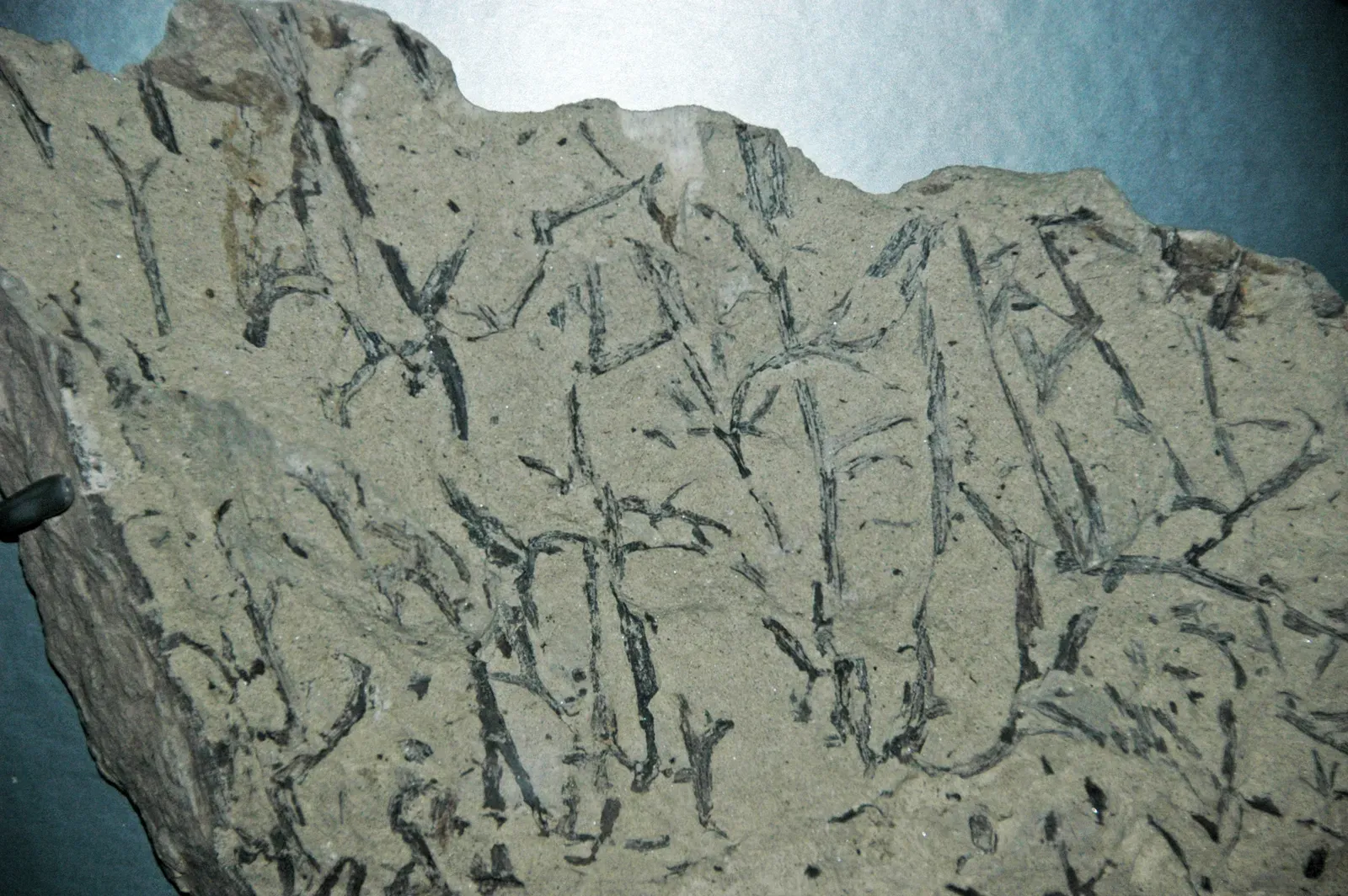
The story of Earth’s earliest forests is one of the most profound and underappreciated chapters in the history of life. These were not gentle, familiar woodlands. They were alien structures, hollow-trunked, leafless, splitting from within to grow, presiding over a world with no grass, no birdsong, and an atmosphere being slowly and irreversibly transformed beneath their roots.
Yet everything that followed, from the Carboniferous coal swamps to the Amazon rainforest to the oak woodland outside your window, traces its lineage back to those strange Devonian pioneers. The coal powering our civilization, the oxygen in our lungs, the way rivers meander across continents: all of it carries the fingerprint of those first, bizarre trees.
It’s humbling, honestly. A hollow-trunked tree the height of a double-decker bus, shedding twig-like branches onto a grassless floodplain 390 million years ago, set in motion a chain of events that led directly to the world you inhabit today. So here’s a question worth sitting with: if those first strange forests could transform an entire planet, what does that tell us about the forests we’re losing right now?