Nature has a long memory. The creatures sharing your world today – the crocodile sunning on a riverbank, the bat swooping through a summer night, the elephant ambling across a dusty savannah – are not just survivors. They are living archives. Every instinct they carry, every strategy they use to hunt, hide, raise their young, or communicate, has been shaped by millions of years of evolutionary pressure.
Here’s something that honestly still gives me chills when I think about it: some of the behaviors you see in modern animals were already ancient before the dinosaurs even walked the earth. The more scientists dig into fossils, DNA, and behavioral ecology, the more they realize that sophisticated behaviors we once considered uniquely modern have deep evolutionary roots. So let’s take a closer look at nine of those behaviors – and prepare to be genuinely surprised by what you find.
1. Echolocation: Nature’s Original Sonar System
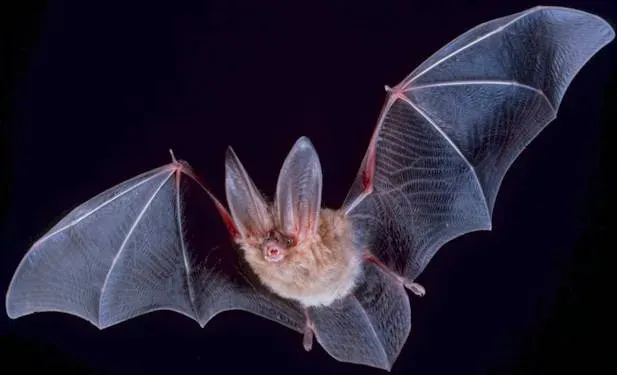
Imagine navigating a pitch-black cave at full speed, or hunting squid in the crushing darkness of the deep ocean, without using your eyes at all. That’s what bats and toothed whales do every single day – and they do it with breathtaking precision. Millions of years before humans invented sonar, bats and toothed whales had mastered the biological version of the same trick: by timing the echoes of their calls, one group effortlessly flies through the darkest of skies and the other swims through the murkiest of waters.
What makes this even more extraordinary is that these two animal groups evolved their abilities completely separately. It’s amazing enough that two such different groups of mammals should have evolved the same trick, but that similarity isn’t just skin deep – the echolocation abilities of bats and whales rely on the same changes to the same gene, known as Prestin. When echolocation arose in toothed whales about 39 million years ago, jaw shape began to change at high rates. You’re essentially looking at two entirely different creatures arriving at the same ancient solution – like two engineers on opposite sides of the planet independently designing the same bridge.
2. Herding and Pack Movement: Safety in Numbers Since the Beginning
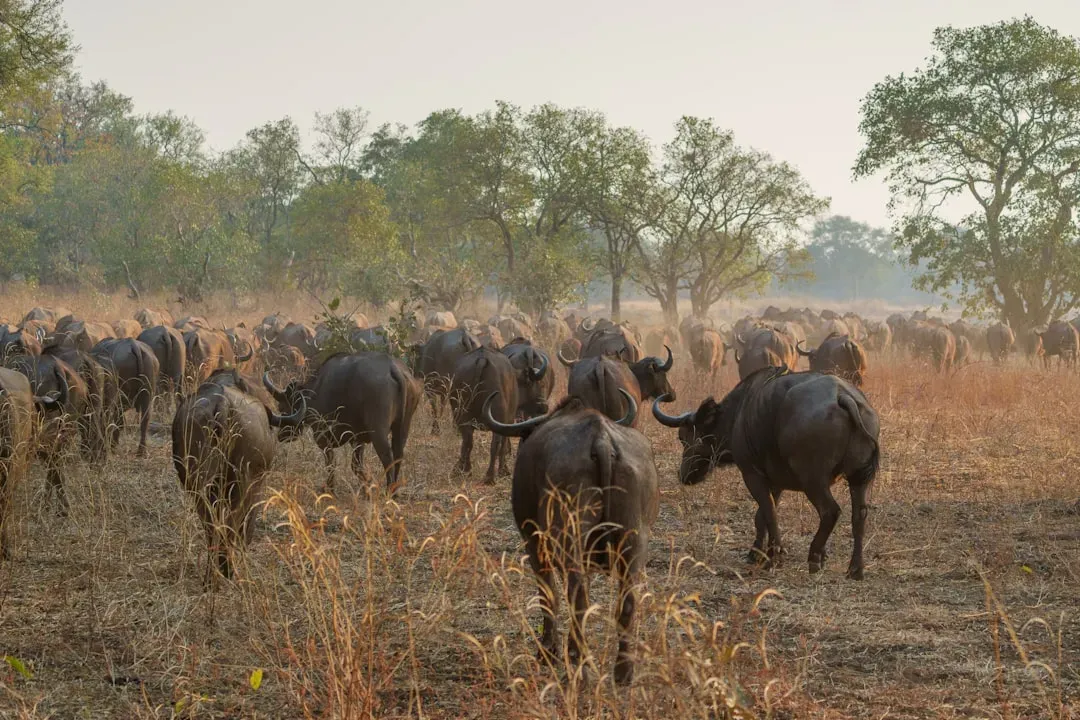
You’ve seen it on a nature documentary: a vast herd of wildebeest streaming across the Serengeti, or a wolf pack moving with eerie coordination through a snowy forest. It looks modern. It feels dramatic. But this kind of group movement is extraordinarily ancient. Three-dimensional modeling of prehistoric tracks revealed evidence of group travel, suggesting early social behavior, and tracks from different species crisscrossing, indicating a rich, biodiverse ancient habitat.
The fossil record makes a surprisingly compelling case here. According to a 2025 report from the National Park Service, newly unearthed tracks at Oregon’s John Day Fossil Beds preserve evidence of animals moving in groups, changing pace, and even interacting with one another – offering a dynamic snapshot of prehistoric life. Parallel trackways suggest herding or pack movement, much like today’s Yellow Mongoose, which often moves in social groups across grasslands. Group survival isn’t a modern invention. It’s one of evolution’s oldest tricks.
3. Parental Care: Ancient Instincts to Protect the Young
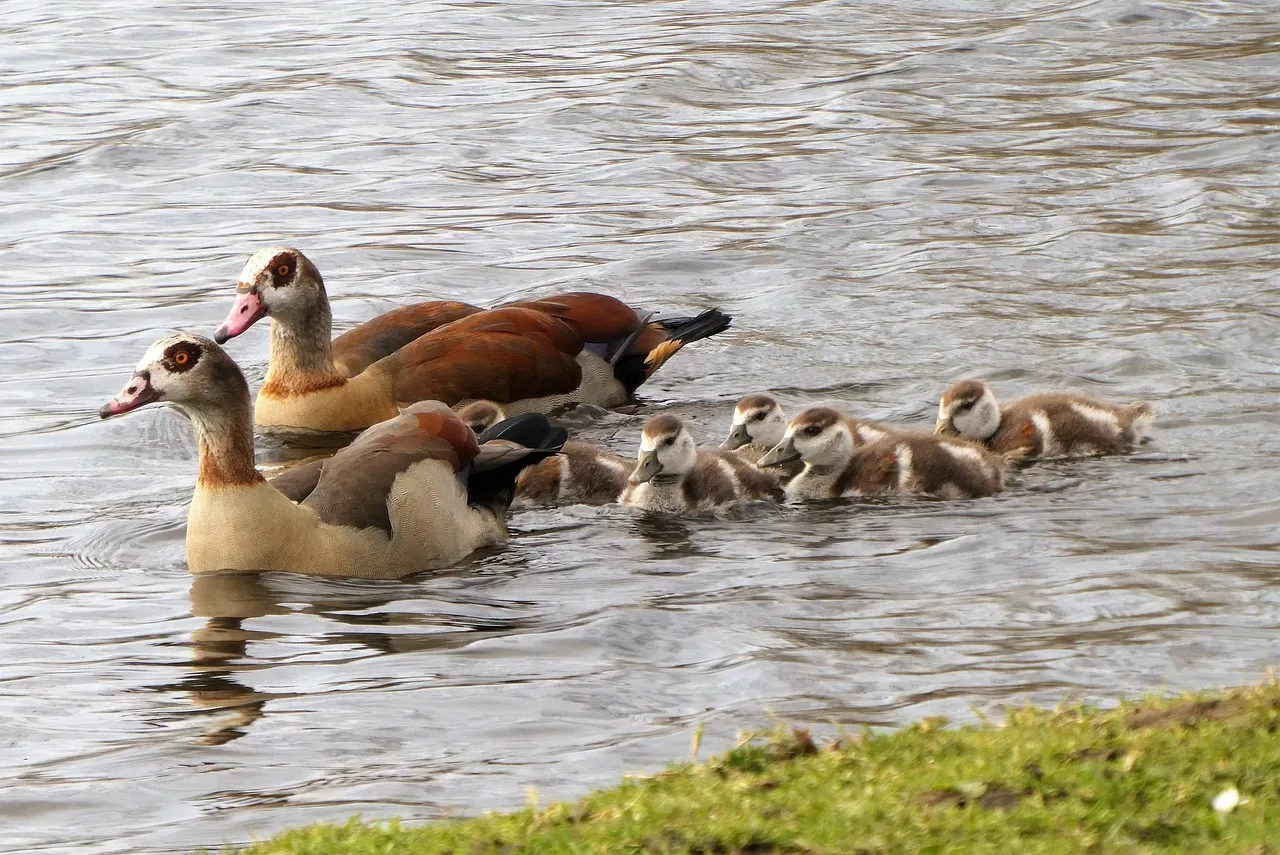
Here’s the thing – parental care in animals feels so emotionally resonant that we sometimes assume it must be a relatively recent evolutionary development. The truth is far more humbling. Evidence reveals ancient worlds where dinosaurs tended their young, marine reptiles undertook seasonal migrations, and early mammals developed complex social structures. Caring for offspring is not a modern luxury. It’s a deep evolutionary strategy that has paid dividends for hundreds of millions of years.
Some fossil footprints reveal the presence of juveniles alongside adults, suggesting parental care – an ancient behavior mirrored in modern species like the Western Lowland Gorilla. Think about that for a second. When a gorilla mother cradles her infant or gently nudges it along, she’s performing a behavior whose template was laid down in the deep Mesozoic. By reconstructing the behaviors of related species through time, scientists can map out whether the ancestors of modern species behaved the same way since their origin. The love of a mother, it turns out, is ancient beyond imagination.
4. Nocturnal Activity: Darkness as an Evolutionary Playground
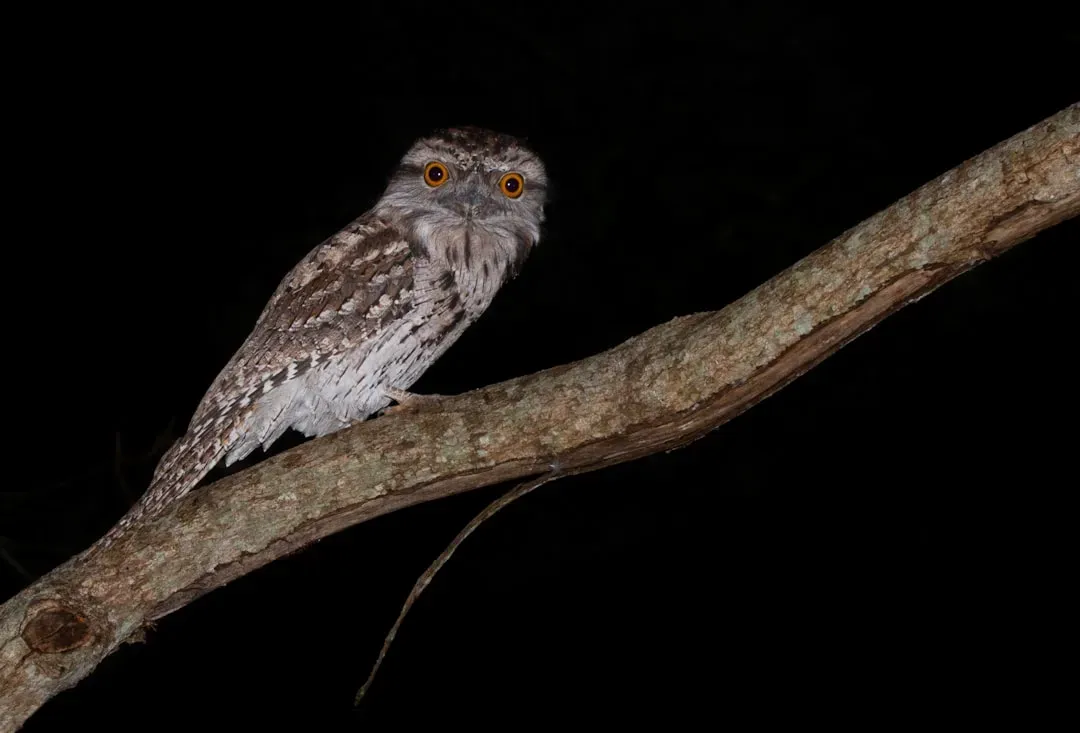
You probably know at least one animal that seems to come alive only after dark. Owls, bats, many cat species, and certain primates are all famously nocturnal. But this lifestyle choice – if you can call it that – goes back further than most people realize. Scientists studying a fascinating extinct primate called Mioeuoticus found compelling clues about just how ancient nighttime behavior really is. Lorises that are alive today live in the treetops of tropical forests in India, Sri Lanka, and southeast Asia, moving very slowly and being nocturnal – typically active at night.
Researchers wanted to know whether Mioeuoticus were nocturnal like their loris relatives, and by reconstructing the behaviors of related species through time, the team can map out whether the ancestors of modern species behaved the same way since their origin. It turns out the impulse to seek darkness – to hunt or forage safely under cover of night – is one of the oldest survival strategies on the evolutionary books. Many modern nocturnal animals aren’t just adapting to a changing world; they’re running a very old program.
5. Dietary Flexibility: Changing What You Eat to Survive
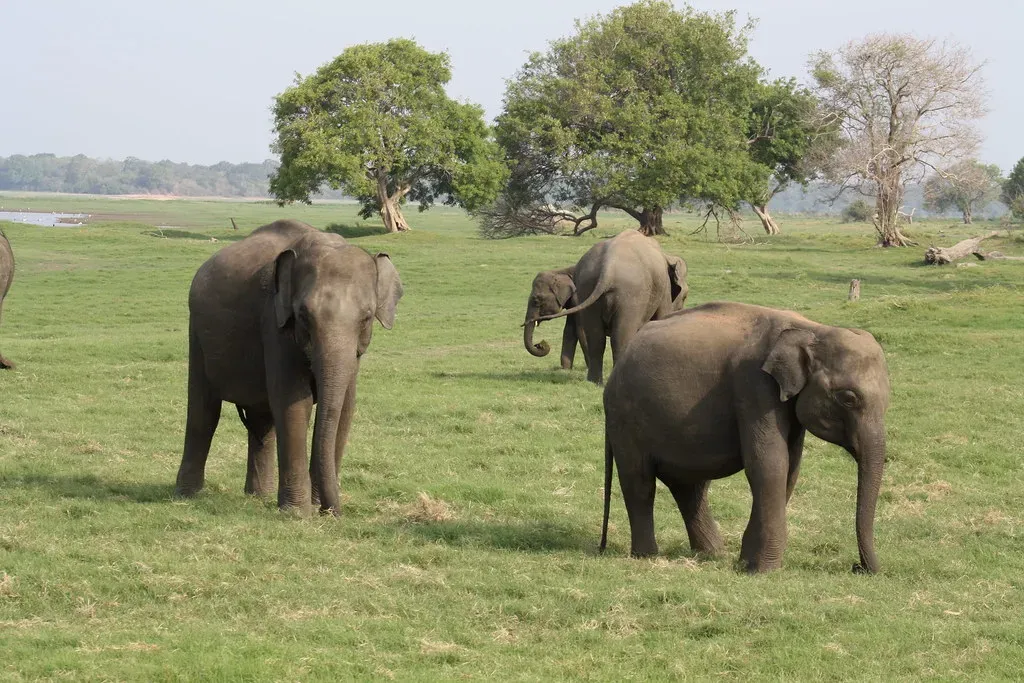
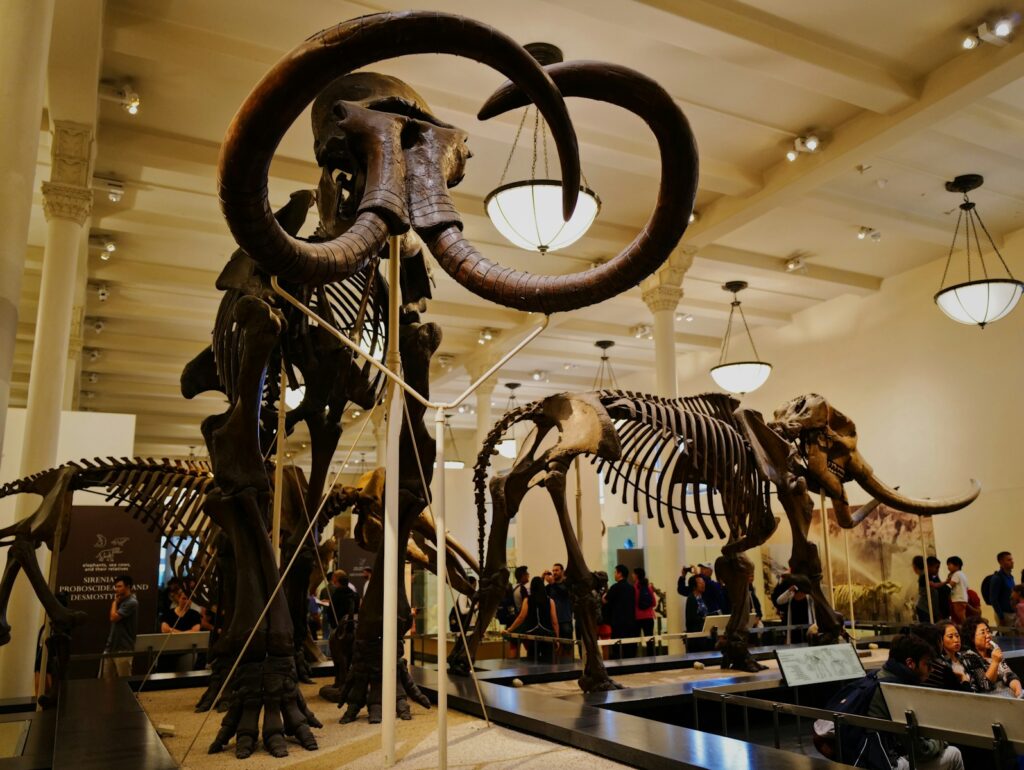
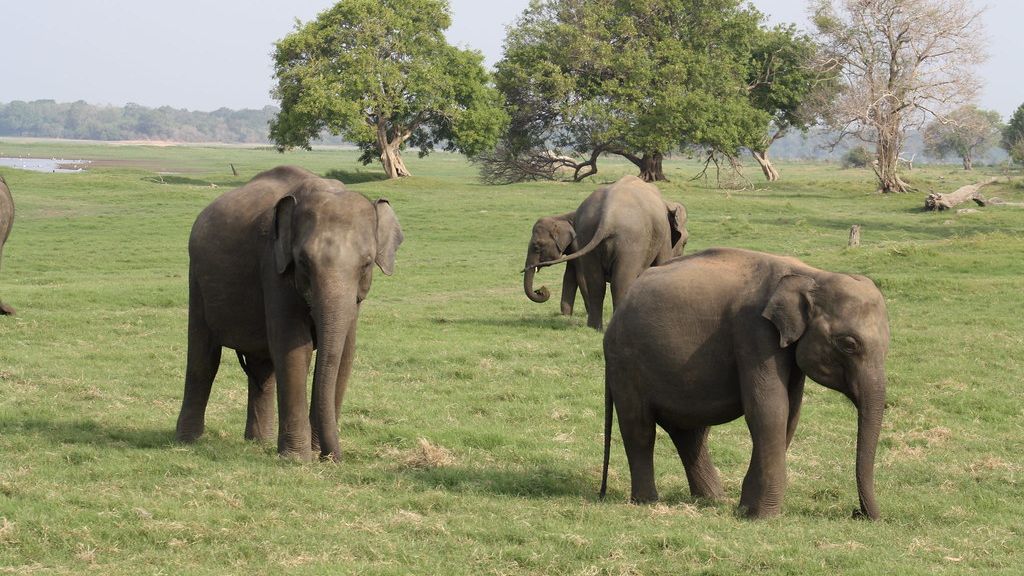
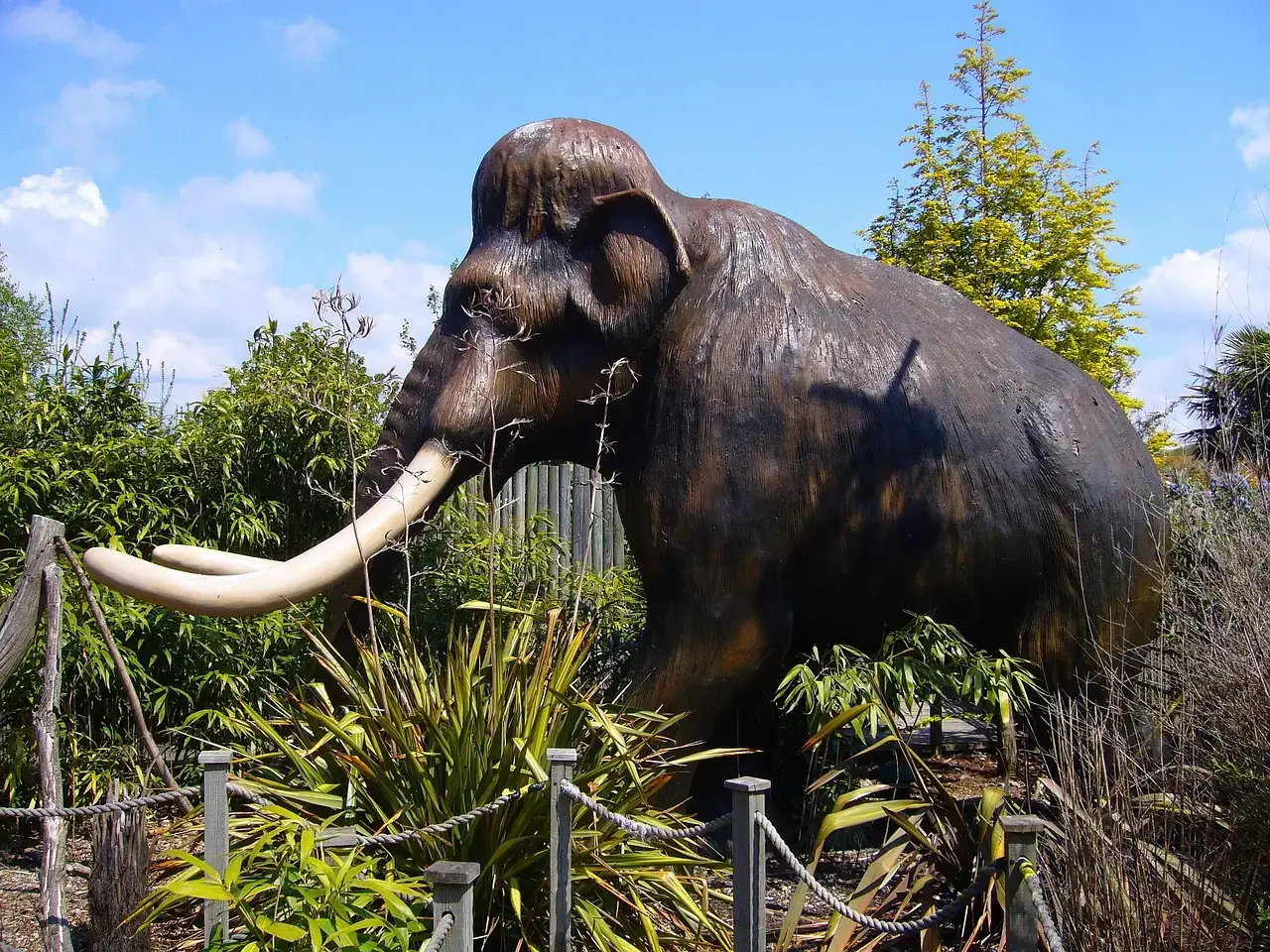
Let’s be real: we’ve all grabbed whatever was in the fridge when our first choice wasn’t available. Turns out, ancient animals did the same thing – and that behavioral flexibility actually drove some of the most stunning transformations in evolutionary history. Isotope analysis suggests that many proboscidean species in east Africa, including the earliest elephants, switched to a grass-dominated diet around eight million years ago, even though woodland habitats were still available. That’s not just flexibility. That’s a bold ancestral gamble that paid off enormously.
Analysis of the size and shape of fossilized elephant teeth suggests that adaptations for grass-eating did not begin to evolve until around four million years ago, long after the switch to a grassy diet – suggesting that evolution was led by behavioral change, and that the dental adaptation took time to catch up. In other words, the behavior came first, and the body followed. Modern elephants’ distinctive teeth and jaw structures? You can trace them directly back to an ancient dietary decision made millions of years ago. That’s how powerful behavioral flexibility really is.
6. Crocodilian Ambush Hunting: A Strategy 200 Million Years in the Making
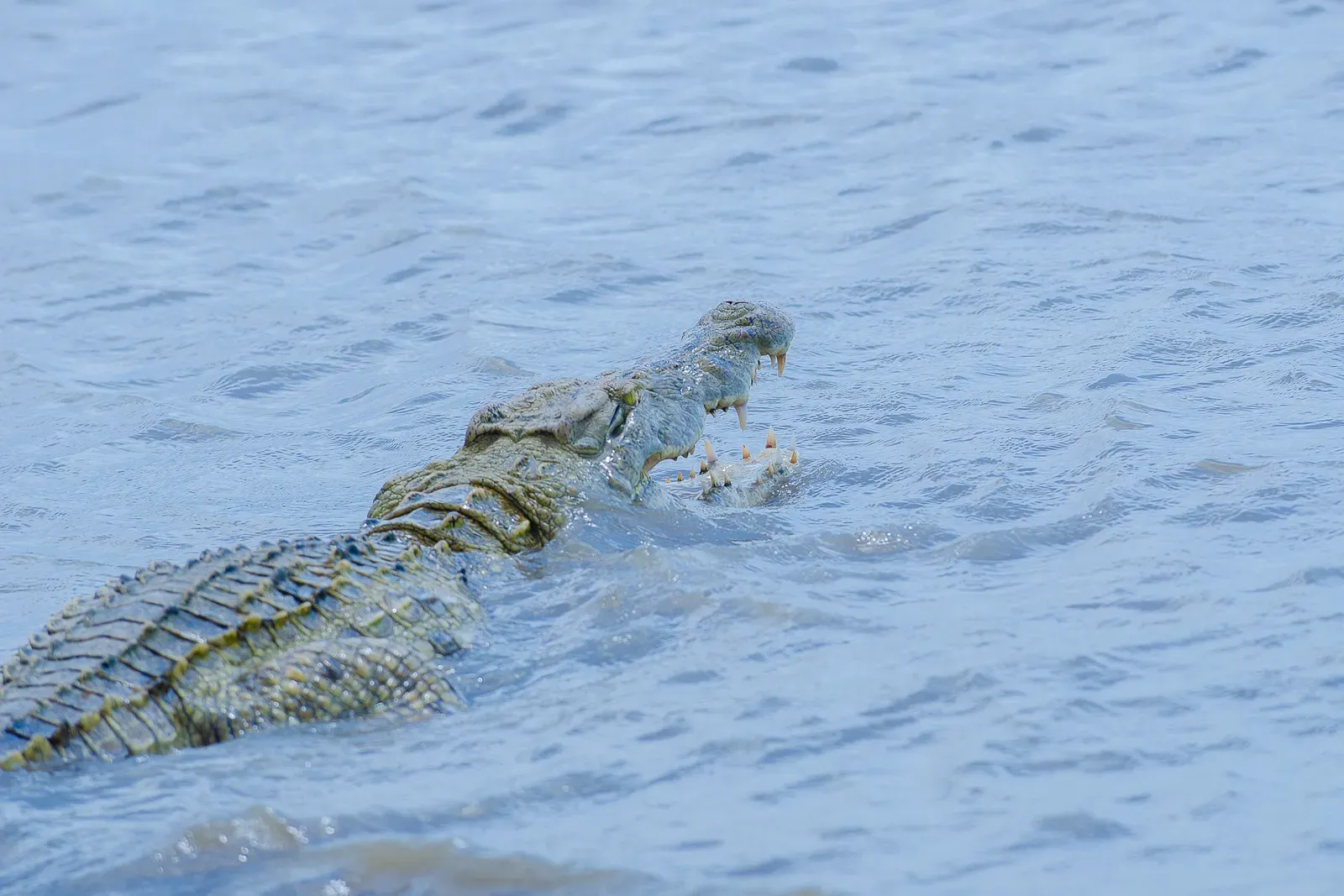
Few things in nature are as unsettling as a crocodile. Still as a log. Patient as a saint. Then, in an explosive fraction of a second, it becomes the most terrifying ambush predator in the water. And here’s what’s shocking: that strategy is virtually unchanged from what crocodilians were doing during the age of the dinosaurs. Modern crocodiles and alligators are almost unchanged from their ancient ancestors of the Cretaceous period, about 145 to 66 million years ago – meaning that animals almost identical to the ones you can see today existed alongside dinosaurs.
The sarcosuchus, which lived approximately 112 million to 94 million years ago, resembled modern crocodiles – it had a longer, skinnier snout, but its body was structured fairly similarly. The ambush-and-wait hunting strategy that makes today’s crocodiles so effective is essentially a behavioral fossil – a tactic so successful that nature never needed to improve upon it. I think that’s honestly one of the most humbling things you can contemplate: some strategies are simply so good they survive the test of geological time.
7. The Bird-Dinosaur Connection: Instincts Carried Across Epochs
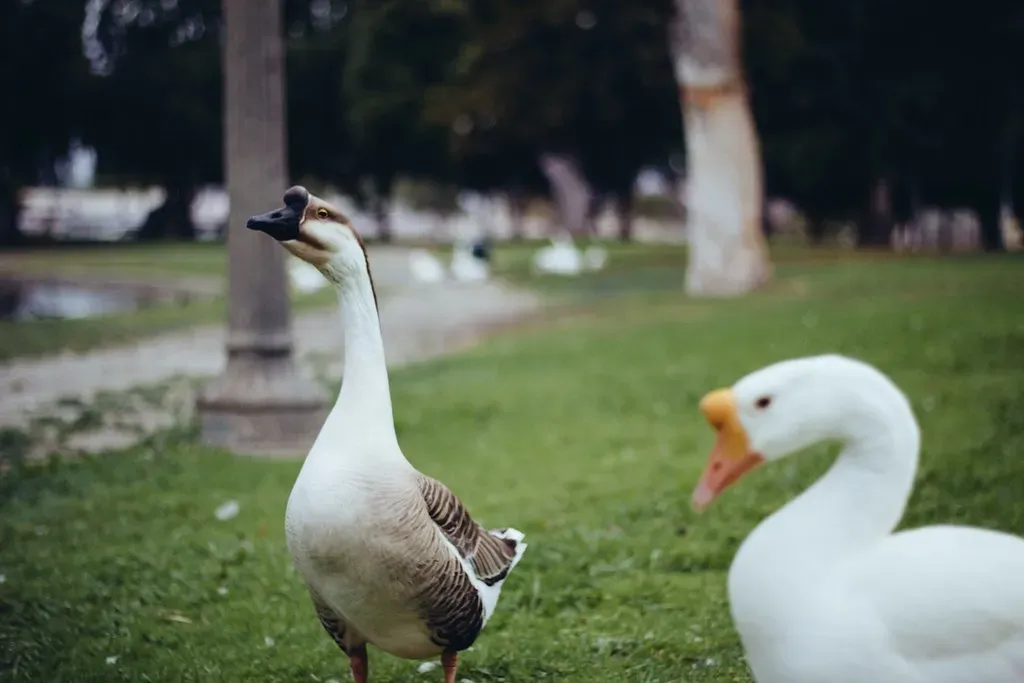
You probably don’t think twice about a pigeon pecking at crumbs on the sidewalk. But that bird is, in a very real biological sense, a living dinosaur carrying ancient instincts in its tiny feathered body. The Tyrannosaurus rex shares a surprising amount of DNA with modern-day chickens, and birds are commonly thought to be the only animals around today that are direct descendants of dinosaurs. The behaviors birds exhibit today – territorial displays, flock movements, nest-building – are extensions of strategies that go back to theropod dinosaurs.
The only modern animals that can call dinosaurs their direct ancestors are birds – specifically, today’s birds seem to be related to theropods, dinosaurs with small, skinny arms that ate meat, and their feet even looked like the feet of birds. The Eurasian Eagle-owl often leaves distinct talon marks in soft ground when it lands or hunts, much like its prehistoric bird relatives whose tracks are now fossilized in stone. Every time you watch a hawk circle overhead, scanning for prey with those impossibly sharp eyes, you’re watching a 150-million-year-old behavioral script play out in real time.
8. Sea Turtle Navigation: Ancient GPS Encoded in Living Creatures
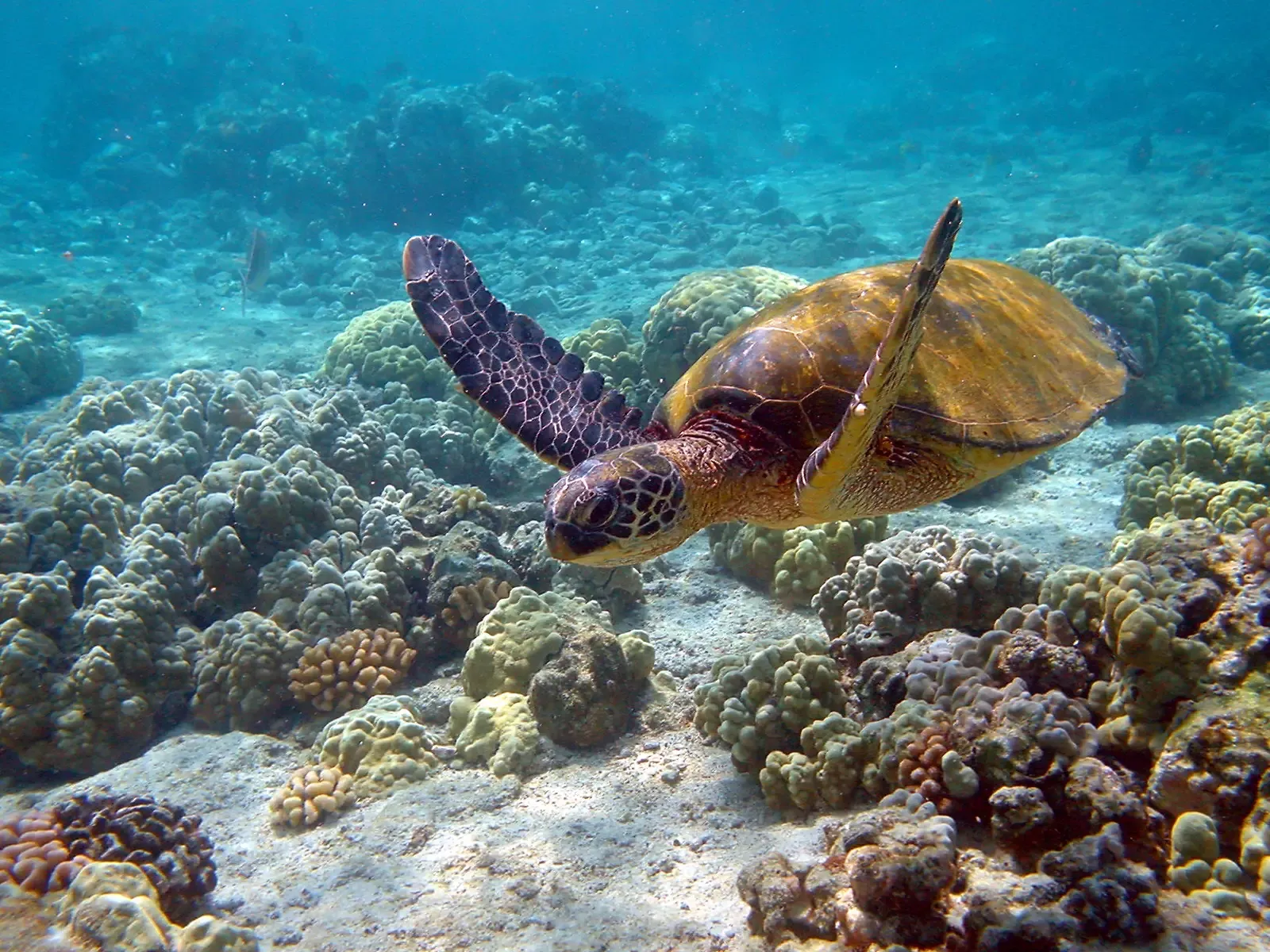
Sea turtles do something remarkable. They hatch, scramble to the ocean, travel thousands of miles across open water, and then – decades later – return to the exact beach where they were born to lay their own eggs. It sounds like science fiction. It’s actually ancient science fact. Sea turtles developed alongside dinosaurs, emerging as a distinct type of turtle about 110 million years ago. Their magnetic-field navigation system, essentially a biological GPS, has been refined over an almost incomprehensible span of evolutionary time.
Developmental biologists determined that the ribs underneath turtle ancestors’ bodies fused and gradually united over the body to form the shell – confirmed by the fossilized animal Odontochelys semitestacea, which showed widening of the ribs, and which scientists say represents an intermediate step in the evolution of the turtle shell. While the shell protected the body, those ancient navigational behaviors evolved in tandem. You’re looking at an animal that has carried a working internal compass for over a hundred million years. It’s hard to say for sure which is more impressive – the shell or the navigation.
9. The Seafloor Feeding Legacy: Primitive Behaviors That Echo Today
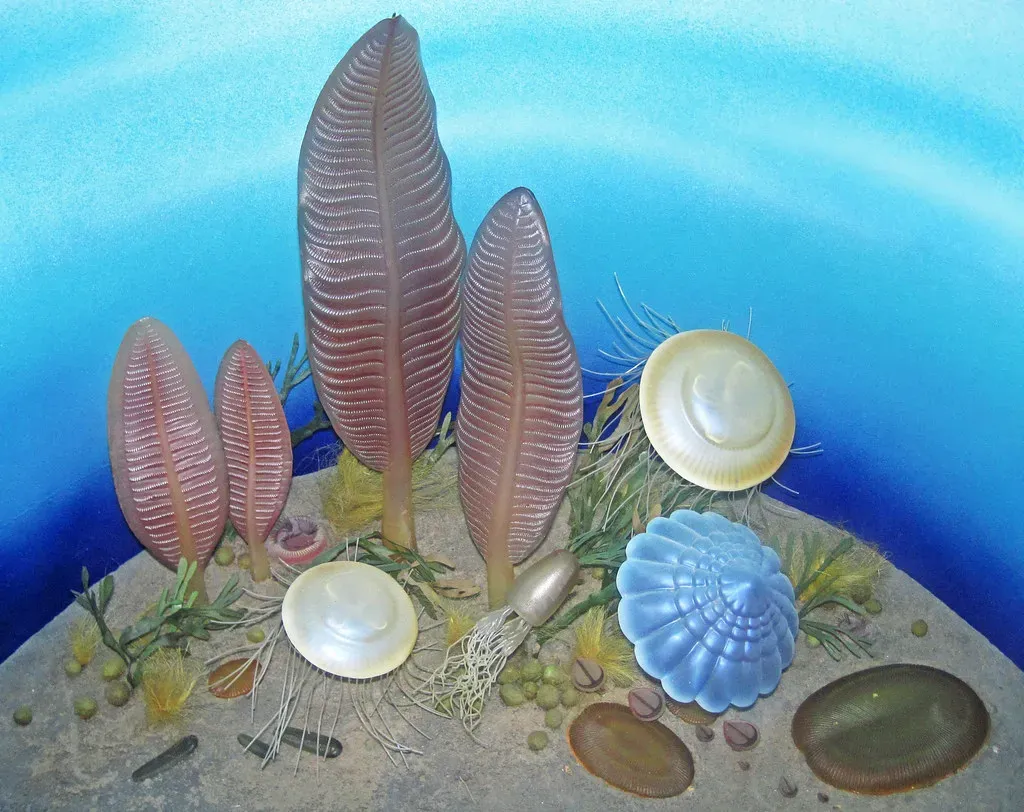
This last one might be the most mind-bending of them all. Long before complex animals evolved, the seafloor was populated by bizarre, soft-bodied organisms whose behavioral strategies – rudimentary as they were – still echo in the biology of creatures alive today. The Ediacaran organism Kimberella had a teardrop shape and probably scoured the seafloor with a proboscis looking for food – similar to today’s snails, it could move with a “muscular foot.”
Recent research involving ancient marine animals shows how humans and other animals still carry some of those animals’ characteristics, and another study has shown that the earliest multicellular organisms used biochemical pathways and processes that are still at work in modern organisms. In studying these ancient behaviors, we gain not only knowledge about the past but also valuable perspective on the behavioral heritage that shapes all life on Earth today. Think of it like finding the original source code buried deep within every living thing – ancient instructions still running in the background, quietly shaping the world you see around you every single day.
Conclusion
The natural world you live in is layered with time in ways that are genuinely staggering. The bat navigating your garden at dusk, the crocodile lurking at a riverbank, the turtle plowing through dark ocean water toward a beach it has never seen but somehow always finds – none of these animals are simply “doing what animals do.” They are performing ancient rituals, following evolutionary scripts written across hundreds of millions of years.
By understanding how prehistoric animals adapted to changing climates, migrated across continents, and formed complex social structures, we can gain insights into the resilience and vulnerability of today’s wildlife – and modern climate change may force animals to alter their migratory routes or social behaviors, as their ancestors once did in response to ancient environmental shifts. The more you look, the more you realize that every flap of a wing, every territorial call, every patient crocodile stillness is the universe reminding you that life is far older, and far more connected, than you might imagine. Which of these nine ancient behaviors surprised you the most? Let us know in the comments below.