When you think about survival, you probably picture speed, strength, or camouflage. A cheetah outrunning its prey. A chameleon disappearing into a leaf. Perfectly logical, neatly packaged survival stories. Now throw all of that out the window.
The prehistoric world was a place where evolution had absolutely zero rules, no guardrails, and seemingly no shame. The creatures that thrived across hundreds of millions of years didn’t always play it safe. Some of them invented tactics so bizarre, so shockingly clever, or so outright horrifying, that they make modern survival strategies look almost boring. Ready to have your mind genuinely rearranged? Let’s dive in.
1. Dunkleosteus – The Fish That Invented the Vacuum Attack
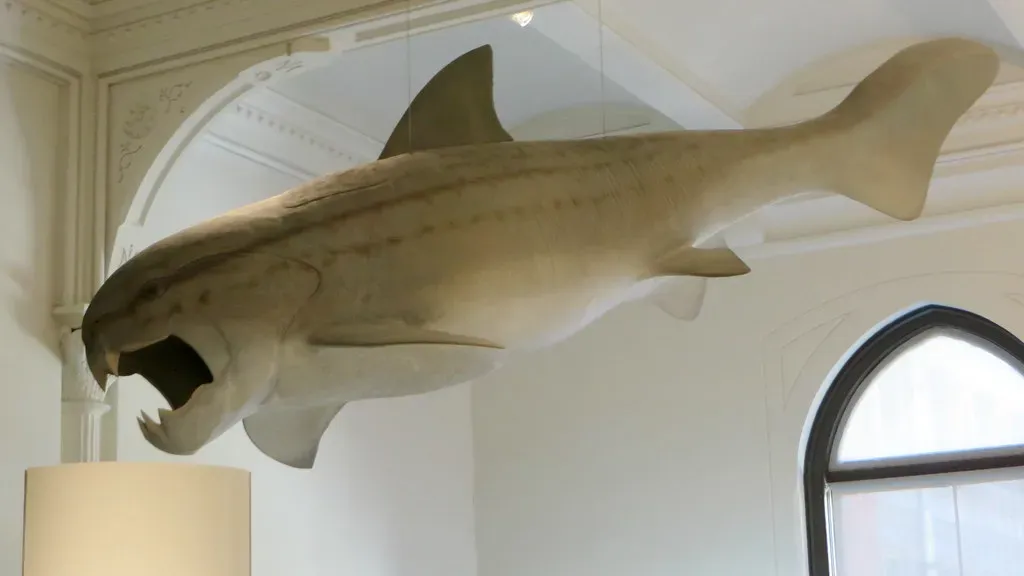
You might think of ancient fish as slow, dumb things drifting through murky water. Dunkleosteus was not that. This extinct genus of large arthrodire fish existed during the Late Devonian period, about 382 to 358 million years ago, and was one of the first vertebrate apex predators of any ecosystem. Its survival tactic wasn’t just brute force – it was engineering genius.
Researchers have estimated that Dunkleosteus was capable of opening its jaws in just 20 milliseconds, fast enough to create a small vacuum just in front of its mouth. This vacuum effect may have helped it “suck” prey in before it bit down straight through whatever the prey had to defend itself, whether that be a shell, bony plates, or just fleshy skin. You didn’t have to be fast enough to escape. You just had to not be nearby when that mouth opened.
What Dunkleosteus ate is thought to have changed as it matured. The juveniles, whose jaws weren’t fully developed, fed on largely soft-bodied animals, while the adults dined on a variety of prey, from hard-shelled ammonites and small armoured fish to other Dunkleosteus. Honestly, cannibalism as a survival strategy is unsettling, but you can’t argue with the results.
2. Anomalocaris – Speed, Sight, and 500 Million Years of Confidence
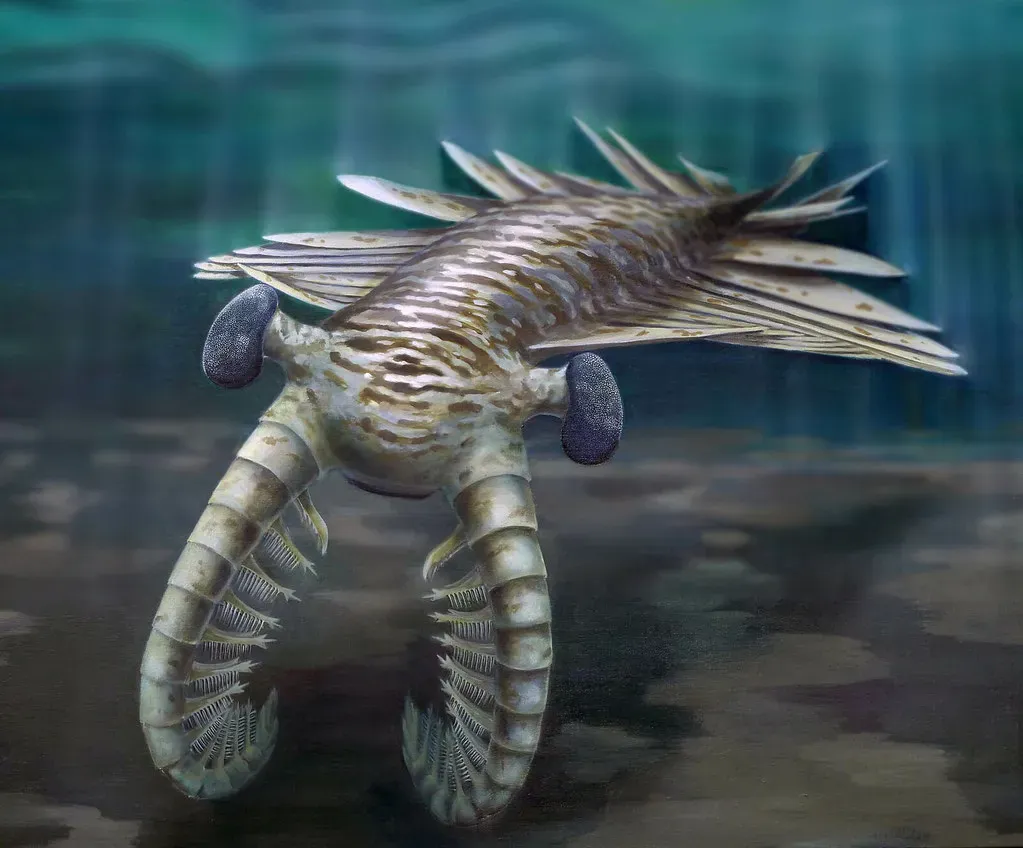
Long before sharks, long before dinosaurs, there was Anomalocaris, and it owned every ocean it touched. More than half a billion years ago, the world’s oceans were stalked by a soft-bodied predator that looked unlike anything alive today. This animal is widely regarded as the world’s first apex predator, and was the largest hunter of the Cambrian period, measuring up to a metre in length from its grasping frontal appendages to the tips of its tail fans.
It’s now believed Anomalocaris was a hunter that relied on speed, agility, and superior sight rather than strength. It probably targeted other fast, soft-bodied animals that lived in open water. Think of it like a prehistoric ambush drone. Research suggests it was best suited for chasing soft creatures swimming through the water, snagging prey in its spiky clutches. For its era, that level of precision was practically unheard of.
3. Hallucigenia – The Creature That Confused Scientists for Decades
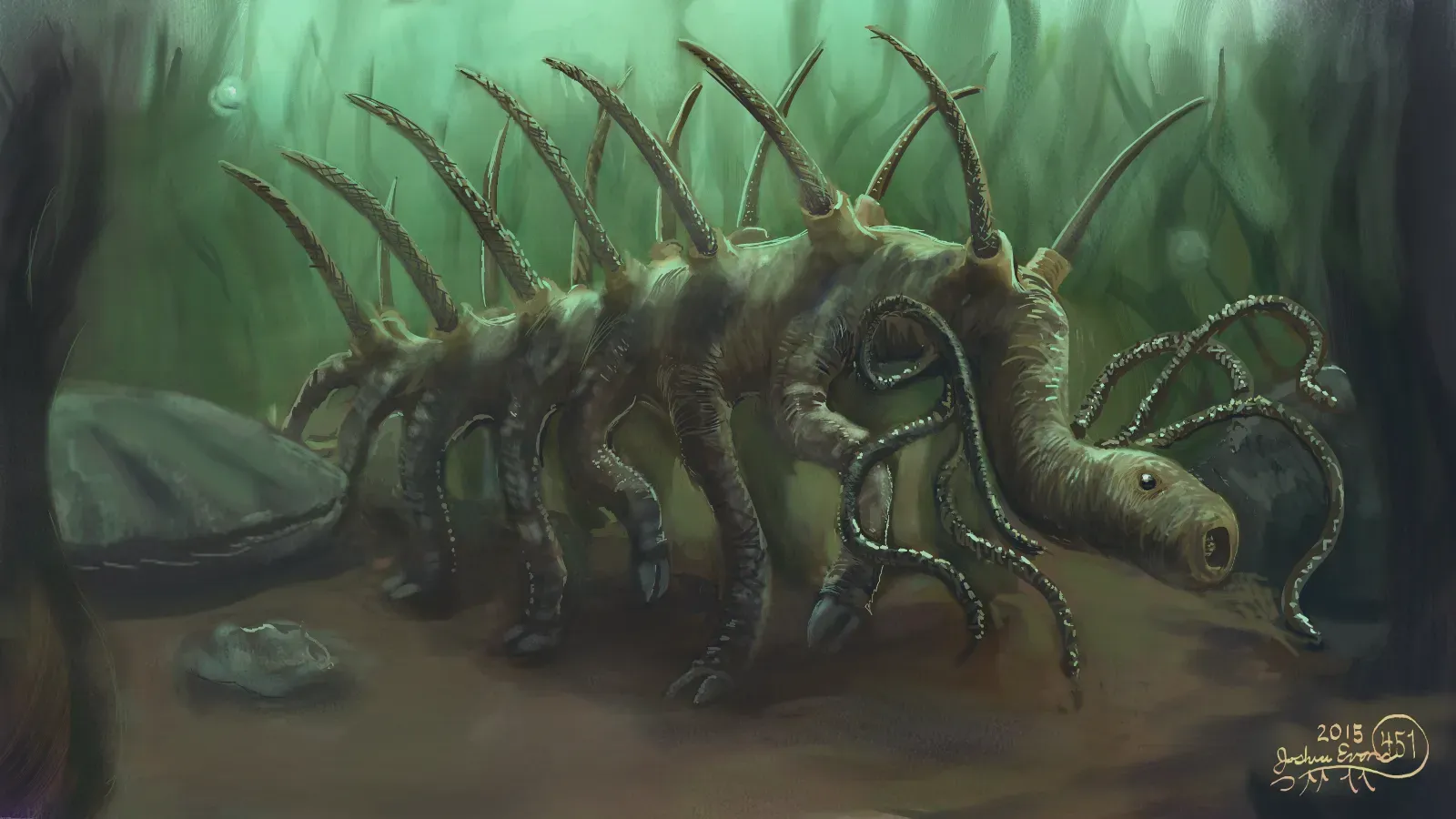
Here’s the thing – some creatures are so strange that even the world’s top scientists couldn’t figure out which end was the head. Hallucigenia was a spiky worm from over half a billion years ago that defied the rules of nature and forced us to rethink the story of life on Earth. Its survival tactic, though, was absolutely real.
Hallucigenia’s body plan was so peculiar that the first scientists to study it reconstructed it upside down. Early illustrations showed it walking on its spiky back with what looked like tentacles waving in the air. Only decades later did experts realize those “tentacles” were actually its legs, and the spikes were for defense. One of its most striking features is its row of rigid, needle-like spines lining its back, which scientists believe served as a defense mechanism against predators. Tiny creature, seriously formidable armor.
4. Megalodon – Teeth as Survival Architecture
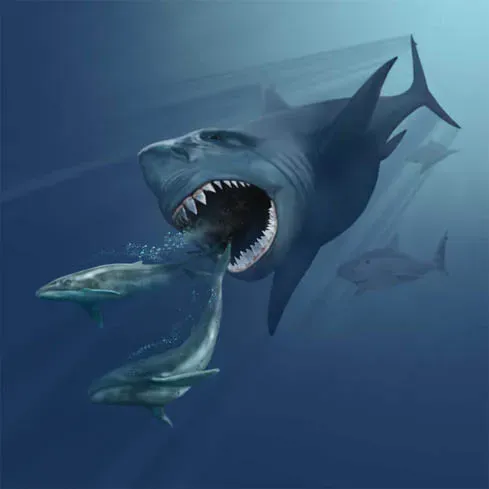
Let’s be real: when you’re the largest shark that has ever existed, “survival tactics” take on a whole new meaning. You’re not surviving danger – you are the danger. Megalodon, the largest shark known to have existed, was an oceanic titan with an unrivaled presence. Growing up to 60 feet long, this prehistoric predator had a bite force stronger than that of a T. rex, with massive jaws lined with rows of sharp, serrated teeth, perfect for slicing through flesh and bone.
Megalodon terrorized ancient oceans with serrated teeth reaching up to 7 inches in length and a bite force estimated at 40,000 pounds per square inch, feeding on whales, large fish, and other sharks. Its long-term survival came down to resource dominance. By positioning itself at the absolute top of the marine food web, Megalodon essentially removed the concept of predation from its own daily experience. Fossilized teeth have been found worldwide, sparking debates about its extinction and the mystery surrounding its disappearance.
5. Trilobites – Rolling Into a Ball Millions of Years Before Pill Bugs
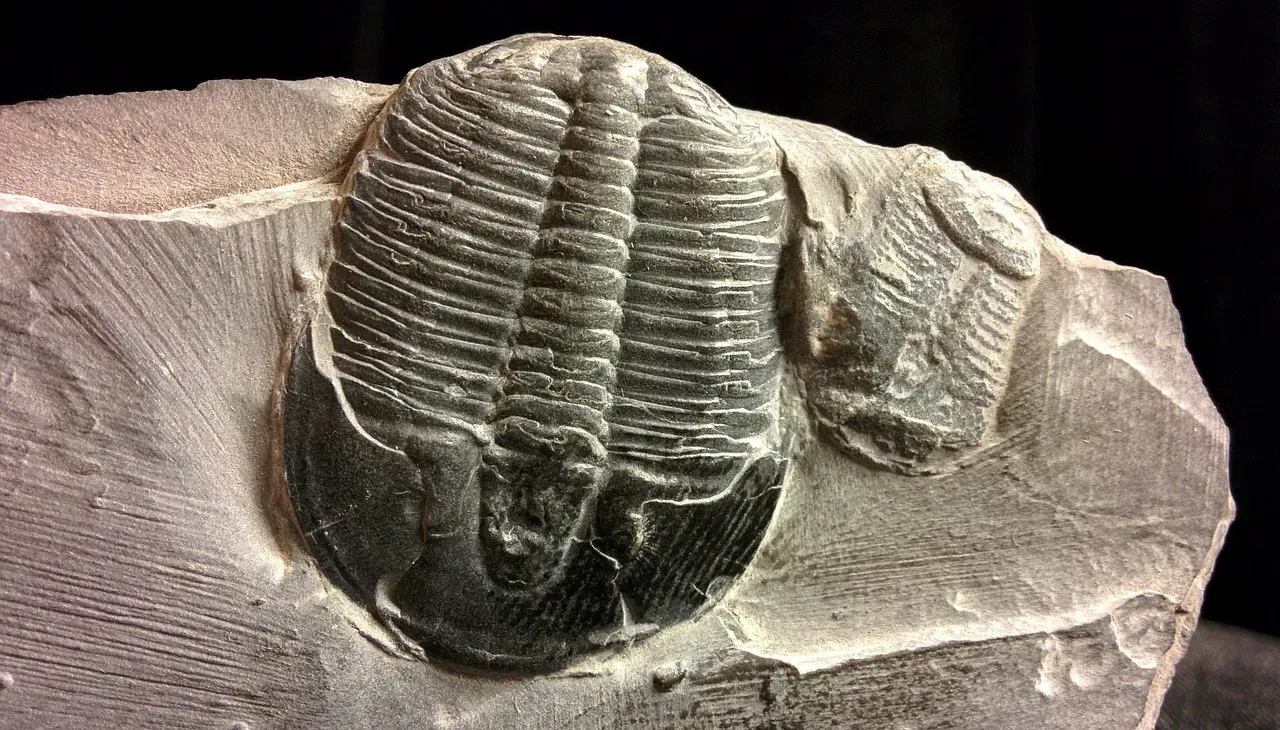
You might look at a trilobite and think: “That’s just an ancient bug.” Honestly, understandable. They’re not glamorous. Yet these creatures survived for roughly 270 million years, which is longer than any dinosaur ever managed. Their secret? Brilliant simplicity. Through millions of years of evolution, by the middle of the Devonian Period around 400 million years ago, trilobites low on the food chain had evolved some serious defenses to survive predators.
Many trilobite species could roll their entire bodies into a tight defensive ball, enclosing their softer underbellies beneath a hard outer exoskeleton. Think of it like a living suit of armor that also doubles as a panic button. Like most trilobites, many species were bottom feeders scavenging anything they could find, but they also acted as opportunistic predators preying on burrowing animals such as mollusks, worms, and smaller arthropods. Their adaptability across feeding roles made them extraordinarily resilient across mass extinction events.
6. Pachycephalosaurus – The Head-Butt Was the Whole Strategy
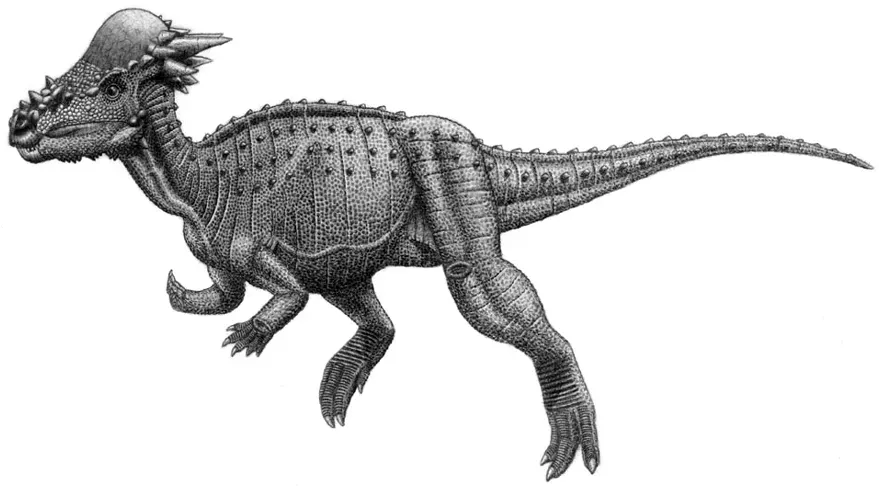
Imagine you’re a medium-sized dinosaur in a world full of creatures that are either enormous and terrifying or fast enough to disappear in a blink. What do you do? If you’re Pachycephalosaurus, you grow the thickest skull in the room and start using it. One defensive adaptation was the ability to deliver powerful head shoves. Pachycephalosaurus had thick skulls and sturdy neck muscles, enabling it to ram into opponents with great force.
The impact of these head shoves could knock down or stun attackers, allowing the dinosaur to escape or gain the upper hand in a confrontation. Known for its dome-shaped skull, Pachycephalosaurus invites speculation about its behavior – did it engage in head-butting contests, or was its skull purely ornamental? Whether used for combat, display, or both, this living battering ram was one of prehistory’s most direct problem-solvers.
7. Stegosaurus – Tail Spikes and Thermal Plates in One Package
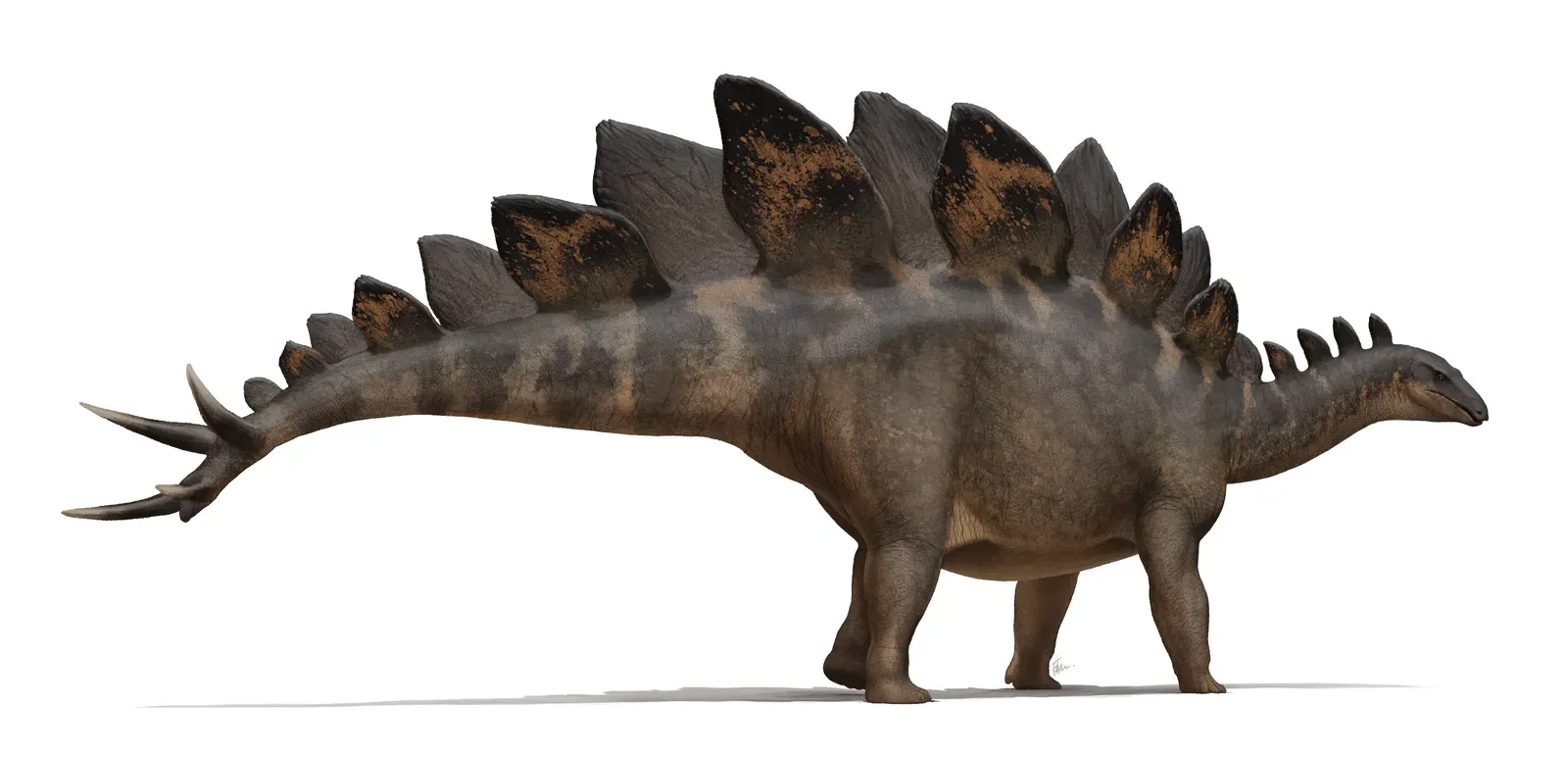
Stegosaurus is one of those dinosaurs everyone thinks they know, but the real survival story is far more layered than its pop culture image suggests. Some dinosaurs had spikes protruding from their bodies, like those found on the Stegosaurus, which not only acted as defense mechanisms but also served as a display feature to intimidate potential threats. The tail spikes, known as the “thagomizer,” were capable of delivering devastating damage to predators.
Scientists have made several speculations as to the function of its renowned plates. They could have been for simple body defense when sparring with its peers or evading predators, for storing heat during the day to release after the sun went down, or even as a means to attract mates. A creature that runs both an offense and defense system, while simultaneously managing its own body temperature, is genuinely impressive. That’s multi-tasking at an evolutionary level.
8. Arthropleura – Being Too Big to Bother With
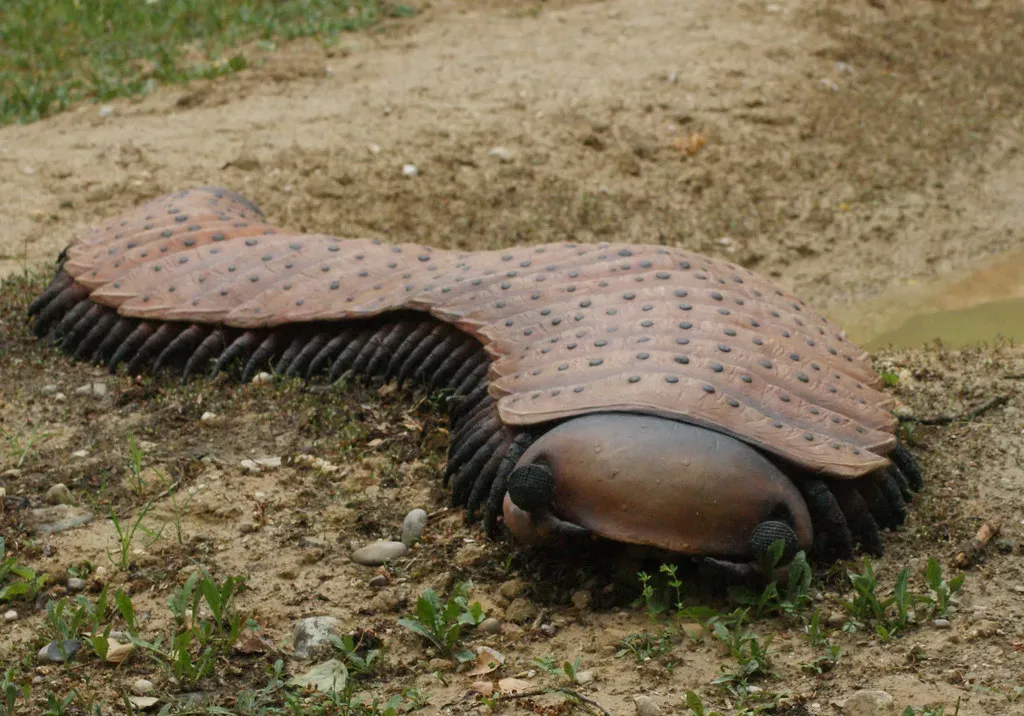
Sometimes the survival tactic is simply to become so enormous that nothing in the ecosystem considers you worth attacking. That was essentially the strategy of Arthropleura, the largest invertebrate that has ever lived on land. The Arthropleura was an enormous millipede-like arthropod, reaching staggering lengths of up to 8 feet, slithering through the dense and humid forests of the Carboniferous period. Its impressive size was matched only by its adaptability, thriving in a world rich in oxygen and lush plant life.
This giant creepy-crawly lived during the Carboniferous period, a time when sprawling rainforests acted as the Earth’s lungs, drawing in carbon dioxide and breathing out masses of oxygen. It’s thought there was roughly five to ten percent more oxygen in the air during this time, which is one reason why Arthropleura grew so large. Despite its intimidating appearance, Arthropleura was likely a herbivore, feasting on the abundant vegetation of its time. A peaceful giant the size of a car. That’s quite a flex.
9. Lungfish – Sleeping Through the Apocalypse
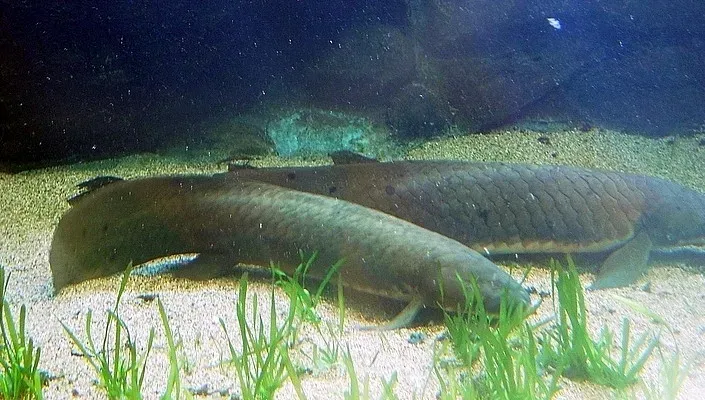
I know it sounds crazy, but one of the most effective survival tactics nature ever produced is simply going to sleep and waiting for the bad times to pass. The lungfish turned this into a high art form millions of years ago, and the strategy worked so well that direct descendants of this creature are still alive today. The secret to the lungfish’s longevity may be its ability to survive droughts by burrowing into mud and hibernating, something other fish simply cannot do.
During the dry season, lungfish could hide in riverbeds, sealed inside protective cocoons. Like the coelacanth, lungfish are an evolutionary link between fish and early land animals known as tetrapods. Surviving drought, mass extinction, and the complete restructuring of global ecosystems by just bunkering down in the mud is, honestly, a genius approach to a hostile world. Passive, unglamorous, and wildly effective.
10. Cynodont – Sacrifice the Young to Save the Adults
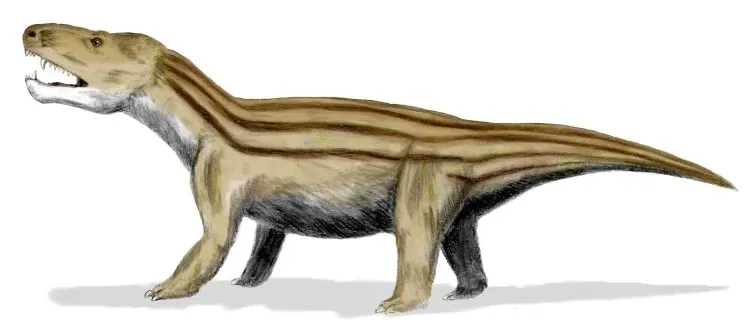
This is where prehistoric survival gets genuinely unsettling. The cynodont, an ancient mammal-like reptile considered one of the ancestors of modern mammals, employed a tactic that sounds almost impossibly cold-blooded for a creature on the mammal family tree. When Coelophysis dinosaurs approached and threatened cynodont nests, cynodont parents actually consumed their own young to deny food to the predators and facilitate their own escape. The parent cynodonts then abandoned the nest at night to avoid predation.
It sounds brutal – and it is. Yet from a pure evolutionary standpoint, it makes a certain ruthless sense. By denying the predator a meal and preserving the adults’ ability to reproduce again, the species continued forward. In times of extreme competition, Coelophysis themselves began to hunt collaboratively, targeting larger and wounded prey, which means the pressure on cynodont parents to survive was immense. Every tactic, however extreme, was born from that relentless pressure.
11. Hagfish – Drowning Predators in Biological Slime
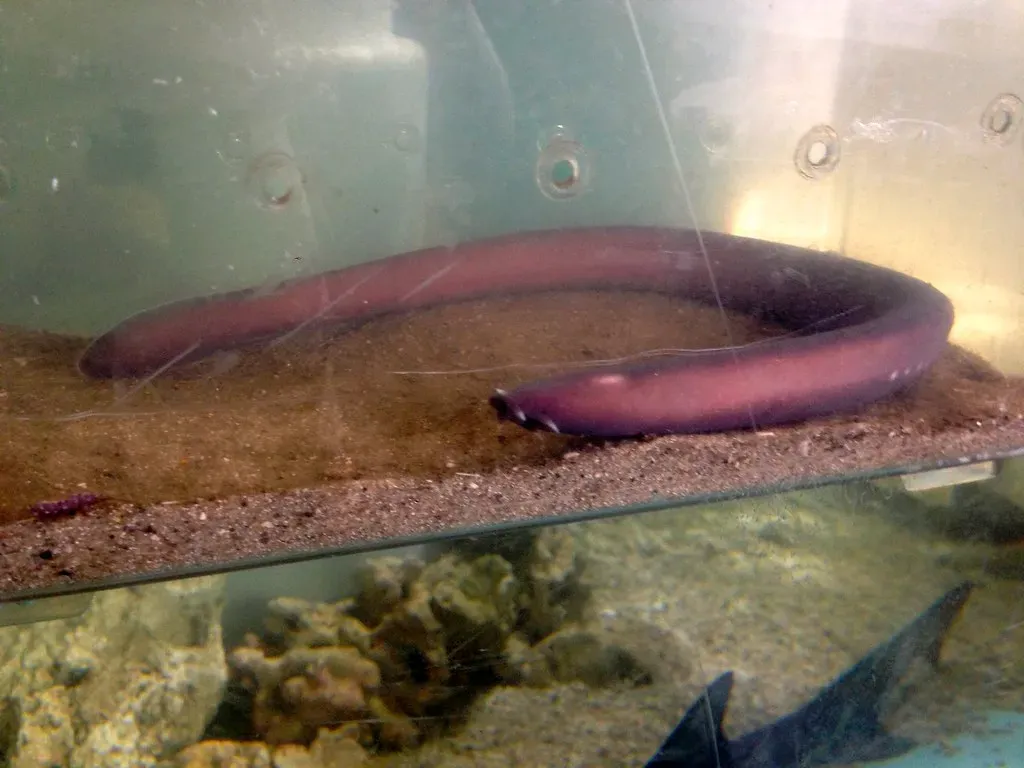
The hagfish has existed in essentially the same form for an almost staggering amount of time. It is, by any metric, one of nature’s most successful design choices. Its survival tactic, though? It’s one of the grossest things you’ll ever read about, and yet completely effective. This ancient organism, which has existed for about 300 million years, expels a disgusting slimy substance when threatened. The substance mixes with water, expands, and proceeds to choke fish as it accumulates in their gills.
Hagfish are eel-shaped marine animals with the incredibly useful ability to slime their enemies. When threatened, the hagfish emit slime from their pores that, when mixed with water, expands into a gelatinous goo capable of trapping predators or suffocating them by clogging their gills. In documented cases, a hagfish was attacked 14 separate times by sharks and other big fish, coming out completely unharmed. Each predator took one bite before immediately spitting the hagfish out and swimming away. Gagging sharks into submission for 300 million years straight. Respect.
Conclusion: Evolution Rewards the Weird
When you look at these eleven creatures side by side, something remarkable becomes clear. Nature doesn’t have a preferred survival formula. It experiments wildly, constantly, without hesitation. A vacuum-powered jaw here, a slime cannon there, a creature that sleeps through extinction events, another that willingly sacrifices its own offspring to live another day.
The prehistoric world was not a place for the faint of heart, and the creatures that endured weren’t always the biggest or the fastest. They were the ones that found angles, exploited environments, and evolved tactics that nothing else had thought of yet. These prehistoric hunters represent millions of years of evolutionary experimentation. While they may be long extinct, their fossilized remains continue to reveal the incredible diversity and power of life’s most formidable hunters, and understanding these predators provides insights into how ecosystems function and evolve over time.
The next time you feel like your approach to a problem is a little unconventional, just remember: half a billion years ago, something that looked like a hallucination was out there winning the survival game with a row of back spines and sheer, alien determination. Which of these eleven surprised you the most? Drop your thoughts in the comments.