
Northern California – Researchers recently captured images and genetic data from 46 Humboldt martens, offering fresh insights into one of the rarest mammals on the continent.
Once Thought Extinct, Martens Stage Quiet Return
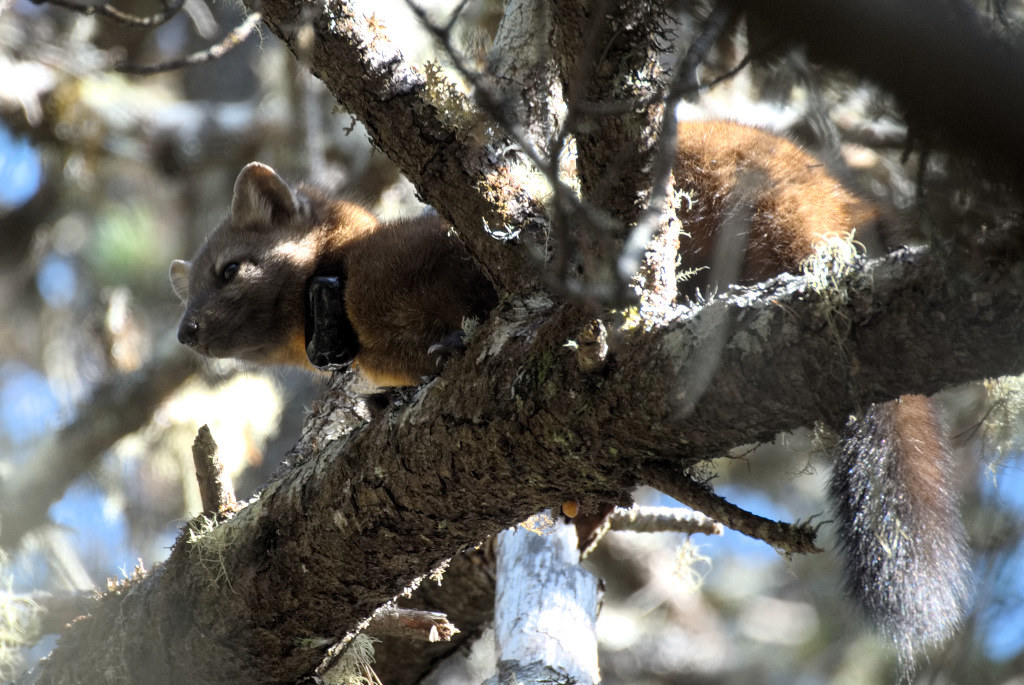
Once Thought Extinct, Martens Stage Quiet Return (Image Credits: Flickr)
Scientists once believed the Humboldt marten had vanished from California landscapes. The species, a subspecies of the Pacific marten, suffered heavy losses from pelt hunting and widespread deforestation in the early 20th century. A small population reemerged in 1996, surprising experts who had written it off as locally extinct.
Now, with fewer than 500 individuals estimated across its range from northern California to Oregon, the Humboldt marten clings to survival. Listed as endangered in California and federally threatened, these squirrel-sized predators in the mustelid family evade easy detection. Their “wickedly cute” appearance belies a fierce hunting prowess against small prey in dense forests.
High-Tech Tools Track Elusive Predators
A team deployed hair snares and trail cameras across a 400-square-kilometer study area. Over three months, they identified 28 males and 18 females through genetic samples and footage. The effort highlighted the martens’ preference for rugged terrain.
Most detections occurred at high-elevation forested ridgetops with persistent snow or in coastal forests along ravines and rivers. Such findings emerged from meticulous analysis of camera traps and snare data. This approach proved vital for a species that shuns human presence.
Habitat Clues Guide Future Protection
The study revealed patterns in marten distribution tied to topography. Populations appeared concentrated in specific microhabitats that provide cover and prey. Researchers noted that coastal ravines offered lower-elevation refuges amid otherwise challenging terrain.
Sean Matthews, a researcher at Oregon State University, emphasized knowledge gaps in an interview. “There’s a lot we don’t know about this species, including information as basic as what forests do coastal martens still occupy, how many martens are there, and are these populations increasing,” he said. These details could sharpen conservation strategies amid ongoing threats like habitat loss.
Persistent Threats Demand Urgent Action
Historical trapping decimated marten numbers, and modern logging continues to fragment their habitat. Isolated populations face genetic bottlenecks and vulnerability to environmental changes. Climate shifts may further alter the snowy ridgetops and moist coastal zones they favor.
Yet the recent detections signal potential stability in this study area. Conservationists aim to expand protected zones based on these habitat preferences. Collaborative efforts between state agencies and universities seek to bolster numbers through targeted restoration.
- Squirrel-sized body with rich brown fur and a bold throat patch.
- Agile climbers that hunt voles, birds, and insects in old-growth forests.
- Nocturnal and solitary, covering large territories up to 20 square kilometers.
- Key indicator species for healthy coastal ecosystems.
- Reproduction slow, with females birthing litters of 2-4 kits every other year.
Key Takeaways
- 46 martens documented in one region, representing a significant sample of the global population under 500.
- Topography drives habitat use, informing precise protection measures.
- Ongoing research fills critical data voids for endangered status recovery.
This sighting underscores the value of persistence in wildlife monitoring. As martens navigate shrinking wild spaces, bolstered data paves the way for effective safeguards. What steps should prioritize next for species like the Humboldt marten? Share your thoughts in the comments.