
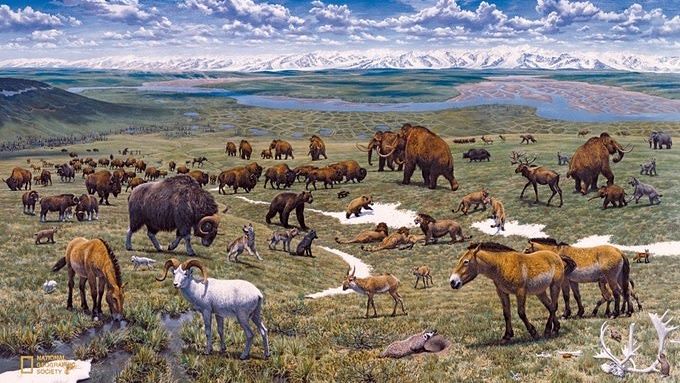
You probably picture them as timid, cowering little things – scurrying through shadows, desperately avoiding the crushing feet of Tyrannosaurus rex. That’s the old story. The one told in dusty textbooks and low-budget documentary narrations. Yet the real history of early mammals is far more dramatic, strange, and honestly a little humbling, especially when you realize that the animals you’re descended from were far more resourceful than popular culture ever gave them credit for.
The truth is, it’s a familiar story that the mighty dinosaurs dominated their prehistoric environment, while tiny mammals took a backseat, until the dinosaurs went extinct 66 million years ago, allowing mammals to shine. But that story is incomplete. It misses the full scope of what was actually happening underground, in the treetops, in rivers, and in the dark. So let’s dive in.
Long Before the Dinosaurs Fell: The Ancient Roots of Mammalian Life
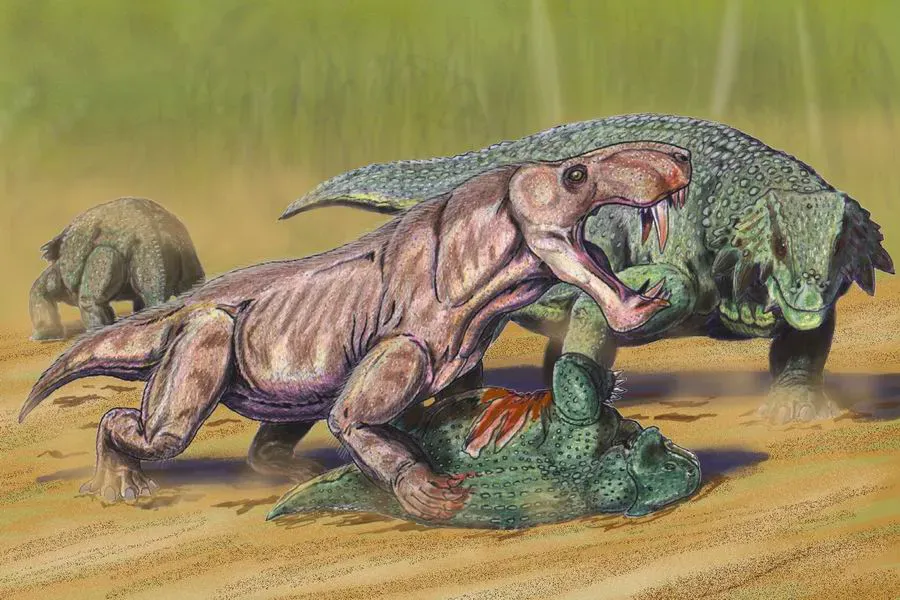
Most people assume mammals are a product of the post-dinosaur world, a kind of biological clean-up crew that moved in after the chaos. But you’d be surprised at just how much further back the story goes. Both mammals and dinosaurs trace their origins to the same time and place: around 225 million years ago, when all of Earth’s land was gathered into the supercontinent Pangea.
Even before true mammals existed, their ancestors were already dominating the landscape. Synapsids were the largest terrestrial vertebrates in the Permian period, and they were the dominant land predators of the late Paleozoic and early Mesozoic, with animals like Dimetrodon and Inostrancevia being apex predators during the Permian. Think about that. Long before a single dinosaur ever walked the Earth, a creature from your own evolutionary lineage was already sitting at the top of the food chain.
The Therapsids: The Forgotten Rulers of the Permian
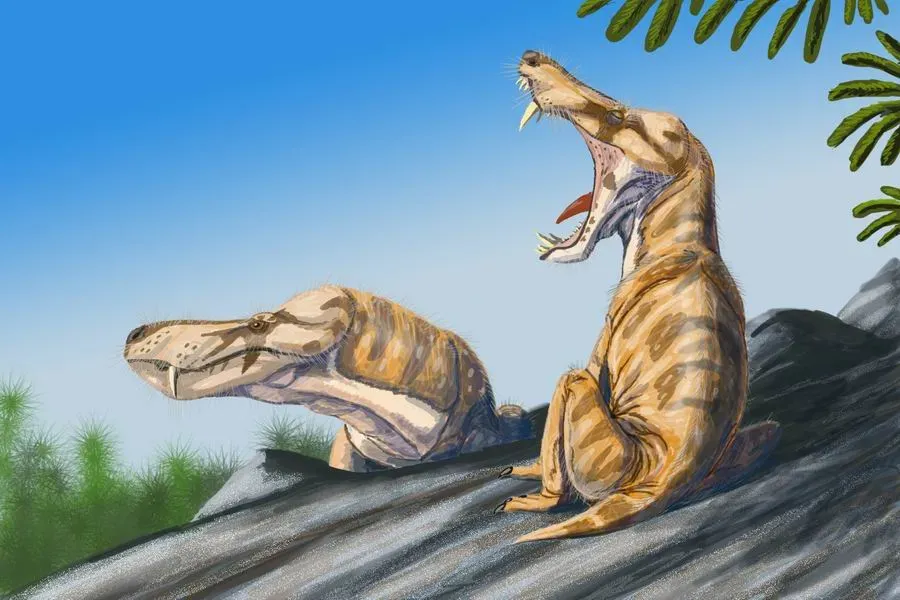
Therapsids, a group of synapsids, evolved in the Middle Permian, about 265 million years ago, and became the dominant land vertebrates. These were not primitive slouches. They were diverse, adaptable, and spread across nearly every continent. Therapsids were by far the most diverse and abundant large animals of the Middle and Late Permian, including a diverse range of herbivores and carnivores, ranging from small animals the size of a rat, to large bulky herbivores a ton or more in weight.
Therapsids descended from sphenacodonts, a group of primitive synapsids, in the middle Permian, and took over from them as the dominant land vertebrates. Their teeth were starting to look familiar too. In most species, the teeth were differentiated into mammal-like nipping incisors, large stabbing canines, and a series of grinding cheek teeth. Here’s the thing – these weren’t reptiles. They were something new, something that would eventually become you.
Surviving Catastrophe: The Permian Extinction and What Came After
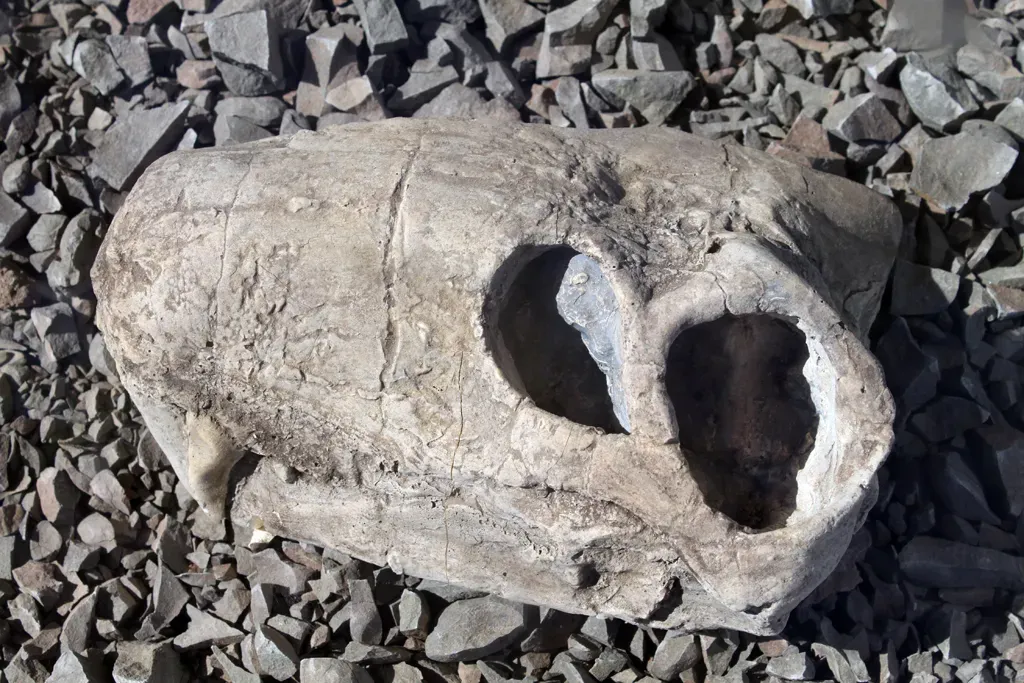
If there is one event that almost erased mammals from the story entirely, it’s the Permian extinction. The catastrophic mass extinction at the end of the Permian, around 252 million years ago, killed off about 70% of terrestrial vertebrate species and the majority of land plants. It was the worst day in the history of life on Earth. The therapsids, which had been on top for millions of years, were nearly wiped out entirely.
Like all land animals, the therapsids were seriously affected by the Permian-Triassic extinction event, with the very successful gorgonopsians and the biarmosuchians dying out altogether and the remaining groups reduced to a handful of species each by the earliest Triassic. Yet survival is sometimes a quiet affair. Synapsids were decimated but some species survived, including mammal ancestors with hair and fast metabolisms – the cynodonts. These small, resilient creatures would go on to become one of evolution’s greatest success stories.
The Triassic Takeover and the Narrow Road to Mammals
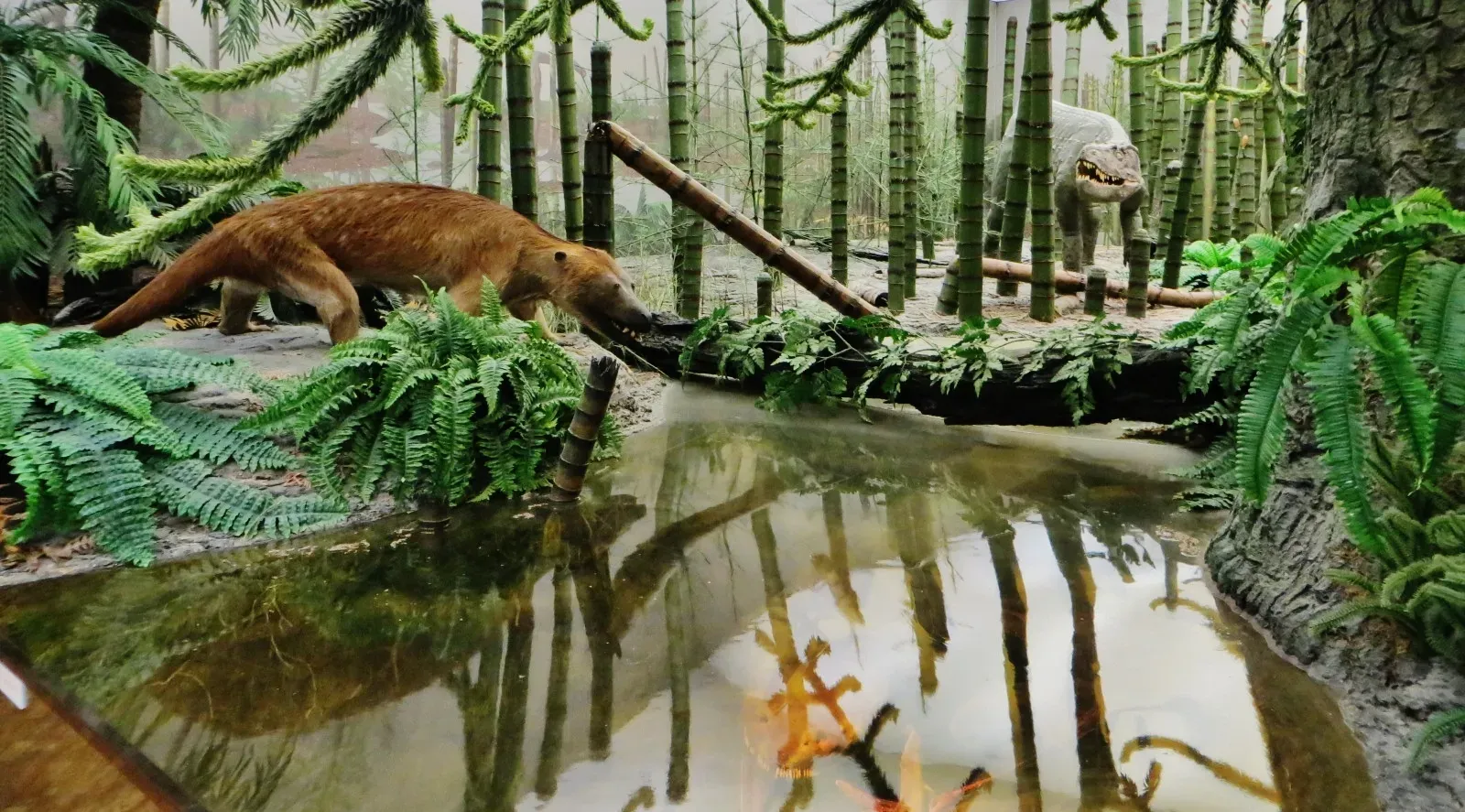
The Triassic period is where the familiar story of dinosaur dominance really begins. With the disappearance of the gorgonopsians, the cynodonts’ principal competitors for dominance were a previously obscure group called the archosaurs, which includes the ancestors of crocodilians and dinosaurs. The archosaurs quickly became the dominant carnivores, a development often called the “Triassic takeover.” For early mammals, the world just got a whole lot more dangerous.
Still, the cynodont lineage pressed on. The therapsids include the cynodonts, the group that gave rise to mammals in the Late Triassic around 225 million years ago, the only therapsid clade that survived beyond the end of the Triassic. The mammaliaforms appeared during this period, and their superior sense of smell, backed up by a large brain, facilitated entry into nocturnal niches with less exposure to archosaur predation. Cleverness over brute force. That’s a mammal move if ever there was one.
The Nocturnal Bottleneck: Life in the Dark
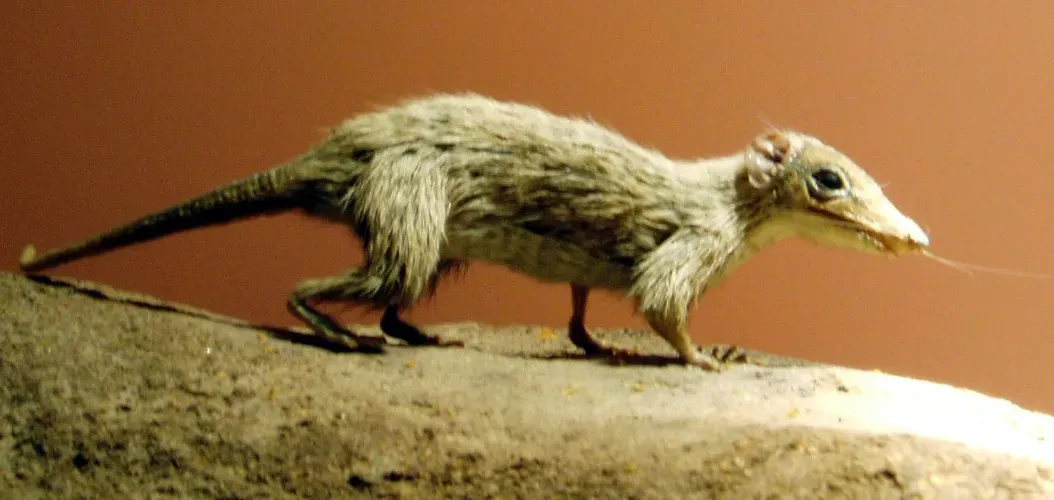
Here’s one of the most fascinating and deeply personal stories in all of evolutionary history. You still carry the biological legacy of it today. The nocturnal bottleneck hypothesis is an evolutionary biology hypothesis that states that placental mammals were mainly or even exclusively nocturnal through most of their evolutionary history, from their origin 225 million years ago during the Late Triassic to after the Cretaceous-Paleogene extinction event, 66 million years ago.
Numerous features of mammalian physiology appear to be adaptations to a nocturnal lifestyle. These include an acute sense of hearing, with coiled cochleae, sound-collecting auricles on the outer ear and sound-amplifying ossicles in the middle ear, as well as a very good sense of smell and well-developed nasal turbinates. Predation pressure and inter-species competition are thought to have stimulated the development of endothermia, a major adaptive change that enabled early mammals to become nocturnal and independent of solar radiation and environmental temperature. Honestly, it’s almost poetic – the very things that make you human grew directly out of millions of years of hiding in the dark.
More Than Survivors: The Surprising Diversity of Mesozoic Mammals
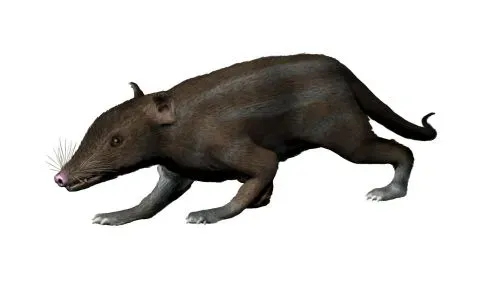
Previously, mammals in the Age of Dinosaurs were thought to be a relatively small part of their ecosystems and considered to be small-bodied, nocturnal, ground-dwelling insectivores. That old picture is crumbling fast. New fossil discoveries, many from China and Madagascar, have completely changed what scientists understand about life alongside the dinosaurs. An explosion of fossil finds reveals that ancient mammals evolved a wide variety of adaptations allowing them to exploit the skies, rivers, and underground lairs.
Later in the Mesozoic, after theropod dinosaurs replaced rauisuchians as the dominant carnivores, mammals spread into other ecological niches. Some became aquatic, some were gliders, and some even fed on juvenile dinosaurs. That last point deserves to sink in for a moment. We tend to think of Mesozoic mammals as being at the mercy of dinosaurs, but in at least one case the mammals had the upper hand. The badger-sized eutriconodont Repenomamus contains in its gut the remains of several baby dinosaurs. Not exactly the timid little creatures of legend.
The Flowering Plant Revolution and Pre-Extinction Mammal Diversification

One of the most overlooked chapters in mammal history is what happened before the asteroid struck. Not only did mammals begin diversifying earlier than previously expected, but the mass extinction wasn’t the perfect opportunity for mammal evolution that it’s traditionally been painted as. The seeds of mammalian success were planted long before the impact. Adaptive radiation of Mesozoic-era multituberculate mammals began at least 20 million years before the extinction of non-avian dinosaurs and continued across the Cretaceous-Paleogene boundary, probably as a result of dietary expansion towards herbivory during the ecological rise of angiosperms.
A possible link exists between the rise of mammals and the rise of flowering plants, which diversified around the same time. Think of it like a key finding a lock. Flowering plants offered seeds and fruits, new insects evolved to pollinate them, and mammals gained two entirely new food sources almost simultaneously. Each ecological radiation generated new varieties of mammaliaforms from more primitive, insect-eating, rodent-like ancestors. Many of the diverse forms that arose during the Jurassic and Cretaceous resemble species alive today, such as badgers, flying squirrels, and even anteaters.
After the Asteroid: The Age of Mammals Truly Begins
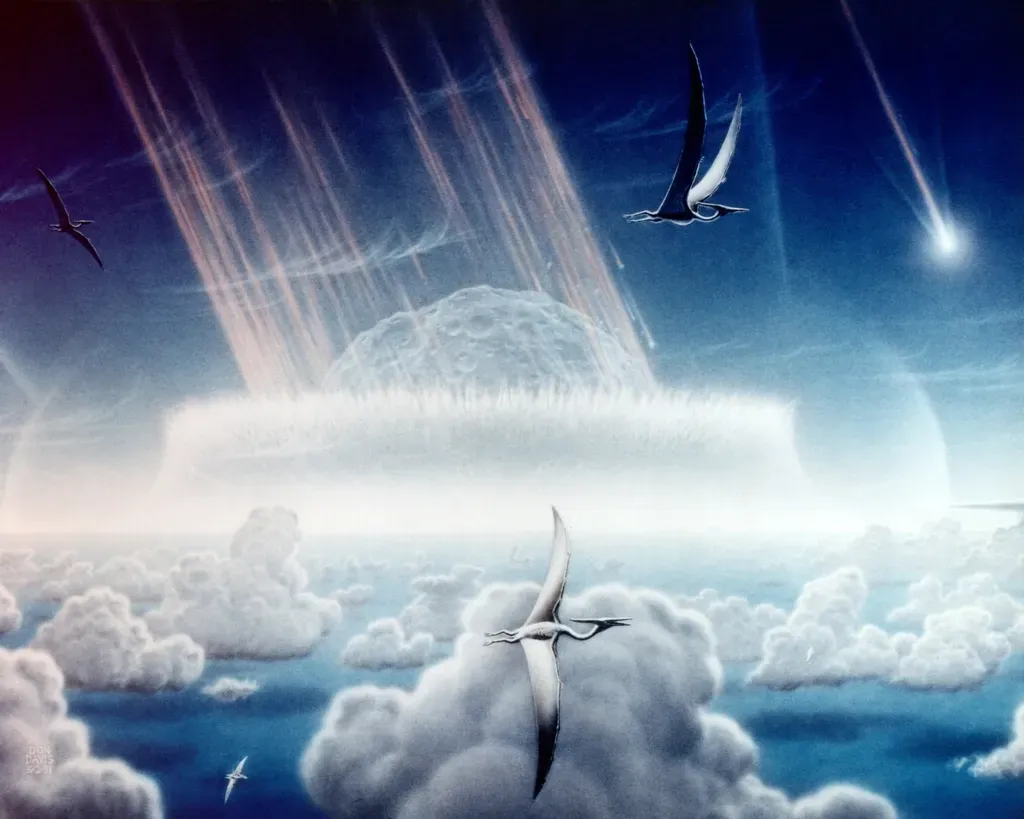
The Cretaceous-Paleogene extinction event was a major mass extinction of roughly three-quarters of the plant and animal species on Earth, which occurred approximately 66 million years ago. It was devastating, yes. But for the mammals that endured, it cracked open an entirely new world. From only a few groups of small mammals in the late Cretaceous that lived in the undergrowth and hid from the dinosaurs, more than 20 orders of mammals evolved rapidly and were established by the early Eocene.
The surviving placental mammals nearly went the way of the dinosaurs, but after barely surviving the brimstone, they rapidly inflated their bodies from rat-sized to cow-sized, diversified their diets and behaviors, and eventually expanded their brains, ringing in a new Age of Mammals. Mammals achieved their modern diversity in the Paleogene and Neogene periods of the Cenozoic era, after the extinction of non-avian dinosaurs, and have been the dominant terrestrial animal group from 66 million years ago to the present. Every elephant, every whale, every bat you’ve ever seen – all of it traces back to those small, furry survivors scurrying through a world on fire.
Conclusion: A Story Written in Bone, Fur, and Time
What strikes you most, looking at the full sweep of mammalian prehistory, is not how lucky mammals were – it’s how prepared they were. Hundreds of millions of years of pressure forged the exact traits that would make them unstoppable: warm blood, sharp senses, flexible diets, behavioral adaptability, and extraordinary parental investment. The nocturnal bottleneck didn’t diminish early mammals. It sharpened them.
After the extinction of most archosaurs at the end of the Cretaceous period, the surviving synapsids took over the empty ecological niches. Mammals have ruled the world since then, conquering the land, the sea, and even the air, but it wouldn’t have been possible without all the different adaptations acquired by early synapsids throughout their evolution. The next time you look at the world around you, remember: the forests you walk through, the food webs that sustain life, the biodiversity you see every day – all of it was shaped by creatures that were once small enough to hide in a dinosaur’s footprint.
Does knowing that change how you see your own place in the story of life on Earth? It probably should.