
When you picture a paleontologist at work, you probably imagine someone hunched over a desert dig site in Montana or the Gobi Desert, carefully brushing dust off ancient bones. That’s the classic image. The reality, though, is far messier, weirder, and honestly much more exciting than that. Dinosaur fossils have a habit of turning up where nobody expects them, and the stories behind those discoveries can be just as thrilling as the creatures themselves.
From frozen polar wastelands to a museum parking lot, the history of paleontology is peppered with moments where scientists had to do a complete double-take. Some of these finds rewrote what we thought we knew about where dinosaurs lived, how they behaved, and just how far their world stretched. So buckle up – you’re about to see the science of dinosaurs in a whole new light. Let’s dive in.
1. A “Hell Heron” Unearthed Deep in the Sahara Desert – Far From the Coast
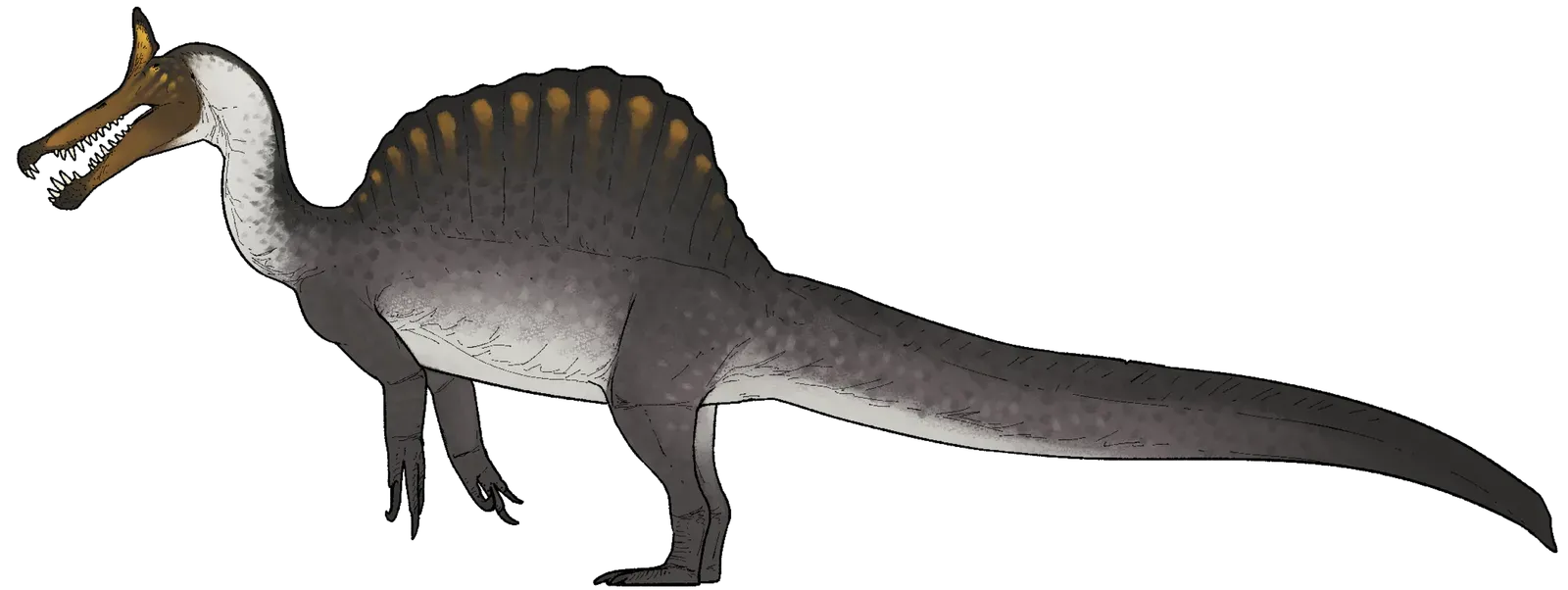
Here’s a fact that should stop you in your tracks: one of the most extraordinary dinosaur discoveries in recent memory happened not near a prehistoric coastline, not in a recognized fossil hotspot, but deep in one of the most punishing landscapes on Earth. A newly published study in Science announced the discovery of Spinosaurus mirabilis, a previously unknown species of spinosaurid dinosaur uncovered in Niger. The name literally translates to “astonishing Spinosaurus,” and honestly, that’s not even close to overselling it.
Previous Spinosaurid specimens had all been found in ancient coastal deposits near prehistoric shorelines, but the first S. mirabilis bones were located far inland, somewhere between 310 to 610 miles from the nearest marine habitats. This completely shook up the assumption that these massive fish-eating predators only lived near the ocean. Think of it like finding a great white shark fossil in the middle of Kansas. Scientists simply didn’t see it coming.
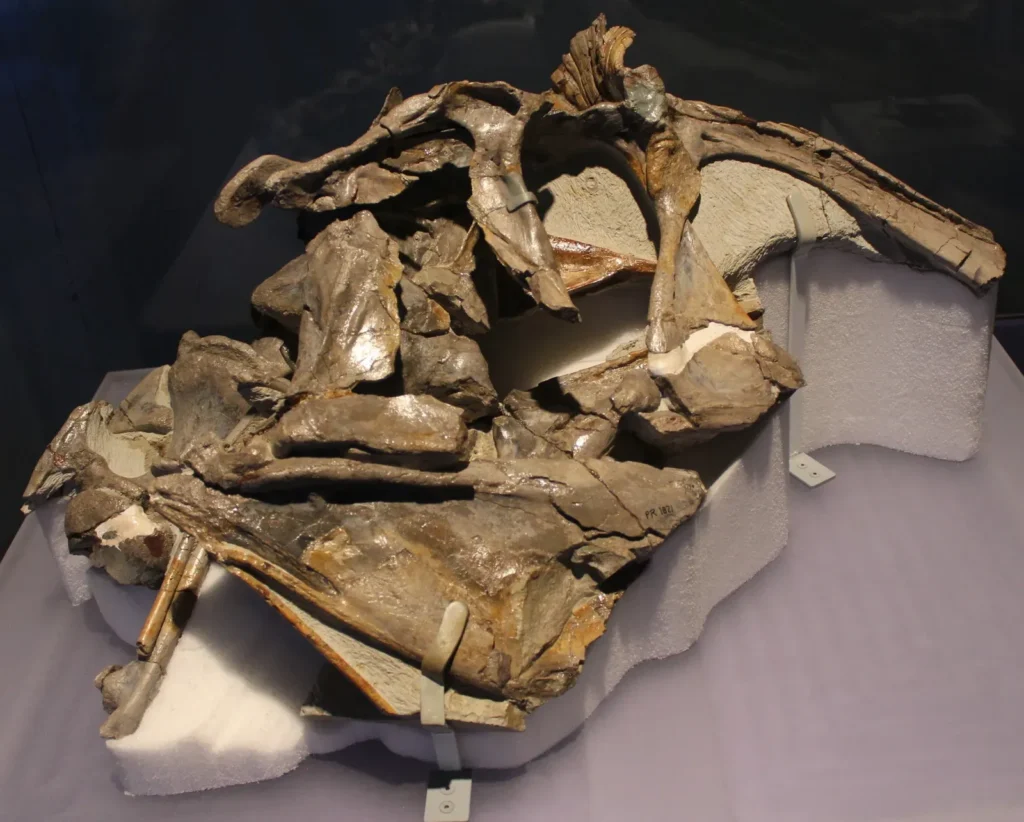
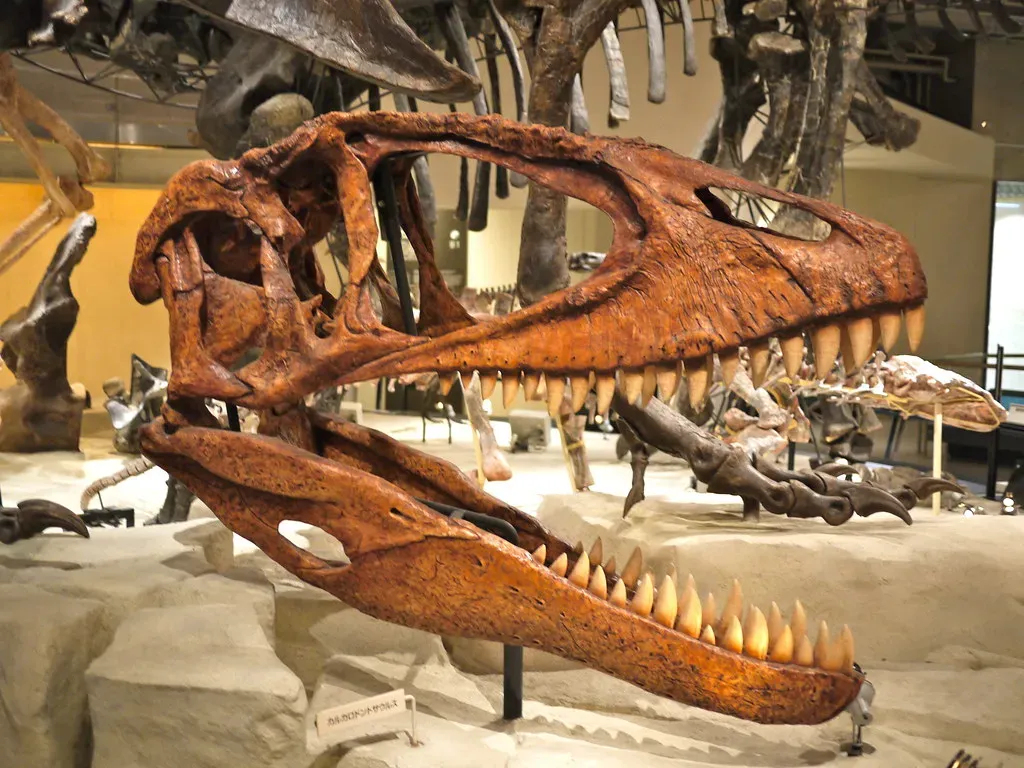
One of the most remarkable features of S. mirabilis is its enormous, scimitar-shaped crest. When paleontologists first spotted the crest and several jaw fragments on the desert surface in November 2019, they did not immediately realize what they had found. It was only after returning in 2022 with a larger team and uncovering two more crests that the researchers understood they were dealing with a new species.
It prowled a forested inland environment and strode into rivers to catch sizable fish like a modern-day wading bird – a “hell heron,” as one of the researchers put it, considering it was about 40 feet long and weighed 5 to 7 tons. That image alone is the stuff of nightmares. A new paper published in Science describes the journeys in 2019 and 2022, making it the first new spinosaurid species discovered in more than a century.
2. Dinosaur Bones Drilled Up From Beneath a Museum Parking Lot
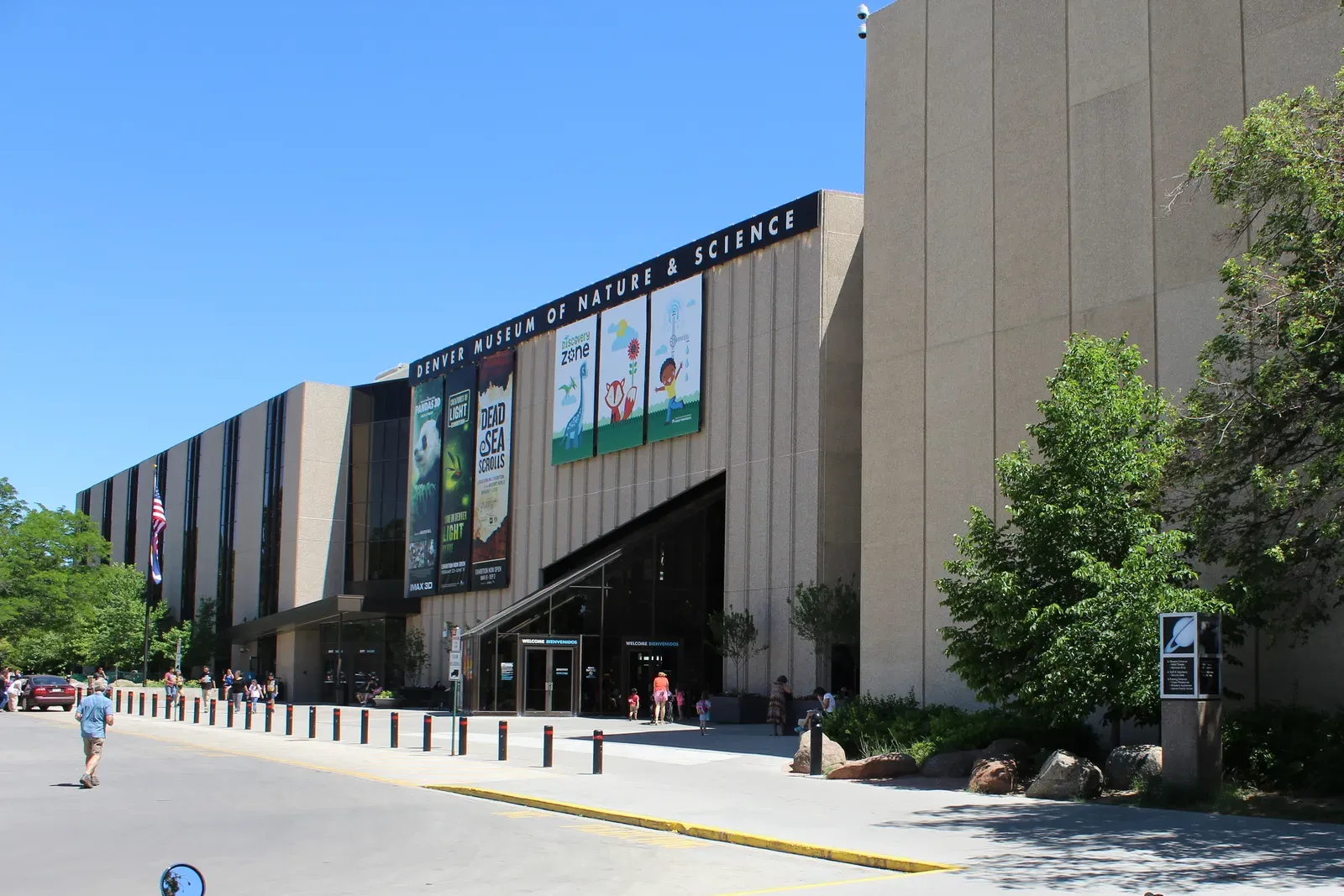
You truly cannot make this stuff up. While most paleontologists head to the wilderness looking for ancient bones, one of the most jaw-dropping finds in recent years came from directly beneath a museum’s parking lot in Denver, Colorado. Alongside a geothermal drilling project, the museum conducted a scientific coring initiative to better understand the geology beneath City Park and the larger Denver Basin. The scientific core was drilled nearly 1,000 feet below the surface, passing through layers of gravel and sand deposited by the South Platte River before reaching ancient bedrock from the Late Cretaceous Period. The scientific core extracted something that surpassed everyone’s expectations: a partial dinosaur bone dating back 67.5 million years.
It has been identified by museum paleontologists as the deepest and oldest dinosaur fossil ever found within the city limits. Embedded in a layer of rock formed during the Late Cretaceous Period, scientists identified the fossil as part of a vertebra from a plant-eating dinosaur, similar to a Thescelosaurus or Edmontosaurus. I think what makes this story so special is the sheer randomness of it. A drilling project for geothermal energy winds up doubling as one of the most unusual paleontological finds Denver has ever seen. Not only is it exceedingly rare to find a dinosaur fossil in a narrow drill core, but this fossil turned out to be the deepest and oldest dinosaur bone ever discovered within the Denver city limits.
3. Dinosaur Fossils Found on a Frozen Antarctic Mountaintop
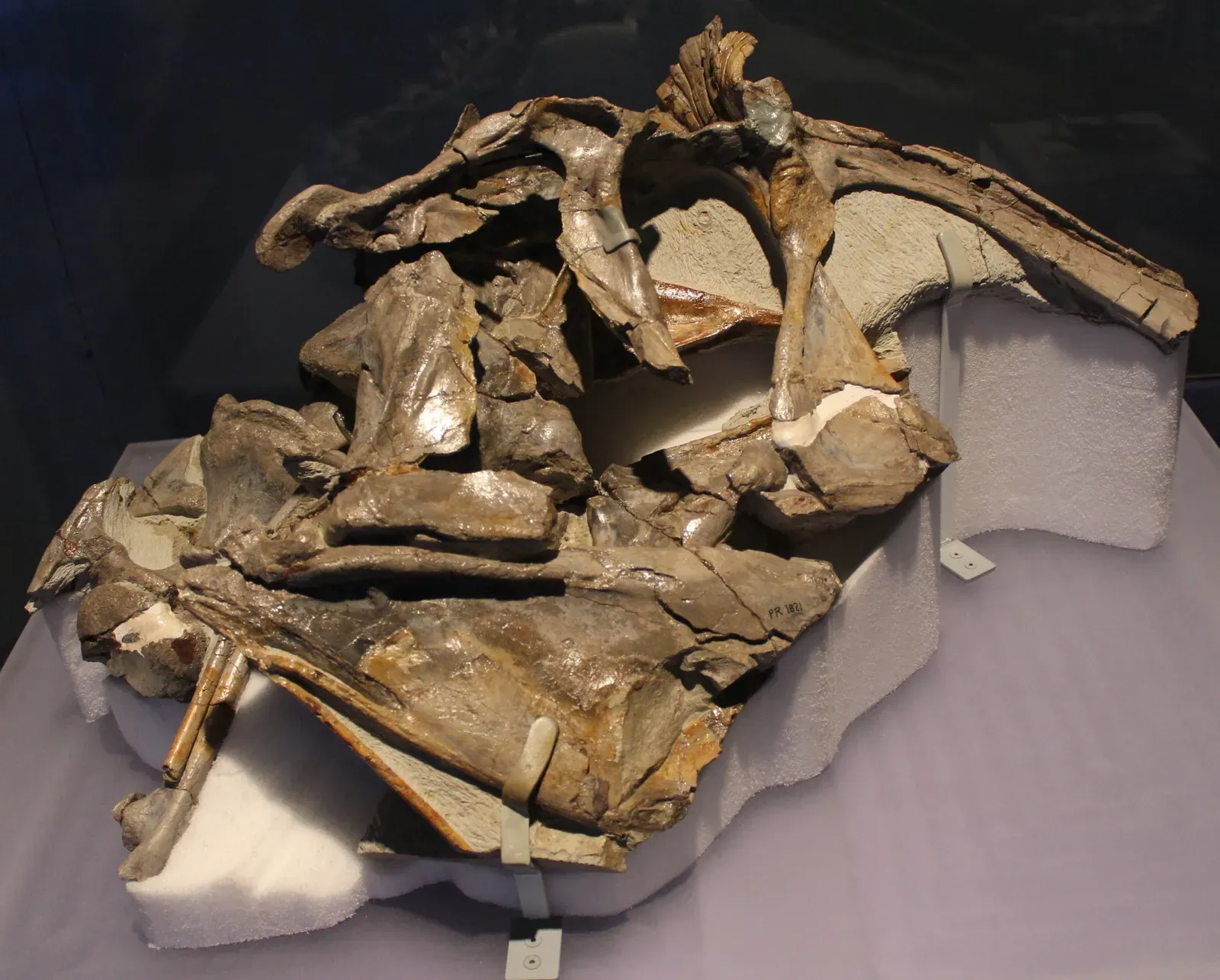
If you were asked to guess which continent would be the very last place you’d find dinosaur bones, Antarctica would almost certainly top your list. Frozen, windswept, and sitting right on top of the South Pole, it seems about as far from a dinosaur habitat as you can get. Yet here we are. Paleontologists discovered the first dinosaur fossils in 1990 to 1991 in the central Transantarctic Mountains of the continent. They uncovered the bones of Cryolophosaurus ellioti near the Beardmore Glacier at a site on Mount Kirkpatrick. It was a species unknown to science at that time. Another unknown dinosaur’s bones were unearthed alongside this specimen, later known as Glacialisaurus hammeri.
William Hammer of Augustana College dug at an elevation of 13,000 feet on the slope of Mount Kirkpatrick, about 400 miles from the South Pole, and pried out the bones of Cryolophosaurus ellioti, a 22-foot-long meat-eater with a bony crest curving up from its forehead like a cowlick. What this discovery really tells you is that Antarctica was once a lush, warm, biologically rich world. Nearby, researchers also uncovered the remains of a theropod called Cryolophosaurus ellioti, along with bones from a possible sauropod, a pterosaur wing bone, and even a tooth from a tritylodont. All this suggests that Jurassic Antarctica wasn’t some barren wasteland, but a fairly lively ecosystem able to support a range of species.
4. A New Dinosaur Species Discovered in a Man’s Portuguese Backyard
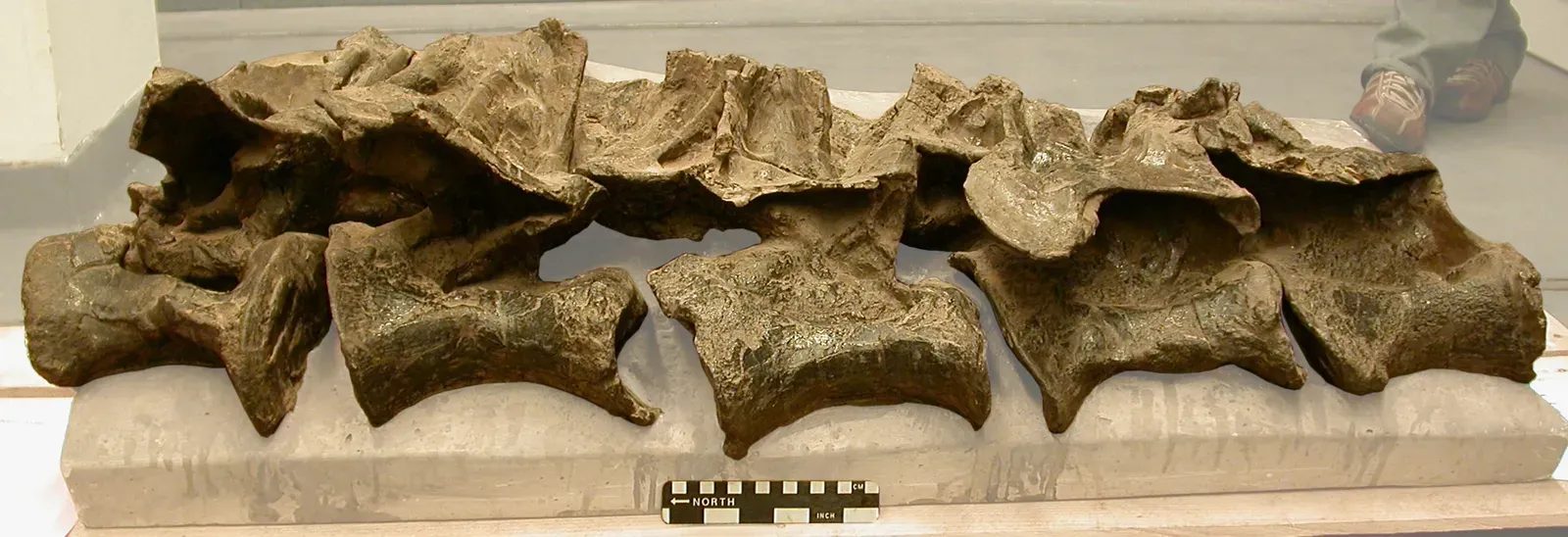
Imagine hiring contractors for a home renovation and instead of finding old pipes or buried cables, they uncover the remains of one of the largest creatures to ever walk the Earth. That’s almost precisely what happened in Portugal in 2017. A Portuguese native was overseeing a construction project in his backyard when the person noticed some bone fragments sticking out of the ground. Upon further excavation, local scientists ended up with 10-foot-long ribs and the vertebrae of an 82-foot-long fossil of a Sauropod that lived about 160 million years ago.
That’s not a backyard surprise. That’s a full-on geological revelation. Sauropods were the long-necked, four-legged giants of the dinosaur world, the kind that would have towered over a modern house. Many new discoveries come from paleontological hotspots such as Argentina, China, Mongolia and the US, but dinosaur fossils are also being found in many other places, from a Serbian village to the rainswept coast of north-west Scotland. Portugal may not be the first country that comes to mind when you think of dinosaur territory, but finds like this one are quietly rewriting the fossil map of Europe.
5. Polar Dinosaurs Thriving in Arctic Alaska
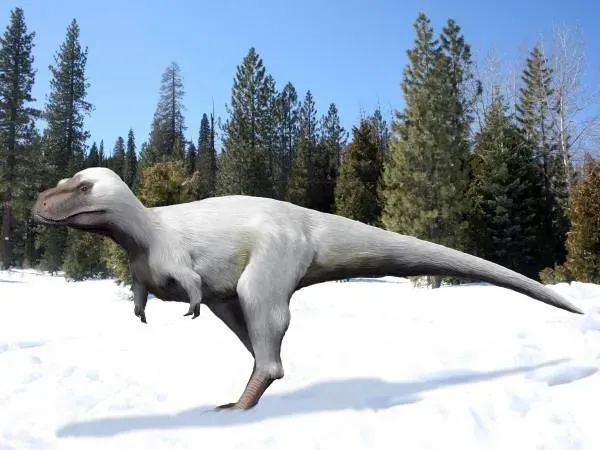
Here’s the thing about dinosaurs that most people don’t fully appreciate: these animals were far more adaptable than the old image of swamp-dwelling, sun-soaked giants suggests. Nowhere is that clearer than in Alaska, where an entire ecosystem of dinosaurs was discovered in one of the coldest corners of North America. The paleontological sites along the Colville River on the North Slope of Alaska have yielded remarkable results. At least 12 different types of dinosaurs have been discovered there. The first type found, and the one from which the greatest number of bones have been recovered, was an impressive plant-eater called Edmontosaurus, a hadrosaur that walked on two legs, stood up to 10 feet tall, was more than 40 feet long, and weighed 3 or more tons when fully grown.
Among the carnivorous finds is the Nanuqsaurus hoglundi, or “Polar Bear Lizard,” the smallest carnivorous tyrannosaurid dinosaur yet discovered. It likely had a strong sense of smell to aid in hunting prey. Half the size of T. rex, this dinosaur is about 20 feet long with a 2-foot skull. This smaller dinosaur roamed northern Alaska nearly 70 million years ago. The idea of a miniaturized tyrannosaur surviving Arctic winters, hunting through periods of near-total darkness, is genuinely stunning. The surprise is that some of the same polar dinosaurs that lived in Alaska also lived in areas as far south as Texas.
6. A Dinosaur Fossil Discovered Deep Under the North Sea by Oil Drillers
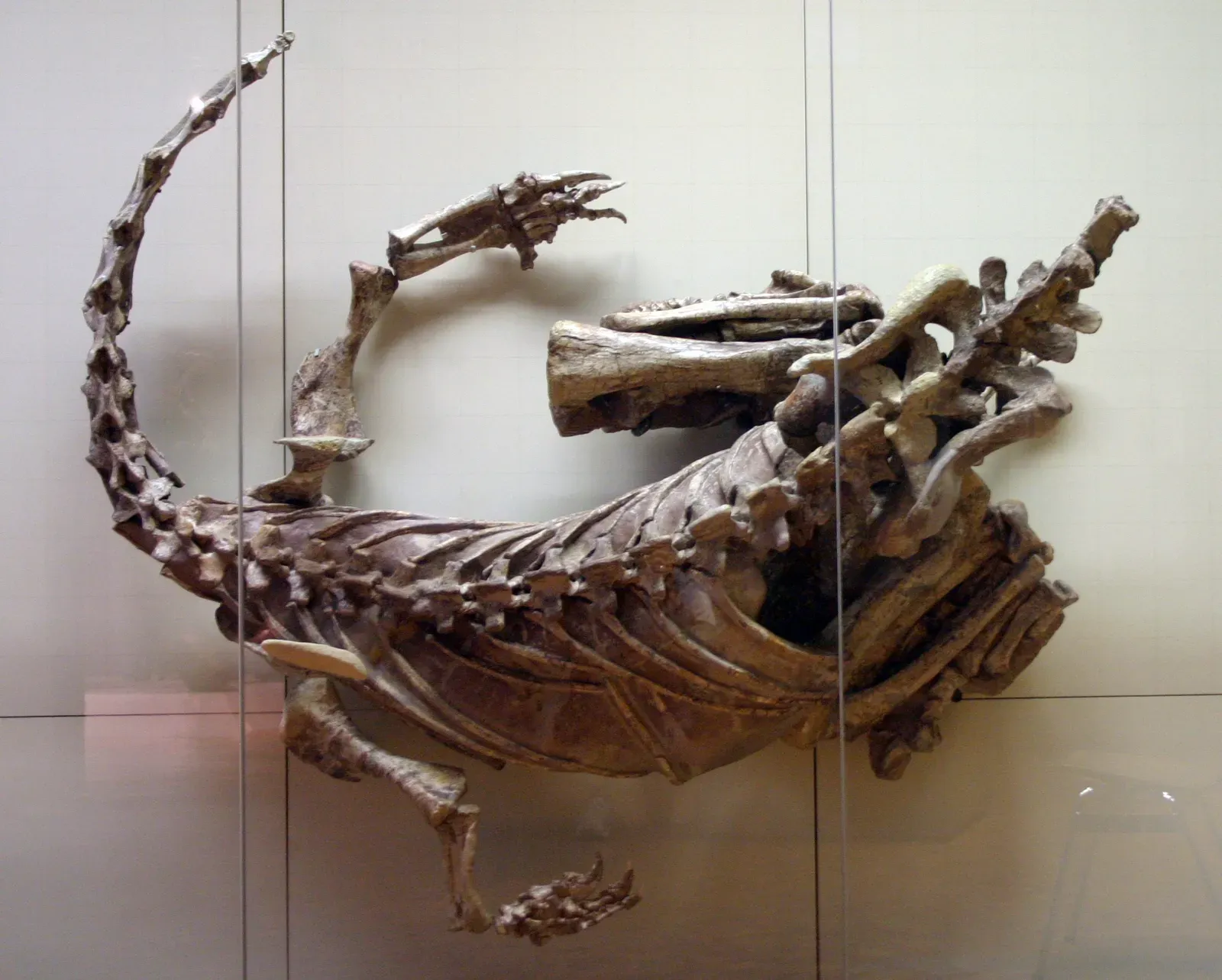
Oil drillers are not known for stumbling upon prehistoric wonders, but in 1997, that’s exactly what happened deep beneath the North Sea. Dinosaurs were mostly land dwellers, so when a dinosaur fossil was discovered in the ocean at a depth of over 7,000 feet, that was undoubtedly unexpected. That’s exactly what happened when workers of an oil company were busy trying to drill through the North Sea in 1997. They were in the final stages of drilling when the drill hit the knucklebone of a Plateosaurus, a dinosaur species said to have walked Earth over 200 million years ago during the late Triassic period.
In addition to being unexpected, this discovery was even more special for being the only dinosaur fossil ever found in Norway’s jurisdiction. Let’s be real: this is the kind of discovery that makes you rethink everything. A massive drill punching through thousands of feet of ocean floor, and it just happens to clip the bone of a creature that died more than 200 million years ago. It’s almost too wild to believe, yet it happened. The fossil serves as a reminder that the ancient world lies beneath us in ways we rarely stop to consider.
7. A University Campus Construction Pile Hiding a Jurassic Dinosaur
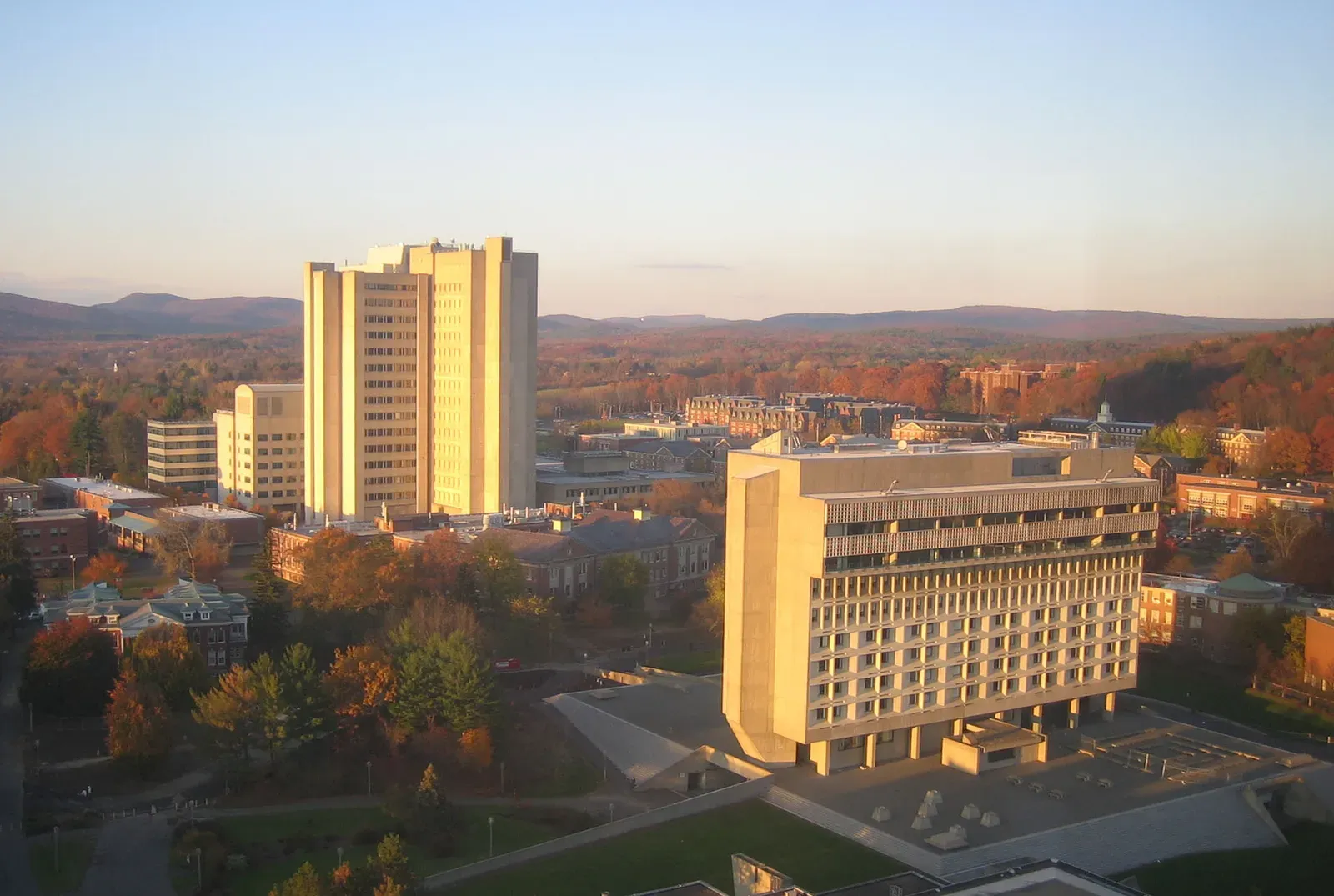
Sometimes the most astonishing fossil discoveries don’t require an expedition to a remote corner of the globe. Sometimes they’re just sitting in a pile of rubble at a university campus. One of the most unusual places fossils have been found is in Massachusetts in the United States. In 2021, a Geology professor was strolling through the Amherst Campus, University of Massachusetts, when a pile of loose rocks on construction rubble caught his eye. Being rock-curious, the professor asked if he could collect some to add to a garden.
Upon inspecting one of the rocks with X-ray, he discovered that it wasn’t a rock at all but the fossil of a neotheropod, a large dinosaur species from the Early Jurassic Age. Neotheropods roamed the Earth before T. rex and are considered among the largest predatory dinosaurs of the early Jurassic period. It took a professor’s trained eye and a casual walk across campus to bring a Jurassic predator back into the spotlight. Dinosaur fossils have been found on every continent on Earth, including Antarctica, but most of the greatest variety of species have been found in the deserts and badlands of North America, China and Argentina. Stories like this one are a vivid reminder that you don’t always need a passport and a pickaxe. Sometimes, curiosity and a sharp eye are enough.
Conclusion: The World Is Still Full of Hidden Giants
What all seven of these discoveries share is a beautiful, almost humbling sense of surprise. Paleontologists train for years, plan expeditions meticulously, and still the Earth manages to deliver discoveries in ways nobody predicted. A drill bit striking a Triassic bone under the North Sea. A walk across a parking lot changing our understanding of Denver’s ancient past. A garden stroll at a Massachusetts university revealing a Jurassic predator.
The deeper lesson here is that our planet is still a place of genuine mystery. The discovery of new fossils and the development of new techniques to study them have enabled scientists to delve into the fascinating lives of these ancient reptiles like never before. Some of these discoveries have been so significant that they drastically changed how we look at dinosaurs. Every new find chips away at the assumption that we already know where the dinosaurs were.
The next great dinosaur discovery could be beneath a road being repaved in your city, inside a boulder in someone’s garden, or at the bottom of an ocean no one thought to search. That thought, honestly, is one of the most exciting things in all of science. The question worth sitting with is this: what’s still buried right beneath your feet?