
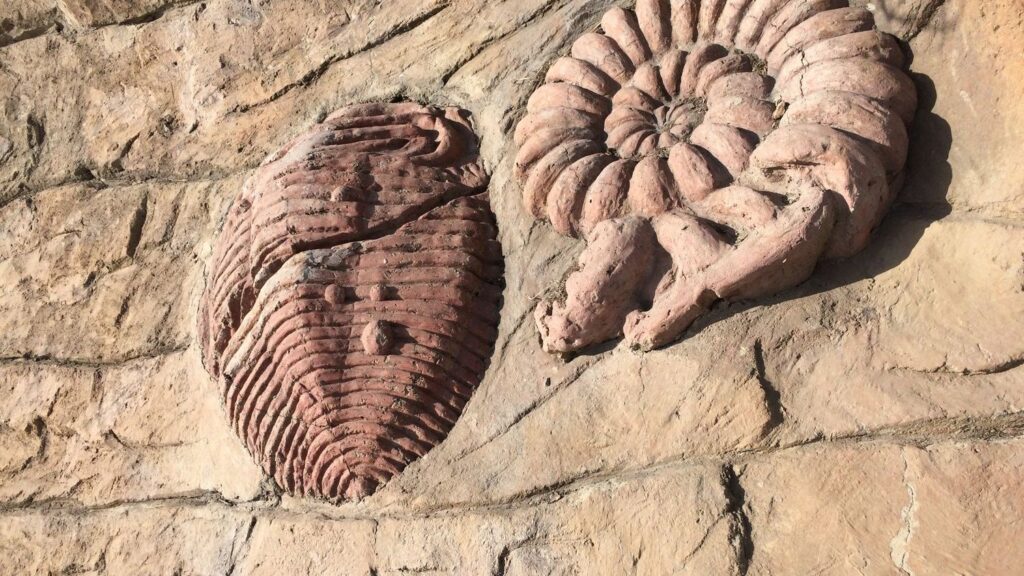
Science is supposed to be the enemy of deception. You dig, you measure, you analyze, and the truth emerges from the rock. Except, history tells a messier story. Paleontology, the discipline tasked with reconstructing life on Earth across hundreds of millions of years, has been fooled more times than any of its practitioners would like to admit. Forged bones, carved stones, glued chimeras, and outright fabrications have all slipped through the gatekeeping processes of serious academia, sometimes for decades at a time.
What’s genuinely shocking, though, is not just that the hoaxes happened. It’s who pulled them off, who fell for them, and why they worked so spectacularly well. The stories behind paleontology’s most brazen frauds reveal as much about human ambition and wishful thinking as they do about science itself. Buckle up, because these are .
The Piltdown Man: The Crown Jewel of Scientific Fraud
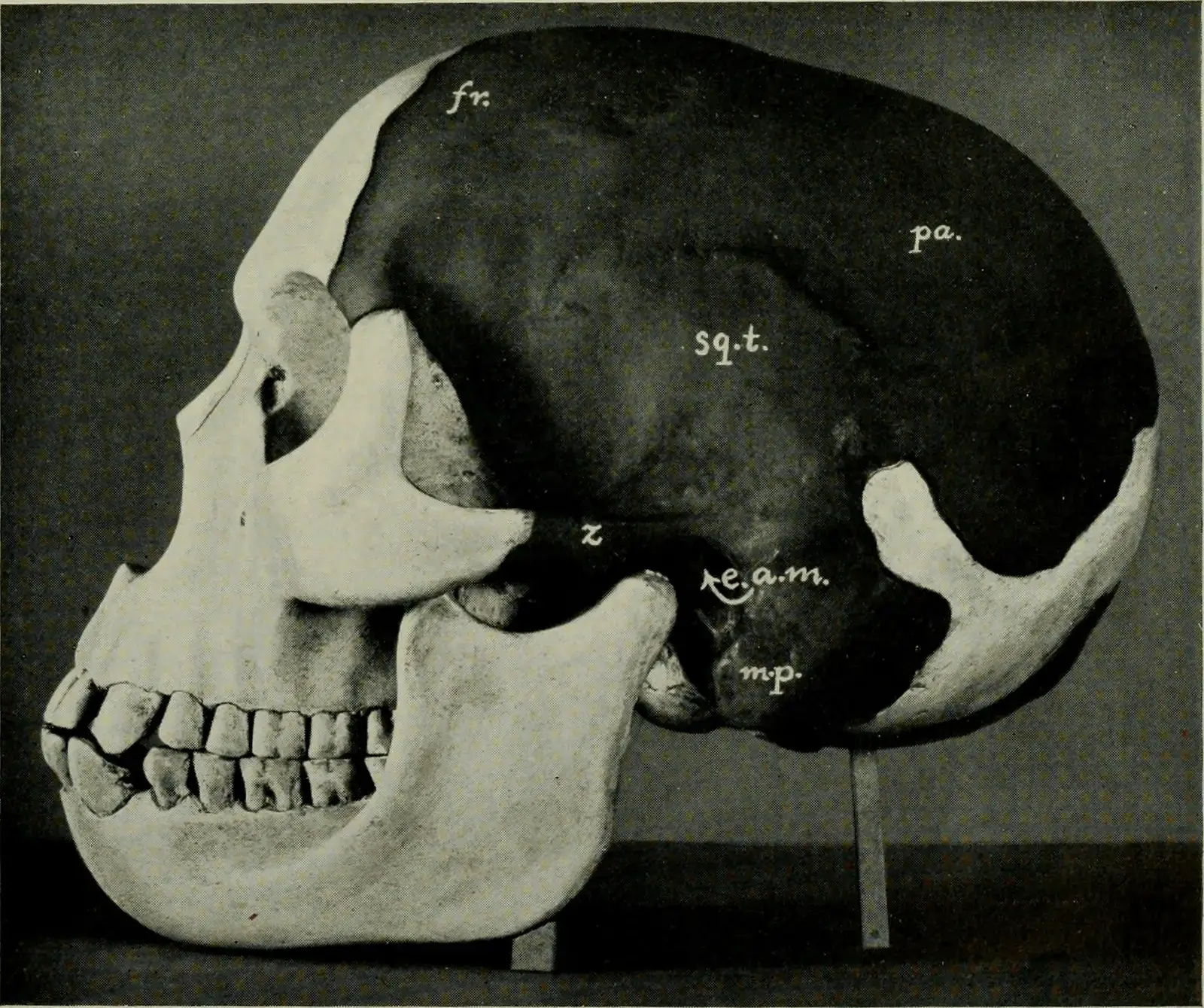
If you had to pick one hoax that shook the foundations of human evolutionary science, it would be this one. The Piltdown Man was a paleoanthropological fraud in which bone fragments were presented as the fossilized remains of a previously unknown early human. In 1912, fragments of a skull and jawbone were discovered in Piltdown, England, and presented as the “missing link” between apes and humans. It sounds like a breathtaking find. In reality, it was one of the most audacious cons in the history of science.
An intensive scientific reexamination of the Piltdown remains showed them to be the skillfully disguised fragments of a quite modern human cranium, the jaw and teeth of an orangutan, and the tooth probably of a chimpanzee, all fraudulently introduced into the shallow Pleistocene-age gravels. Chemical tests revealed that the fragments had been deliberately stained, some with chromium and others with acid iron sulfate solution, and the teeth had also been subjected to artificial abrasion to simulate the human mode of flat wear. The person most likely responsible? An extensive scientific review in 2016 established that amateur archaeologist Charles Dawson was responsible for the fraudulent evidence, motivated largely by a desire to gain recognition from other members of the archaeological community.
The Damage Piltdown Did to Real Science
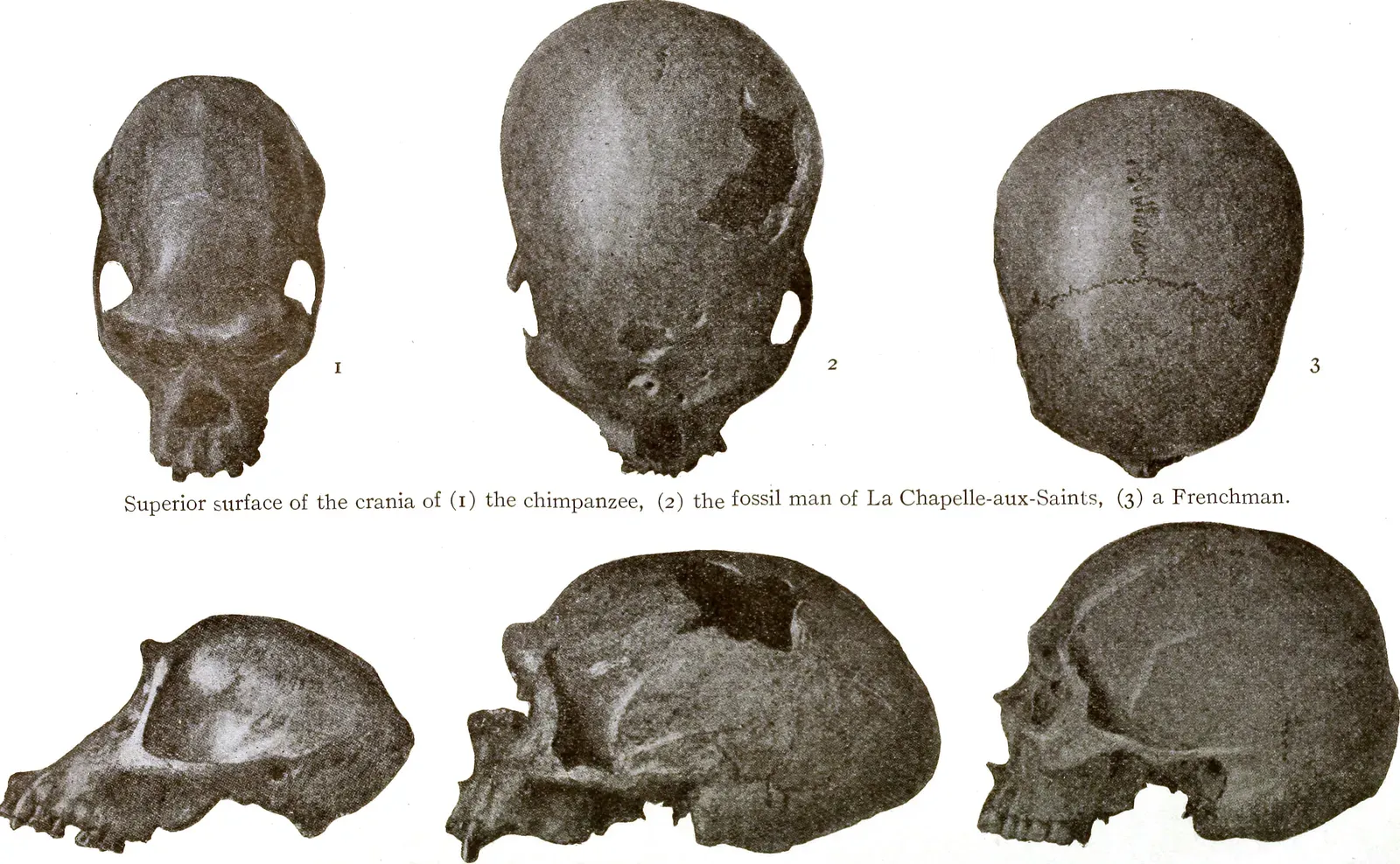
Here’s the thing about a big, beautiful lie: it tends to poison everything around it. The Piltdown Man fraud significantly affected early research on human evolution. It led scientists down a blind alley in the belief that the human brain expanded in size before the jaw adapted to new types of food. Discoveries of Australopithecine fossils such as the Taung child found by Raymond Dart during the 1920s in South Africa were ignored because of the support for Piltdown Man as “the missing link,” and the reconstruction of human evolution was confused for decades.
The Piltdown Man led many experts to pursue inaccurate ideas about evolution, with close to 250 papers on the forged fossil published before the fraud was found out. Worse, it eroded the public’s confidence in science. Think about that for a moment. An entire generation of researchers spent careers chasing a ghost. The myth of the Piltdown Man did create a scientific atmosphere that required more rigorous dating and testing in order for claims made by scientists to be believed, and there was also an increase in the transparency of research and peer review as a result. Every catastrophe, it seems, carries a lesson.
The Cardiff Giant: America’s Most Beloved Stone Lie
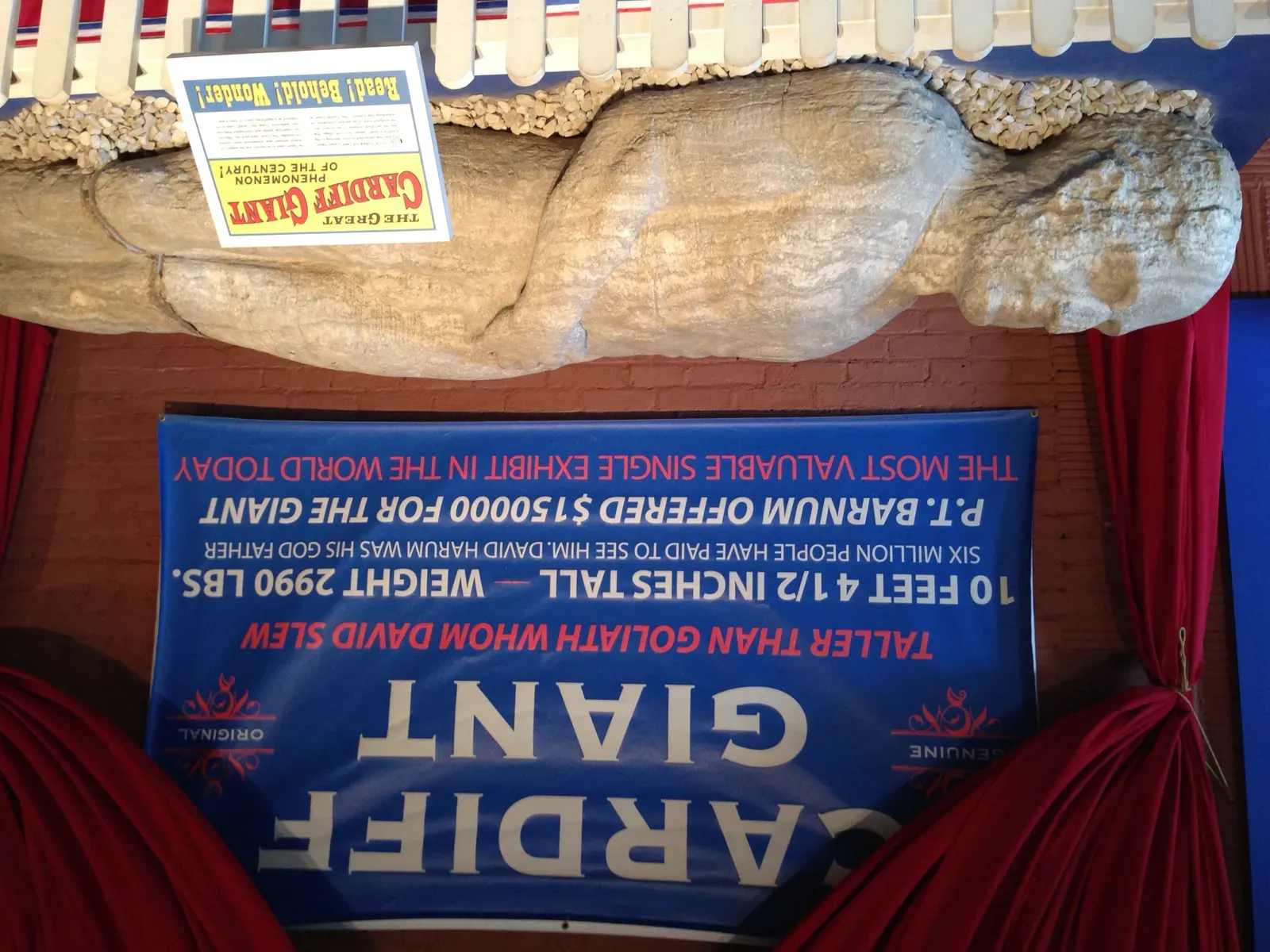
Not every fossil hoax originates in a laboratory or a gravel pit. Sometimes it starts with an argument, a grudge, and one very large block of gypsum. After an argument with a preacher over the literal truth of the Bible, Hull took inspiration for his grandest scheme from Genesis 6:4, which states, “There were giants in the earth in those days.” He purchased an enormous slab of gypsum in Fort Dodge, Iowa, and hired sculptors to carve it into a 10-foot-tall giant. The giant was actually a carved gypsum statue, created by atheist George Hull to fool his fundamentalist relatives who believed in biblical literalism. Hull had commissioned the statue in Chicago, aged it with acid and sand, and secretly buried it on his cousin’s farm.
Hull directed Newell to hire workmen to dig a well in the location where the giant had been buried. After the figure was unearthed, crowds flocked to see it and Newell charged admission. What followed was a spectacular circus of belief and disbelief. Yale paleontologist Othniel C. Marsh examined the statue, pointing out that it was made of soluble gypsum which, had it been buried in its blanket of wet earth for centuries, would not still have fresh tool marks on it, and termed it “a most decided humbug.” Incredibly, even after Marsh’s verdict and Hull’s eventual public confession, some people refused to stop believing.
Nebraska Man: The Cautionary Tale of the Pig Tooth
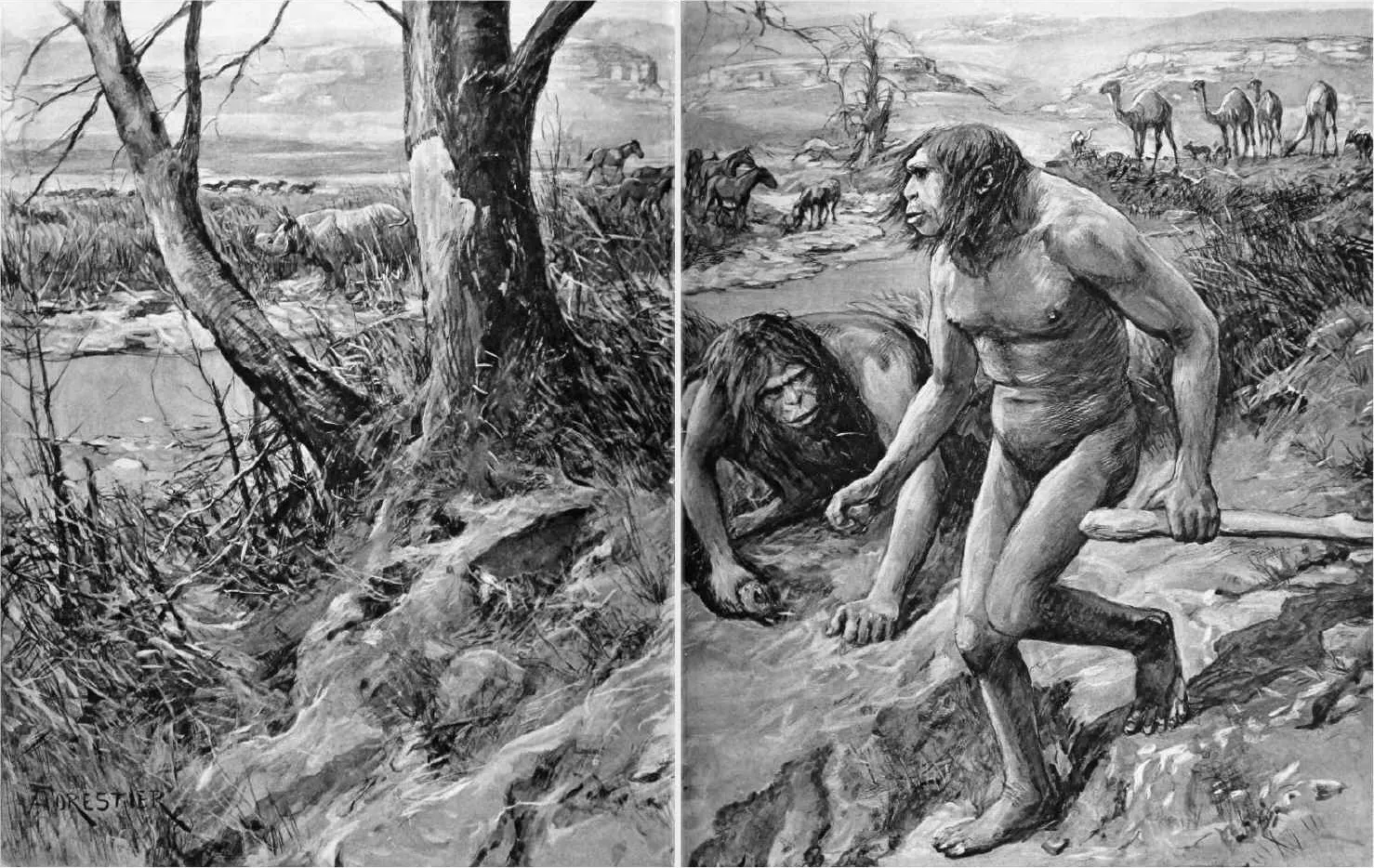
You would think it would take significant fossil evidence to reconstruct an entirely new species of ancient ape-man. You would be wrong. In 1922, solely on the basis of a worn fossil tooth from Nebraska, paleontologist Henry Fairfield Osborn described Hesperopithecus haroldcookii as the first anthropoid ape from North America. From that single tooth, entire artistic reconstructions emerged showing primitive human-like figures roaming the American plains. It is, honestly, a masterclass in how badly motivated reasoning can distort scientific judgment.
The embarrassment was complete when further excavations revealed more teeth and jaw fragments that clearly belonged to an extinct species of pig. Years of scientific speculation, academic arguments, and public fascination had all been based on a single pig tooth. The incident became a cautionary tale about drawing sweeping conclusions from minimal evidence. Think of it like building a skyscraper on a foundation of wet paper. French paleoanthropologist Marcellin Boule, who had expressed doubts from the original announcement, reflected that it was “a lesson for paleontologists with too vivid an imagination.” That is, perhaps, the most diplomatically devastating peer critique in the history of science.
Beringer’s Lying Stones: A Revenge Plot Carved in Stone
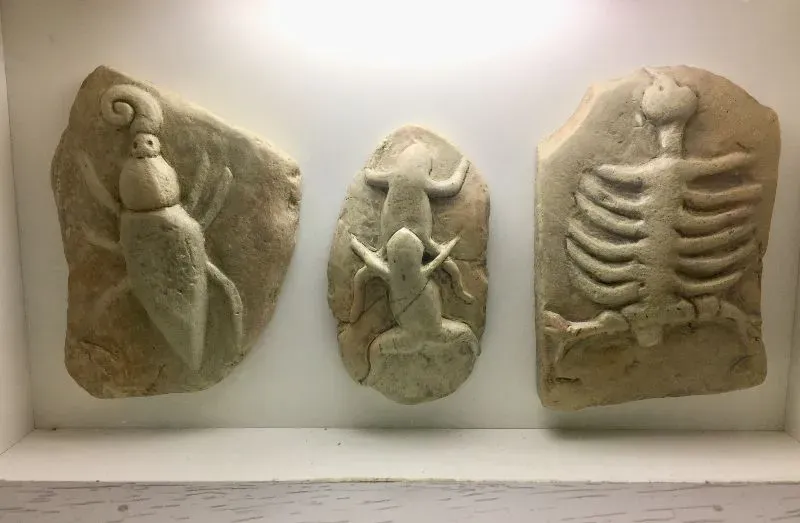
Imagine discovering extraordinary fossils showing frogs, insects, spiders weaving webs, and even the letters of the Hebrew alphabet preserved in ancient stone. That was the reality for Professor Johann Beringer in the early 1700s, except none of it was real. Beringer’s Lying Stones, or Lügensteine in German, are among the oldest surviving natural history forgeries. In 1725, Johann Bartholomeus Adam Beringer, a professor at the University of Würzburg, was collecting and studying fossils from Mount Eibelstadt in present-day Bavaria. Some stones preserved incredible details: spiders sitting on webs, birds brooding eggs, and even two frogs caught in the act of mating. Then the situation became truly outlandish. Stones emerged depicting stars, the moon, and letters of the Hebrew alphabet.
The really jaw-dropping part? This was not an elaborate scientific conspiracy. It was a personal grudge. J. Ignatz Roderick, a University of Würzburg professor, and Georg von Eckhart, the University librarian, resented what they saw as Beringer’s arrogance and plotted to deflate his ego. Aware of Beringer’s fascination with the fossils at Mount Eibelstadt and his collecting practices, they formulated a plan to carve and plant fake fossils on the mountain. The hoax destroyed Beringer’s reputation and financial security, as he had spent his life savings publishing his book. The cruelest twist? Beringer only realized he had been tricked when some of the stones showed up with his own name written on them.
Archaeoraptor: The Dinosaur-Bird That Never Was
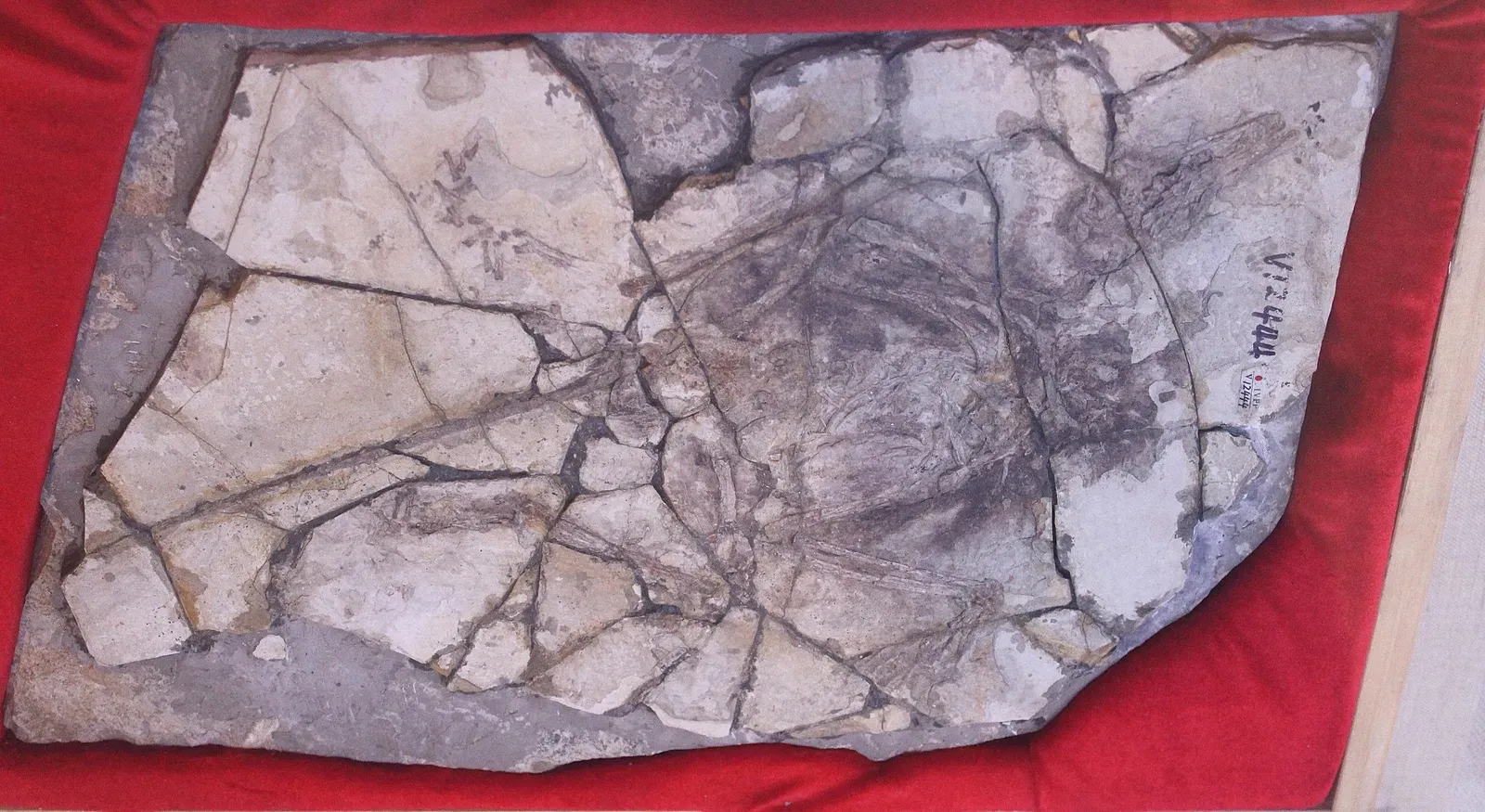
Science has a way of being extra vulnerable to hoaxes when everybody desperately wants the discovery to be true. Nothing in recent paleontology illustrates this more painfully than the Archaeoraptor scandal. Using high-powered X-rays that see through rock, scientists unveiled how a fraudulent fossil purported to be a “missing link” between dinosaurs and birds was glued together from mortar and bits of fossil and stone. Unveiled in October 1999, National Geographic magazine hailed the specimen, dubbed Archaeoraptor, as “a true missing link in the complex chain that connects dinosaurs to birds.” The story began in July 1997 in Xiasanjiazi, China, where farmers illegally but routinely dug in the shale pits and sold fossils to dealers for a few dollars. One farmer found a rare fossil of a toothed bird, complete with feather impressions. Nearby, he found a feathered tail and legs, and cemented several of these pieces together to make a more complete-looking fossil.
What makes this hoax uniquely painful is the sheer scale of the institutional failure. When Nature and Science both turned down the scientific paper, National Geographic found itself in the awkward position of publishing the description of and naming the fossil, which is supposed to happen in a scientific journal, not in a mainstream magazine, and it annoyed paleontologists. Subsequent detailed CT scans by Rowe ultimately revealed that Archaeoraptor was glued together from 88 different pieces of a number of different fossils. Significantly, two of those were species unknown to science, making the specimens important in their own right. The fossil was a fraud, yes, but it accidentally concealed real discoveries hiding within the fake ones. That’s almost poetic in a twisted way.
Why Fossil Hoaxes Keep Working: The Psychology Behind the Deception
Let’s be real. You cannot fully understand these hoaxes just by looking at the bones. You have to look at the people. Behind each great hoax, there stands a hoaxer. Some sought fame or academic recognition, others sought profit or revenge, and a few sought only amusement. Untangling the motivations of the hoaxers is fascinating, but the other side of the equation is equally compelling: the willingness of the audience to believe. That willingness is not stupidity. It’s something more deeply human.
Scientists, like all people, can be seduced by confirmation bias. When you desperately want a discovery to validate decades of research or a long-held theory, your critical filters can quietly switch off. These precious specimens, so valuable to science, can also be faked, and natural history museums around the world are increasingly finding such fakes in their collections. Fossil forgeries are partly driven by a thriving collector’s market. It’s a sobering reminder that the black market for fossils and the hunger for scientific glory are equally dangerous forces. The good news? We are getting better at detecting counterfeits. Modern forensic techniques like CT scanning, DNA analysis, fluorine dating, and 3D imaging have made it exponentially harder to slip a fraud past today’s scientific community.
Conclusion
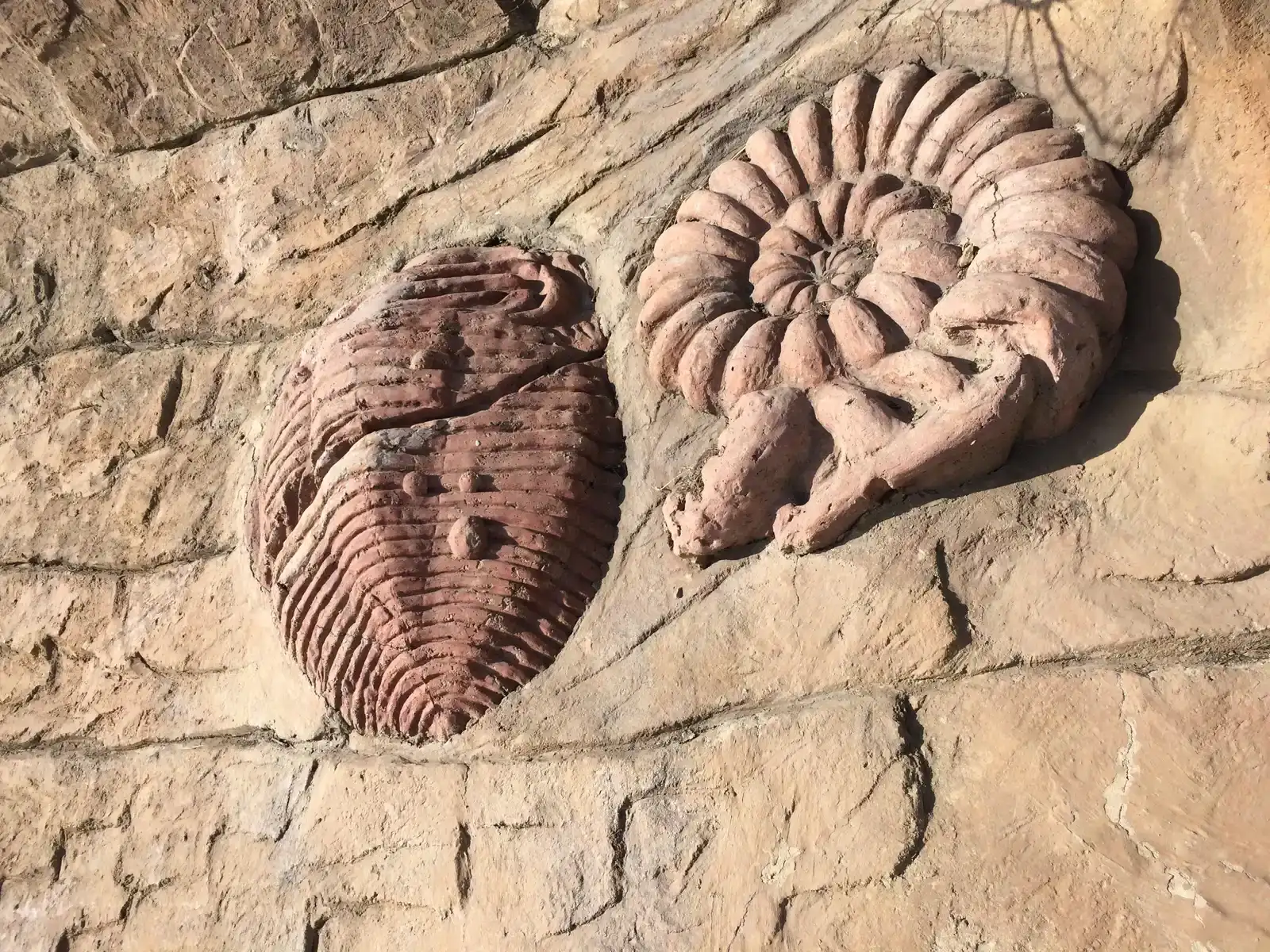
did not just mislead scientists. They held up a mirror to the entire enterprise of human knowledge. Every hoax in this list succeeded precisely because it exploited something real: the desire for discovery, the hunger for recognition, the pull of a great story, and the very real difficulty of questioning a colleague’s find in a polite academic world.
It’s hard to say for sure whether paleontology has fully stamped out its vulnerabilities to fraud. The field has grown dramatically more rigorous since the Piltdown disaster, and tools like ancient DNA analysis and high-resolution CT scanning now give researchers defenses that earlier generations could never have imagined. Still, as long as there are fossils, collectors willing to pay fortunes for them, and researchers chasing the thrill of a groundbreaking discovery, the temptation to bend the truth will never fully disappear. The real lesson from all these exposed hoaxes is not that science is broken. It’s that science ultimately works, just sometimes embarrassingly slowly. What would you have guessed the most dangerous ingredient in a fossil hoax to be? The forged bone, or the eager believer who finds it? Tell us what you think in the comments.