Imagine standing on a single, unbroken landmass so vast that you could walk from what is now Antarctica to modern-day Canada without ever getting your feet wet. No oceans splitting the world in two. No isolated islands. Just one enormous supercontinent teeming with life, where creatures roamed freely across distances that would utterly baffle us today. It sounds almost mythological, but it was very much real.
The story of how Earth’s shifting geography sculpted prehistoric life is, honestly, one of the most extraordinary tales this planet has ever told. It involves colossal geological forces, the slow-motion drama of continents drifting apart and crashing back together, mass extinctions, and an explosion of biodiversity so remarkable it still shapes the living world you see right now. Let’s dive in.
The Supercontinent That Started It All: Pangaea
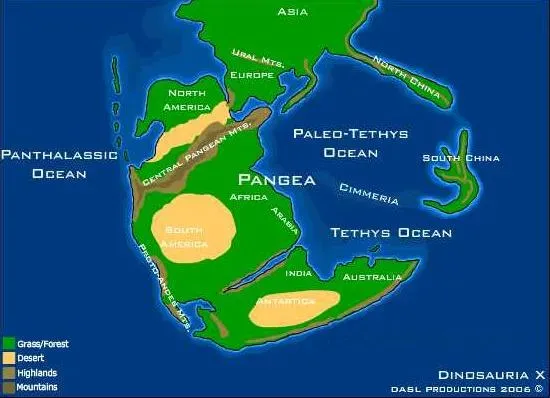
You might have heard the name Pangaea tossed around in a high school science class, but let’s be real, most people never fully grasp just how staggering this landmass actually was. Pangaea was a supercontinent that existed approximately between 270 and 200 million years ago, uniting most of the world’s current continents into a single landmass. Think about that for a moment. Every continent you can name on a world map was once pressed together like puzzle pieces jammed into one enormous block.
Pangaea began to form about 300 million years ago, during the late Carboniferous period, as all of Earth’s landmasses moved slowly toward each other. By the late Permian, roughly 255 million years ago, the landmasses were joined together, forming a compact supercontinent that comprised the major terrestrial habitat of the time. For all the creatures living then, the entire terrestrial world was essentially one gigantic stage with no barriers, no oceans, and no isolation. Species could spread wherever conditions suited them, and many did exactly that.
Life During the Age of One World
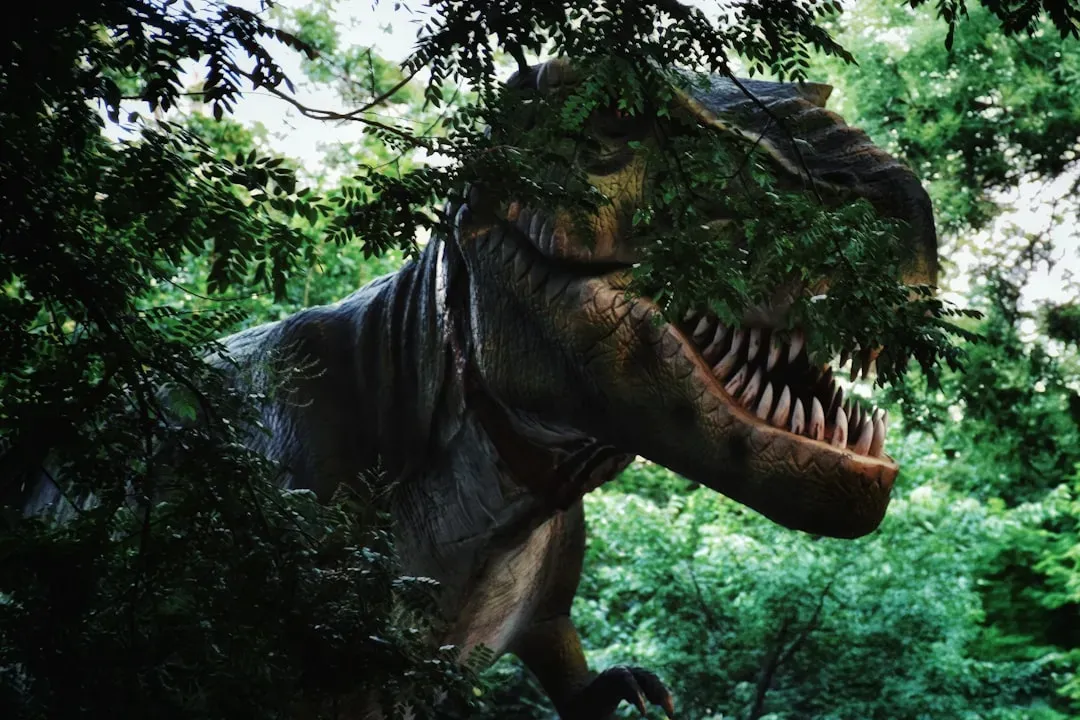
By about 180 million years ago, nearly all the land was united in one large continent called Pangaea, and the water was in one large ocean called Panthalassa. This time period is the Jurassic Period of the Mesozoic Era, nicknamed the age of dinosaurs because of their prominence. In addition to dinosaurs, there were many species of cockroaches, other reptiles, and gymnosperms including conifers and cycads. You’d recognize almost nothing alive during this period, yet everything alive today traces its lineage back to it.
Because the landmass was all united and organisms could spread anywhere on it that provided a suitable habitat, life forms or their ancestors present at that time are represented on all present continents, whereas types of organisms that appeared later, after the break-up of Pangaea, are only found in certain places. This is a profound realization. When you see the same fossil species turning up across multiple continents today, you’re looking at a living snapshot of a world that no longer exists.
The Fossils That Proved Everything: Clues Across Continents
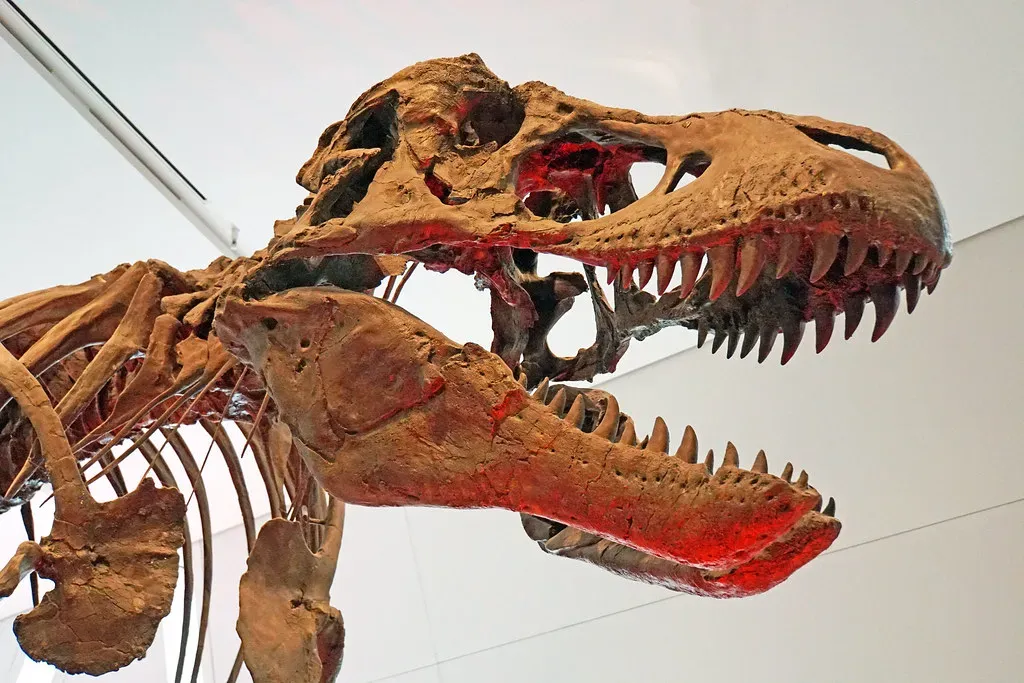
Here’s the thing: before anyone could accept that continents actually moved, the fossil record had to make the case. Paleontologists kept finding similar animals in very distant places, and Wegener cited this evidence in his research. How could experts explain the same species showing up an ocean apart if those continents had never moved? It was the kind of scientific puzzle that kept people awake at night.
Explorers and paleontologists who braved the harsh conditions of Antarctica found a prehistoric seed fern called Glossopteris that grew about 260 million years ago. In strata dating to the beginning of the Triassic Period, about 250 million years ago, paleontologists found fossils of protomammals like the weasel-like Thrinaxodon and the tubby, tusked Lystrosaurus. These distant relatives of ours had been found in rocks of the same age in South Africa. These animals were not adapted to swimming and couldn’t have made the swim from prehistoric South Africa to Antarctica even if a pathway existed for them to do so. That single insight shattered the old assumption that continents were always fixed. I think it’s one of the most elegantly simple proofs in the history of science.
The Great Breakup: When Pangaea Shattered Into Pieces
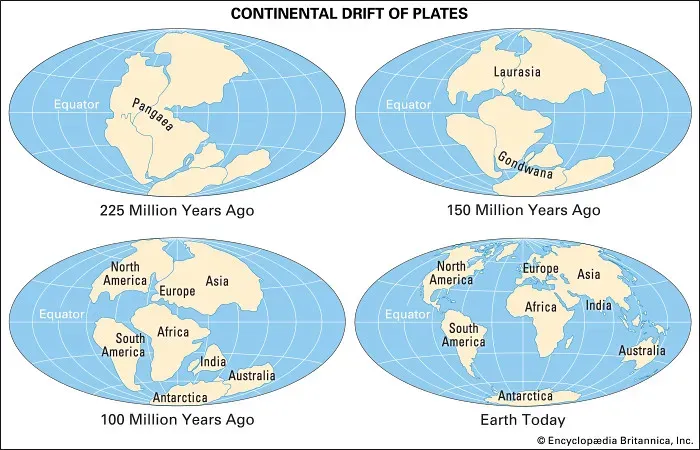
Sometime between 180 and 120 million years ago, Pangaea started to break apart. This wasn’t an explosion, of course. It was an almost unimaginably slow tearing, inch by inch, decade by decade, eon by eon. Still, in geological terms, it was one of the most consequential events in the history of life on Earth.
In the middle of the Jurassic, the rift between Africa and North America continued to spread, detaching the southern portion of North America from the northern part of South America. This resulted in the formation of two supercontinents: Gondwana in the south and Laurasia in the north. For the dinosaurs and other animals living on Earth’s surface, the split between the supercontinents led to divergent evolution, as unique species formed on each continent in response to different environmental conditions. Once separated, populations of the same ancestral species began walking different evolutionary paths, and the results were extraordinary.
Isolation and Its Astonishing Consequences: The Story of Australia’s Marsupials
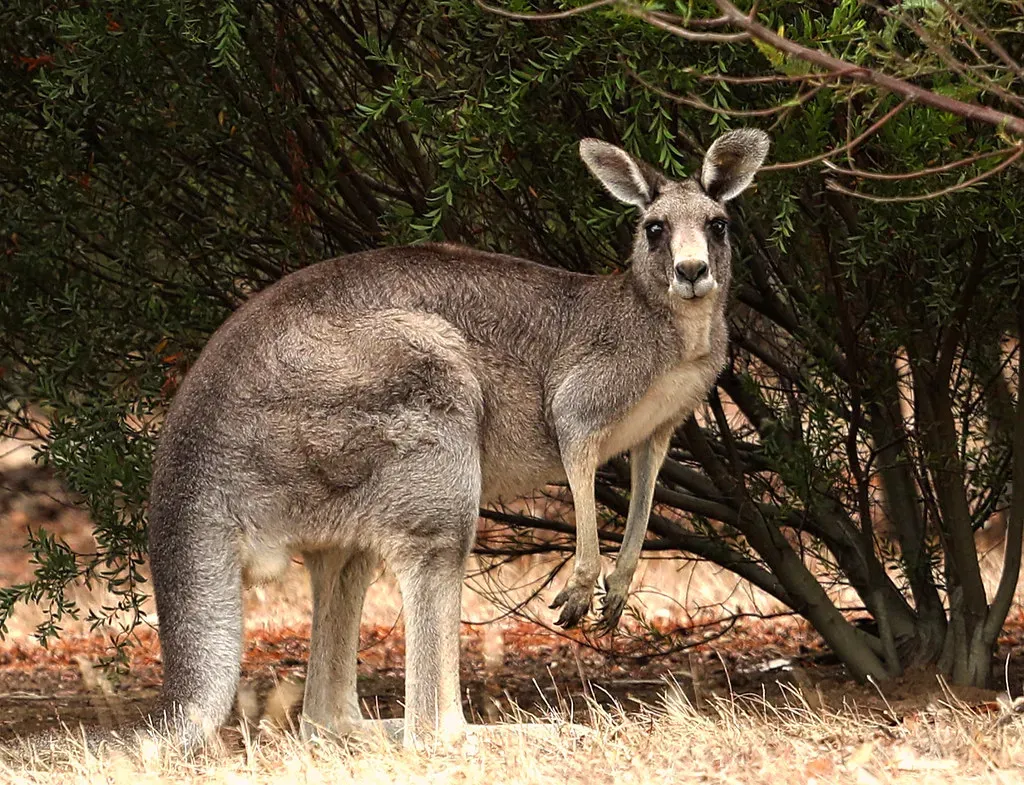
If you want the single most dramatic example of what geographic isolation can do to animal life, look at Australia. Australia, the smallest of the seven continents, is the world capital of two of the three types of mammal on Earth: the marsupials, like the kangaroo and koala, which nourish their young in pouches, and the monotremes, featuring the platypus and the echidna, which nourish their young in eggs. This is directly the result of millions of years of continental separation from the rest of the world.
By about 65 million years ago, Australasia was isolated from all other continental masses, and there marsupials evolved into many diverse forms, one of which, Diprotodon (a genus of giant wombats), rivaled the mastodons in bulk. Because of their lower resting metabolic rate, marsupials could survive using less energy than similar-sized placental mammals, and they flourished. The isolation of an entire continent produced a living laboratory unlike anything else on the planet, a place where the rules of mammalian evolution were rewritten from scratch.
When Continents Collide: Mountains That Reshaped Climates and Creatures
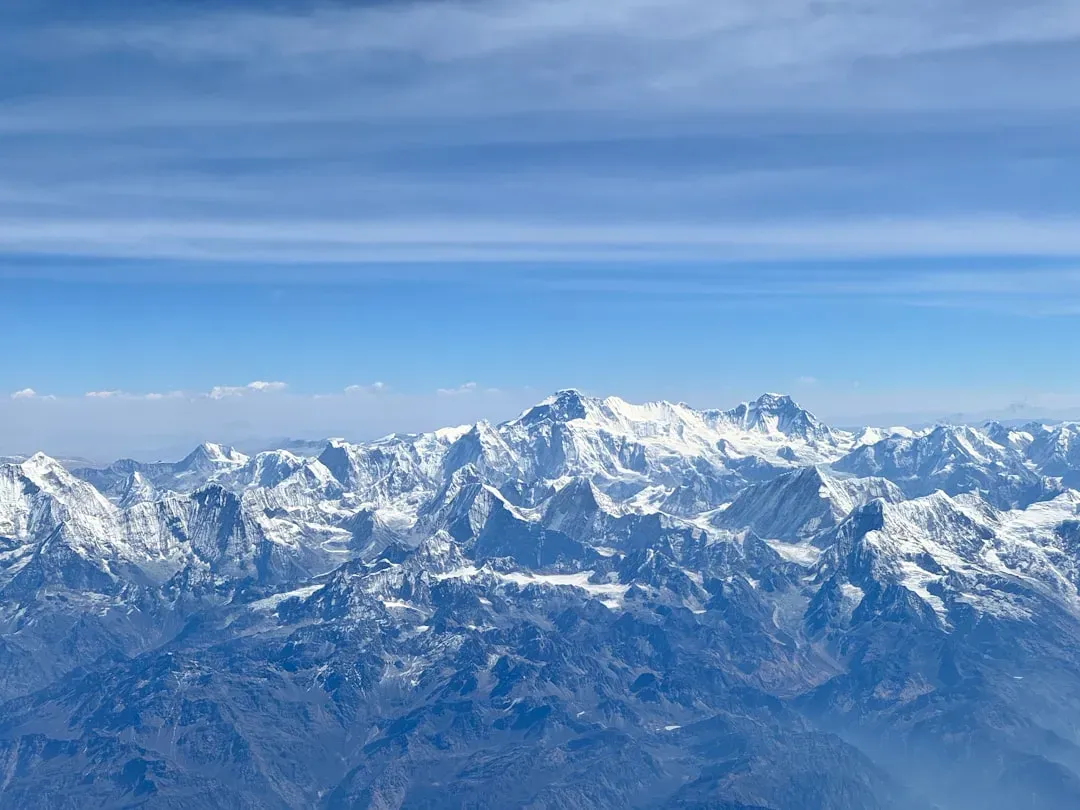
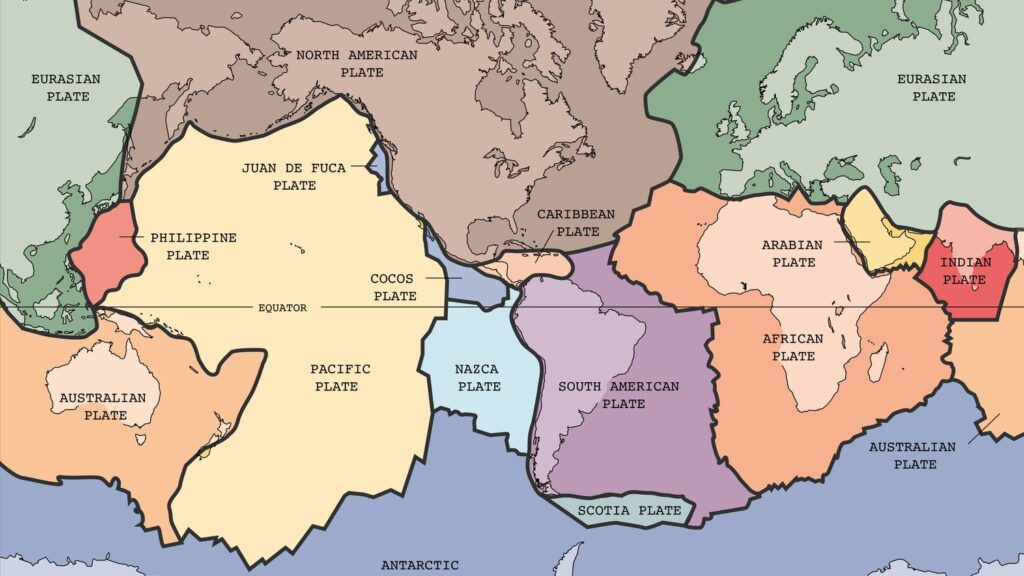
Not every chapter in this story is about separation. Sometimes continents crashed back together, and those collisions had consequences just as profound. About 80 million years ago, India was located roughly 6,400 km south of the Asian continent, moving northward at a rate of about 9 meters a century. When India rammed into Asia about 40 to 50 million years ago, its northward advance slowed by about half. The collision and associated decrease in the rate of plate movement are interpreted to mark the beginning of the rapid uplift of the Himalayas. It’s like watching two slow-motion freight trains collide in geological time.
The range plays a critical role in influencing the climate across Asia, acting as a barrier to monsoonal winds and contributing to diverse ecological habitats. The rain shadowing of the Himalayas is also believed to play an important part in the formation of Central Asian deserts, such as the Taklamakan and Gobi. In other words, one tectonic collision didn’t just build mountains. It fundamentally redesigned the weather patterns, ecosystems, and animal communities across an enormous portion of the planet’s surface. The creatures that evolved in these new climate zones were responding, generation by generation, to a landscape born from colliding continents millions of years earlier.
The Long Legacy: How Continental Drift Still Explains the World Today
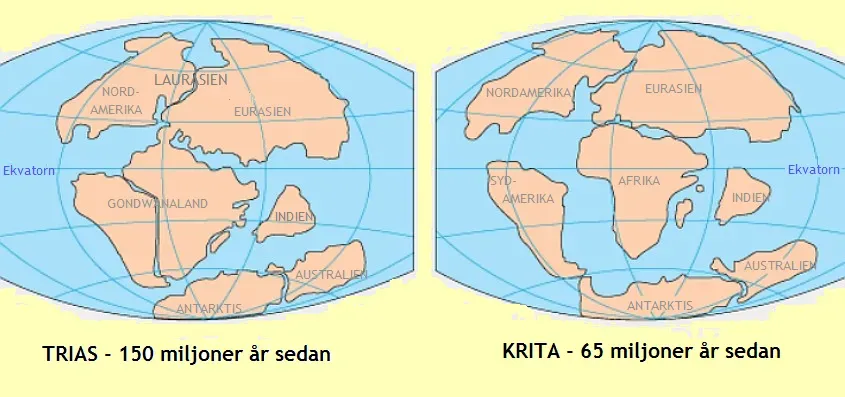
You might think all of this is ancient history with no real relevance now. Think again. As the continents eventually drifted apart, some creatures that lived in places where the continents separated started to become different from each other. Countless different related species are the result of continental drift. Every time you see a group of seemingly unrelated animals performing similar ecological roles on different continents, you are watching the outcome of this ancient reshuffling in real time.
The break-up of the supercontinent Pangaea around 180 million years ago has left its imprint on the global distribution of species and resulted in vicariance-driven speciation. Understanding the patterns of continental drift has greatly increased scientists’ understanding of the modern distribution patterns of living things. Side-necked turtles, for instance, have changed little since the Jurassic period. Scientists presume they dispersed throughout Gondwana before it broke apart. Today the turtles are found in parts of South America, Africa, Madagascar, Australia, and islands of the Indian Ocean, but in no other parts of the world. Their modern range is essentially a fossilized map of an ancient supercontinent, pressed into the geography of the living world.
Conclusion
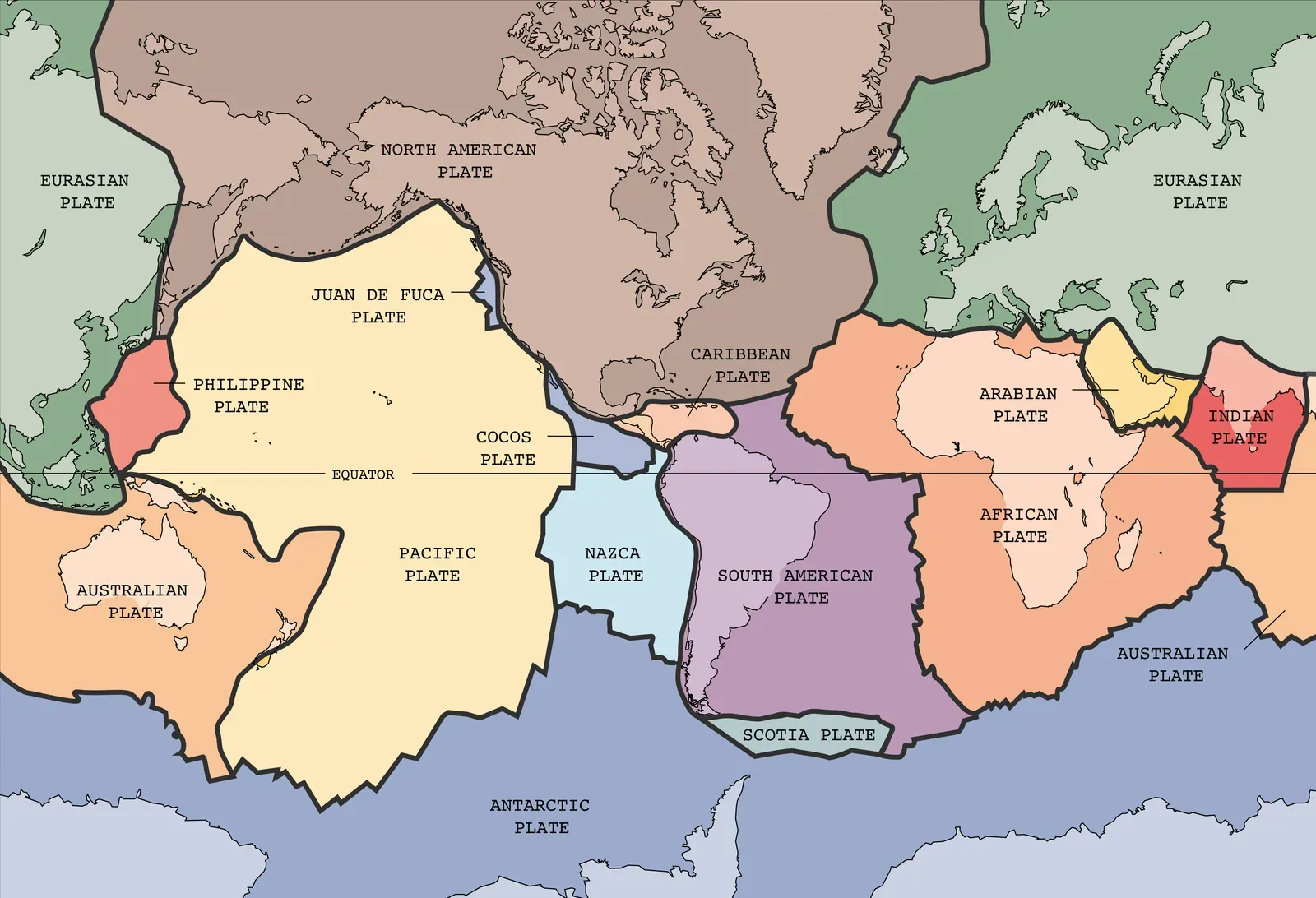
The story of how continents is, at its heart, a reminder that the living world is never static. Every mountain range, every ocean basin, every isolated island continent is a stage set by deep time, and the creatures that evolved upon those stages were products not just of biology but of geography itself. The kangaroo, the Himalayan snow leopard, the side-necked turtle, even the dinosaurs that once roamed freely across a unified Pangaea, they are all characters in a planetary drama written by shifting tectonic plates over hundreds of millions of years.
What strikes me most is the sheer scale of it all. You realize that the diversity of life on Earth is not random. It was sculpted, piece by piece, by the movement of continents so slow you could never feel it, yet so powerful it changed everything. The world you live in today is the direct result of ancient collisions and separations happening far beneath your feet. Next time you look at a map, think about what it once looked like, and what incredible creatures walked across that vanished world. Does it change the way you see the planet you’re standing on?