We tend to think of today’s Amazon or the Congo Basin as the ultimate benchmark for biological diversity. Walk through a single hectare of tropical rainforest, and you’re surrounded by hundreds of tree species, thousands of insects, and life forms that science hasn’t even named yet. It’s breathtaking, really. A single hectare of tropical rainforest may contain over 480 tree species. That is genuinely hard to wrap your head around.
Yet as staggering as that sounds, Earth has hosted ecosystems in its deep past that rival, and in certain measurable ways surpassed, even these modern wonders of biodiversity. Think of it like comparing a modern city to ancient civilizations. You might assume the modern version is always the most complex, but history has a way of humbling that assumption. Let’s dive in.
The Carboniferous Coal Forests: A World Before Flowers
Imagine a forest so vast and so alien-looking that nothing you’ve ever seen in nature would prepare you for it. Coal forests, or coal swamps, were the vast swathes of freshwater swamp and riparian forests that covered much of the lands on Earth’s tropical regions during the late Carboniferous and Permian periods. You wouldn’t recognize a single tree. Not one.
Vegetation included giant club mosses, tree ferns, great horsetails, and towering trees with strap-shaped leaves. These weren’t just oversized versions of things you see in a garden center. They were evolutionary experiments, radically different structural designs for capturing sunlight, reproducing, and dominating an entire planet’s landscape. At their greatest, the so-called coal forests covered 20 million square kilometers. That’s an area larger than all of South America.
What made this ecosystem truly extraordinary was the atmospheric effect it created. The growth of these forests removed huge amounts of carbon dioxide from the atmosphere, leading to a surplus of oxygen, with atmospheric oxygen levels peaking around 35 percent, compared with 21 percent today. More oxygen in the air meant bigger animals were possible. Deadly poisonous centipedes some six feet in length crawled in the company of mammoth cockroaches and scorpions as much as three feet long. Honestly, that alone is the stuff of nightmares.
The Cambrian Ocean: When Life Invented Itself
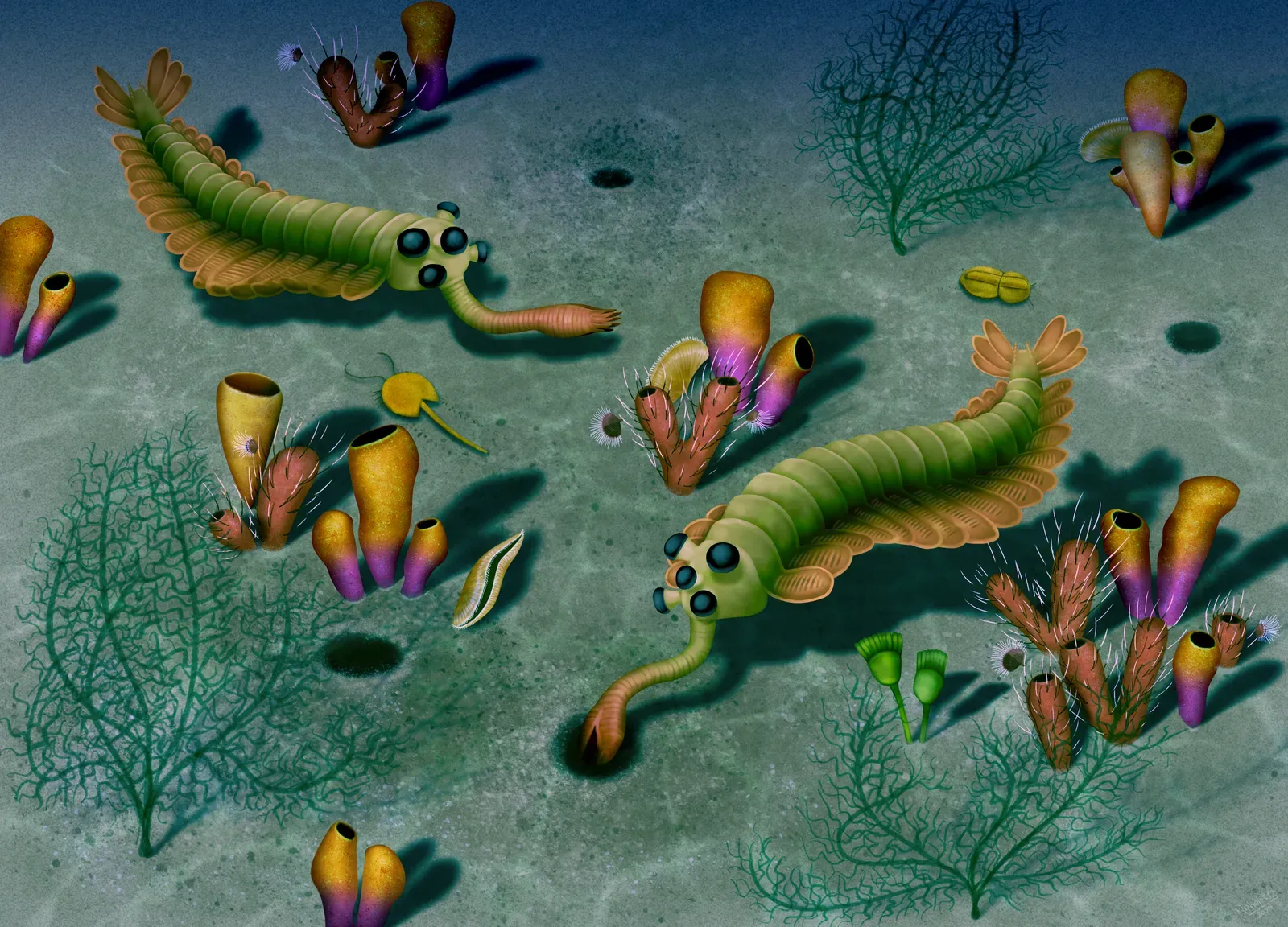
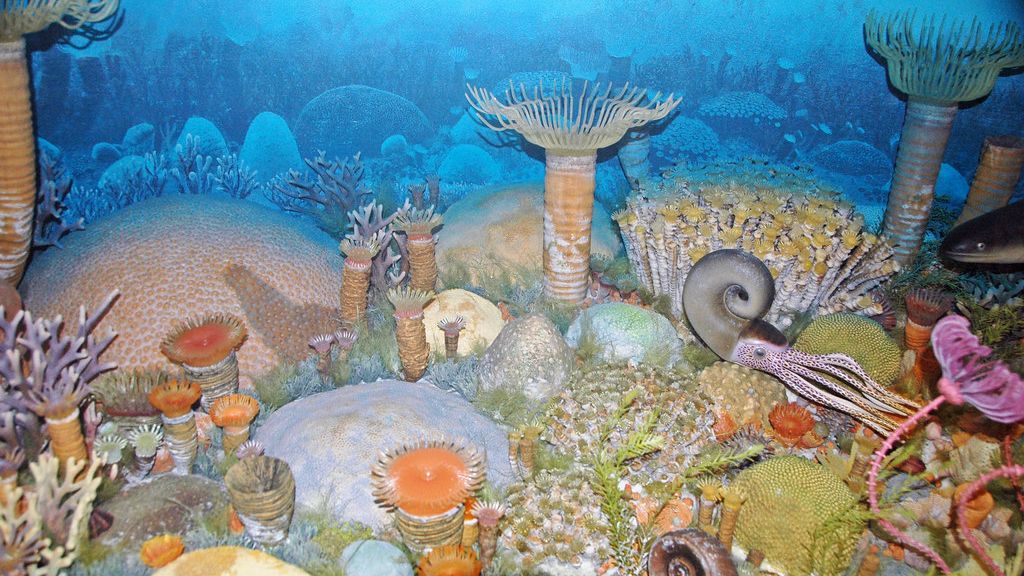
Here’s the thing about the Cambrian period: it was essentially life’s opening act, and it went completely off-script. The Cambrian explosion is a significant event in Earth’s history, occurring around 543 million years ago, marked by a rapid increase in the diversity of life forms, particularly in the oceans, where over a relatively short period of 20 to 30 million years, millions of new species emerged, laying the foundational lineages for nearly all modern animal groups.
The Cambrian Period marks an important point in the history of life on Earth; it is the time when most of the major groups of animals first appear in the fossil record, in an event sometimes called the “Cambrian Explosion,” because of the relatively short time over which this diversity of forms appears. Think of it less like gradual evolution and more like someone pressed fast-forward on a billion-year-long video. The rate of diversification seen in the Cambrian phase of the explosion is unparalleled among marine animals, affecting all metazoan clades of which Cambrian fossils have been found. No other period in Earth’s history comes close to that pace of invention.
This explosion of biodiversity is characterized by the appearance of complex organisms, including brachiopods, chordates, and arthropods, some of which evolved into early vertebrates. You could think of the Cambrian seas as the planet’s first great experiment: evolution with no rulebook, filling every conceivable niche in the ocean simultaneously. The diversity of body plans alone dwarfs anything seen in any modern ecosystem.
The Devonian Reef Systems: The Ocean’s First Megacity
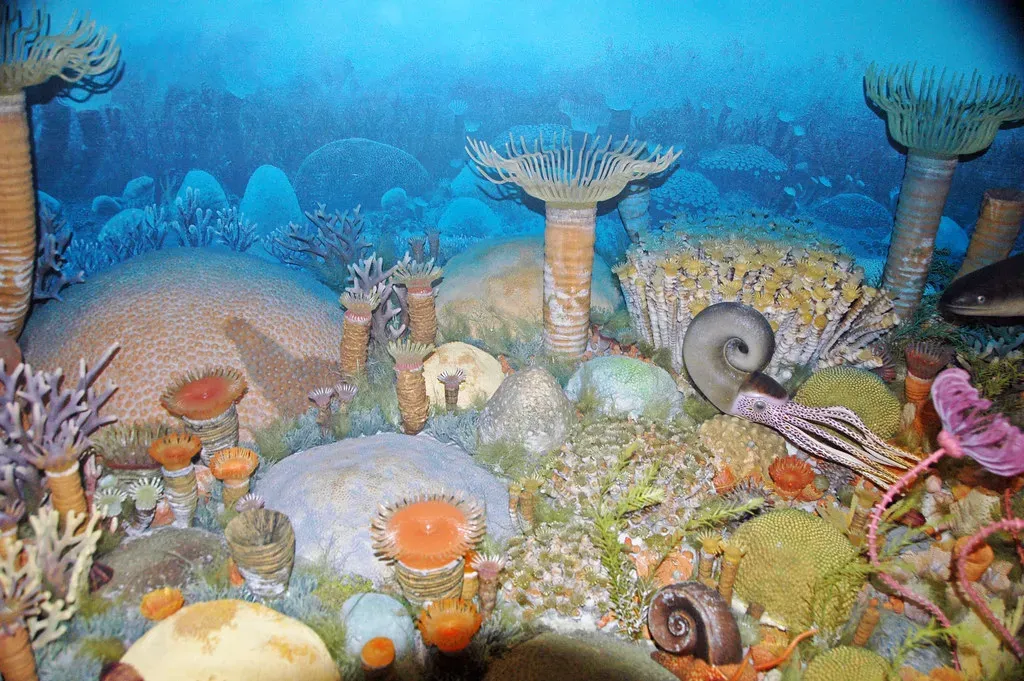
Long before corals as we know them existed, the Devonian Period was hosting reef ecosystems of genuinely epic proportions. In the oceans, the Devonian saw the evolution of the largest reef ecosystems in Earth history. That is not a small claim. These weren’t just reefs. They were sprawling, interconnected biological cities stretching across ancient shallow seas.
The Devonian, sometimes called the “Age of Fishes,” was a period of explosive innovation. The Devonian Period is characterized by the diversification of vertebrate life, the evolution of the first terrestrial vertebrates, the development of extensive reef ecosystems, and the emergence of Earth’s first forests. On land and in the water simultaneously, life was inventing new forms at a rate that staggers the imagination. The Devonian saw significant expansion in the diversity of nektonic marine life driven by the abundance of planktonic microorganisms in the free water column as well as high ecological competition in benthic habitats. The competition was ferocious, and that competition is precisely what drove diversity to remarkable heights.
The Devonian Forests: When Trees Rewrote the Planet
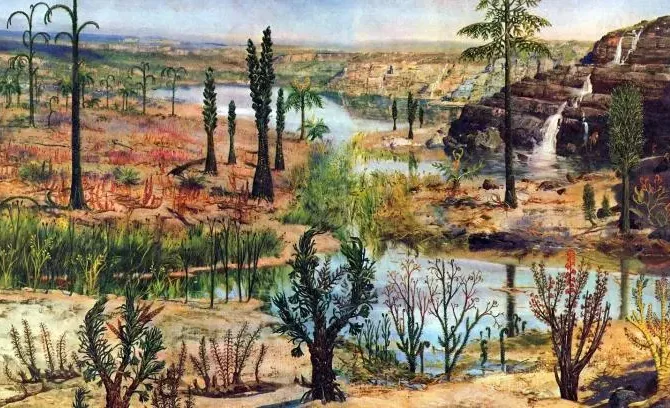
You might not immediately think of forests as ecosystems rivaling rainforests in diversity, but the first Devonian forests were more than just trees. They were world-changers. The first significant evolutionary radiation of life on land occurred during the Devonian, as free-sporing land plants began to spread across dry land, forming extensive coal forests which covered the continents. Nothing like this had ever happened before. The land had been mostly barren, and then suddenly it wasn’t.
Toward the end of the Devonian the first forests arose as stemmed plants evolved strong, woody structures capable of supporting raised branches and leaves, with some Devonian trees growing 100 feet tall, and by the end of the period the first ferns, horsetails, and seed plants had also appeared. These forests created entirely new niches on land, accelerating the diversification of insects, amphibians, and invertebrates in ways that permanently transformed life’s trajectory on Earth. Deep-rooted vascular plants, particularly trees, impacted weathering processes, nutrient transport, CO2 cycling, and organic carbon deposition. A single group of organisms reshaping an entire planet’s chemistry is, I think, one of the most extraordinary stories in natural history.
The Cretaceous Tropical Ecosystems: Dinosaurs Were Just the Opening Act
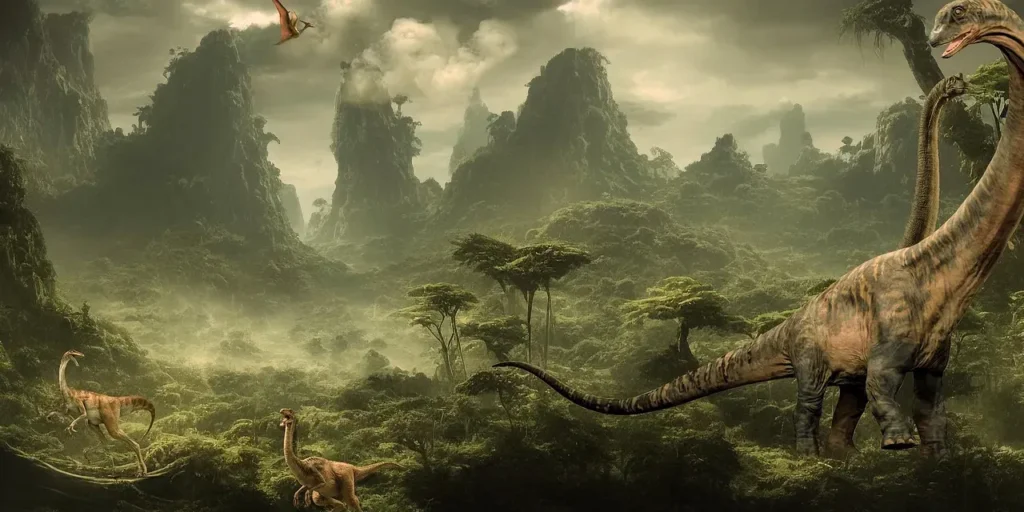
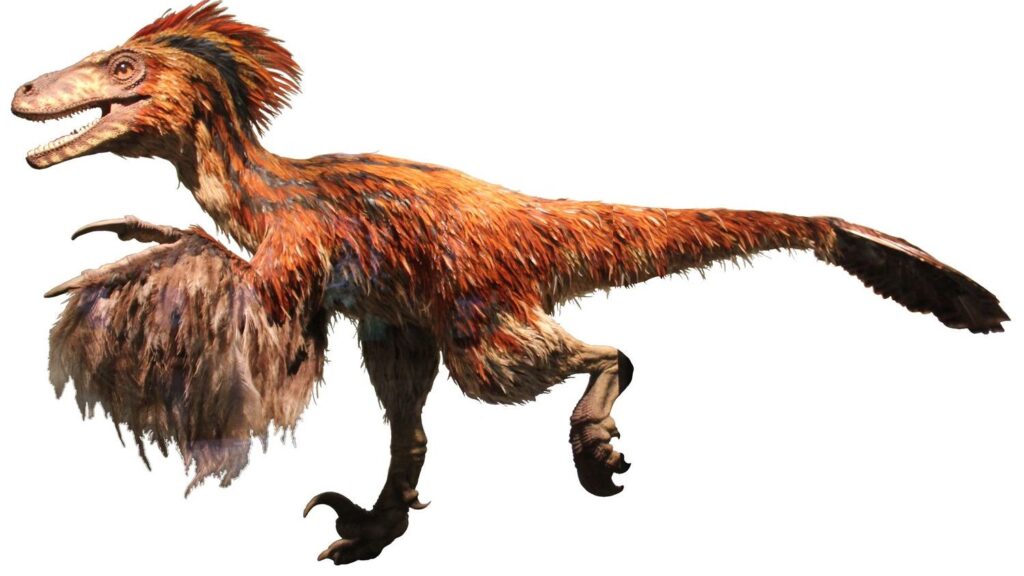
When most people picture the Cretaceous, they picture dinosaurs. Which is fair. Dinosaurs are spectacular. But let’s be real: the true story of Cretaceous biodiversity goes far deeper than the giants stomping around. A study published in Science explores how the bolide impact at the end of the Cretaceous period paved the way for the evolution of modern rainforests, the most diverse terrestrial ecosystems on Earth. That study tells us something crucial: the pre-impact world was extraordinarily rich.
Ash from the impact effectively fertilized the soil by adding more phosphorus, which likely benefited flowering plants over the conifers and ferns of the pre-impact era. Before that asteroid struck, the Cretaceous was a greenhouse world where warm temperatures pushed biodiversity into every corner of the planet, including latitudes that are frozen wastelands today. Forests stretched to the poles. Marine ecosystems teemed with ammonites, mosasaurs, and reef communities of startling complexity. The biodiversity footprint was, in many ways, planetary in scale.
The Eocene Warm Period: When Jungles Reached the Arctic
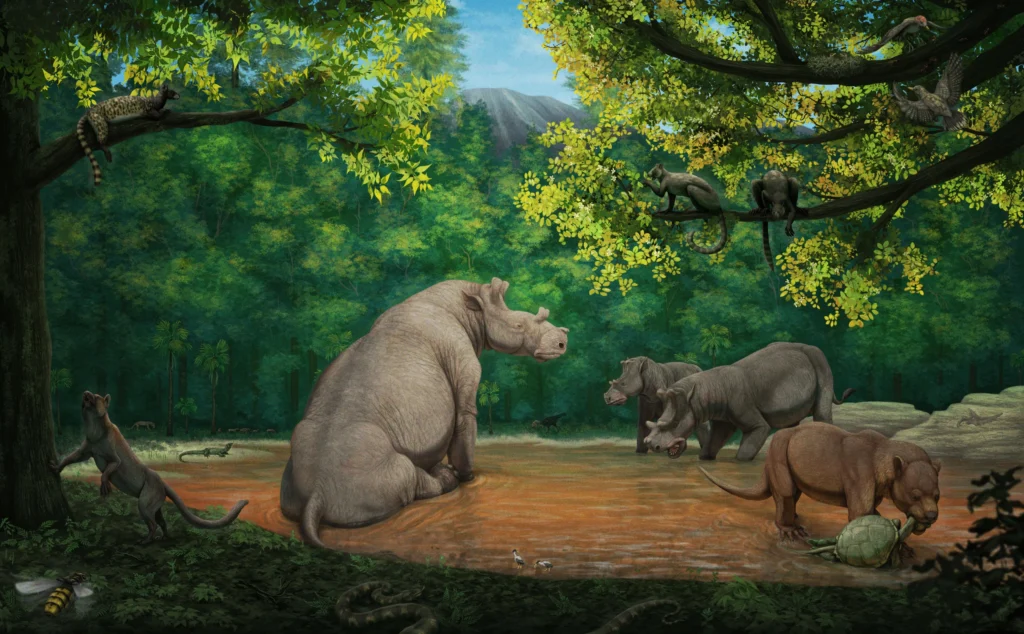
The Eocene epoch, roughly 34 to 56 million years ago, is one of the most fascinating chapters in Earth’s climate history and also one of the most biodiversity-rich. Climatically stable tropical biomes have existed for lengthier geological timescales, whereas those further from the equator tend to be plagued with fluctuating temperatures and rainfall intensity. During the Eocene, that instability was vastly reduced, because warm temperatures extended almost globally.
Think of it this way: the Eocene was like someone turning up the global thermostat and then forgetting to turn it back down for millions of years. Tropical and subtropical forests spread far north and south of today’s tropics, creating a near-continuous belt of warm forest habitats that allowed species to migrate and diversify on a scale simply impossible today. The rich biodiversity is attributed to the evolutionary history of these ecosystems, where many species retain ancient lineages, and the combination of stable climate, abundant resources, and high energy availability creates a unique and diverse habitat. The Eocene was, quite possibly, the golden age of forest biodiversity.
The Ordovician Marine World: Life’s Second Great Explosion
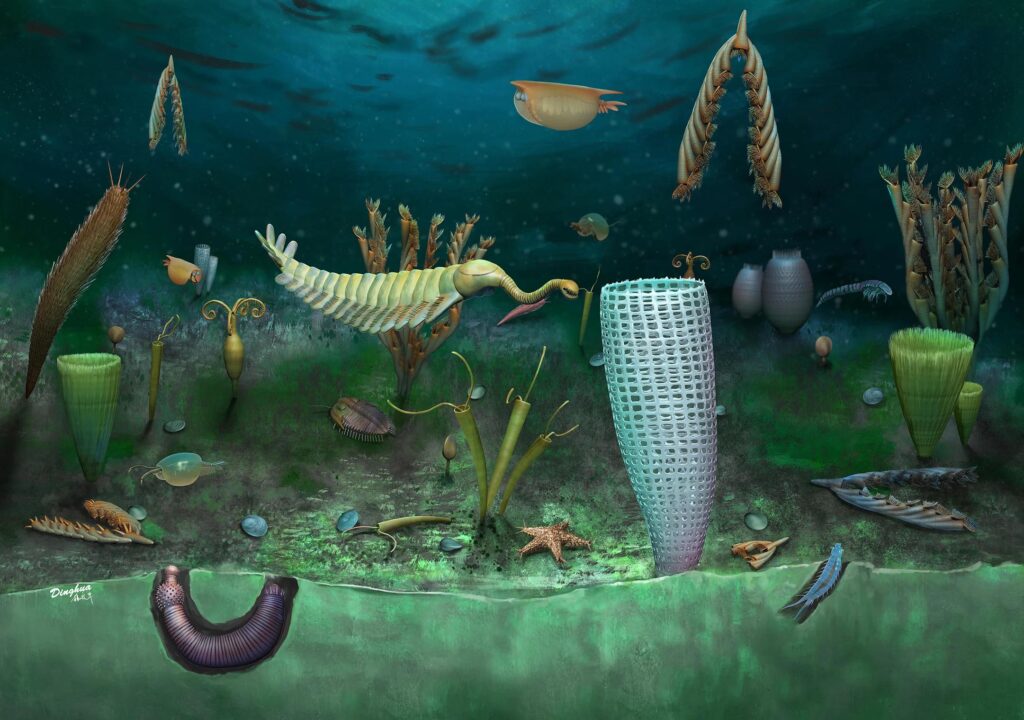
The Cambrian explosion gets all the press. It’s hard to compete with a story that dramatic. But not long after it, the oceans underwent a second massive surge in complexity that most people have never heard of. After an extinction at the Cambrian–Ordovician boundary, another radiation occurred, establishing the taxa that would dominate the Palaeozoic, in an event known as the Great Ordovician Biodiversification Event, considered a “follow-up” to the Cambrian explosion.
The Ordovician seas were some of the most complex marine ecosystems Earth has ever produced. Trilobites, brachiopods, crinoids, corals, and early mollusks all radiated simultaneously across the world’s oceans, filling niches at every depth and in every water temperature. Trilobites first arose about 545 million years ago in the early Cambrian and thrived throughout the world’s oceans. The sheer variety of ecological roles being filled simultaneously during this period challenges any comparison to modern marine diversity. It was an ocean teeming with architectural variety on a scale we simply don’t see today.
The Pennsylvanian Peat Swamps: Life Stacked on Life
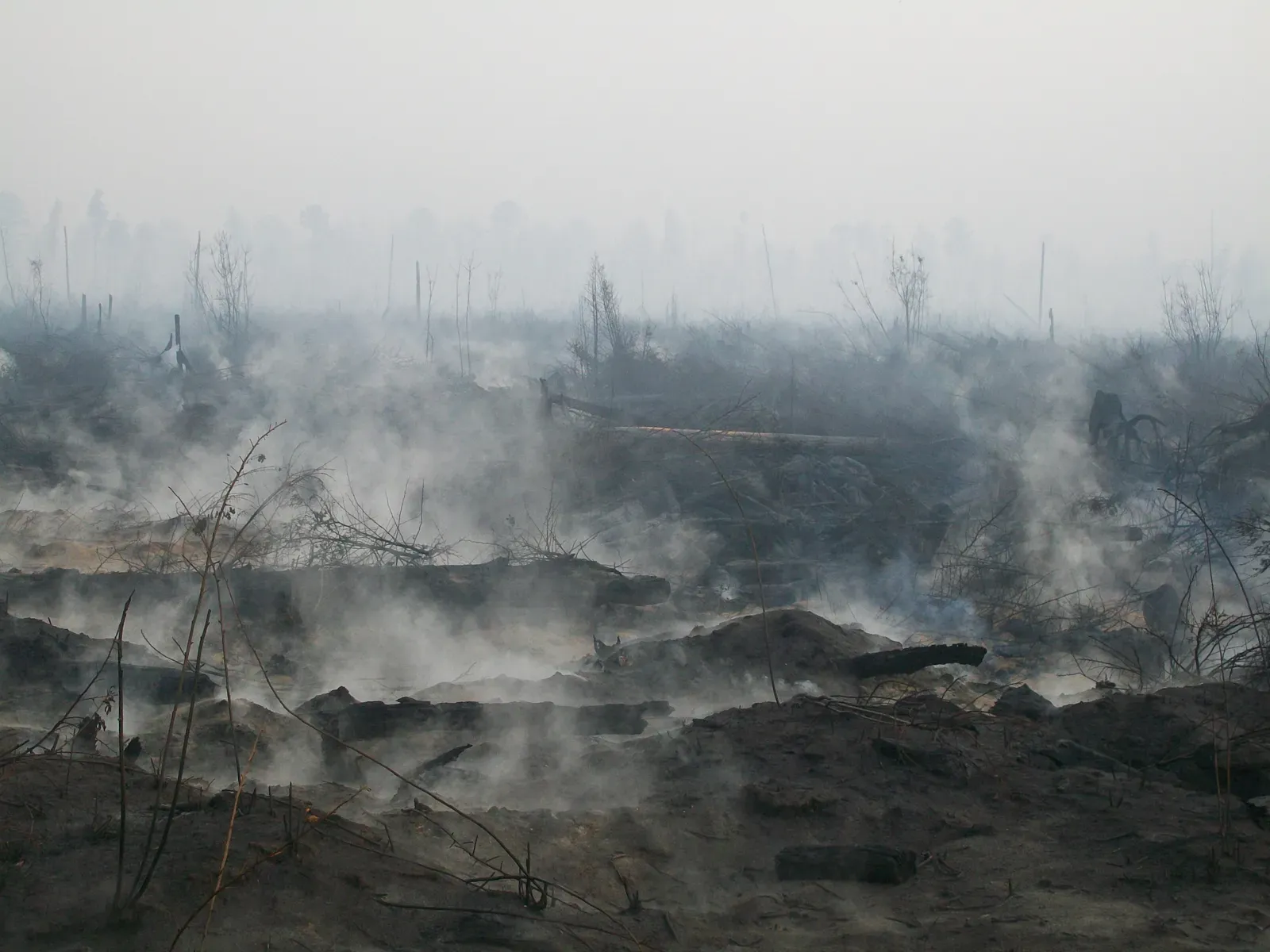
Within the broader story of the Carboniferous, the Pennsylvanian sub-period deserves its own spotlight. An unparalleled interval of carbon sequestration in Earth’s history occurred during the late Carboniferous and Permian Periods, when arborescent vascular plants related to living club mosses, ferns, horsetails, and seed plants formed extensive forests in coastal wetlands. This wasn’t just one type of forest. It was multiple overlapping forest communities, stacked vertically and horizontally across an entire supercontinent.
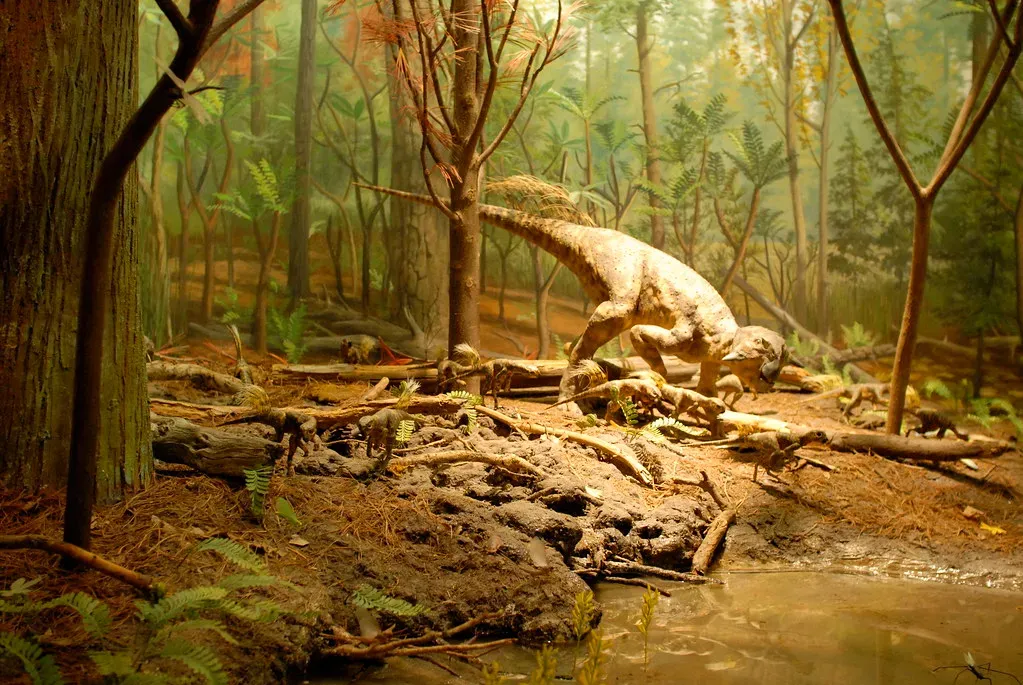
Well over 100 whole-plant species have been identified in coal balls from the upper Carboniferous of Europe and the United States, across a time span of 12 to 15 million years. For an ecosystem that lacked flowering plants entirely, that is a remarkable catalog of botanical diversity. Animals inhabiting the coal forests were invertebrates, particularly insects, fish, labyrinthodont amphibians, and early reptiles, and once the coal forests fragmented, the new environment was better suited to reptiles, which became more diverse and varied their diet in the rapidly changing environment. The fragmentation itself, as strange as it sounds, became a driver of even more evolutionary innovation.
Pre-Asteroid Impact Tropical Forests: The World Before the Reset
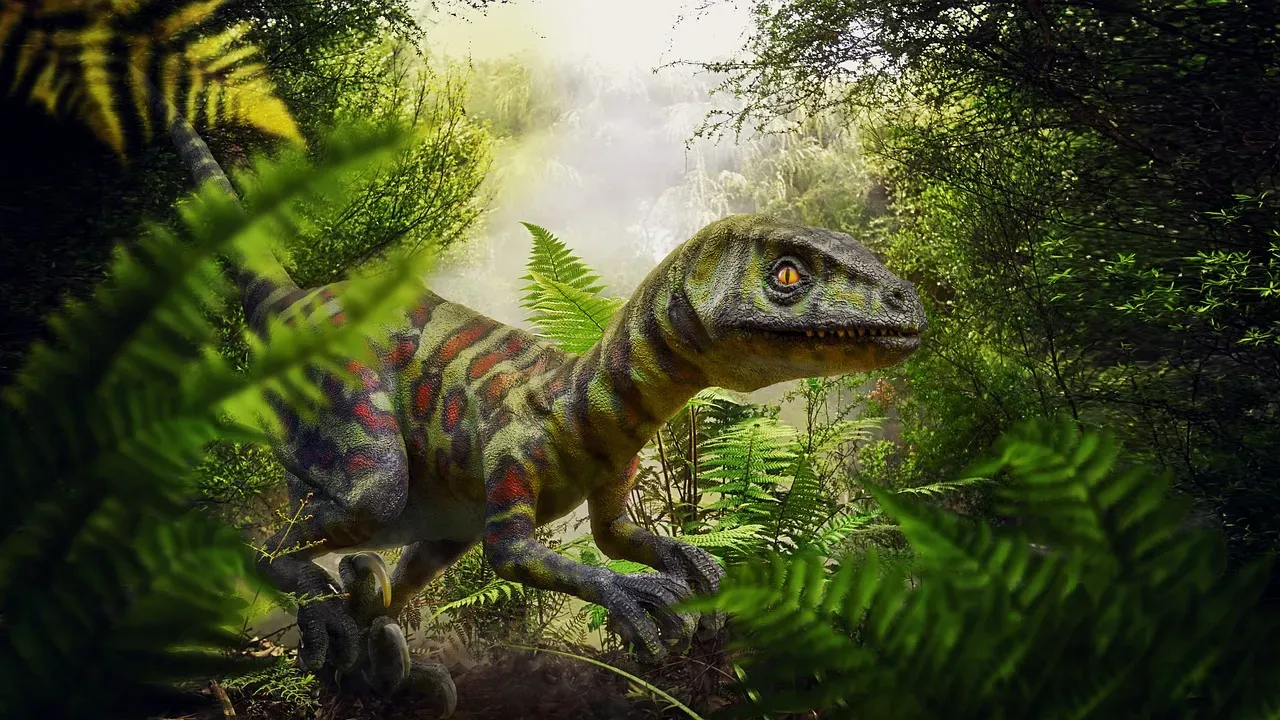
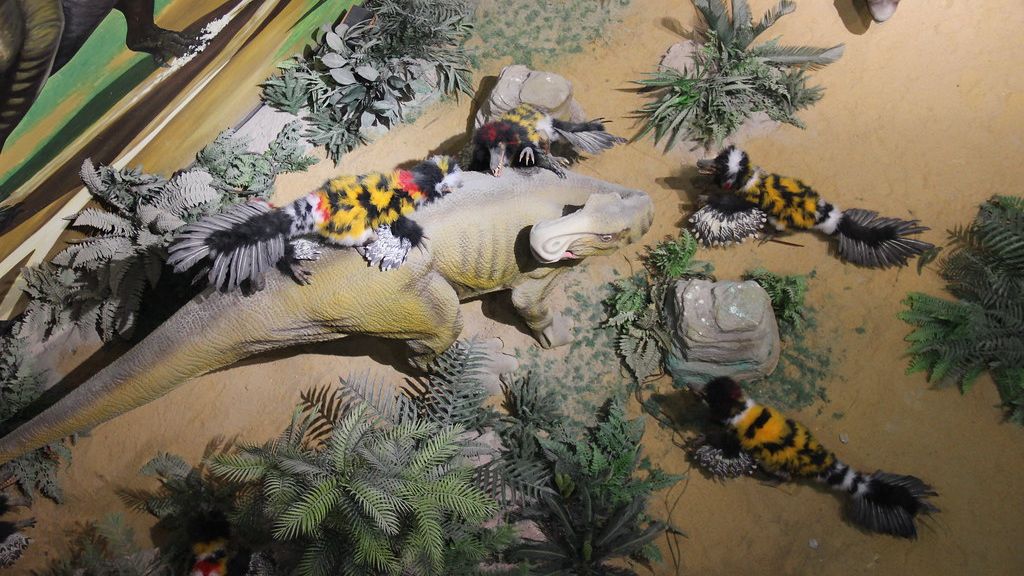
It’s hard to fully appreciate what was lost 66 million years ago without recognizing what existed just before that moment. About 66 million years ago, a massive asteroid slammed into present-day Chicxulub, Mexico, triggering the extinction of dinosaurs, with scientists estimating the impact killed roughly three quarters of life on Earth. Three quarters. The scale of that loss is almost incomprehensible.
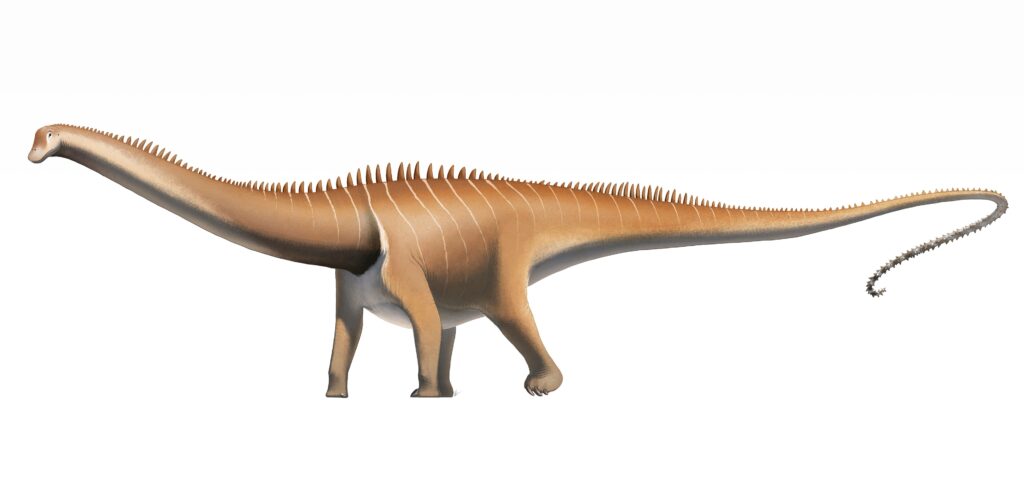
The tropical forests that existed before that impact were structurally and compositionally different from today’s. Today’s rainforests are significantly more biodiverse than they were 66 million years ago, with one potential reason being that the more densely packed canopy structure of the post-impact era increased competition among plants, leading to the vertical complexity seen in modern rainforests. In other words, paradoxically, the destruction of the pre-impact world eventually gave birth to the complexity of our current rainforests. But before the reset, the pre-impact forests hosted an entirely different kind of diversity: ancient plant lineages, dinosaur herbivores that shaped the landscape, and ecological relationships that were millions of years in the making. The extinction of long-necked, leaf-eating dinosaurs probably helped maintain this closed-canopy structure that defines forests as we know them today.
Conclusion: Ancient Worlds That Put Ours in Perspective
You’ve just taken a tour through nine ecosystems that challenge the comfortable assumption that today’s world represents the peak of nature’s creativity. From Cambrian oceans teeming with experimental life forms, to forests where centipedes grew to six feet long and trees had no flowers, Earth’s past is genuinely shocking in its diversity and strangeness.
The Amazon and the Congo Basin are irreplaceable and extraordinary. They are incredibly diverse and complex, with more than half of the world’s plant and animal species calling rainforests home, even though they cover just two to six percent of Earth’s surface. That is not a small thing. Protecting them matters enormously. Yet understanding that life has repeatedly built worlds even more complex, more diverse, and more inventive than our own serves as a humbling reminder of what Earth is capable of, and what we stand to lose.
History doesn’t repeat itself, but biodiversity clearly tries its best to do so, given enough time. The real question is: will we give it that time? What do you think? Share your thoughts in the comments below.