
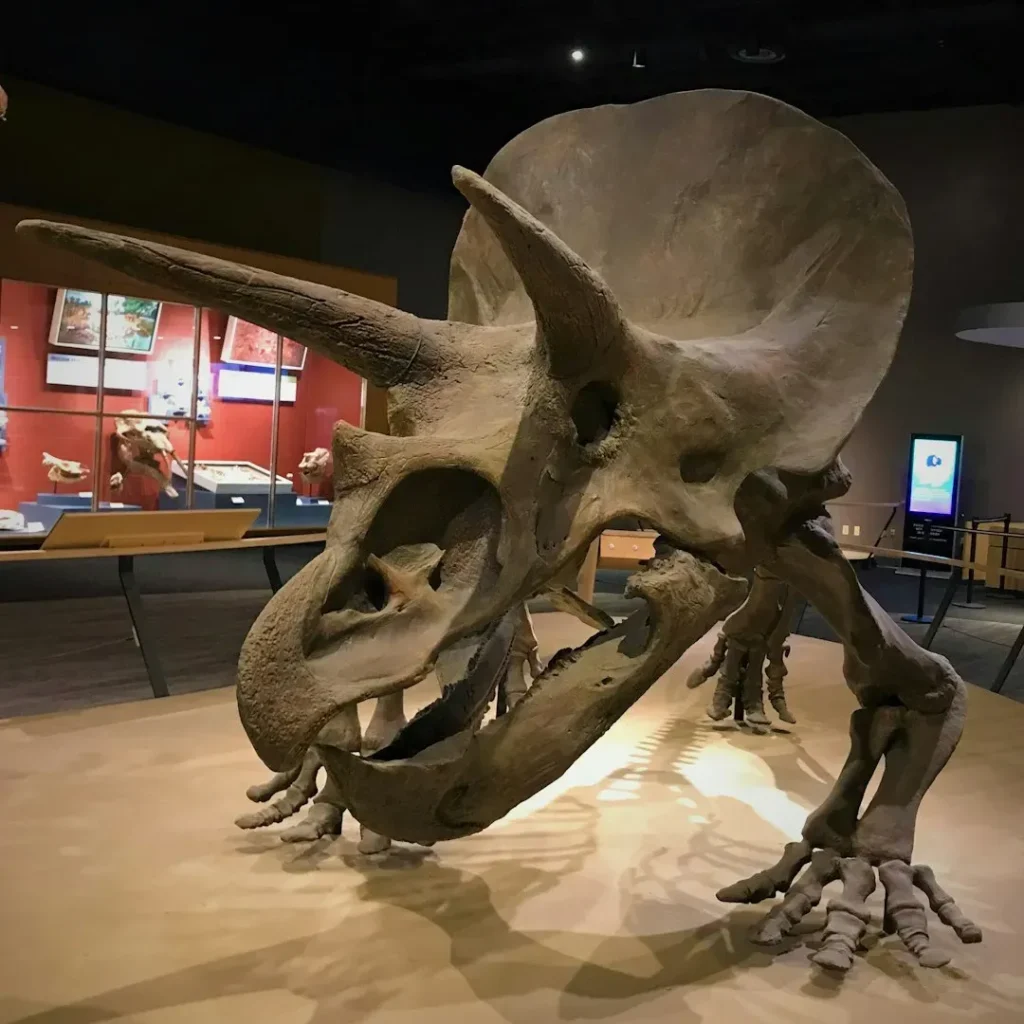
Dinosaurs have fascinated us for centuries. Long before science gave them names, humans were stumbling across their colossal bones and building myths around them. Today, though, we have something far more powerful than mythology. We have science, and it keeps delivering bombshells.
Every few years, a discovery lands that doesn’t just add a footnote to the story of prehistoric life. It rewrites entire chapters. From swimming giants to armor-plated tanks with camouflage, the last few decades have reshaped our mental image of what these animals actually were. What you learned in school is probably already out of date. Let’s dive in.
1. The Borealopelta Mummy: A Dinosaur That Still Looks Alive
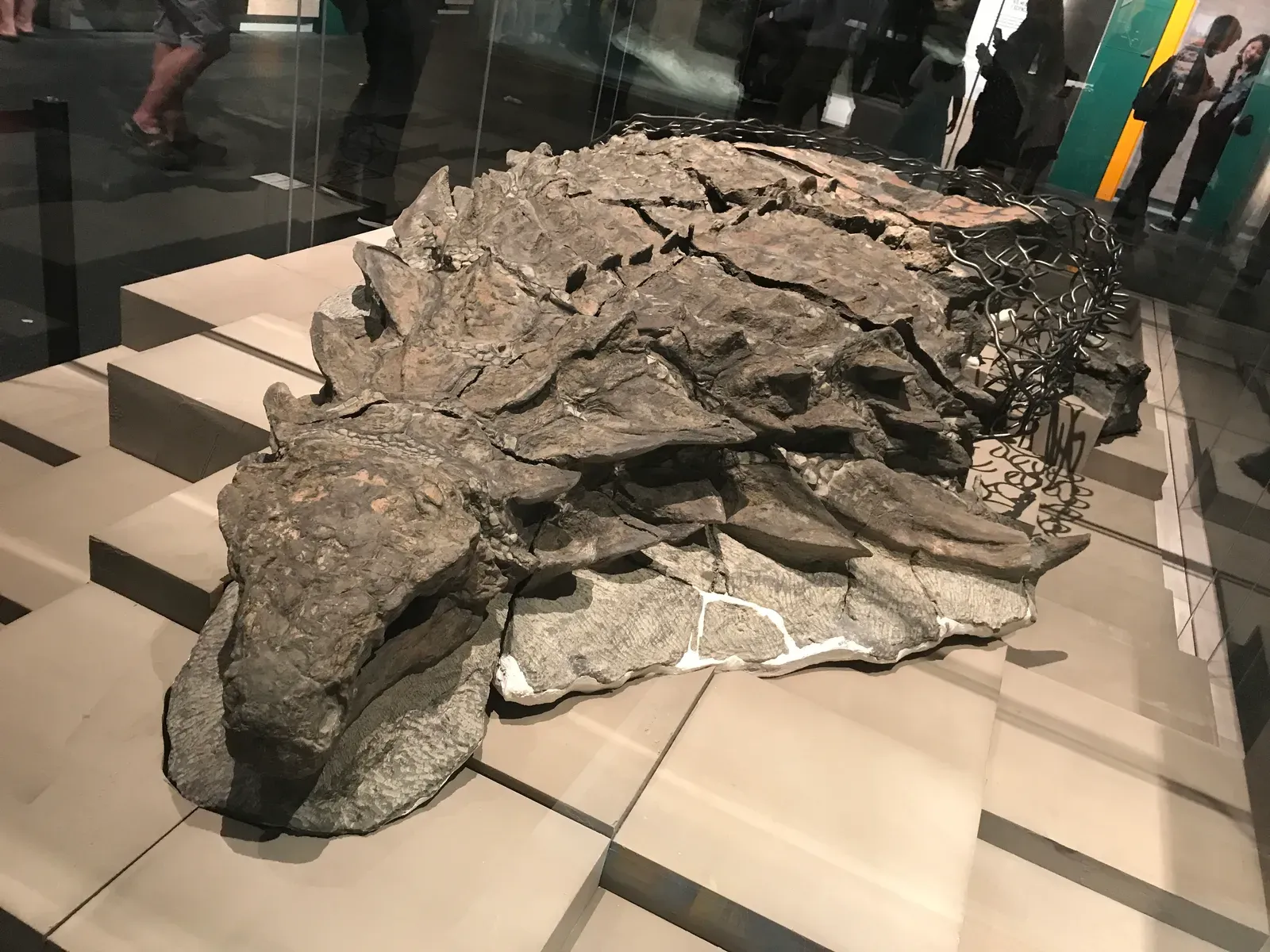
Honestly, few stories in paleontology are more jaw-dropping than this one. In March 2011, a Canadian backhoe operator unearthed what paleontologists now call one of the most extraordinary fossil finds of all time, at a sprawling open-pit oil sands operation near Fort McMurray, Alberta, when his machine struck a thick, stone-encased form that turned out to be a nearly complete dinosaur. This was no ordinary find. It wasn’t just bones.
It was a three-dimensional specimen, with its skin, armor, keratin sheaths, and even pigmentation all still intact after 110 million years underground. Named Borealopelta markmitchelli, the fossil is now considered the best-preserved armored dinosaur ever found. Beyond its museum-ready appearance, the discovery exposed something deeper: this one-ton Cretaceous herbivore may have evolved camouflage to avoid being seen.
Researchers found that the skin of Borealopelta exhibited countershading, a common form of camouflage in which an animal’s underside is lighter than its back, suggesting that the nodosaur faced predation stress from meat-eating dinosaurs. Think about that for a second. Today, large “attack-proof” animals like elephants and rhinos do not use camouflaging, and scientists had always assumed that massive dinosaurs would be equally shielded from predators. But the fossil suggests that millions of years ago, bulky dinosaurs like Borealopelta might have been preyed on by even larger dinosaurs.
2. Spinosaurus: The First Dinosaur That Could Actually Swim
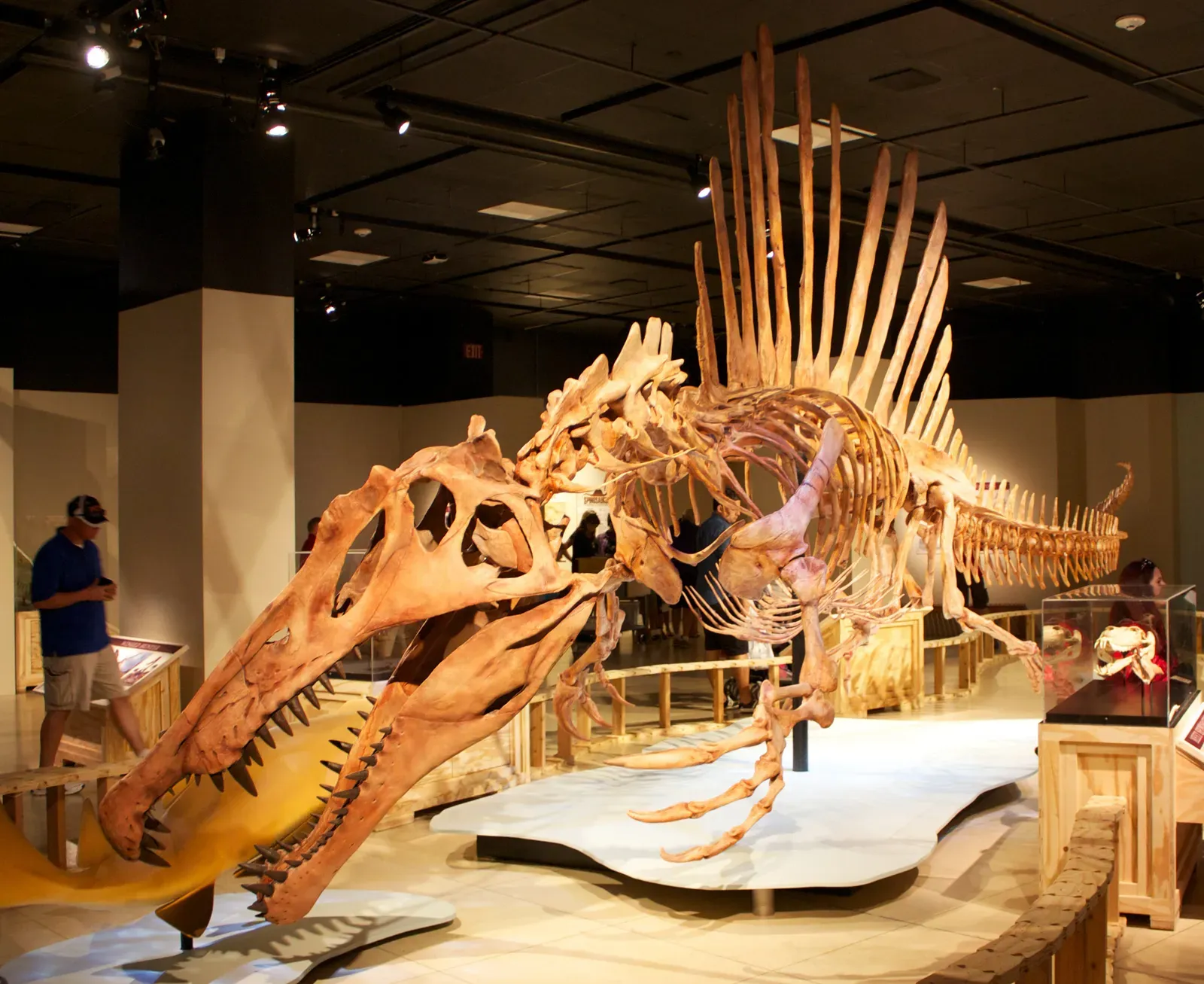
For generations, the rulebook of paleontology said one thing clearly: dinosaurs were land animals. Period. That rule got spectacularly shattered. Recent fossil evidence revealed that Spinosaurus aegyptiacus, among the largest of all known carnivorous dinosaurs, was a creature of the water, with a center of gravity and a giant tail fin perfect for swimming. The same research shares robotic modeling that shows how that large, flexible tail fin, unique among dinosaurs, would have given the giant predator a deadly propulsive thrust in the water, similar to a salamander or crocodile tail.
Researchers presented unambiguous evidence for an aquatic propulsive structure in a dinosaur, the giant theropod Spinosaurus aegyptiacus. This dinosaur has a tail with an unexpected and unique shape that consists of extremely tall neural spines and elongate chevrons, which forms a large, flexible fin-like organ capable of extensive lateral excursion. It’s worth noting that some scientists debate just how aquatic Spinosaurus truly was. Two stages have been clarified in the evolution of Spinosaurus, which is now best understood as a semiaquatic bipedal ambush predator that frequented the margins of coastal and inland waterways. Whether you call it a full swimmer or a shore-stalker, either way, everything we thought we knew about dinosaurs and water was turned on its head.
3. Feathered Dinosaurs: The Most Important Image Update in Prehistory
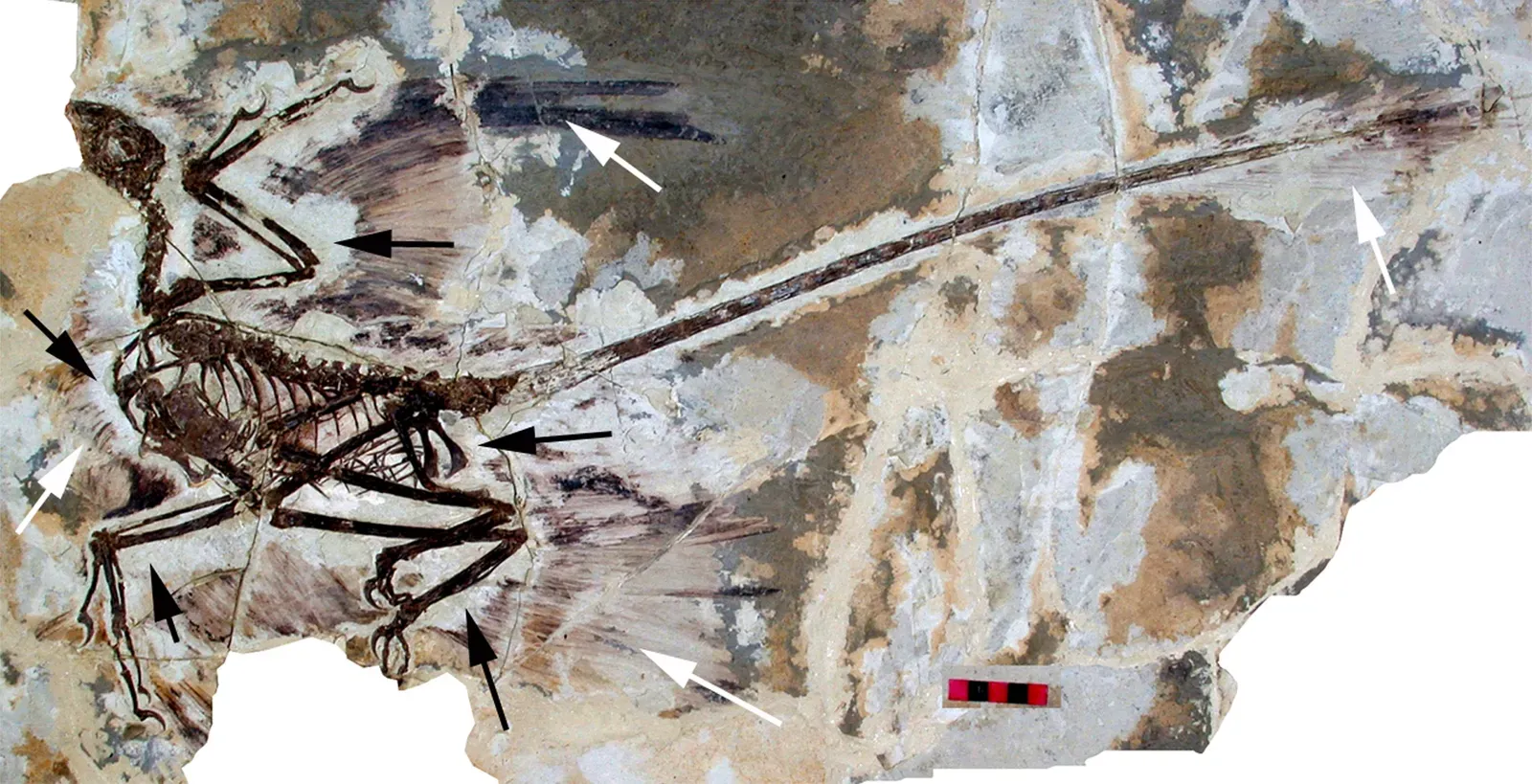
Here’s the thing. For most of modern history, people imagined dinosaurs as scaly, grey, slow reptiles. Then China started producing fossils that made everyone gasp. Dinosaurs with feathers are just one of the many discoveries that have changed our understanding of these reptiles over the last two centuries. It sounds simple, but the implications were enormous. The T. rex in your head probably needs a makeover.
Paleontologists have known that many non-avian dinosaurs had plumage since the mid-1990s, but recent decades have seen the expansion of this discovery to even more branches of the dinosaur family tree. Dinosaurs that were previously envisioned as scaly, like Ornithomimus, have been found with evidence of feathers. Other dinosaurs, such as the herbivore Kulindadromeus, have shown that fuzz, filaments, and bristles might have been a common dinosaur feature. It’s no longer controversial to envision many dinosaurs as both scaly and feathery. Think of it like discovering that every “lizard” you ever drew as a child was actually a bird in disguise.
4. Dinosaur Colors Revealed: The Mesozoic Wasn’t Grey After All
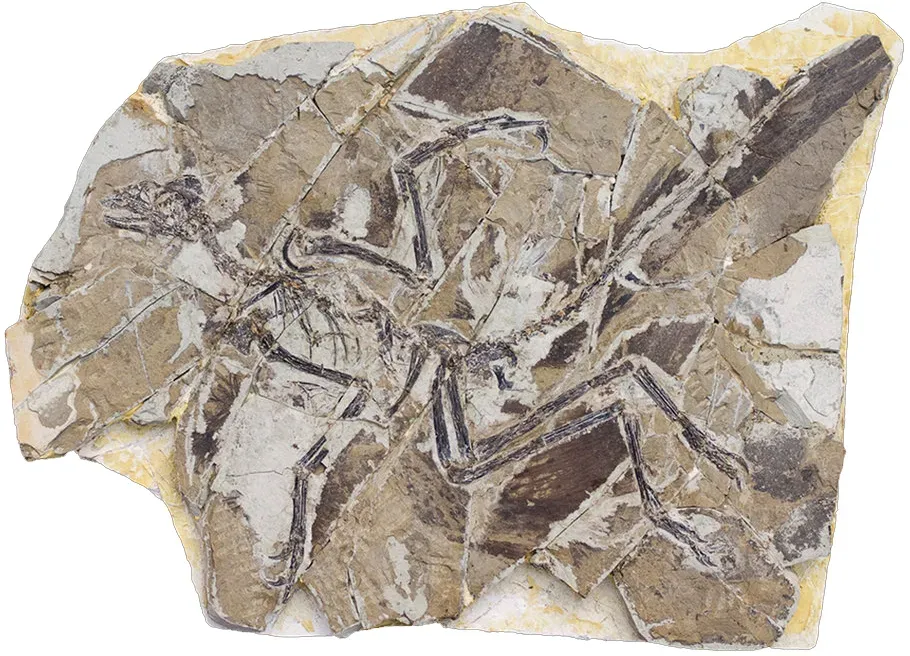
You might remember being told as a kid that we’d never know what color dinosaurs were. That was the scientific consensus for a very long time. Scientists simply said, we don’t know, and left it there. Then came melanosomes. Microscopic, pigment-carrying blobs called melanosomes help create colors and can be observed in modern feathers. By comparing fossil dinosaur feathers to modern feathers, paleontologists can discern dinosaur colors. The small, raptor-like dinosaur Anchiornis, for one, was black and white like a magpie with a splash of red atop its head.
From the Jurassic rocks of Montana’s Mother’s Day Quarry, paleontologists uncovered fossils of sauropod skin so delicately preserved that they include impressions of pigment-carrying structures called melanosomes. While researchers were reluctant to fully reconstruct the color of the juvenile Diplodocus the skin came from, they detected that the dinosaur would have had conspicuous patterns across its scales. The finding suggests sauropod dinosaurs were not uniformly gray or brown, but had complex color patterns like other dinosaurs, birds and reptiles. In other words, the ancient world was probably a lot more vivid and wild-looking than any dinosaur movie has ever shown you.
5. Nanotyrannus: T. rex Was Not the Lone Apex Predator We Thought
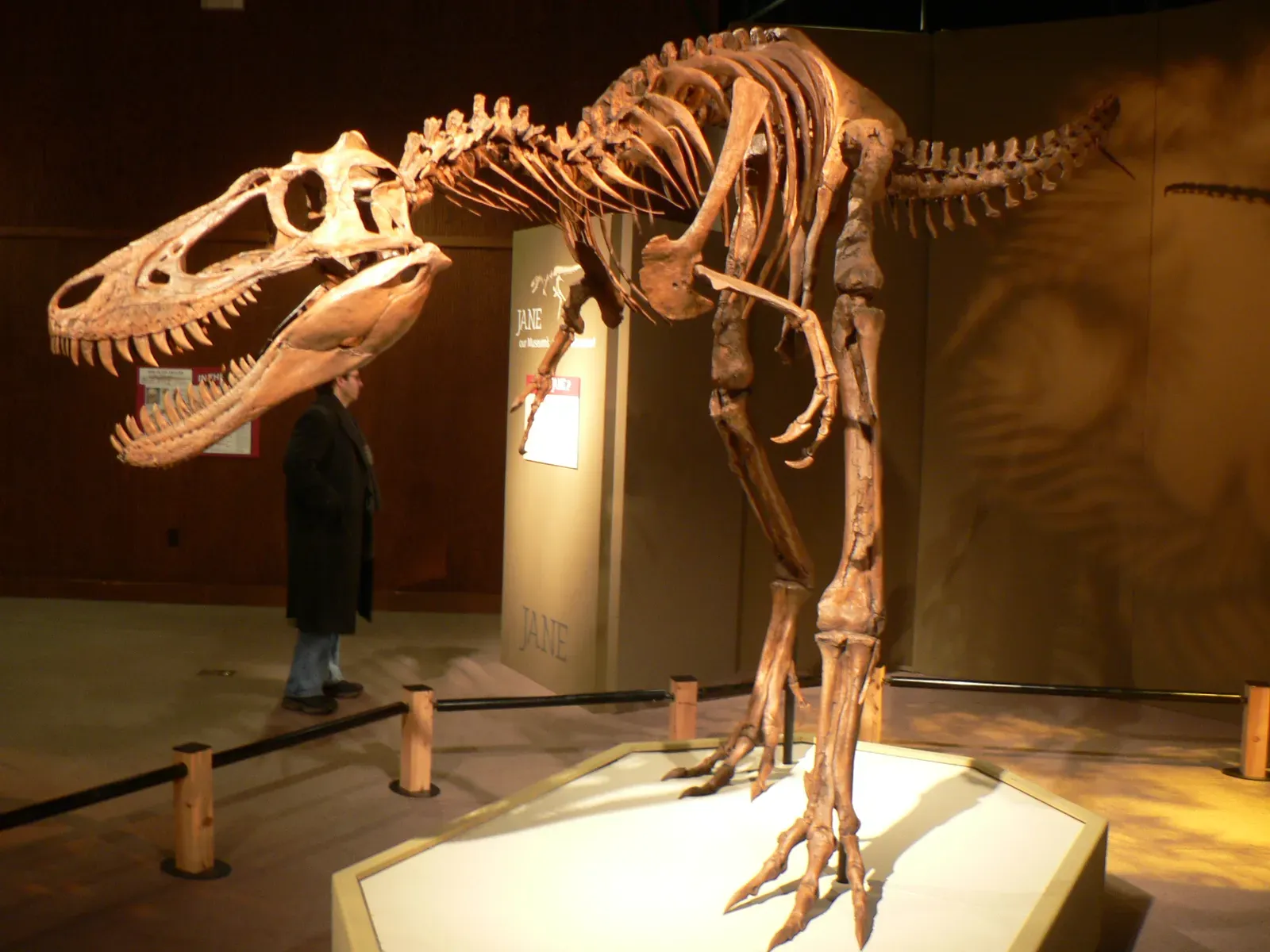
For decades, the story went like this: T. rex dominated its ecosystem, unchallenged, supreme. The ultimate killing machine with no rival. It made for great cinema. It also turned out to be wrong. One of the fiercest debates in dinosaur paleontology has been about Nanotyrannus, a 66-million-year-old predator from Montana. Nanotyrannus was first named in 1988 and suggested to be a small tyrannosaurid, around 5 meters long, that lived alongside the giant Tyrannosaurus rex. Many other paleontologists disagreed, suggesting that fossils of Nanotyrannus were just young individuals of T. rex.
Researchers showed that a key Nanotyrannus specimen was nearly an adult, but also that it was different from T. rex in many ways that cannot be explained by growth, including a longer hand. A subsequent study on the original Nanotyrannus demonstrated that this specimen was also fully grown. Together, these studies end a 35-year-long controversy and reveal Nanotyrannus as a slender, agile pursuit predator, built for speed. This discovery completely reframes the idea that T. rex was the lone predator of its time, challenging long-held assumptions about late Cretaceous ecosystem dynamics. Multiple tyrannosaur species coexisted in the last million years before the asteroid impact, suggesting a richer, more competitive ecosystem than previously imagined.
6. Patagotitan Mayorum: The Largest Land Animal That Ever Walked the Earth
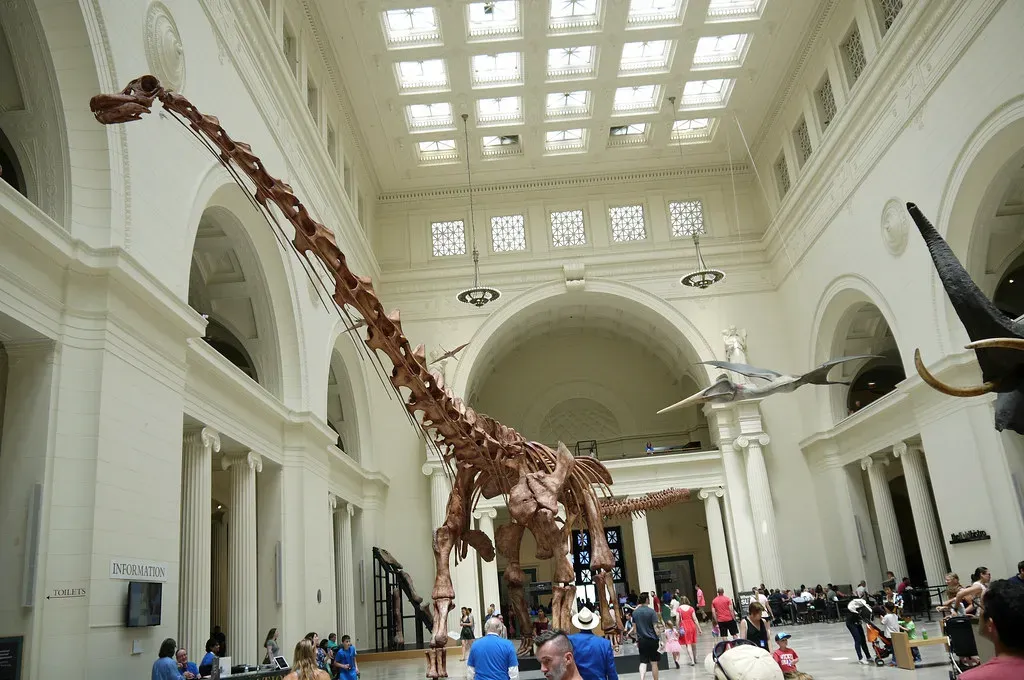
Size records in paleontology get broken often. Usually by a little. The discovery of Patagotitan in Argentina was different. It wasn’t a minor upgrade. It was a redefinition of what was even physically possible for a land animal. In Patagonia, paleontologists uncovered the remains of Patagotitan mayorum, a massive titanosaur that quickly became a contender for the title of the largest land animal ever discovered. Estimated to exceed 120 feet in length and weigh around 69 tons, this colossal sauropod offered new insight into the size limits of terrestrial vertebrates.
To put 69 tons in perspective: that’s roughly the weight of ten fully grown African elephants stacked together. And it walked on land. Comfortably. Gigantic, four-legged, long-necked, plant-eating sauropod dinosaurs of the Jurassic and Cretaceous periods, such as Brachiosaurus, were the largest animals to ever walk the Earth, weighing up to 70 tonnes, equivalent to 12 African elephants. Scientists are still working to understand how animals of such staggering mass managed to feed themselves, move efficiently, and grow to those dimensions in the first place. The biology involved is, genuinely, one of Earth’s great unsolved puzzles.
7. Dinosaur Eggs Were Soft-Shelled: Everything About Reproduction Was Wrong
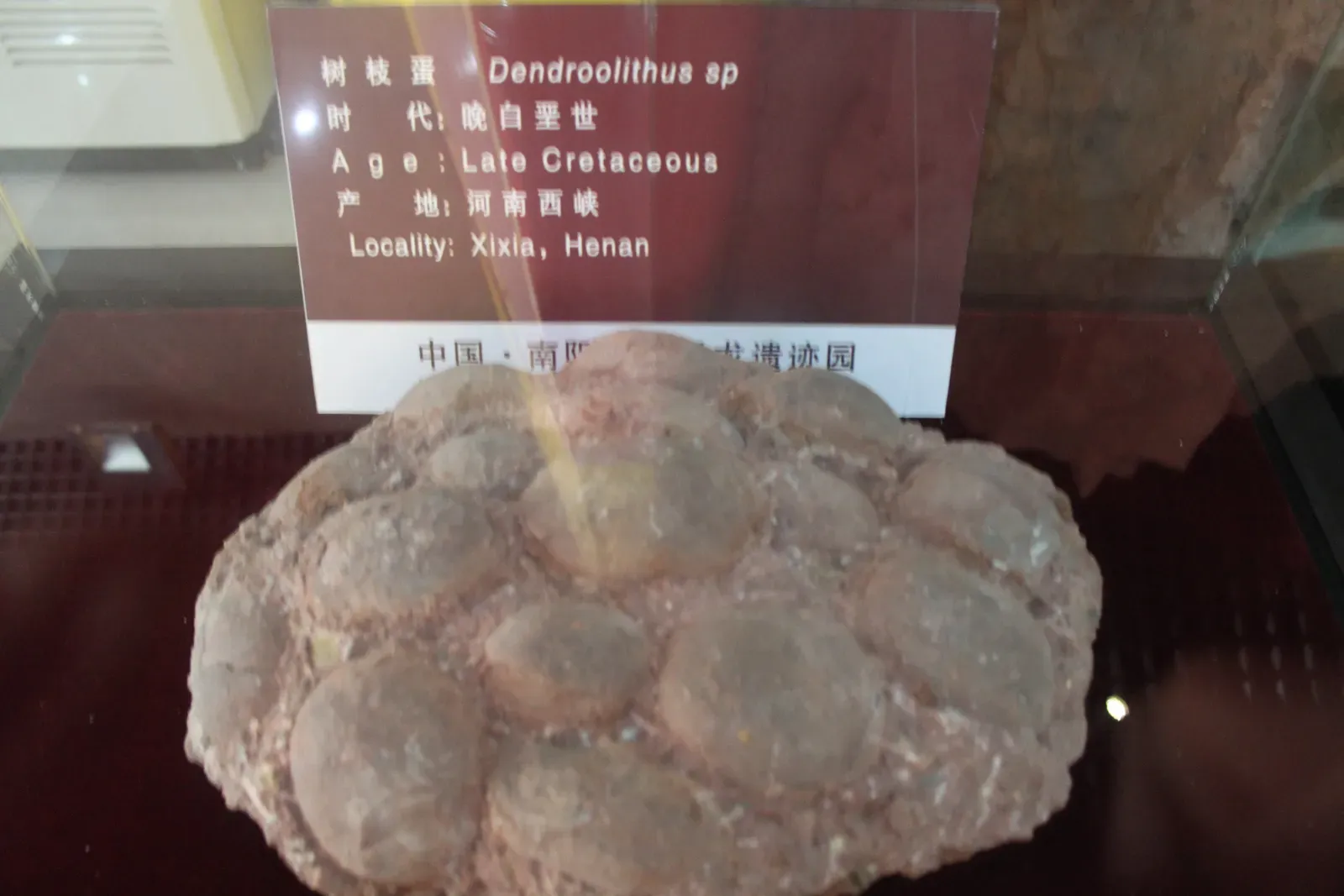
You picture a dinosaur egg, and you probably picture something hard, like a bird’s egg or a reptile’s egg. Round, rigid, protective. It turns out, for the earliest dinosaurs, that image was completely wrong. Two research teams revealed evidence that some of the earliest dinosaur eggs, specifically those associated with Protoceratops in Mongolia and Mussaurus in Argentina, were soft-shelled rather than hard and calcified. This discovery busted the long-held assumption that dinosaurs laid hard-shelled eggs similar to modern birds. The finding also explains why early dinosaur eggs are exceedingly rare in the fossil record.
Soft shells don’t fossilize well. So for years, the absence of eggs in the record wasn’t because they weren’t there. It’s because they simply dissolved away. More importantly, the research suggests that hard-shelled eggs evolved independently multiple times within dinosaur lineages, reshaping the understanding of reproductive strategies and the evolutionary origins of birdlike reproduction. This one discovery ripples outward in fascinating directions. It changes how scientists think about early dinosaur nesting behavior, parental care, and even survival strategies during vulnerable early life stages.
8. The Dinosaur Tail in Amber: A Time Capsule Nobody Expected
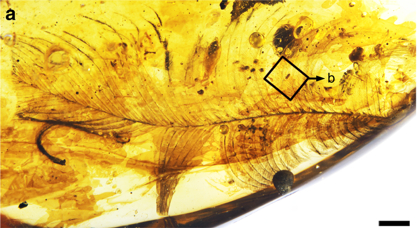
Most fossils are bones. Mineralized, dense, stripped of almost everything that made the animal alive. So when a piece of amber turned up in Myanmar with an actual dinosaur tail inside, preserved in extraordinary detail, scientists were stunned. In 2018, researchers announced the discovery of a dinosaur tail preserved in amber. The isolated piece of saurian anatomy was covered in feathers, providing a detailed view of what the rear of this dinosaur looked like.
The isolated piece of saurian anatomy was covered in feathers, providing a detailed view of what the rear of this dinosaur looked like, and the find signaled something else. Along with other finds, such as a baby bird preserved in amber, the discovery hints that additional amber discoveries may offer unprecedented windows into the heyday of the dinosaurs. It’s a bit like discovering that somewhere in the world, there are prehistoric time capsules just waiting to be cracked open. Each one has the potential to preserve color, texture, structure, and biological detail that bones simply cannot carry.
9. The Deinonychus Revolution: How Dinosaurs Got Their Brains Back
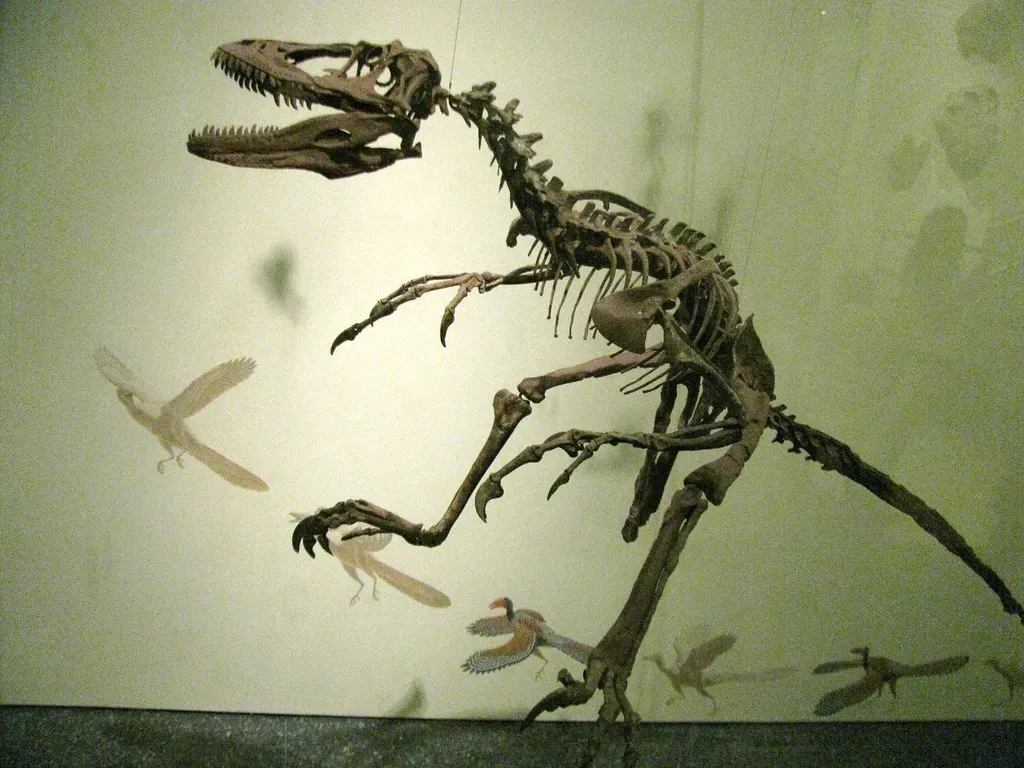
For much of the twentieth century, the dominant image of dinosaurs was sluggish. Slow-moving, cold-blooded, brainless giants shuffling through swamps. Boring, almost. Then came a small but ferocious discovery that set the whole field on fire. The agile Deinonychus helped change the prevailing view that dinosaurs were large, lumbering lizards. After the initial wave of dinosaur mania during the nineteenth century, interest began to die down throughout the early 1900s. Interest grew again in the 1960s when the link between dinosaurs and birds began to gather momentum. This new dinosaur renaissance was sparked by the discovery in 1964 of Deinonychus antirrhopus by paleontologist John Ostrom.
Ostrom noticed the fossils were bird-like in appearance, particularly their hands and hips. This was the match that lit the fire. Suddenly, the entire scientific community had to grapple with a radical new idea: that dinosaurs were agile, possibly warm-blooded, behaviorally complex animals. The Velociraptor in Jurassic Park owes its terrifying intelligence almost entirely to Ostrom’s work with Deinonychus. Without this discovery, the dinosaur renaissance of the late twentieth century simply doesn’t happen.
10. Maiasaura and the Discovery of Dinosaur Parenting
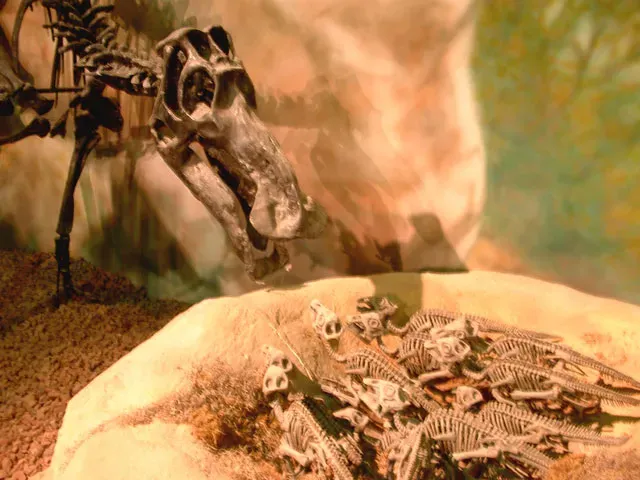
Before the late 1970s, dinosaurs were assumed to be terrible parents. Lay the eggs, walk away, let the young fend for themselves. It was the reptilian assumption, applied broadly and without much question. Then, a site in Montana changed everything. In 1923, scientists from the American Museum of Natural History unearthed the first fossils to be widely regarded as dinosaur eggs. These exceptionally well-preserved fossils were the first strong evidence of how dinosaurs fed and cared for their offspring and kickstarted a discussion about the complex social lives of dinosaurs.
As many as 14 nests were found in a single area of the site, known as Egg Mountain. Some scientists believe that Maiasaura may have nested in colonies. The name Maiasaura actually means “good mother lizard,” a remarkable tribute from the scientists who recognized what they were really seeing. The idea of dinosaurs as nurturing, socially complex creatures was genuinely revolutionary at the time. It forced a complete rethink of dinosaur behavior. It also made them feel, for the first time, a little bit like us.
Conclusion: The Story of Dinosaurs Is Still Being Written
Every single discovery on this list arrived as a surprise. Nobody predicted a swimming Spinosaurus. Nobody expected a perfectly preserved nodosaur with its last meal still in its stomach. Nobody imagined T. rex sharing its world with a slender, fast, rival predator. That’s the incredible thing about paleontology. The further we dig, both literally and scientifically, the stranger and richer this ancient world becomes.
A golden era in dinosaur science is driving this fascination with dinosaurs. Around 1,400 dinosaur species are now known from more than 90 countries, with the rate of discovery accelerating in the last two decades. In 2025 alone, scientists discovered 44 new dinosaur species, nearly one a week. The picture is nowhere near complete. In fact, it’s just getting started.
The greatest dinosaur discovery of all time may not have happened yet. It could be sitting right now in a Patagonian hillside, a Moroccan sandstone layer, or a Canadian oil field, waiting for someone with a hammer and enough patience to find it. What would you do if you found it?