
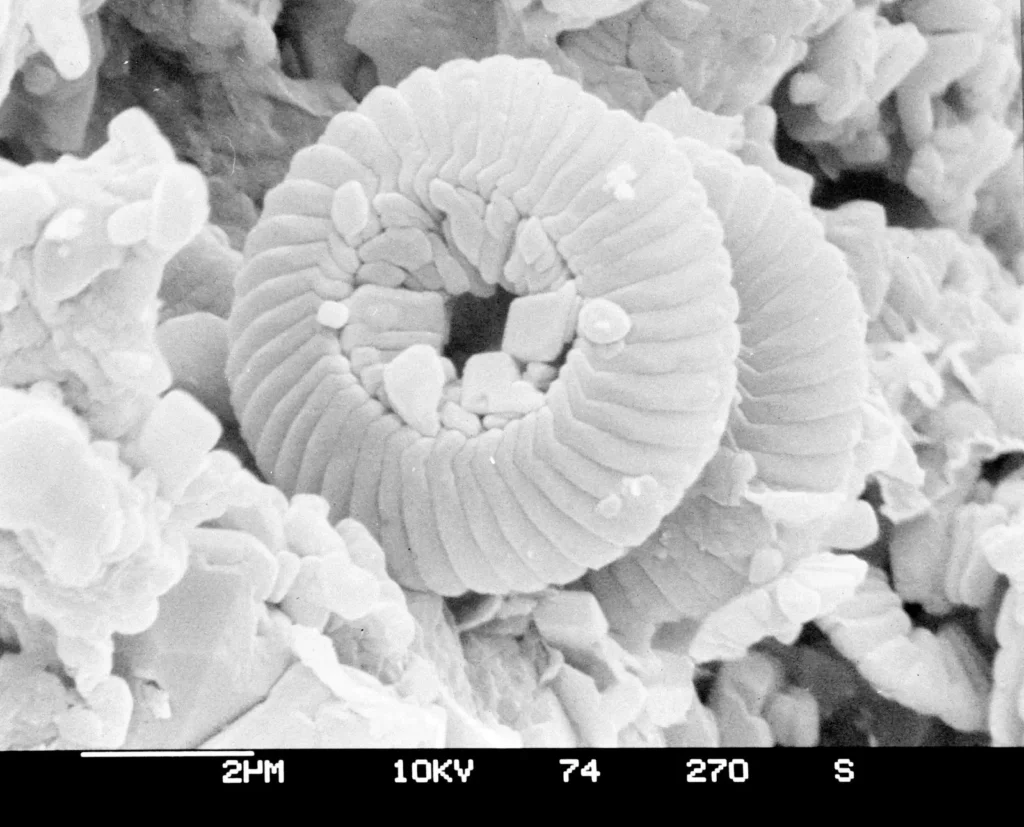
Imagine holding a spoonful of ancient ocean sediment in your hand. To the naked eye, it looks like nothing. A bit of grey dust, maybe. Yet that unremarkable powder contains some of the most astonishing records of life ever preserved – organisms so small they make a grain of sand look like a boulder. These are microfossils, and they are quietly rewriting everything you thought you knew about life on Earth.
You might picture fossils as T-rex bones or mammoth tusks. But some of the most profound chapters of Earth’s biography are told not by giants, but by creatures so tiny they require microscopes to see. From ocean floors to mountain rocks, microfossils are hidden everywhere – and each one carries secrets that span billions of years. Get ready for a journey into the unseen world beneath your feet.
What Exactly Are Microfossils – and Why Should You Care?
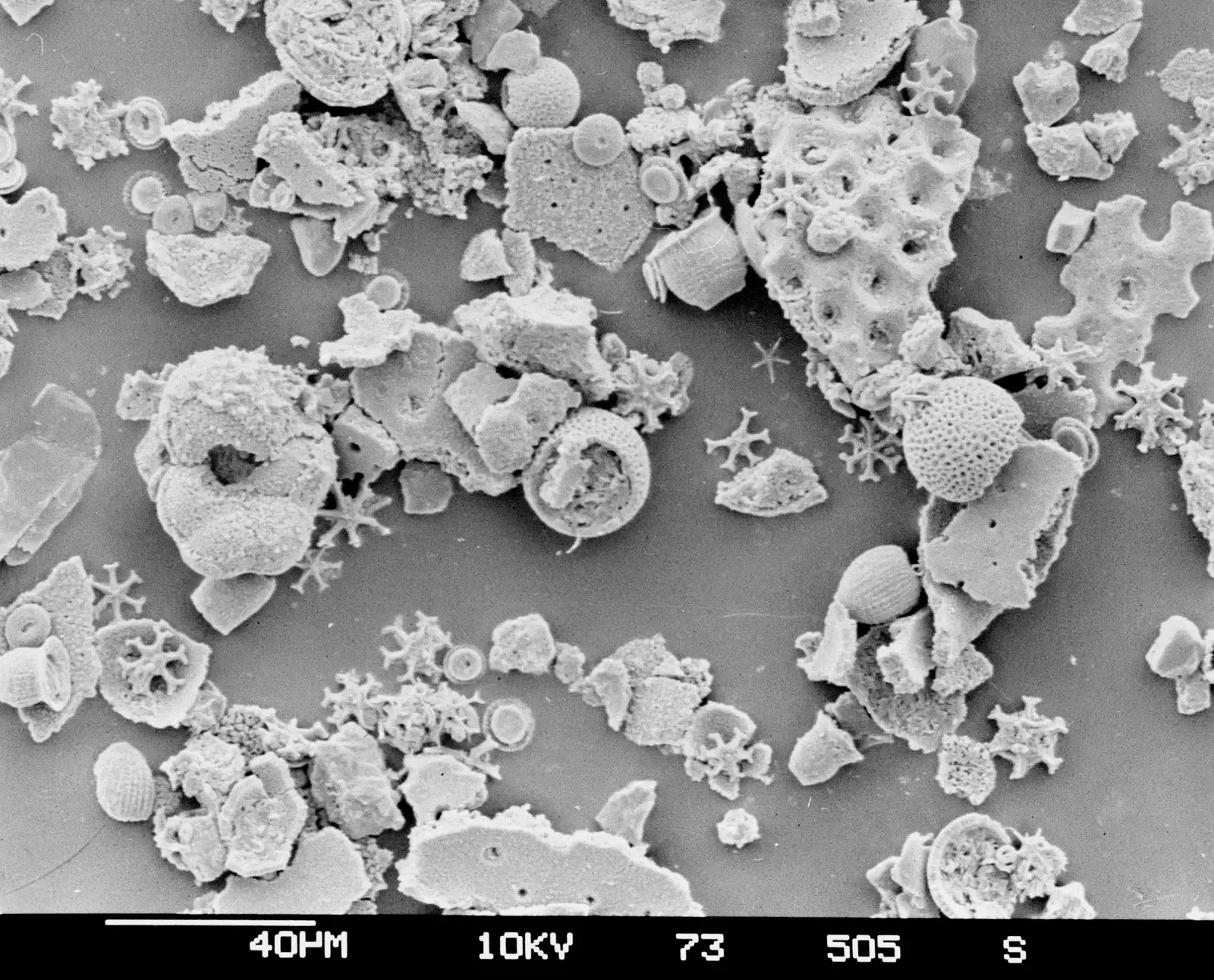
A microfossil is a fossil that is generally between one micrometre and one millimetre in size, the visual study of which requires the use of light or electron microscopy. Think of them as tiny biological time capsules – so small you could stack hundreds of them on a single strand of human hair. Yet their size is deeply misleading. Their scientific value is enormous.
These microscopic objects provide valuable information about the evolution of life on the earth and about changes that have occurred on the earth’s surface through time. Honestly, calling them “small fossils” almost feels like an insult. Microfossils are perhaps the most important group of all fossils – they are extremely useful in age-dating, correlation and paleoenvironmental reconstruction, all important in the oil, mining, engineering, and environmental industries, as well as in general geology.
The Oldest Known Life on Earth – Found in Tiny Fragments
Here’s a fact that should genuinely stop you in your tracks. Fossilized microorganisms, or microfossils, were discovered in hydrothermal vent precipitates in the Nuvvuagittuq Belt of Quebec, Canada that may be as old as 4.28 billion years old, the oldest record of life on Earth, suggesting “an almost instantaneous emergence of life” in a geological time-scale, after ocean formation 4.41 billion years ago, and not long after the formation of the Earth 4.54 billion years ago.
More than 3.5 billion years ago, the Earth was not the hospitable world we know today. The atmosphere lacked oxygen, the seas were acidic and rich in iron, and volcanic activity roared across a barren landscape. Yet, in this alien world, something extraordinary happened – life emerged. Microfossils are traces of ancient cells that are preserved in fine-grained, silica-rich rocks, like chert, and are so small they are invisible to the naked eye. Rapid entombment protects delicate cellular structures from decay.
The Many Types of Microfossils – A Surprisingly Rich Diversity
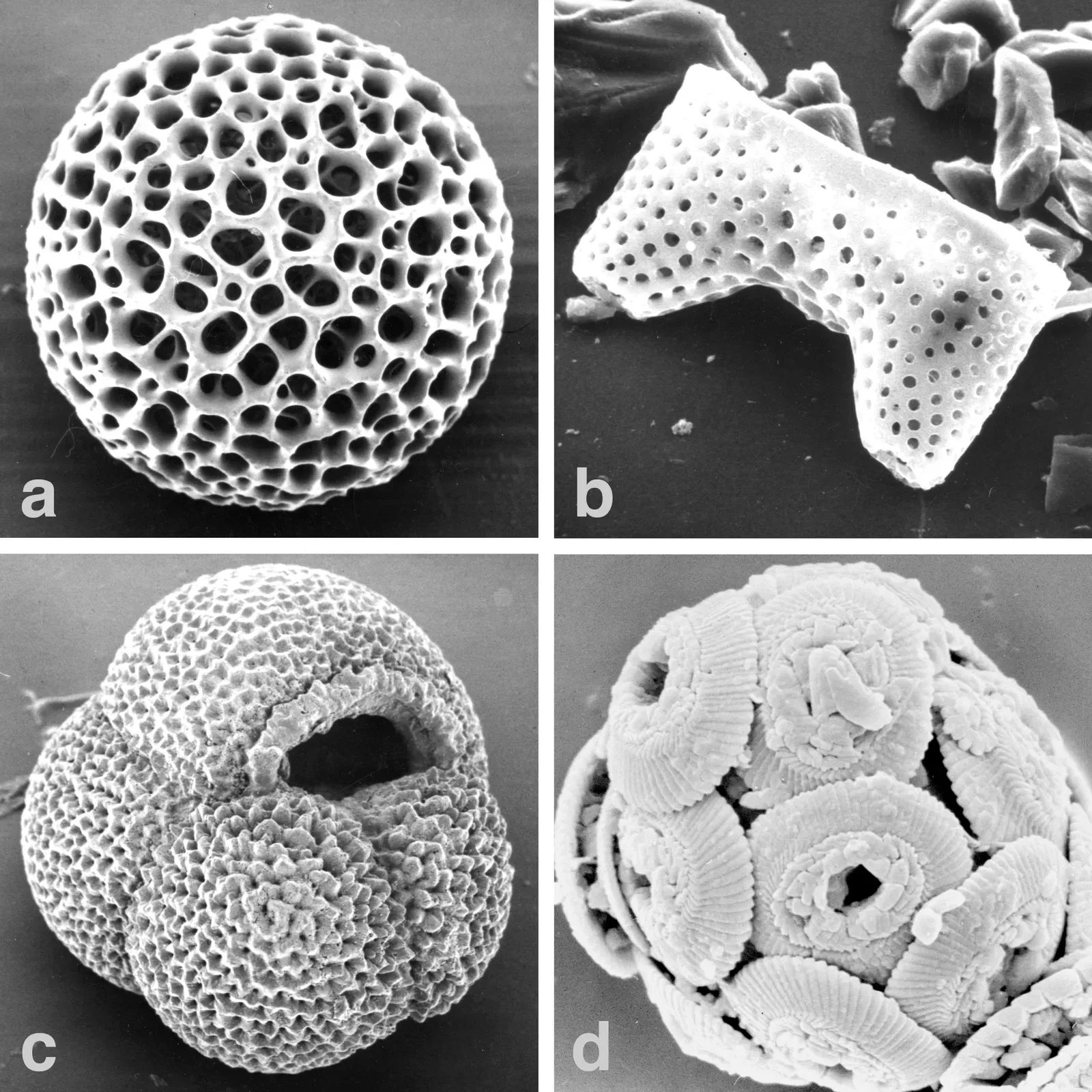
Micropaleontology can be roughly divided into four areas of study on the basis of microfossil composition: calcareous, as in coccoliths and foraminifera; phosphatic, as in the study of some vertebrates; siliceous, as in diatoms and radiolaria; or organic, as in the pollen and spores studied in palynology. It’s a bit like realizing that “music” isn’t just one thing – there are entire genres you never knew existed.
While every kingdom of life is represented in the microfossil record, the most abundant forms are protist skeletons or microbial cysts from the Chrysophyta, Pyrrhophyta, Sarcodina, acritarchs and chitinozoans, together with pollen and spores from the vascular plants. Two are particularly useful indicators of geologic age and ancient environments: the foraminifera and the radiolarians. Each group tells a slightly different story, and scientists have learned to read them all.
Reading the Ancient Climate – Microfossils as Earth’s Thermometers
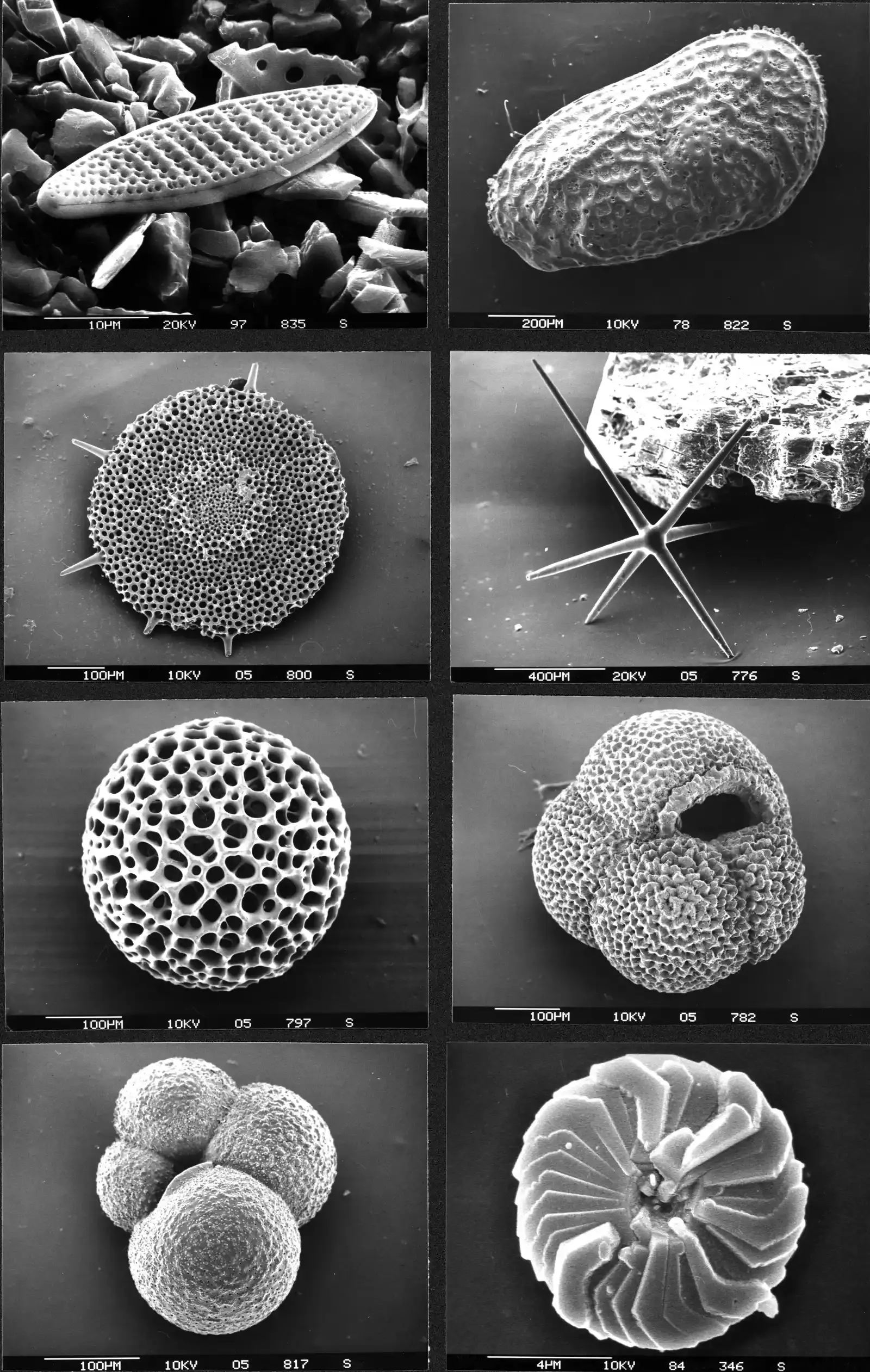
Microfossils, such as diatoms and foraminifera, can help with palaeoclimatology studies. They can tell us about lots of different conditions including ocean acidification levels, sea surface temperatures, how much ice was present on Earth, and how much carbon dioxide and oxygen was present in the atmosphere. Think of them as a kind of biological weather station, one that has been recording data for hundreds of millions of years without anyone asking it to.
Work on oxygen isotope ratios of foraminifera was instrumental in the discovery of the orbital theory of the ice ages and continues to be widely used in the study of rapid climate change. Compilations of deep sea benthic foraminifer oxygen isotopes have revealed the long history of global climate change over the past 100 million years. Foraminifera build their calcium carbonate shells using the surrounding seawater, thus incorporating the oxygen isotopic composition of the water into their shells, which are then preserved in the sediments and can be measured in the lab.
Microfossils and the Evolution of Complex Life
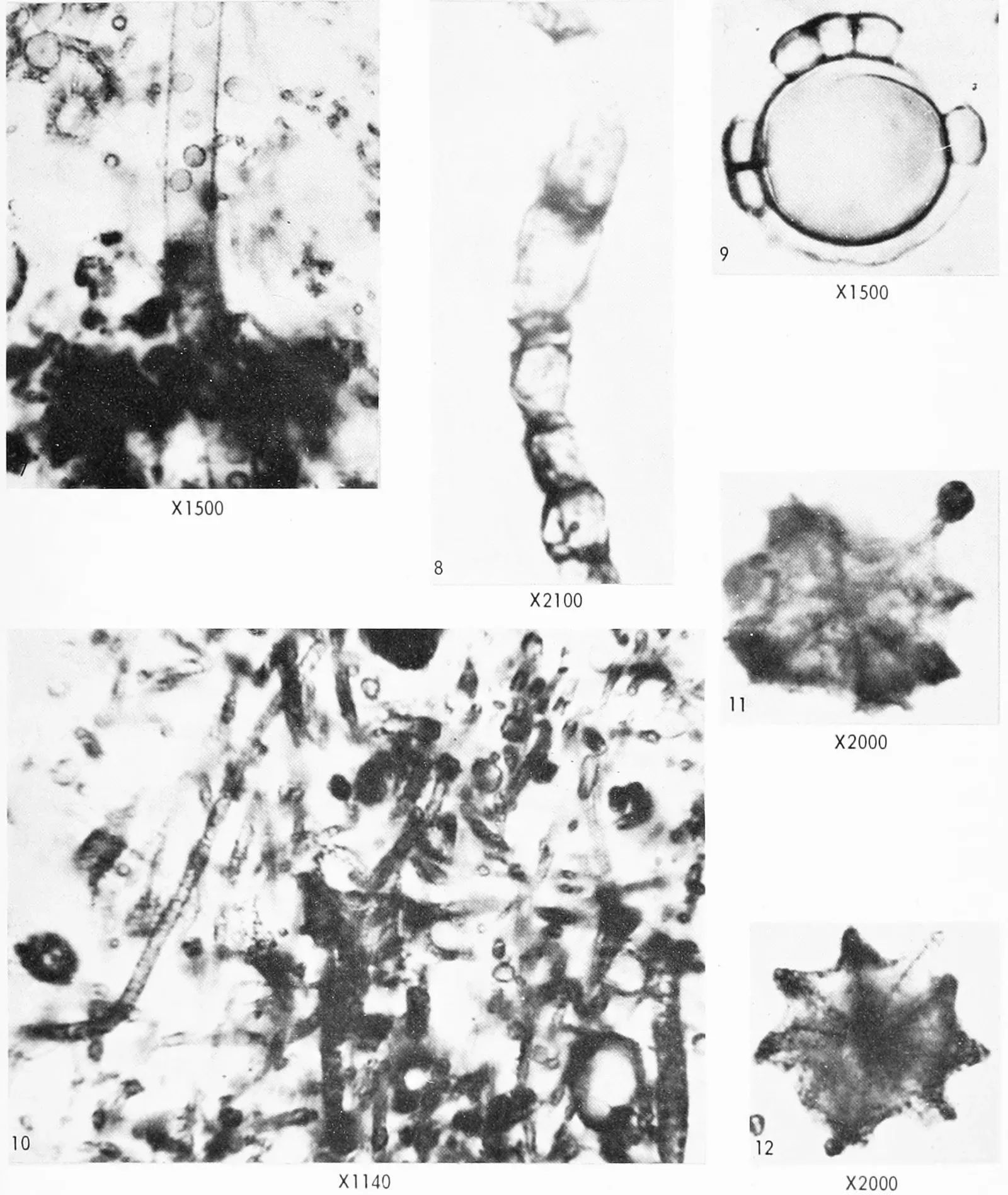
The geologic record shows that microbes have been the sole life-forms on Earth for most of its 4.5-billion-year history. Microfossils, stromatolites, and chemical biosignatures indicate that Earth became a biological planet more than 3.5 billion years ago, making most of life’s history microbial. Let that sink in. For the vast majority of Earth’s existence, all of life fit under a microscope.
Scientists have long pondered how and when the evolution of prokaryotes to eukaryotes occurred. A collaborative research team from Tohoku University and the University of Tokyo may have provided some answers after discovering new types of microfossils dating 1.9 billion years. This indicates that prokaryotes may have begun diversifying their functions and preparing for evolution before the emergence of eukaryotes 1.8 to 1.6 billion years ago. It’s like finding an early blueprint before the building was ever constructed.
The Industrial Power of Microfossils – From Ancient Seas to Oil Wells
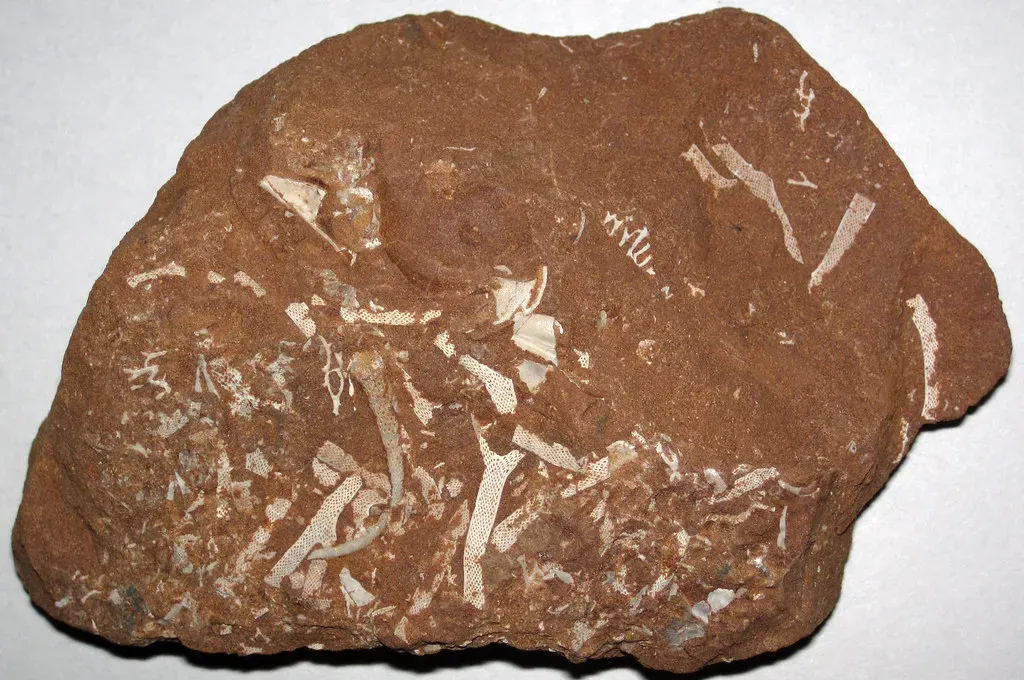
Here’s the thing – microfossils are not just a purely academic fascination. They have a massive real-world economic impact. One of the most economically important examples of microfossil usage is seen in the oil and gas industry. Scientists and mining engineers use microfossil data to locate underground oil reserves. The specific type of life documented by microfossils in a rock sample can date the rock formation and reconstruct the environment in which that rock was formed. Using this information, scientists locate places that are likely to have high oil and gas content.
Most of the rock samples available to those engaged in finding and developing hydrocarbon resources are in the form of cuttings – the small pieces of rock broken up by the drill bit and brought to the surface by the fluid which lubricates the drill bit. If the bit encounters dinosaur bones or clam shells, they are so broken up in the process as to be almost unusable. Microfossils on the other hand, by virtue of their small size, can be recovered whole. Billions of dollars have been made on the basis of microfossil studies.
Beyond Geology – Microfossils in Forensics, Archaeology, and the Search for Alien Life
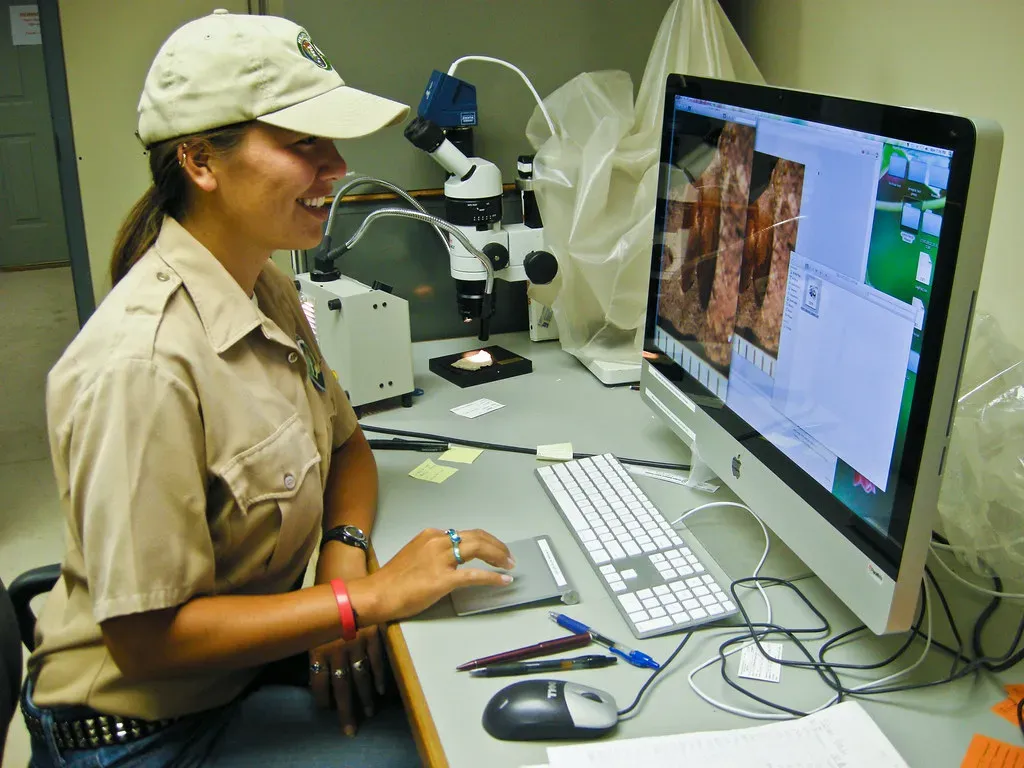
In addition to providing an excellent tool for sedimentary rock dating and for paleoenvironmental reconstruction, micropaleontology has also found a number of less orthodox applications, such as its growing role in forensic police investigation or in determining the provenance of archaeological artefacts. I think this is perhaps the most surprising corner of the whole field – tiny ancient organisms helping solve modern crimes. Who could have predicted that?
In 1996, evidence of microfossils created by single-celled organisms was discovered on a meteorite that originated from Mars. This meteorite contained small holes which very strongly resembled microfossils that Earth’s own microorganisms produce. It is important to note that this is not absolute proof. However, it is strong evidence to suggest that there was life on Mars at one time. The implications are almost too large to hold in your head – microfossils may one day confirm that life is not unique to Earth.
Conclusion: The Smallest Records of the Largest Story Ever Told
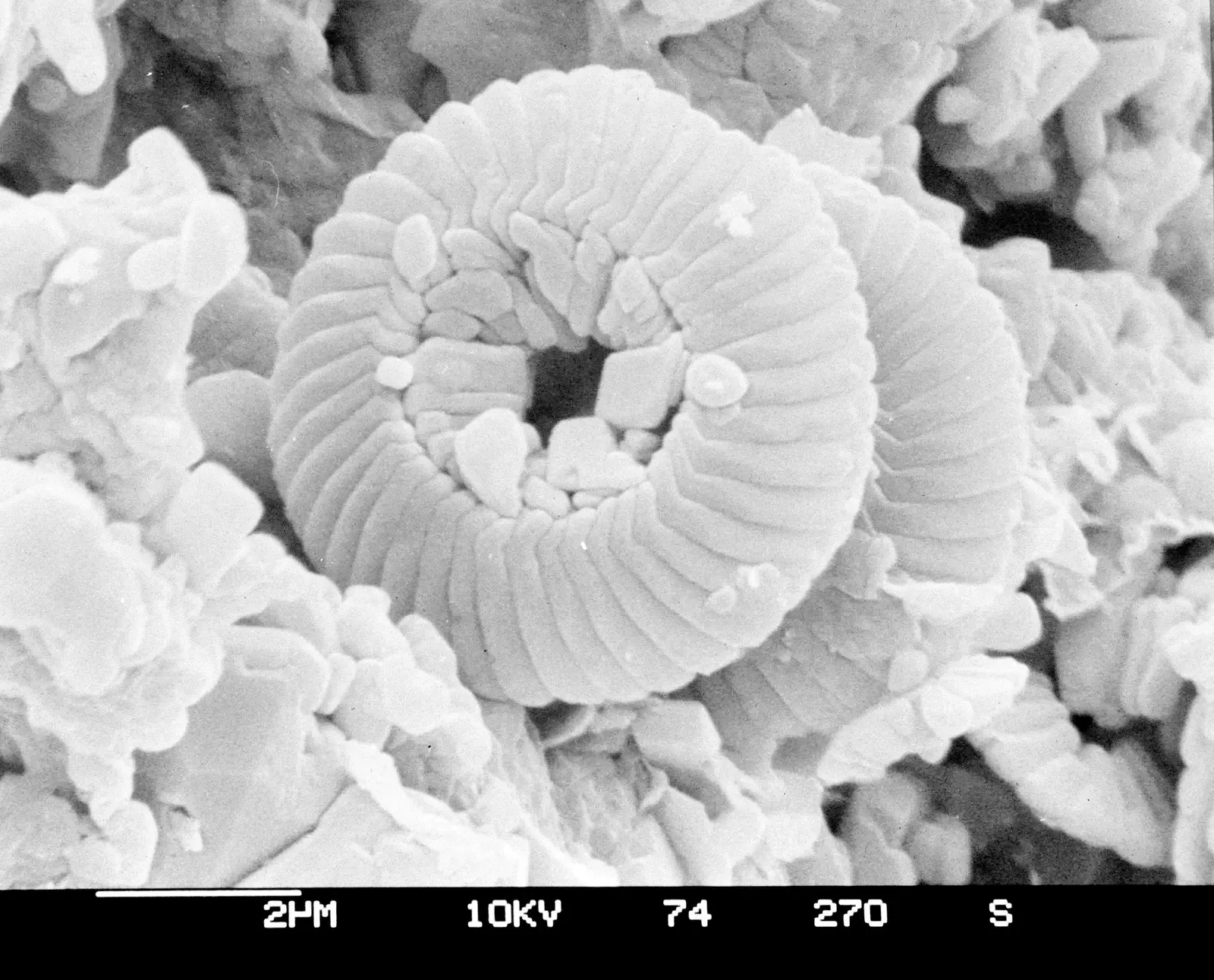
It’s hard not to feel a sense of awe when you realize just how much planetary history is packed into objects smaller than a speck of dust. Recent discoveries of microfossils have shed light on evolutionary developments and environmental shifts, indicating their ongoing importance in understanding Earth’s biological history. Overall, microfossils are invaluable for both geological research and insights into past life forms and ecosystems.
The development of geochemical and isotope research, optical instruments, photomicrography, and image acquisition techniques are opening new paths in micropaleontological research and will contribute to a better understanding of microbiota as tiny archives of geological history. Every new tool we develop reveals more layers of this invisible story. The pages are still being written.
You live on a planet that has been keeping a diary for over four billion years – and most of it is written in a language smaller than the eye can see. The more scientists learn to read that language, the more extraordinary the story becomes. So here is the question worth sitting with: if creatures too small to see without a microscope have shaped entire atmospheres, oceans, and civilizations, what else might be hiding in plain sight? Share your thoughts below – what surprised you most about the unseen world of microfossils?