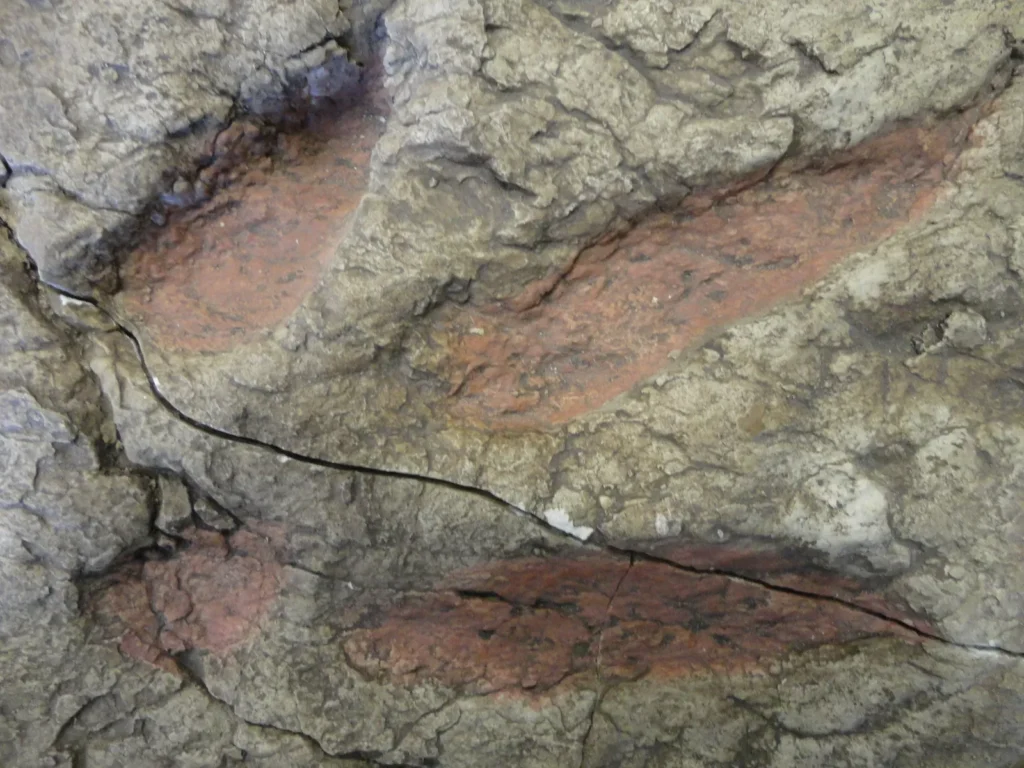
Imagine walking through a quarry in England and feeling unusual bumps beneath your feet – only to discover, moments later, that you’re standing on the preserved steps of a creature that roamed the Earth roughly 166 million years ago. That’s not science fiction. That’s exactly what happened in Oxfordshire in 2023, setting off one of the most thrilling paleontological discoveries in recent memory. Dinosaur footprints have a way of doing that to people. They don’t just sit quietly in stone. They reach across deep time and grab you by the collar.
There’s something deeply personal about a footprint that you simply cannot get from a bone. A fossilized skeleton tells you what an animal looked like. A footprint tells you what it was doing. Where it was going. How fast. Whether it traveled alone or in company. If you’ve ever wondered what it was really like on Earth when dinosaurs ruled every continent, this is where the answers start. Let’s dive in.
The Science of Reading Fossil Footprints: Ichnology Explained
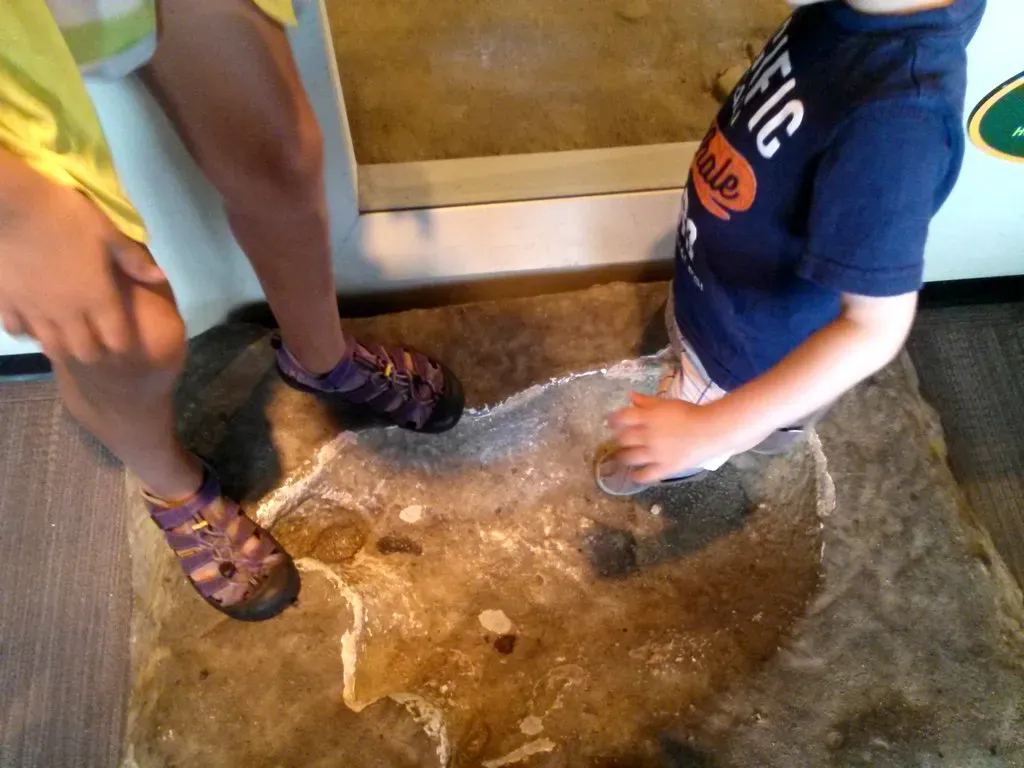
Dinosaur ichnology, a field whose very name stems from the Greek word “ichnos” meaning “footprint” or “track,” is the study and interpretation of dinosaur tracks and traces. It’s a discipline that most people have never heard of, yet it arguably tells us more about dinosaur behavior than any museum skeleton ever could. Honestly, bones get all the glory, but footprints do the real talking.
Ichnology is the scientific term for the study of tracks and traces, and this includes vertebrate footprints, nests, and burrows, with some researchers even arguing that eggs, fossilized feces, and bite marks fall into this category too. In fact, ichnology is considered the single greatest source of evidence for the behavior of extinct animals. Think of it as the forensic science of the prehistoric world. Every impression in stone is a clue, and ichnologists are the detectives.
Paleontologists have documented more than 1,500 dinosaur track sites worldwide and continue to find more each year, with trackways found on every continent except Antarctica. Collectively, these trackways represent roughly 190 million years of geologic time, spanning from the dawn of the dinosaurs around 255 million years ago to their sudden extinction 65 million years ago. That’s an almost incomprehensible stretch of history locked in stone beneath your feet.
How Dinosaur Footprints Form and Survive for Millions of Years
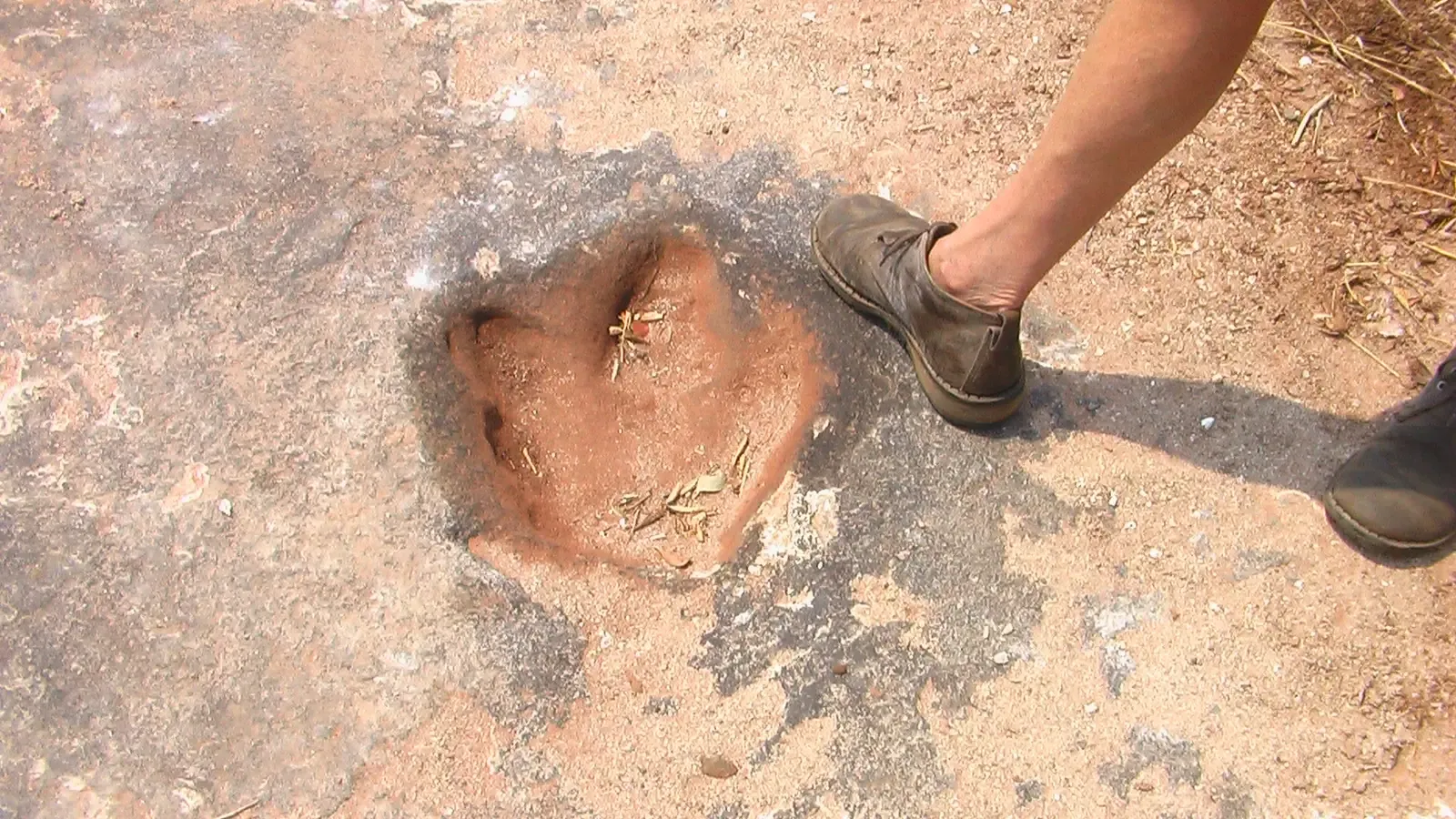
Here’s the thing about fossilized footprints: they really shouldn’t exist. When you think about how easily a boot print in wet sand washes away within minutes, it seems almost miraculous that any dinosaur track could survive for tens of millions of years. For tracks to form and preserve, conditions must be just right, as the consistency of the ground influences the shape, size, and depth of the track – and for a perfect print, the ground cannot be too hard or too soft.
Millions of years ago, dinosaurs left their tracks in sediment that was typically wet, part of a shoreline, a mudflat, or even the bottom of a shallow sea. As the area dried, the tracks hardened, and eventually another layer of sediment filled the prints, protecting them from erosion or damage. The tracks were also sometimes quickly covered, likely by a storm, protecting them from erosion caused by wind, water, or other animals. It’s a chain of perfect geological accidents, and we’re lucky any survived at all.
The abundance of dinosaur footprints in the fossil record is actually quite intuitive: each dinosaur could only leave one skeleton, but on any single day of its life, it could make thousands of footprints. So even if only a tiny fraction were fossilized, you would expect to see many more of them in the rock record. In some cases, details like skin impressions are even preserved in true tracks, bringing you frighteningly close to the living animal.
What Footprints Reveal About Dinosaur Movement and Speed
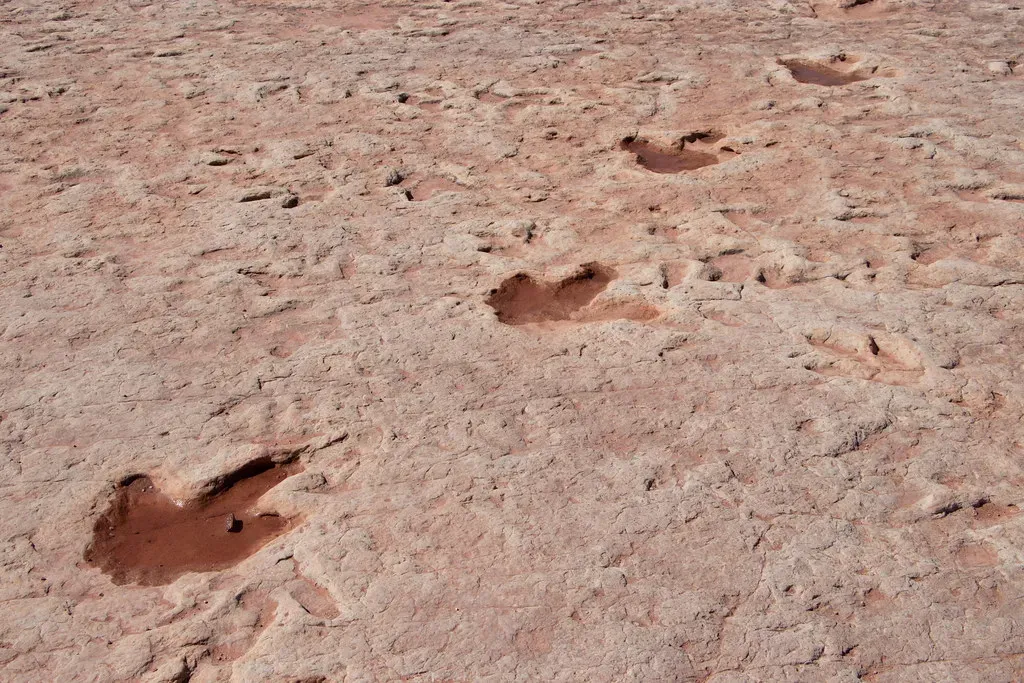
You can learn a startling amount about a dinosaur just from how it stepped. Fossilized dinosaur tracks, known as ichnites, are invaluable trace fossils that offer a glimpse into the lives of these ancient creatures, and by studying these footprints, paleontologists can uncover details about dinosaur behavior, locomotion, anatomy, ecology, chronology, and distribution. Speed, gait, stride patterns – all of it is encoded in rock.
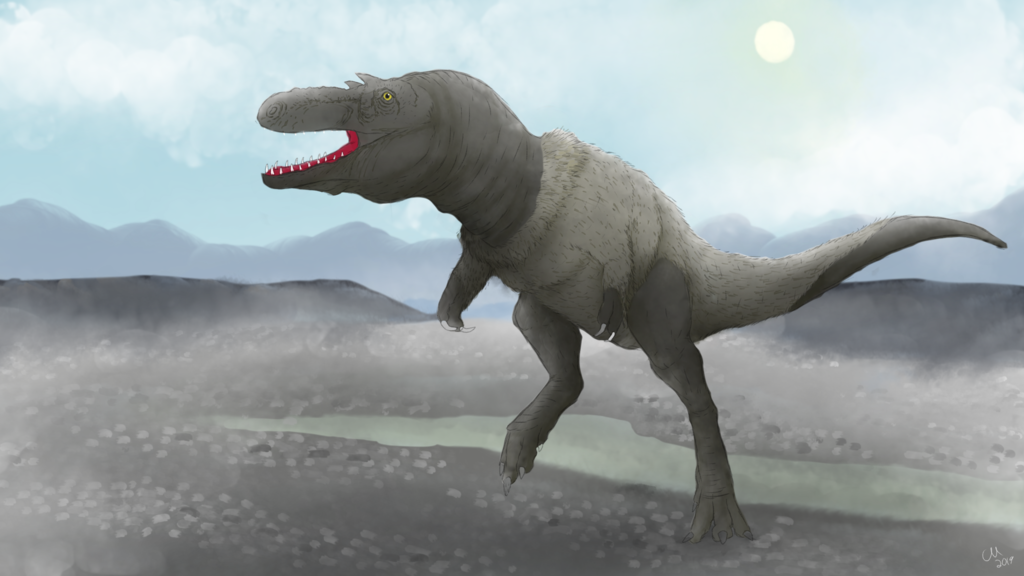
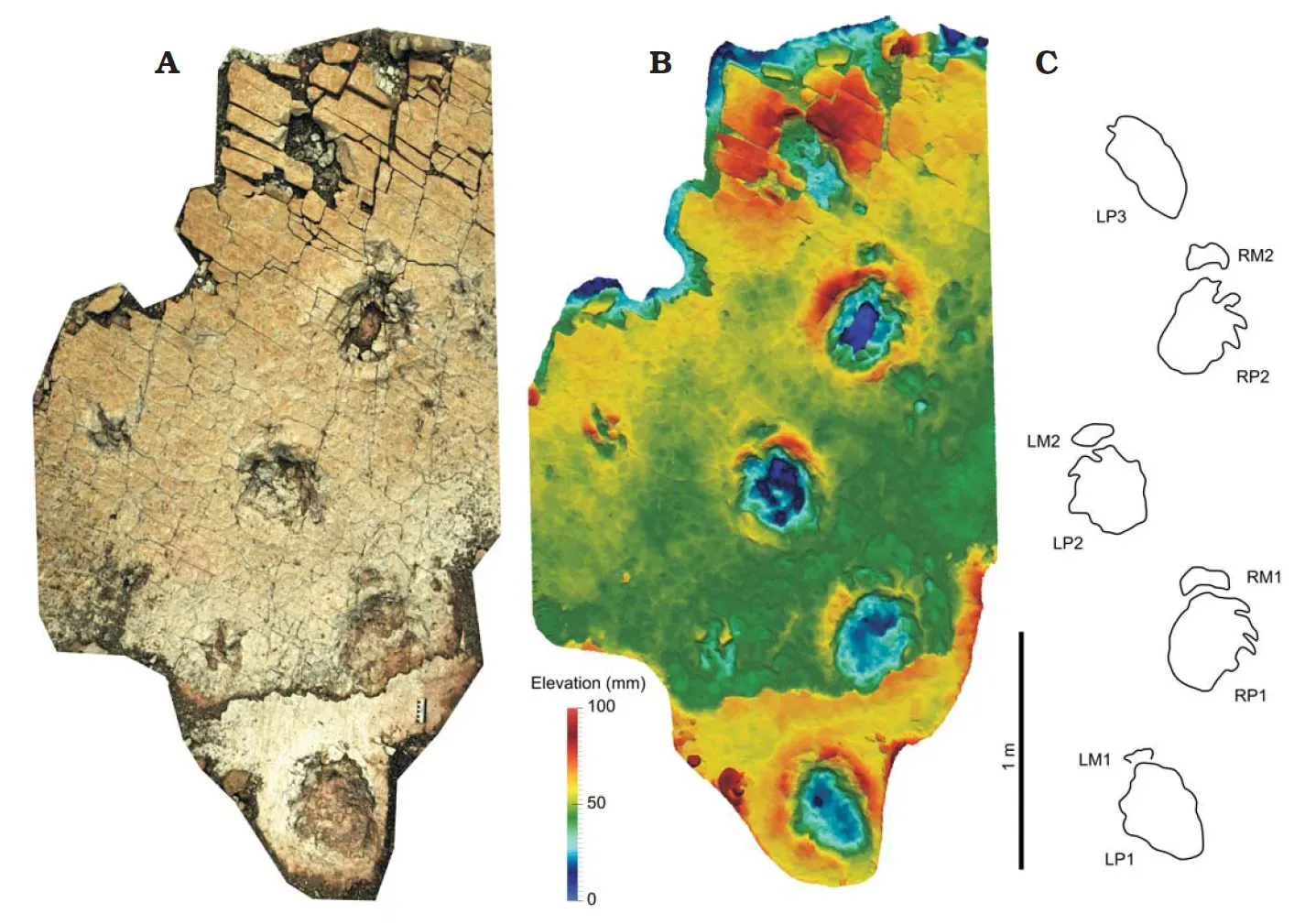
Each Megalosaurus track found in Oxfordshire measured around 25 inches long, with a stride of about 8.8 feet. Based on those measurements, scientists estimated the dinosaur walked at a pace of around 3 miles per hour, similar to an average adult human walking speed, and believe the sauropods walked at a similar pace. So much for the terrifying sprinting predator of the movies. These giants were apparently in no particular hurry.
An interesting discovery in ichnology is that Mesozoic dinosaurs, much like extant birds today, did not have discrete gaits like walk-jog-run. Instead, they had a continuous transition of speed, stride length, and step width. There are even traces of swimming dinosaurs, with some tracks showing only long scrapes from the tips of theropod claws, arranged in a fashion that could only be caused by the dinosaur being buoyed up in the water. I know it sounds crazy, but dinosaurs appear to have been competent swimmers too.
Footprints as Proof of Social Behavior and Herd Dynamics
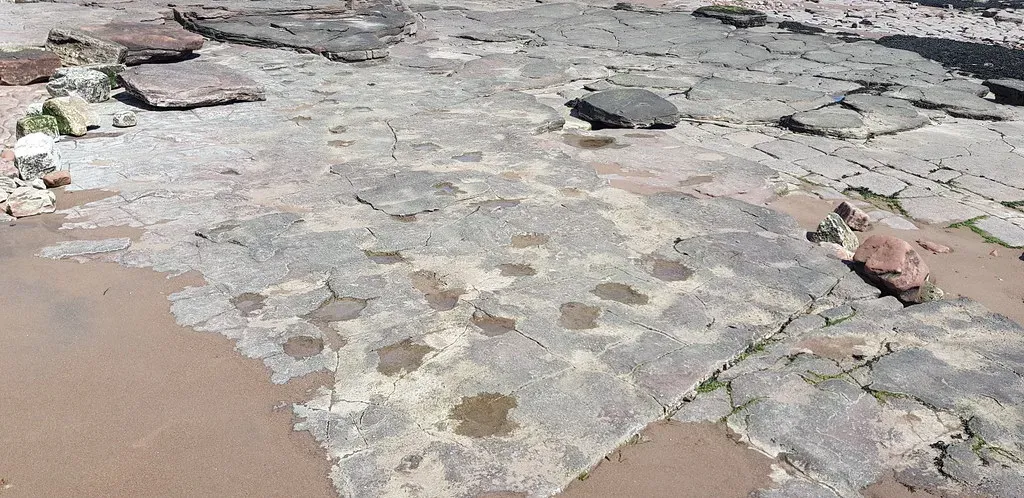
One of the most emotionally gripping things dinosaur footprints have revealed is that these animals were far more socially complex than early scientists ever imagined. A series of parallel tracks may suggest that animals were moving in a group and could indicate possible herd behavior. When you see that evidence spread out across a rock surface, the image of a solitary monster dissolves completely.
A set of dinosaur tracks in Texas made by sauropods shows groups in which the juvenile footprints are all in the center of the group, flanked by adults moving together in the same direction. Trackways like these indicate that young dinosaurs were kept in the middle of the herd, presumably for protection. That’s not reptilian behavior. That’s the kind of protective, coordinated movement you’d associate with elephants or wolves.
Such footprints suggest that certain dinosaurs had a flocking or herding behavior, and as researchers note, that’s not typical reptilian behavior, since no crocodilians, lizards, snakes, or turtles do anything like that. It tells us that the brains of these dinosaurs were less similar to those of modern reptiles and more similar in some fundamental ways to those of birds. The more you study these tracks, the harder it becomes to see dinosaurs as simple, lumbering beasts.
Famous Tracksite Discoveries Around the World
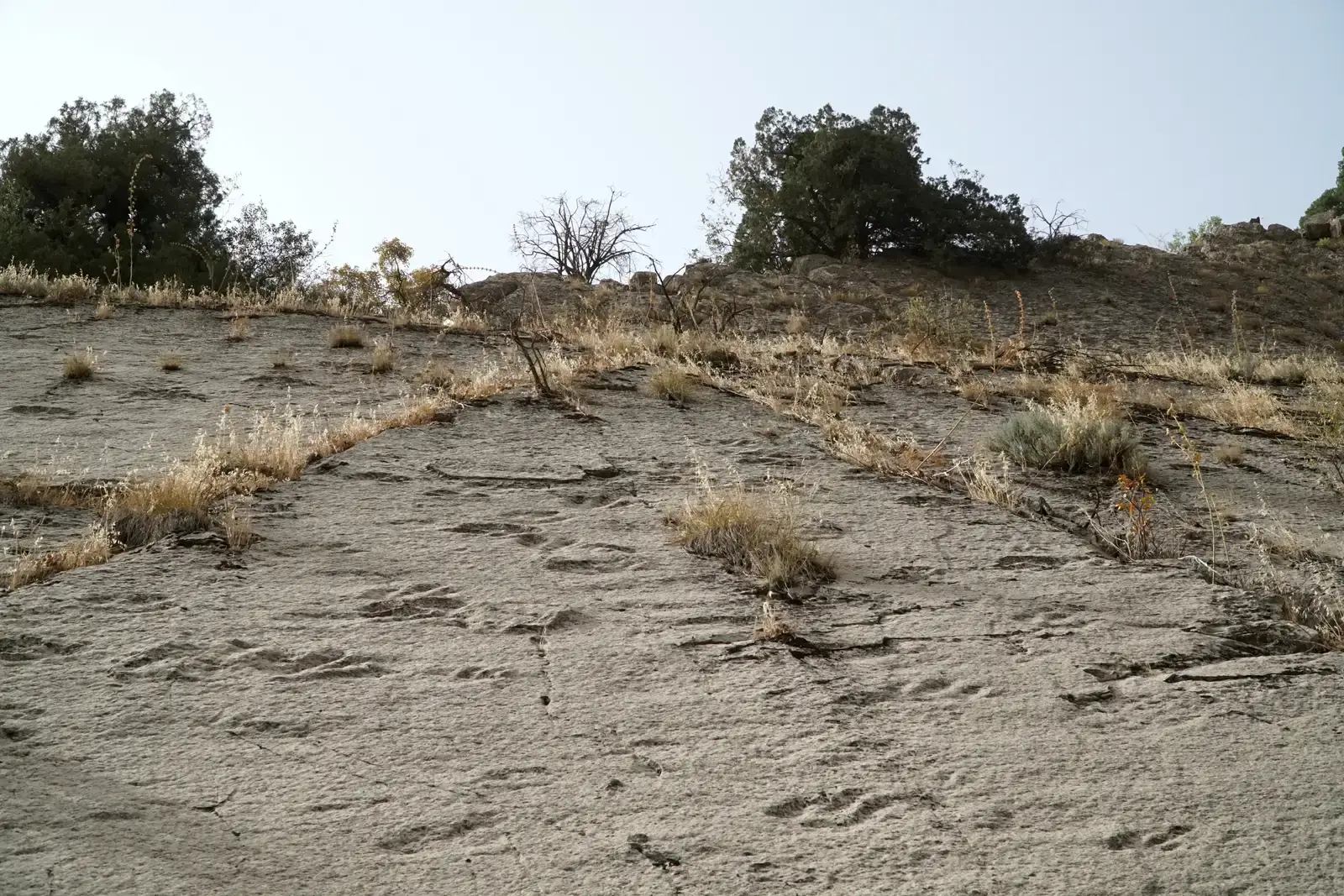
From dusty quarries in England to sweeping cliff faces in Bolivia, some of the world’s most exciting discoveries in recent years have come not from bones but from footprints. Researchers from the Universities of Oxford and Birmingham uncovered a huge expanse of quarry floor filled with hundreds of different dinosaur footprints, creating multiple enormous trackways dating back to the Middle Jurassic Period around 166 million years ago, including footprints from the nine-metre ferocious predator Megalosaurus and herbivorous dinosaurs up to twice that size.
In Bolivia, the extent of an incredible dinosaur highway has been revealed, with more than 16,000 footprints along with tail impressions fully documented – and the scale of theropod activity alone is unlike anything that has been seen before. At the Carreras Pampa site, most footprints point roughly northwest to southeast, and the orientation of the tracks matches tiny ripple ridges in the rock that mark an ancient paleocoastline, a former shoreline now preserved inside limestone. It’s like reading the daily commute of an entire prehistoric community.
Paleontologists now link individual trackways into “megatrackways,” and three such megatrackways in the western United States, including the Upper Glen Rose in Texas and the Dinosaur Freeway in Colorado, each serve as records of regional dinosaur movements that support the theory that certain dinosaurs migrated hundreds of miles. Meanwhile, La Rioja in Spain holds the highest number of recorded dinosaur footprints, with more than 9,100 tracks studied and thousands still yet to be documented.
Reading Ancient Environments Through Fossil Tracks
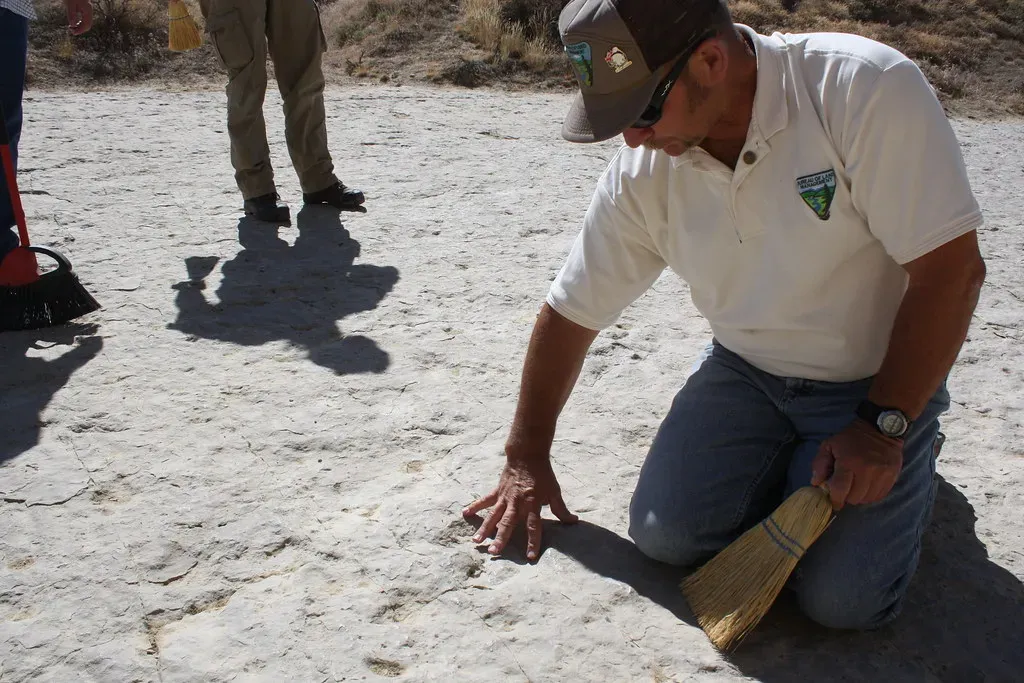
Footprints don’t just tell you about the animal. They tell you about the world the animal lived in. Studying the context of footprints helps scientists understand the environment where dinosaurs lived, as the type of ground that preserved the prints indicates whether the area was muddy, sandy, or rocky, and each terrain can tell a story about the climate and ecosystem. You’re essentially reading a field report from a world that no longer exists.
Until tracks were reported at the Red Gulch Dinosaur Tracksite in Wyoming in 1997, most scientists thought the entire Bighorn Basin and most of Wyoming was covered by an ancient ocean called the Sundance Sea. Not only are there hundreds of tracks at the site, but the 40-acre area could contain thousands more, and the dinosaur tracks were clearly made just at the shoreline, proving there must have been large areas of dry land to support not only dinosaurs but other animals and plants. A single tracksite rewrote what we thought we knew about an entire region’s geography.
The distinct footprints found in Oxfordshire indicate the area was once covered in soft sediment, with an ideal amount of water to conserve the impressions. The area was once covered in soft sediment similar to the environment of the Florida Keys, with its carbonate mud banks and nearby water source. By examining prints alongside other fossils and geological data, researchers can create a clearer picture of the ancient environment and understand how dinosaurs interacted with their surroundings and adapted to changes over time.
AI and Modern Technology Are Transforming the Field
Here’s something that would have seemed like pure science fiction just a decade ago. A newly developed app powered by artificial intelligence is giving scientists and the public a new way to identify dinosaur footprints left behind millions of years ago, and the technology aims to make sense of fossil tracks that have long challenged researchers. The intersection of prehistoric geology and cutting-edge computing is, frankly, astonishing.
With the new DinoTracker app, researchers and dinosaur fans can upload a photo or drawing of a footprint using a mobile phone and receive an immediate analysis, with the app evaluating the shape and structure of the track to estimate which type of dinosaur likely made it. The algorithm matched classifications made by human experts approximately 90 percent of the time, even for controversial or difficult-to-identify species. That level of accuracy is genuinely jaw-dropping.
Most intriguingly, the AI network found that several dinosaur tracks made more than 200 million years ago share uncanny features with extinct and modern birds, suggesting that birds could have originated tens of millions of years earlier than previously thought. The system also provided new clues regarding mysterious footprints on the Isle of Skye in Scotland, where tracks formed approximately 170 million years ago may have been left by some of the oldest known relatives of duck-billed dinosaurs, indicating they are among the earliest examples of this group identified globally. Technology isn’t just speeding up paleontology – it’s changing what questions we’re even allowed to ask.
Conclusion
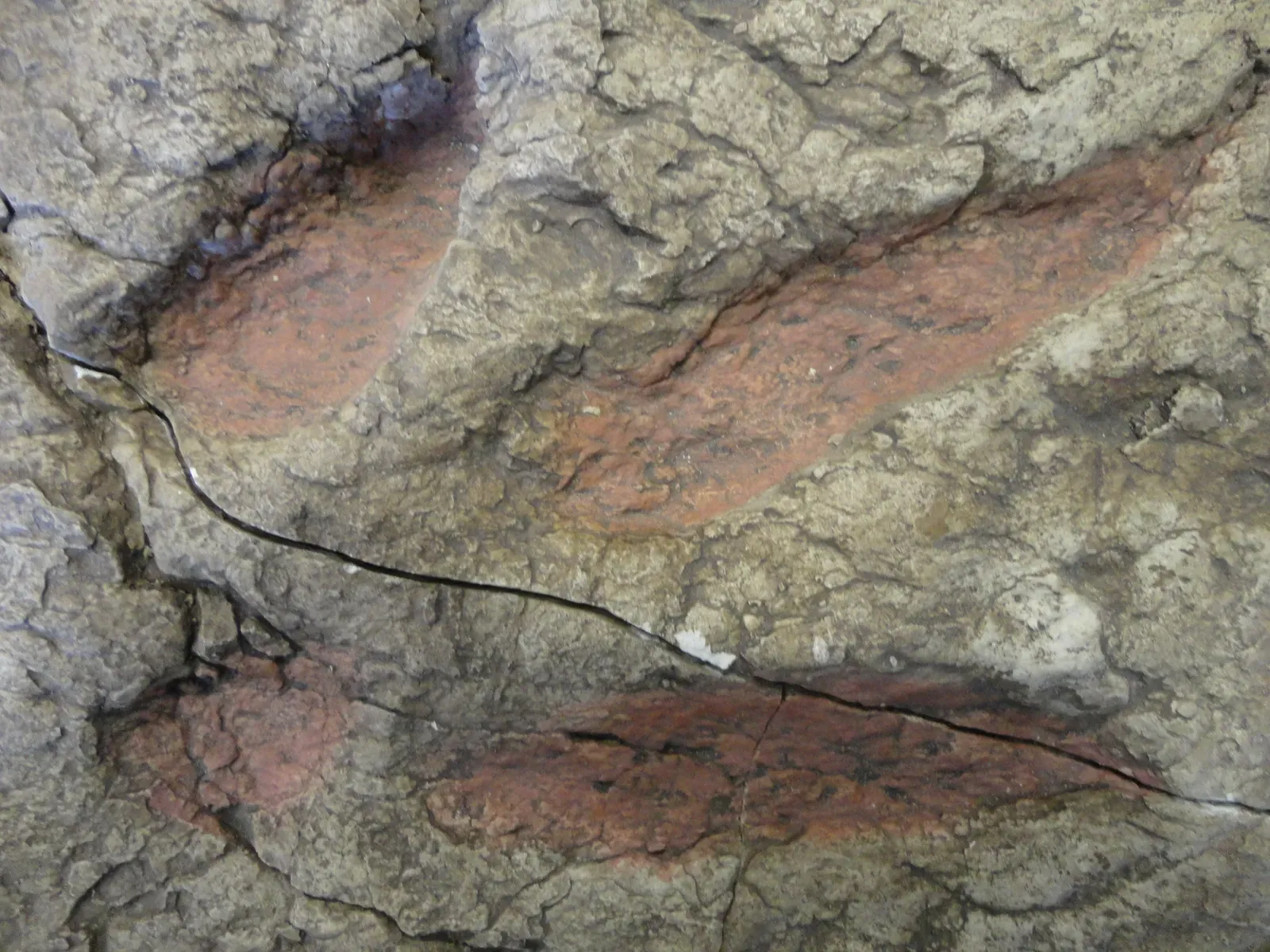
Dinosaur footprints are, in a very real sense, the most intimate fossils we have. Bones are what was left behind when an animal died. A footprint is what was left behind while it was fully, magnificently alive. Every step preserved in ancient stone is a tiny frozen moment, a creature mid-stride through a world we can barely imagine. The deeper science digs into these traces, the more it becomes clear we’ve only just scratched the surface.
From the sauropod highways of Bolivia to the quarry floors of Oxfordshire, from the herd behavior encoded in Texan rock to the AI-driven revelations of 2026, the story of dinosaur footprints is very much still being written. Every new discovery adds a sentence, a paragraph, sometimes an entire chapter to the greatest natural history story ever told. It’s hard not to feel a little awestruck knowing that the ground beneath us has been keeping these secrets for millions of years, just waiting for someone curious enough to look down.
What would it have felt like to stand on those ancient mudflats and watch these creatures pass? We’ll never know for certain – but their footprints bring us closer than you might think.