
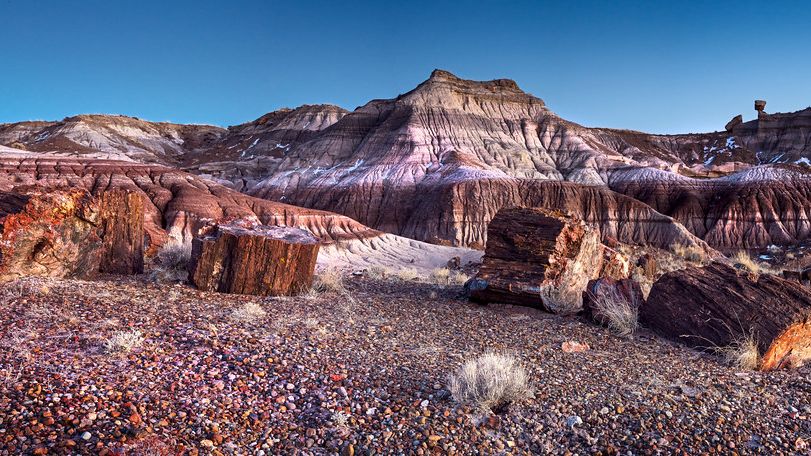
Most people picture dinosaurs stomping through dense jungles or vast sandy plains. You’ve seen the movies, you’ve read the books, and you probably never once imagined the state you live in was once sitting at the bottom of a prehistoric sea. Yet the geological truth is far stranger and honestly more spectacular than anything Hollywood has cooked up.
There was a time when a massive, warm inland ocean sliced right through the heart of North America, drowning entire regions under hundreds of feet of water. Right along its edges, and even beneath its waves, some of the most extraordinary creatures in Earth’s history were living, hunting, and dying. Let’s dive into the states where the ground beneath your feet has a seriously dramatic past.
Kansas: The Birthplace of American Paleontology
If you’re standing anywhere in western Kansas today, you’re standing on what was once the floor of an ancient sea teeming with monsters. Eighty million years ago, this dry, desolate landscape was completely covered by water, teeming with exotic forms of life. Think about that for a second. The same flat, quiet plains you drive through on road trips? Ocean floor.
From swimming mosasaurs to flying pteranodons – the two state fossils of Kansas – some of America’s biggest early paleontological discoveries happened on these plains. Of particular note are fossils from the Niobrara Chalk of Kansas, which yields spectacular vertebrates like mosasaurs, plesiosaurs, giant sea turtles, pterosaurs, sharks and other fish, and birds. It’s a roll call of prehistoric life that honestly rivals anything found anywhere else on the continent.
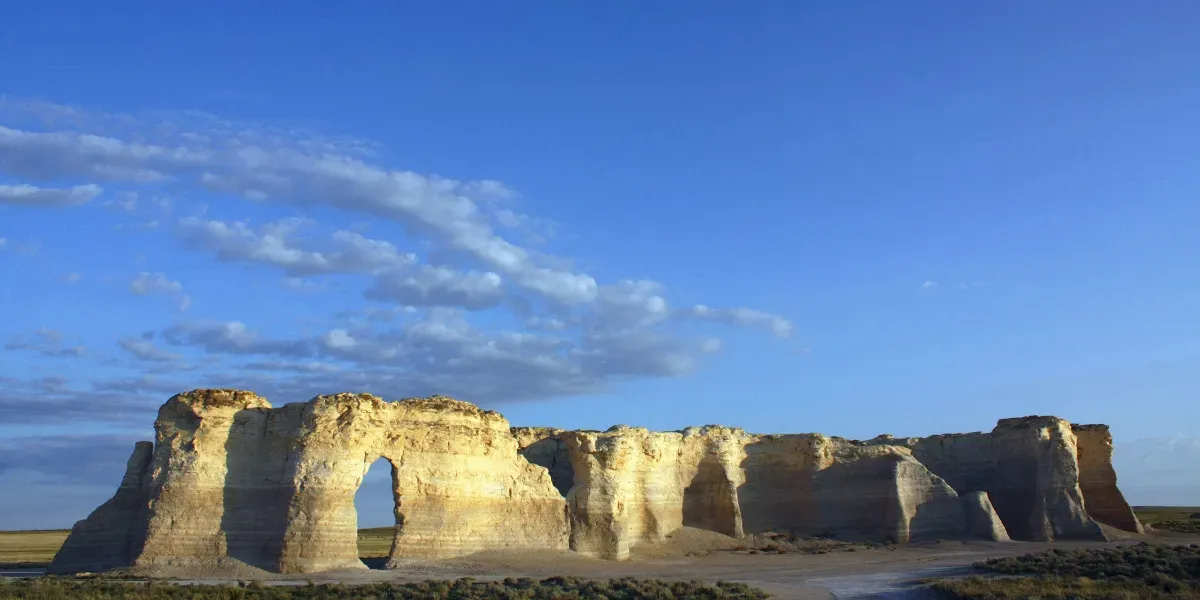
Some of the mosasaur fossils discovered in places like modern-day Kansas were as much as 18 meters long, representing some of the largest marine predators of all time. Some of the most notable outcrops are the Monument Rocks of Western Kansas, comprised of the Smokey Hills Chalk of the larger Niobrara Formation. Monument Rocks is a relatively large, isolated, and weathered outcrop of chalk that preserves rock layers deposited 87 to 82 million years ago. If you haven’t visited, consider it. You’re walking through the bones of a world that no longer exists.
Montana: Where Dinosaurs Ruled the Edge of the Sea
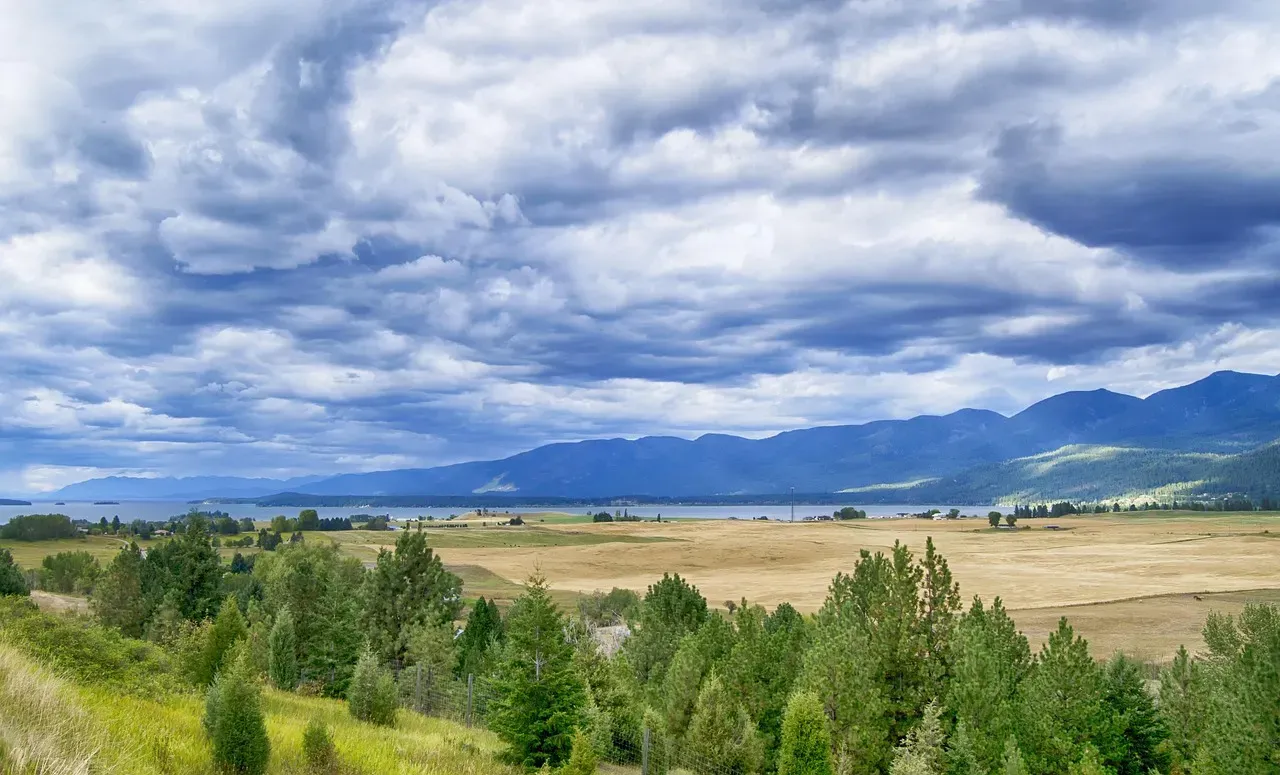
Montana is legendary in the paleontology world, and there’s a very good reason for that. Throughout the Cretaceous period, Montana was mostly covered by seawater, with the western edge of the state a shoreline, and southwest Montana a dry land. That boundary between water and land created one of the most productive fossil zones on the planet. You want sea creatures? You got them. You want land dinosaurs? They were right next door.
During the Campanian Stage of the Late Cretaceous, the coastal plain bordering the Western Interior Seaway was lined with rivers and dotted with a few lakes, and these bodies of water deposited the sediments that later became the Two Medicine Formation. During this time, Montana was home to some of the most well-known dinosaurs, including Triceratops, Tyrannosaurus, and Edmontosaurus, as well as duckbilled hadrosaurs such as Maiasaura. Honestly, this state is a museum in itself. Every layer of rock tells a chapter of a story spanning tens of millions of years.
The Hell Creek Formation is an intensively studied division of mostly Upper Cretaceous and some lower Paleocene rocks in North America, named for exposures studied along Hell Creek, near Jordan, Montana. The formation stretches over portions of Montana, North Dakota, South Dakota, and Wyoming. Its location at the changing conjunction of the eastern coast of Laramidia and the adjacent western shallows of the Western Interior Seaway led to the preservation of fossils of both marine and terrestrial creatures. That unique mix is why researchers keep coming back.
Colorado: Completely Swallowed by an Ancient Ocean
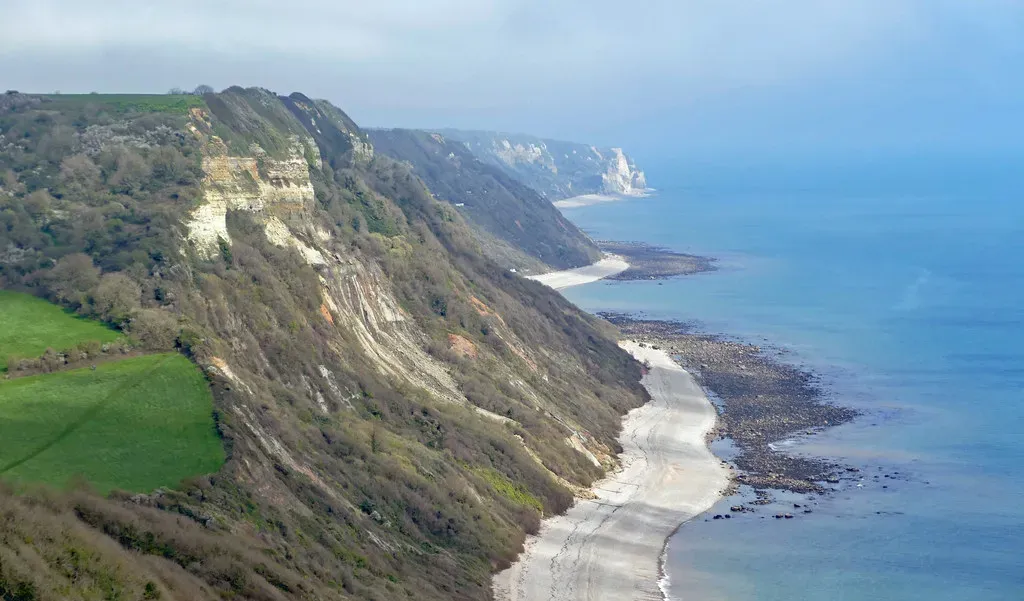
Here’s the thing – when you think of Colorado, you think of the Rocky Mountains, ski resorts, high altitude. The idea that it was once entirely submerged feels almost impossible. The entire state of Colorado was actually underwater at one time. Mountains and all. Well, the mountains didn’t exist yet, but the point stands. Where those peaks now tower, there was once an open sea.
Eventually the shallow sea in North America would spread as far west as central Utah, but about 100 million years ago it was only as far west as roughly the Front Range of Colorado. Where today there are mountains, there was then a coastal plain leading to the seashore. From Colorado to New Mexico, the coastal strip sediment was trampled by dinosaurs. So the state was actually both: partly submerged and partly a dinosaur highway running along the shoreline. I think that’s one of the coolest geological facts you can drop at a dinner party.
During the latter Jurassic, the floodplains of the western states were home to dinosaurs like Allosaurus, Apatosaurus, and Stegosaurus. Colorado’s coastal proximity to the sea meant the fossil record there captures the dramatic overlap of marine and terrestrial life. The waters of the Western Interior Seaway were warm, shallow, and inhabited by a plethora of marine animals. These included bony fish, sharks, marine reptiles such as mosasaurs and plesiosaurs, birds, mollusks, and echinoderms. Imagine that coastline. Nothing like what Colorado looks like today.
Texas: The Southern Heart of the Prehistoric Sea
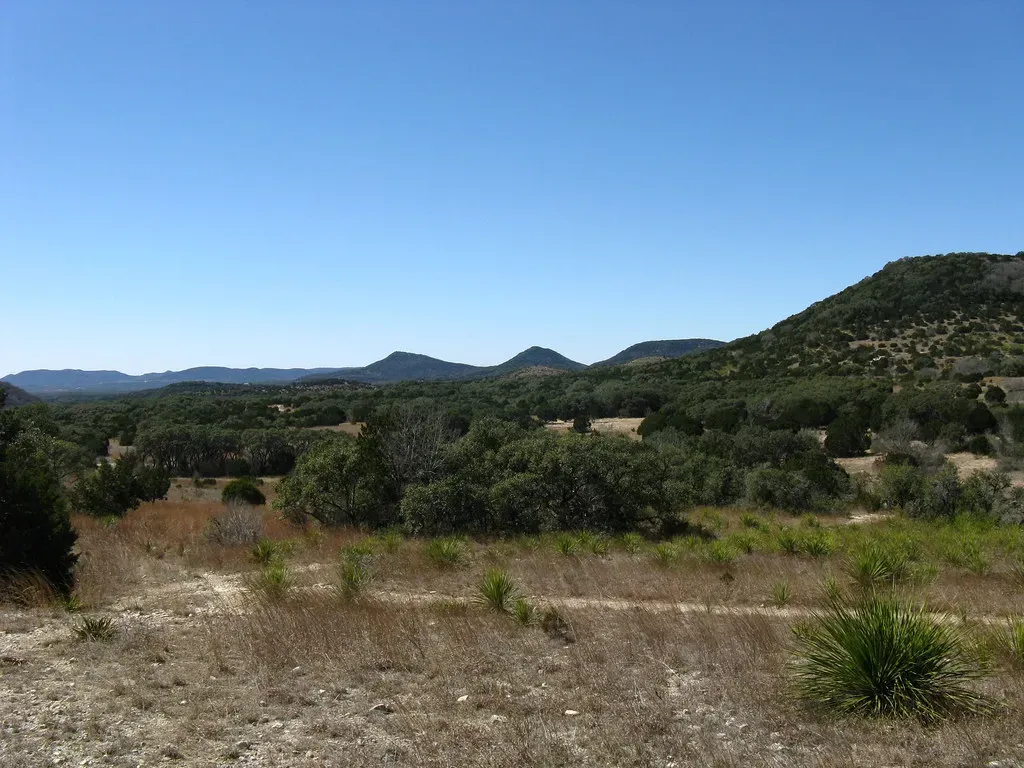
Texas is famously big, and it seems like its prehistoric story had to match. Most of the south, including all of Texas, was under water. The entire state. When sea levels peaked during the Cretaceous, Texas wasn’t a land of wide-open ranches and sprawling cities. It was an ocean floor, pure and simple. The Cretaceous-aged rocks of the continental interior of the United States, from Texas to Montana, record a long geological history of this region being covered by a relatively shallow body of marine water called the Western Interior Seaway.
The Western Interior Seaway also covered most of the shallow southeastern United States, including every state adjacent to the modern-day Gulf of Mexico. Texas sat right at the southern entry point of this colossal seaway, making it a critical connection between the ancient Gulf and the broader inland ocean. Texas is also a good source of dinosaur remains from the Triassic period, meaning that even when the seas retreated, dinosaurs moved in to claim the territory. This state has always had some serious life force running through it.
South Dakota: A Land of Fossils and Vanished Oceans
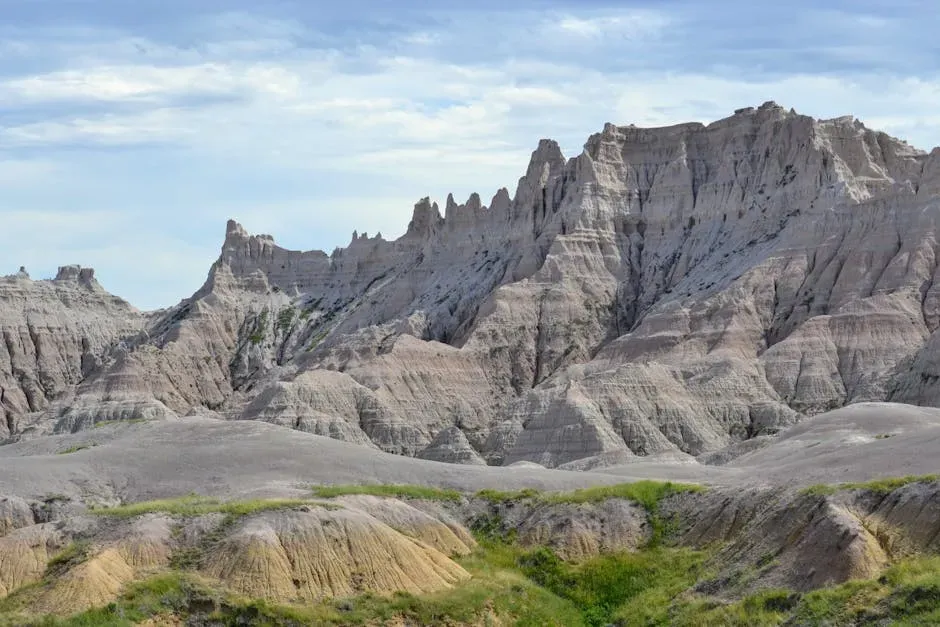
You might know South Dakota for Mount Rushmore or the Badlands. What you might not know is that the Badlands themselves are a direct testament to the ancient sea that once covered the region. The Western Interior Seaway covered most of the Dakotas and Nebraska, as well as eastern Montana, east-central Wyoming, and eastern Colorado. The Badlands’ dramatic, eroded landscape? That’s what millions of years of geological upheaval looks like after the water finally left.
During the latest part of the Cretaceous period, roughly 67 to 66 million years ago, the area that is now southeastern Montana, northeastern Wyoming, and northwestern South Dakota was a broad floodplain to the east of the developing Rocky Mountains, leading into the shallow marine Western Interior Seaway. These formations are most famous for their multiple bone beds containing abundant dinosaurs, including Tyrannosaurus rex, the giant horned Triceratops, the armored Ankylosaurus and dome-headed Pachycephalosaurus, and the large hadrosaurs (duck-billed dinosaurs) Edmontosaurus. South Dakota is essentially a prehistoric treasure chest buried just below the surface.
Wyoming: Submerged, Then Stomped On by Giants
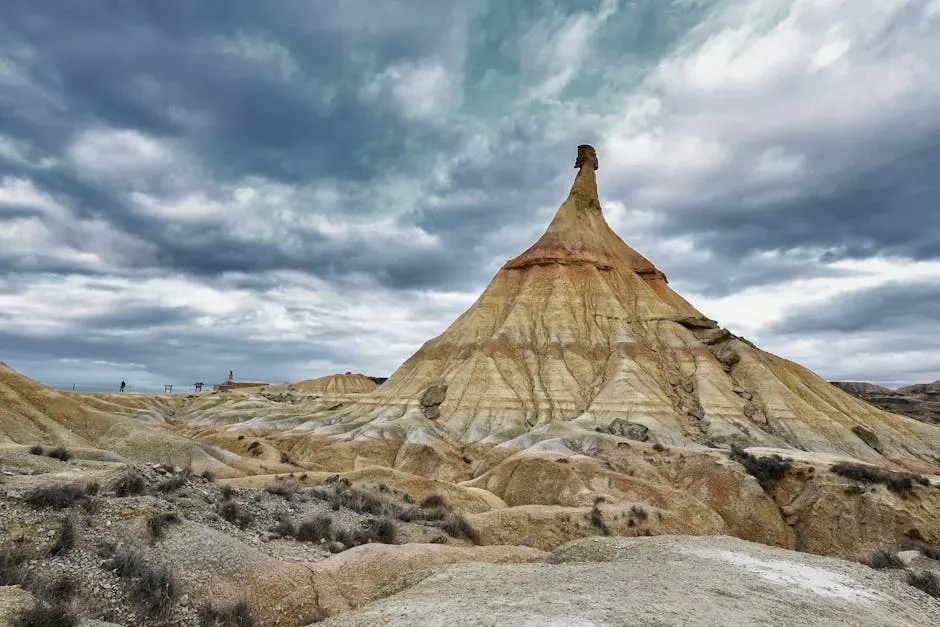
Let’s be real, Wyoming doesn’t always get the attention it deserves in the prehistoric conversation. States in between, such as Wyoming and Nebraska, were fully submerged during the reign of the Western Interior Seaway. Not just partially covered. Fully submerged. The Western Interior Seaway was subtropical as far north as Wyoming, meaning the waters were warm and tropical, nothing like the cold, windswept state you might picture today.
When the sea eventually pulled back, Wyoming became one of the great dinosaur stages of North America. During the latter Jurassic, the floodplains of the western states were home to dinosaurs like Allosaurus, Apatosaurus, and Stegosaurus. The stratigraphic unit known as the Morrison Formation was deposited during the Late Jurassic. These sediments are now exposed in Arizona, New Mexico, Oklahoma, Utah, Colorado, Wyoming, South Dakota, and Montana. The Morrison Formation is basically the greatest hits album of Jurassic dinosaurs, and Wyoming is one of its core recording studios.
Arizona: A Desert That Was Once a Marine Highway
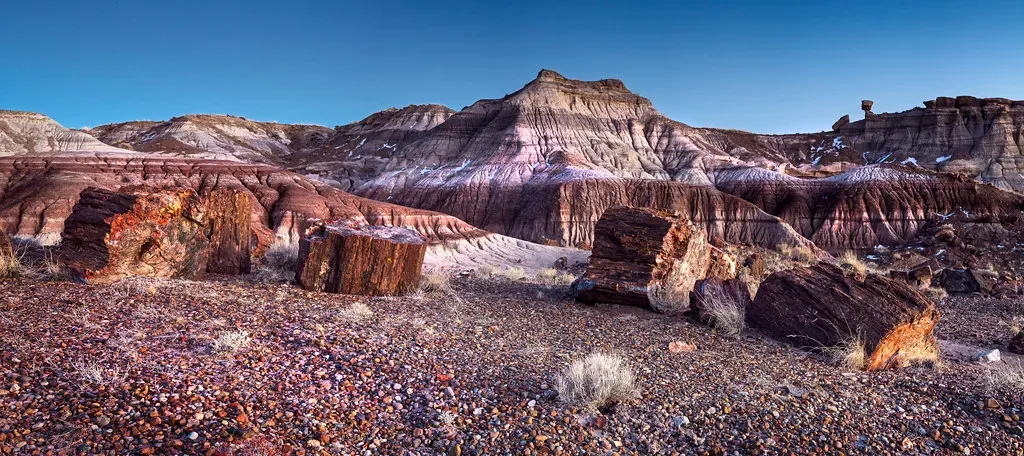
Arizona today is all red rock, cacti, and scorching desert heat. It’s hard to picture it any other way. Yet the geological record makes the case very clearly. Jurassic Arizona had a drier climate and was covered by sand dunes where dinosaurs left behind footprints. During the Cretaceous, part of eastern portions of the state were covered by the Western Interior Seaway, home to marine reptiles, including plesiosaurs and turtles. So you had sand dunes and dinosaur footprints in one era, and then a full-on marine invasion in the next.
This sea was inhabited by marine reptiles such as turtles and plesiosaurs. On land, the brachiosaurid sauropod Sonorasaurus lived in what is now southern Arizona during the middle part of the Cretaceous. That’s a jaw-dropping combination. Marine reptiles splashing through the eastern part of the state, while enormous long-necked sauropods wandered the dry western reaches. During the Triassic, Arizona was home to a rich forest home to dinosaurs and early relatives of mammals. Arizona’s deep past is layer upon layer of wildly different worlds stacked on top of each other.
California: Underwater for Longer Than You’d Ever Guess
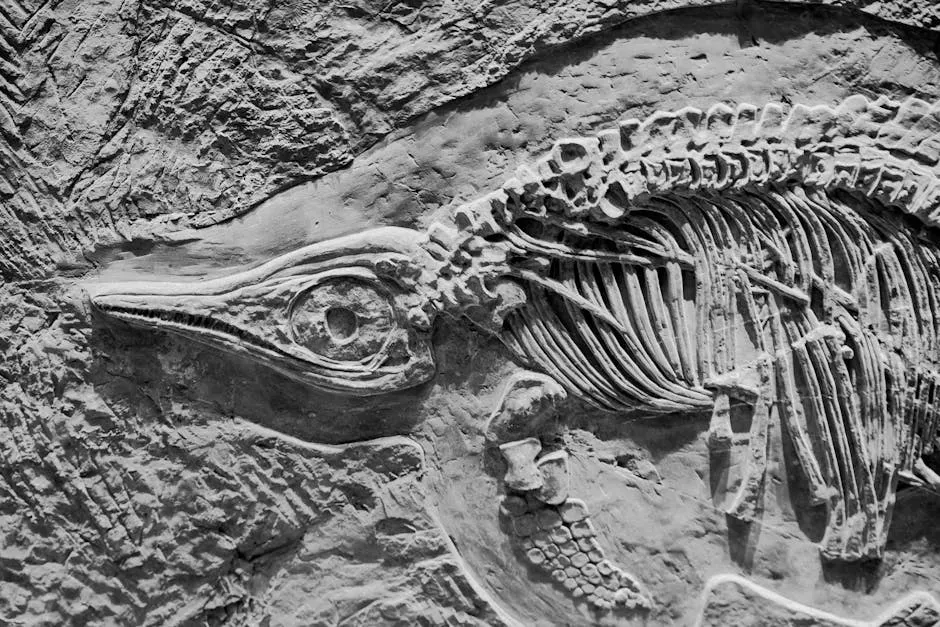
California gets a lot of attention for its modern coastline, but it turns out the state has had a relationship with the ocean that goes back far, far longer than anyone imagined. Before it was the vibrant city we know, Los Angeles was underwater for over 90 million years. Much of the L.A. area was submerged beneath the waves of the prehistoric Pacific Ocean. That’s not a typo. Ninety million years. The city that never sleeps was once a sea floor that never stirred.
An extinct ammonoid swam through Los Angeles 74 million years ago when large dinosaurs still roamed the coast of Southern California. So while T. rex and its relatives were stalking the inland regions, the Los Angeles basin was an underwater realm of ammonites and marine creatures. Many of these fossils were found by everyday Angelenos – from construction workers unearthing over 2,000 fish fossils while working on the Metro line to Museum neighbors discovering a whale skull while digging an irrigation ditch. California literally cannot dig a hole without finding something prehistoric. That, honestly, is remarkable.
Conclusion
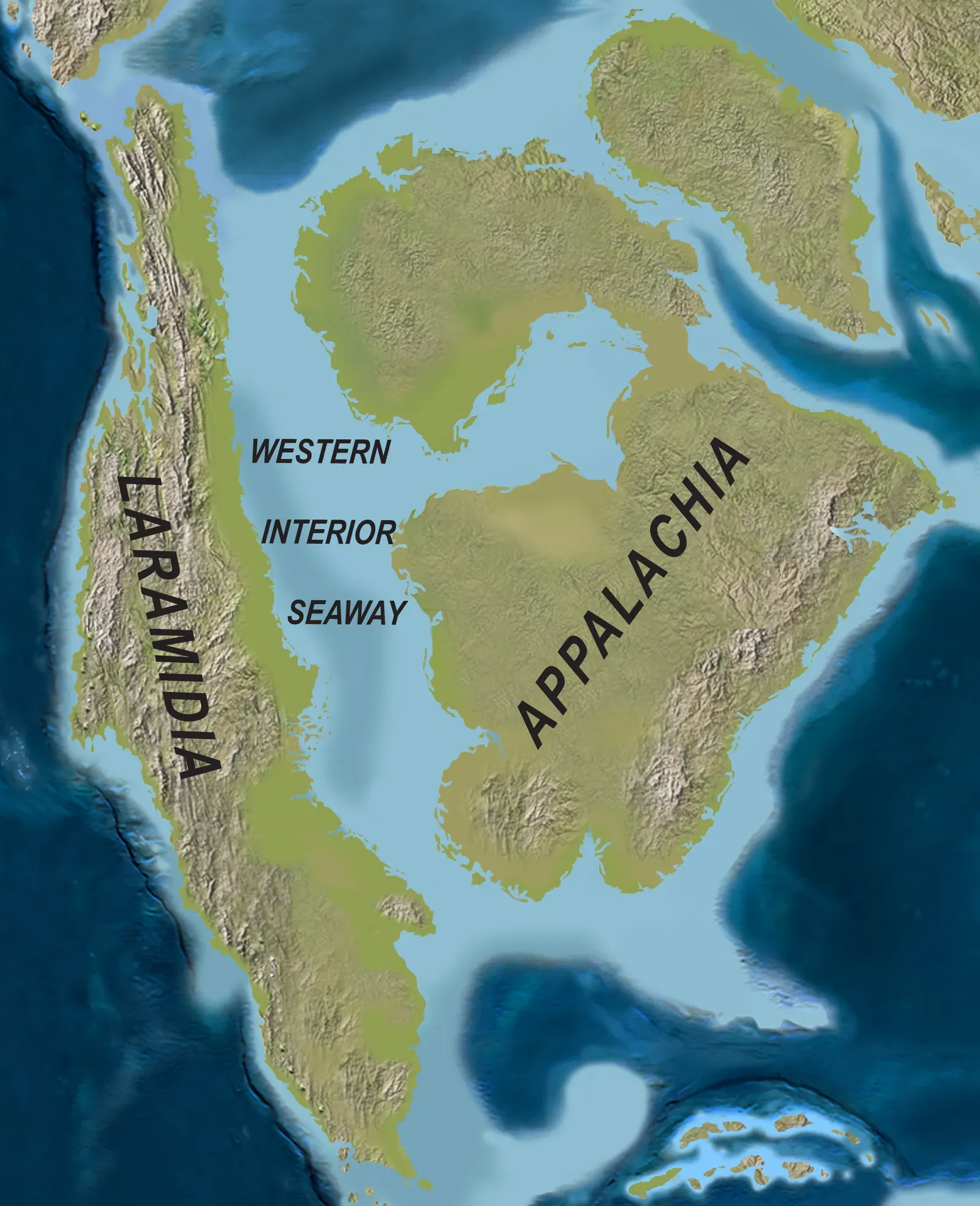
The ground beneath ordinary American life holds extraordinary secrets. The Western Interior Seaway was a large inland sea that existed roughly over the present-day Great Plains of North America, splitting the continent into two landmasses, Laramidia to the west and Appalachia to the east. The ancient sea existed for 34 million years, from the early Late Cretaceous to the earliest Paleocene, connecting the Gulf of Mexico to the Arctic Ocean. A sea that lasted longer than our entire primate lineage has existed. That scale of time is humbling.
Eventually, the seaway closed off at the end of the Cretaceous and gradually disappeared due to regional uplift and mountain-building on the western side of North America. The waters vanished. The dinosaurs followed. A large meteorite crashed into the Gulf 66 million years ago, causing a massive tsunami and a climate disruption that killed up to 80 percent of the world’s animal and plant species, the last of the dinosaurs being the most noticeable victims. It’s the most dramatic ending imaginable. Yet the fossil record these states carry within them keeps that world alive in remarkable detail.
Next time you drive across Kansas, hike through the Badlands, or dig a garden bed in Texas, spare a thought for the ancient sea that once covered it all. These eight states didn’t just witness prehistoric life. They were the stage for it. Which one surprises you the most? Drop your thoughts in the comments below.