Imagine standing on Earth 200 million years ago. You would not recognize a single thing around you. No familiar coastlines, no modern forests, no ice-capped poles. What you would feel is the raw, relentless power of a planet constantly reinventing itself. The Mesozoic Era, spanning roughly 186 million years, was not just the age of giant reptiles. It was the most climatically turbulent chapter in our planet’s long story.
From approximately 252 to 66 million years ago, Earth underwent dramatic climate shifts and geological changes that shaped dinosaur evolution and created ecosystems vastly different from those we know today. Honestly, when you look at the scale of what changed during this era, it is almost impossible to wrap your head around it. Buckle up, because what follows is nothing short of extraordinary.
A World Born from Catastrophe: The Permian Legacy
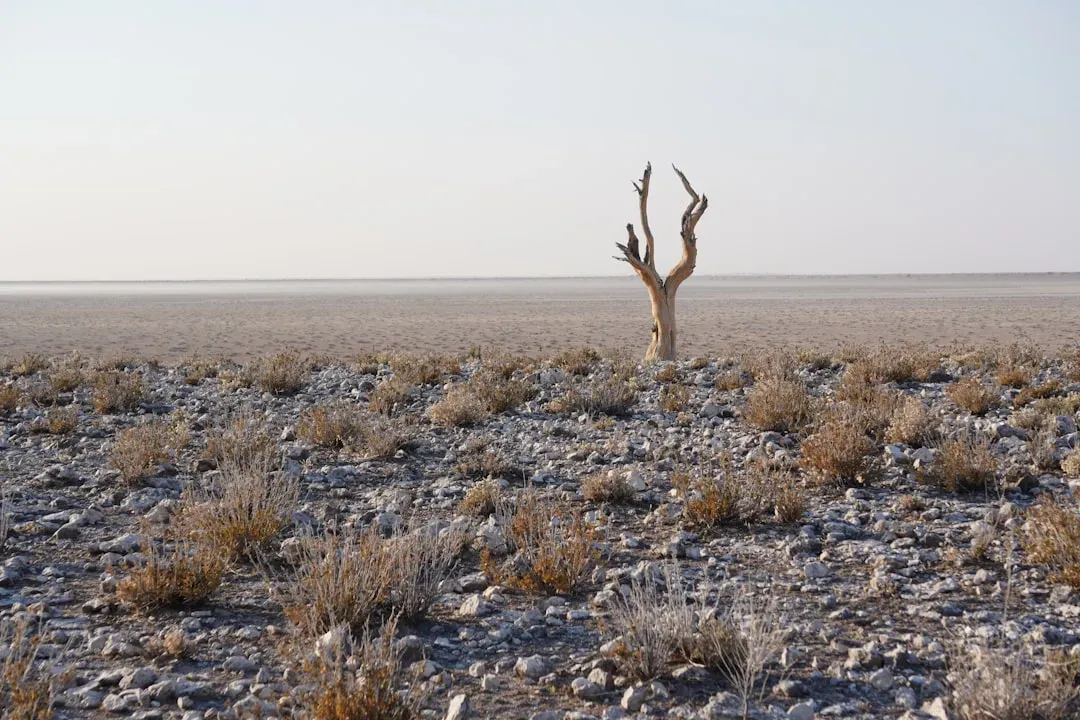
Before you can truly appreciate the climate of the dinosaur age, you need to understand what came just before it. Three of the five largest mass extinctions in Earth history are associated with the Mesozoic: one occurred at the boundary between the Mesozoic and the preceding Paleozoic, another occurred within the Mesozoic at the end of the Triassic Period, and a third occurred at the boundary between the Mesozoic and subsequent Cenozoic, resulting in the demise of the dinosaurs. The one that kicked everything off was absolutely devastating.
The Mesozoic Era began following the devastating Permian-Triassic extinction event, which wiped out approximately 96 percent of marine species and 70 percent of terrestrial vertebrates, opening ecological niches that dinosaurs would eventually dominate. Think of it like a forest fire that obliterates everything, only for wildly new species to fill in the ash-covered silence. Life slowly rebounded, eventually giving way to a flourishing diversity of animals, from massive lizards to monstrous dinosaurs.
The Triassic: A Scorching, Drought-Ridden World
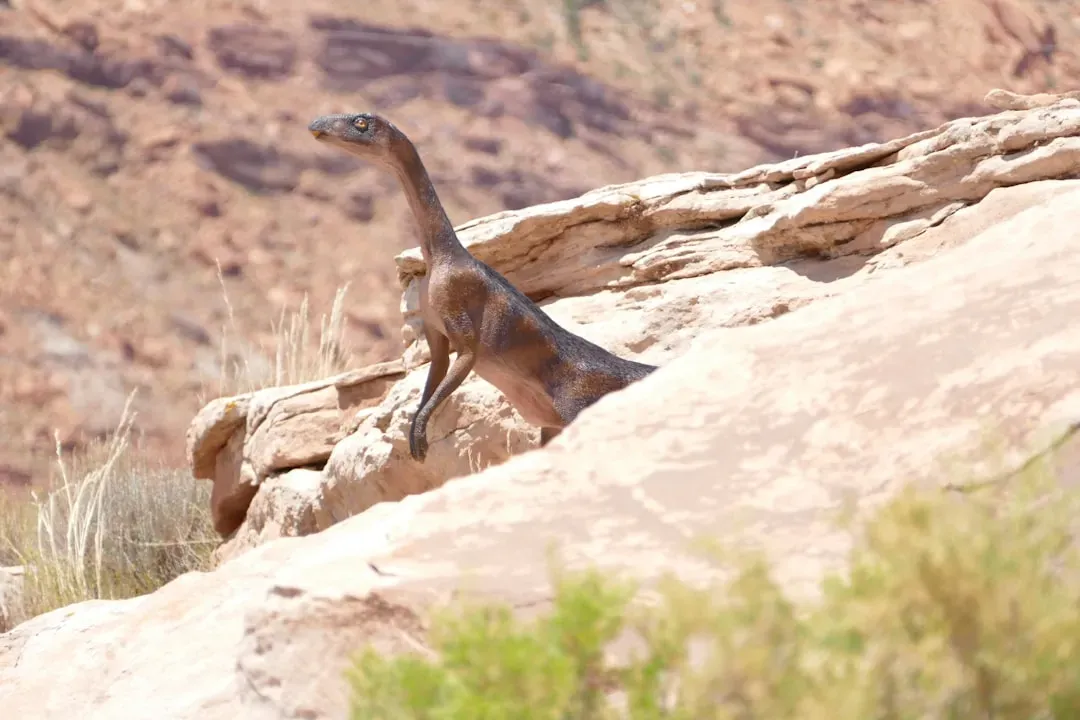
Here is the thing about the Triassic. You might picture dinosaurs roaming lush jungles, but the reality was closer to a vast, sun-baked desert. The global climate during the Triassic was mostly hot and dry, with deserts spanning much of Pangaea’s interior. However, the climate shifted and became more humid as Pangaea began to drift apart. It was a world of extremes, not unlike what scientists fear could arrive if today’s warming continues unchecked.
Worldwide climatic conditions during the Triassic seem to have been much more homogeneous than at present. No polar ice existed. The climate during much of the Triassic was warm with a dry continental interior and no evidence of ice at the poles. You would have found a monsoonal climate, particularly during the Middle and Late Triassic, over wide areas of Pangea, where cross-equatorial monsoonal winds would have brought strong seasonal precipitation to some areas. Survival in this world was not guaranteed for anything, and the climate was the first great filter.
Pangaea Breaks Apart and Everything Changes
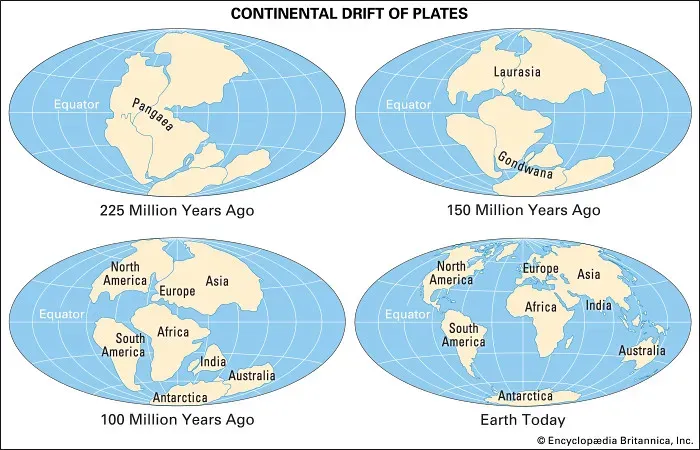
Perhaps nothing in Earth’s entire history shaped climate so profoundly as the slow, grinding breakup of the supercontinent Pangaea. The era featured the dramatic rifting of the supercontinent Pangaea, which gradually split into a northern continent, Laurasia, and a southern continent, Gondwana. When a continent that once stretched from pole to pole starts cracking apart, the consequences ripple into every corner of the atmosphere and ocean. It is a bit like pulling the plug on a bathtub, except the bathtub is the entire planet.
Over tens of millions of years, the motion of tectonic plates began to stretch Pangaea apart. Lava poured from growing gaps, or fissures, in Earth’s crust. These eruptions spewed carbon dioxide, a climate-warming greenhouse gas. That CO2 also triggered some wild climate ups and downs. During this era, the land gradually split from one huge supercontinent into smaller ones. The associated changes in the climate and vegetation affected how dinosaurs evolved. The dinosaurs, in a very real sense, were shaped by a planet literally tearing itself to pieces.
The Jurassic: Earth’s Great Green Transformation
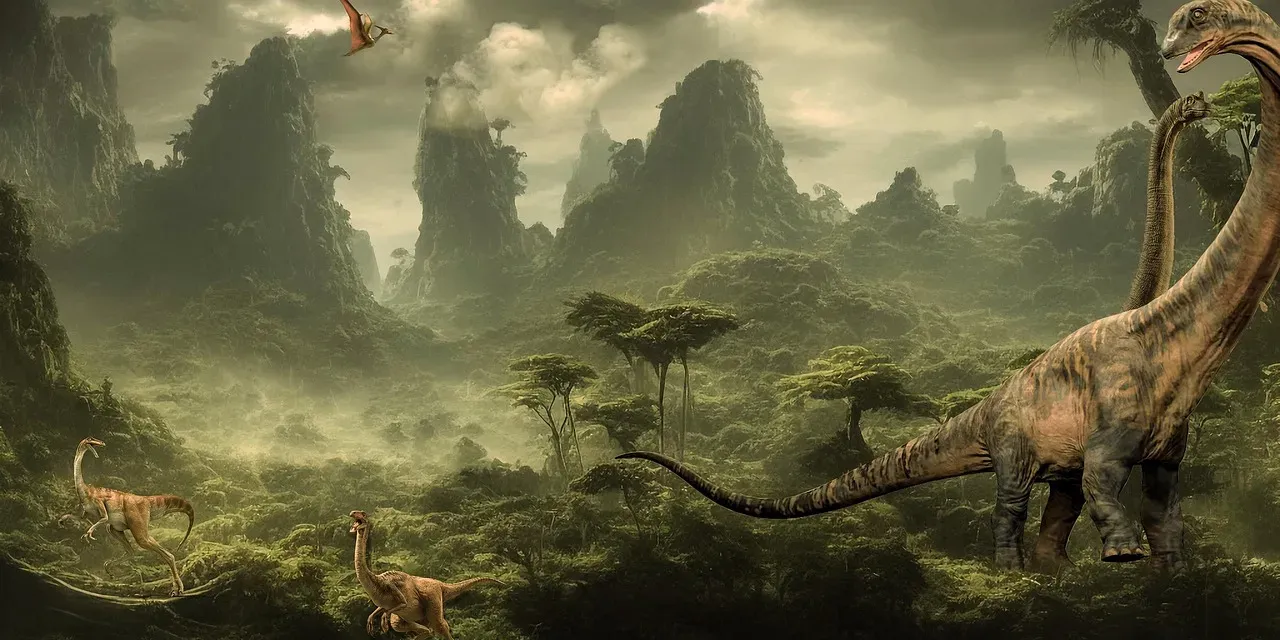
If the Triassic was a furnace, the Jurassic was something far more inviting. The heyday of dinosaurs, the Jurassic era saw Earth’s climate change from hot and dry to humid and subtropical. The Jurassic period was characterized by a warm, wet climate that gave rise to lush vegetation and abundant life. Deserts receded, forests swelled, and the planet turned genuinely green. You would have recognized something almost alive and thriving in every direction.
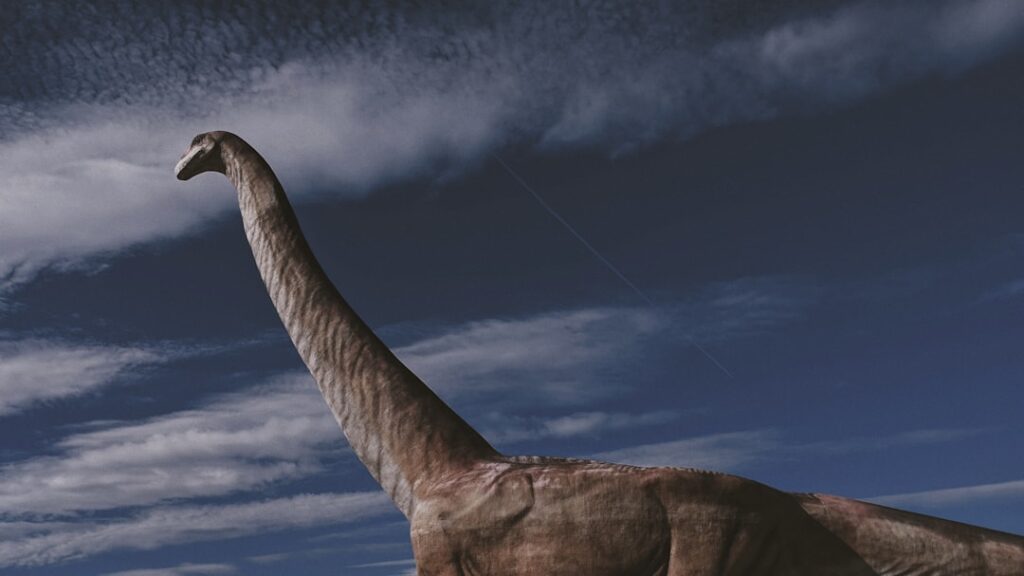
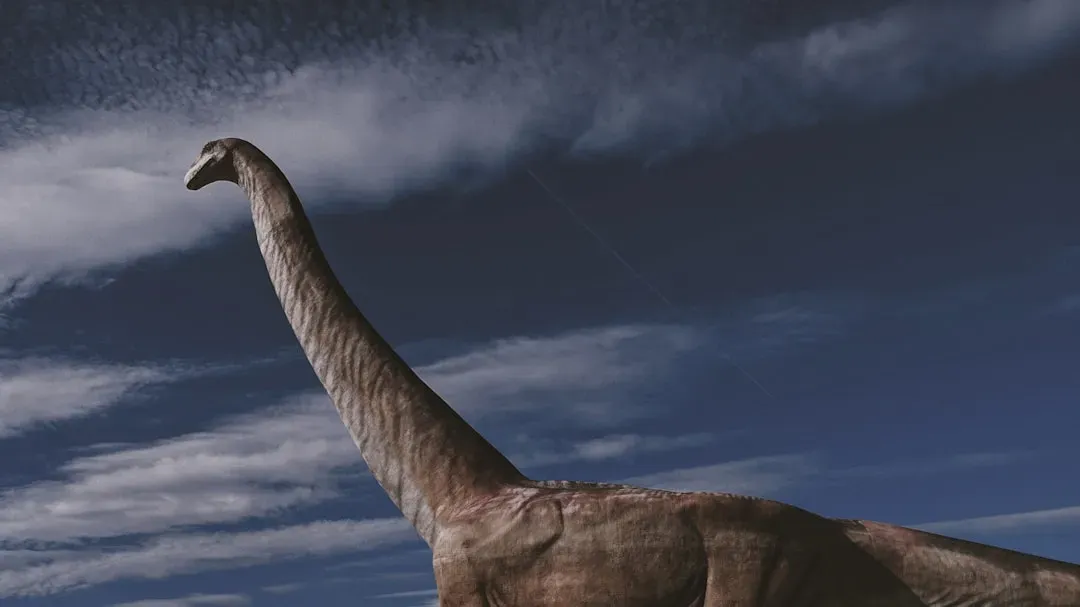
It has been suggested that increased volcanic and seafloor-spreading activity during the Jurassic released large amounts of carbon dioxide and led to higher global temperatures. Sea levels began to rise during the Jurassic, probably caused by an increase in seafloor spreading. The formation of new crust beneath the surface displaced ocean waters by as much as 200 meters above today’s sea level, flooding coastal areas. The result was something remarkable. The plentiful plant supply allowed the huge plant-eating sauropods – such as Apatosaurus, Diplodocus and Brachiosaurus – to evolve. These are some of the largest animals to have ever walked the Earth.
The Cretaceous Greenhouse: Earth at Its Hottest
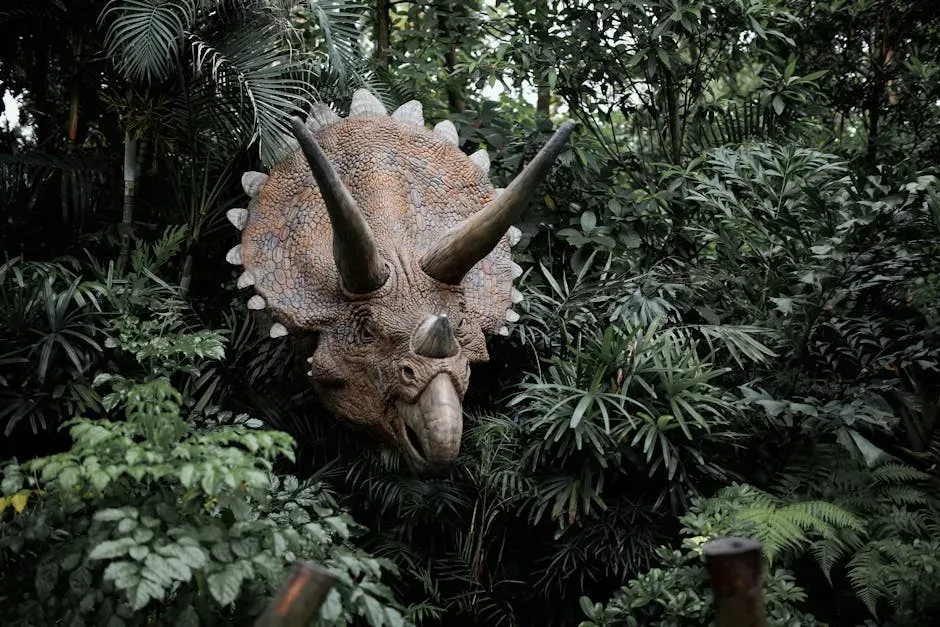
Let’s be real, the Cretaceous takes the crown as the most intense climate period the dinosaurs ever had to endure. A scientific drilling project in China has retrieved a continuous history of conditions from Earth’s most recent “greenhouse” period. The drilling site has produced sediment cores to complete a record of terrestrial climate covering the Cretaceous period, Earth’s most recent greenhouse climate. The global climate in which these plants and animals lived was also very different: warmer, steamier, and virtually devoid of ice.
As the greenhouse climate reached its summit in the mid-Cretaceous, the Earth was characterized by equably distributed warmth with mean annual polar temperatures exceeding 14 degrees Celsius. There were no permanent polar ice sheets, and sea levels were 100 to 200 meters higher than those of today. The highest temperatures in the period occurred roughly 90 million years ago in a time called the Cretaceous Thermal Maximum, which was actually the warmest time period in the last 200 million years on Earth. Staggering, when you think about it.
Dinosaurs at the Poles: Pushing the Limits of Survival
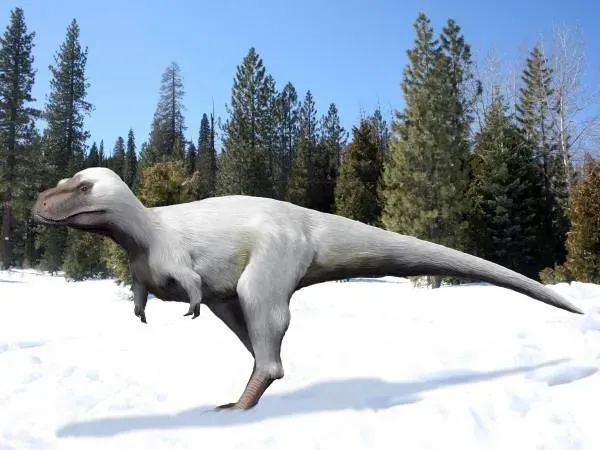
One of the most jaw-dropping revelations in paleontology is the discovery that dinosaurs did not just survive in warm equatorial zones. They pushed all the way to the poles. Perhaps one of the most surprising aspects of the Mesozoic climate was the existence of dinosaur communities in polar regions, areas that would be inhospitable to most reptiles today. Evidence for warm polar regions during the Cretaceous is well documented. Terrestrial plant assemblages and dinosaurs from polar latitudes of both hemispheres indicate mean annual and winter minimum temperatures much warmer than modern.
This long-term heat had profound effects on life, shaping the evolution of many species, including dinosaurs. Some dinosaurs even adapted to live in Arctic regions, which, while cooler than other parts of the world, were still much warmer than today’s Arctic. Fossil evidence shows that dinosaurs lived in polar regions, which were warm enough to support forests. The image of a dinosaur standing among polar trees, with no ice in sight anywhere on Earth, is one you will not forget quickly.
The Final Curtain: When Climate and Catastrophe Collided
The end of the dinosaur era was not simply a single dramatic moment, as much as the movies would have you believe. Fossil and geological evidence indicates gradual changes on a global scale were taking place before the end of the Cretaceous. These changes included volcanic activity, shifting continental plates that altered the climate and environment, and falling sea levels. The stage was being set for a finale long before the final blow landed. A decline in CO2 may have been causing gradual cooling before the extinction event.
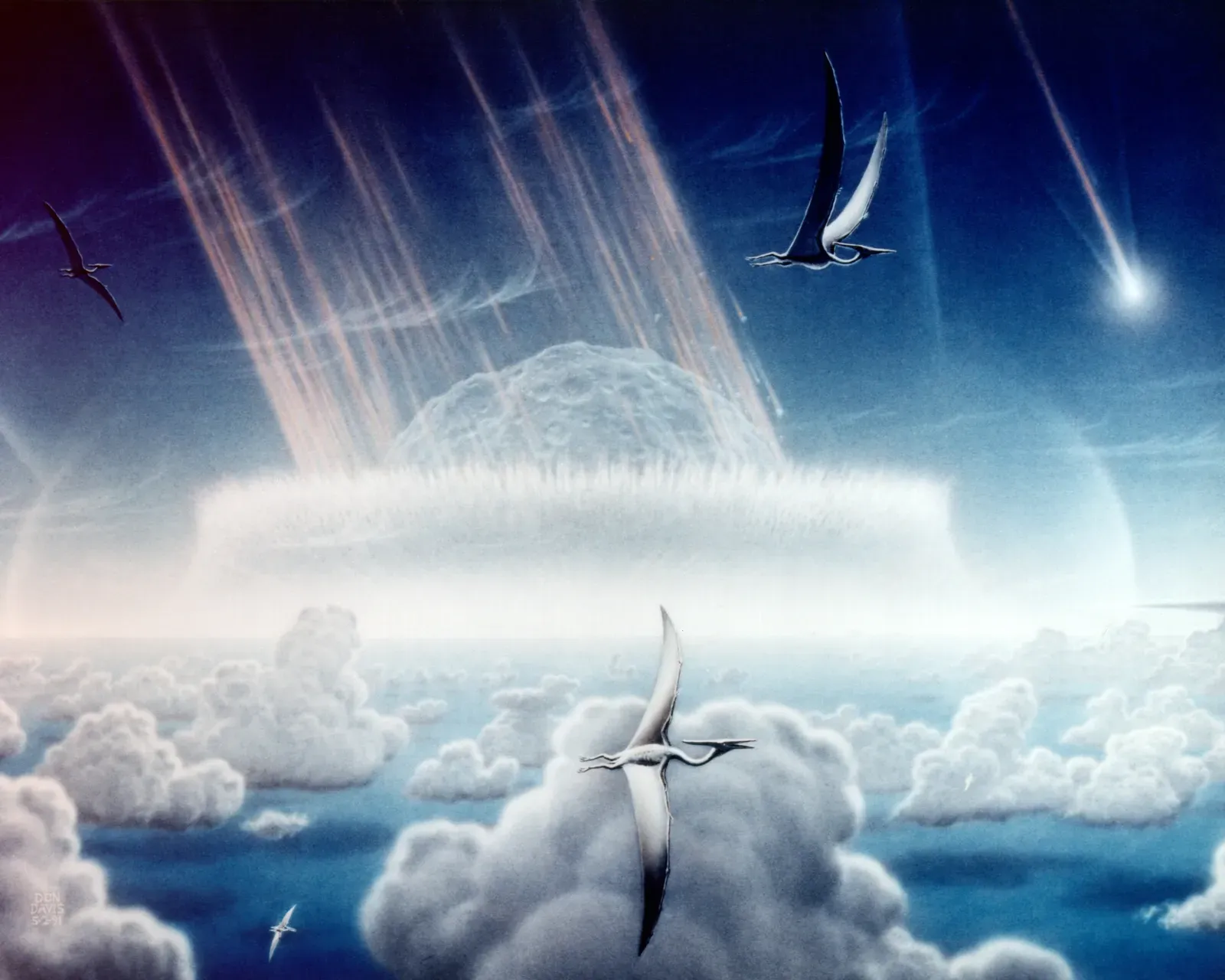
The dinosaur era concluded with one of the most dramatic climate catastrophes in Earth’s history, triggered by the impact of a massive asteroid approximately 10 kilometers in diameter in what is now the Yucatán Peninsula of Mexico. A large meteorite crashed into the Gulf 66 million years ago, causing a massive tsunami and a climate disruption that killed up to 80 percent of the world’s animal and plant species, the last of the dinosaurs being the most noticeable victims. A planet that had survived scorching deserts, tropical poles, and rising seas, finally met its match in a single, shattering instant.
Conclusion: What the Dinosaur Age Teaches You About Climate Change
The story of the Mesozoic is ultimately a story about resilience and limits. You see a planet that bent and flexed across nearly 186 million years of dramatic change, from bone-dry Triassic deserts to steaming Cretaceous jungles, from ice-free poles to seas flooding the American heartland. Life adapted, evolved, and thrived through nearly all of it. Until it didn’t.
Throughout these periods, Earth’s climate underwent dramatic transformations that reflected changes in atmospheric composition, continental positions, and sea levels. During much of the dinosaur era, Earth existed in what scientists call a “greenhouse state,” with substantially higher carbon dioxide levels than today. It is invaluable to investigate times in the geologic past when CO2 levels and temperatures were higher than today because these are the best natural analogues that we have to provide reference points for the future. In other words, the age of dinosaurs is not just ancient history. It is a mirror you can hold up to the present.
The next time you hear about climate science, remember that Earth has been here before, in ways even more extreme than anything we are currently measuring. The question is not whether the planet can handle change. It always has. The question is whether the species living on it can. What do you think: does knowing what Earth survived before give you more hope, or more concern, about where things are headed now?