Most people look at a frog sitting on a lily pad and a crocodile lurking in a murky river and think they are seeing two entirely different worlds. On the surface, that’s fair. One is slimy and small, the other armored and ancient-looking. Yet beneath those very different exteriors lies one of the most fascinating stories in the entire history of life on Earth – a story of shared origins, branching paths, and surprisingly persistent bonds that stretch back hundreds of millions of years.
You might assume the is simply academic, a dry topic for dusty textbooks. Think again. This is a tale of survival against impossible odds, of evolutionary arms races, of mass extinctions that reset the board, and of creatures alive today whose biology still quietly whispers of a world that existed long before humans ever walked this planet. Let’s dive in.
A Common Ancestor Hidden in Deep Time
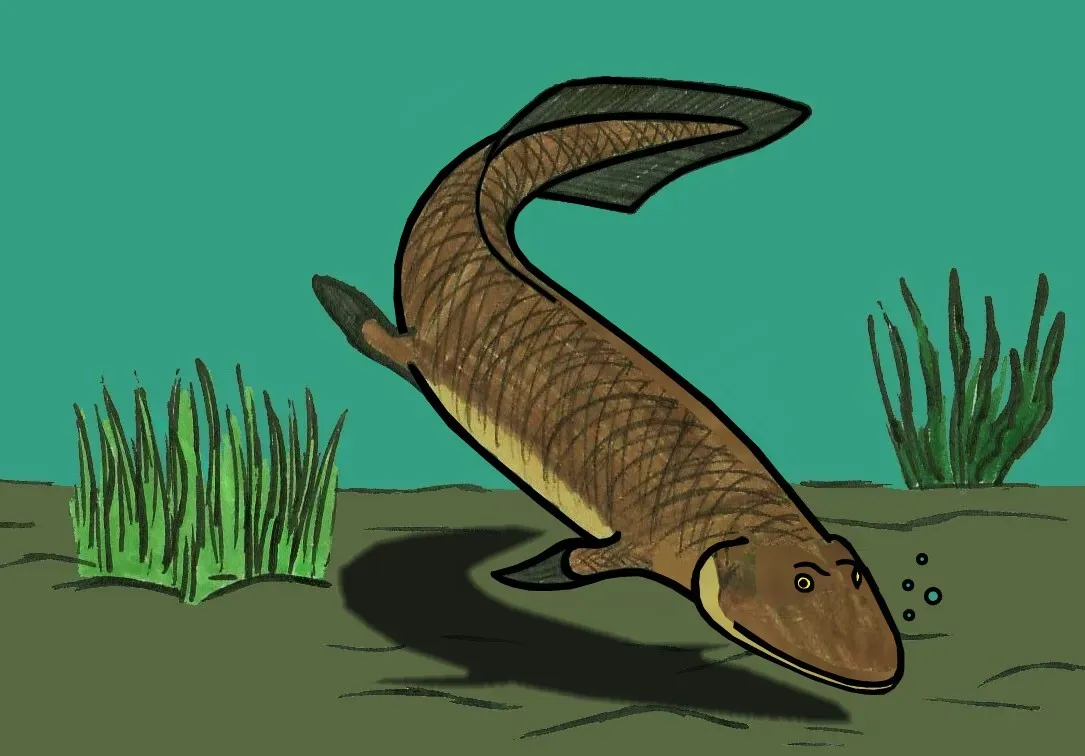
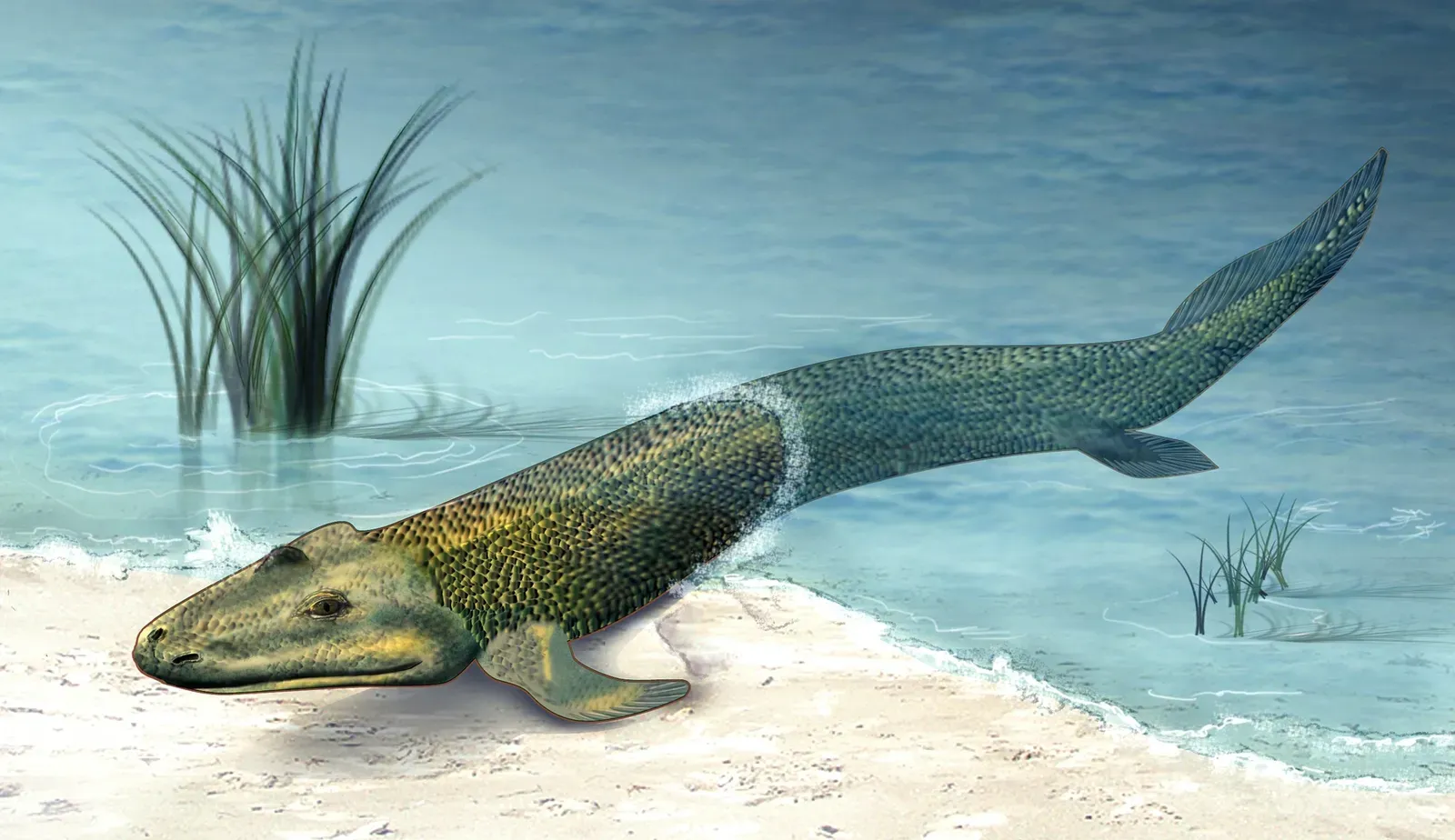
You might be surprised to learn that the story of both reptiles and amphibians begins not on land, but in the water. The first major groups of amphibians developed in the Devonian period, around 370 million years ago, from lobe-finned fish that were similar to the modern coelacanth and lungfish – ancient creatures that had evolved multi-jointed leg-like fins with actual digits that allowed them to crawl along the sea bottom. That is the kind of detail that stops you in your tracks if you think about it long enough.
Eventually, their bony fins would evolve into limbs, and they would become the ancestors to all tetrapods, including modern amphibians, reptiles, birds, and mammals. So when you look at your own hands, or at a lizard’s legs, or at a frog’s back feet, you are looking at variations on one ancient, radical invention. The same blueprint, shaped differently by time.
The Great Tetrapod Divergence
http://nsf.gov/news/mmg/mmg_disp.cfm?med_id=58310
http://nsf.gov/news/news_summ.jsp?cntn_id=106807
https://flickr.com/photos/nsf_beta/3705198718, Public domain)
The first tetrapods apparently soon diverged. One lineage became the amphibians, which retained the requirement for moisture-associated reproduction, whereas a second lineage yielded the Amniota during the Early Pennsylvanian Epoch, roughly 318 to 312 million years ago. This is the fork in the evolutionary road. Think of it like two siblings raised in the same house who grow up and move to completely different cities.
The beginning of the reptiles is marked by the appearance of amniote eggs, in which an embryo could develop on land in a protected watery environment without having to pass through the larval stages that are typical of the amphibian life cycle. That one innovation – the egg that carried its own water supply – changed everything. Reptiles could walk away from rivers and lakes. Amphibians largely could not.
When Amphibians Ruled the Earth
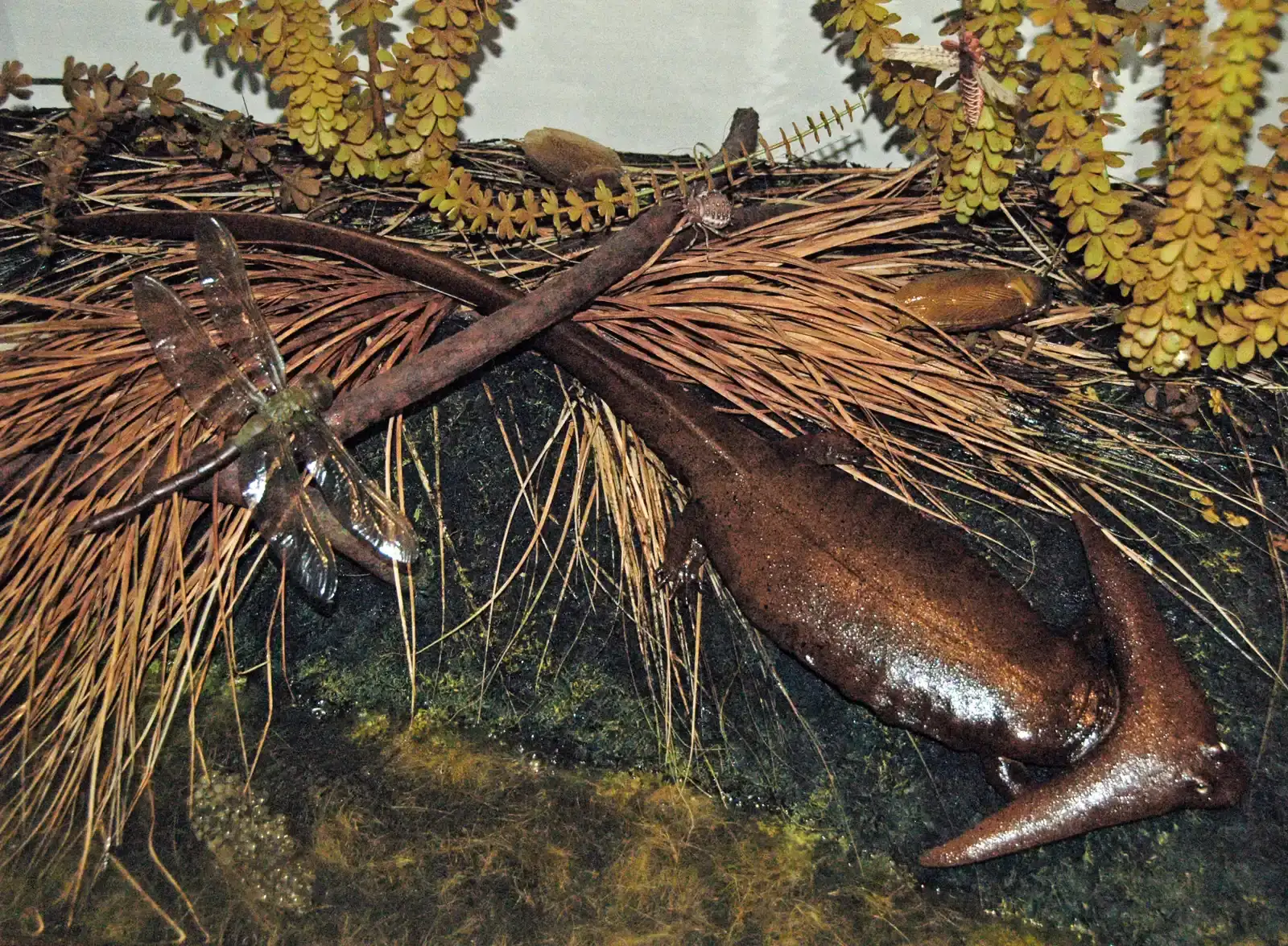
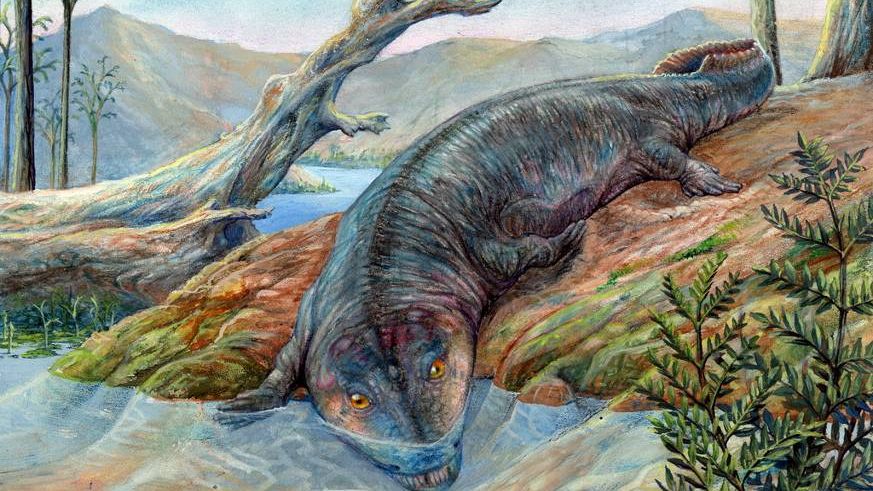
Fossil evidence shows that amphibians evolved about 365 million years ago from a lobe-finned lungfish ancestor. As the earliest land vertebrates, they were highly successful. Some of them were much larger than today’s amphibians. Honestly, it’s hard to picture, but some ancient amphibians were enormous, far closer in presence to what you might picture as a large crocodilian than to a delicate modern tree frog.
Although most of the amphibians of the Carboniferous Period were relatively small and predominantly aquatic, some eryopoids such as Eryops were strong-limbed, stout-bodied, large terrestrial animals reaching up to two metres in length. For more than 100 million years, amphibians dominated the land. They weren’t the timid creatures we think of today. They were the top dogs – or rather, the top frogs – of their age.
How Reptiles Stole the Crown
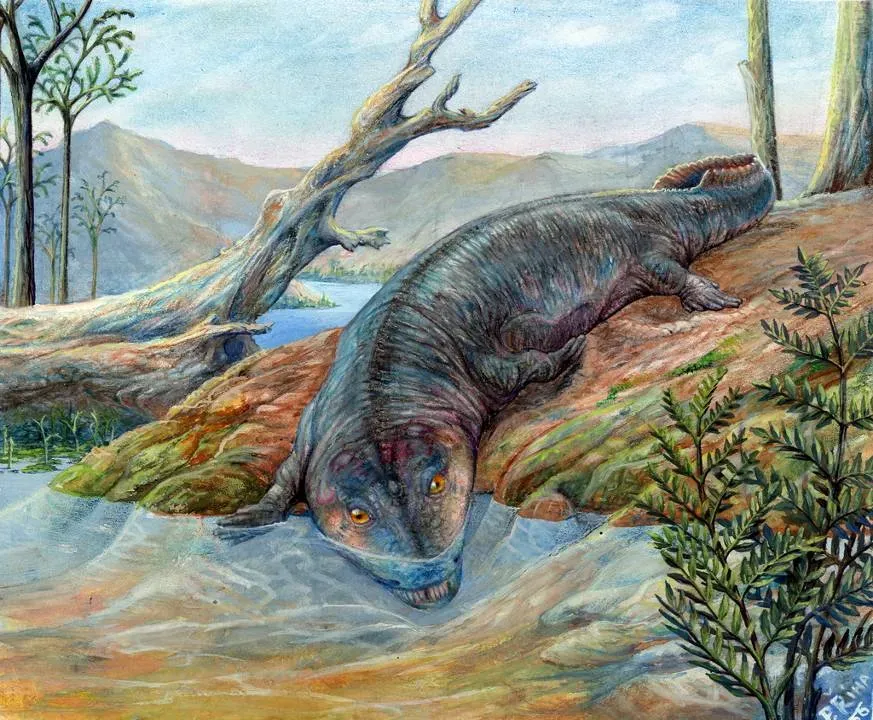
The origin of the reptiles lies about 320 to 310 million years ago, in the swamps of the late Carboniferous period, when the first reptiles evolved from advanced labyrinthodonts. At first, these early reptiles were small and inconspicuous. You could almost feel sorry for them. The earliest reptiles were largely overshadowed by bigger labyrinthodont amphibians and remained a small, inconspicuous part of the fauna until after the small ice age at the end of the Carboniferous.
Reptiles, whose amniotic eggs have a membrane that enables gas exchange out of water and can therefore be laid on land, were better adapted to the new conditions. Reptiles invaded new niches at a faster rate and began diversifying their diets, becoming herbivorous and carnivorous, rather than feeding exclusively on insects and fish. Climate change, of all things, handed reptiles their opportunity. The world got drier. Amphibians struggled. Reptiles thrived.
Shared Biology That Still Binds Them Together
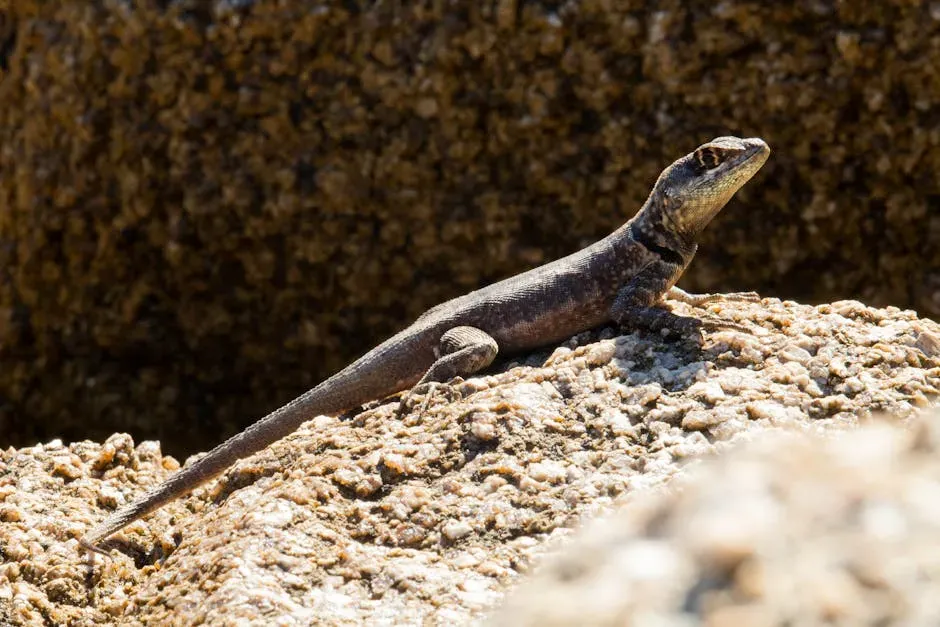
Here’s the thing – despite all their differences, modern reptiles and modern amphibians carry unmistakable biological echoes of their shared past. Both reptiles and amphibians are ectothermic, sometimes called “cold-blooded,” meaning they must rely upon external sources like the sun to elevate and help them regulate their body temperature. This is not a coincidence. It is an ancient inheritance, something they both kept from the common line they descended from.
Ectothermy is the ancestral condition in tetrapods, while endothermy is a derived trait that evolved independently in mammals and birds. What this means is that when you see a lizard basking on a warm rock and a frog doing the same thing on a sunny riverbank, you are watching two animals performing a behavior that traces its roots back to a shared ancestor. And there is something quietly moving about that, I think. Fuel economy is a key advantage of ectothermy. For example, a lizard can live and reproduce on approximately 10% of the energy that a mouse of the same weight needs.
The Skin Story: Divided by Moisture, United by Origin
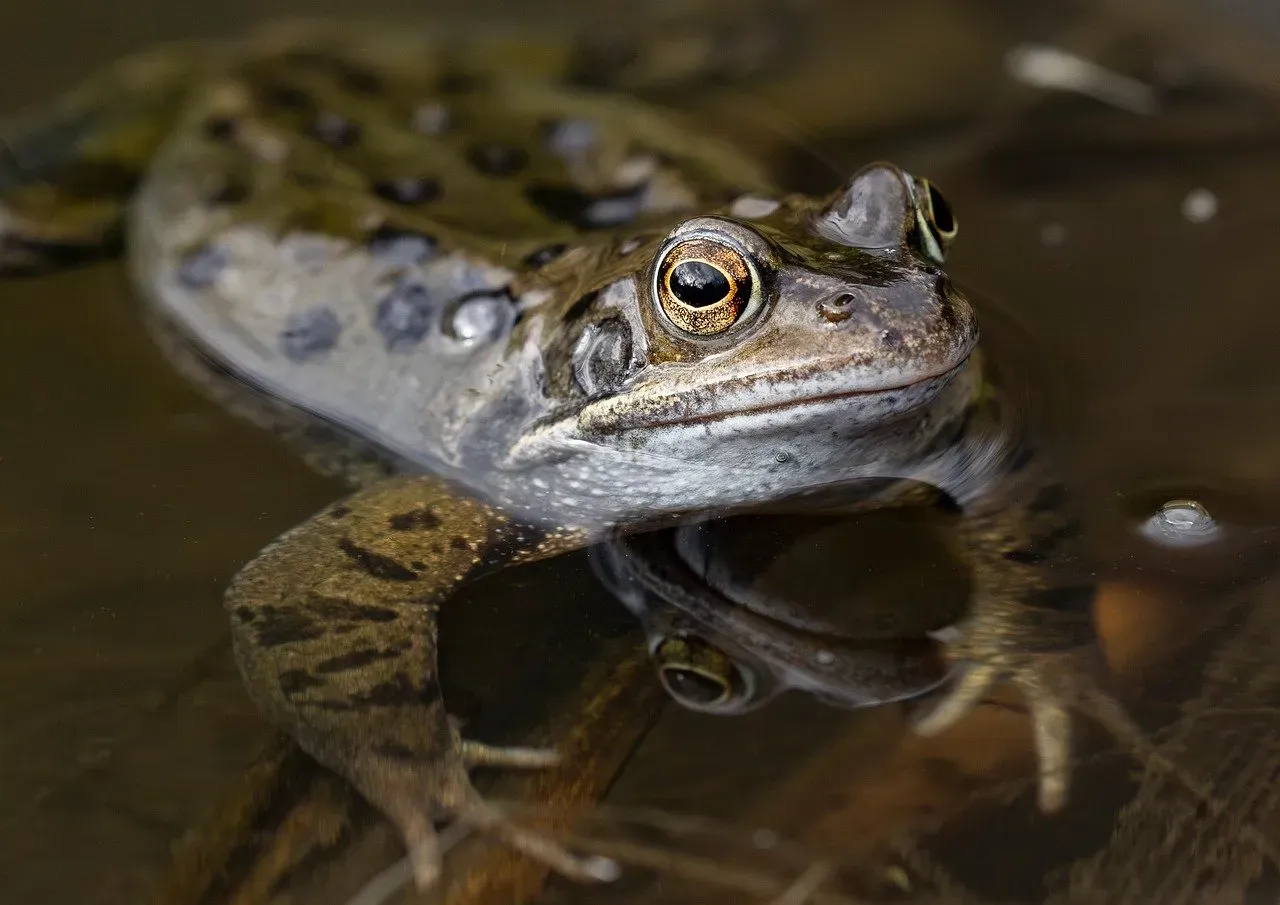
One of the sharpest visible differences between the two groups is what covers their bodies, and yet even here, the story is about divergence from a common origin rather than entirely separate designs. Amphibians have soft, glandular skin that is highly permeable to water and gases. This unique skin type allows for cutaneous respiration, meaning breathing through the skin, which is essential for many species, especially those living in aquatic or humid environments.
Reptiles have evolved a tough, keratinized skin that is resistant to water loss and physical damage. Their skin is covered in scales or scutes, which serve as a protective barrier and help them thrive in dry, terrestrial environments. Both solutions solve the same fundamental problem – survival in an environment that can steal moisture from your body. One creature went one way, one went the other. Both approaches worked spectacularly well, which is why both groups are still here today after hundreds of millions of years.
Fossil Bridges: Ancient Creatures That Blurred the Line
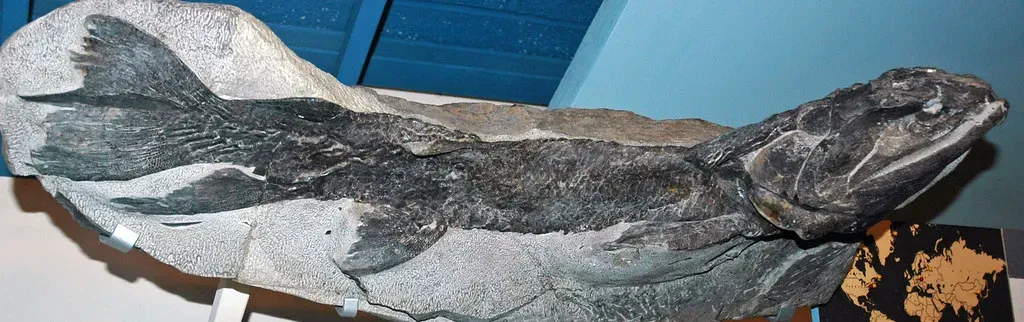
Another tetrapod, Casineria, had a mix of amphibian and reptilian traits. If it was an early amniote, then it would move the origin of reptiles back considerably in geological time. This is the sort of creature that makes paleontologists practically giddy with excitement, because it shows you that the clean division we draw today between “amphibian” and “reptile” was not always so clean at all. These were transitional animals that blurred the boundary.
When tetrapods reappear in the Late Mississippian Epoch, the new tetrapods are both amphibians and anthracosaurs, a group of tetrapods with some reptile traits. Dozens of amphibians and anthracosaurs lived from Late Mississippian and Pennsylvanian times. It is a bit like looking at a photograph of your grandparents when they were young – you see both yourself and someone who looks completely different staring back at you from the same face. The overlap is undeniable.
Modern Amphibians: Ancient Survivors Under Siege
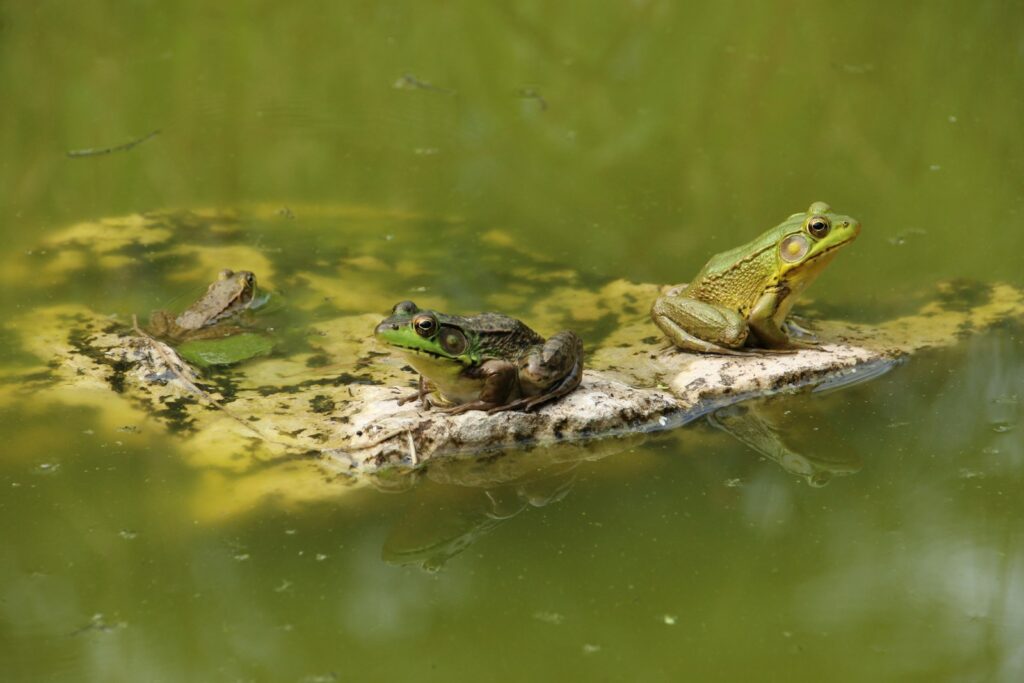
Amphibians have existed on Earth for over 300 million years, yet in just the last two decades there have been an alarming number of extinctions, with nearly 168 species believed to have gone extinct and at least 2,469, or roughly 43%, having populations that are declining. That is not a footnote. That is a crisis. A group that survived the extinction events that wiped out the dinosaurs is now faltering in the face of human activity – and that should shake you a little.
Amphibians are the most threatened vertebrate class, with nearly 41% of species globally threatened. The updated Red List Index shows that the status of amphibians is deteriorating globally, particularly for salamanders and in the Neotropics. The reasons are layered. While habitat loss and degradation remain the most common threat to amphibians, an increasing number of species are being pushed to the brink of extinction by disease and climate change effects. Creatures that outlasted the great dying of the Permian may not outlast us.
Conclusion: A Deep Family Tree Worth Protecting
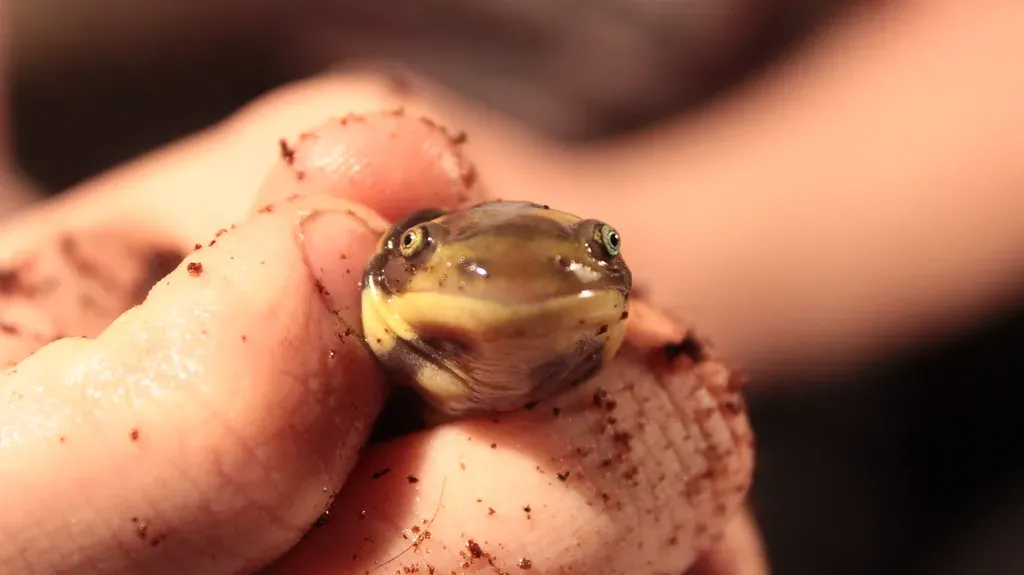
When you look at a gecko and a salamander sitting on the same jungle wall, you are not looking at strangers. You are looking at distant cousins whose families separated hundreds of millions of years ago but who still carry the marks of that old, shared life. The same ectothermic metabolism, the same vertebral column, the same ancient instinct to bask, to hunt, to survive.
The is not just a story about the past. It is a story about the resilience of life, about how one shared blueprint can produce creatures as different as a poison dart frog and a Nile crocodile, and yet still tie them together in ways that science continues to uncover. Understanding that connection is part of understanding what we stand to lose as modern threats chip away at the amphibian world day by day.
Protecting amphibians today means protecting a living link to deep evolutionary history – history that belongs to all of us. What do you think: does knowing how ancient and interconnected these creatures are change the way you see the small frog sitting at the edge of your garden pond? Tell us in the comments.