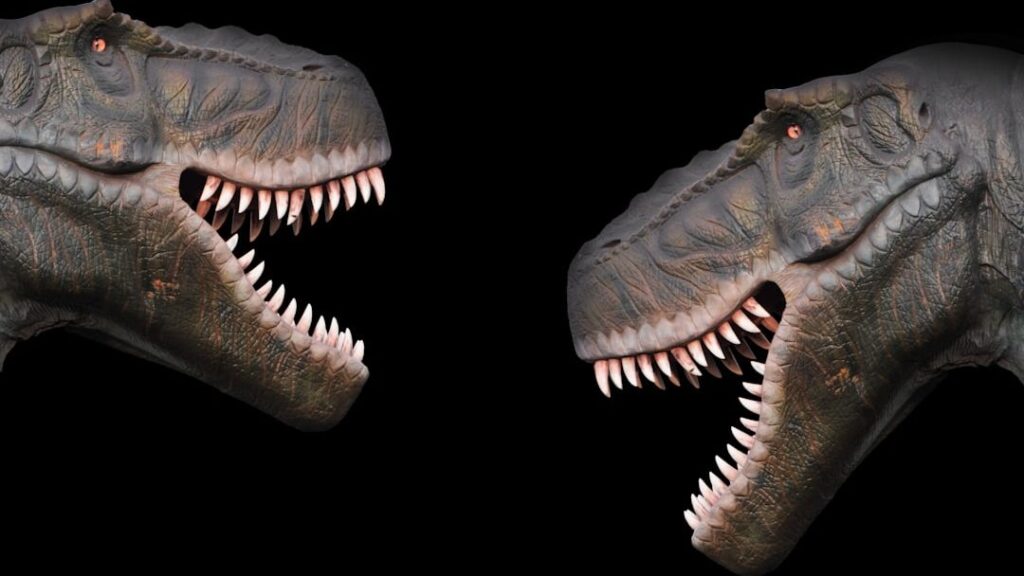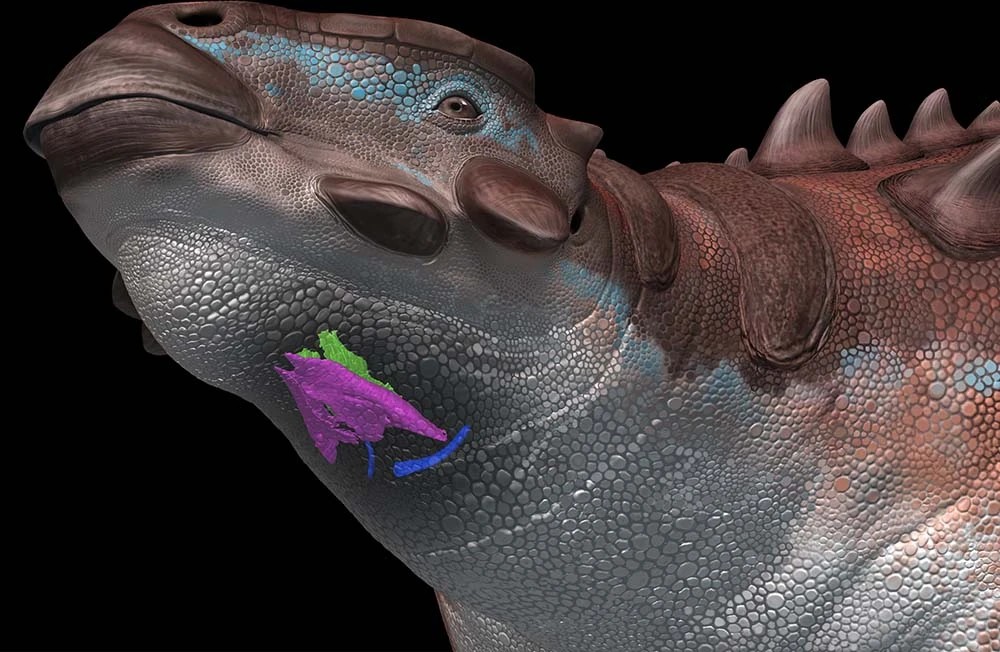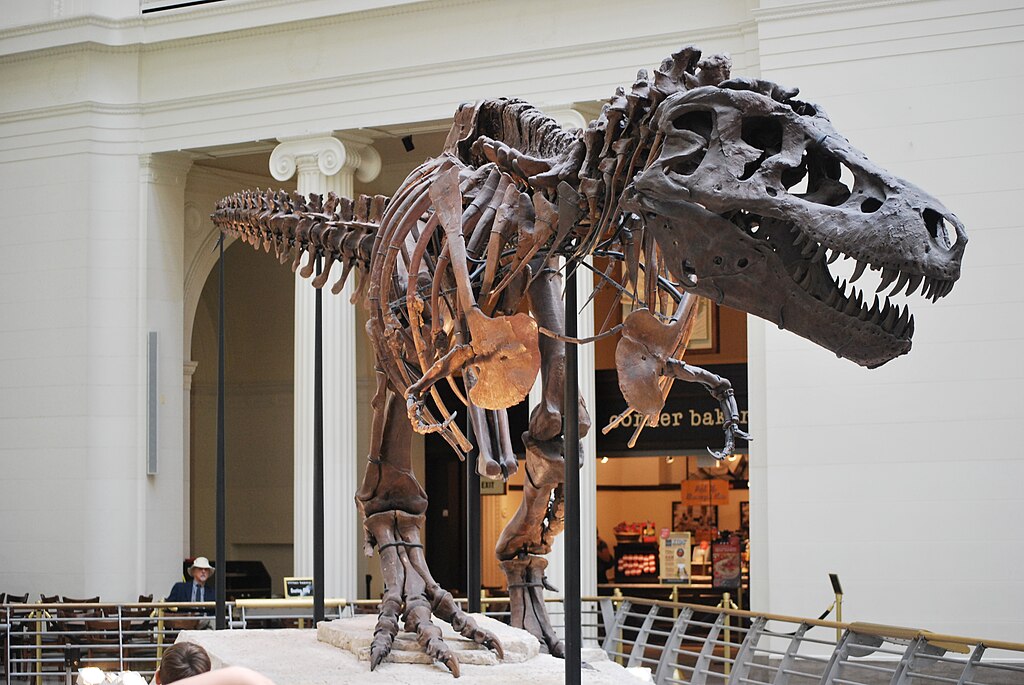
Few stories in the history of our planet are as staggering, as dramatic, or as deeply humbling as the saga of the dinosaurs. These creatures dominated the Earth for an almost incomprehensibly long time, evolving and thriving across hundreds of millions of years, only to be brought low by forces that originated far beyond our world. The universe, it turns out, has always had a hand in the game of life on Earth.
What you might not realize is just how intimately the cosmos has been pulling the strings throughout dinosaur history. From the catastrophic extinction that cleared the stage for them to rise, to the shattering rock from space that ended their reign, the sky above was never just a backdrop. It was an active participant. So let’s dive in.
The Great Dying: Earth’s Darkest Hour Sets the Stage
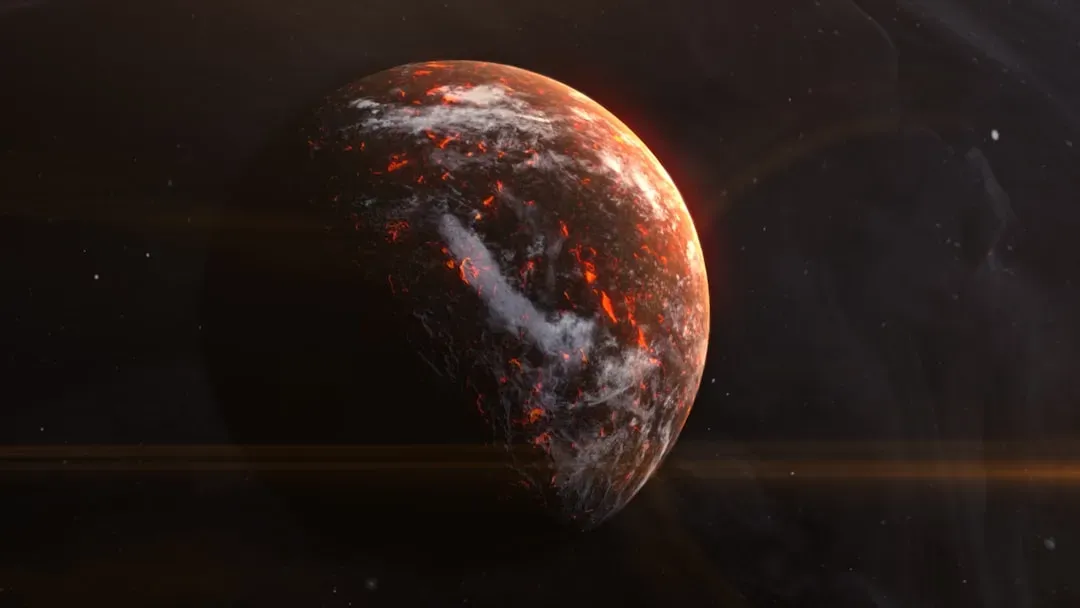
Before you can understand how dinosaurs came to rule the Earth, you need to understand the catastrophe that made space for them. The Permian-Triassic extinction event, often referred to as the “Great Dying,” occurred approximately 251 million years ago and is considered the most severe extinction event in Earth’s history. Think of it like a hard reset button being pressed on planetary life. It was brutal, sweeping, and total in a way that is genuinely difficult to wrap your head around.
It resulted in the loss of around 90% of marine species and 70% of terrestrial vertebrate species due to a combination of volcanic eruptions, climate changes, and oceanic anoxia, which reduced oxygen levels in both the atmosphere and oceans. The ecological void left behind was enormous. New types of animals emerged both in the seas and on land in the aftermath of the event, including ancient crabs, lobsters, marine reptiles, and the four-limbed land reptiles that eventually evolved into dinosaurs.
Pangaea, Planetary Geography, and the Dinosaur Cradle
![Pangaea, Planetary Geography, and the Dinosaur Cradle (I did myself based on [1], also I added it on my dinosaur website (the link is [2]), CC BY-SA 2.5)](https://nvmwebsites-budwg5g9avh3epea.z03.azurefd.net/dinoworld/b6d3179306e2ce1827034db401e5bf89.webp)
Here’s the thing about the world that dinosaurs were born into. It looked nothing like ours. The Mesozoic Era, spanning from approximately 251 to 65 million years ago, is a significant period in Earth’s geological history marked by the rise of dinosaurs, and this era is divided into three periods: the Triassic, Jurassic, and Cretaceous, during which continents began to break apart from the supercontinent Pangaea. Imagine a world where you could walk from what is now South America all the way to China without crossing an ocean. Extraordinary.
During the Triassic, creatures evolved to live on the land, and by the end of the period, the dinosaurs had become the dominant land animals. The Triassic period began about 251 million years ago and lasted for about 50 million years. The breakup of Pangaea was itself a kind of celestial-scale geological event, driven by the relentless forces of plate tectonics. The further separation of the continents gave opportunity for the diversification of new dinosaurs. Geography, it turns out, is destiny.
From Survivors to Rulers: The Triassic Takeover
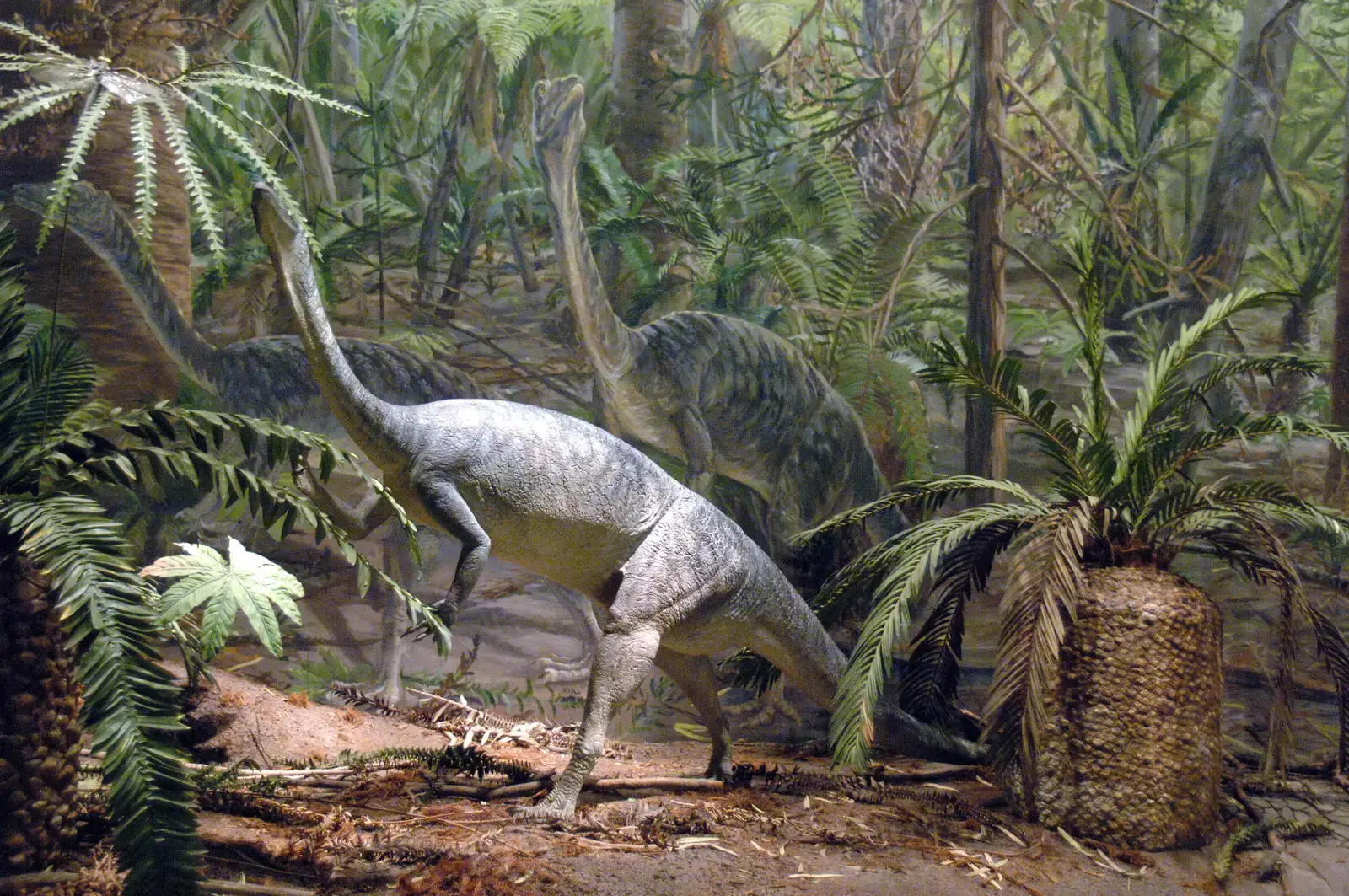
Land vertebrates took an unusually long time to recover from the Permian-Triassic extinction, taking until the Middle Triassic; paleontologist Michael Benton estimated the recovery was not complete until 30 million years after the extinction, not until the Late Triassic, when the first dinosaurs had risen from bipedal archosaurian ancestors. Honestly, when you look at the timeline, it feels almost miraculous that dinosaurs rose at all. The survivors were picking through the rubble for tens of millions of years before their descendants could claim dominance.
Although many researchers have long suggested that dinosaurs outcompeted other reptile groups during the Triassic, dinosaurs were actually overshadowed in most Late Triassic ecosystems by crocodile-line archosaurs and showed no signs of outcompeting their rivals. Instead, the rise of dinosaurs was a two-stage process, as dinosaurs expanded in taxonomic diversity only after the extinction of most crocodile-line reptiles and other groups. It wasn’t pure brute force. It was opportunism. And the cosmos, through yet another extinction event at the end of the Triassic, was about to hand them the opportunity of a lifetime.
The Triassic-Jurassic Boundary: Another Cosmic Reset
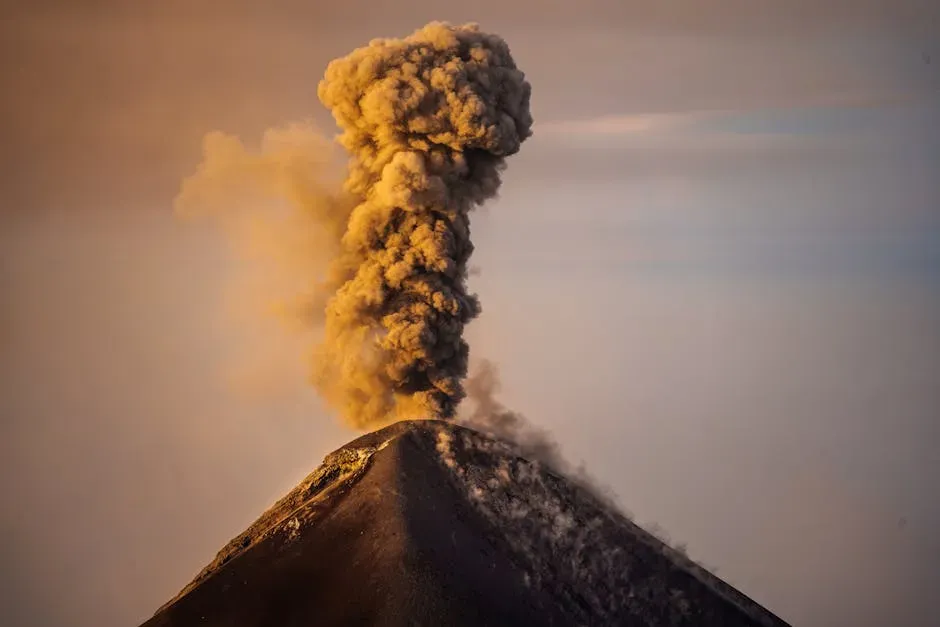
The Triassic-Jurassic extinction event was a period of mass extinction that occurred approximately 201 million years ago, and it is among the most deadly in the planet’s history, with an estimated 80 percent of all known species at the time becoming extinct. It’s almost like the universe had a preference for cleaning the slate. Each time life began to settle, a new catastrophe reshuffled the deck. I think it’s one of the most fascinating patterns in all of Earth’s history, even if it’s a sobering one.
The mass extinction did provide an advantage to new species and set the stage for the eventual growth and spread of the dinosaurs. Although the exact cause of the extinction is uncertain, many scientists believe it was triggered by increased volcanic activity that changed the world’s climate. Volcanoes, of course, are fundamentally connected to the internal planetary machine. Intense volcanic activity associated with the breakup of Pangaea is thought to have raised carbon dioxide levels in the atmosphere and increased the acidity of the oceans. The cosmos gives and the cosmos takes away.
The Mesozoic Boom: A World Built for Giants
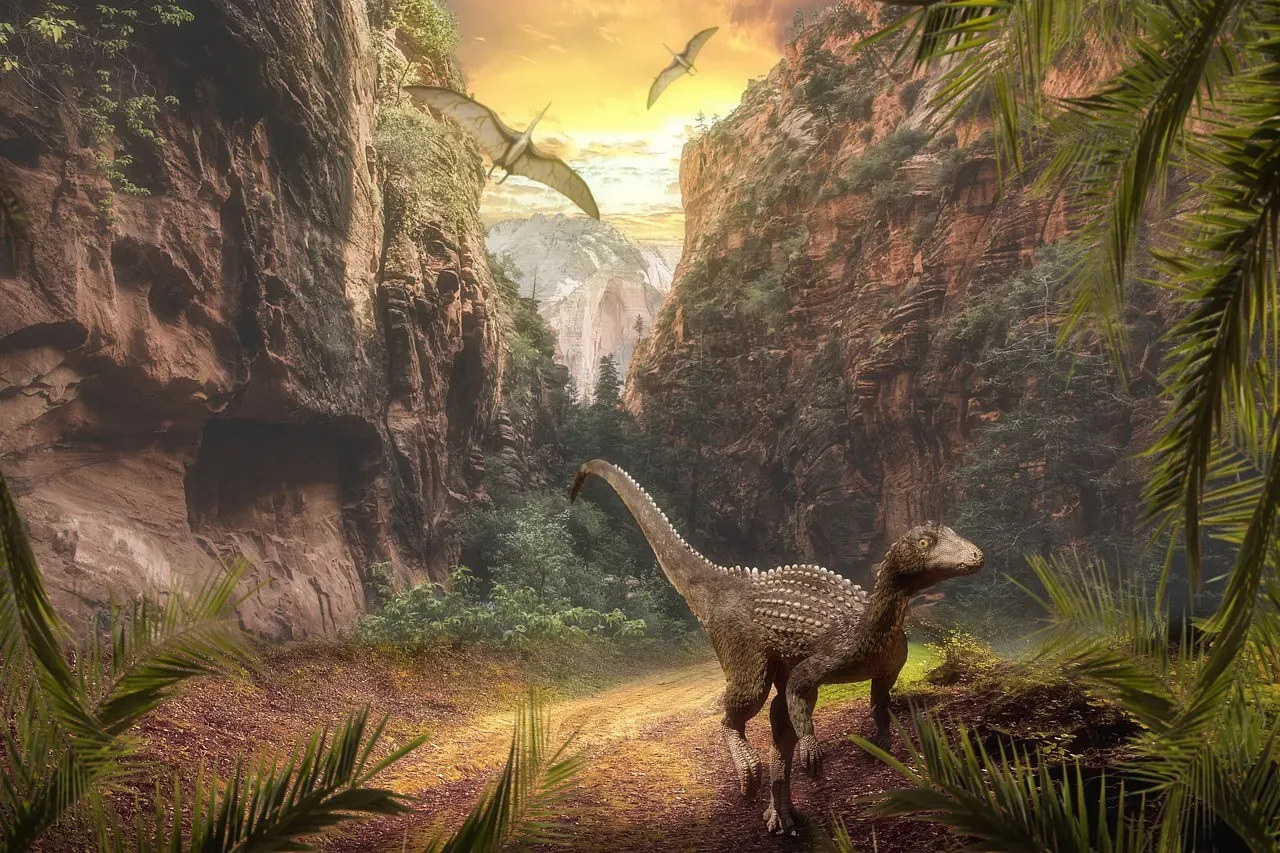
The Mesozoic is commonly known as the Age of the Dinosaurs because the terrestrial animals that dominated both hemispheres for the majority of it were dinosaurs. This era began in the wake of the Permian-Triassic extinction event and ended with the Cretaceous-Paleogene extinction event. During the long middle chapter of their story, dinosaurs became staggeringly diverse. Animal life was dominated by various archosaurs including dinosaurs, pterosaurs, and aquatic reptiles such as ichthyosaurs, plesiosaurs, and mosasaurs, and the climatic changes of the late Jurassic and Cretaceous favored further adaptive radiation.
The climate during the Mesozoic Era was very humid and tropical, and many lush, green plants sprouted all over the Earth. Dinosaurs started off small and grew larger as the Mesozoic Era went on. Think of it like a biological arms race supercharged by ideal planetary conditions. The late Maastrichtian rocks contain the largest members of several major clades: Tyrannosaurus, Ankylosaurus, Pachycephalosaurus, Triceratops, and Torosaurus, which suggests food was plentiful immediately prior to the extinction. In the final chapter before their end, they were, by many measures, at their peak.
The Chicxulub Impactor: The Rock That Changed Everything
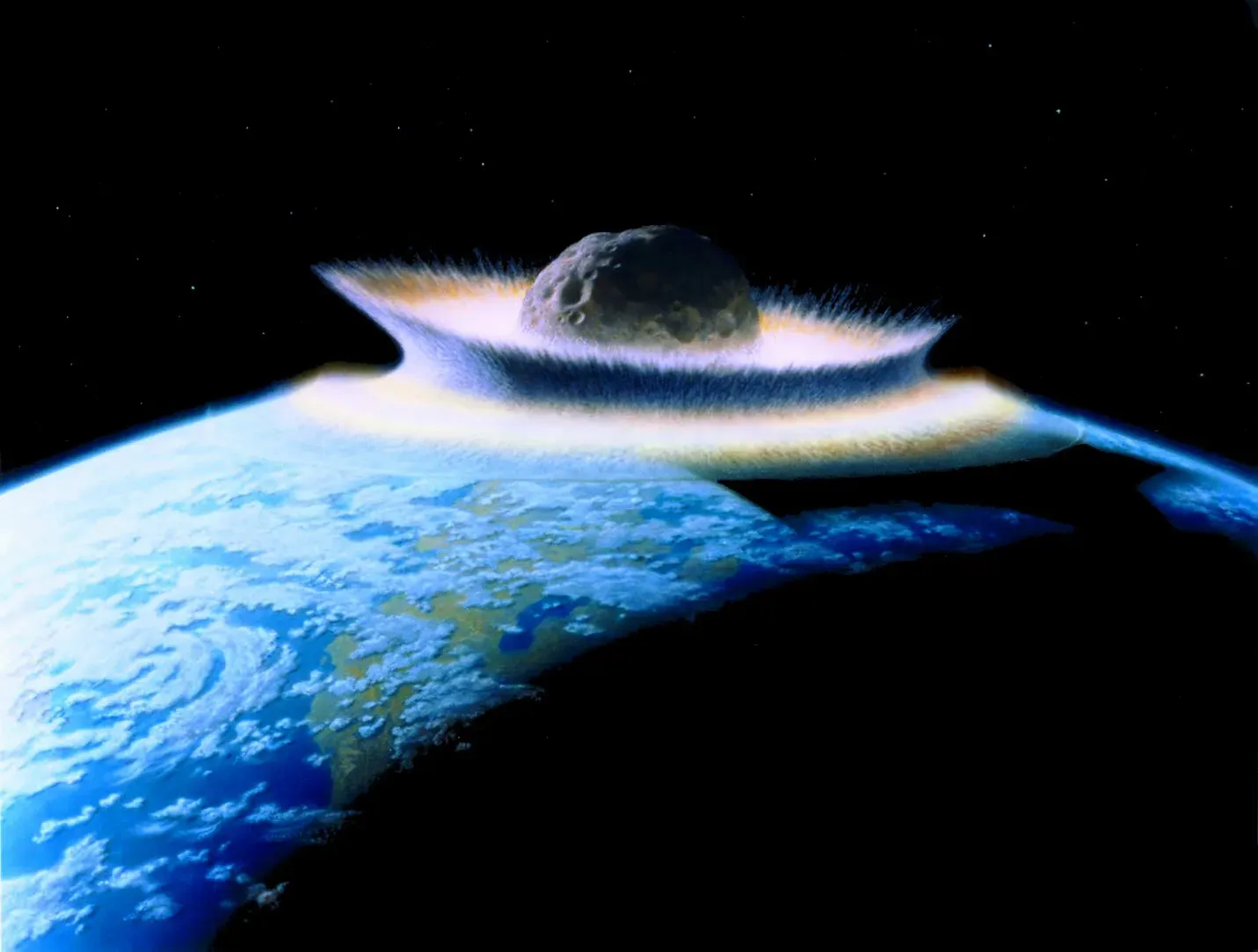
Now we arrive at the most famous cosmic event in natural history. It is now generally thought that the K-Pg extinction resulted from the impact of a massive asteroid 10 to 15 km wide, creating the Chicxulub impact crater and devastating the global environment 66 million years ago, primarily through a lingering impact winter which halted photosynthesis in plants and plankton. Stop for a second and let that sink in. A rock roughly the size of a city, travelling at tens of thousands of miles per hour, ended an era that had lasted over 150 million years.
Over a short period of time, several hundred billion tons of CO2, SO2 and water vapor released by the vaporized target rock were injected into the Earth’s atmosphere. An abrupt and global perturbation of the Earth System followed: the climate became unstable, the fine dust suspended in the atmosphere blocked sunlight, decreasing or even stopping photosynthesis. There is broad consensus that the Chicxulub impactor was a C-type asteroid with a carbonaceous chondrite-like composition. These types of asteroids originally formed in the outer Solar System, beyond the orbit of Jupiter. A visitor from the outer solar system. Extraordinary.
The Impact Winter: When Darkness Devoured the World
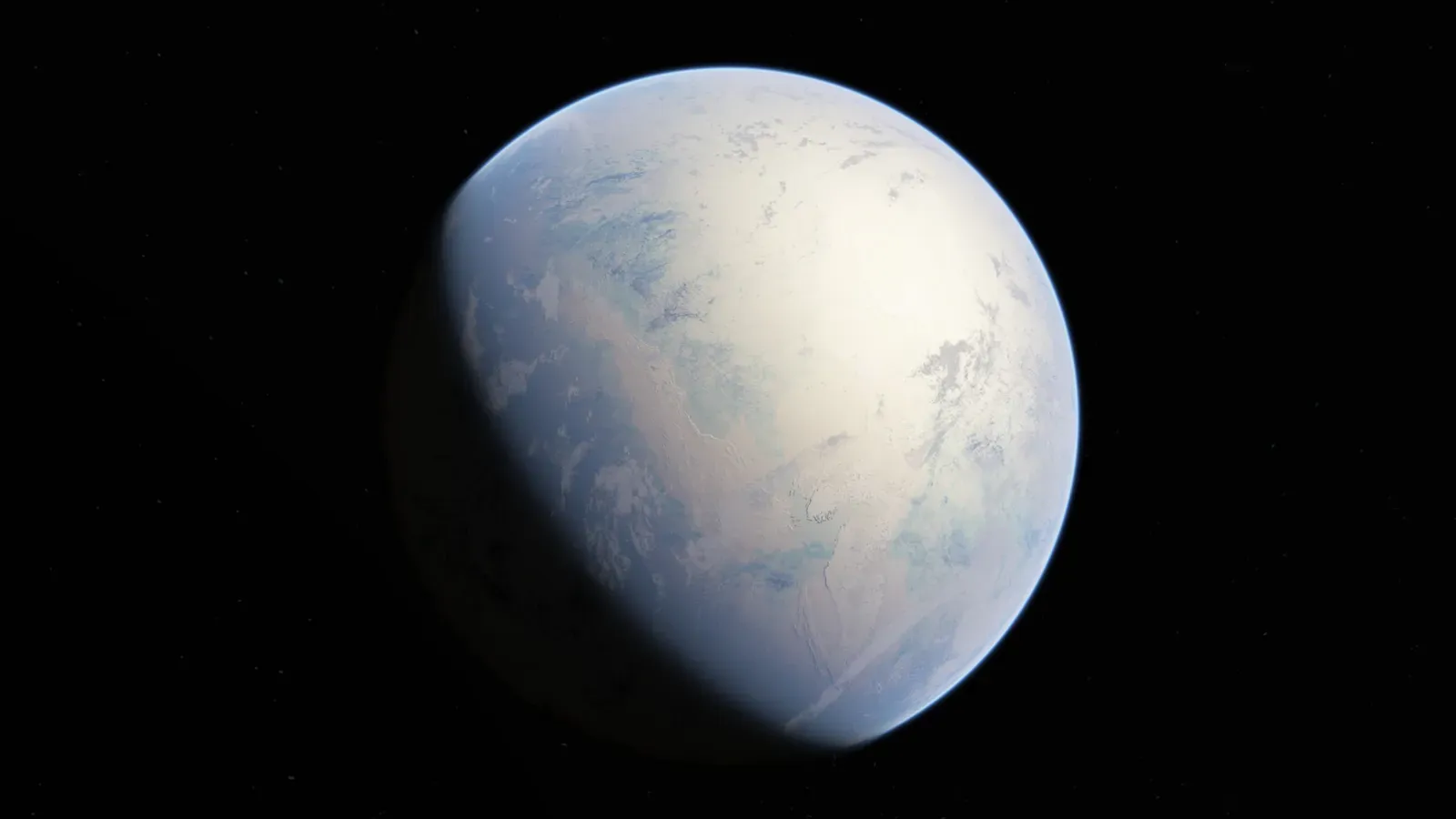
Extreme cooling associated with an “impact winter” has been evoked to explain the severity of the K-Pg mass extinction. In this hypothesis, the impact produced a cloud of dust and soot that temporarily blocked out the Sun, shutting down photosynthesis and sending global temperatures plummeting. Life on a frozen, desolate tundra would have been particularly challenging for land-based creatures acclimated to the warm, stable climate of the latest Cretaceous. It’s a haunting image, isn’t it? A world that had been warm and lush for millions of years plunged into cold and darkness almost overnight.
In terms of rapid cooling, soot was the worst culprit, dropping temperatures over the land by nearly 30 degrees Celsius and over the oceans by 13 degrees in just three years. Because the particles lingered in the atmosphere, temperatures in some areas did not return to their pre-impact levels for more than a decade. Fine silicate dust from pulverized rock would have stayed in the atmosphere for 15 years, dropping global temperatures by up to 15 degrees Celsius, researchers found. For any creature that depended on warmth and food chains built on photosynthesis, this was an extinction sentence without appeal.
Life After the Asteroid: The Fastest Evolution Ever Recorded
![Life After the Asteroid: The Fastest Evolution Ever Recorded (Current version from the following site without attribution:[1] Previous version from NPS Foundation Document (archive), page 19 (no name is credited in the "Photo and Art Credits", page 42)original version stitched together from images credited to "NPS Photo" on NPS Paleontology page (archive) and NPS Fossilized Footprints page (archive), Public domain)](https://nvmwebsites-budwg5g9avh3epea.z03.azurefd.net/dinoworld/c57b29a82ed33b590420bf00b0f0b6db.webp)
Here is where the story takes a genuinely surprising turn, one that science is only beginning to fully appreciate. You might assume that after such a total catastrophe, life would take many millions of years to recover. Research found that new plankton evolved between 3,500 and 11,000 years after the Chicxulub impact, with some species appearing fewer than 2,000 years after the impact, kicking off a recovery of biodiversity that would continue over the next 10 million years. That is, geologically speaking, an eyeblink.
The extinction also provided evolutionary opportunities. In its wake, many groups underwent remarkable adaptive radiation, with sudden and prolific divergence into new forms and species within the disrupted and emptied ecological niches. Mammals in particular diversified in the following Paleogene Period, evolving new forms such as horses, whales, bats, and primates. As for the dinosaurs themselves, all of the non-bird dinosaurs died out, but dinosaurs survived as birds. Some types of bird did go extinct, but the lineages that led to modern birds survived, with birds the first to experience evolution to larger sizes. In the most literal sense, dinosaurs are still with us every single day, singing outside your window.
Conclusion: The Sky Was Never Just Decoration
The story of dinosaurs is ultimately not just a story about animals or even about Earth. It is a story about our planet’s deep and inescapable relationship with the wider cosmos. Extinction events cleared the way for dinosaurs to rise. Planetary climate shifts driven by cosmic forces shaped who they became. A rock from the outer solar system ended their 180-million-year reign in geological terms almost instantly. You could argue that without the universe’s active, sometimes violent intervention, none of this would have happened. No dinosaurs. No birds. No mammals. No us.
What makes this story so powerful is how it reframes our sense of scale. Life on Earth does not exist in isolation. It has always been shaped, pruned, and redirected by forces operating on a cosmic level. The next time you see a bird perched on a branch, remember: you are looking at the direct descendent of creatures whose fate was sealed by a rock that formed beyond Jupiter. Does that change how you see the sky above you?