How did you get here? Not in the existential sense, not in the philosophical sense, but in the most deeply literal, scientifically baffling sense imaginable. One moment there was a sterile, lifeless planet – a ball of rock and churning magma spinning silently in the void – and then, somehow, life appeared. Complex, self-replicating, breathing, eating, evolving life. The sheer improbability of it is enough to make your head spin.
Scientists have been wrestling with this question for well over a century. The origin of life on Earth stands as one of the great mysteries of science. You might expect that by now, in 2026, we’d have a clear answer. We don’t. What we do have, though, is a collection of staggering, sometimes contradictory, occasionally mind-melting theories that attempt to explain how that impossible first spark actually happened. Buckle up – because some of these will genuinely surprise you.
1. The Primordial Soup: Life Was Cooked Up in Earth’s Ancient Oceans
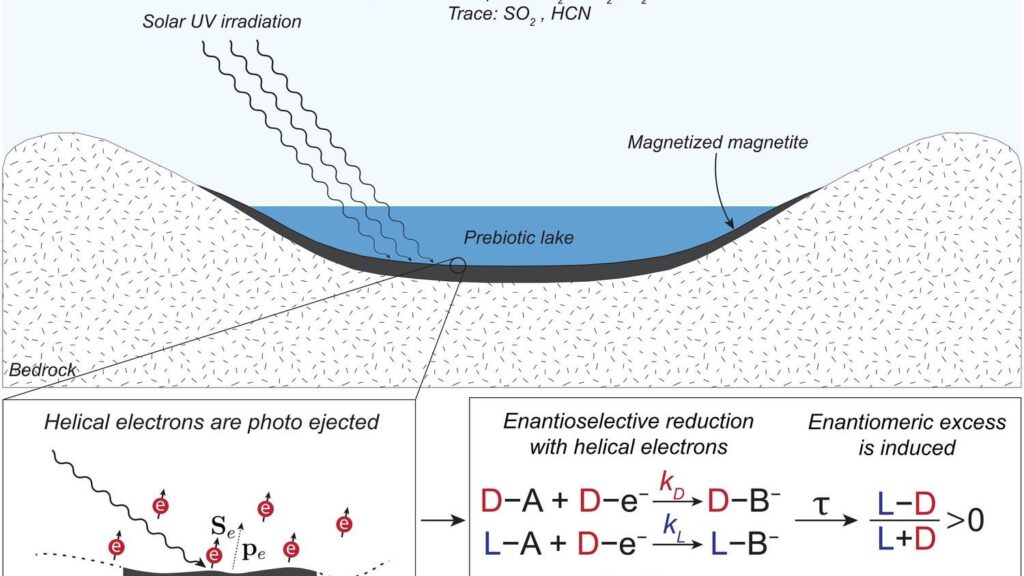
Picture the early Earth as a vast, bubbling cauldron with no oxygen, no ozone layer, and lightning splitting the sky every few minutes. That’s essentially the setting for one of the most famous origin-of-life ideas in all of science. The primordial soup, also known as prebiotic soup or Haldane soup, refers to the hypothetical set of conditions present on Earth around 3.7 to 4.0 billion years ago – a central aspect of the Oparin-Haldane hypothesis concerning the origin of life. The idea, at its core, is almost elegant in its simplicity: the right chemicals, the right energy, the right environment, and life just… assembles itself.
Miller and Urey injected ammonia, methane, and water vapor into an enclosed glass container to simulate what were then believed to be the conditions of Earth’s early atmosphere, then passed electrical sparks through the container to simulate lightning. Amino acids, the building blocks of proteins, soon formed, and they realized this process could have paved the way for the molecules needed to produce life. Honestly, that result was jaw-dropping for its time. Scientists now believe Earth’s early atmosphere had a different chemical makeup from Miller and Urey’s recipe, but even so, the experiment gave rise to a new scientific field called prebiotic or abiotic chemistry – the chemistry that preceded the origin of life.
2. The RNA World: Life Began as a Single Molecule That Could Do Everything
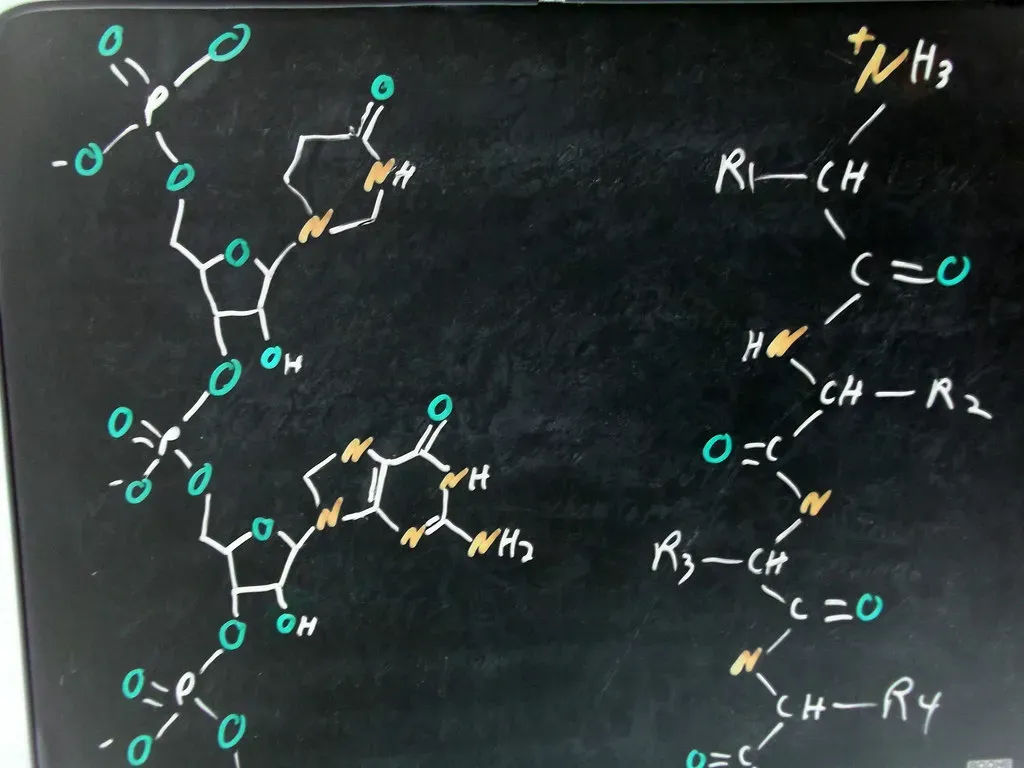
Here’s where things get genuinely wild. Imagine a molecule so versatile it can both store information like a hard drive and run chemical reactions like a microscopic factory. That molecule exists – it’s RNA – and many scientists believe it may have been the very first molecule of life. The RNA world is a hypothetical stage in the evolutionary history of life on Earth in which self-replicating RNA molecules proliferated before the evolution of DNA and proteins. Think of it as life running on version 1.0, long before the DNA upgrade arrived.
According to this hypothesis, RNA stored both genetic information and catalyzed the chemical reactions in primitive cells. Only later in evolutionary time did DNA take over. The strongest piece of evidence for you to chew on? The strongest argument for proving the hypothesis is perhaps that the ribosome, which assembles proteins, is itself a ribozyme. Despite the fact that the ribosome is composed of both RNA and protein, the processes involved in translation are not catalyzed by protein, but by RNA, indicating that early life forms may have used RNA to catalyze chemical reactions before they used proteins. It’s like finding a living fossil right inside your own cells.
3. Deep-Sea Hydrothermal Vents: Life Emerged From the Ocean’s Most Extreme Corners
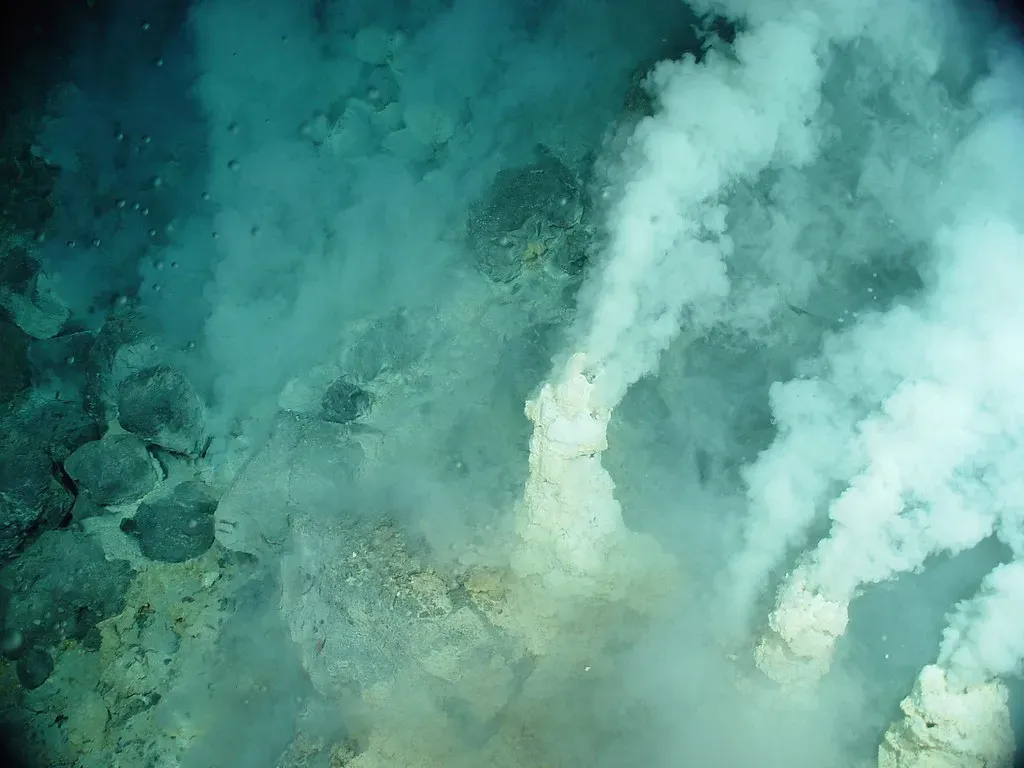
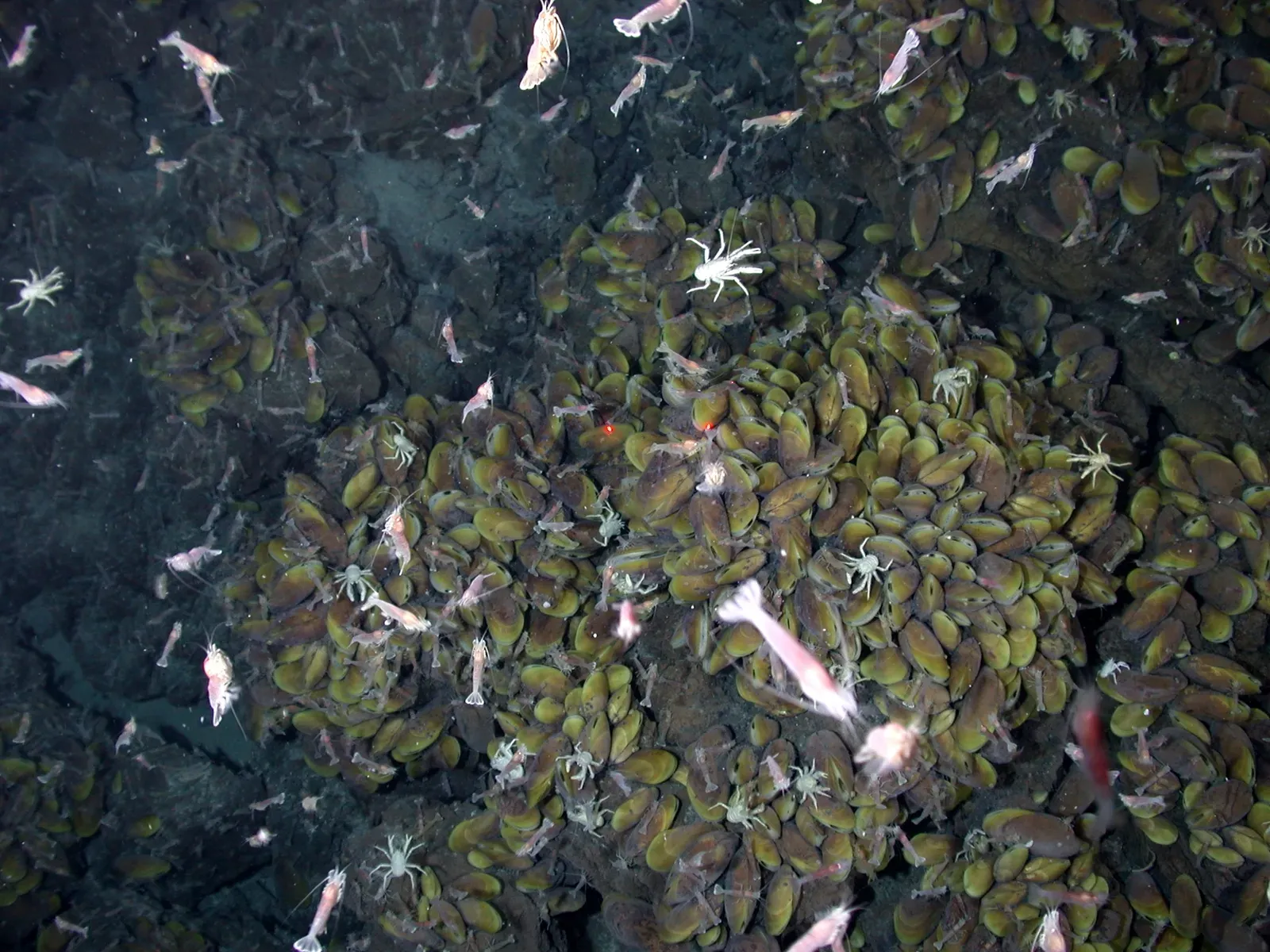
Forget warm, sun-soaked beaches. Some researchers are convinced that life didn’t begin at the surface at all, but miles beneath the ocean in pitch-black, superheated environments that most creatures today couldn’t survive for a second. Since their discovery, deep-sea hydrothermal vents have been suggested as the birthplace of life, particularly alkaline vents, like those found at the ‘Lost City’ field in the mid-Atlantic. These underwater chimneys are like something straight out of science fiction – and yet they’re very real.
Under extreme pressure, fluid from ancient seafloor cracks mixed with ocean water could have reacted with minerals from the hydrothermal vents to produce organic molecules – the building blocks that compose nearly all life on Earth. What makes this theory especially compelling is what a UCL-led research team discovered. For the first time, researchers succeeded at creating self-assembling protocells in an environment similar to that of hydrothermal vents, finding that the heat, alkalinity, and salt did not impede the protocell formation, but actively favoured it. Life, it seems, loves the extreme.
4. Panspermia: You Are, Quite Literally, Made of Stardust Delivered by Cosmic Mail
I know it sounds crazy, but what if life on Earth didn’t actually start on Earth? What if the building blocks – or even the organisms themselves – hitched a ride here from somewhere else in the cosmos? The panspermia hypothesis proposes that the organic molecules that eventually gave rise to life were deposited on Earth by meteorites and other cosmic rubble. It sounds like the plot of a B-movie, but real scientists take it seriously.
Some researchers have embraced the theory of panspermia, which states that microbial life originated on either Mars or an exoplanet and traveled to Earth inside a piece of impact ejecta. This hypothesis is dependent upon life’s ability to survive an impact event and an interplanetary transit lasting tens of thousands of years. And the supporting evidence? Meteorites, particularly carbonaceous chondrites, contain amino acids, nucleobases, and sugar derivatives. The Murchison meteorite, which fell in Australia in 1969, delivered over 90 different amino acids, many not used in terrestrial biology. That last part is what really gets you thinking.
5. The Clay Hypothesis: Life’s First Stage Was Played Out on Mineral Surfaces
Clay doesn’t immediately strike you as the cradle of existence. Yet one of the most thought-provoking theories in origin-of-life science places humble, ordinary clay minerals right at the center of life’s beginning. Proposed by Scottish chemist Alexander Graham Cairns-Smith, the Clay Hypothesis suggests that complex organic molecules first assembled on clay minerals. The idea is that these minerals acted as templates – like a scaffold on a construction site – organizing the earliest molecules into meaningful patterns.
Cairns-Smith proposed in his 1985 book that clay crystals preserve their structure as they grow and stick together to form areas exposed to different environments, trapping other molecules along the way and organizing them into patterns much like our genes do now. Clay minerals are thought to act as catalysts, supporting the formation of complex organic structures through electrostatic interactions. This theory provides a potential solution to the chicken-and-egg problem of replication and metabolism, as clay could facilitate the necessary molecular stability and interactions. It’s a surprisingly beautiful idea – that something as ancient and unremarkable as mud might have been the midwife of all living things.
6. The Iron-Sulfur World: Metabolism Came Before Life Itself
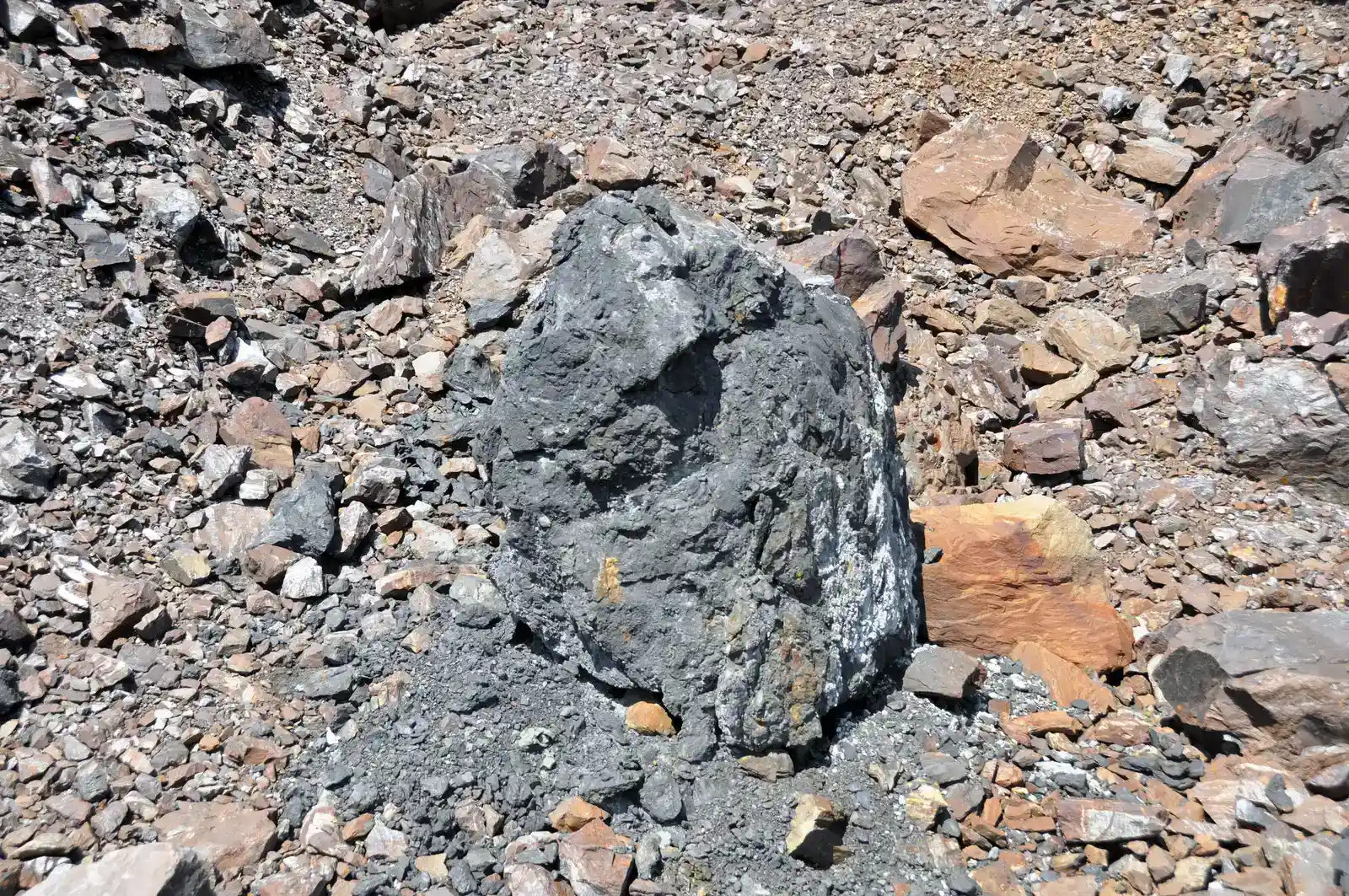
Most people assume life needed genetic information first. But what if the very first step wasn’t about information at all, but about energy? The iron-sulfur world hypothesis flips the conventional script entirely. The iron-sulfur world hypothesis proposes that life originated on the surface of iron sulfide minerals. Deep within early Earth’s oceans, iron and sulfur compounds may have formed natural chemical reactors – tiny factories running metabolic reactions long before any DNA or RNA existed.
Iron and nickel sulfides act as catalysts for many biochemical reactions, and this theory ties life’s origin to early Earth’s geochemistry, providing a plausible pathway for the emergence of metabolic processes. The remarkable thing is that echoes of this chemistry survive in your body today. Simple metabolic cycles may have begun on mineral surfaces, particularly near hydrothermal vents where temperature gradients and metal sulfides acted as catalysts. Iron-sulfur clusters found at the core of many modern enzymes suggest ancient origins in such environments. In other words, every time your cells produce energy, they may be re-enacting chemistry that is nearly four billion years old.
7. The Electric Spark Theory: Lightning Literally Ignited Life
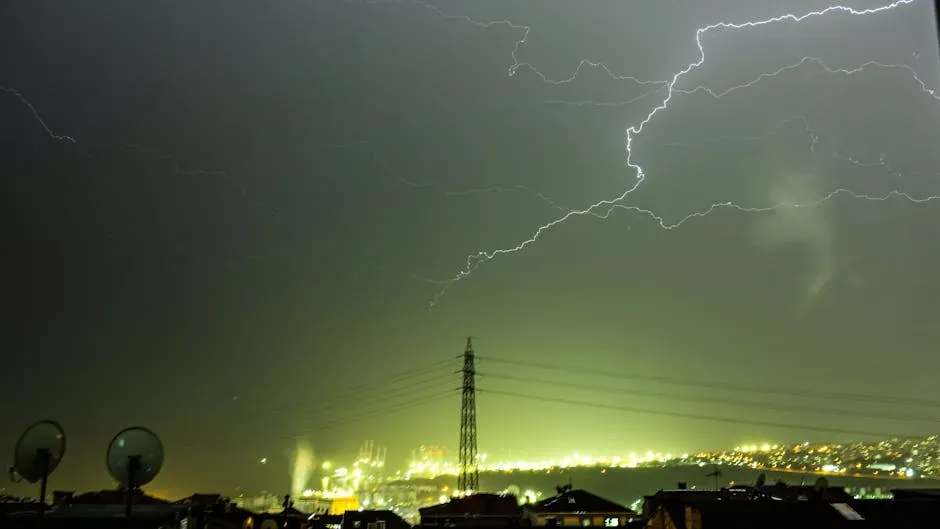
There is something almost mythologically poetic about lightning being the trigger for life. Many ancient cultures saw lightning as divine. As it turns out, they may have been onto something – even if the mechanism was strictly chemical. Electric sparks can generate amino acids and sugars from an atmosphere loaded with water, methane, ammonia, and hydrogen, as shown in the famous Miller-Urey experiment in 1952. The raw power of a single bolt of lightning, crashing into a chemical-rich early ocean repeatedly over millions of years, could have accumulated extraordinary results.
Based on the Miller-Urey experiment in 1953, the Electric Spark Theory suggests that lightning and other natural sparks could catalyze the formation of amino acids and simple sugars from atmospheric gases, creating essential organic compounds. The theory went through a rough patch when scientists realized the early atmosphere wasn’t quite what Miller and Urey assumed. Research revealed the early atmosphere of Earth was actually hydrogen-poor, but scientists have since suggested that volcanic clouds in the early atmosphere might have held methane, ammonia, and hydrogen and been filled with lightning as well. So the spark theory isn’t dead – it just got updated.
8. The Warm Little Pond Hypothesis: Darwin Was Ahead of His Time
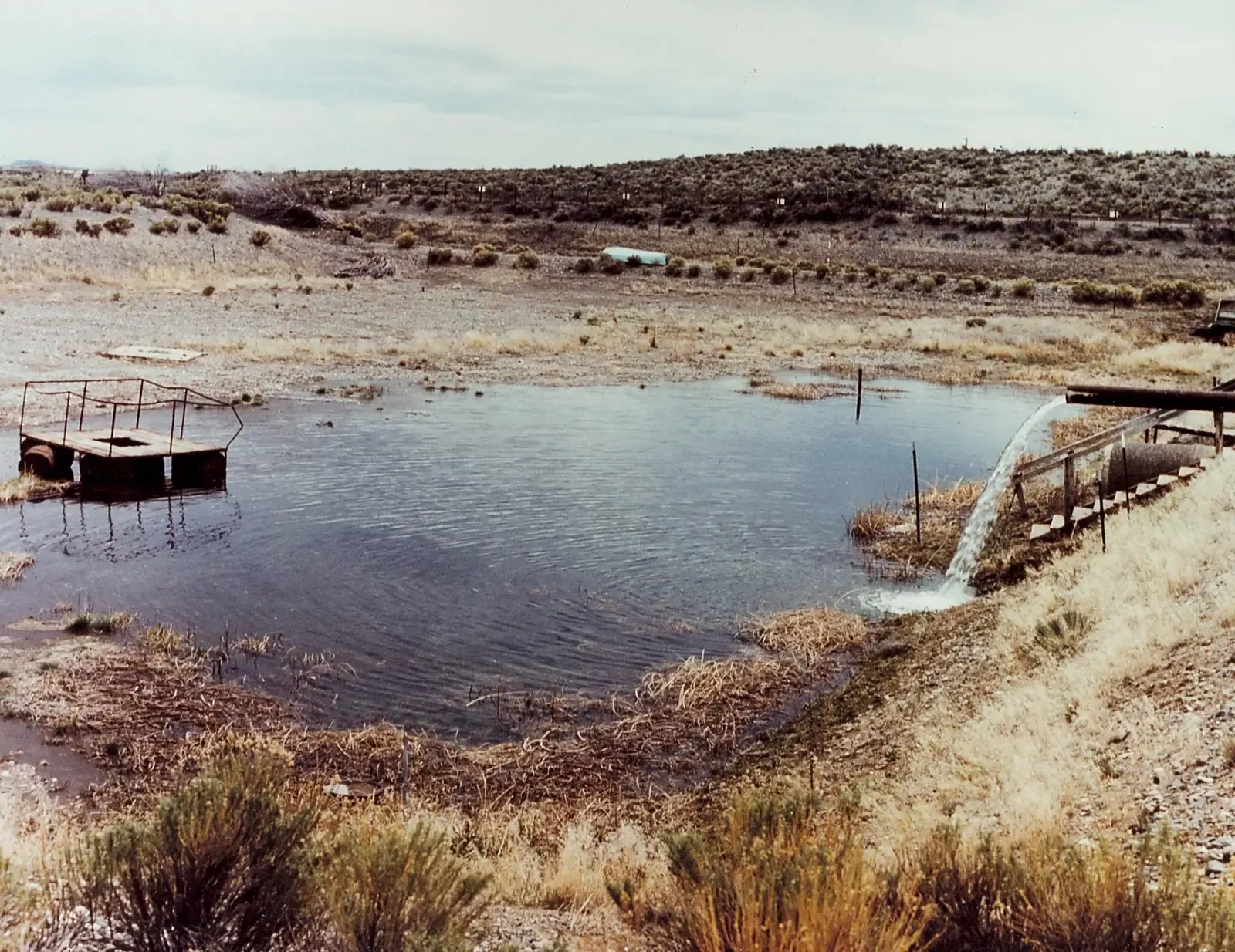
Long before modern biochemistry gave us the tools to even ask these questions properly, Charles Darwin sketched out an idea in a private letter that sounds remarkably prescient today. Charles Darwin speculated that life began in a “warm little pond” and then diversified into varied forms. Simple as it sounds, this idea has anchored an entire strand of scientific inquiry that remains very much alive in 2026.
One widely-cited hypothesis proposes that protocells self-assembled from exogenous and geothermally delivered monomers in freshwater hot springs. Recent Harvard research pushed this idea to remarkable new places. A research team sought to demonstrate how life might “boot up” from materials similar to those available in the interstellar medium, plus light energy from stars. A test tube served as the lab version of Darwin’s “warm little pond,” with the team mixing four non-biochemical carbon-based molecules with water inside glass vials surrounded by green LED bulbs. The fact that Darwin casually imagined something scientists are still actively testing, more than 150 years later, is either humbling or astounding – probably both.
9. The Mathematical Challenge: Life Shouldn’t Statistically Exist At All
Here’s a theory that doesn’t propose how life began so much as it challenges every other theory to do better. Let’s be real – nobody talks about this one enough. A new study addresses one of science’s most enduring questions: how did life first arise from nonliving matter on early Earth? Using advanced mathematical methods, Robert G. Endres of Imperial College London developed a framework indicating that the spontaneous emergence of life may have been far more difficult than previously thought.
The research highlights the immense challenge of generating structured biological information under realistic prebiotic conditions, underscoring how unlikely it would have been for the first living cell to appear naturally. Yet this isn’t a dead end. This research doesn’t disprove the possibility of life emerging naturally on Earth. Instead, it quantifies the mathematical challenges involved and suggests that we may need to discover new physical principles or mechanisms that could overcome these informational barriers. It’s a bit like being told the odds of winning the lottery – and then remembering that someone always wins.
10. The LUCA Connection: All Life Traces Back to One Ancestor on This Ancient Planet
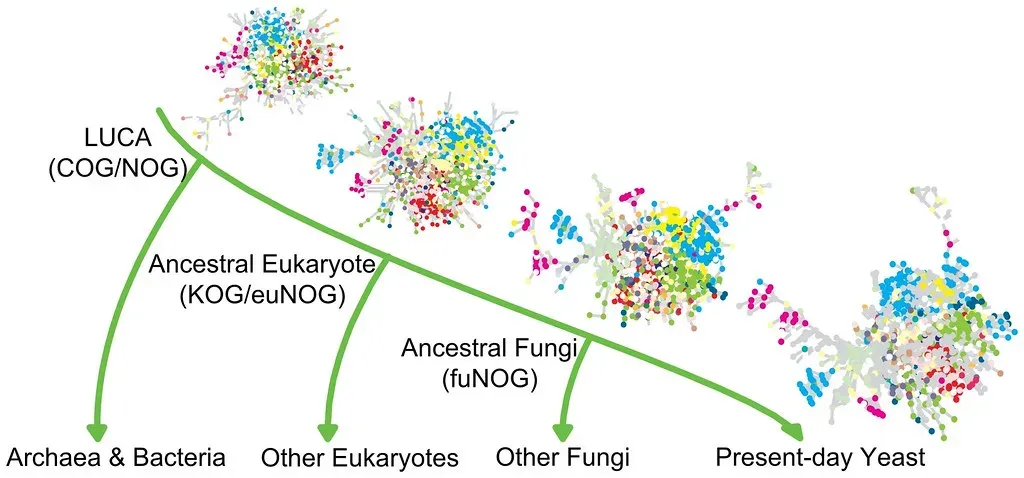
Of all the theories here, this one carries perhaps the most profound philosophical weight. Not because it explains how life began, but because it confirms that every living thing you have ever seen or will ever see descends from a single common ancestor. The first cells emerged and evolved within the context of early Earth, giving rise to the Last Universal Common Ancestor (LUCA). Reconstructing this early metabolic network is key to understanding the transition from prebiotic chemistry to fully functional cellular life. You share ancestry not just with other humans, not just with other animals, but with every bacterium, every mushroom, every blade of grass ever grown.
By tracing conserved enzymatic cores and ancient metabolic pathways, scientists can uncover the robust biochemical logic and environmental constraints that guided early evolution. This network serves as a molecular fossil, offering a window into how life first captured energy and processed information within a self-sustaining, organized system. The prevailing scientific hypothesis is that the transition from non-living to living entities on Earth was not a single event, but a process of increasing complexity involving the formation of a habitable planet, the prebiotic synthesis of organic molecules, molecular self-replication, self-assembly, autocatalysis, and the emergence of cell membranes. Life didn’t just appear. It accumulated, layer by astonishing layer.
Conclusion: The Greatest Story Never Fully Told – Yet
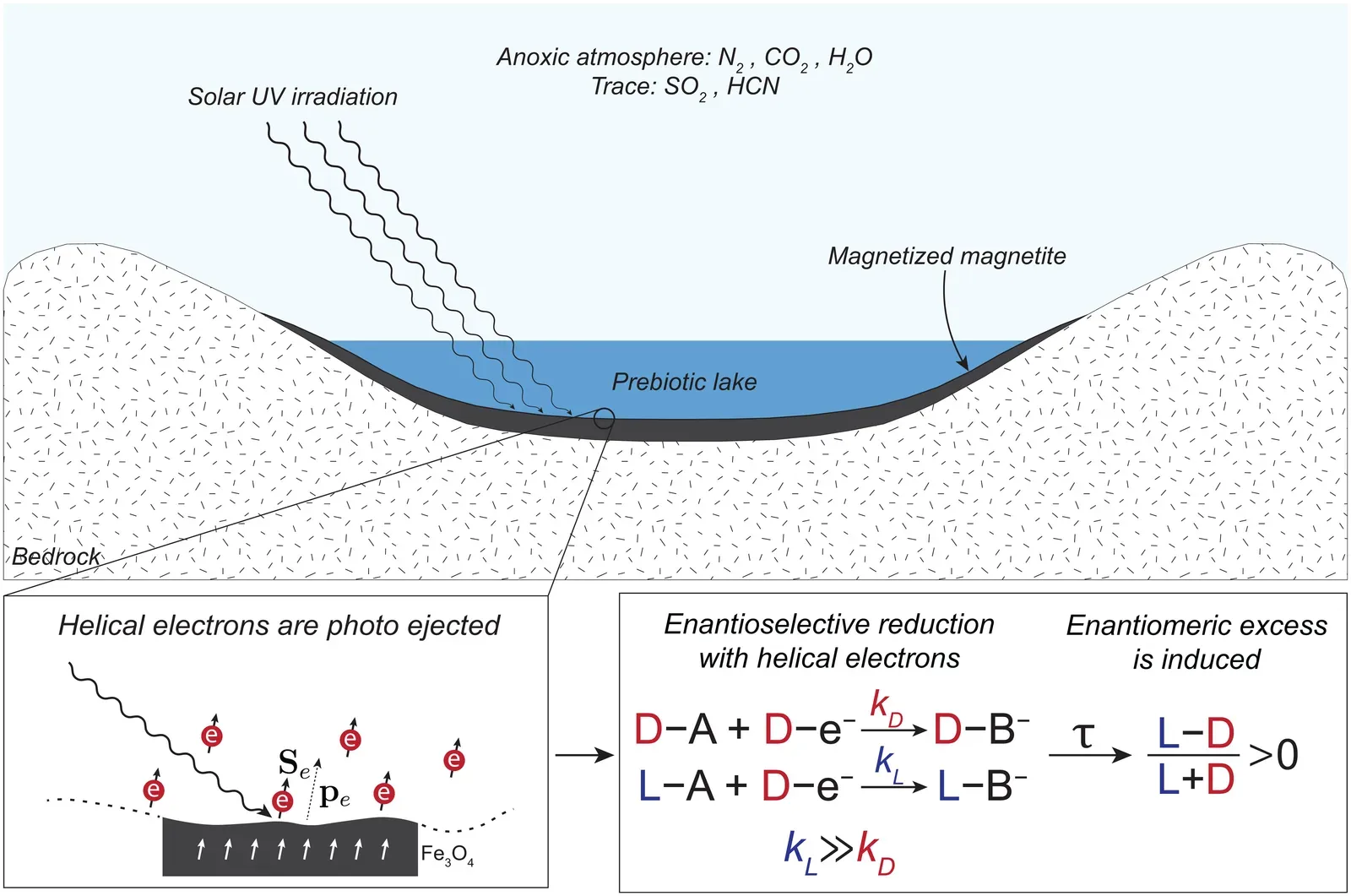
What makes all ten of these theories genuinely thrilling is that none of them are fully proven, and none are completely dismissed. Science rarely delivers clean answers to the biggest questions, and the origin of life is, without doubt, the biggest question of them all. The questions of how life forms, whether life is an inevitable outcome, and how diverse its presentation could be remain some of the most profound in science. Investigations into the origin of life confront key issues such as uncovering universal features of life and the transition from purely chemical systems to information-bearing, evolvable entities.
Perhaps the most honest and exciting answer science can give you right now is this: we’re getting closer. Current research focuses on integrating aspects of different theories, such as combining the RNA world hypothesis with the hydrothermal vent theory, to create a more comprehensive understanding. Future discoveries in astrobiology and prebiotic chemistry will undoubtedly refine our knowledge and bring us closer to unraveling this fundamental mystery. Every new experiment, every ancient fossil, every meteorite sample chips a little more light into this enormous darkness.
You are, when you really stop to think about it, the universe’s most improbable creation – a collection of ancient chemistry sophisticated enough to wonder where it came from. So here’s the question worth sitting with: knowing how staggeringly unlikely your existence is, does that make you feel smaller, or does it make you feel extraordinary? Tell us what you think in the comments below.