
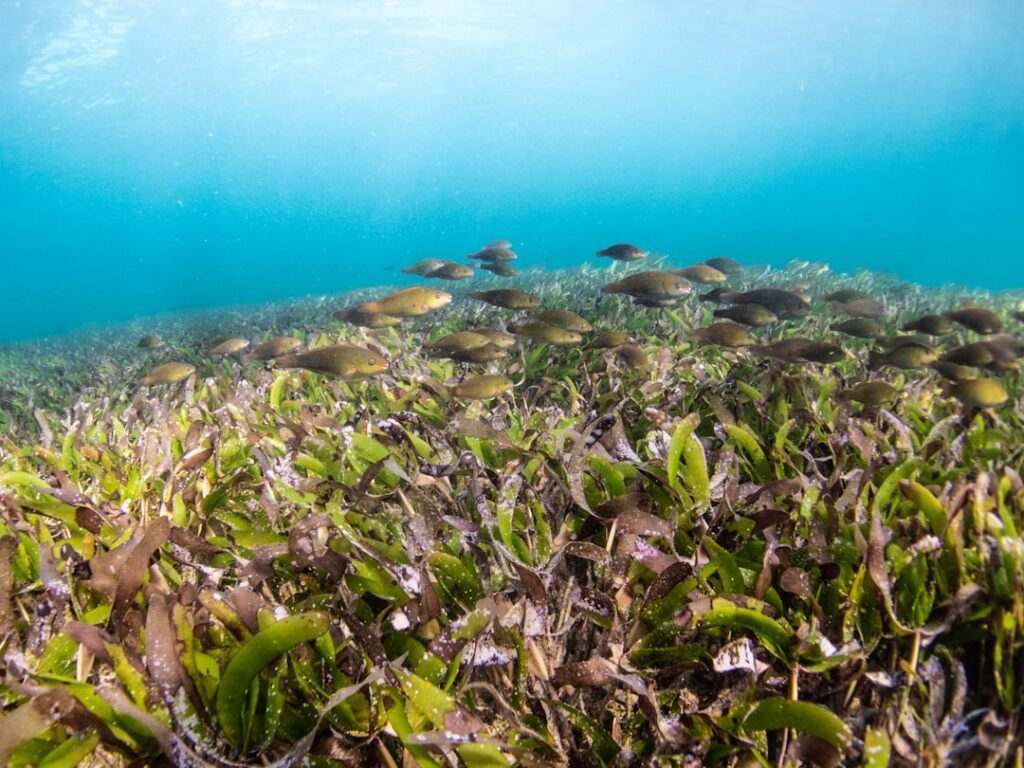
Oceans cover more than 70 percent of Earth, yet they confront escalating pressures from pollution, overfishing, and warming waters that demand immediate individual responses.
Oceans Under Siege: A Call to Action
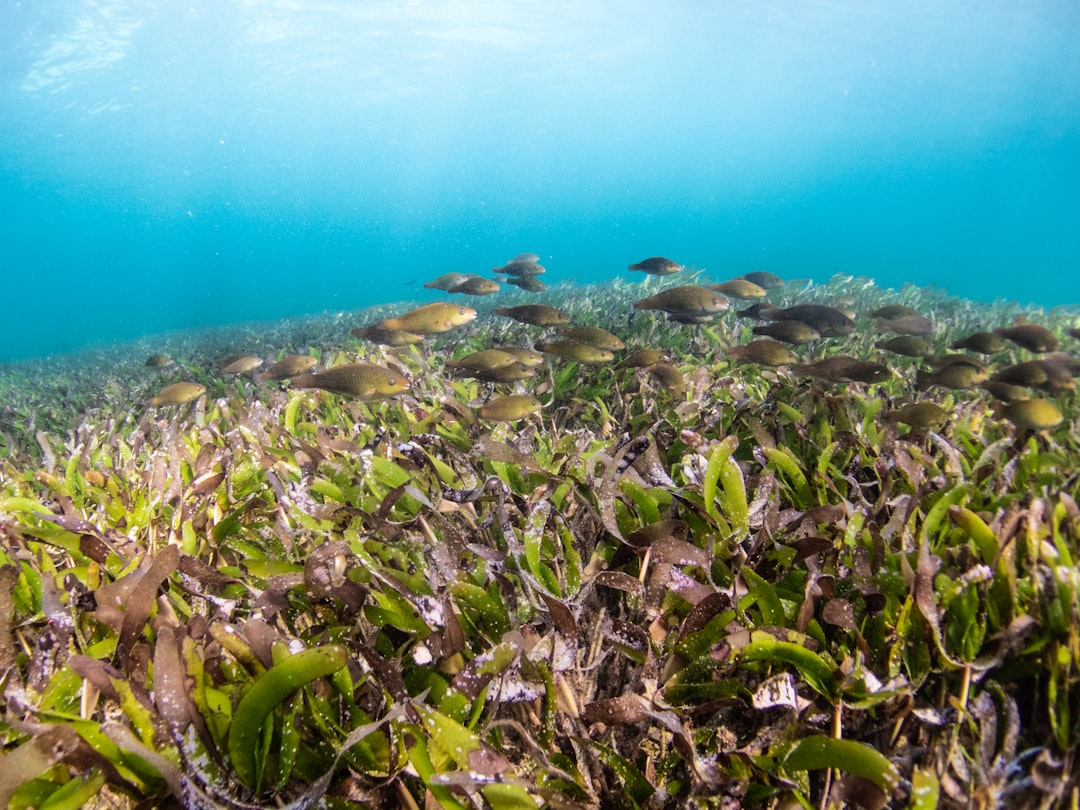
Oceans Under Siege: A Call to Action (Image Credits: Unsplash)
Coral reefs support an estimated 25 percent of all marine species, but bleaching events have decimated vast areas as temperatures rise. The ocean absorbs around a quarter of human-produced carbon dioxide, a process that regulates global climate but leads to acidification harming shell-forming creatures.
Over three billion people depend on marine biodiversity for food and income, making conservation essential for global stability. Fish stocks dwindle from industrial fishing, while millions of tonnes of plastic infiltrate food chains annually, entangling wildlife and spreading toxins.
Eliminate Single-Use Plastics from Your Routine
Plastic bags fool sea turtles into mistaking them for jellyfish, and microplastics accumulate in seabirds and dolphins. Individuals curb this threat through straightforward swaps. Carry reusable water bottles and bags to replace disposables. Opt for products with minimal packaging and scrutinize cosmetics for microbeads.
Refuse straws and cutlery at restaurants. These habits prevent countless items from reaching waterways.
- Switch to cloth shopping totes
- Choose unpackaged produce
- Select natural-fiber cleaning tools
- Support plastic-free brands
Adjust Diets and Travel for Ocean Health
Overfishing depletes populations faster than recovery, with bycatch claiming millions of non-target animals like sharks and turtles each year. Reducing seafood intake eases demand on strained fisheries. A shift toward plant-based meals proves most effective, though cutting back helps substantially.
Responsible tourism preserves habitats during dives or whale watches. Maintain distance from wildlife, apply reef-safe sunscreen, and select certified operators. Avoid touching corals or collecting shells, as these actions disrupt ecosystems long-term.
Lower Emissions and Champion Conservation
Climate shifts disrupt migrations and breeding, compounding other stresses on marine life. Practical reductions include minimizing flights, embracing public transit, and conserving home energy. Back renewable sources and plant-forward eating to shrink personal footprints.
Amplify efforts by joining citizen-science projects or donating to groups like Biosphere Expeditions, which run volunteer research in the Azores for whales and the Maldives for reefs, as detailed in their recent blog.
Share knowledge, advocate for protected areas, and vote for ocean-friendly policies.
From Individual Choices to Global Waves
Single actions seem modest, yet millions adopting them reshape industries and norms. Communities organize cleanups, workplaces improve recycling, and informed voters push protections.
Key Takeaways
- Plastic reduction prevents tonnes from entering seas yearly.
- Diet shifts relieve fishing pressure on vulnerable stocks.
- Collective habits drive policy and market changes for resilient oceans.
Marine life thrives when everyday decisions prioritize sustainability. Start small, stay consistent, and watch ripples turn to waves. What habit will you adopt first? Tell us in the comments.