
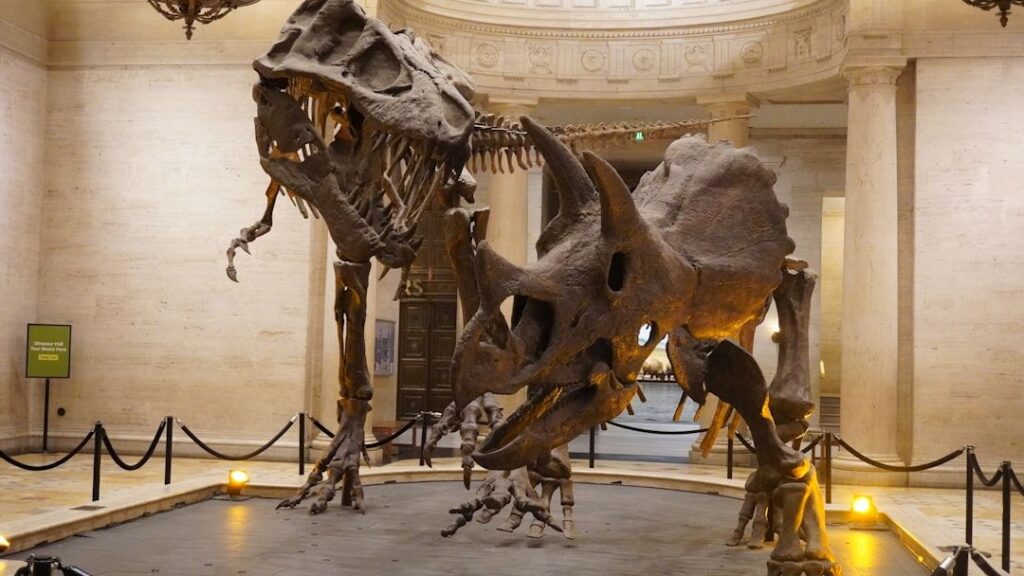
Millions of years before humans walked the Earth, an entire world of colossal creatures lived, hunted, loved, and survived in ways that still leave scientists stunned. You might think all we have are bones – ancient, dusty relics locked behind museum glass. But fossils are so much more than that. They are time capsules, crime scenes, and diaries all rolled into stone.
Every scratch on a tooth, every footprint pressed into ancient mud, every preserved dropping whispers a story. And paleontologists, those remarkable scientific detectives, are getting better than ever at hearing it. So buckle up, because what these fossils have been hiding all along is far more fascinating than you ever imagined. Let’s dive in.
1. Fossilized Footprints and Trackways: The Ultimate Travel Log
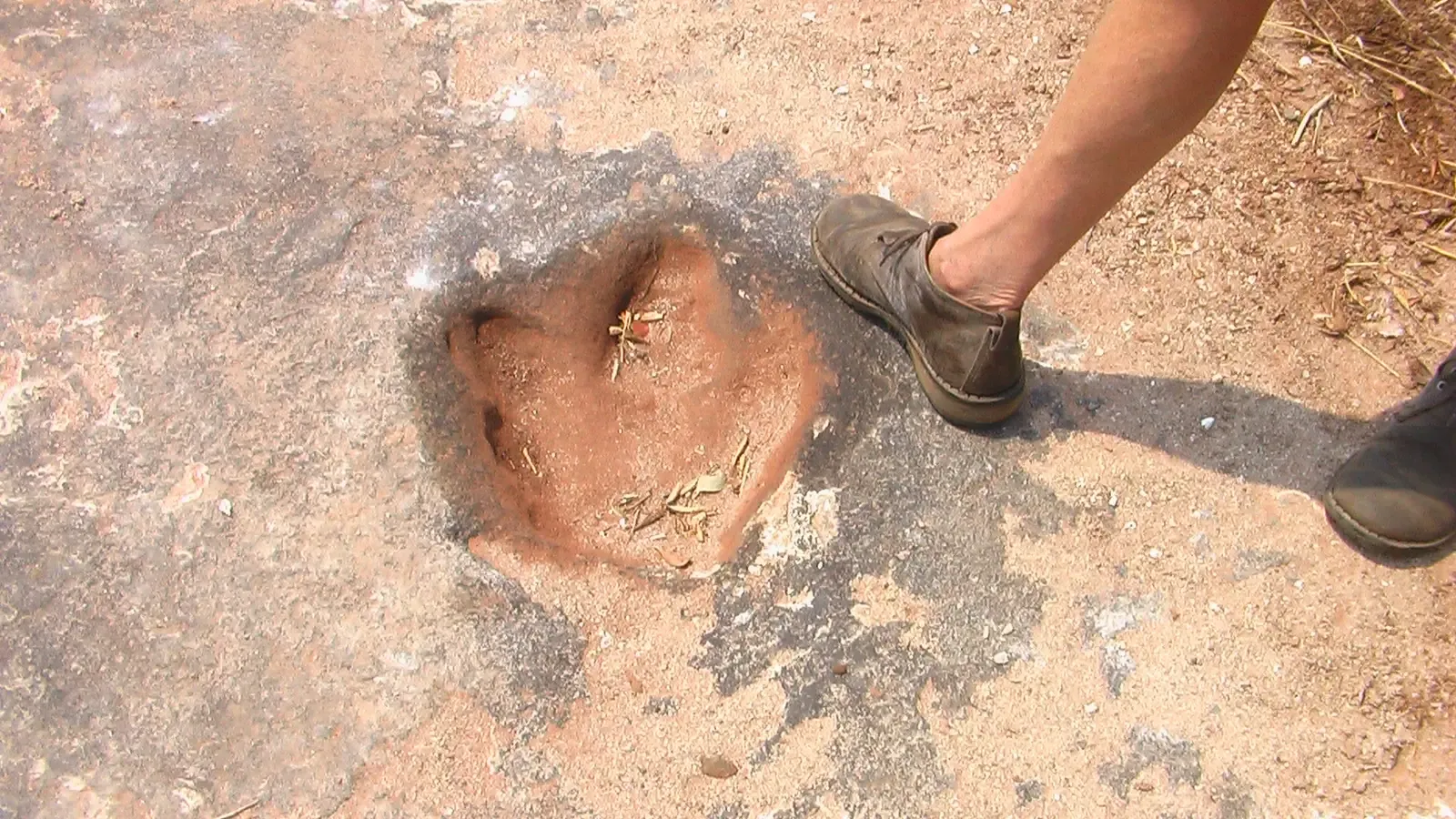
Honestly, if you want to understand how a dinosaur actually lived its day-to-day life, footprints might be the single most revealing clue of all. Series of fossilized footprints, called trackways, reveal intriguing evidence about dinosaur behavior and locomotion. Think of them like a prehistoric CCTV recording, frozen in rock for you to play back tens of millions of years later.
Even more impressive than the sheer number of tracks is what they reveal about dinosaur behavior. The fossilized footprints record animals running, making sharp turns, dragging their tails, and in some cases, moving through water. A site in Bolivia, for example, preserves over 16,000 individual footprints, and the parallel orientation of some trackways even raises the possibility that groups of dinosaurs traveled together. You are essentially watching a prehistoric highway come back to life.
2. Tooth Shape and Wear Marks: A Menu Written in Enamel
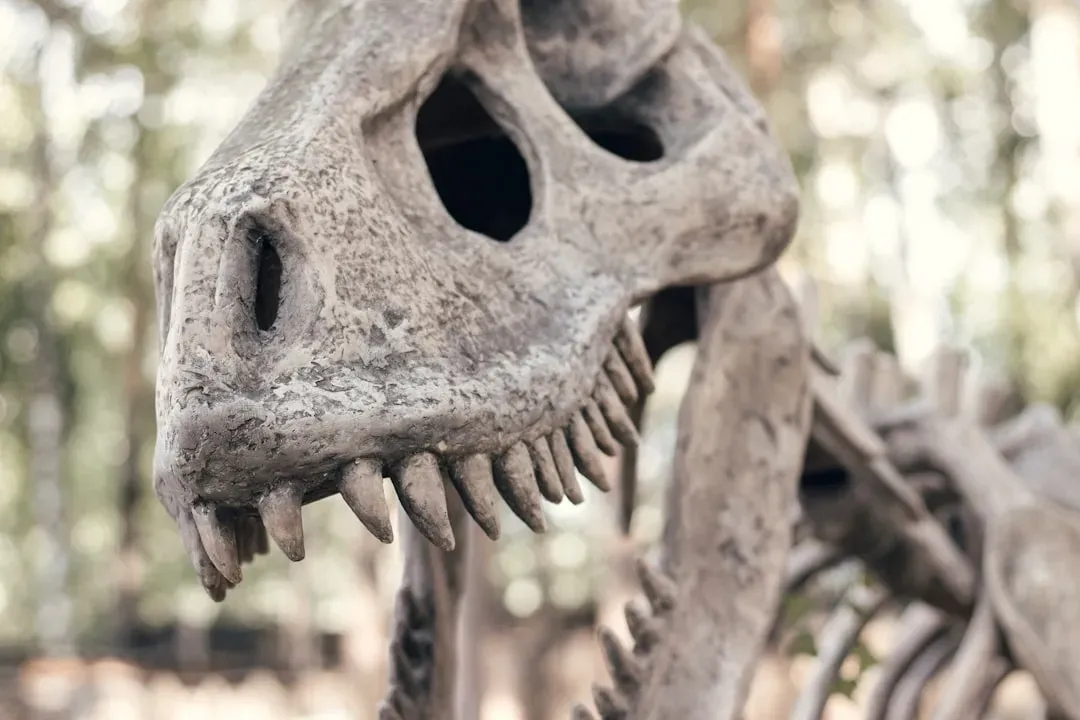
Here is the thing – a dinosaur’s teeth were not just for eating. They were a full biography of its lifestyle. You can deduce a dinosaur’s diet from the shape of its teeth. Analysis under a microscope may reveal wear marks that give further clues to what the dinosaur ate and how. It is a bit like reading a chef’s knife – the nicks and scratches tell you everything about what has been sliced.
Specific fossil features, such as a dinosaur’s teeth, indicate whether it was an herbivore or carnivore. Plant-eating dinosaurs had flatter, rounded teeth, while meat-eaters had rows of sharp teeth. On top of shape, teeth are not typically found in pristine condition and will show wear from feeding. This wear can give clues as to specifically what the creature ate and how the jaw moved when it was feeding. Every meal left its mark.
3. Fossilized Eggs and Nesting Sites: Parental Secrets Set in Stone
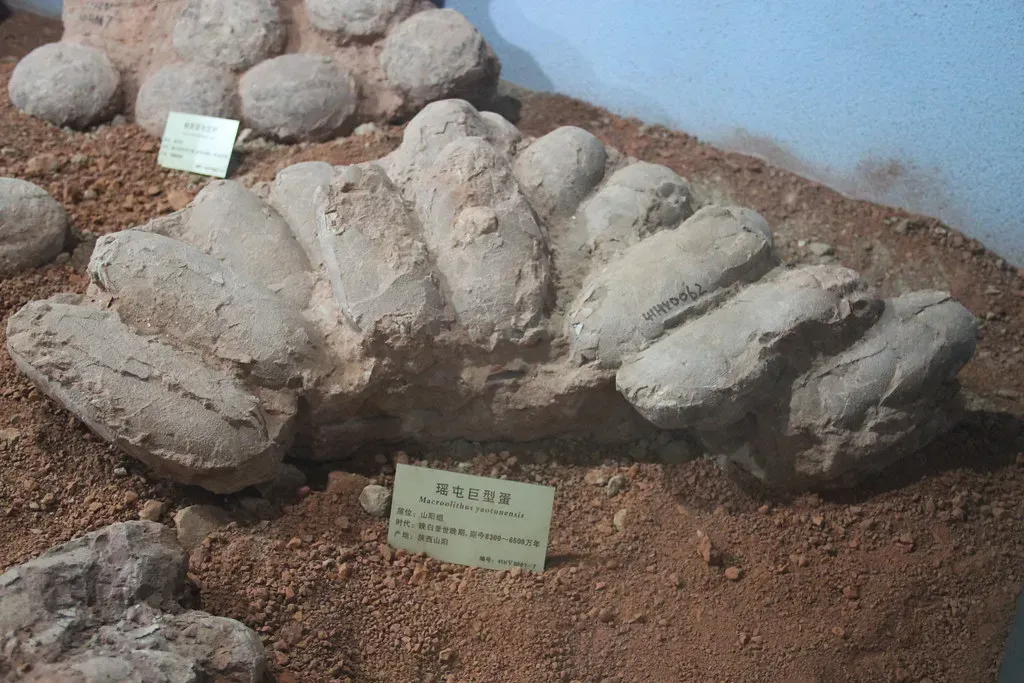
You might never have guessed that a clutch of fossilized eggs could tell you whether a dinosaur was a devoted parent or an absentee one. Paleontologists theorize that some dinosaurs raised their young. All dinosaurs laid eggs as reptiles, but varying species had differing nesting behaviors. The contrast between species is dramatic when you look closely enough.
Duck-billed Maiasaura, a name that means “good mother lizard,” is one of the best-known examples of parental behaviour. These Late Cretaceous dinosaurs, which lived around 80 to 75 million years ago, are thought to have nested in large colonies. The parents may have extensively provided food and protection for their hatchlings, although this idea is still debated. Meanwhile, fossil records indicate that some dino parents, such as Brachiosaurus, left the nest shortly after laying their eggs. Experts assume this because they’ve never found fossils of the bones of an adult Brachiosaurus by the nest.
4. Bone Beds and Mass Assemblages: Evidence of Herd Life
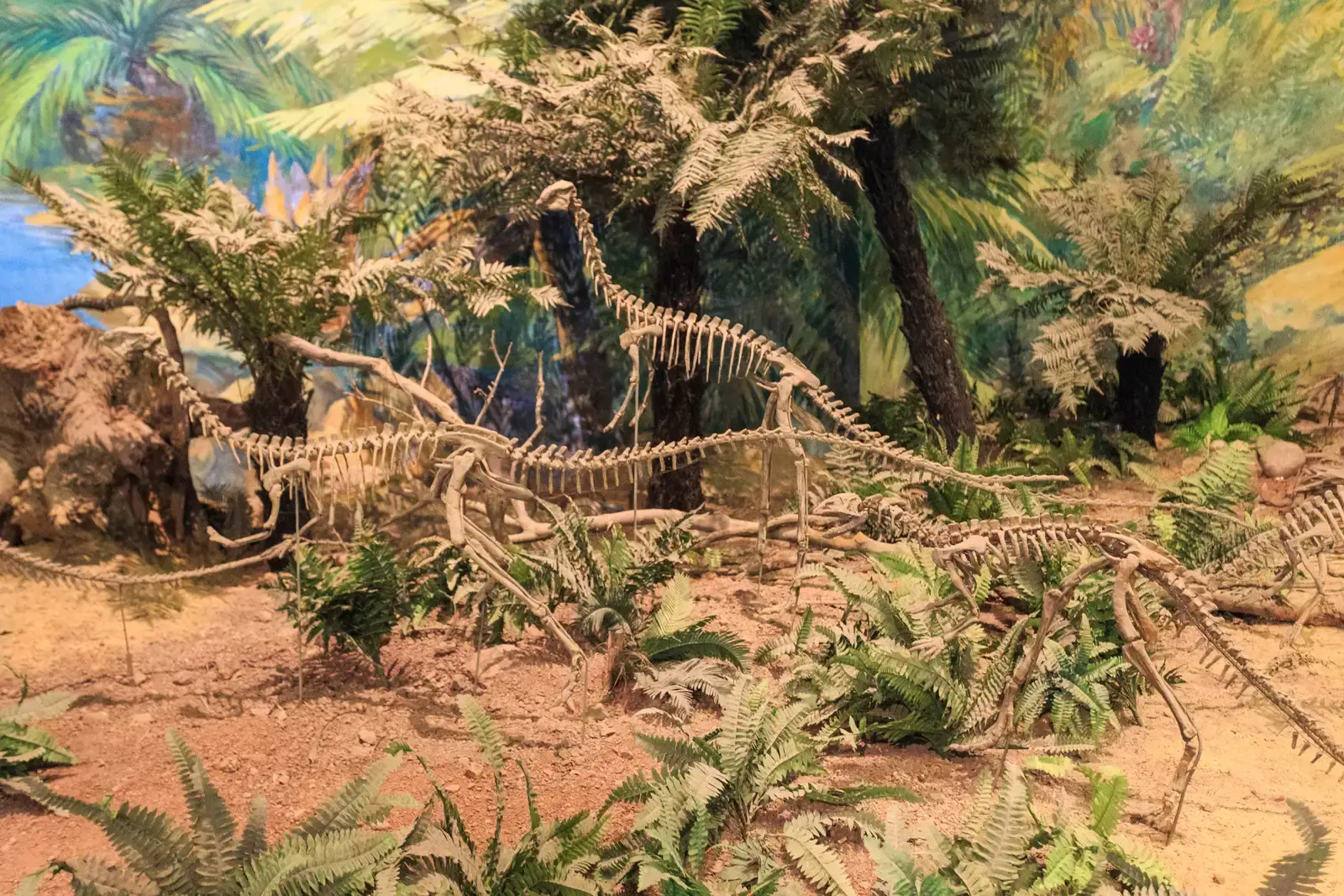
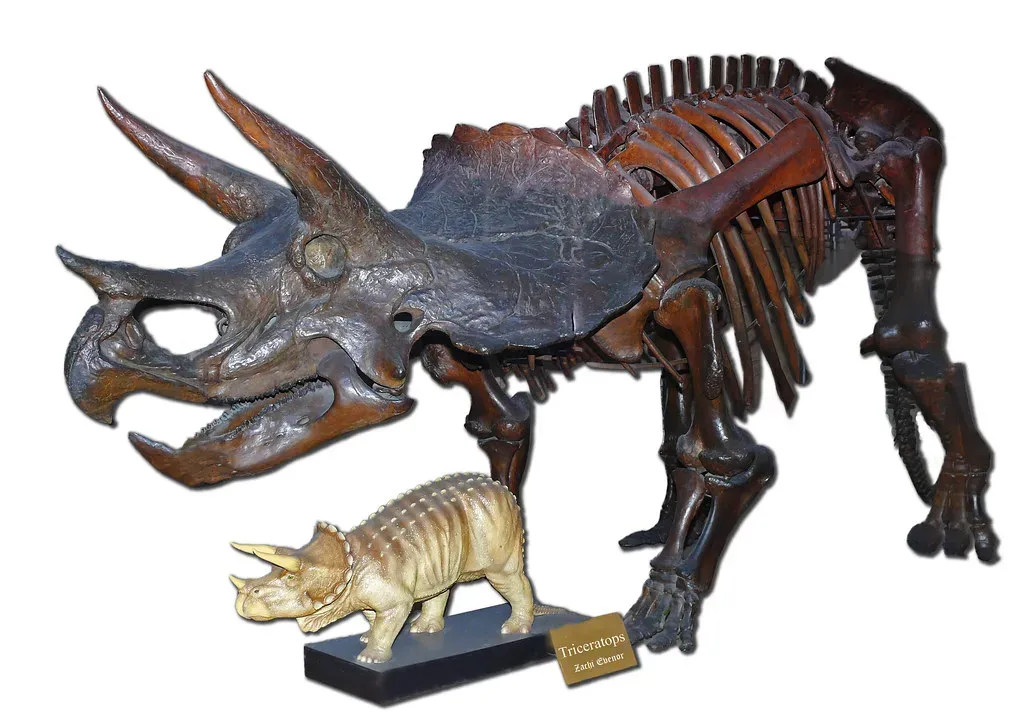
Let’s be real – the idea of a dinosaur as a lonely, solitary monster is mostly a Hollywood invention. Some fossil records show that a few species, especially herbivores, lived in groups. Based on fossils scientists have unearthed, it’s very likely that specific species, such as the Styracosaurus and Triceratops, traveled in massive herds. The fossil beds are practically screaming this at us.
An exceptional fossil occurrence from Patagonia includes over 100 eggs and skeletal specimens of 80 individuals of the early sauropodomorph Mussaurus patagonicus, ranging from embryos to fully-grown adults. What makes this discovery extraordinary is the age segregation within the site. Researchers from MIT, Argentina, and South Africa say Mussaurus patagonicus may have lived in herds as early as 193 million years ago – 40 million years earlier than other records of dinosaur herding. That rewrites the social history of dinosaurs entirely.
5. Coprolites (Fossilized Dung): The Most Unglamorous Clue of All
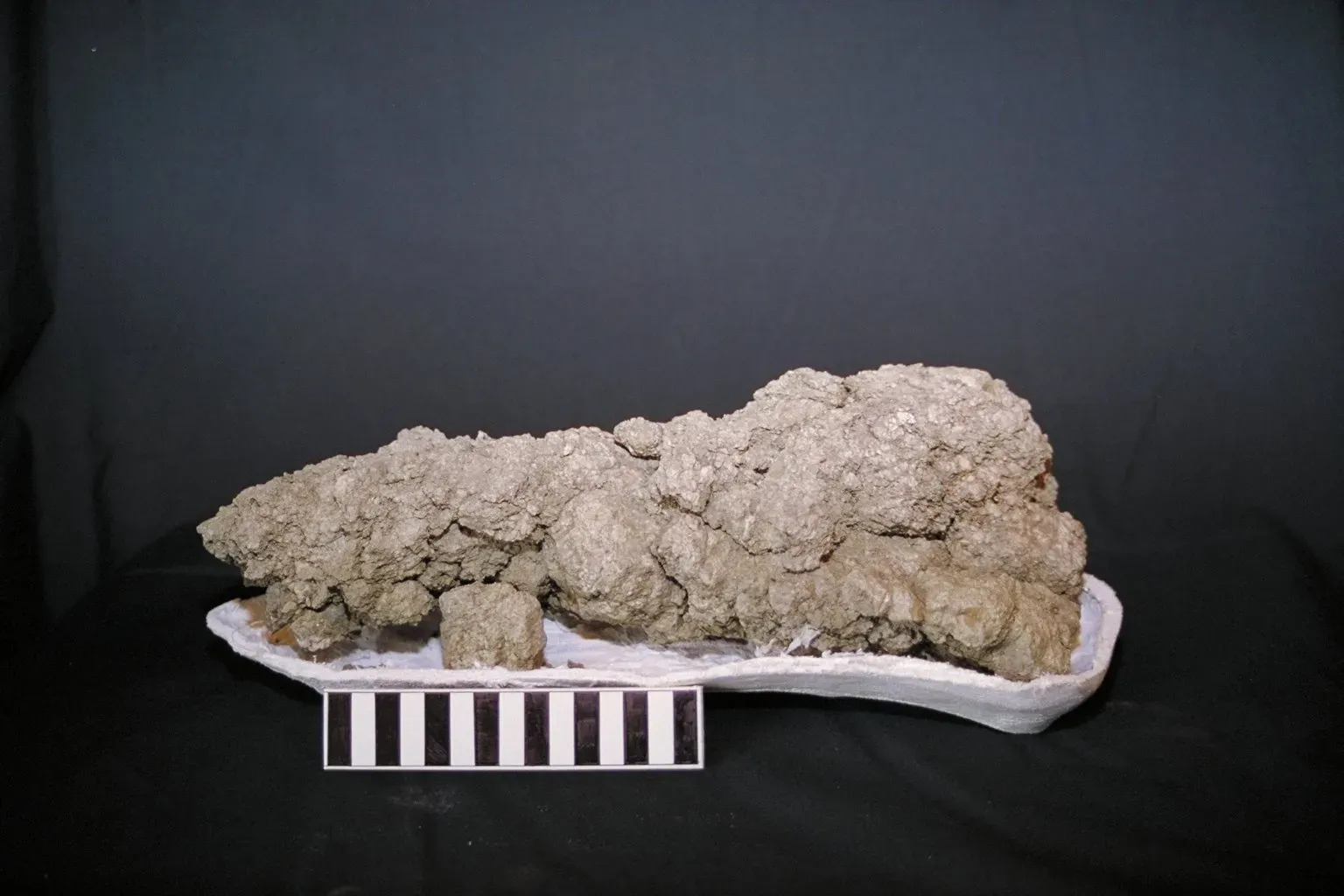
Yes, we are talking about dinosaur poop. It sounds ridiculous, but fossilized dung – or coprolites – might actually be among the most information-rich fossils in existence. They serve a valuable purpose in paleontology because they provide direct evidence of the predation and diet of extinct organisms. Think of it as the ultimate receipt for a prehistoric meal.
A famous 44-cm–long coprolite dropped by T. rex contains pulverized bones of ornithischian dinosaurs that had been corroded to some extent by stomach acids, but not entirely destroyed. This suggests a relatively rapid transit of food material through the gut. Beyond carnivores, coprolites can provide evidence of interactions between different species in ancient ecosystems. Coprolites with the remains of prey animals can reveal predator-prey relationships, while herbivorous coprolites with traces of specific plants can help reconstruct ancient plant communities and grazing patterns.
6. Bite Marks on Bones: Frozen Moments of Predation
Imagine finding a bone with tooth marks punched right through it. That is not just dramatic – it is pure behavioral data. Tooth traces are a form of trace fossil produced by contact between a tooth and a bone, typically during feeding. They yield data regarding the biology and behavior of the bite-making animal and potentially about interactions between extinct species.
Observations of tooth puncture marks show that a piece of bone bitten by T. rex had the tooth penetrating the bone to a depth of 11.5 mm. Research results show that the T. rex skull is equally adapted to resist biting or tearing forces and therefore the classic “puncture-pull” feeding hypothesis, in which T. rex bites into flesh and tears back, is well supported. These marks do not just tell you what was eaten. They tell you exactly how the predator attacked – like a crime scene analyst reading the story of a kill.
7. Bone Growth Rings: Age and Life History, Hidden Inside
Much like the rings inside a tree trunk, dinosaur bones carry their own internal calendar. By carefully cutting thin sections through dinosaur bones and putting them under the microscope, you can age dinosaurs and work out how fast they grew to adulthood. This is done by counting the growth lines in the bone walls which, much like tree rings, were laid down each year. It is a surprisingly intimate window into an individual animal’s life.
Dinosaurs grew really fast, with even the largest species such as Apatosaurus and Tyrannosaurus reaching full size in no more than 30 years – and like humans, dinosaurs had a teenage growth spurt. This has resulted in a shift in the scientific perception of non-avian dinosaurs from “sluggish” reptiles to fast-growing animals with relatively high metabolic rates. That is a complete revolution in how you should think about these animals.
8. Preserved Skin Impressions and Feather Fossils: Appearances Reveal Behavior
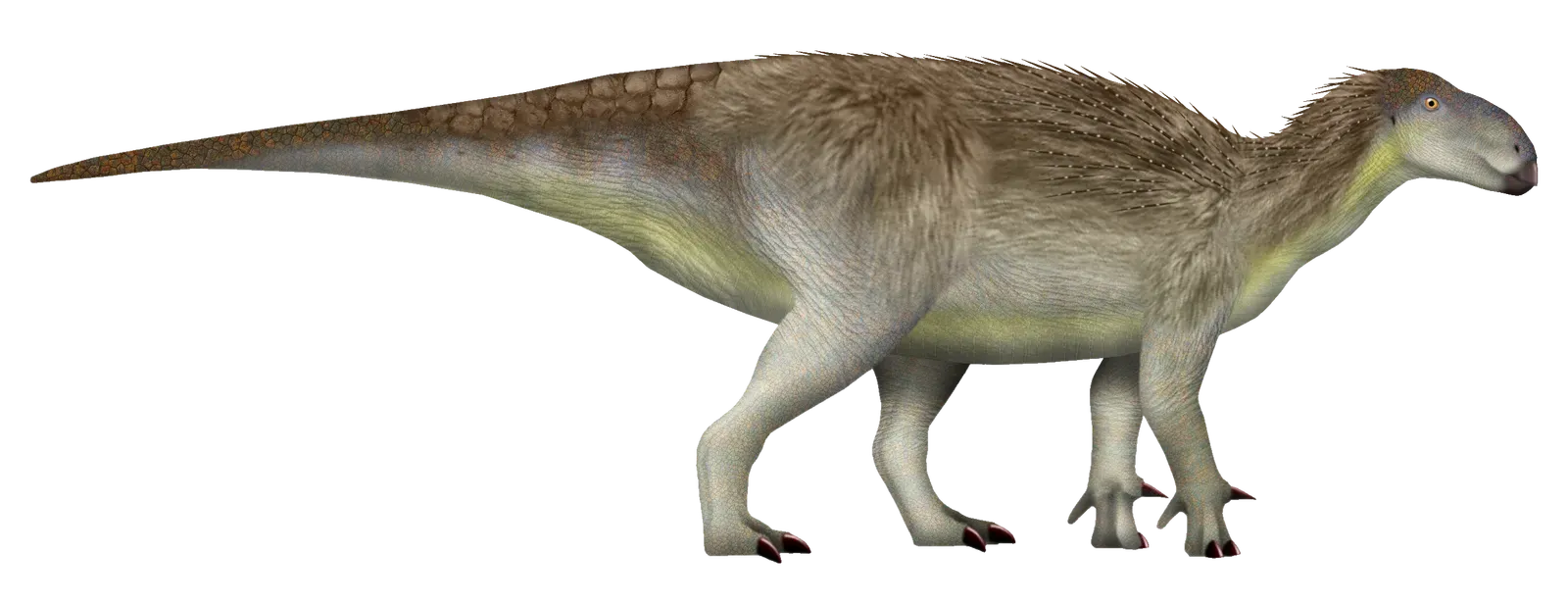
You might think skin and feathers only tell you what a dinosaur looked like. But the truth goes much deeper. Feathers evolved before flight and may have functioned as insulation to keep dinosaurs warm, or for display as a way to attract mates. In other words, feather fossils are behavioral clues just as much as physical ones.
Scientists in China have uncovered an exceptionally preserved juvenile iguanodontian with fossilized skin so detailed that individual cells are still visible. Even more astonishing, the plant-eating dinosaur was covered in hollow, porcupine-like spikes – structures never before documented in any dinosaur. Discoveries like this remind you that dinosaur appearance was far more varied and complex than you have probably ever imagined, and that appearance almost certainly played a role in social interactions, defense, and mate selection.
9. Sleeping and Resting Postures: Caught in the Act of Relaxing
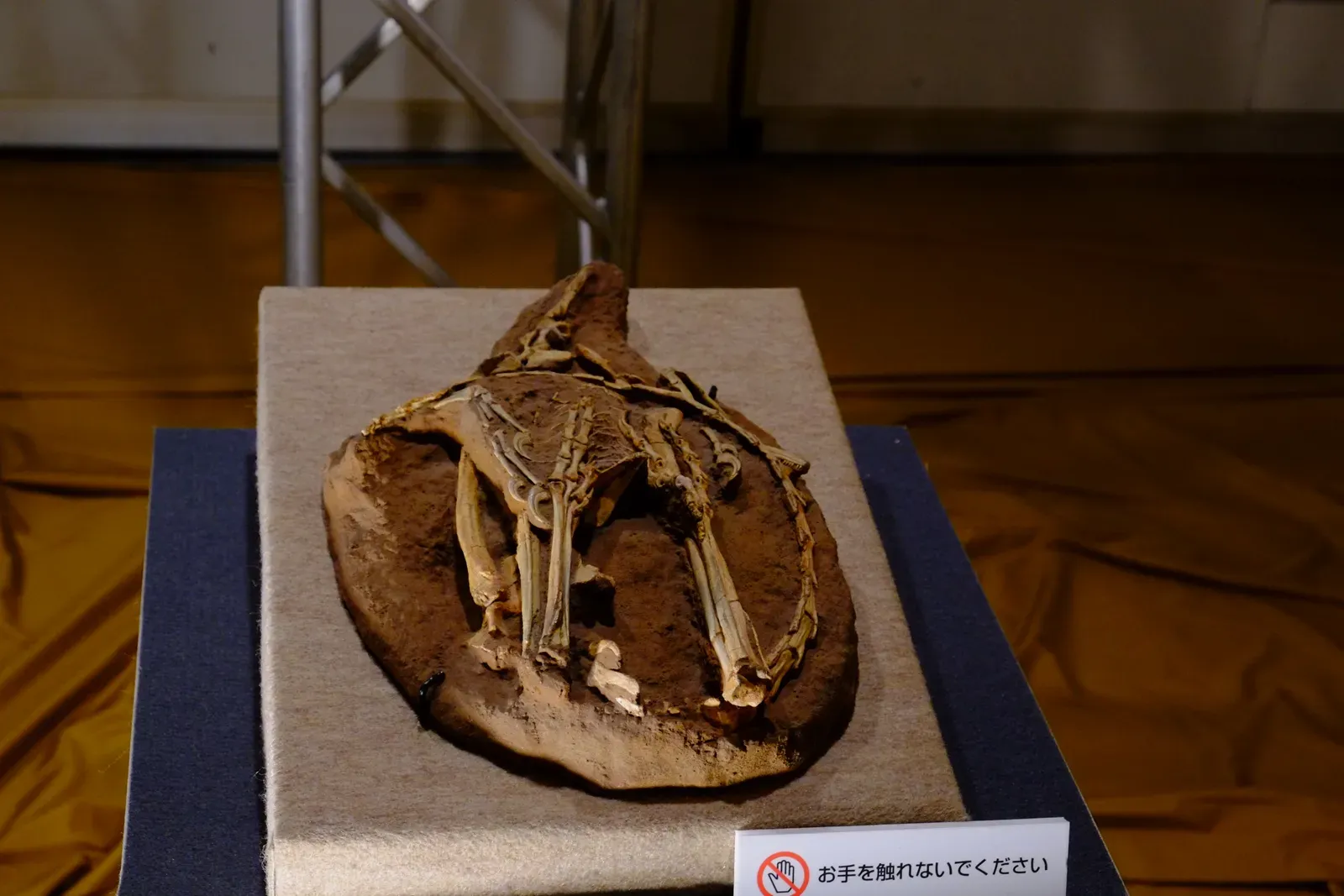
I know it sounds crazy, but some fossils have literally preserved dinosaurs in the middle of their resting poses. Fossils of the troodonts Mei and Sinornithoides demonstrate that some dinosaurs slept with their heads tucked under their arms. This behavior, which may have helped to keep the head warm, is also characteristic of modern birds. You are not just looking at bones – you are looking at something that fell asleep 125 million years ago and never woke up.
This kind of preservation is rare and precious. It bridges the gap between dinosaurs and their living bird descendants in a way that no skull or footprint ever could. There is general agreement that some behaviors that are common in birds, as well as in crocodilians, were also common among extinct dinosaur groups. Interpretations of behavior in fossil species are generally based on the pose of skeletons and their habitat, computer simulations of their biomechanics, and comparisons with modern animals in similar ecological niches.
10. Skull and Jaw Structure: Engineering Blueprints for Feeding Behavior
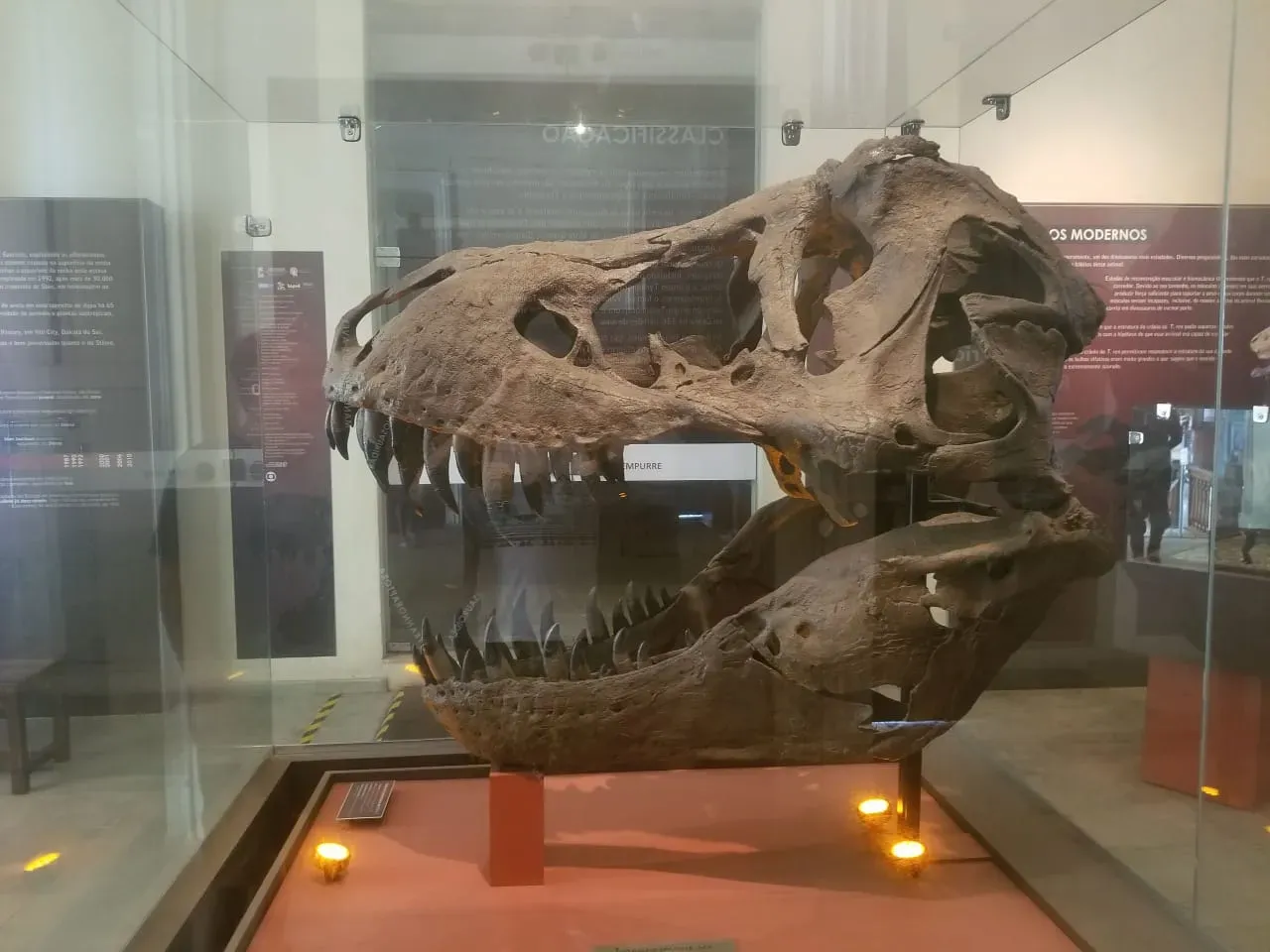
The skull of a dinosaur is not just a head – it is a highly specialized feeding machine. Scanned images of skulls can be tested using standard engineering software to determine how the structure was shaped by stresses and strains of walking, running, feeding, or head butting. A useful modeling approach is finite element analysis (FEA), a well-established method used by engineers to assess the strength of bridges and buildings before they are built, and now applied to dinosaur skulls.
Fossils revealed that Albertosaurus had jaws designed to apply brutal force, suggesting that its hunting behavior was likely based on biting and tearing into its prey. Meanwhile, the similarities between Spinosaurus teeth and a modern-day crocodile’s teeth led paleontologists to believe that Spinosaurus ate fish. Fossils from herbivores like Pachyrhinosaurus and Triceratops reveal sharp, powerful beaks, suggesting that these species tore apart and snacked on tough plants. Every curve, every fang, every groove in the jaw is a behavioral blueprint hiding in plain sight.
Conclusion: The Past Is Never Truly Silent
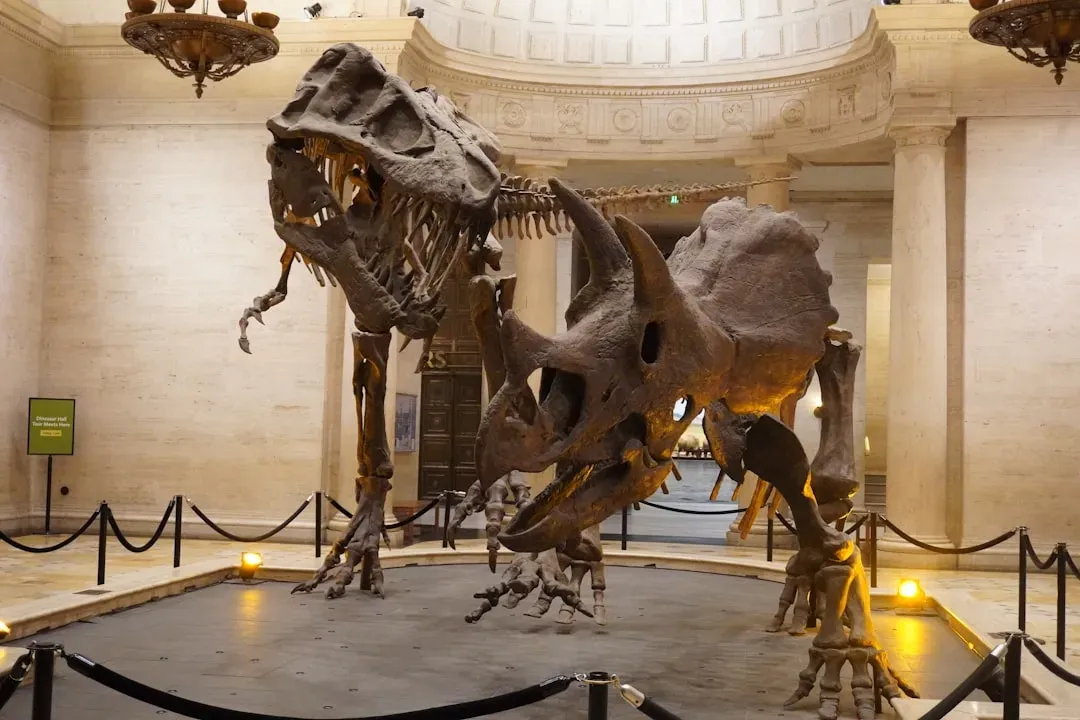
Fossils are one of the most extraordinary things on this planet – not because they are old, but because they are still talking. Every trackway, every cracked bone, every microscopic growth ring is a sentence in a story that started hundreds of millions of years before you were born. Paleontologists are like detectives who examine the evidence that extinct animals left behind. Those clues are found in fossils – the ancient remains of an organism, such as teeth, bone, or shell – or evidence of animal activity, such as footprints and trackways. Everything we know about non-avian dinosaurs is based on fossils, which include bones, teeth, footprints, tracks, eggs, and skin impressions.
The ten clues explored here are just the beginning. As technology advances – from CT scanning to chemical isotope analysis – the stories these stones tell are becoming richer and more detailed than ever. It is hard not to feel a sense of awe when you realize that a chunk of mineralized dung or a single sleeping skeleton can transform your entire understanding of life on prehistoric Earth. So next time you stand in front of a fossil, look a little closer. What would you have guessed was hiding inside?